landmark
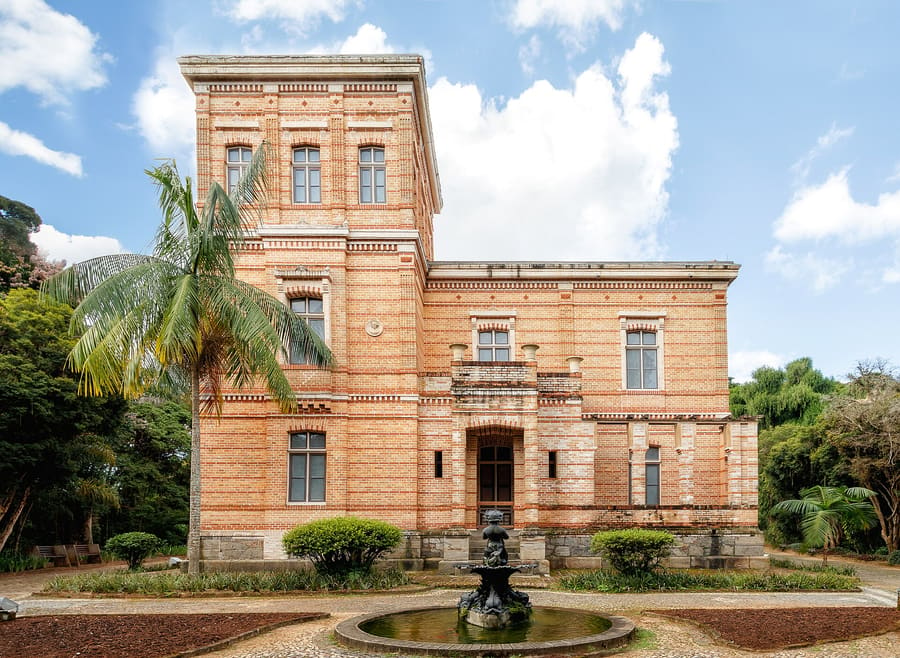
Mariano Procópio Museum
Brazil's first regional museum houses imperial furniture, art, and a lake park. Villa entry requires advance booking.
Tanya ParleyBrasil
Minas industrial pioneer turned university hub in the hills.
introduction
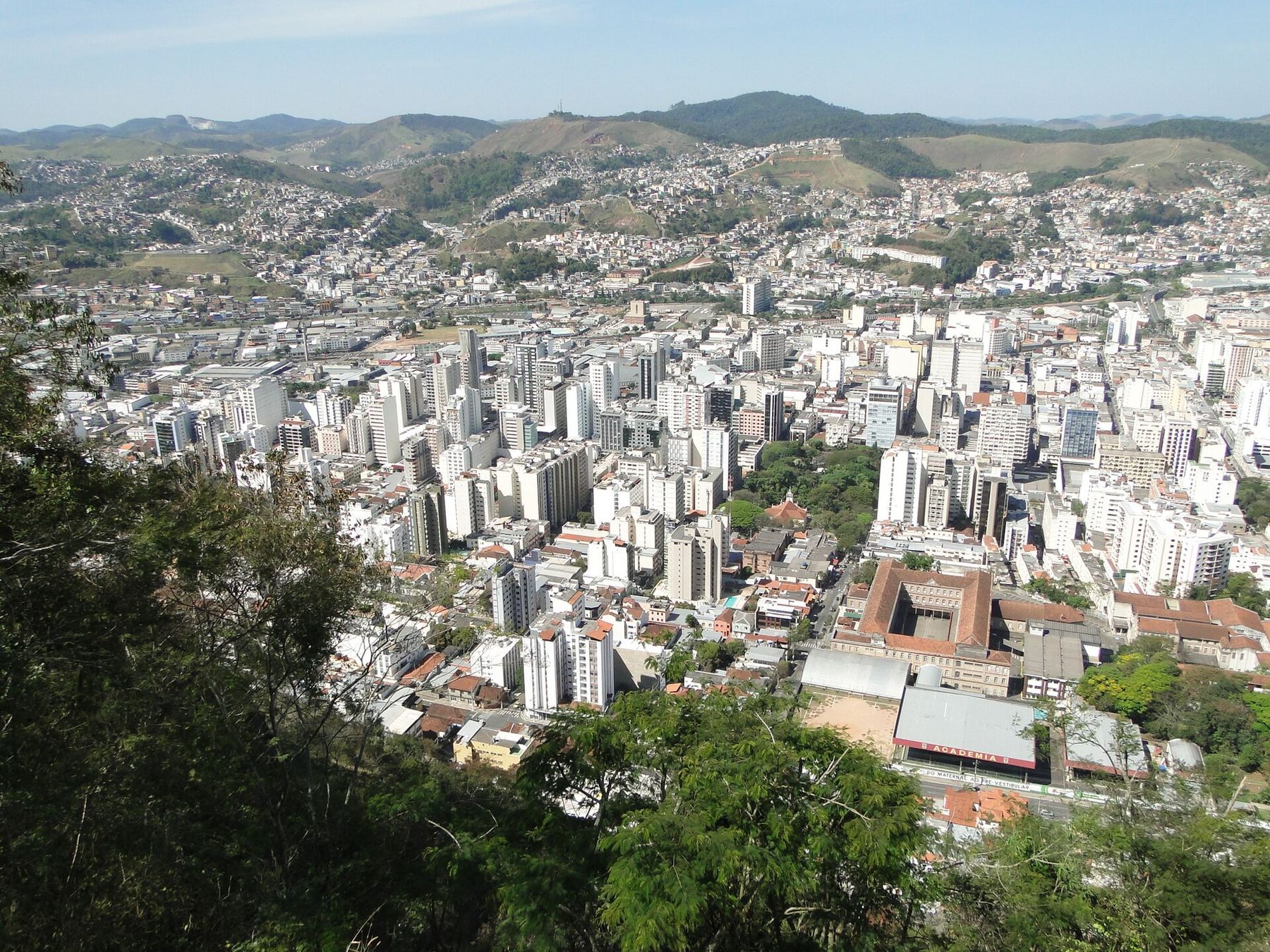
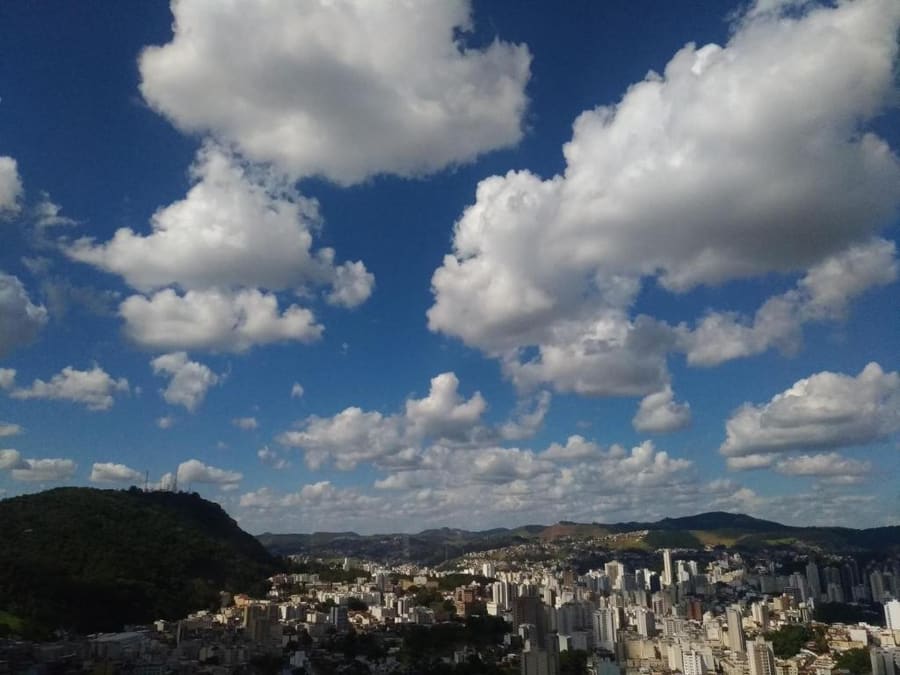
Juiz de Fora sits in the Zona da Mata hills near the Rio de Janeiro state border. The city built its wealth on coffee plantations and early textile manufacturing before turning into a regional education center. You navigate the core along the straight axis of Avenida Barão do Rio Branco, where steep side streets climb into residential slopes.
Arrival from Rio
Buses from Rio de Janeiro arrive every hour at the Rodoviária. The trip takes three hours via the BR-040.
First regional museum
Mariano Procópio Museum opened in 1921 as the first museum in Minas Gerais. It holds imperial heirlooms.
Hillside rain warning
Heavy rain falls from November to March. Plan hillside walks for clear morning hours.
Juiz de Fora
Unknown authorUnknown author · Public domain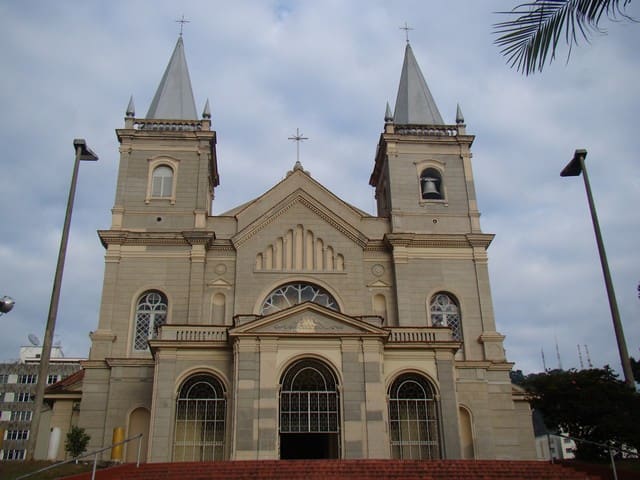
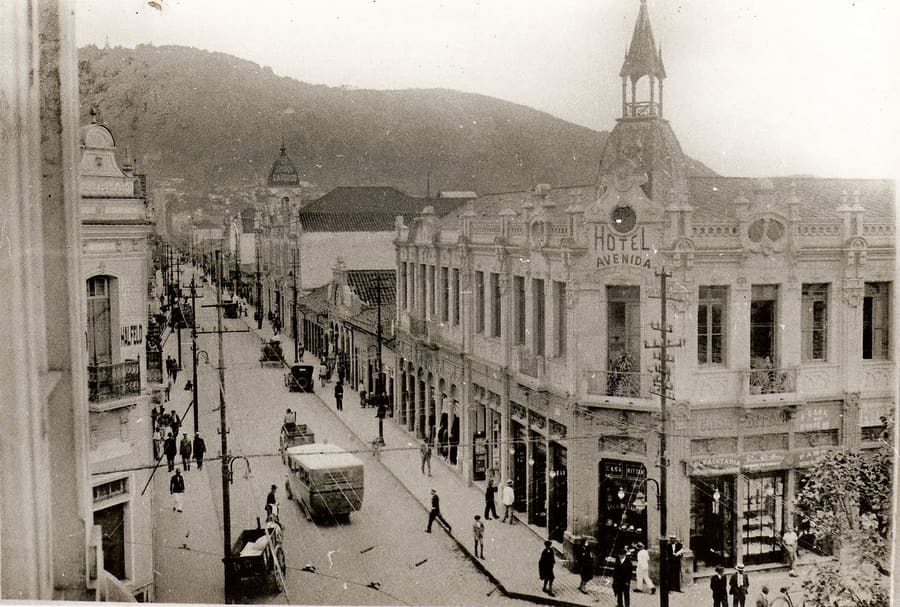
Centro — Dense commercial grid filled with retail arcades, transit corridors, and busy lunch counters.
Arquidiocese de Juíz de Fora · CC BY-SA 3.0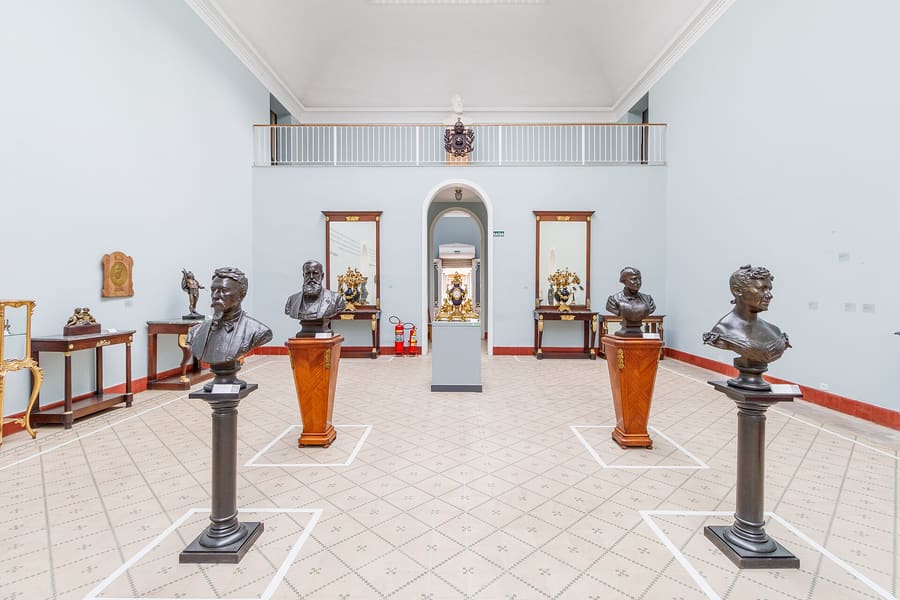
Mariano Procópio — Quiet residential quarter built around the historic imperial estate and wooded park grounds.
Rodrigo.Argenton · CC BY-SA 4.0
Crispy torresmo served with lime wedges at a traditional boteco.
Murilo manzini · CC BY-SA 4.0highlights
landmark
Brazil's first regional museum houses imperial furniture, art, and a lake park. Villa entry requires advance booking.
Tanya Parley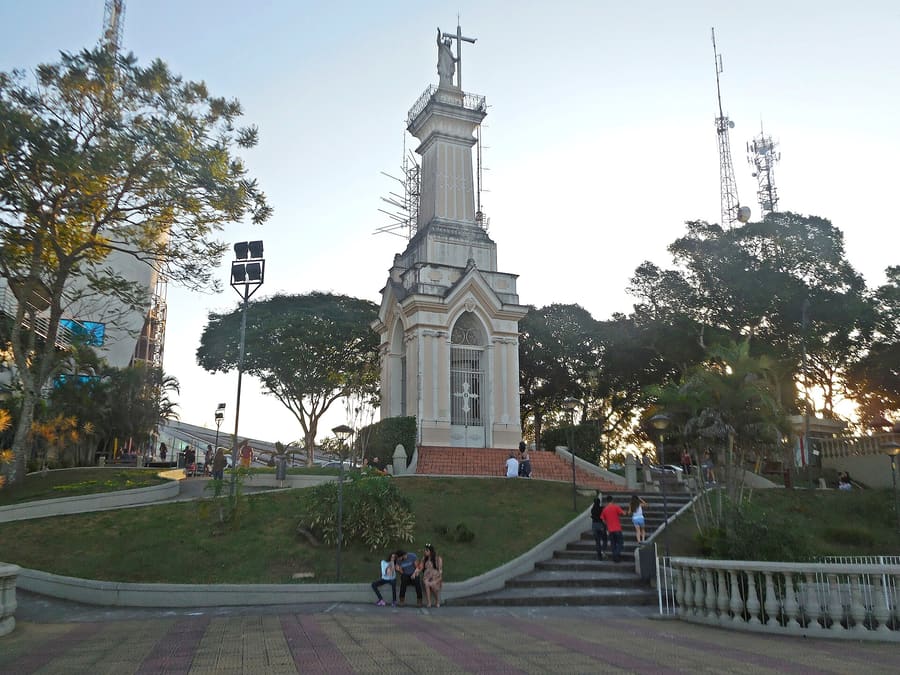
landmark
At 923 meters, this summit offers panoramic views of the city valley. Take a taxi up rather than walking steep access roads.
Tanya Parley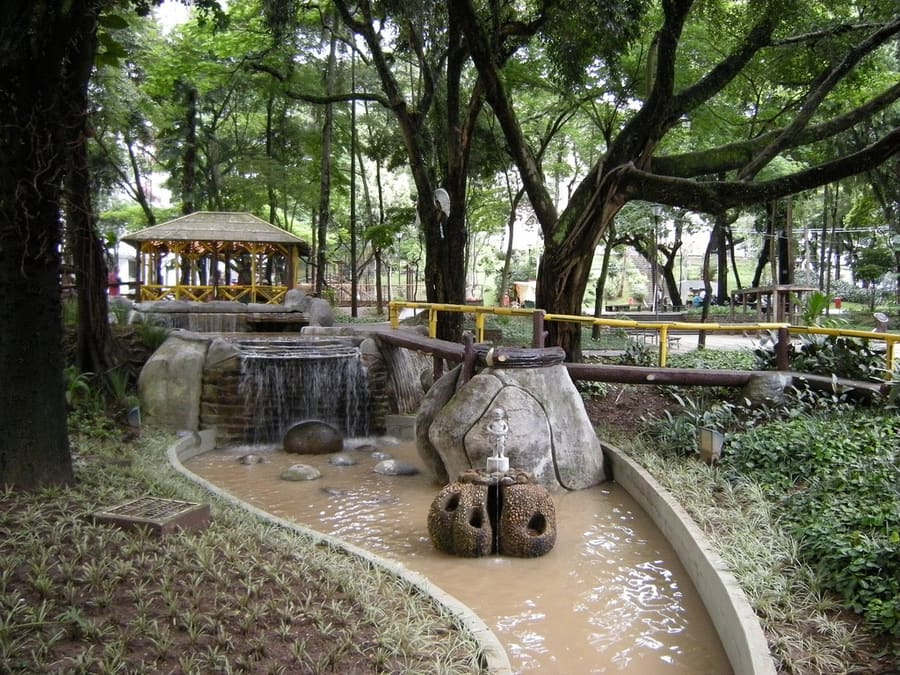
landmark
This central park connects pedestrian shopping streets to city hall. Sloths often sleep in the high canopy trees.
Tanya Parley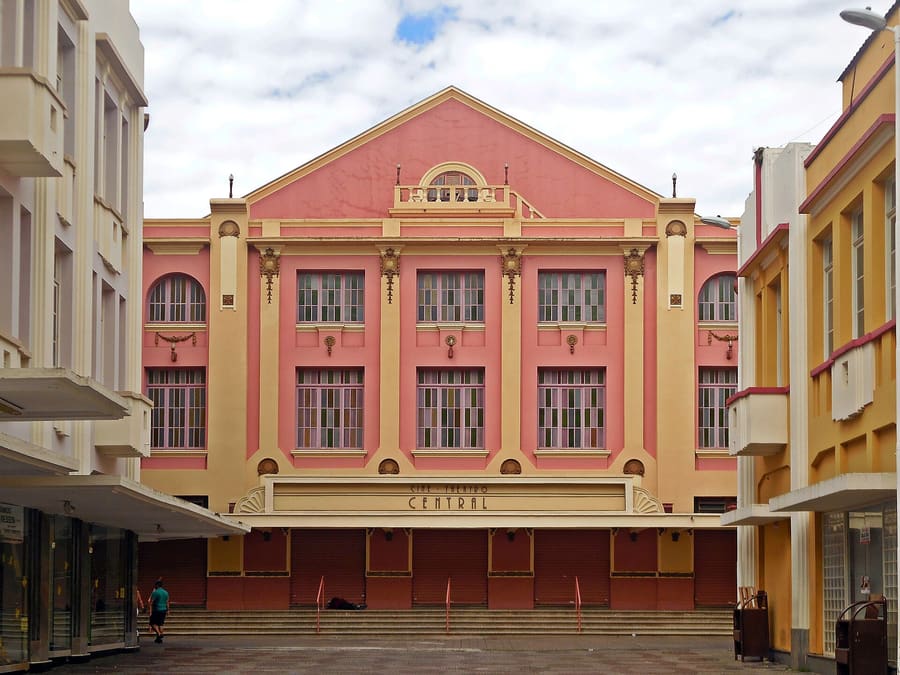
landmark
Inaugurated in 1929 with Italianate ceiling murals and 1,800 seats. Guided technical tours run on select weekday mornings.
Tanya Parley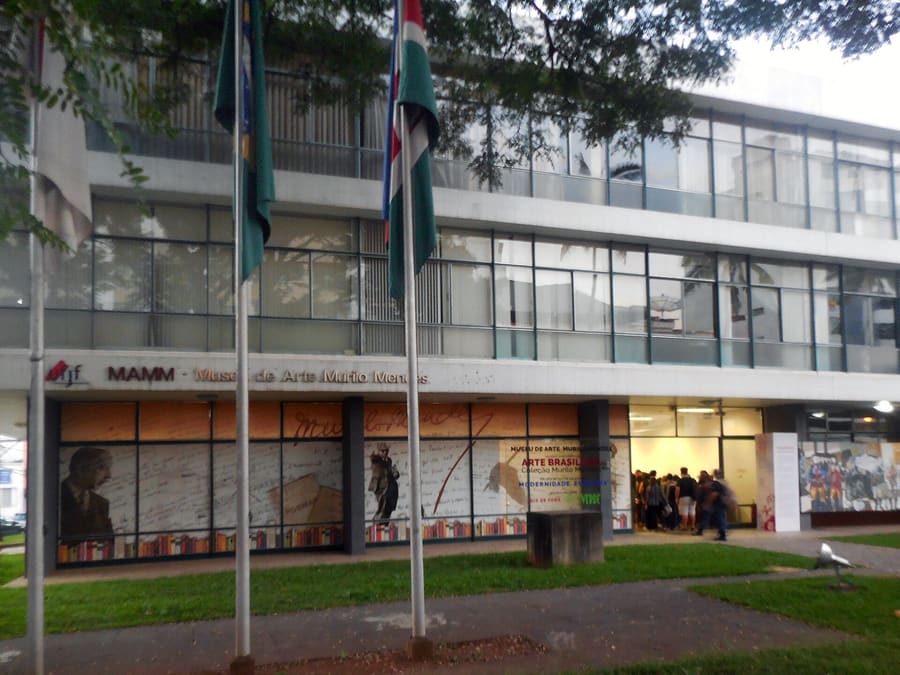
landmark
Exhibits the modern art collection of poet Murilo Mendes, including works by Miró and Guignard. Admission is free.
Tanya Parleyattractions
areas
Dense commercial grid filled with retail arcades, transit corridors, and busy lunch counters.
DekatParque Halfeld and Cine-Theatro Central
Tanya ParleyQuiet residential quarter built around the historic imperial estate and wooded park grounds.
DekatMariano Procópio Museum and Northern bus routes
Tanya ParleyUpscale neighborhood packed with craft brewpubs, steakhouses, and lively outdoor bar tables.
DekatShopping Alameda and southern dining corridors
Tanya ParleyEnergetic district near the university with affordable eateries, bakeries, and apartment towers.
DekatUFJF campus and Avenida Independência
Tanya Parleyfood
Juiz de Fora bridges traditional Mineiro cooking and Rio de Janeiro pub culture. The city's signature bar snack is torresmo, thick cuts of fried pork belly served with crisp skin and fresh lime. Local bars participate in the annual Comida di Buteco competition, making pub dining a central evening activity across the city center and Alto dos Passos.
Crispy torresmo served with lime wedges at a traditional boteco.
Murilo manzini · CC BY-SA 4.0Bar do Abílio on Rua Dom Silvério serves famous thick-cut pork belly crisp. Request a fresh lime to balance the rich fat.
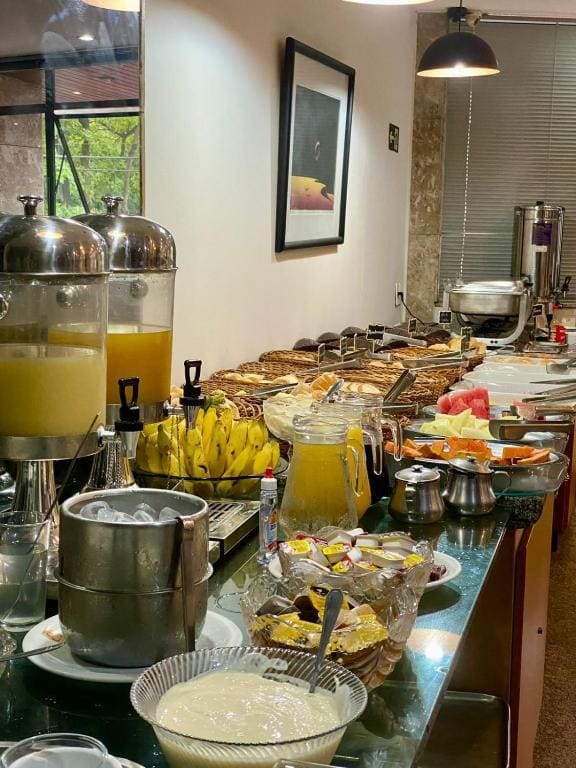
The upper floor of the municipal market serves traditional Mineiro buffets charged by weight. Arrive before 13:00 for fresh trays.
Regional microbreweries supply German-style lagers and hoppy IPAs across taprooms in Alto dos Passos.
history
Juiz de Fora developed along the Paraibuna River as a transit point for gold and coffee headed to Rio de Janeiro. German immigrants arrived in the 1850s to build the paved Estrada União e Indústria road, establishing technical trades and manufacturing workshops. By the late 19th century, textile mills and early hydroelectric plants earned the city the nickname 'Manchester Mineira'.
União e Indústria Road
Opening of Brazil's first paved macadam highway connected Juiz de Fora directly to Petrópolis and Rio de Janeiro.
Cine-Theatro Central
The city inaugurated its grand Italianate theater, establishing itself as a regional arts center.
University Founding
The Federal University of Juiz de Fora opened, transforming the local economy into an academic hub.
where to stay
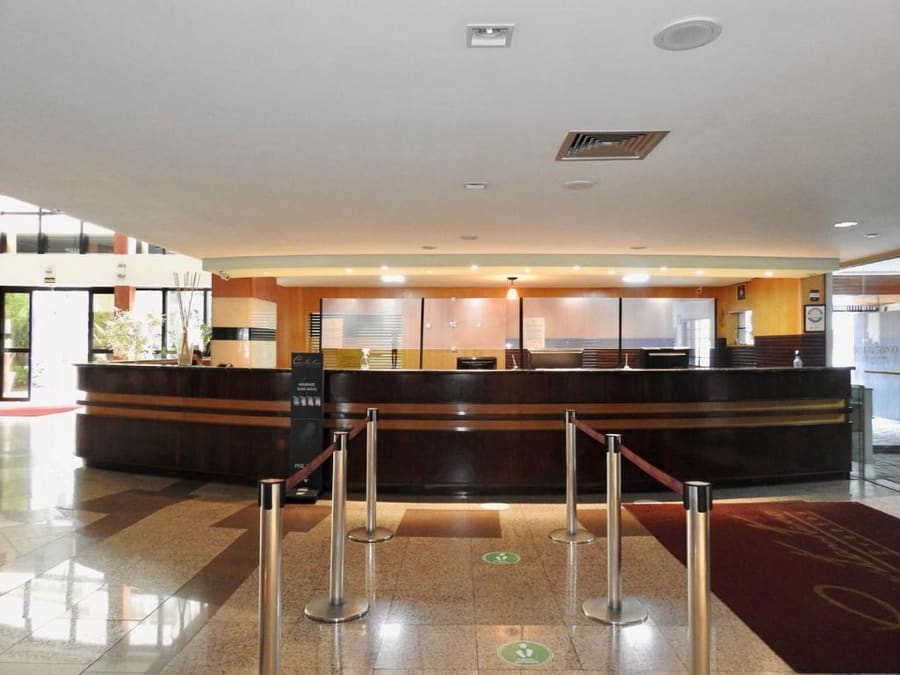
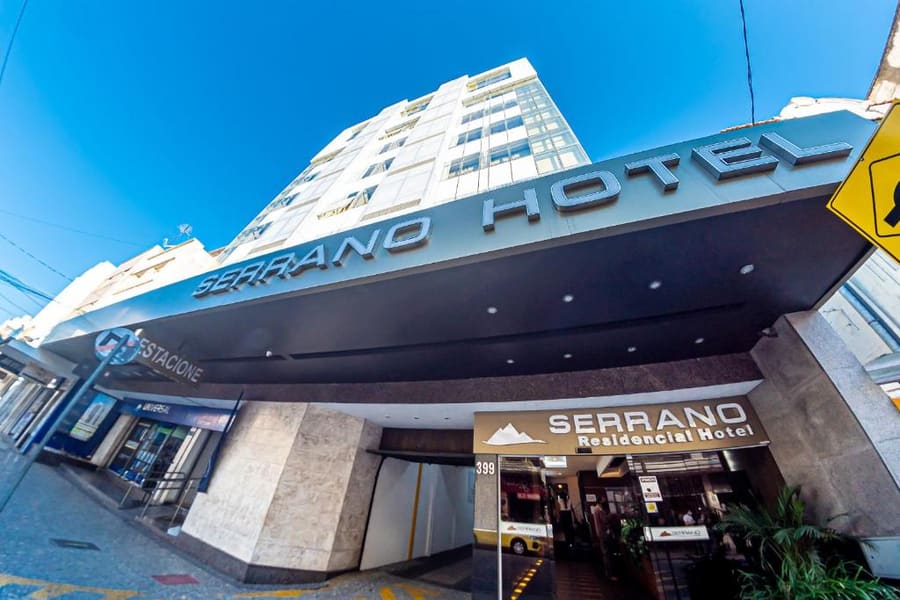
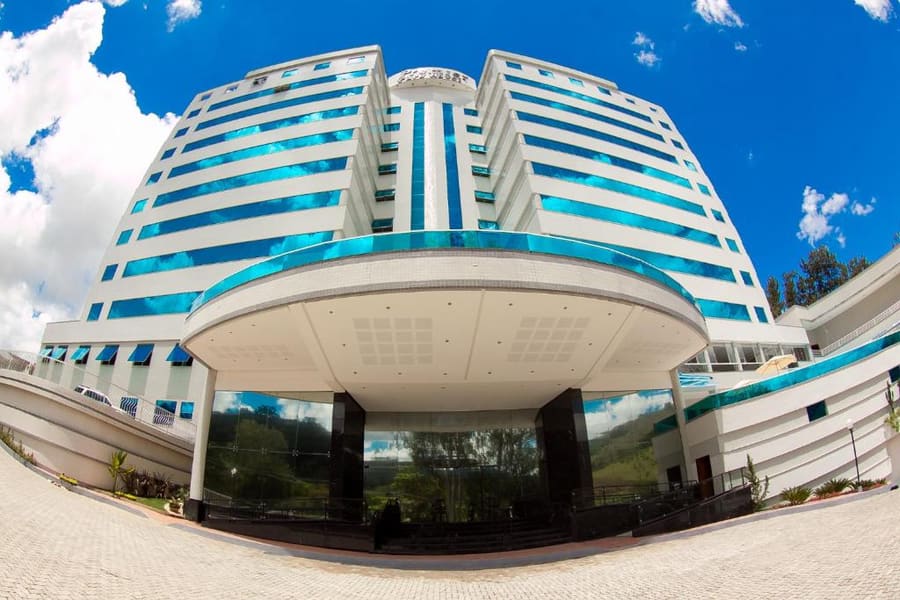
Choose your location by evening plans and noise tolerance. Centro keeps you close to transit stops and historic landmarks, though streets go quiet after dark. Alto dos Passos suits travellers who want bars and restaurants outside their hotel door. São Mateus offers mid-range apartments and easy access to the university.
Live rates, matched to the areas above.
transport
Avenida Barão do Rio Branco forms the urban spine of Juiz de Fora. Local buses follow dedicated bus corridors down Rio Branco, making north-south transit straightforward. Rideshare vehicles handle hillside journeys and evening travel when bus frequencies drop.
Dari Zona da Mata Airport (IZA) / Rodoviária
Viação Bassamar operates scheduled coaches between IZA airport and the downtown terminal.
Drivers accept airport pickups via major apps when departing from IZA.
Fixed-rate airport taxis operate from the arrivals curb at IZA.
Buses with 'Via Rio Branco' signs on their windshield stick to the main central boulevard.
On-board conductors take cash fare and release the turnstile. Exact change helps avoid delays.
Slopes ascending to Morro do Imperador are steep and unshaded. Rideshare drivers accept short city trips readily.
Avenida Independência and Avenida Rio Branco choke during evening rush hour.
cost
Prices in Juiz de Fora reflect an interior university town rather than a coastal tourist hub. Dining, transport, and lodging run significantly cheaper than in Rio de Janeiro or São Paulo.
Standard price for a shot of espresso in bakeries along Rua Halfeld.
Pay-by-weight lunch spots offer traditional Mineiro dishes throughout Centro.
Price for 500ml of draught IPA or Pilsner in local brewpubs.
seasonality
DEC – FEB
Heavy summer rains and hot days. Carry an umbrella for sudden afternoon downpours.
MAR – MAY
Rainfall drops and temperatures turn comfortable. Excellent conditions for walking steep slopes.
JUN – AUG
Dry, cool weather with crisp nights around 12°C. Clear skies suit hillside viewpoints.
SEP – NOV
Warm days return with spring showers. University events bring extra energy to São Mateus.
practicalities
Downtown shops close by 13:00 on Saturday afternoons and remain closed all day Sunday.
Side streets off Avenida Rio Branco feature sharp inclines. Wear shoes with firm tread.
Bus conductors struggle to break R$ 50 banknotes. Keep R$ 5 and R$ 10 notes handy.
Morro do Imperador has minimal shade. Wear sunscreen and bring water when visiting.
Winter mornings start with heavy mist along the Paraibuna River before clearing by 09:30.