landmark
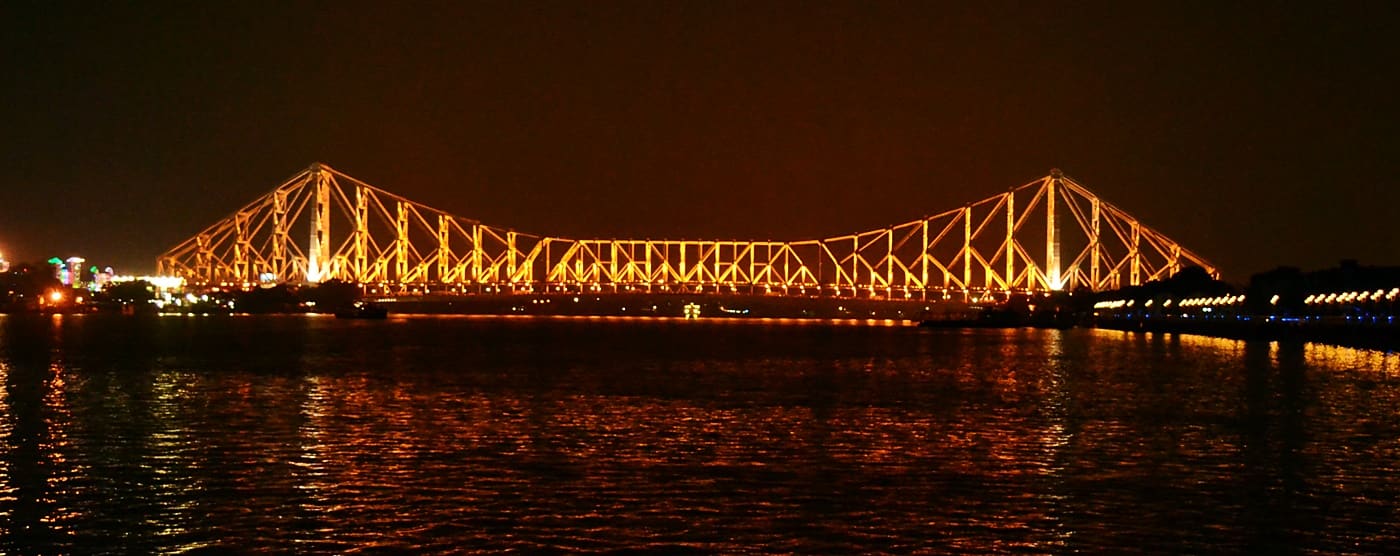
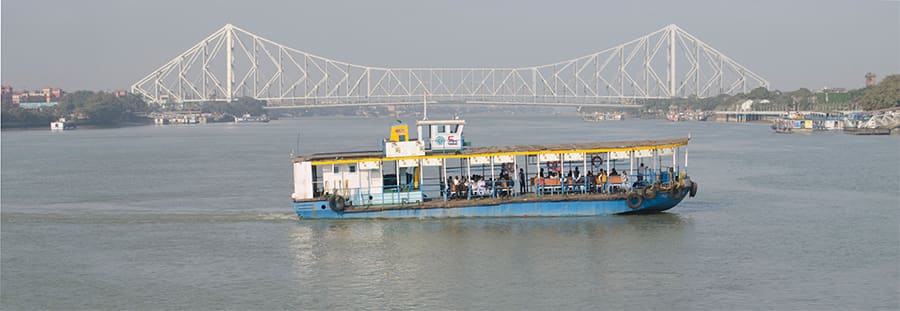
Howrah Bridge
Walk across the cantilever bridge at dawn to see thousands of commuters and flower sellers. Pedestrian walkways get crowded by noon.
Tanya ParleyIndia
Intellectual debate, colonial stone, and slow yellow cabs.
introduction
Kolkata is a city built on conversation, dense urban neighbourhoods, and river commerce. Moving through it requires balancing modern underground transit with slow surface traffic on narrow streets. Expect intense intellectual culture, colonial architectural heritage, and an unhurried daily rhythm.
Airport prepaid taxicabs
Pay at the official Yatri Sathi or Mega Cabs counter inside Netaji Subhash Chandra Bose Airport before exiting to avoid driver negotiations.
UNESCO Durga Puja status
UNESCO inscribed Kolkata's Durga Puja on the Intangible Cultural Heritage list in 2021. The city turns into a giant outdoor art exhibition each autumn.
Metro card convenience
Buy a reusable Kolkata Metro smart card at any station counter. It avoids long cash queues during peak commuting hours.
Kolkata
Souvik pal · CC BY-SA 4.0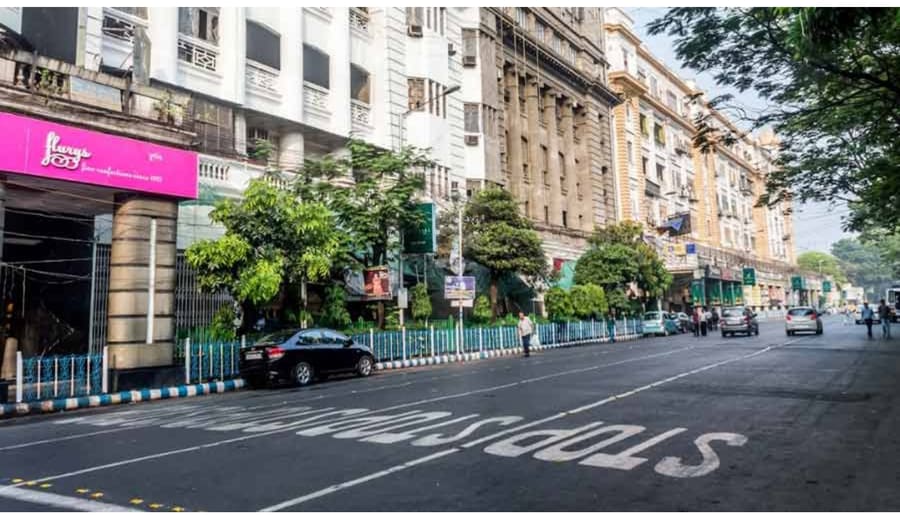
Park Street & Chowringhee — Colonial dining avenues, historic bakeries, and central metro connectivity.
Addie293 · CC BY-SA 4.0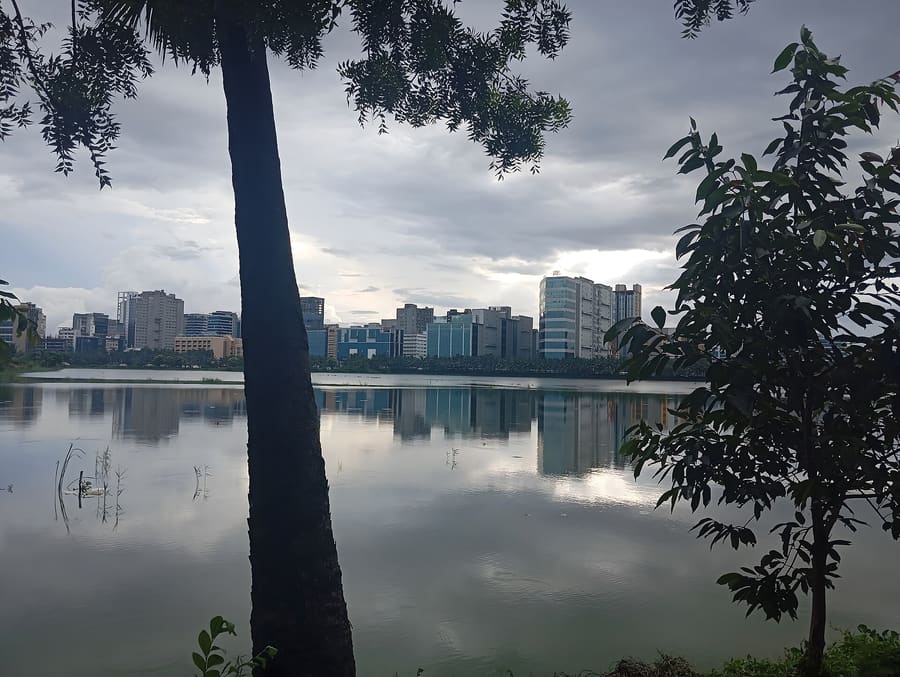
Salt Lake (Bidhannagar) — Planned suburban grid with wide avenues, tech parks, and quiet residential blocks.
Kanglu Jihadi · CC0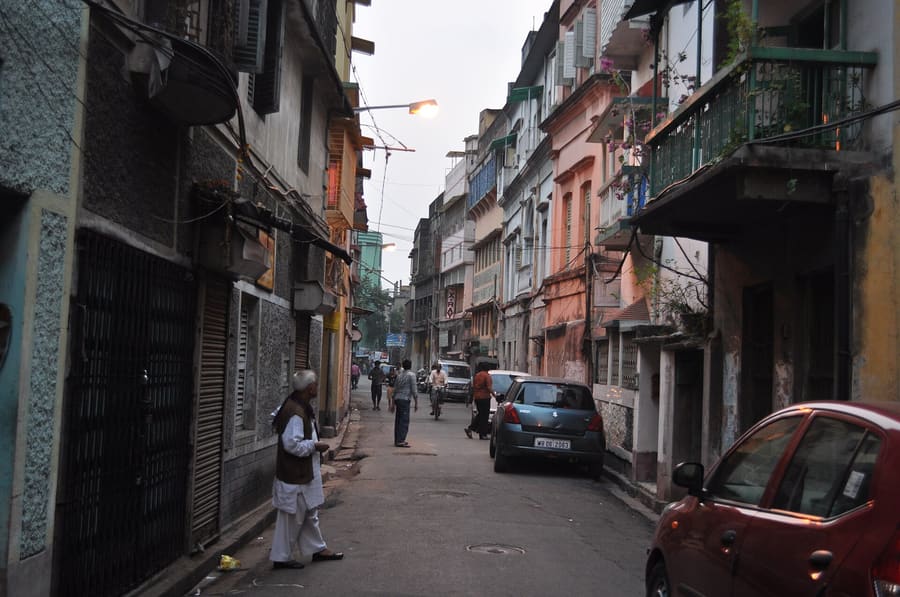
North Kolkata — Narrow lanes, grand nineteenth-century courtyards, traditional sweet shops, and street markets.
Sudipta Mallick · CC BY 2.0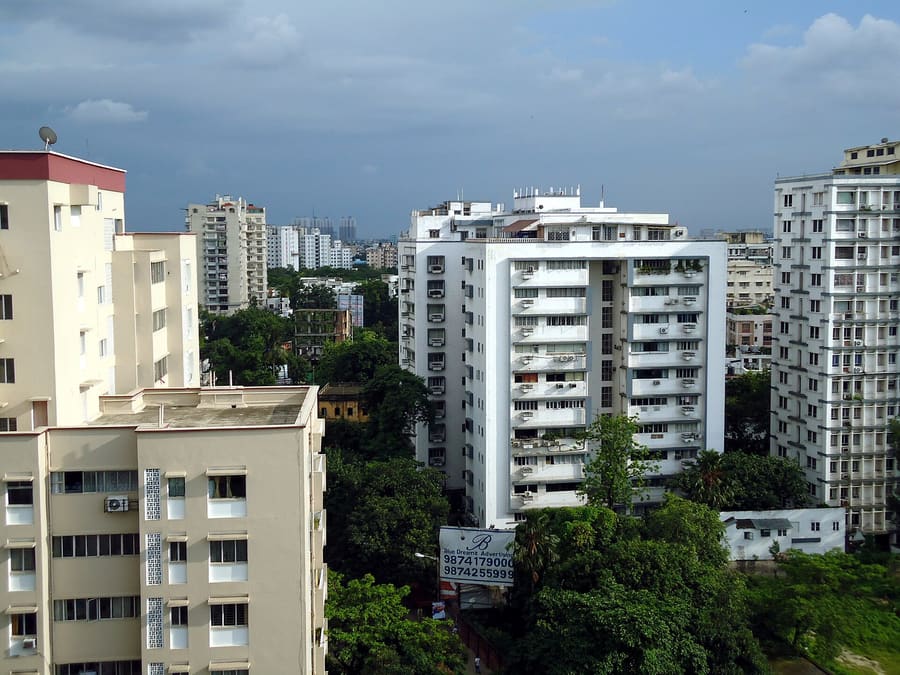
Ballygunge & South Kolkata — Tree-lined residential streets, independent cafes, craft boutiques, and art galleries.
Kolkatan · CC BY-SA 3.0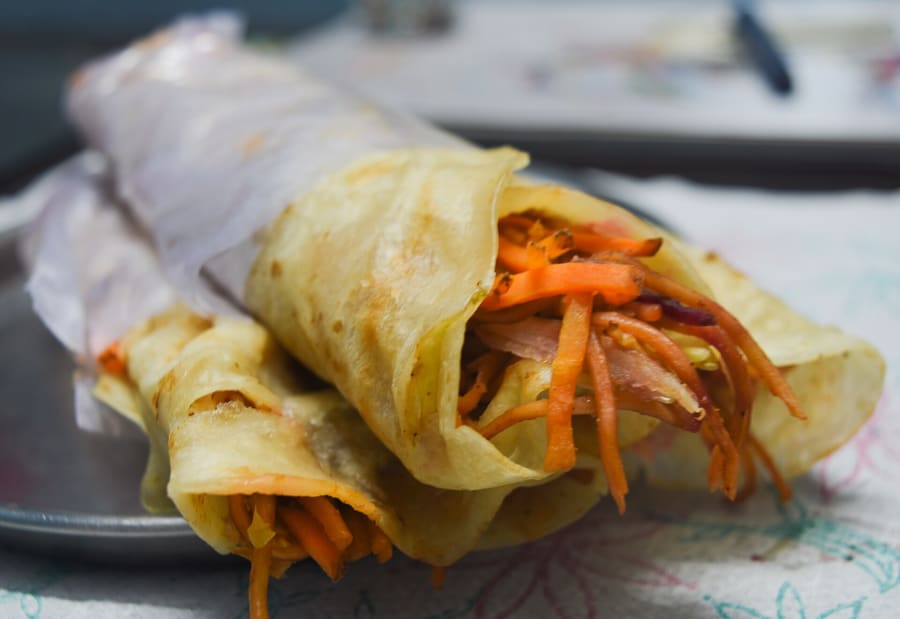
Freshly assembled mutton kati rolls wrapped in crisp parathas.
Satyajit Dhawale (Satyajit888) · CC BY-SA 4.0highlights
landmark
Walk across the cantilever bridge at dawn to see thousands of commuters and flower sellers. Pedestrian walkways get crowded by noon.
Tanya Parley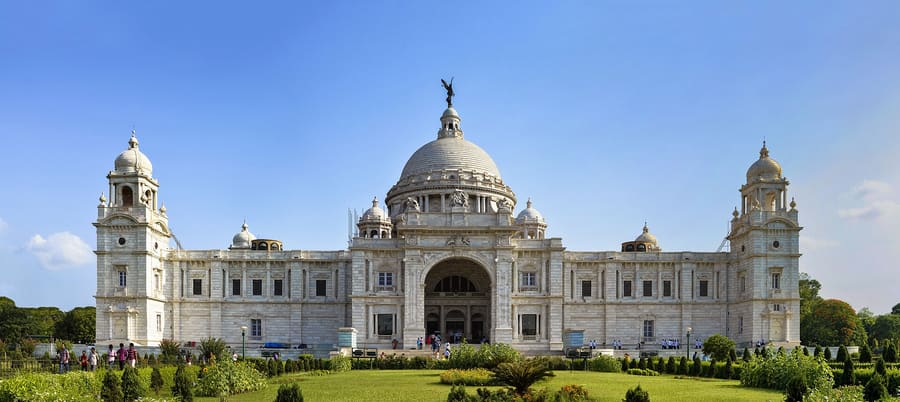
landmark
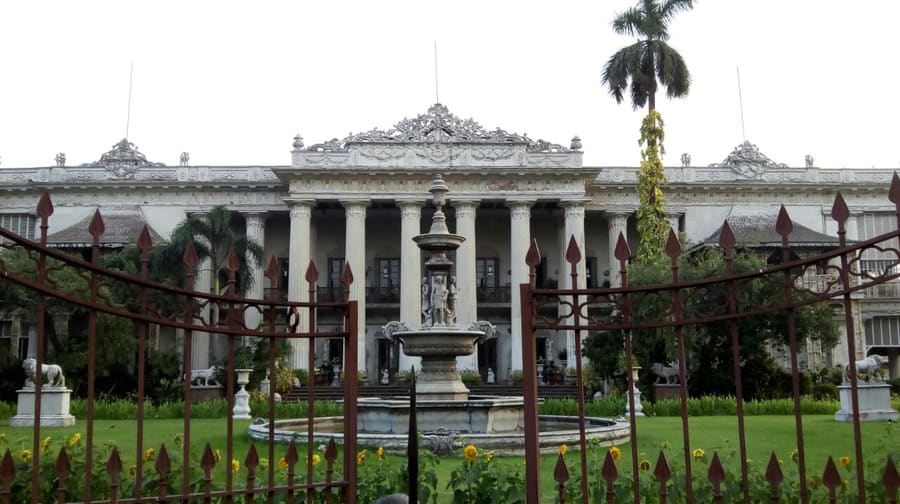
White Makrana marble monument set in vast gardens. The indoor galleries close on Mondays, but the garden grounds stay open daily.
Tanya Parley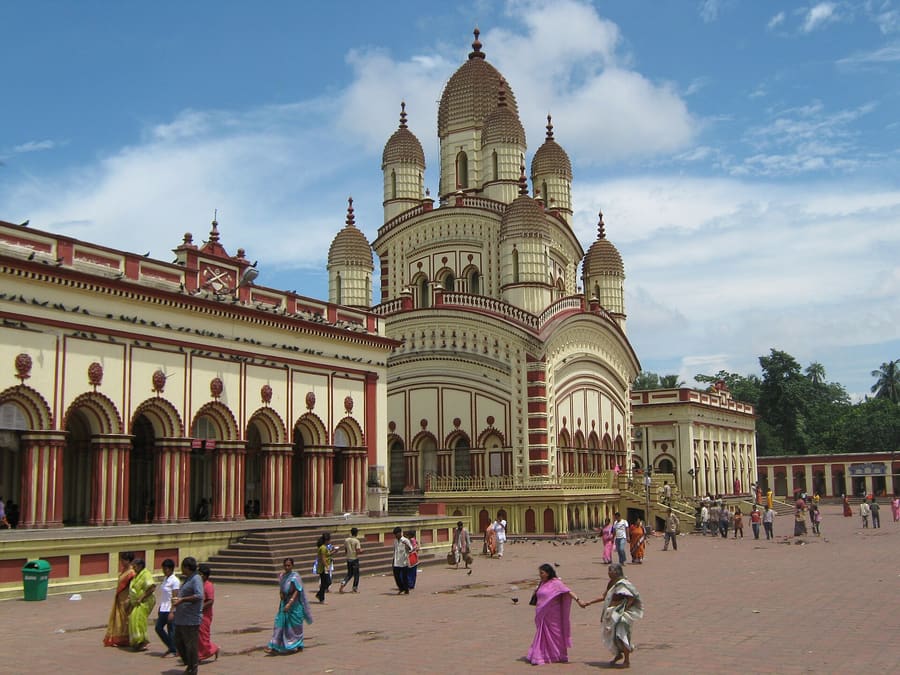
religious
Nineteenth-century riverfront temple complex dedicated to Goddess Bhavatarini. Take the suburban train or river ferry to avoid highway traffic.
Tanya Parley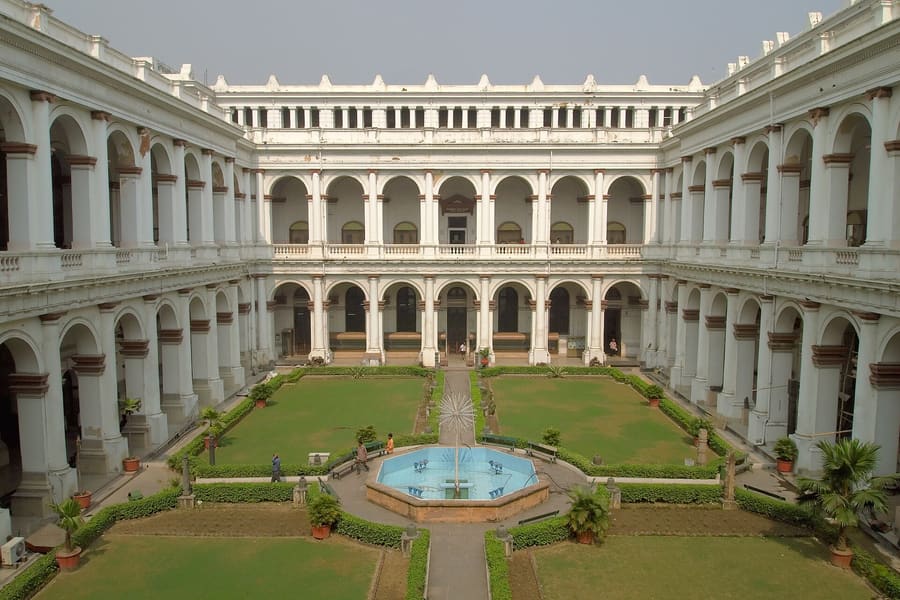
landmark
Founded in 1814, this is India's oldest museum. Its Bharhut gallery and Egyptian mummy display require comfortable walking shoes.
Tanya Parley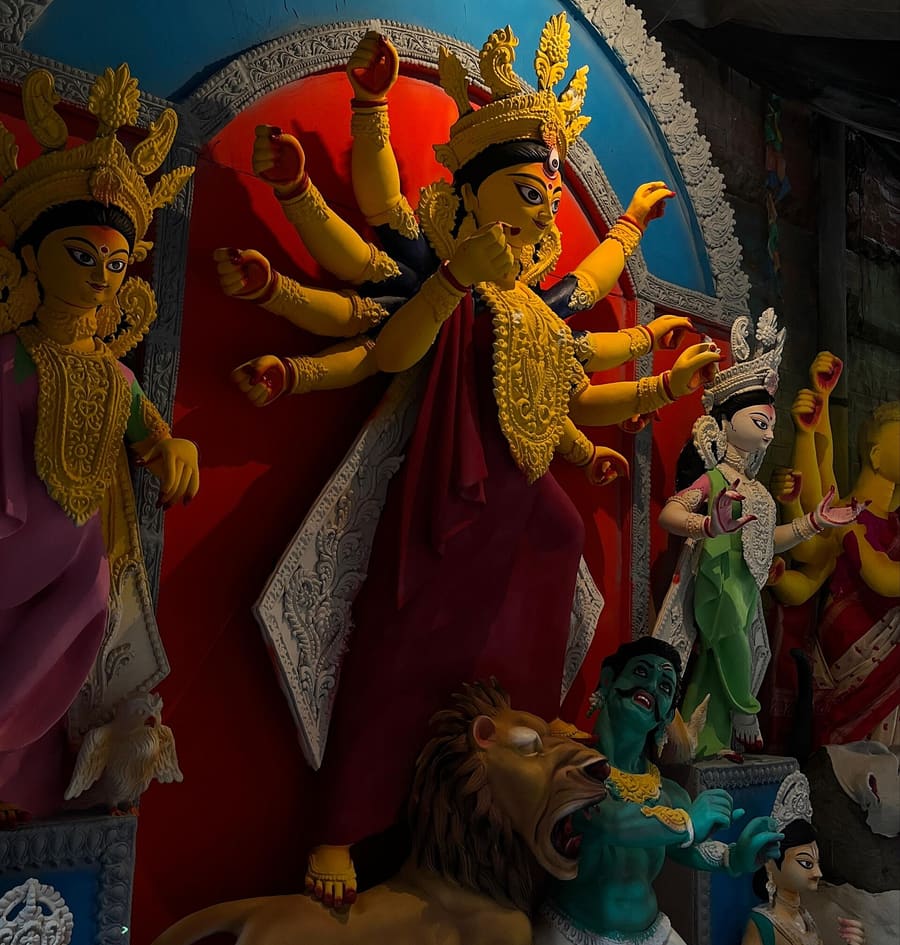
landmark
Potters quarter where artisans sculpt clay idols of deities. Respect workshop spaces and ask permission before taking close-up photos.
Tanya Parley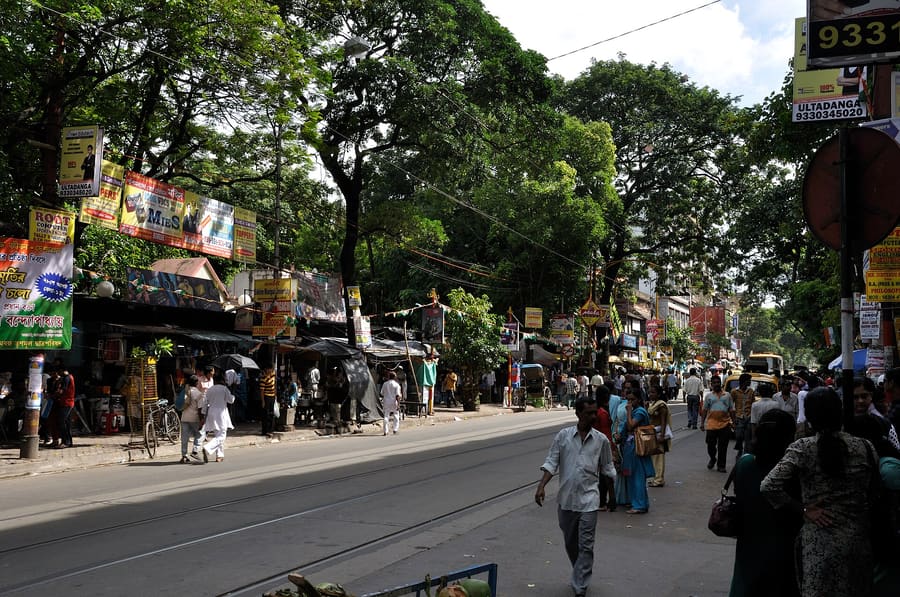
landmark
A mile-long stretch of book stalls flanking Calcutta University. Cash is essential for rare second-hand finds.
Tanya Parleyattractions
areas
Colonial dining avenues, historic bakeries, and central metro connectivity.
DekatIndian Museum and Victoria Memorial
Tanya ParleyPlanned suburban grid with wide avenues, tech parks, and quiet residential blocks.
DekatSector V tech hub and Eco Park
Tanya ParleyNarrow lanes, grand nineteenth-century courtyards, traditional sweet shops, and street markets.
DekatKumartuli and College Street
Tanya ParleyTree-lined residential streets, independent cafes, craft boutiques, and art galleries.
DekatGariahat market and Kalighat
Tanya Parleyfood
Kolkata eats according to precise culinary rules. Nizam's near New Market invented the kati roll by wrapping spiced skewer-grilled mutton in a paratha to save British office workers clean hands. Mustard paste, mustard oil, and green chillies define Bengali fish dishes like shorshe ilish, while sweet shops like Balaram Mullick & Radharaman Mullick serve warm baked rosogolla and fresh mishti doi twice daily.
Freshly assembled mutton kati rolls wrapped in crisp parathas.
Satyajit Dhawale (Satyajit888) · CC BY-SA 4.0Order at Nizam's or Kusum Rolls on Park Street. Specify double egg double chicken if you want a hearty meal.
Visit sweet shops around 11:00 or 17:00 when fresh batches of mishti doi and sandesh arrive from the kitchen.
Kolkata biryani includes a tender boiled potato along with spiced meat. Arsalan and Royal Indian Hotel remain local benchmarks.
history
Job Charnock selected three villages on the east bank of the Hooghly River in 1690 to establish an East India Company trading post. The settlement grew rapidly, becoming the capital of British India until 1911 when the administration moved to New Delhi. That shift left Kolkata with India's densest concentration of Victorian architectural stock alongside a fiercely independent intellectual culture.
Factory settlement
East India Company establishes trading post at Sutanuti, Gobindapur, and Kalikata.
Capital of British India
Calcutta is named the administrative seat of British power in India under Warren Hastings.
Capital moves to Delhi
King George V announces the capital transfer to Delhi; Kolkata retains its cultural dominance.
India's first metro
Kolkata opens the country's first underground railway line from Esplanade to Bhowanipore.
where to stay
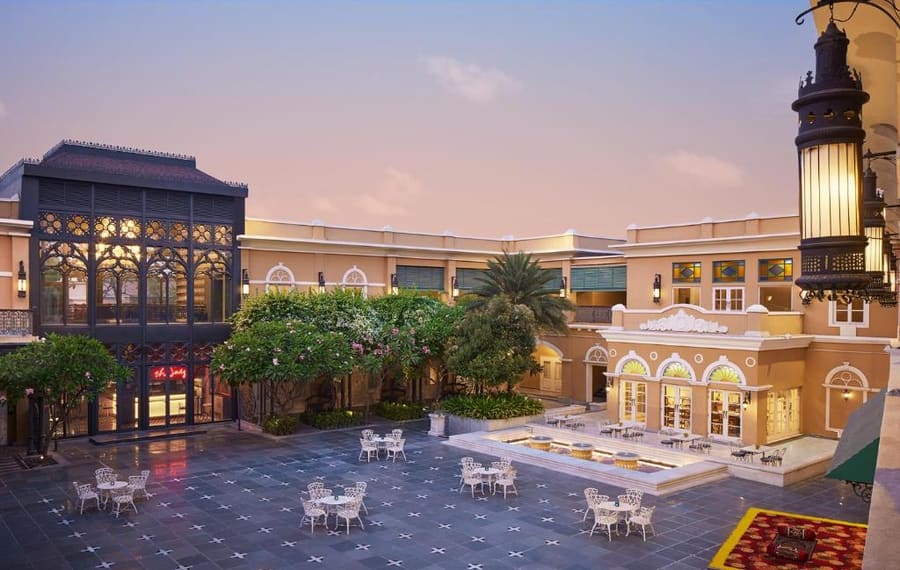
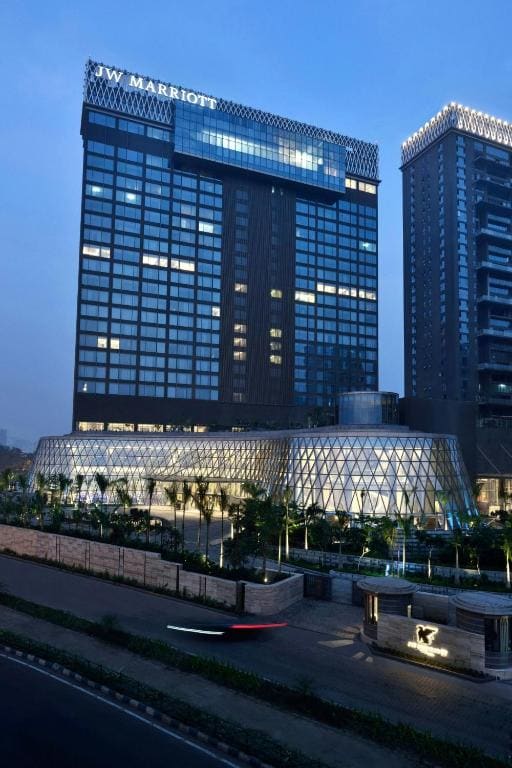
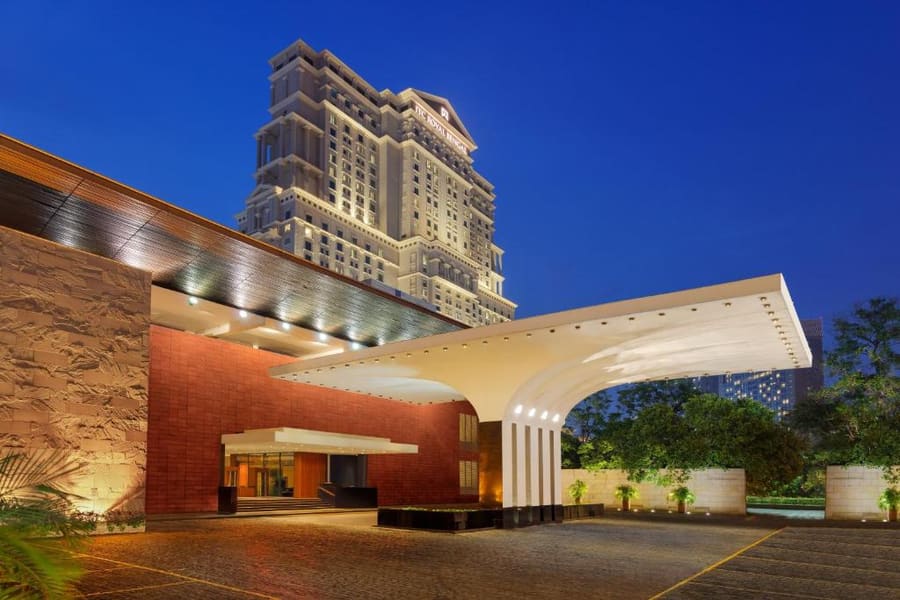
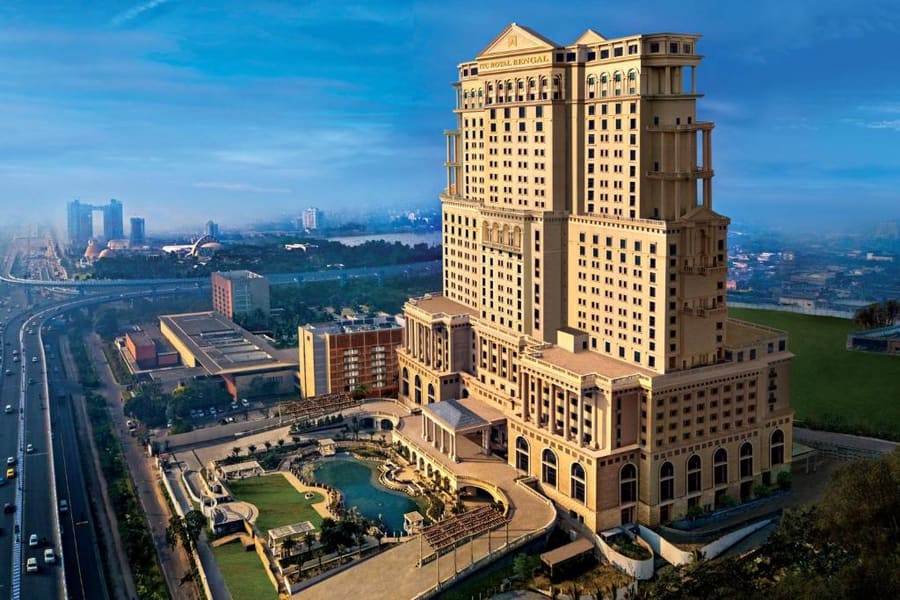
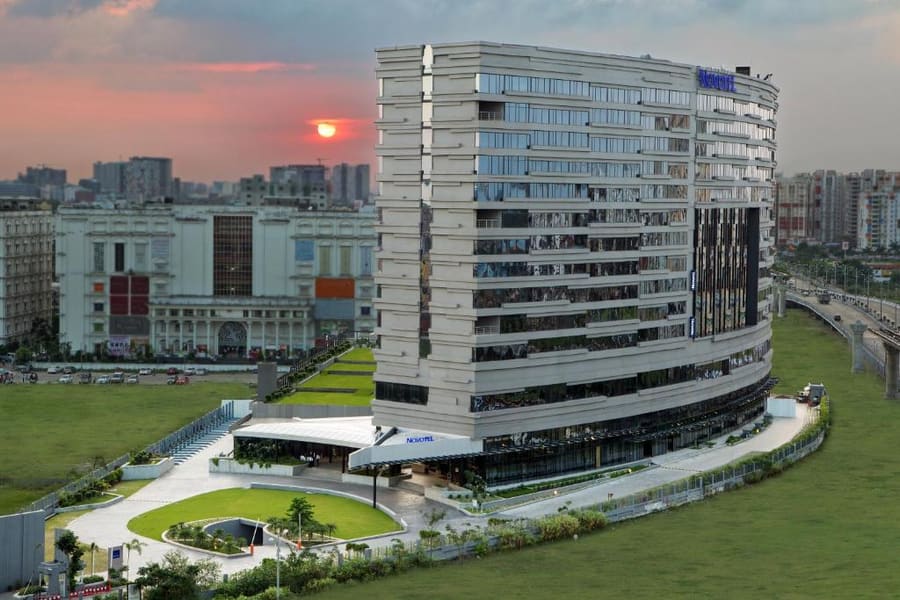
Choose your base by how you handle city noise and traffic. Staying near Park Street places you within walking distance of colonial sites and major metro stations. South Kolkata offers quiet residential leafy avenues near independent cafes, while Salt Lake suits business travellers wanting modern hotel infrastructure away from congestion.
Live rates, matched to the areas above.
transport
Kolkata operates a mix of historic and modern transport. The Kolkata Metro is fast, air-conditioned, and immune to road gridlock. Yellow Ambassador taxis run on meters or app booking via Yatri Sathi. Blue-and-yellow public buses are cheap but frequently overcrowded during morning hours.
Dari Netaji Subhash Chandra Bose International Airport (CCU)
Uber and Yatri Sathi pick up at designated lanes outside arrivals.
Pay cash at official prepaid counters inside the terminal building.
WBTC express buses run from airport to Esplanade and Howrah Station.
Buy a smart card at any station counter to avoid queuing for single-journey paper tokens during rush hours.
Download the government-backed Yatri Sathi app for fair meter pricing on official yellow taxis.
Ferries from Howrah Ghat to Fairlie Ghat cross the river in 10 minutes for under ₹10, bypassing bridge traffic.
cost
Kolkata remains one of India's most affordable major cities. Street food snacks cost under ₹50, while sit-down meals in mid-range restaurants run ₹500 to ₹1,200 per person. Transport costs are remarkably low on metro and ferry lines.
Standard price at established Park Street roll shops like Kusum or Nizam's.
Price for 200g of sweetened baked curd at neighbourhood sweet shops.
Fares depend on distance traveled across the North-South line.
Covers two courses and drinks at classic dining venues like Mocambo or Peter Cat.
seasonality
NOV – FEB
Pleasant days around 20-25°C. Peak season for sightseeing, literature festivals, and open-air events.
MAR – APR
Temperatures rise above 35°C. Afternoon humidity builds, making early morning exploration essential.
MAY – JUN
Extreme heat and pre-monsoon squalls (Kalbaishakhi). Indoor sights and air conditioning are required.
JUL – OCT
Heavy monsoon rains flood lower streets. Oct brings Durga Puja celebrations with massive street installations.
practicalities
Traditional sweet shops and smaller family businesses close between 14:00 and 16:30 for afternoon rest.
Small tea stalls, book kiosks on College Street, and rickshaws accept cash only.
Concentrated around New Market and Burrabazar. Agree on the fare before sitting down.
Drink bottled or purified filtered water; avoid unboiled tap water and crushed ice at informal roadside stalls.
During festival week in autumn, major arterial roads close to vehicular traffic as millions walk between pandals.