landmark
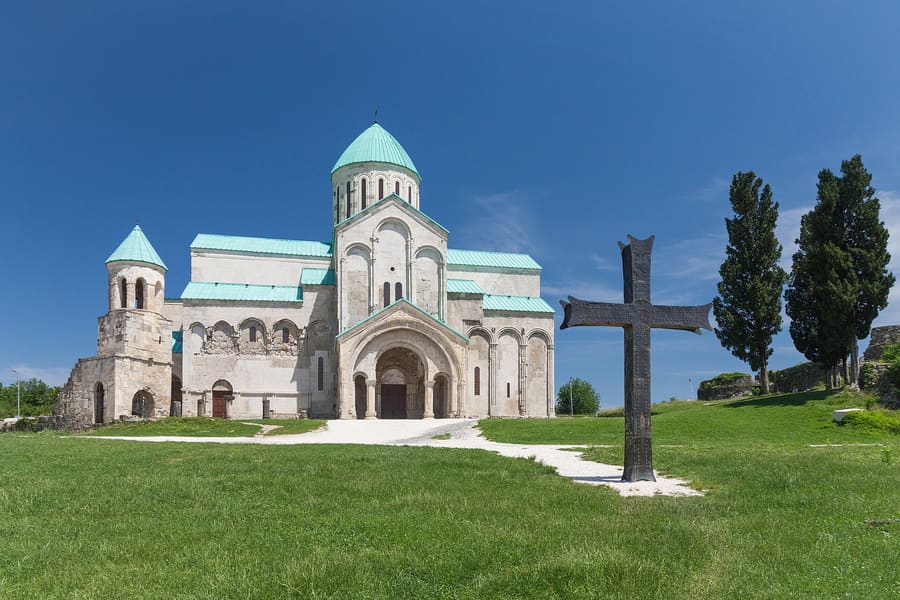
Bagrati Cathedral
11th-century cathedral overlooking Kutaisi. Walk up the stone steps at sunset for views over the Rioni.
Tanya ParleyGeorgia
Georgia's low-rise ancient capital and West Georgian hub
introduction
Kutaisi is Georgia's low-rise, slow-paced second city. The Rioni River cuts through town, separating steep cobblestone hills from flat Soviet-era avenues. You walk almost everywhere in the centre, relying on yellow marshrutka minibuses or Bolt taxis for higher ground. Expect unhurried meals, rough footpaths, and direct views into daily West Georgian life.
Airport transfer connection
Georgia Bus meets every budget flight at Kutaisi Airport. A direct coach ticket to the central square costs 10 GEL.
UNESCO World Heritage site
Gelati Monastery holds UNESCO status for its 12th-century mosaics. Bagrati Cathedral lost its listing after modern reconstruction.
Local transport trick
Marshrutka minibus #200 leaves from behind Meskhishvili Theatre to Gelati Monastery for 2 GEL.
Kutaisi
三猎 · CC BY-SA 4.0
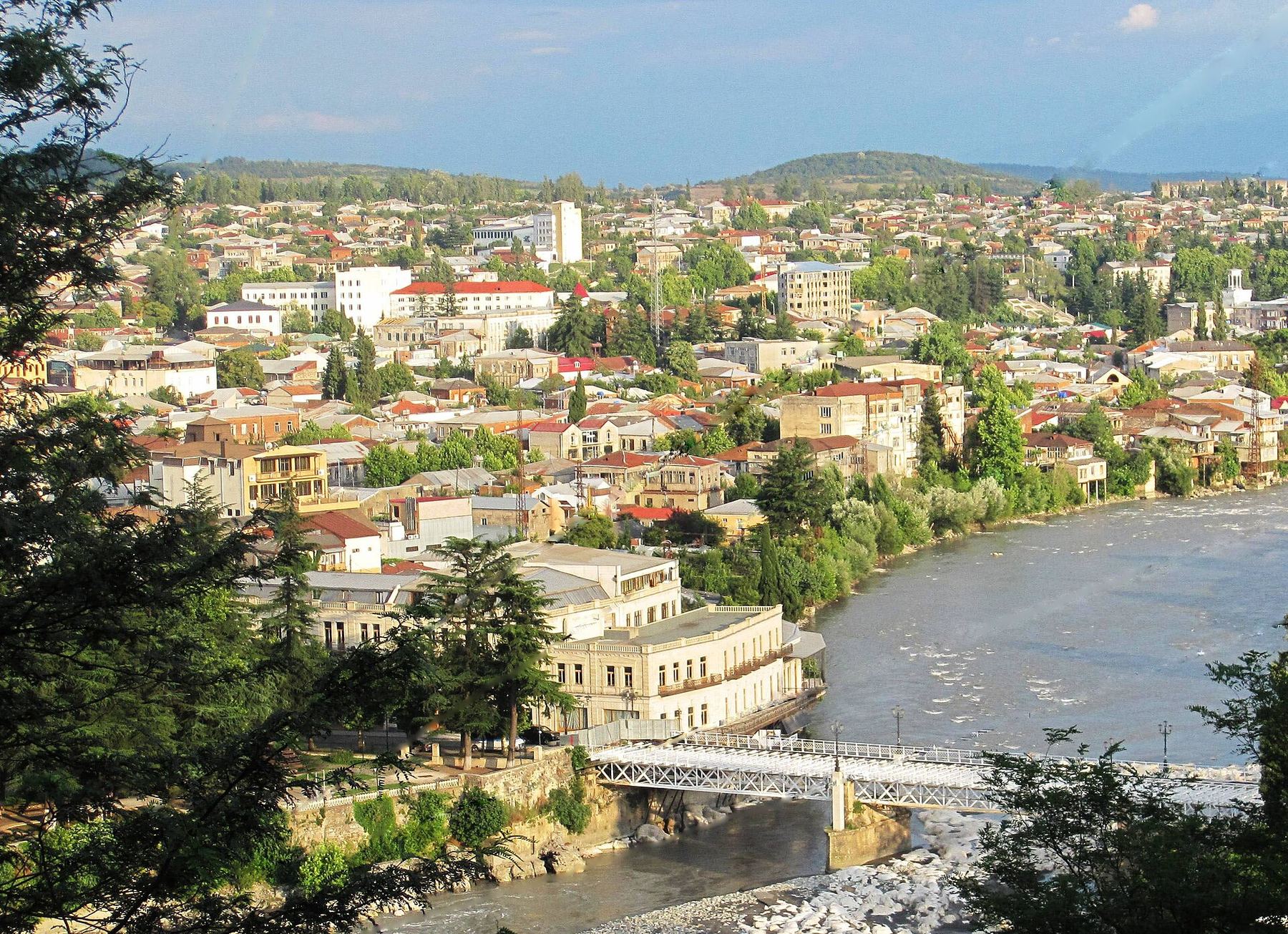
Ukimerioni Hill — Steep residential slopes above the river leading to Bagrati Cathedral.
Herbert Frank from Wien (Vienna), AT · CC BY 2.0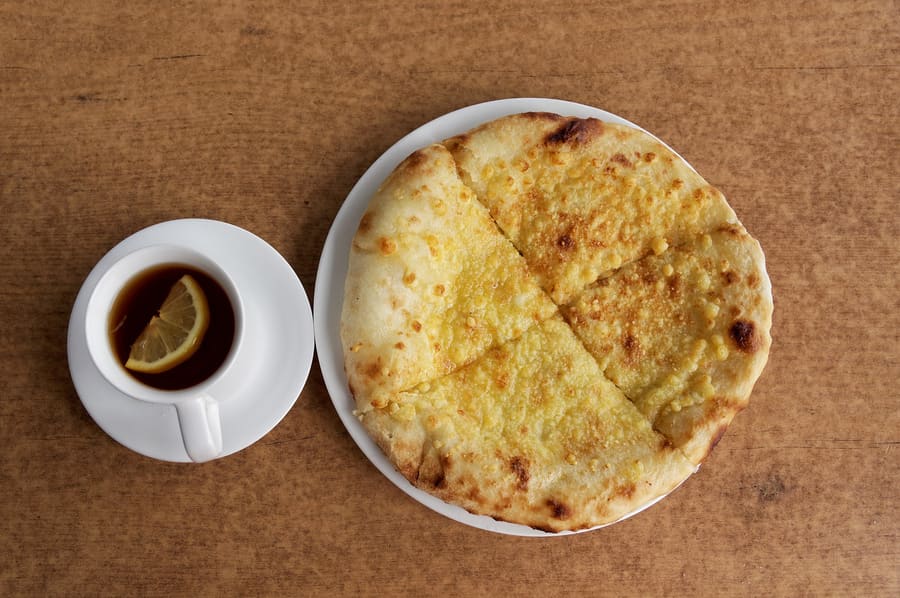
Imeretian khachapuri baked with salted cheese
Vyacheslav Argenberg · CC BY 4.0highlights
landmark
11th-century cathedral overlooking Kutaisi. Walk up the stone steps at sunset for views over the Rioni.
Tanya Parley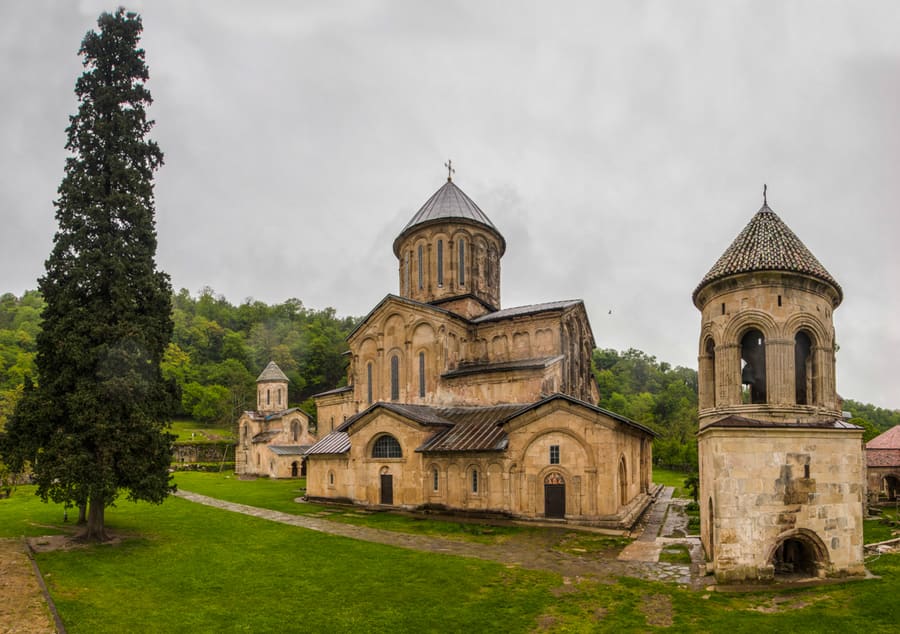
landmark
Medieval monastic complex with preserved Byzantine mosaics. Catch marshrutka #200 from the theatre for 2 GEL.
Tanya Parley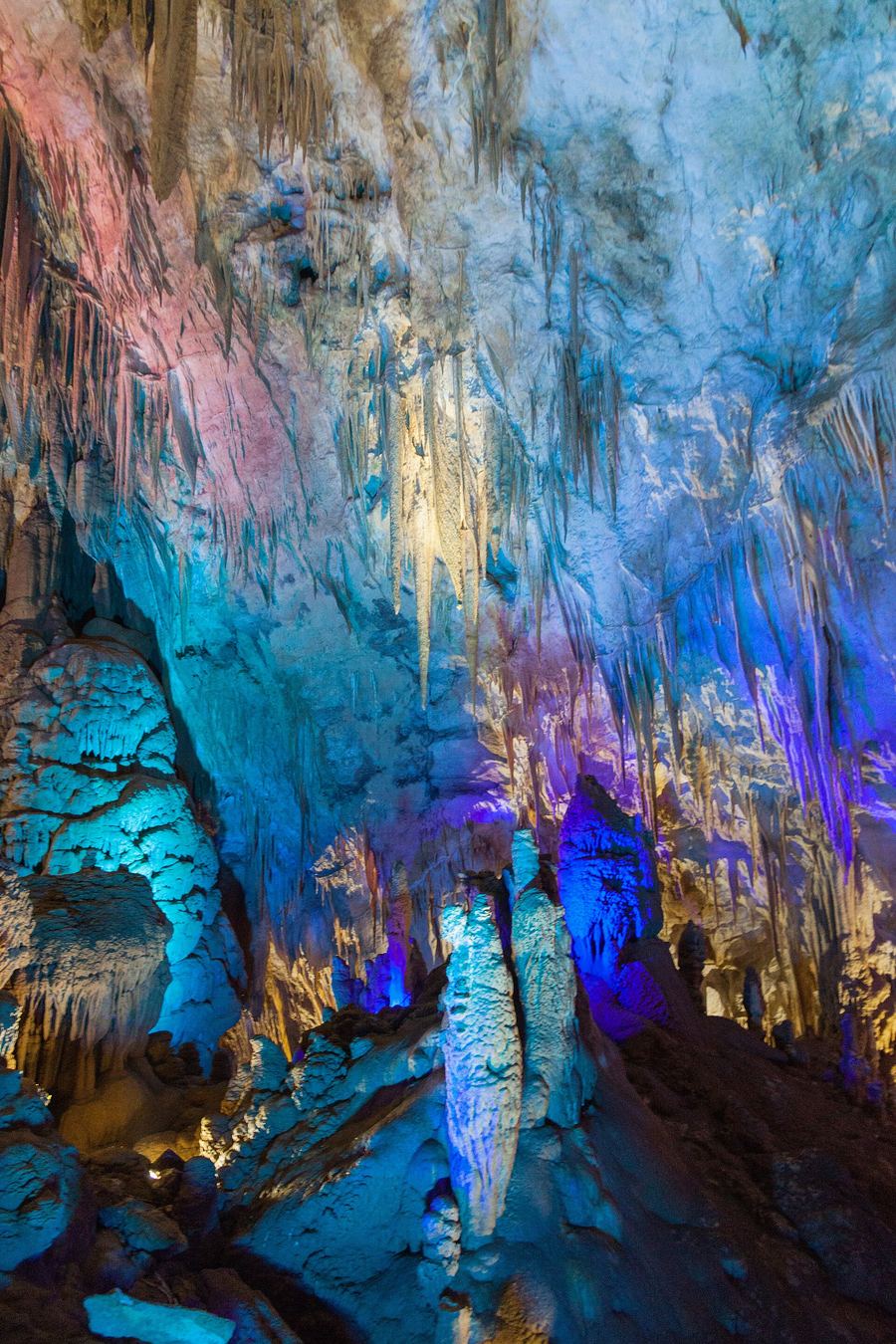
landmark
Extensive karst cave system 20 km north of town. Guided walking tours run on a fixed underground route.
Tanya Parleyattractions
areas
Steep residential slopes above the river leading to Bagrati Cathedral.
DekatBagrati Cathedral, Old Town pedestrian bridges.
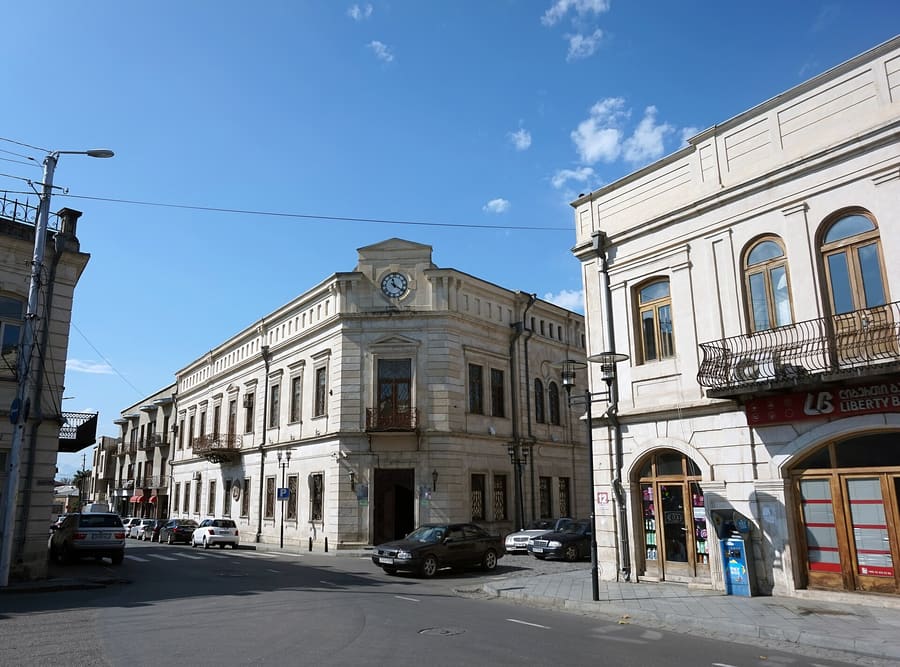
Tanya ParleyWalkable core around Agmashenebeli Square with quiet tree-lined side streets.
DekatColchis Fountain, Green Market, Rioni River.
Tanya ParleyResidential neighborhood with Soviet residential blocks and local eateries.
DekatKutaisi Park, Central Train Station.
Tanya ParleyTransit hub around the central bus station and Grand Mall shopping center.
DekatCentral Bus Station, West Plaza.
Tanya Parleyfood
Kutaisi is the culinary heart of Imereti. Local cuisine relies heavily on walnuts, garlic, wild herbs, and fresh cheese. Imeretian khachapuri uses thin dough filled with lightly salted cheese, cooked in a dry skillet. You will also find pkhali, spiced vegetable pastes bound with ground walnut paste. Meals here move slowly, and portions are meant for sharing.
Imeretian khachapuri baked with salted cheese
Vyacheslav Argenberg · CC BY 4.0Unlike Adjarain khachapuri, the local version is round, flat, and baked with cheese inside the dough.
Dishes arrive as kitchens finish them rather than all at once. Pacing is unhurried.
history
Kutaisi served as the ancient capital of the Kingdom of Colchis over three millennia ago. Classical Greek mythology tied the city to King Aeëtes and the Golden Fleece. King Bagrat III established Kutaisi as the capital of unified Georgia in 1008; David the Builder later inherited the capital and moved the royal seat to Tbilisi in 1122. The city retained its political weight as an industrial centre under Soviet rule.
Capital of Colchis
Settlements along the Rioni River gain prominence as the mythical realm of the Golden Fleece.
Royal seat of David the Builder
Kutaisi becomes the capital of unified Georgia and a hub of medieval scholarship at Gelati.
Russian annexation
The Kingdom of Imereti falls to Russian imperial forces, ending centuries of local monarchy.
Parliamentary experiment
Georgia moves its national parliament to a modern glass complex in Kutaisi before returning to Tbilisi.
where to stay
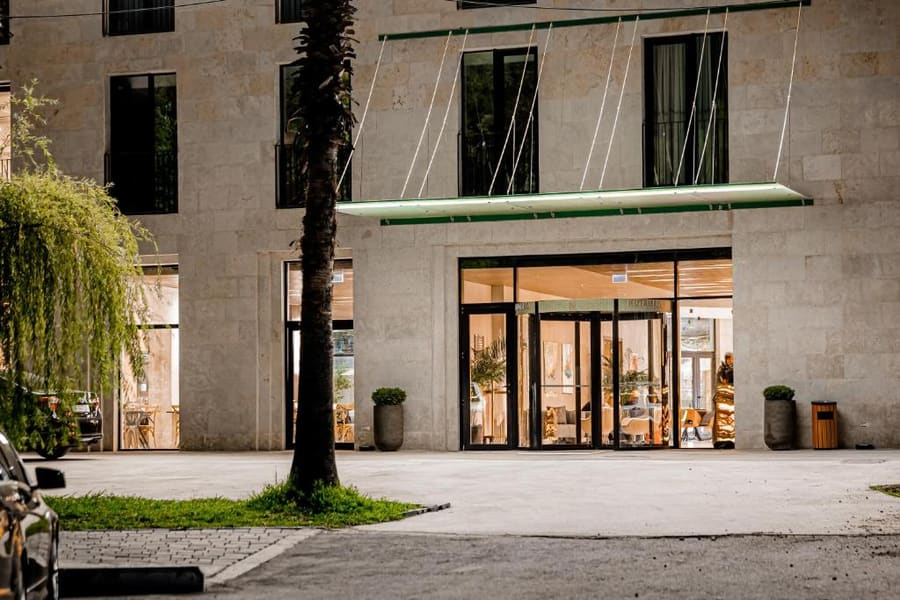
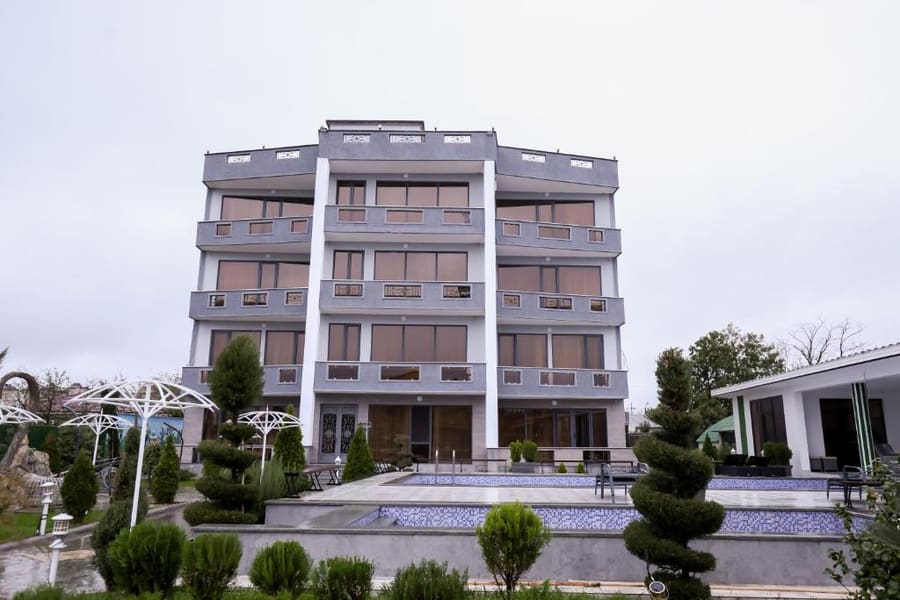
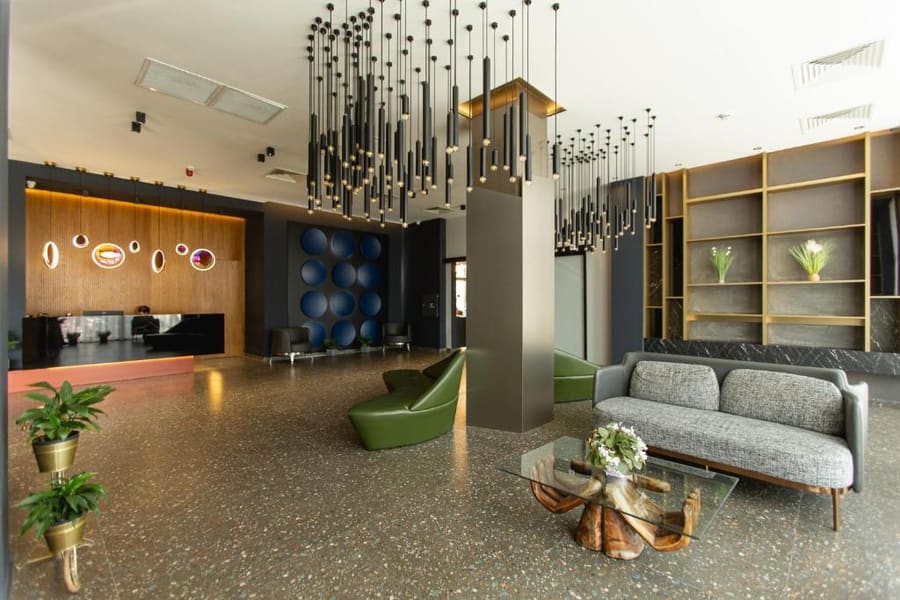
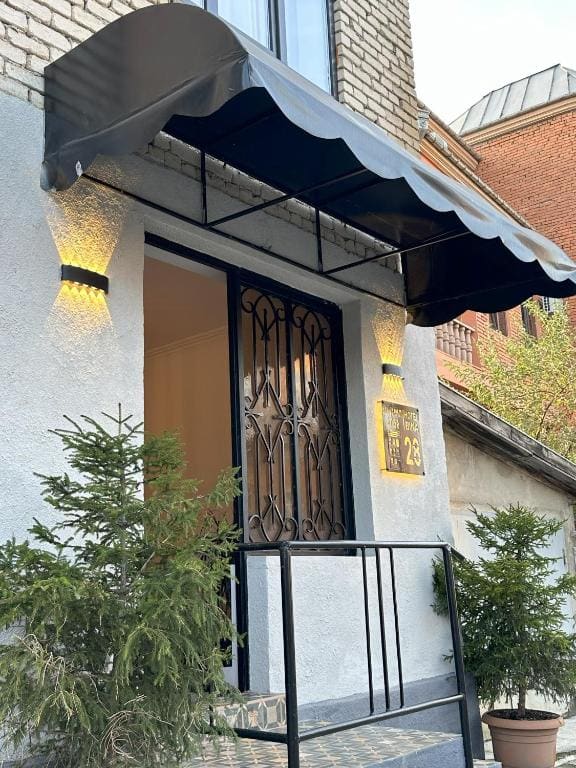
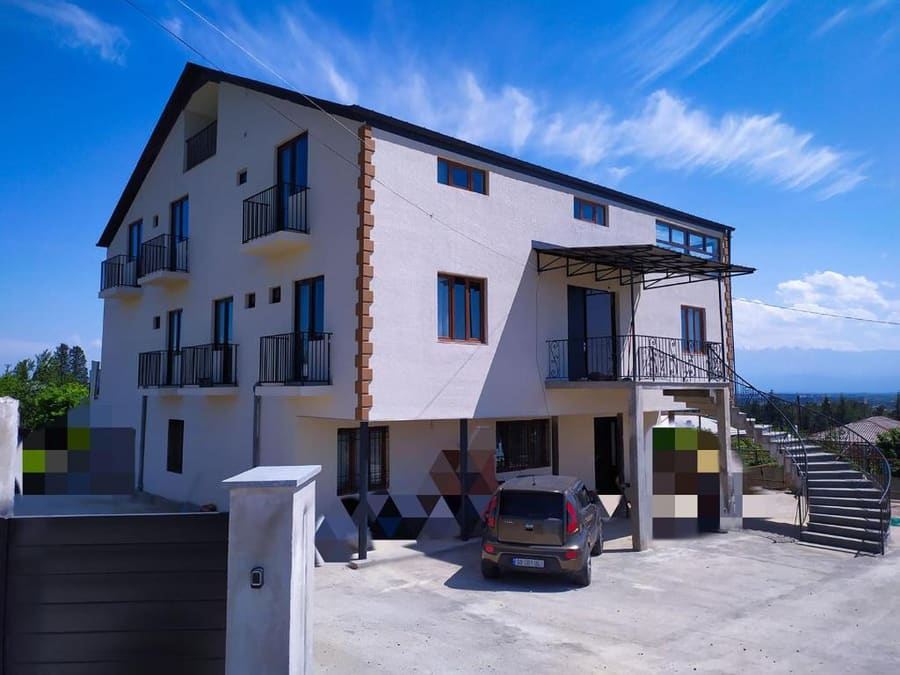
Choose your base by terrain and mobility. Stay in the City Centre if you want flat walking access to cafes, markets, and river bridges. Pick Ukimerioni Hill for scenic views, provided you do not mind steep uphill walks on return.
Live rates, matched to the areas above.
transport
Kutaisi is compact and easy to navigate on foot within the central district. Yellow marshrutka minibuses serve outer routes for a flat fare. Bolt operates reliable app-based rideshare across town at low fixed rates.
Dari Kutaisi International Airport (KUT)
Georgia Bus and Omnibus connect directly to central square after every flight arrival.
Book via Bolt app inside the terminal to avoid haggling with curb drivers.
App pickups take place at the main road outside terminal exit.
Minibuses cost 0.50–0.80 GEL per ride. Pay the driver cash when exiting.
Rides inside the central zone cost 3–5 GEL. Credit card payment works in the app.
Kutaisi I station offers rare train services to Tbilisi. Minibuses are faster.
The main roundabout jams during morning and evening commuting hours.
cost
Kutaisi remains one of Europe's most affordable city break destinations. Prices for meals, accommodation, and transport are lower than in Tbilisi or Batumi.
Freshly baked Imeretian cheese bread from local bakery stalls.
Includes three shared dishes, bread, and local wine at a central tavern.
Flat fare for any distance along a single marshrutka route.
Specialty coffee shops near Rustaveli Avenue charging Western rates.
seasonality
MAR – MAY
Mild temperatures and blooming flora. Ideal time for walking the old town.
JUN – AUG
Hot and humid days exceeding 32°C. Sightseeing is best done in early morning.
SEP – NOV
Warm autumn weather and grape harvest season in surrounding Imereti.
DEC – FEB
Cold and rain with occasional snow. Indoor dining and quiet attractions.
practicalities
Small shops, minibuses, and market vendors accept Georgian Lari cash only.
Cover shoulders and knees before entering monasteries. Women must cover head.
Tap water in Kutaisi is drinkable and sourced from mountain springs.
Most retail stores and cafes open around 10:00 AM.
Cobblestones and bridge planks can become slippery when wet.