landmark
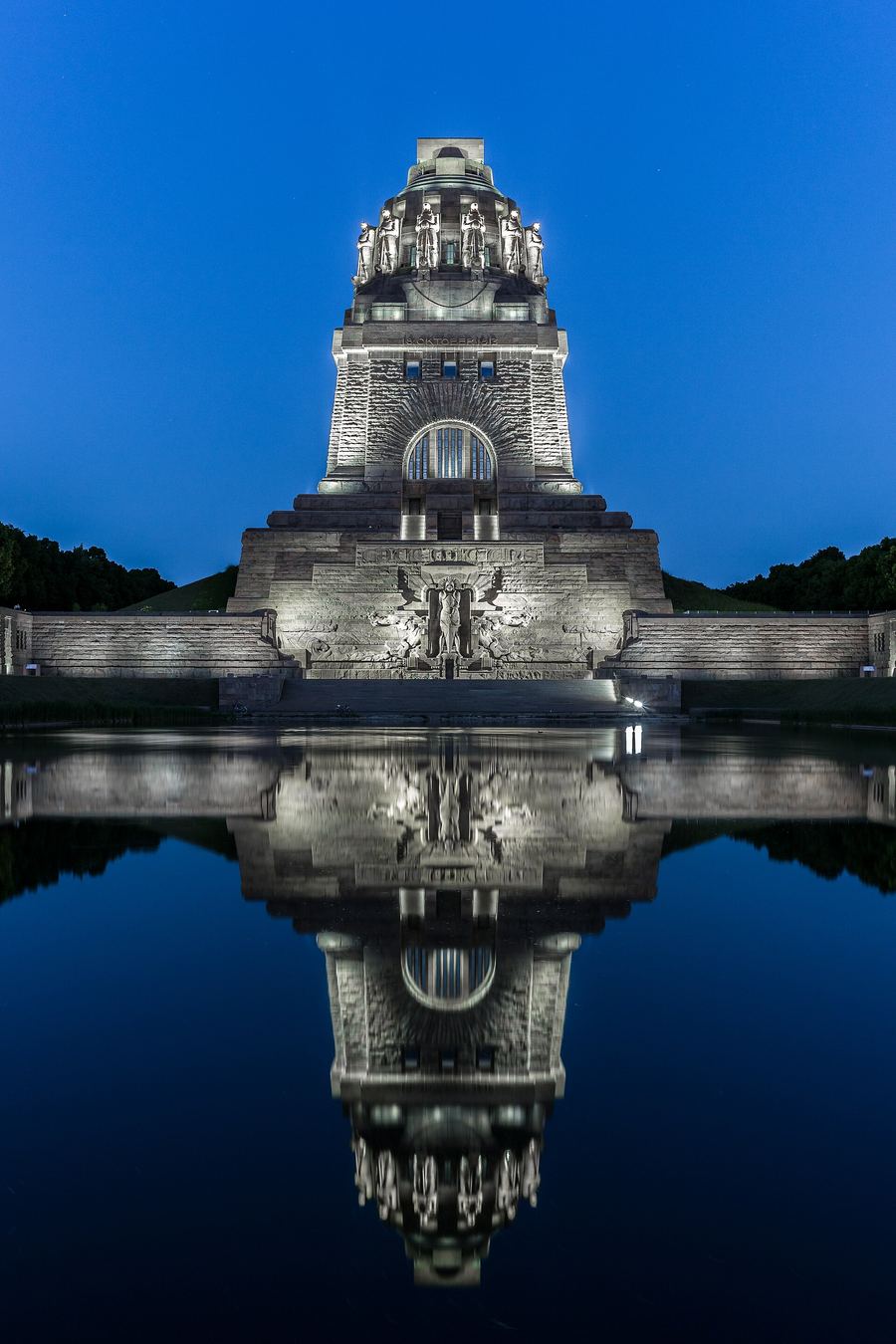
Völkerschlachtdenkmal
A colossal 91-metre stone monument to Napoleon's 1813 defeat. Climb 500 steps inside for views across the Saxon plains.
Tanya ParleyJerman
Classical music, canal-side industry, and civic revolt.
introduction
Leipzig trades Saxon baroque glory for raw industrial spaces and high classical culture. The city centre fits inside a compact ring road, where trade fair arcades and historic churches sit minutes apart. Trams run frequently into post-industrial southern and western quarters cut through by navigable canals. You come here for Bach, converted cotton mills, and a distinct lack of capital-city pretension.
Airport connection
S-Bahn train S5 or S5X connects Leipzig/Halle Airport directly to Hauptbahnhof in 14 minutes. Trains depart every 30 minutes from the lower level.
Leipzig
Anne Schwerin · CC BY 2.0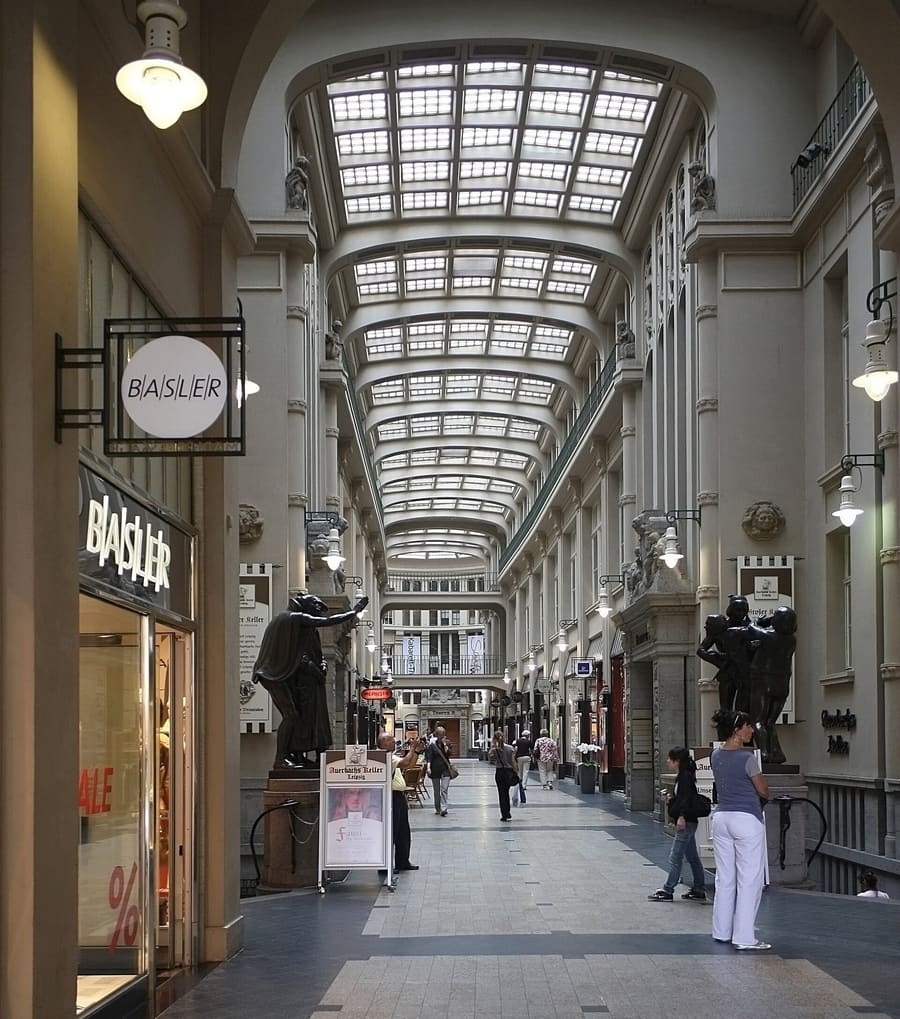
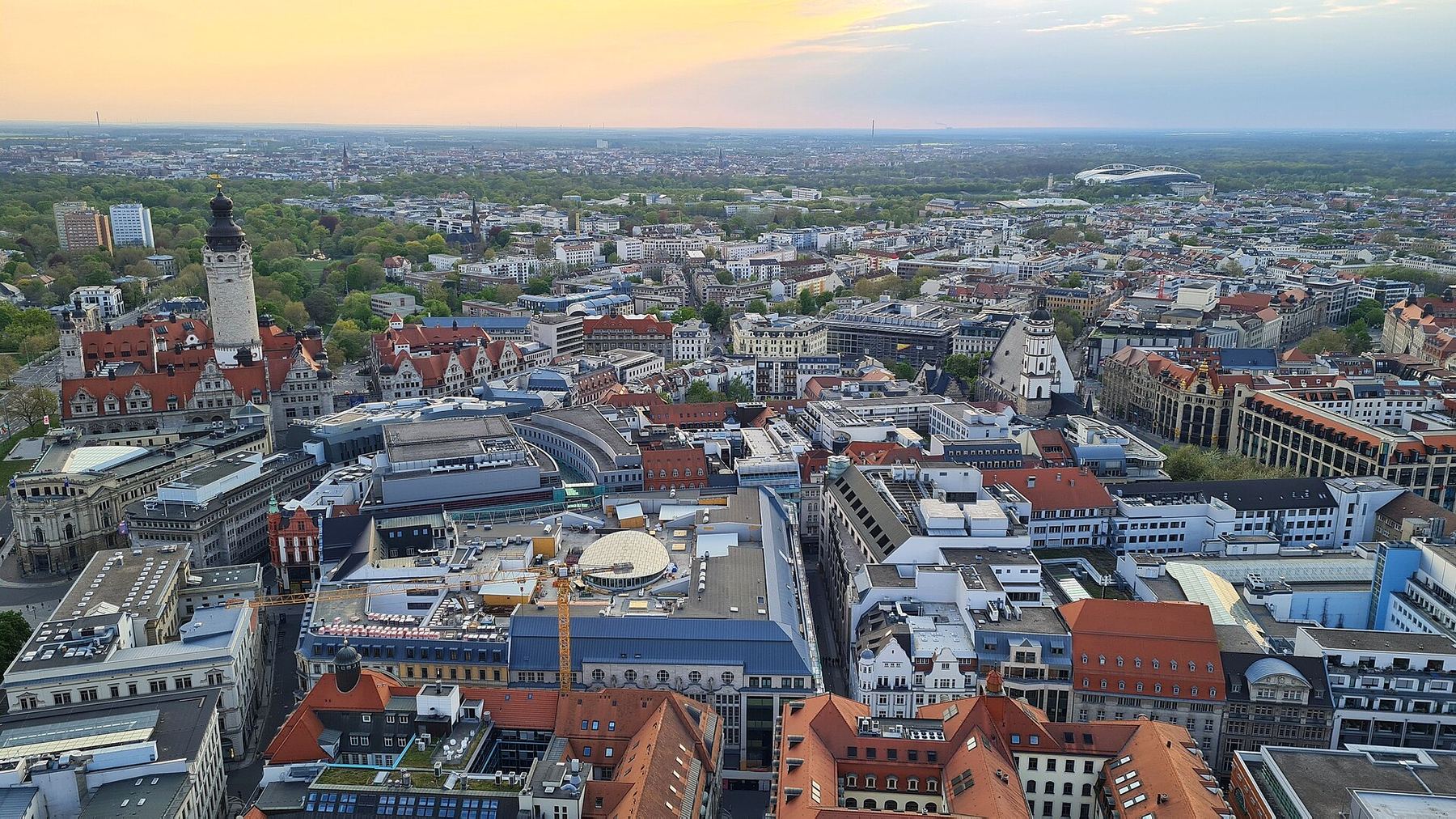
Zentrum — Compact pedestrian core wrapped by historic trade arcades and major concert halls.
Appaloosa · CC BY-SA 3.0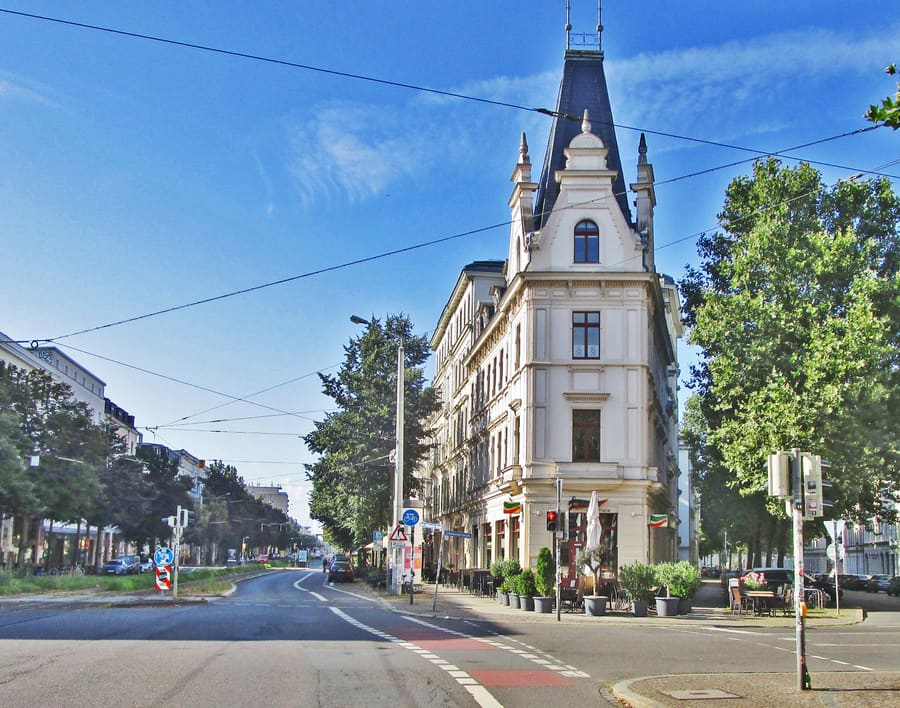
Südvorstadt — Student strip anchored by Karl-Liebknecht-Straße with late-night bars and outdoor cafes.
Andreas Wolf 01 · CC BY-SA 4.0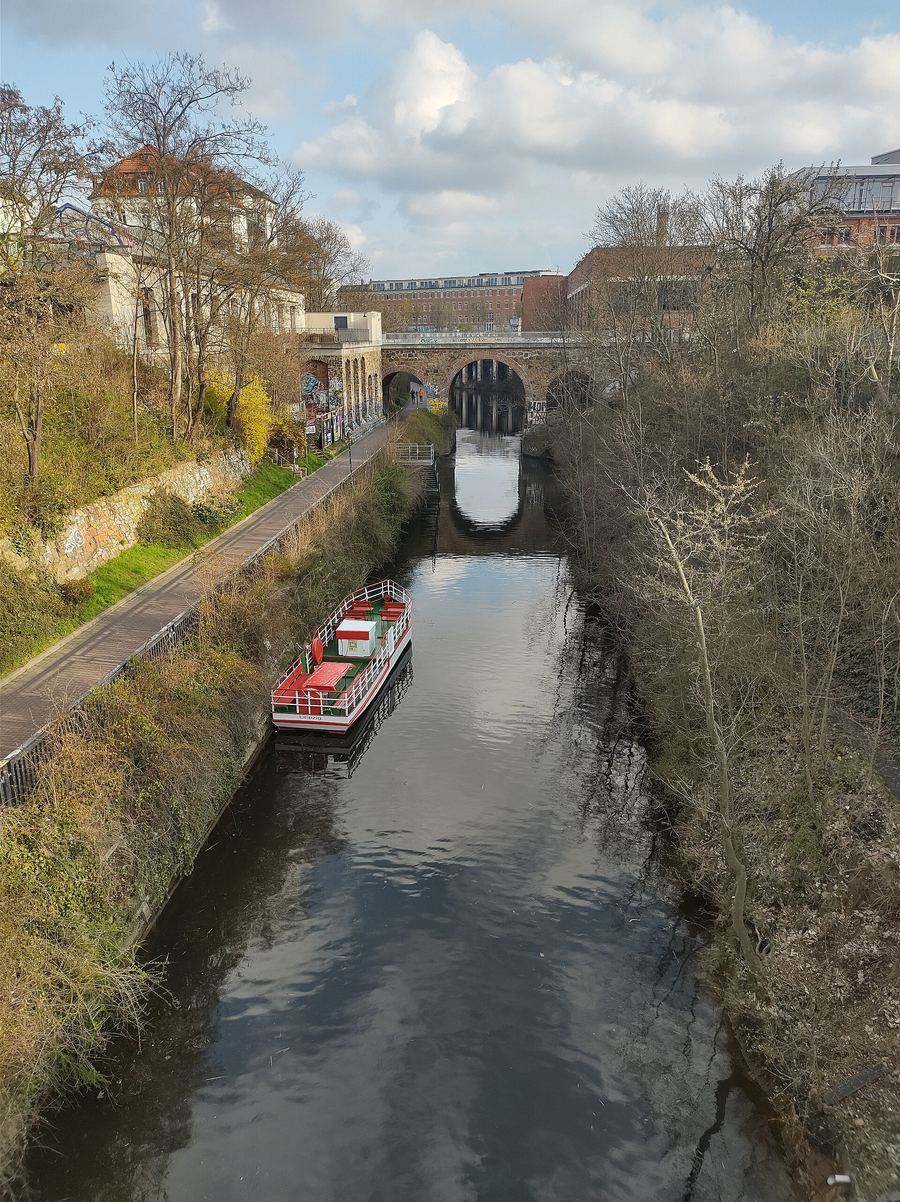
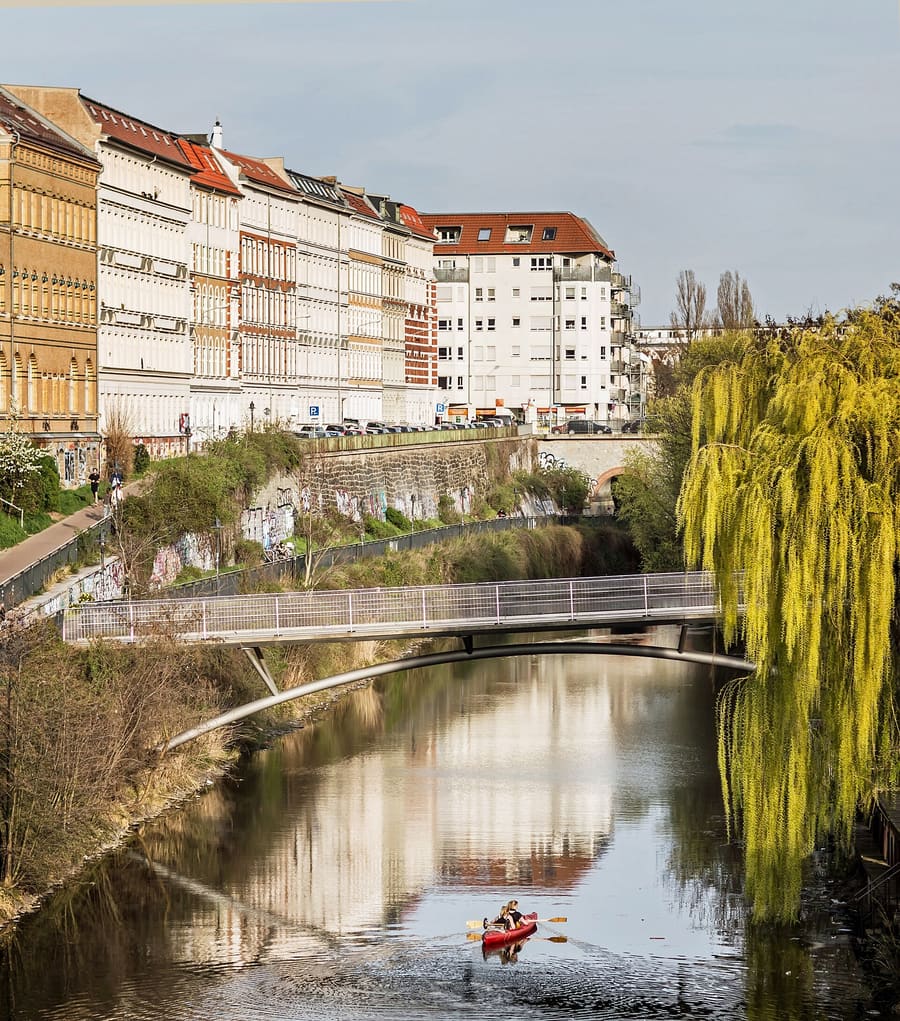
Plagwitz — Industrial West side with canal paths, art spaces, and converted red-brick warehouses.
Roy Zuo · CC BY-SA 4.0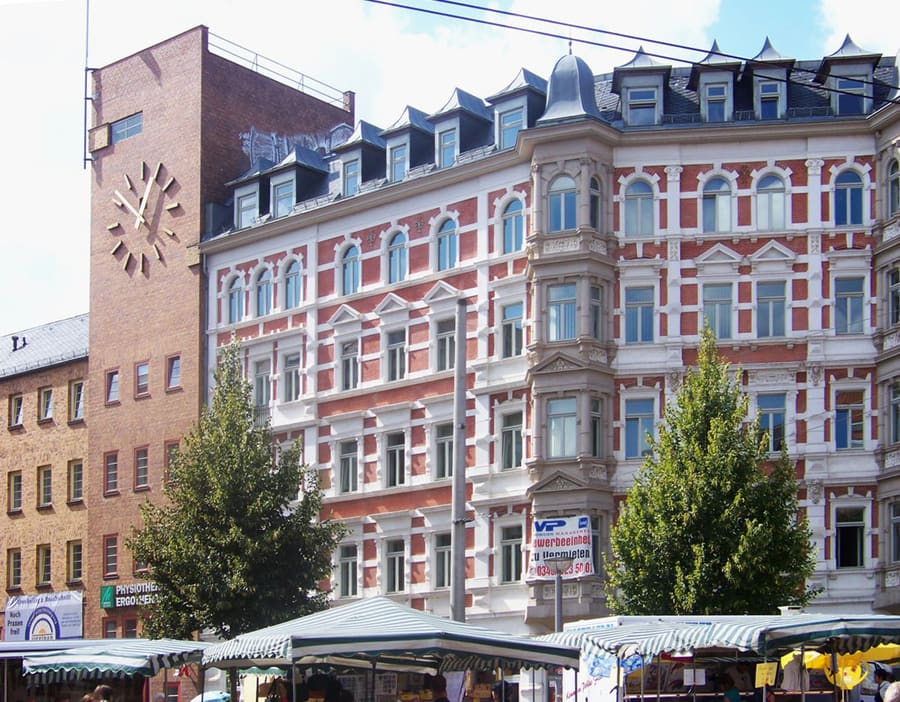
Lindenau — Residential western district with offbeat theatres, bakery counters, and park access.
Tnemtsoni · CC BY-SA 3.0
A classic Leipziger Lerche pastry served with coffee.
Assenmacher · CC BY-SA 3.0highlights
landmark
A colossal 91-metre stone monument to Napoleon's 1813 defeat. Climb 500 steps inside for views across the Saxon plains.
Tanya Parley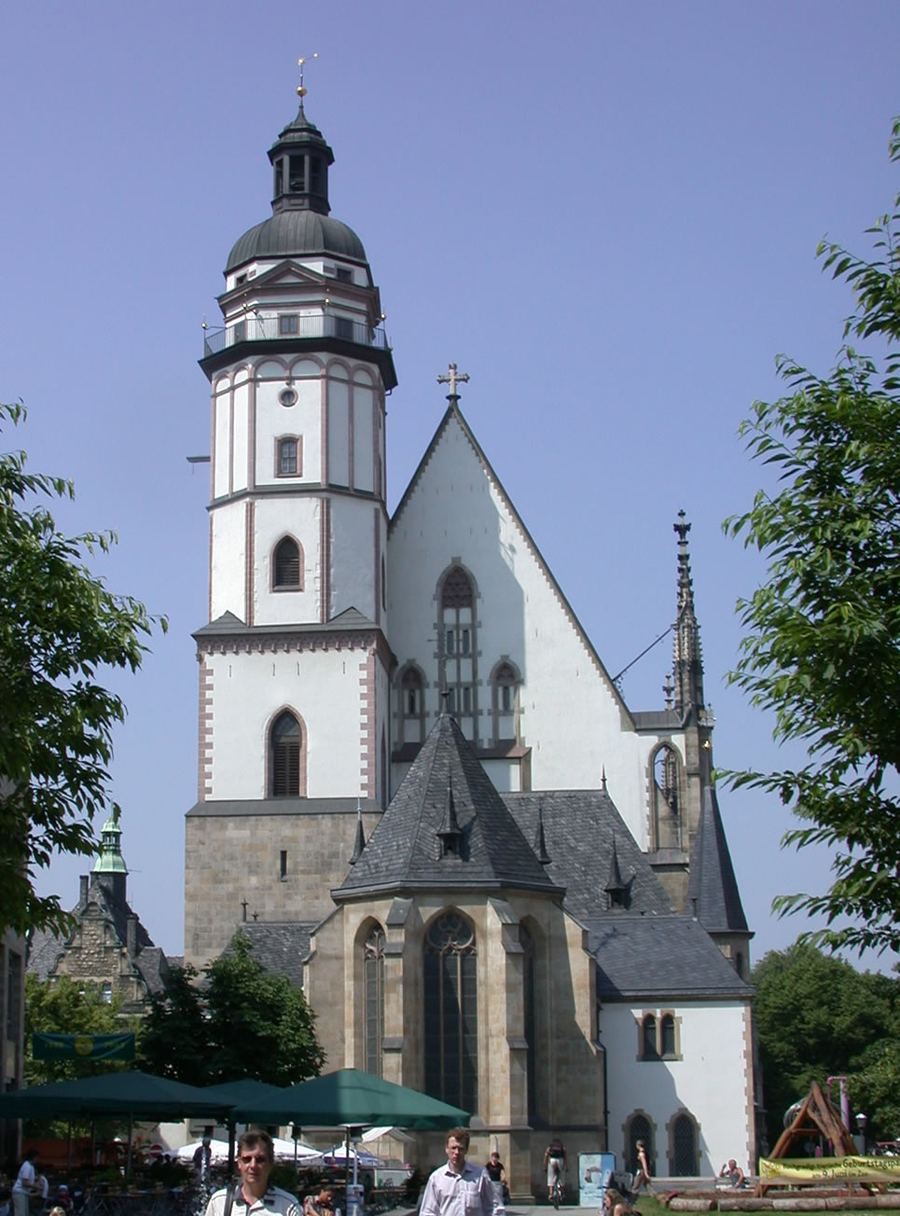
landmark
The church where Johann Sebastian Bach worked as choir director. Hear the St. Thomas Boys Choir perform on Friday evenings.
Tanya Parley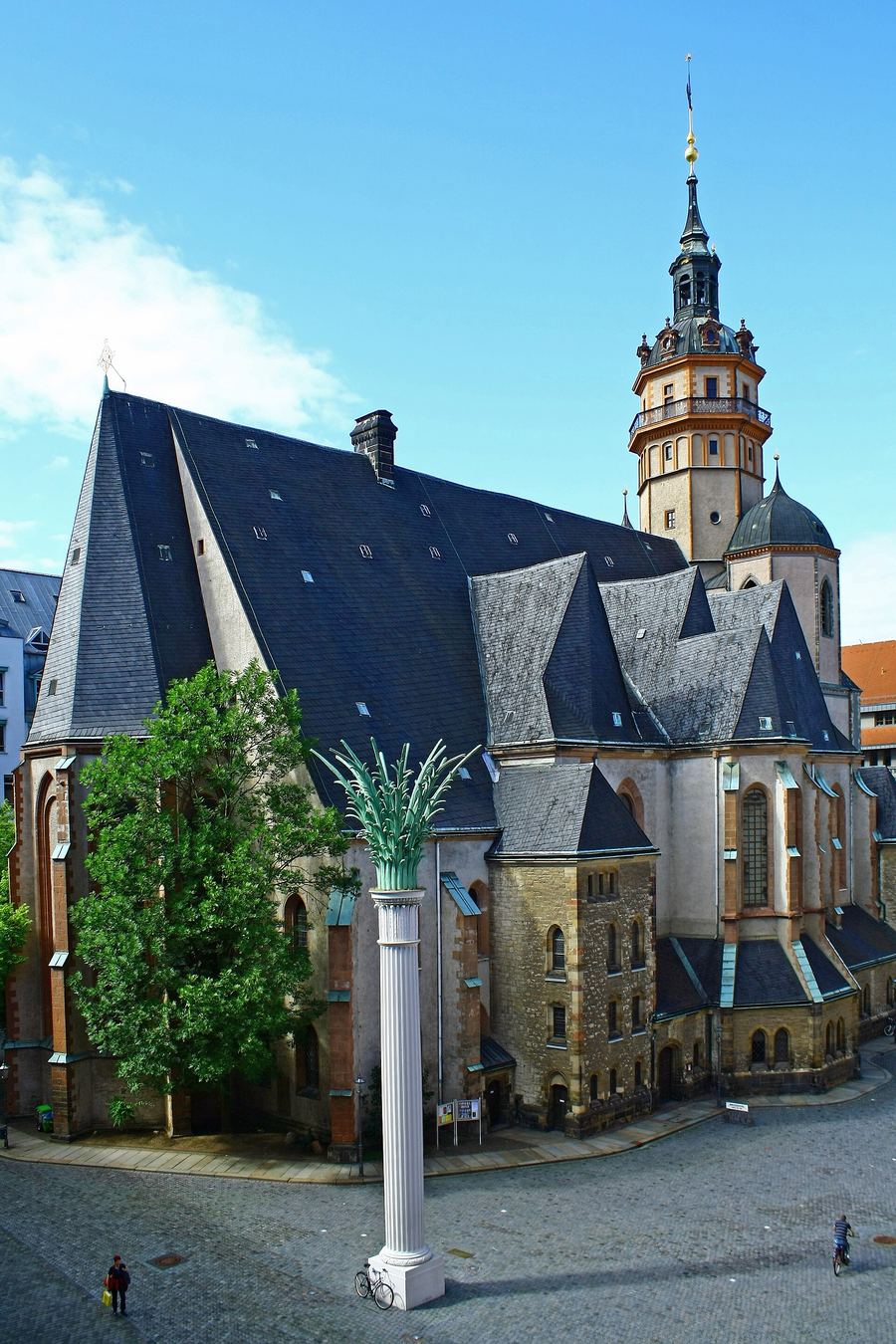
landmark
The gathering point for the 1989 Monday Demonstrations. Pastel palm-column interior contrasts with its political weight.
Tanya Parley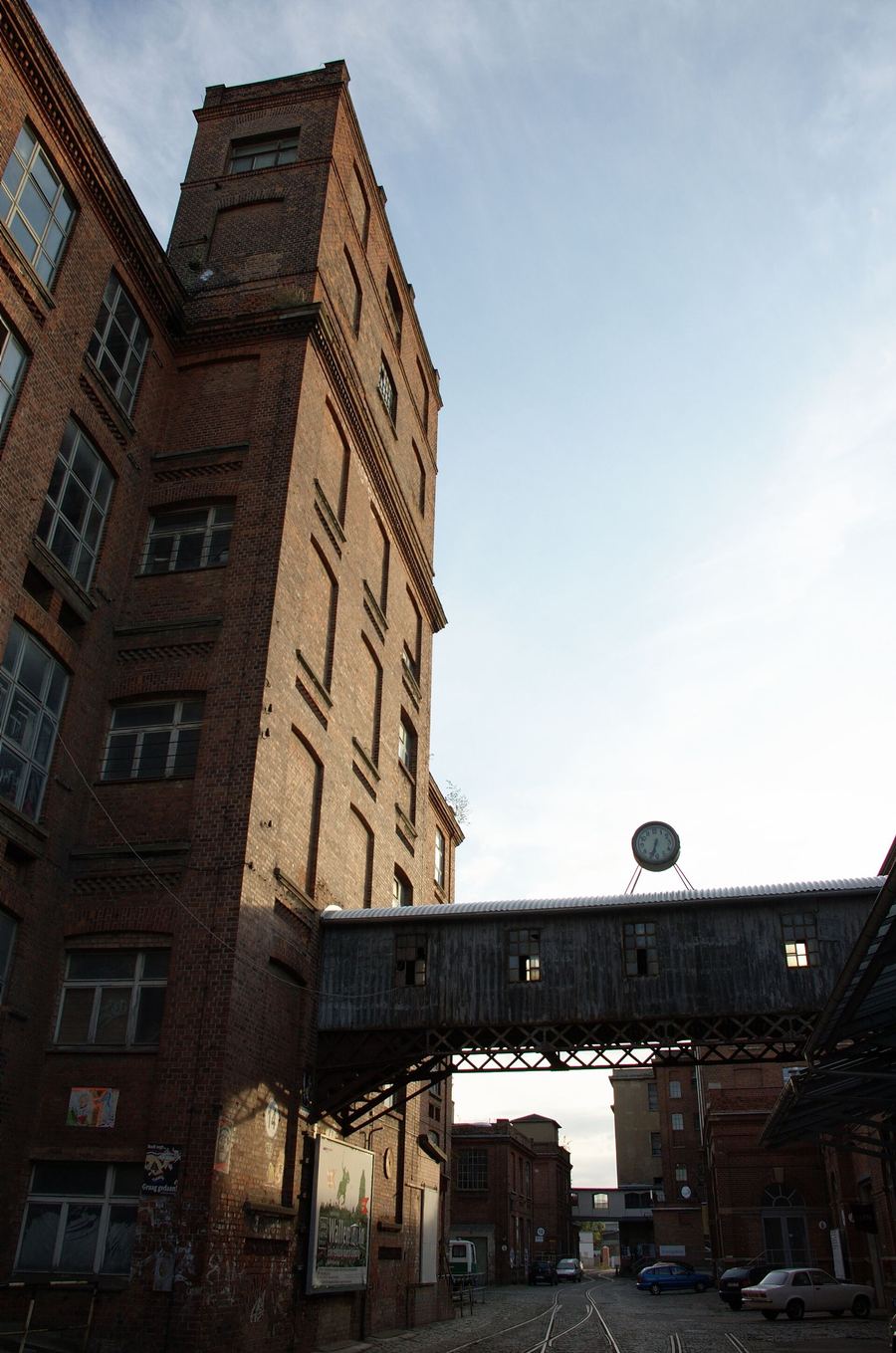
landmark
A ten-hectare former cotton mill turned contemporary art hub. Visit on gallery weekend dates to access private studios.
Tanya Parley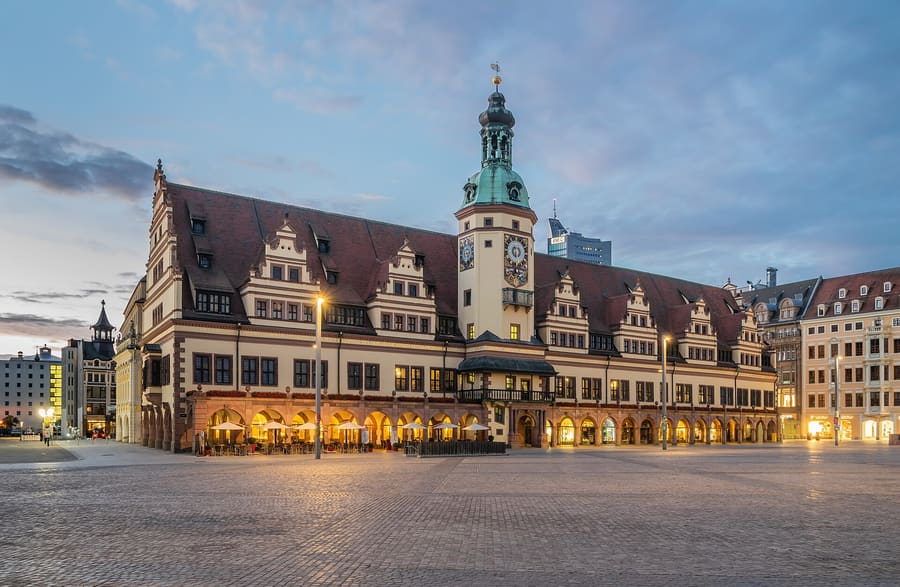
landmark
A 1556 Renaissance town hall spanning the market square. Inside, the city history museum houses Bach's original portrait.
Tanya Parley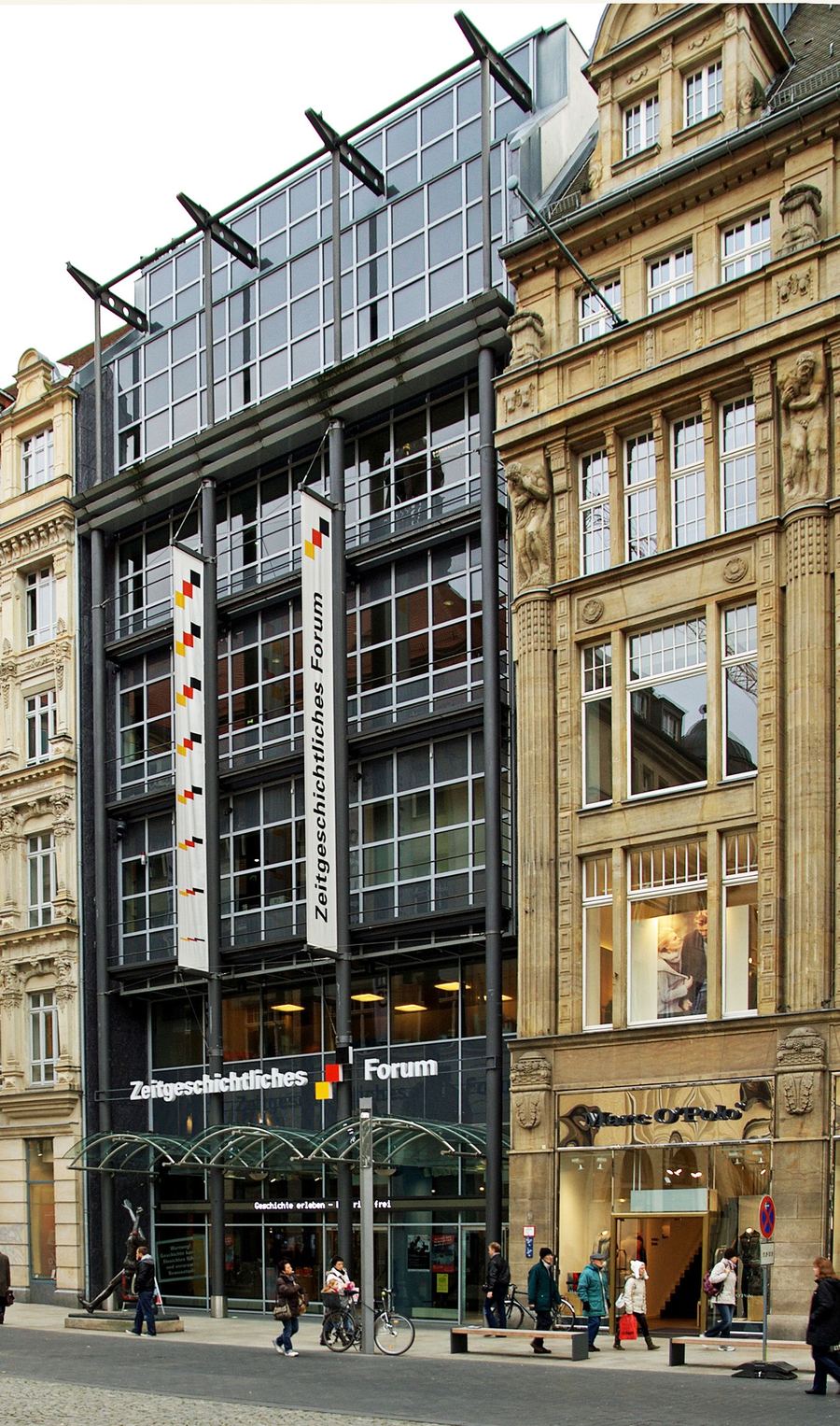
landmark
A free museum documenting life under East German communist rule. Displays cover daily dictatorship, dissent, and reunification.
Tanya Parleyattractions
areas
Compact pedestrian core wrapped by historic trade arcades and major concert halls.
DekatHauptbahnhof, Thomaskirche, Gewandhaus
Tanya ParleyStudent strip anchored by Karl-Liebknecht-Straße with late-night bars and outdoor cafes.
DekatFokkeberg, Clara-Zetkin-Park
Tanya ParleyIndustrial West side with canal paths, art spaces, and converted red-brick warehouses.
DekatBaumwollspinnerei, Karl Heine Canal
Tanya ParleyResidential western district with offbeat theatres, bakery counters, and park access.
DekatLindenauer Markt, Palmengarten
Tanya Parleyfood
Saxon cuisine leans heavy and savory, but local specialities have specific urban roots. When the municipality banned songbird hunting in 1876, local bakers invented the Leipziger Lerche pastry using shortcrust, crushed almonds, and strawberry jam to imitate bird tartlets. On the savory side, Leipziger Allerlei mixes spring vegetables with crayfish tails and bread dumplings. Traditional sour beer also persists in dedicated taprooms across the north side.
A classic Leipziger Lerche pastry served with coffee.
Assenmacher · CC BY-SA 3.0Head to Gohlis for the only traditional pub serving Gose beer brewed with coriander and salt.
Buy authentic Leipziger Lerchen pastries near Thomaskirche instead of generic train station bakeries.
In summer, canal-side restaurants in Plagwitz serve outdoor dinners right along the water.
history
Leipzig built its wealth as the intersection of major European trade routes. Although never an Imperial Free City, Leipzig was granted Imperial trade fair privileges by Emperor Maximilian I, and its signature passage architecture was designed to allow horse-drawn delivery carts to drive straight through from one street to another without turning around. In the 20th century, the city survived heavy wartime bombing and decades of East German industrial decline before spearheading the peaceful revolution that collapsed the Berlin Wall.
City charter
Margrave Otto the Rich grants trade fair rights, creating a central European commercial hub.
Bach arrives
Johann Sebastian Bach takes over as Thomaskantor, leading church choir music for 27 years.
Battle of Nations
Coalition armies defeat Napoleon outside Leipzig in Europe's largest pre-WWI battle.
Monday Demonstrations
Peaceful candlelight marches from Nikolaikirche catalyze the fall of the GDR dictatorship.
where to stay
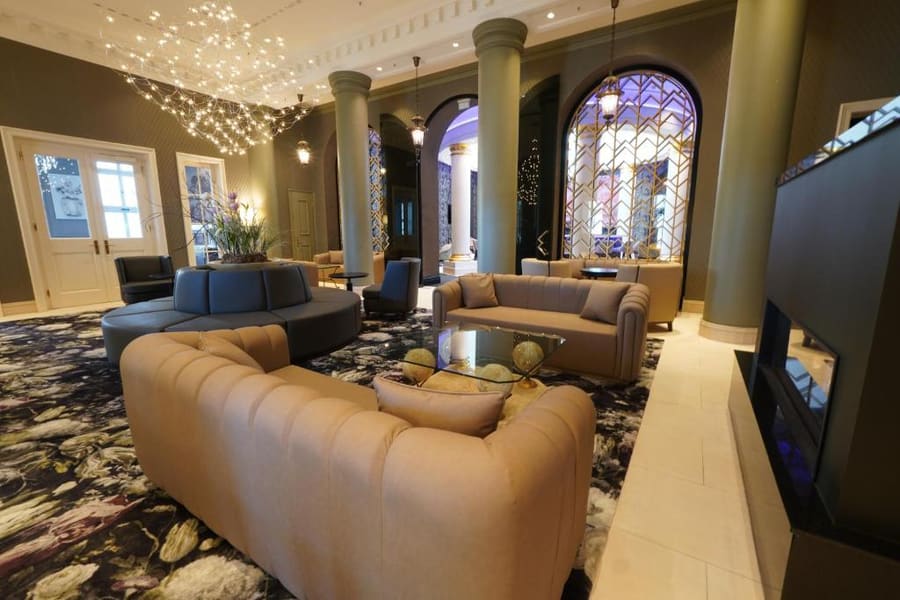
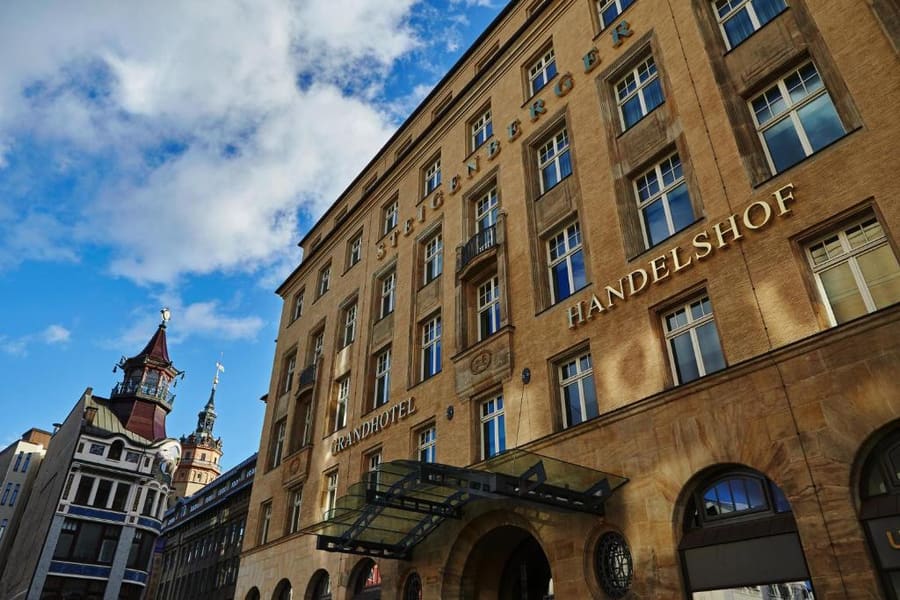
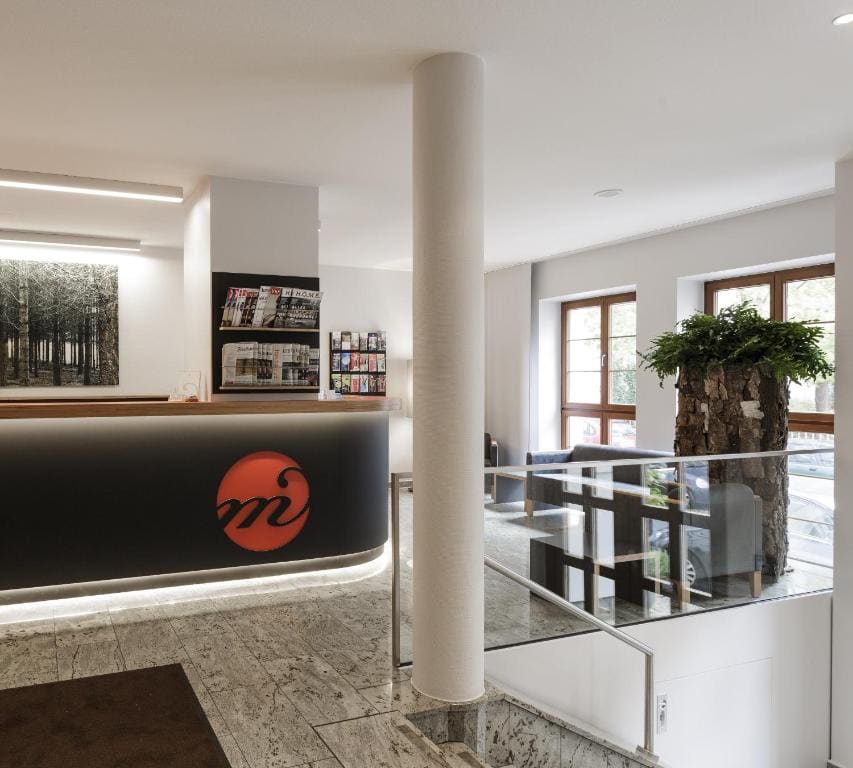
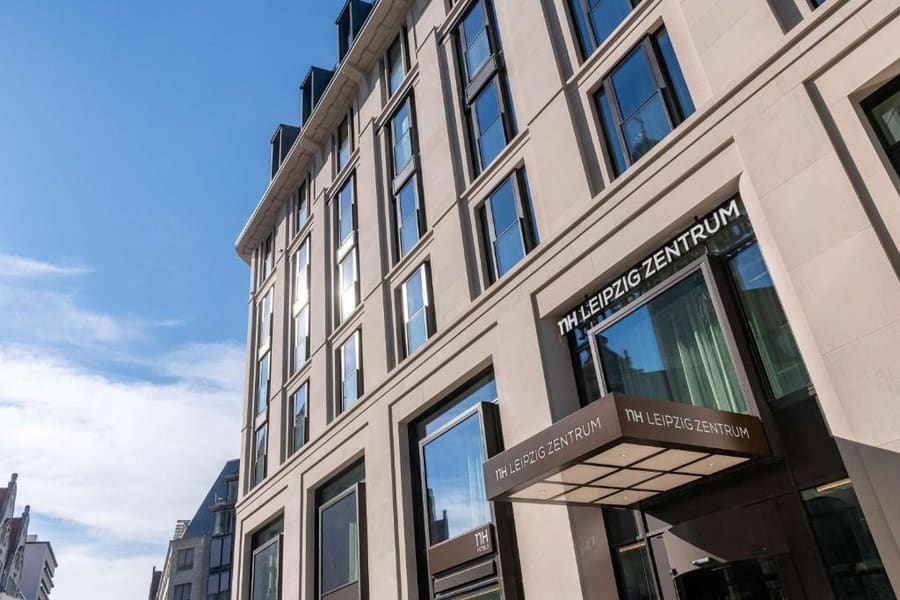
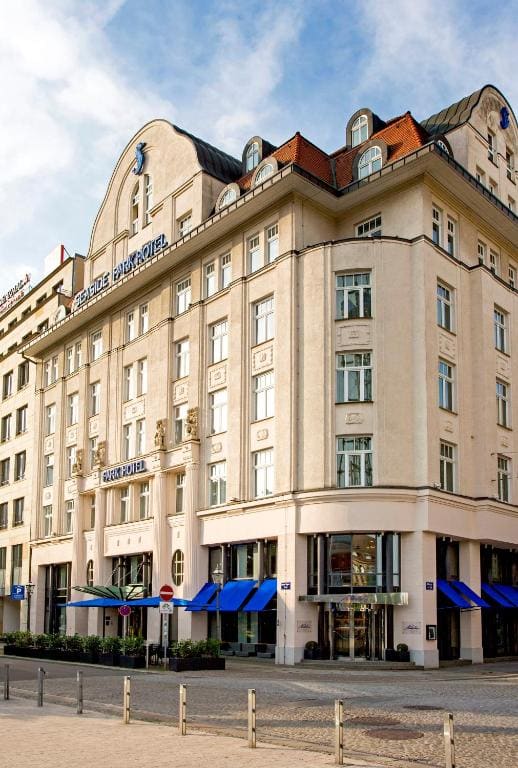
Choose your base by transit access and evening noise levels. Central hotels place you steps from major concert venues and train lines, while western converted industrial quarters suit travellers wanting local dining and gallery access.
Live rates, matched to the areas above.
transport
Leipzig runs on an extensive tram network operated by LVB. The central underground S-Bahn tunnel connects the main rail station directly to southern and northern suburbs. Compact central streets are completely pedestrianized.
Dari Leipzig/Halle Airport (LEJ)
Ranks sit outside terminal exit doors; fixed rates do not apply.
Pickup occurs in designated lane in front of main airport terminal.
Stamp paper tickets inside yellow validator boxes aboard trams before your second stop.
Buy single and day tickets on the official app to avoid ticket machine queues.
Use the underground S-Bahn stations (Markt, Wilhelm-Leuschner-Platz) for fast north-south links.
Nightbus lines (N1 through N9) replace regular tram service after 01:00 on weekdays.
cost
Leipzig costs notably less than Munich or Frankfurt. Dining out and local transit offer honest value, though ticket prices for high-tier music performances at Gewandhaus require advance planning.
Specialty coffee prices are standard across both Zentrum and Plagwitz.
Casual lunch specials along Karl-Liebknecht-Straße beat central tourist prices.
Standing room or restricted view seats offer classical music at lower entry points.
seasonality
MAR – MAY
Cool mild days ideal for walking arcades. Spring music festivals start in May.
JUN – AUG
Warm summer evenings bring outdoor dining and kayak traffic on the Karl Heine Canal.
SEP – NOV
Autumn art season opens at Baumwollspinnerei. Moderate weather and lower hotel demand.
DEC – FEB
Cold conditions dominated by the central Christmas market in December, followed by quiet winter months.
practicalities
All retail and grocery stores close on Sundays except for specific shops inside Hauptbahnhof train station.
Independent cafes and flea market stalls in Plagwitz frequently reject credit card payments.
Rent canoes or kayaks at Stadthafen Leipzig to navigate city waterways without walking.
Climb this artificial rubble hill in Südvorstadt for sunset views of the city skyline.