landmark
Triple Bridge
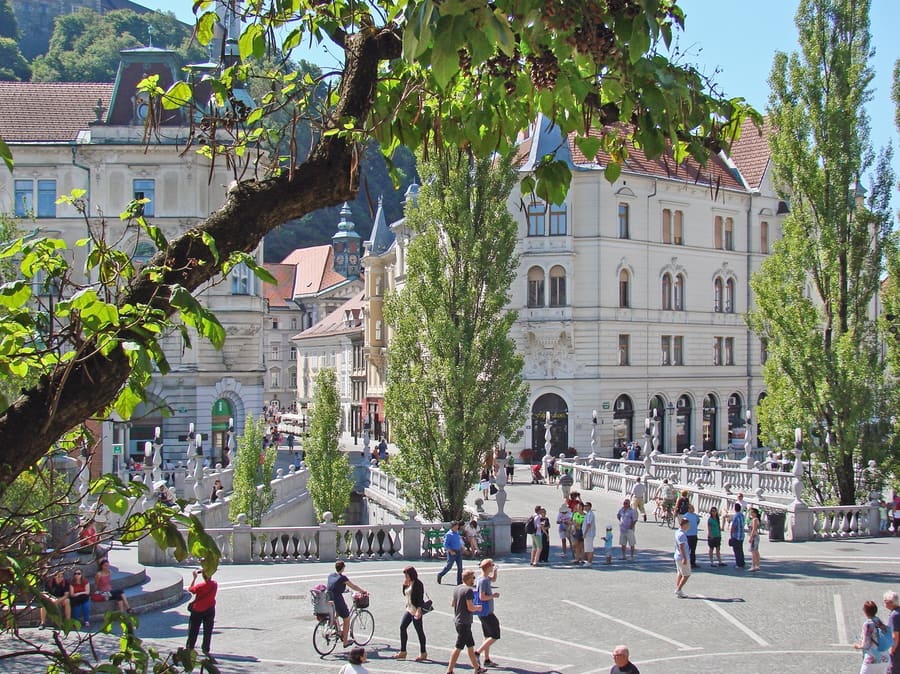
Jože Plečnik added two pedestrian spans to an 1842 stone bridge in 1932. Walk across early in the morning before crowds fill the square.
Tanya ParleySlovenia
Jože Plečnik's riverside capital of stone bridges and coffee.
introduction
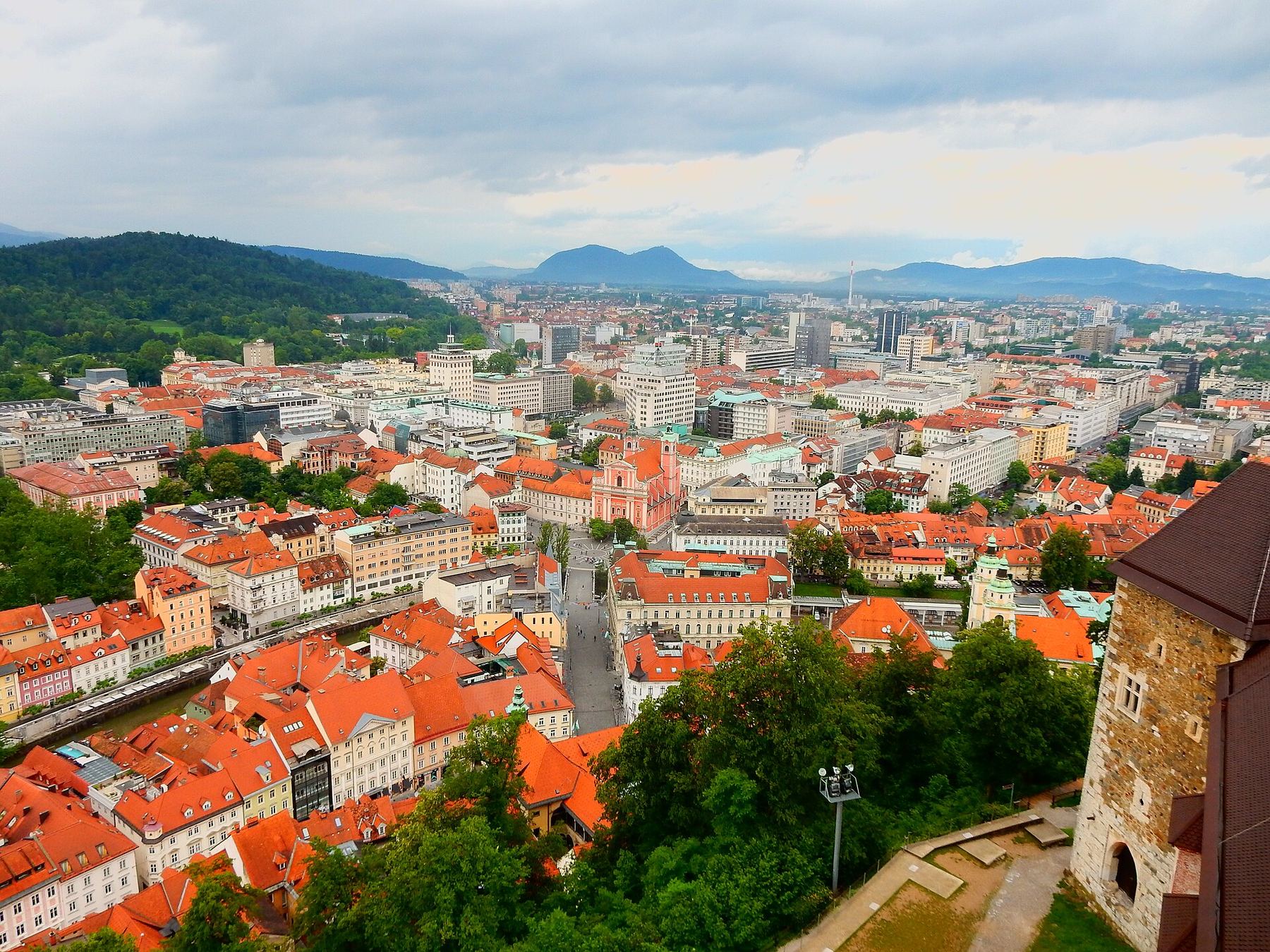
Ljubljana sits along a river loop below a hilltop castle, compact enough to cross on foot in twenty minutes. Jože Plečnik redesigned the central bridges, embankments, and squares between the world wars, turning a provincial town into a cohesive urban monument. Pedestrians own the core, which has been closed to motorized traffic since 2007. Expect slow coffee culture by day and quiet streets after ten at night.
Airport transfer route
The public Arriva bus connects LJU airport to the main station in 45 minutes for €4.10. Taxis charge around €35 to the centre.
Plečnik's urban design
UNESCO inscribed Jože Plečnik's human-centric urban design on the World Heritage List in 2021. His work defines the riverbanks and public squares.
highlights
landmark
Jože Plečnik added two pedestrian spans to an 1842 stone bridge in 1932. Walk across early in the morning before crowds fill the square.
Tanya Parley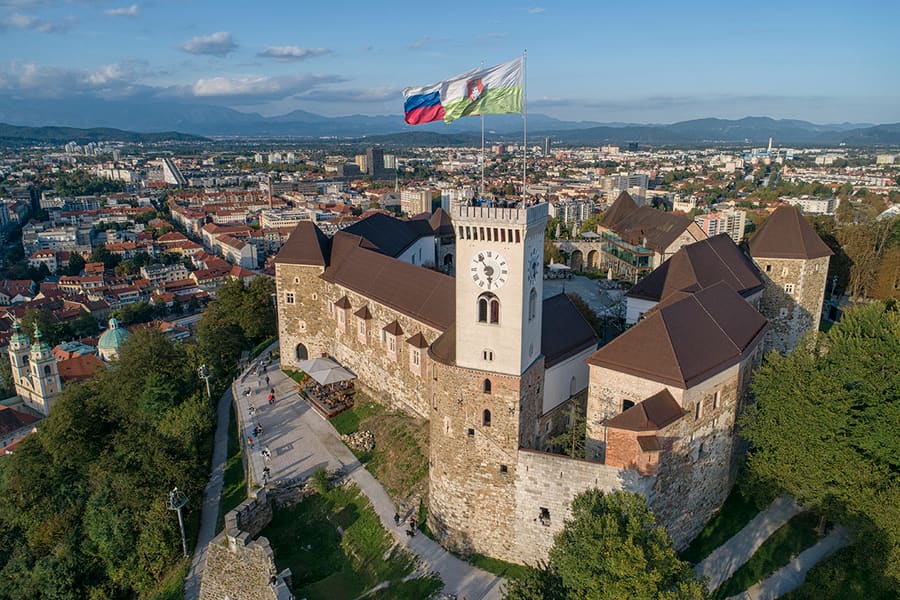
landmark
A medieval fortress standing over the Old Town since the 11th century. Skip the funicular queues by taking the Ulica na Grad path.
Tanya Parley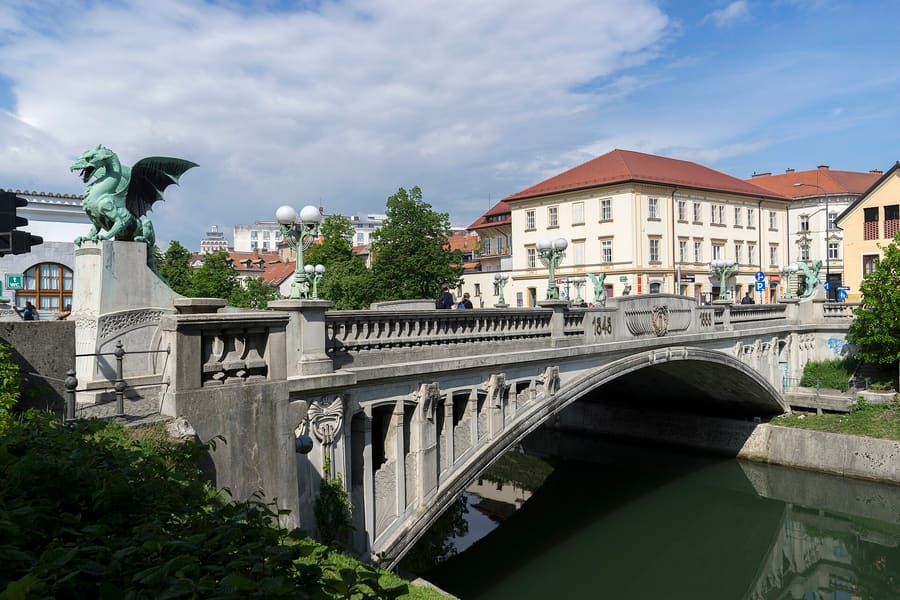
landmark
Built in 1901 as an Art Nouveau masterpiece with four sheet-copper dragon statues. Visit from the river level for the best view.
Tanya Parley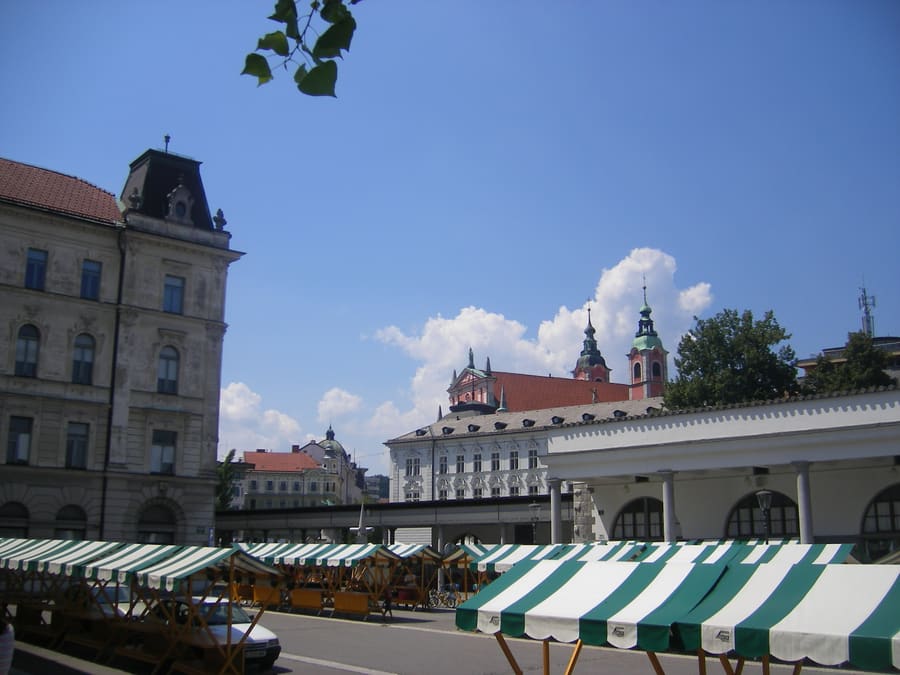
landmark
Plečnik designed this covered colonnade along the riverbank in 1940. Buy local cheeses and milk from automated dispensers inside.
Tanya Parley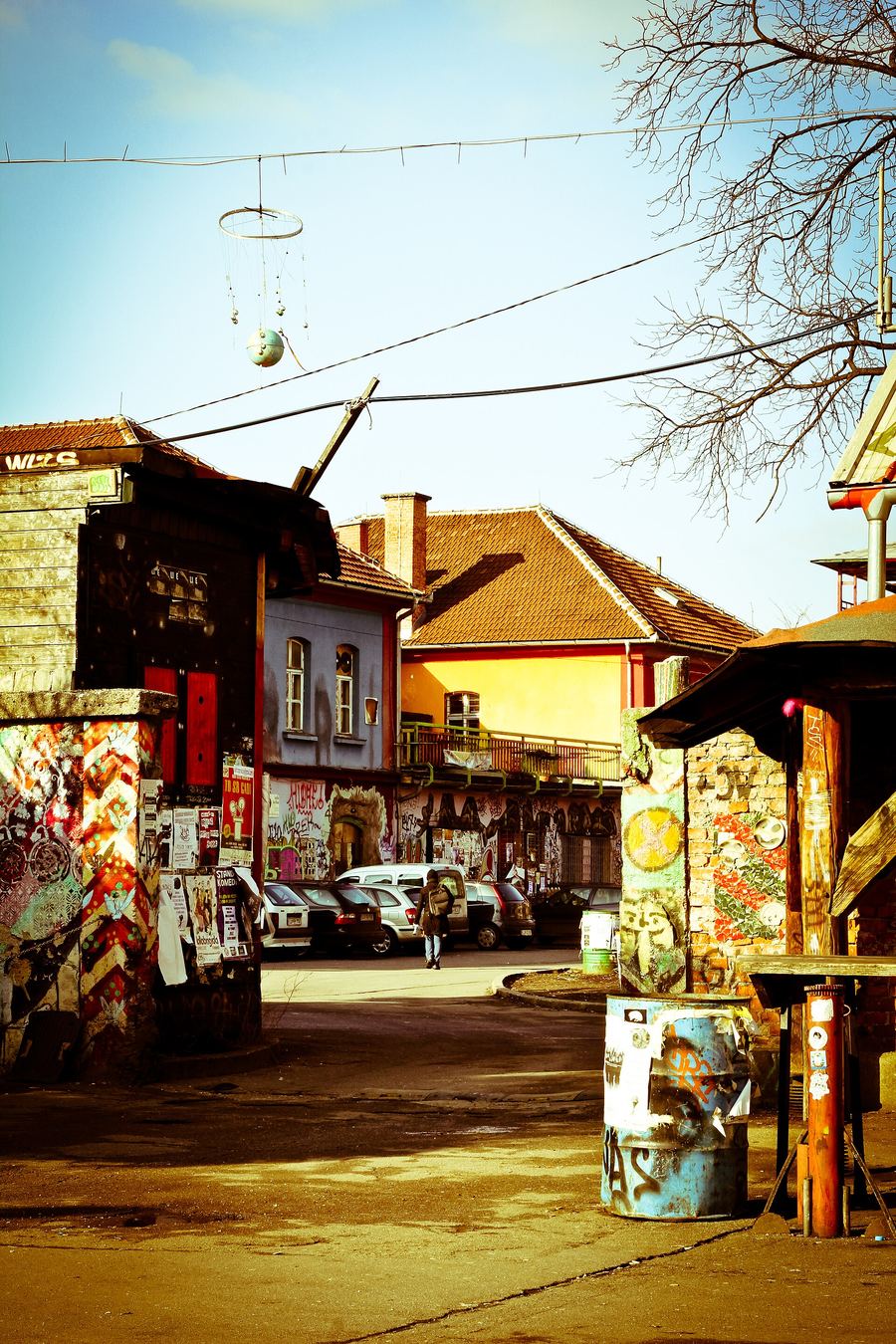
landmark
A former Austro-Hungarian military barracks squat turned autonomous cultural centre. Visit after midnight on Fridays for live music.
Tanya Parleyattractions
areas
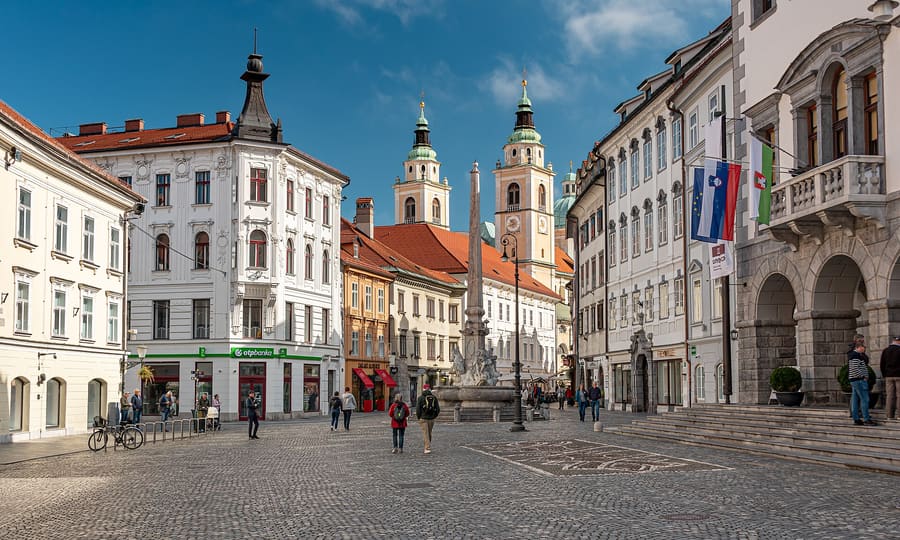
Pedestrian cobbled alleys beneath castle hill, packed with riverside cafes, Baroque facades, and fountain squares.
DekatCastle funicular and Central Market
Tanya Parley
A former fishing village turned quiet residential enclave with vegetable gardens and narrow gravel paths.
DekatRiverwalk and Ljubljanica banks
Tanya Parley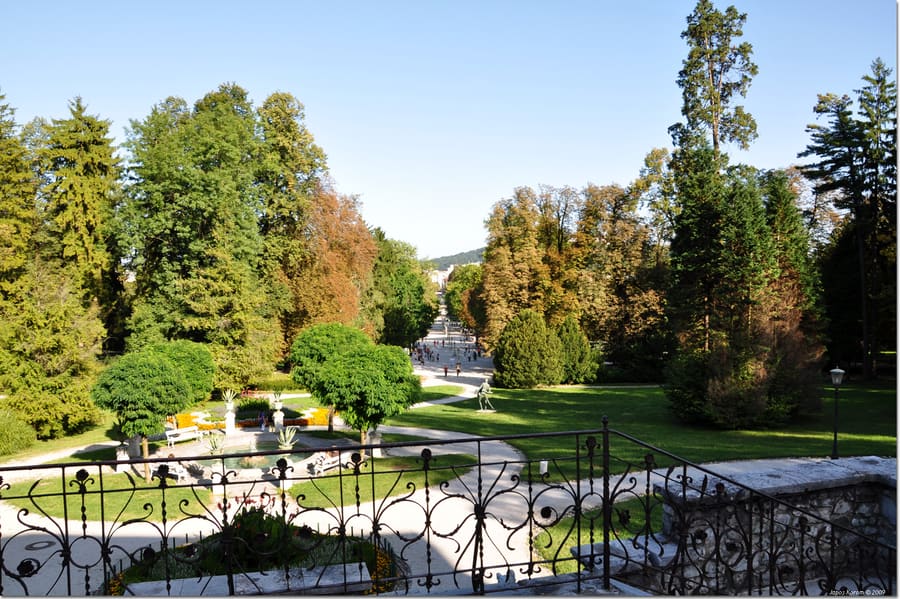
Sprawling parkland extending west from Jakopič Promenade into forested trails on Rožnik hill.
DekatNational Gallery and Modern Gallery
Tanya Parley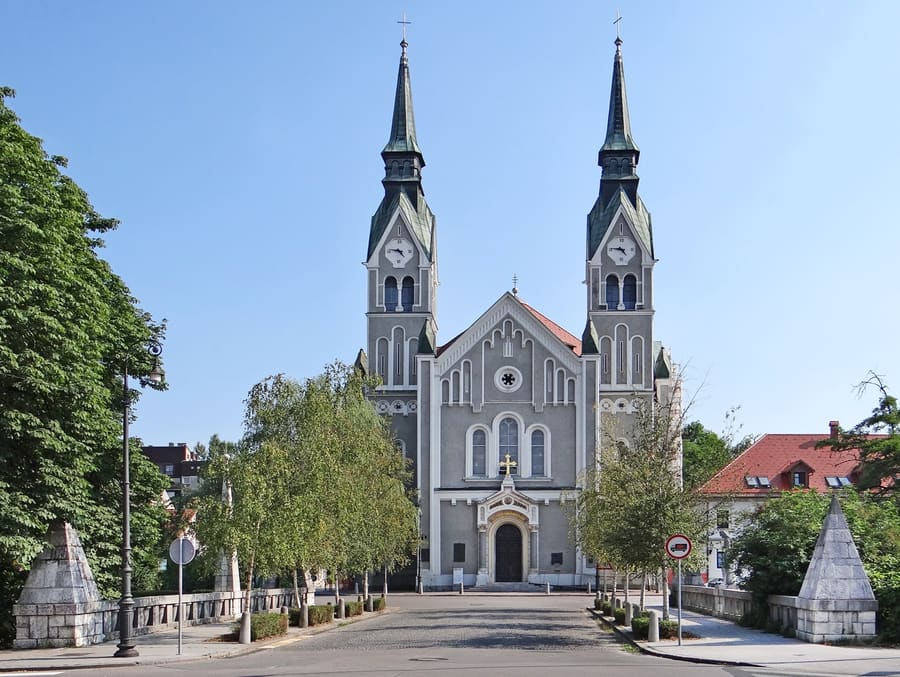
Bohemian residential district south of the canal, known for Plečnik's home and relaxed neighborhood bars.
DekatKrakovo and Eipprova street bars
Tanya Parleyfood
Ljubljana's food culture revolves around fresh produce from the central market and regional Slovenian specialties. You find rolled štruklji dumplings, Carniolan sausage, and buckwheat dishes alongside modern European bistros.
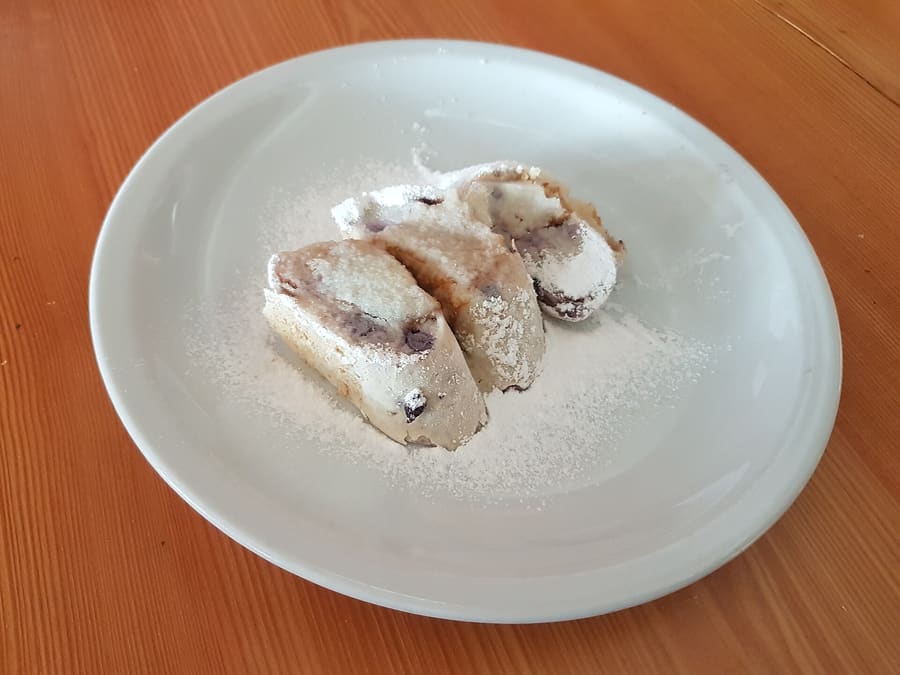
Traditional rolled štruklji dough dumplings filled with cottage cheese, tarragon, or walnuts.
FocalPoint · CC BY-SA 4.0This dedicated shop under the Central Market arcade serves warm, rolled dough dumplings with savory cottage cheese or sweet walnut fillings.
From mid-March through October, Pogačarjev trg hosts Odprta Kuhna every Friday. Top Slovenian chefs cook street food outdoors until 21:00.
Look for Carniolan sausage at Klobasarna near Town Hall. They serve half or whole spiced pork sausages with horseradish and mustard.
Drinking fountains operate across the old town from April to October. Tap water in Ljubljana is clean, untreated ground water.
history
From a Roman garrison city to a modern European capital, Ljubljana's layout was defined by Jože Plečnik's 20th-century urban master plan.
Emona settlement
Roman military camp Emona is established on the trade route between Aquileia and the Danube, accommodating 5,000 residents.
The Great Earthquake
A magnitude 6.1 earthquake destroys much of the medieval town, prompting a rebuilding wave in Vienna Secession style.
Plečnik's Vision
Architect Jože Plečnik returns from Prague to redesign public spaces, bridges, banks, and libraries into a modern Athens.
Slovenian Independence
Ljubljana becomes the capital of an independent Slovenia following the short war after the breakup of Yugoslavia.
Car-Free Revolution
The city council closes the entire historic core to motorized traffic, creating 12 hectares of pedestrian zones.
where to stay
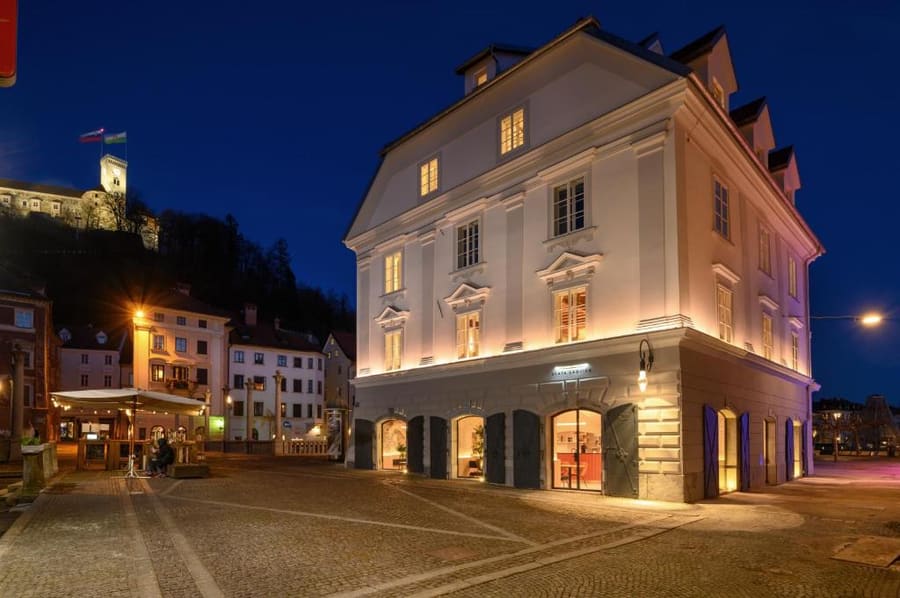
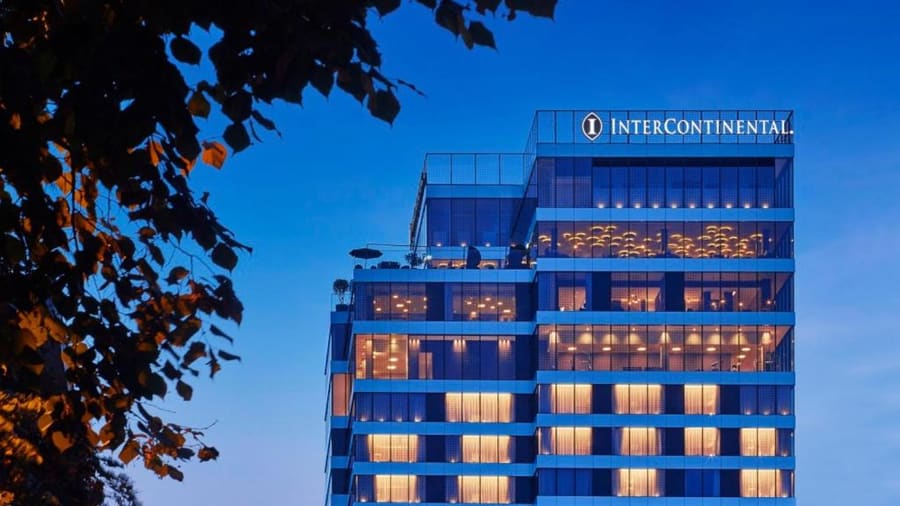
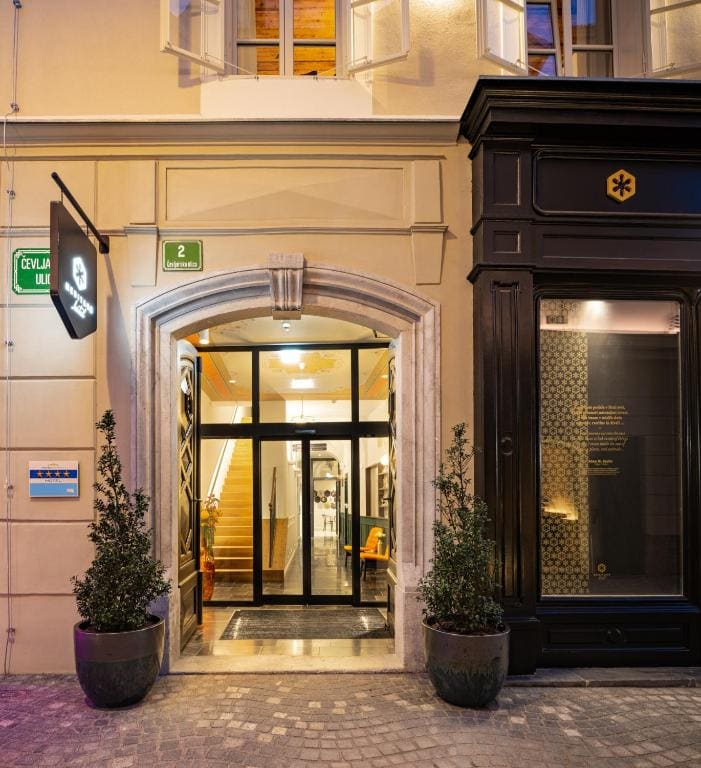
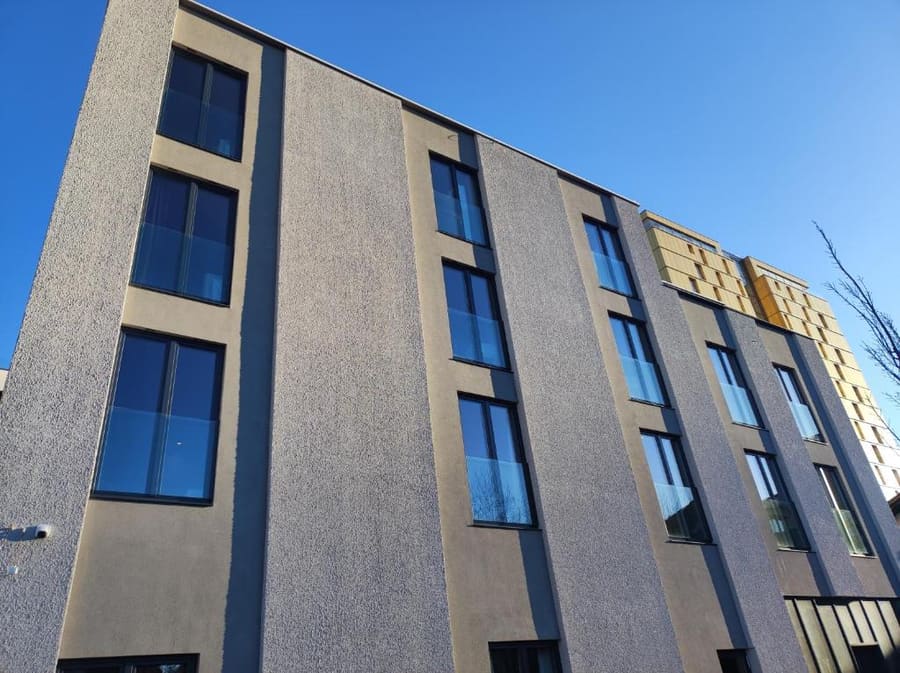
Choose your hotel based on proximity to the central pedestrian zone versus quiet neighborhood streets.
Live rates, matched to the areas above.
/933bf24c0c40.jpg)
transport
The city center is entirely walkable and vehicle-free, backed by an efficient city bus network and bike sharing.
Dari Ljubljana Jože Pučnik Airport (LJU)
Arriva operates hourly connections directly to the main bus station.
Shared shuttles (like Nomago) drop off directly at your central hotel.
Official airport cabs wait outside arrivals. Agree on fare before setting off.
Electric mini-vehicles transport elderly, disabled, or tired visitors around the pedestrian zone free of charge. Wave them down or call on demand.
Register online for €1 per week. The first 60 minutes of every bike ride are completely free across 80+ docking stations.
A single bus journey costs €1.30 and includes unlimited transfers within 90 minutes using your loaded Urbana card.
cost
Ljubljana offers reasonable European prices, with generous weekday lunch deals and accessible public transport fares.
Prices increase slightly right on Cankarjevo nabrežje compared to side streets.
Bistros serve quick two-course weekday lunch specials tailored for local office workers.
Includes the steep cable ride up Castle Hill; combining with castle entry costs €16.
Slovenian microbrews like Bevog or Pelicon are poured on draft in Trnovo and Petkovškovo.
seasonality
MAR – MAY
Mild weather and blooming parks. Spring outdoor dining starts along the embankments, and rainfall is moderate.
JUN – AUG
Hot days peaking near 30°C. Long evenings, river terraces packed, and cultural festivals outdoors.
SEP – NOV
Cooler autumn days with crisp air. Grape harvest events bring regional wine tastings to public squares.
DEC – FEB
Snow is frequent and festive lights line the river in December. Winter markets fill Prešeren Square.
practicalities
By national law, grocery stores and shopping malls remain closed on Sundays. Small tourist souvenir shops are exempt.
Bicycles travel freely through pedestrian areas. Keep an eye out for silent bikes approaching behind you on footpaths.
Dozens of stylized public drinking fountains operate throughout the city centre from April to October.
English is widely spoken among younger residents, shopkeepers, and hospitality workers across the capital.
You can walk up Castle Hill in 15 minutes via the Reber path or Student path without paying for the funicular.