landmark
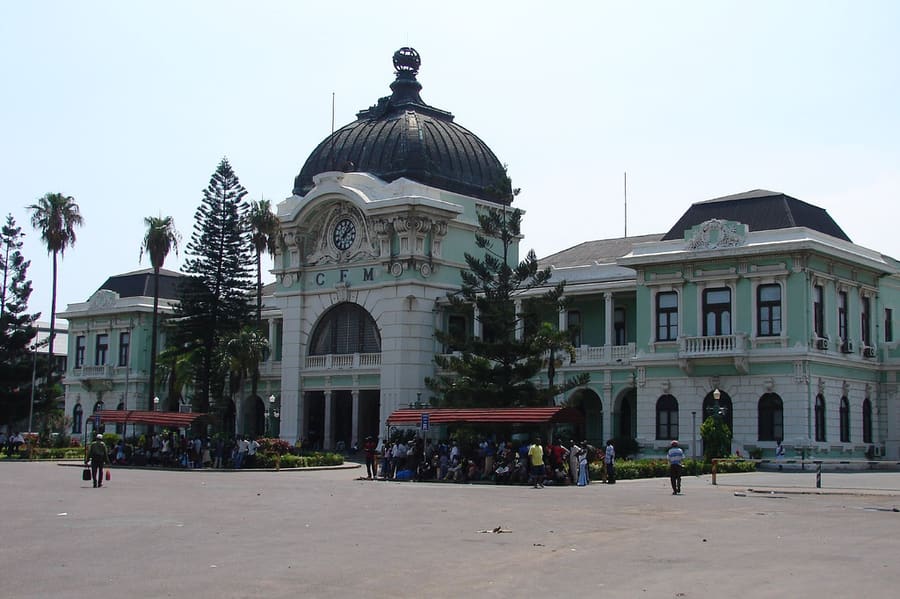
Maputo Railway Station
Inspect the wrought-iron dome designed by Eiffel's associates. Visit early in the morning before heat and crowd volume increase.
Tanya ParleyMozambik
Art Deco architecture, bay views, and peri-peri seafood.
introduction
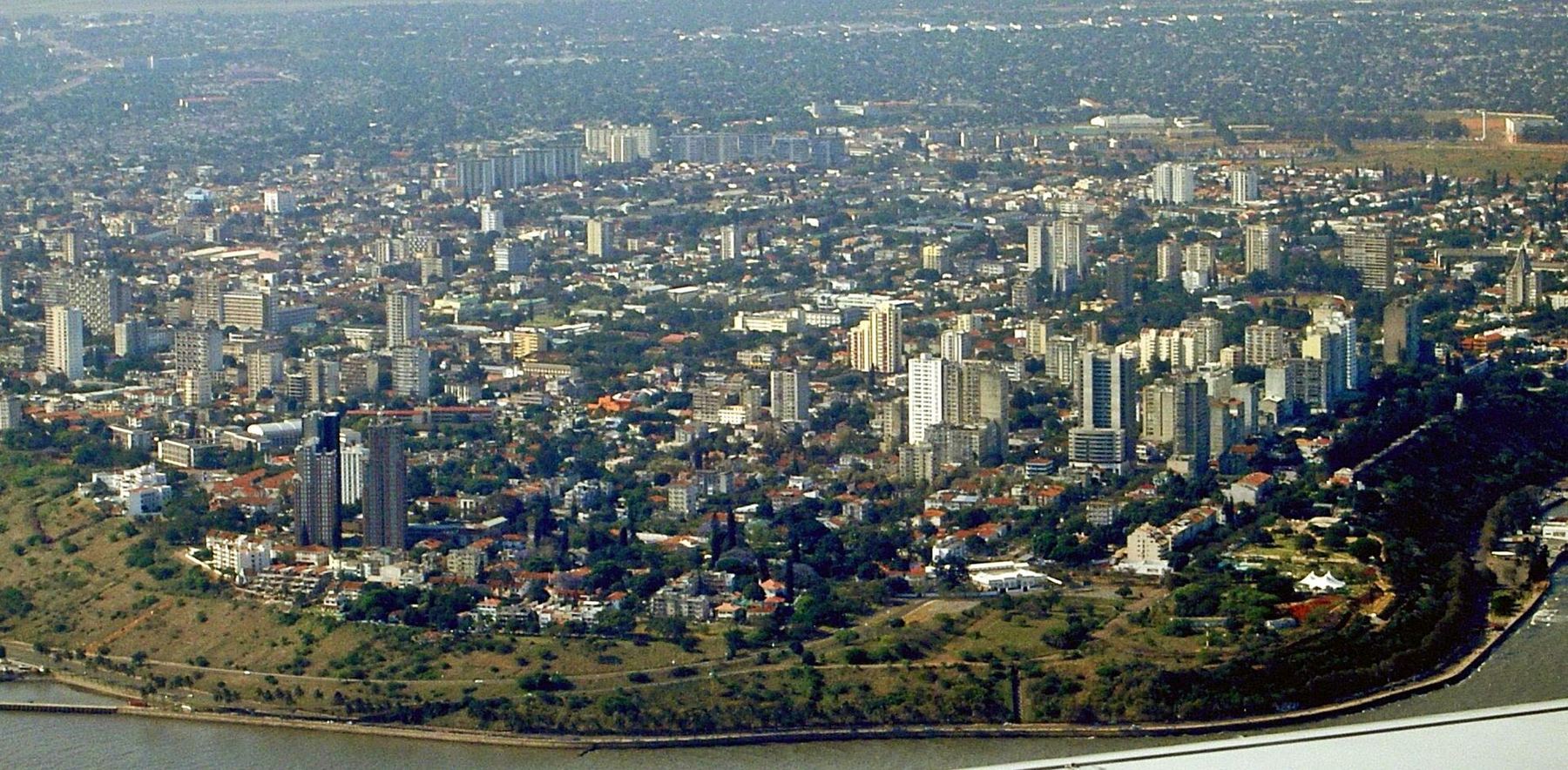
Maputo sits on a cliff overlooking Maputo Bay, combining wide jacaranda-lined avenues with grid-patterned Portuguese architecture. You navigate the lower port district of Baixa for commerce and history, then ascend to Polana Cimento for dining and coastal views. Public transport relies on chapas and txopelas, while traditional taxis require negotiated fares before you step inside. Expect a laid-back coastal tempo mixed with formal bureaucratic practicalities.
Arrival trick
Official airport taxis charge fixed rates to central hotels. Ignore unmetered drivers inside the arrivals hall and pay at the designated counter before exiting.
Architectural distinction
The central railway station features a green cast-iron dome designed by associates of Gustave Eiffel in the early twentieth century.
Planning trick
Carry small Mozambican Metical cash notes for txopela rides and street markets. Payment card terminals frequently lose mobile connectivity during peak afternoon hours.
Maputo
Tonton Bernardo · CC BY-SA 3.0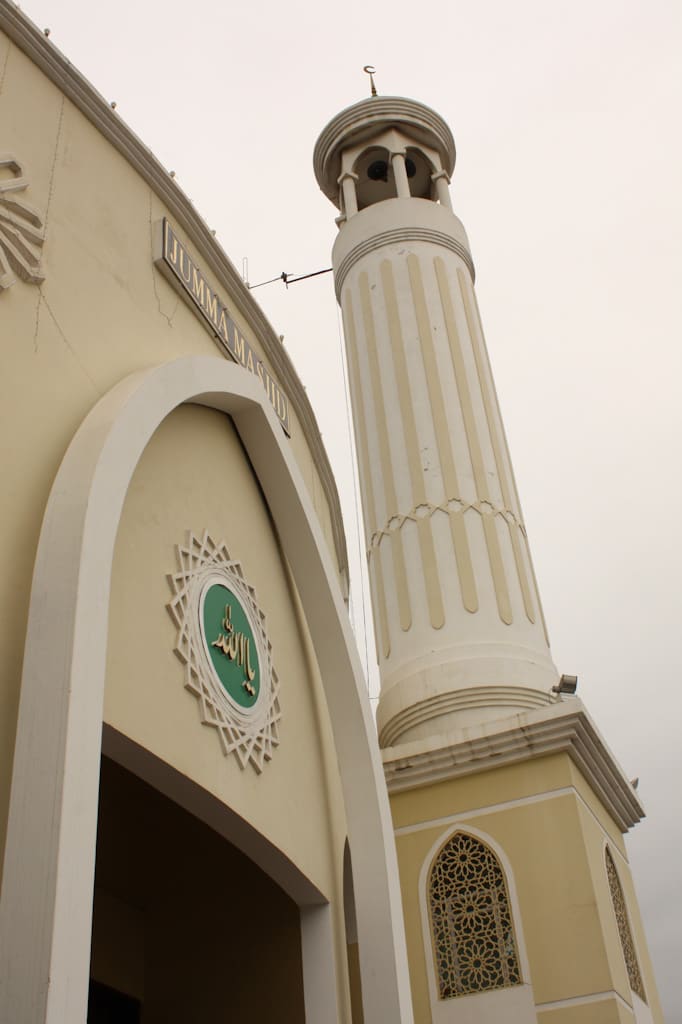
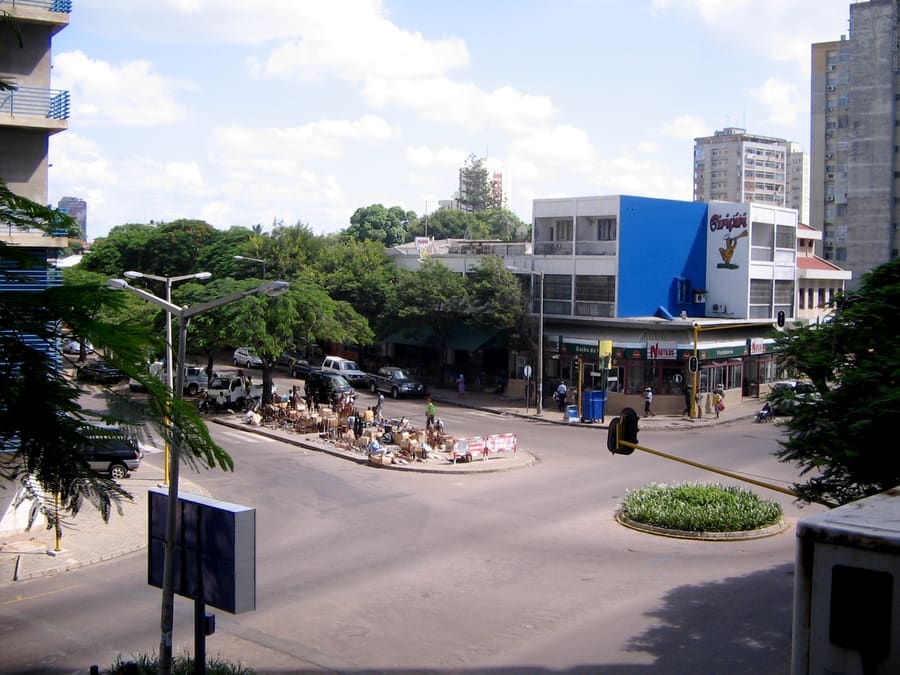
Baixa — Grid-plan commercial downtown with dense traffic, port docks, and high-concentration historic landmarks.
lucianf from Bucharest, Romania · CC BY 2.0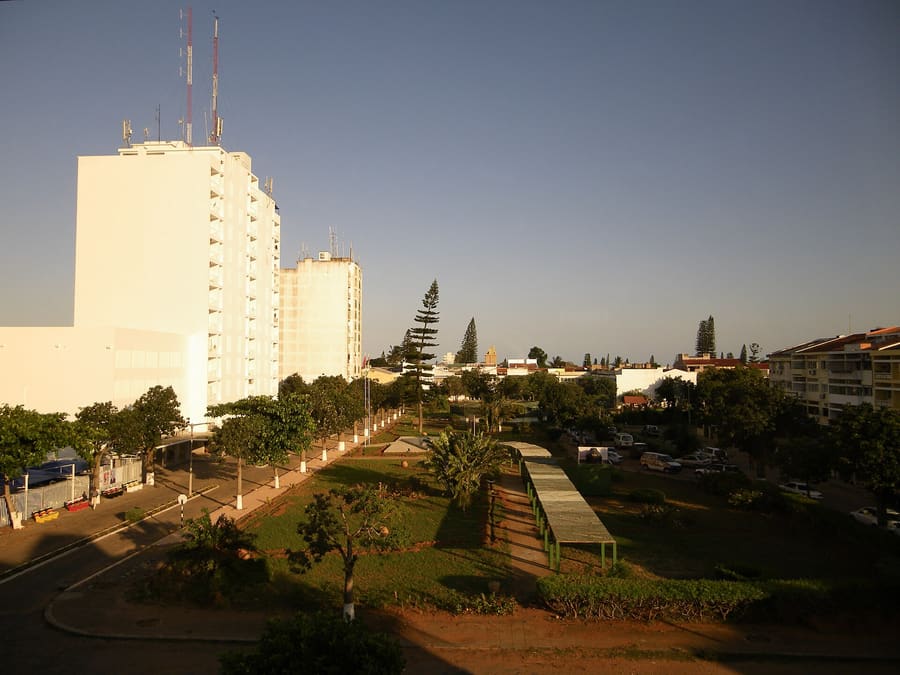
Sommerschield — Quiet diplomatic quarter with modern luxury residences, foreign embassies, and international eateries.
René C. Nielsen from Brooklyn, United States · CC BY-SA 2.0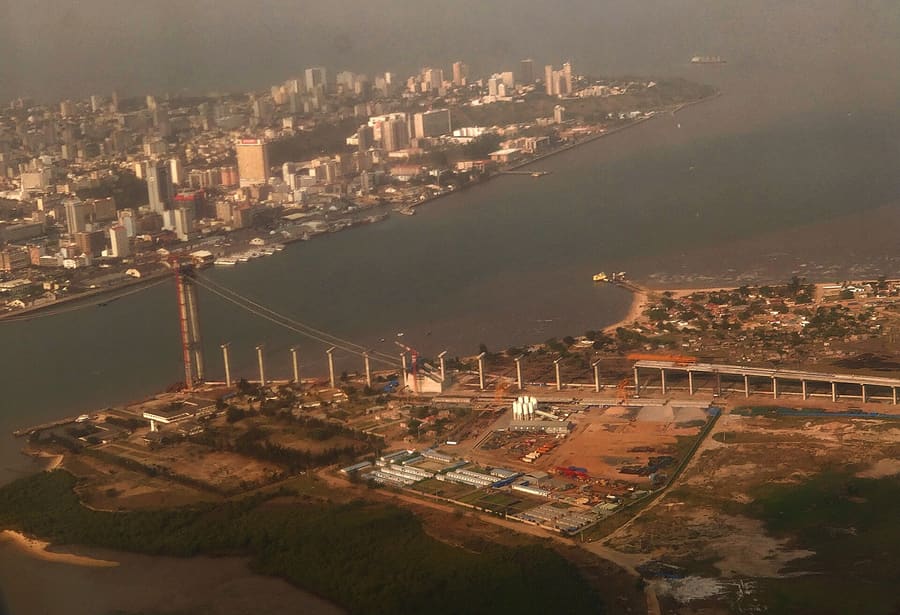
Katembe — Developing district across Maputo Bay offering clear city views, beach shacks, and low-key seafood spots.
Jcornelius · CC BY-SA 4.0highlights
landmark
Inspect the wrought-iron dome designed by Eiffel's associates. Visit early in the morning before heat and crowd volume increase.
Tanya Parley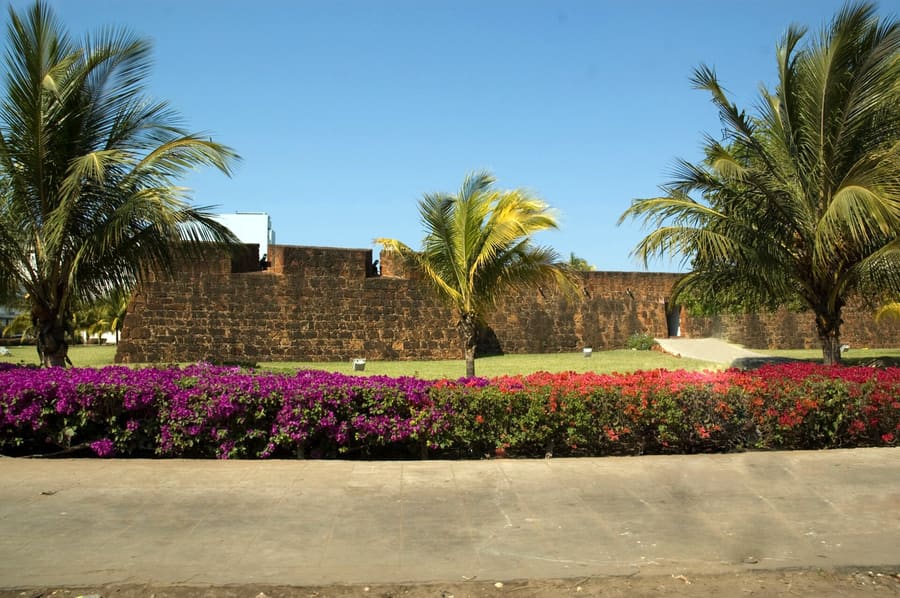
landmark
Examine the nineteenth-century bronze cannons and carved wooden relics from colonial battles inside this coastal fort.
Tanya Parley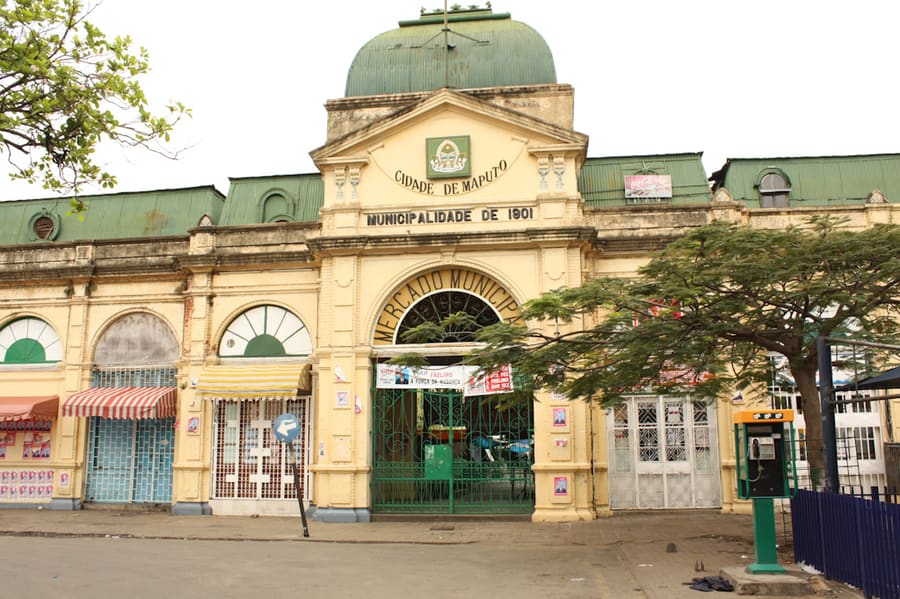
landmark
Buy fresh cashews, peri-peri spice powders, and produce under a 1901 roof. Keep valuables secure while navigating narrow aisles.
Tanya Parley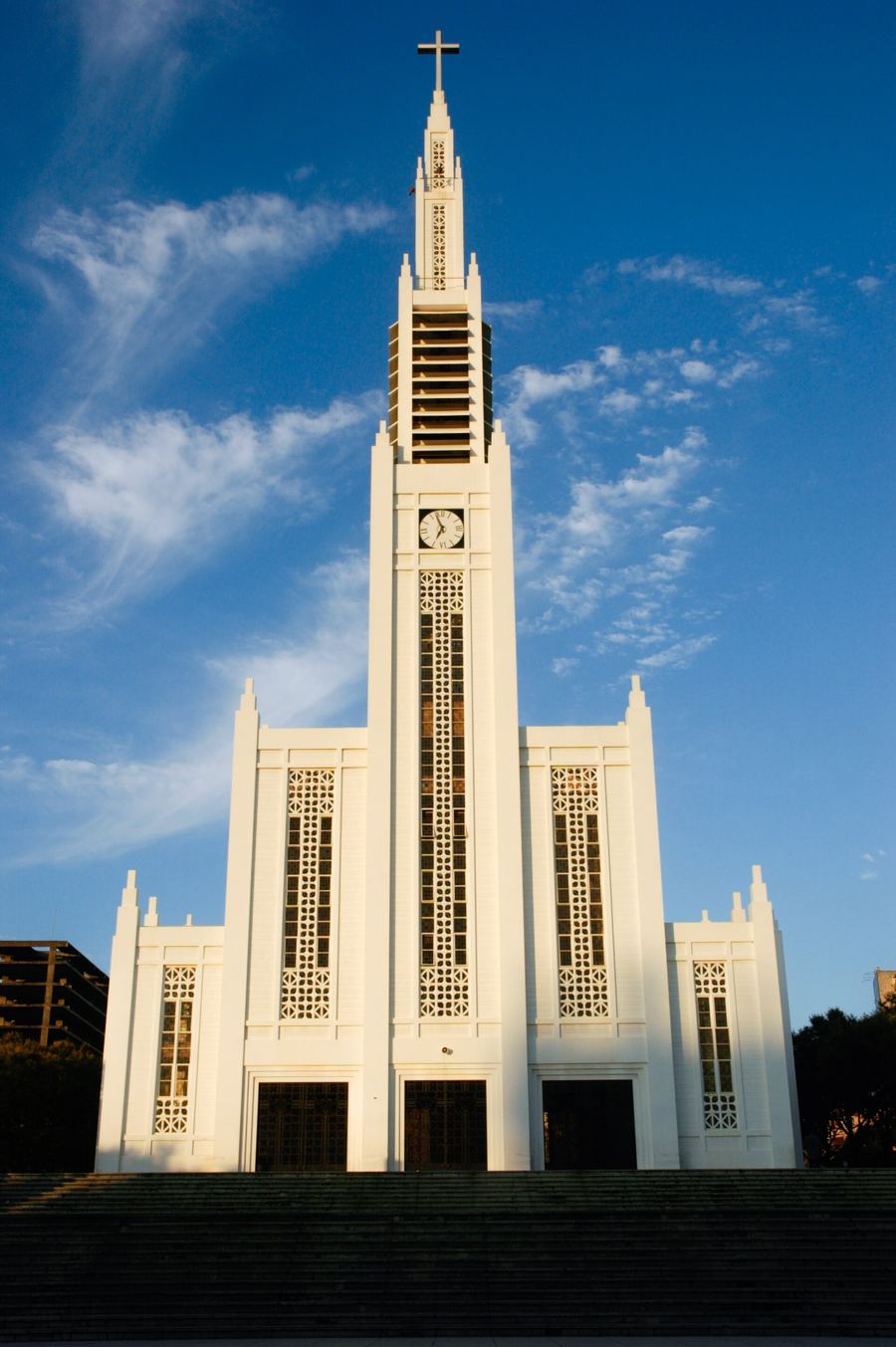
landmark
Stand before the soaring white concrete spire built in 1944 on Praça da Independência. Step inside for relief from midday sun.
Tanya Parley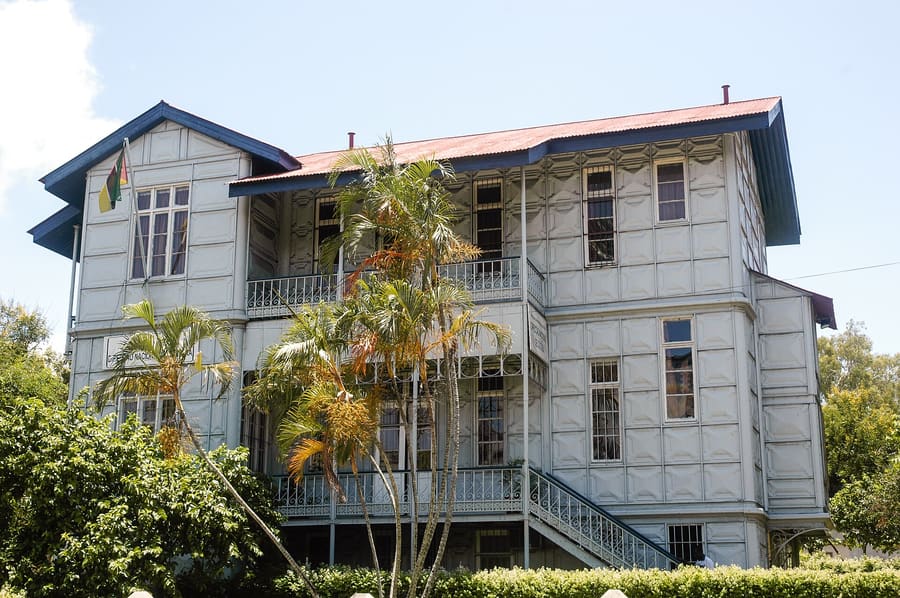
landmark
See the imported metal house built in 1892 for the governor. Its solid steel walls proved unlivable in tropical temperatures.
Tanya Parleyattractions
areas
Grid-plan commercial downtown with dense traffic, port docks, and high-concentration historic landmarks.
DekatMaputo Railway Station, Mercado Central, Port of Maputo
Tanya ParleyQuiet diplomatic quarter with modern luxury residences, foreign embassies, and international eateries.
DekatUniversidade Eduardo Mondlane, seaside promenade
Tanya ParleyDeveloping district across Maputo Bay offering clear city views, beach shacks, and low-key seafood spots.
DekatMaputo-Katembe Bridge, southern bay beaches
Tanya ParleyUptown residential district with leafy avenues, outdoor espresso bars, and cliffside ocean overlooks.
DekatFEIMA market, Miramar view point, Avenida Julius Nyerere
Tanya Parleyfood
Maputo dining pairs fresh Indian Ocean seafood with Portuguese culinary traditions. Local kitchens rely heavily on wild peri-peri chillies, crushed garlic, and coconut milk.You find grilled prawns served at simple beachside stalls along the Marginal as easily as in upscale Polana dining rooms. Traditional dishes like matapa pair cassava leaves with crushed peanuts and crab, cooked slowly over charcoal flames.
Matapa uses pounded cassava leaves, coconut milk, and peanuts, usually topped with tiny bay crabs or prawns.
Restaurants charge prawns by weight and grade. National grades run from L1 up to Tigre size.
Mozambique's dark lager pairs well with spicy grilled meat and peri-peri dishes.
history
Maputo grew around a Portuguese trading fort established on Maputo Bay in the late eighteenth century. Originally named Lourenço Marques, the city expanded rapidly during the late nineteenth-century Transvaal gold rush as a primary deep-water port.Following Mozambican independence in 1975, the state renamed the capital Maputo. Post-colonial conflict reshaped the urban landscape, but modern Maputo retains its distinct Portuguese grid layout and Art Deco architectural heritage.
Fortress founded
Portuguese forces establish a permanent military post on Maputo Bay to secure trade routes.
Railway opens
The railway line connecting the port to Pretoria opens, transforming the settlement into a regional shipping hub.
Capital status
Lourenço Marques replaces Island of Mozambique as the official capital of Portuguese East Africa.
Bridge completed
The Maputo-Katembe suspension bridge opens, replacing dependency on car ferries across the bay.
where to stay
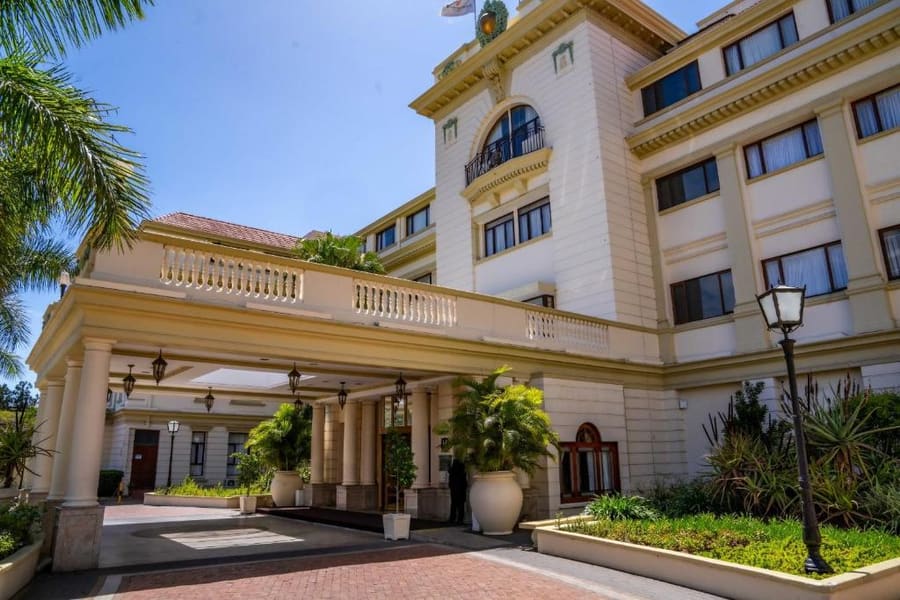
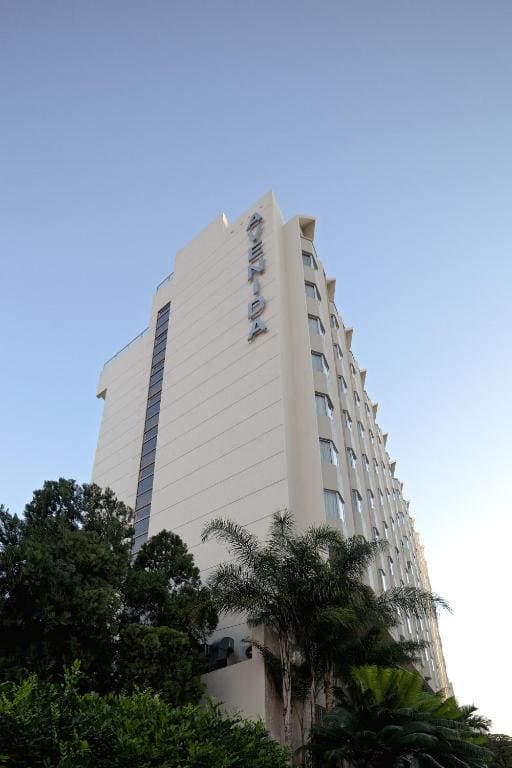
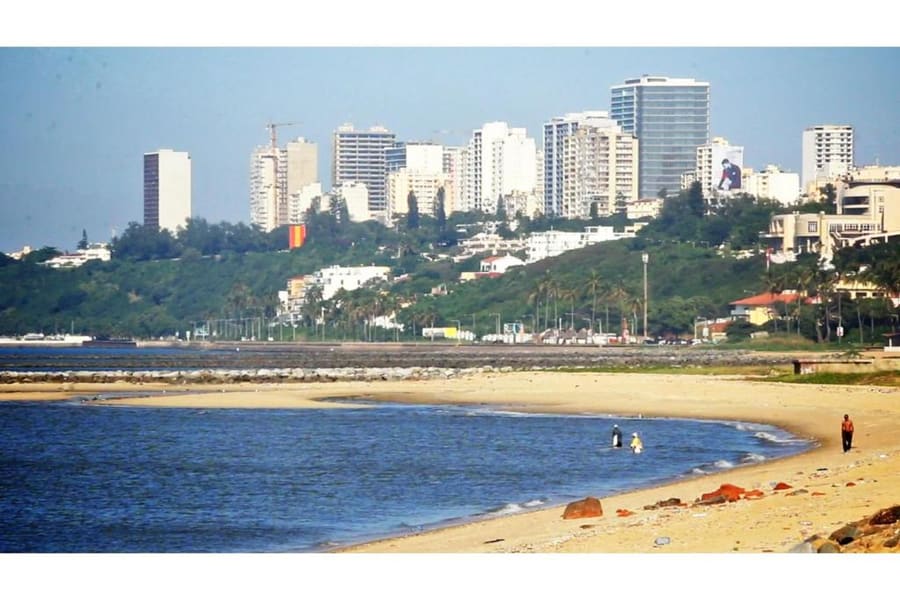
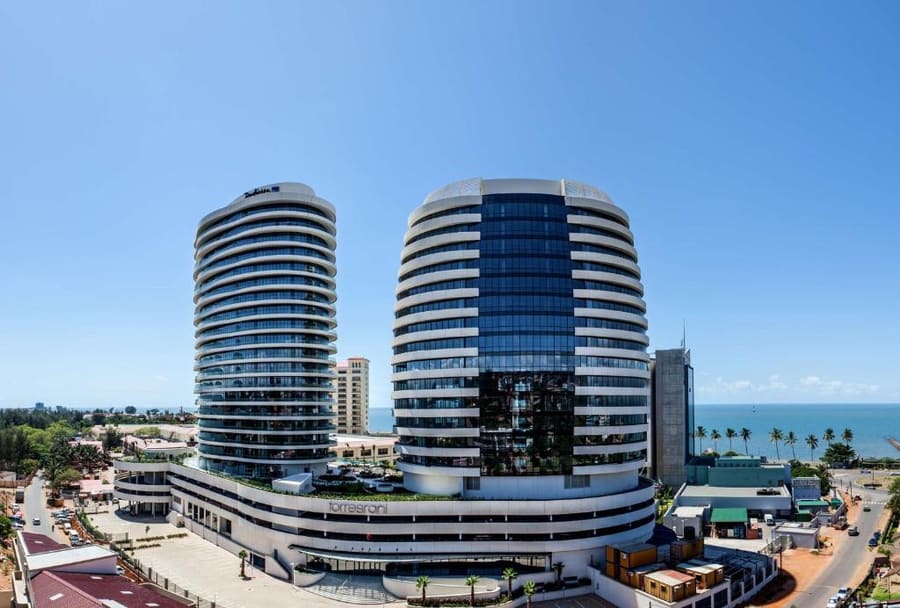
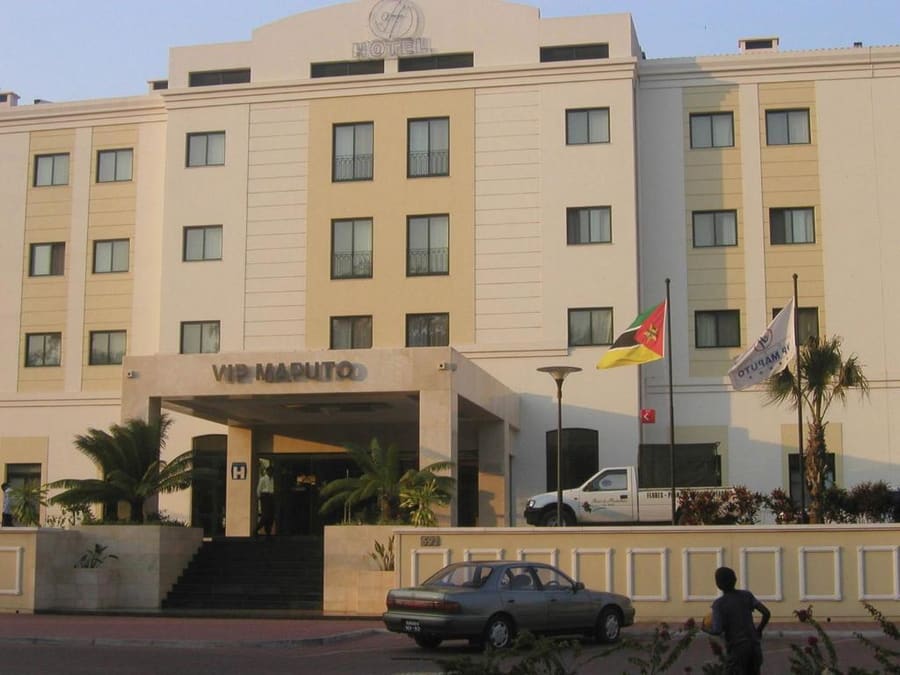
Choose your base by balancing proximity to sights against evening walkability. Polana Cimento offers safe streets, ocean breezes, and nearby restaurants within walking distance. Baixa puts you beside central historical monuments, but streets empty quickly after evening business hours.
Live rates, matched to the areas above.
transport
Maputo's public transit operates primarily on informal networks. Taxis do not use meters, making fare negotiation essential before entering any vehicle. Three-wheeled motorized rickshaws called txopelas provide efficient transport through central traffic.
Dari MPM
Pay fixed counter rates at terminal exit to secure official airport drivers.
Local app Yango operates in the city; driver availability varies during rain.
Minibus chapas operate along main roads. Limited luggage space inside.
Agree on total fare with the driver before stepping into a three-wheeler.
Pay the cobrador (conductor) in exact change once seated in a minibus.
Maputo-Katembe Bridge tolls build heavy congestion from 07:00 to 09:00.
Stick to lit avenues in Polana at night; take txopelas for night trips in Baixa.
cost
Maputo expenses vary sharply depending on reliance on imported goods versus local produce. Dining at local markets or traditional grills costs little, while imported Portuguese wine and upscale hotel dining carry European price points.
Portuguese-style bica espresso served widely across central bakery counters.
Includes fresh prawns with peri-peri marinade, rice, and fried potatoes.
Standard distance fare within central zones like Polana and Baixa.
Price per bottle at neighborhood bars and market stalls.
seasonality
MAY – SEP
Dry winter period with pleasant temperatures around 22–26°C. Ideal for walking tours.
OCT – NOV
Jacaranda trees bloom across city streets. Warm days with moderate humidity.
DEC – FEB
Hot and humid with rainy spells. Heavy downpours can flood lower streets in Baixa.
MAR – APR
Rain subsides and temperatures become comfortable. Lower hotel occupancy rates.
practicalities
Carry a printed copy of your passport and valid visa. Police perform spot identification checks on streets.
Do not photograph government buildings, military sites, police officers, or the port infrastructure.
Millennium BIM and Standard Bank ATMs accept foreign Visa cards. Cash limits apply per transaction.
Outlets use European two-round-pin plugs (Type C and F) alongside South African three-round-pin plugs (Type M).
Drink bottled or purified water instead of municipal tap water.