landmark
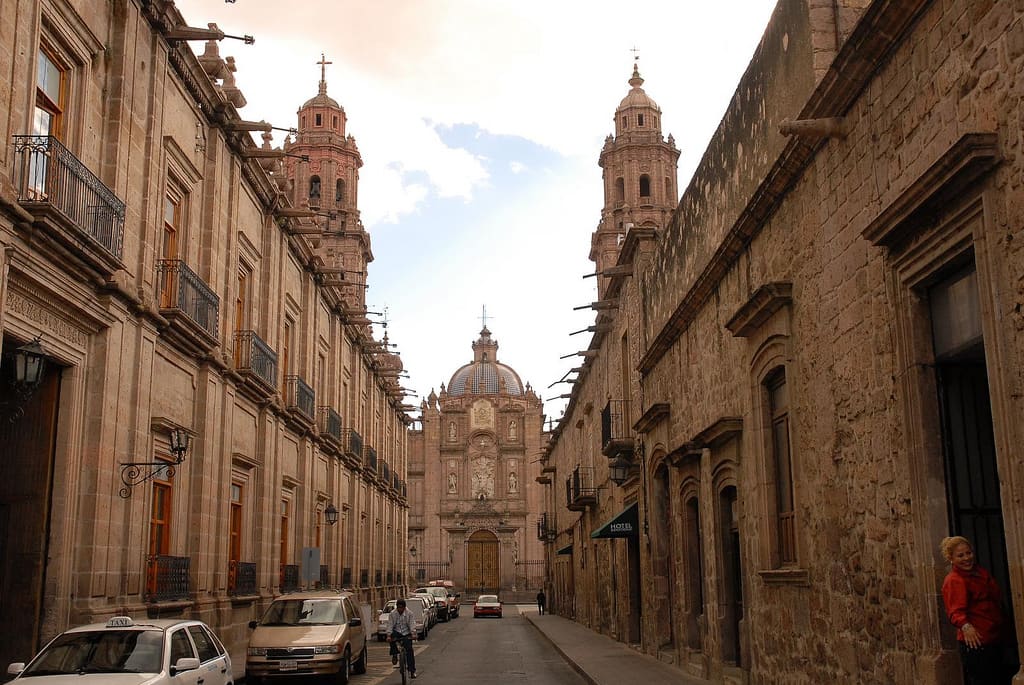
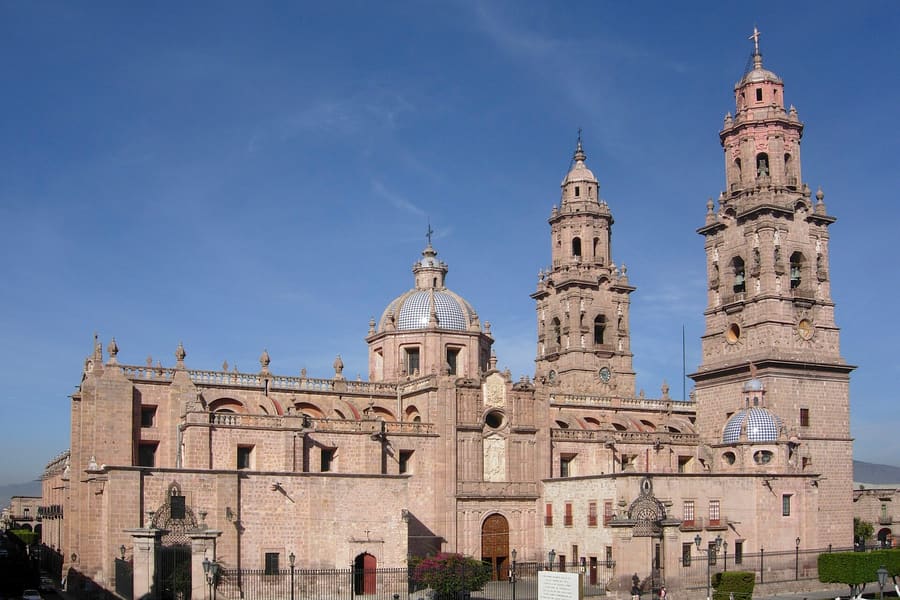
Catedral de Morelia
Twin Baroque towers anchor the central skyline. Step inside to see the massive 4,600-pipe organ brought from Germany.
Tanya ParleyMeksiko
Pink quarry stone, shadowed arcades, and serious cookery.
introduction
Morelia built its historic core out of local pink quarry stone that turns deep rose in late afternoon light. You navigate the city on foot along wide colonnades, passing massive 18th-century churches and quiet courtyard mansions. Traffic chokes the ring roads, but the central grid remains calm and easily walkable. Expect rich Michoacán cooking, cool mountain evenings, and very few international crowds.
Airport arrival
Official airport taxis operate on fixed zones. Buy your ticket at the kiosk inside the terminal before stepping outside to the vehicle curb.
UNESCO recognition
UNESCO listed the historic centre in 1991 for its intact 16th-century grid and over 200 preserved pink stone monuments.
Morelia
Mark Stevens · CC BY-SA 1.0
Centro Histórico — Grand 18th-century stone palaces, bustling stone colonnades, and heavy traffic along Avenida Madero.
Rayordaz · CC BY-SA 3.0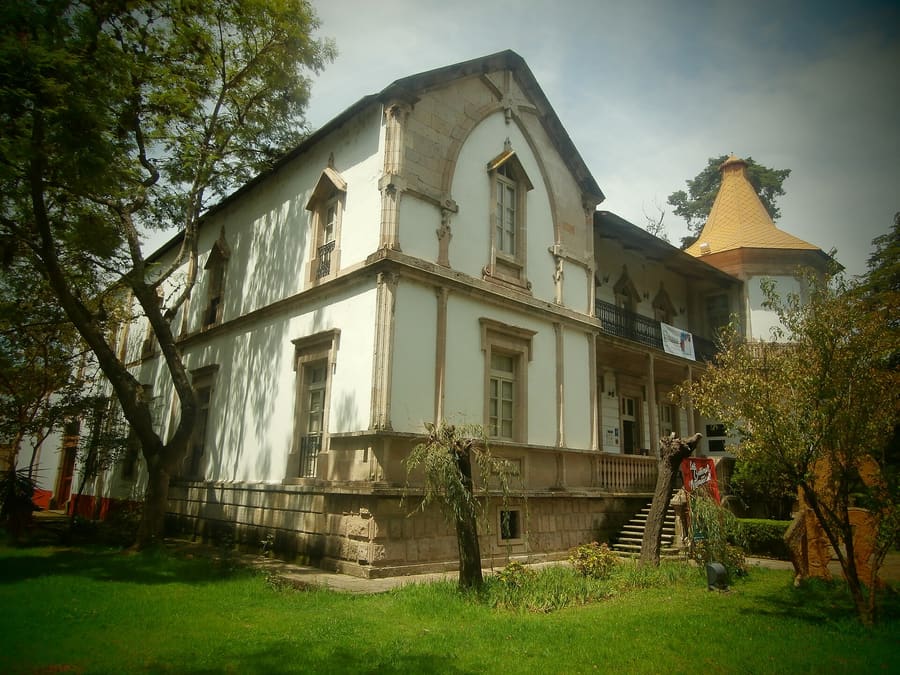
Bosque Cuauhtémoc — Tree-lined avenues, green public parks, quiet residential streets, and early morning runners.
NS777 · CC BY-SA 4.0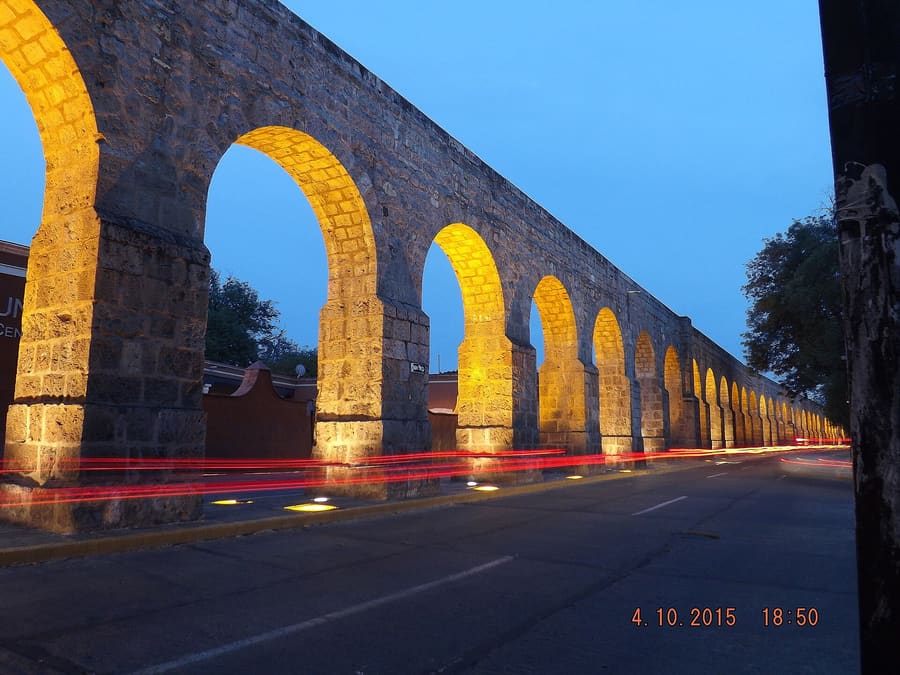
Ventura Puente — A working middle-class neighbourhood filled with auto shops, bakeries, and everyday taco stands.
Ricardocazaresco · CC BY-SA 4.0highlights
landmark
Twin Baroque towers anchor the central skyline. Step inside to see the massive 4,600-pipe organ brought from Germany.
Tanya Parley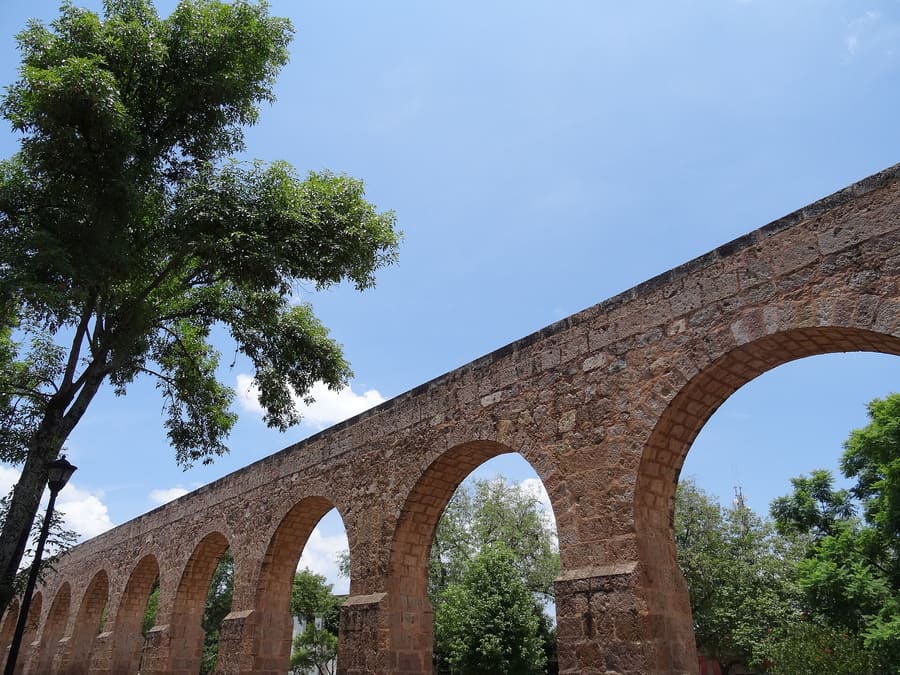
landmark
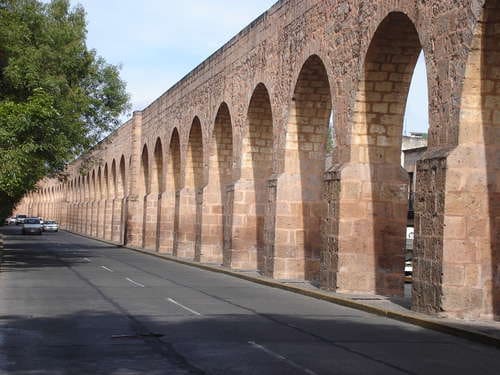
253 arched stone spans extend east from the core. Walk along its base at dusk when ground lights illuminate the masonry.
Tanya Parley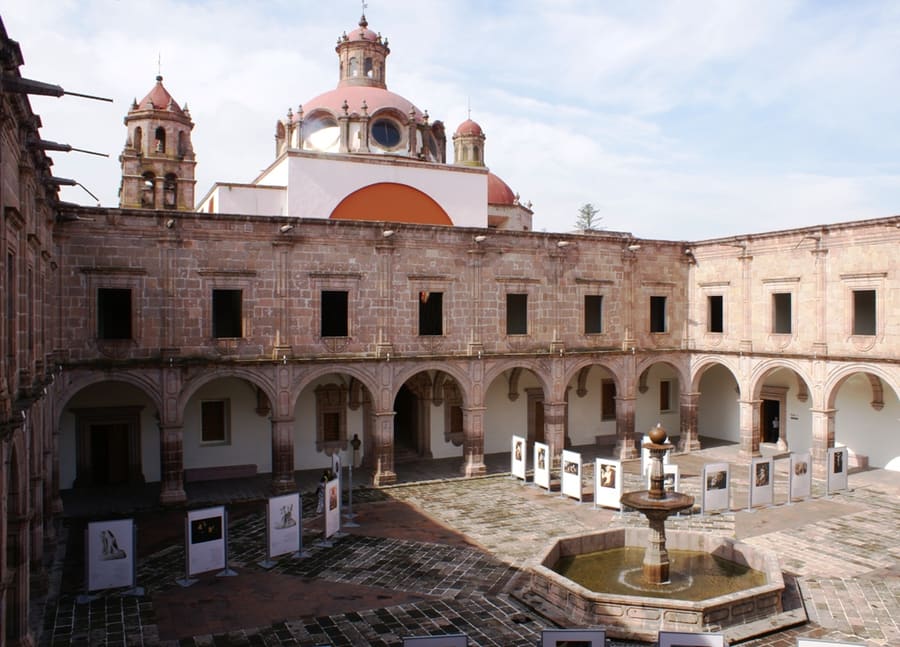
landmark
An 18th-century Jesuit monastery turned art museum. The vast courtyard galleries display changing contemporary art exhibitions.
Tanya Parley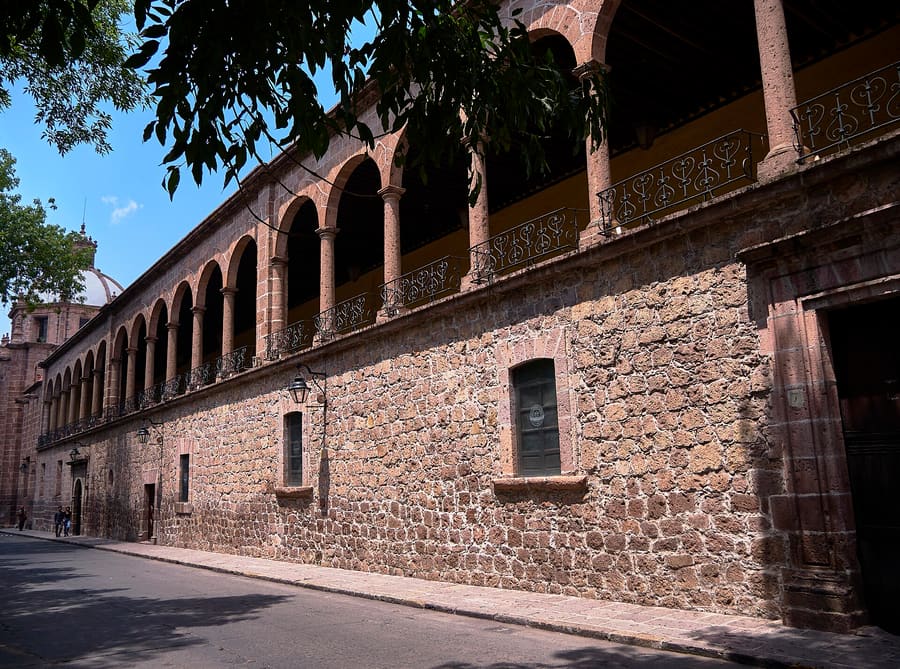
landmark
The oldest music conservatory in the Americas. Sit in the adjacent plaza to hear students practice through open windows.
Tanya Parleyattractions
areas
Grand 18th-century stone palaces, bustling stone colonnades, and heavy traffic along Avenida Madero.
DekatCatedral de Morelia, Palacio Clavijero, Plaza de Armas
Tanya ParleyTree-lined avenues, green public parks, quiet residential streets, and early morning runners.
DekatMorelia Aqueduct, Museum of Natural History, Calzada Fray Antonio
Tanya ParleyA working middle-class neighbourhood filled with auto shops, bakeries, and everyday taco stands.
DekatConvention Centre, planetarium, southern bus routes
Tanya ParleyShaded stone plazas, outdoor coffee tables, students, and live classical guitar music.
DekatConservatorio de las Rosas, Santa Rosa de Lima church
Tanya Parleyfood
Morelia sits at the centre of Michoacán cuisine. The state's traditional culinary heritage formed the foundation for UNESCO's national gastronomy listing in 2010. You eat dishes built on corn, regional heirloom chilis, carnitas, and slow-boiled milk sweets.Meals follow strict daily timing. Breakfast starts late around 09:00 with hot corundas. Lunch is the main meal of the day, running from 14:30 until 17:00. Evening dining is light, often consisting of sweet bread or street snacks consumed around public plazas.
This street snack is unique to Morelia. Vendors chop mango, jícama, and pineapple fine, topping it with fresh orange juice, lime, chili powder, and salty queso cotija. Buy one on Calle Zaragoza.
Michoacán corundas are triangular corn parcels wrapped in green cornstalk leaves rather than husks. Eat them covered in warm cream and sliced poblano peppers at Mercado San Juan.
Order Sopa Tarasca for lunch. This local bean and roasted tomato soup comes laced with fried ancho chili strips, sour cream, and crispy tortilla threads.
history
Viceroy Antonio de Mendoza founded the city in 1541 under the original name Valladolid. Spain planned it as an aristocratic stronghold to counterbalance nearby Indigenous power in Pátzcuaro. Builders extracted local pink stone from surrounding quarries to construct its grand civic institutions.In 1828, officials renamed the city Morelia to honour Jose Maria Morelos. Morelos was a key leader in Mexico's War of Independence who was born here. The central street layout remains unchanged since the 16th century.
City foundation
Spanish authorities found Valladolid in the Guayangareo valley.
Aqueduct construction
Bishop Fray Antonio de San Miguel orders construction of the masonry aqueduct to provide drought relief and jobs.
Renamed Morelia
The state legislature renames the city in honour of independence hero Jose Maria Morelos.
UNESCO designation
UNESCO designates the historic downtown a World Heritage site for its intact colonial architecture.
where to stay
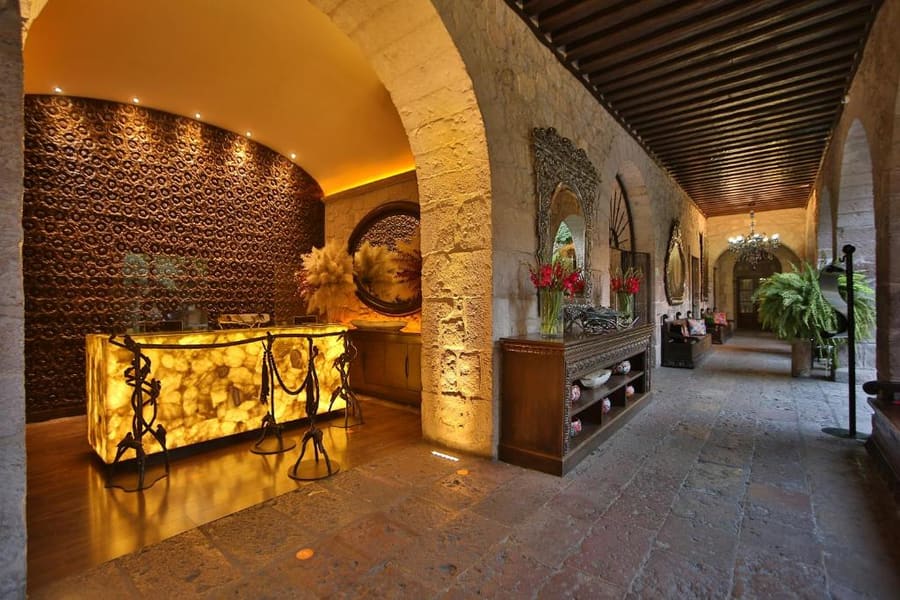
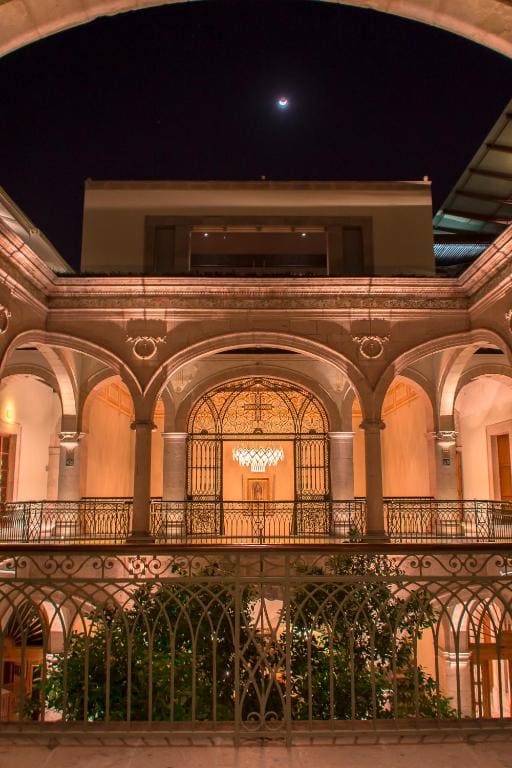
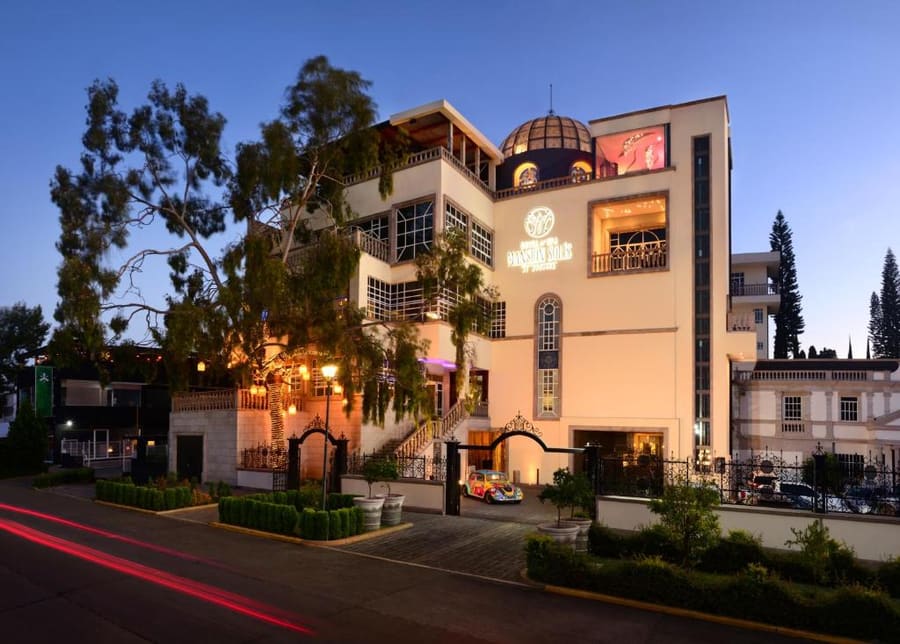
Choose your hotel based on traffic tolerance and noise levels. The historic centre puts you steps from every major monument, but heavy street traffic on Avenida Madero continues late into the night. Inner-courtyard rooms inside restored 18th-century mansions offer quiet nights within the core.If you prefer green surroundings and silence, look east towards Bosque Cuauhtémoc. You sacrifice immediate access to late-night restaurants, but gain quiet residential streets and easy parking.
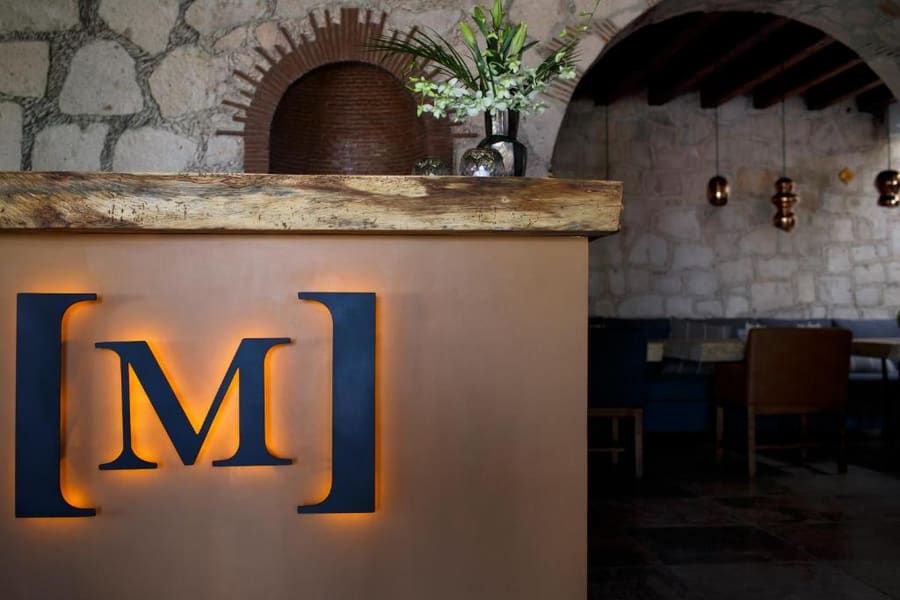
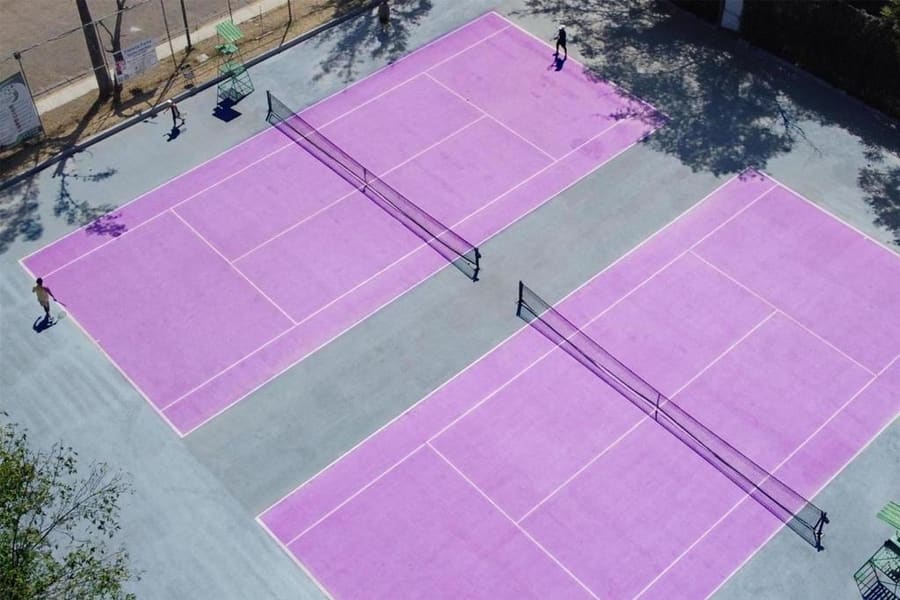
Live rates, matched to the areas above.
transport
You do not need a car inside the central historic grid. Street layouts are narrow, and parking in the centre is scarce and expensive. Walking is the fastest way between downtown monuments.For trips across town or to the outer bus terminal, local public minivans called combis operate set routes. Uber operates reliably across the city and offers upfront pricing.
Dari General Francisco J. Mújica International Airport (MLM)
Fixed price ticket purchased inside terminal before exiting.
Driver pickup point is outside airport property grounds.
Combi vans display their route destinations on the front windshield. Board at marked corners and hand exact cash to the driver when taking a seat.
Uber operates everywhere in Morelia. Drivers accept app payments, avoiding cash change disputes common in regular city taxis.
Long-distance buses arrive at the terminal northwest of the centre. Take a fixed-rate taxi from inside the hall to reach downtown.
Avoid driving into the historic centre during peak hours (13:00–15:00). Park in designated public lots called 'Estacionamiento' marked with an 'E'.
cost
Morelia remains significantly cheaper than Mexico City or coastal resorts. Dining and museum tickets offer high value. Cash is necessary for small street food vendors, market stalls, and combi rides.Mid-range restaurants and boutique hotels accept all major credit cards. ATMs line Avenida Madero inside major bank branches.
A large cup of freshly chopped fruit with chili, lime, and cheese from a central street stall.
Flat single-ride fare anywhere along a local combi route in the city.
Two courses with local drinks at a seated restaurant in the historic centre.
seasonality
NOV – FEB
Dry, clear days with chilly mountain nights. High season for butterfly sanctuary visits nearby.
MAR – MAY
Warmest months of the year. Purple jacaranda trees bloom across city plazas during late March.
JUN – SEP
Rainy season bringing heavy afternoon downpours. Morning skies remain clear for walking.
OCT – NOV
Day of the Dead celebrations and International Film Festival. Book hotels months in advance.
practicalities
Morelia sits at 1,920 metres (6,300 feet). Sunlight is strong; carry water and wear sunscreen while walking around.
Avenida Madero closes to motor vehicles on Sunday mornings for cyclists and pedestrians.
Keep 20 and 50 peso bills handy. Street vendors cannot break 500 peso bills for small fruit purchases.
Mountain air cools rapidly after sunset. Bring a sweater even when daytime conditions feel warm.
Pay restrooms inside markets cost 5 to 7 MXN. Carry exact coin change and your own paper.