landmark
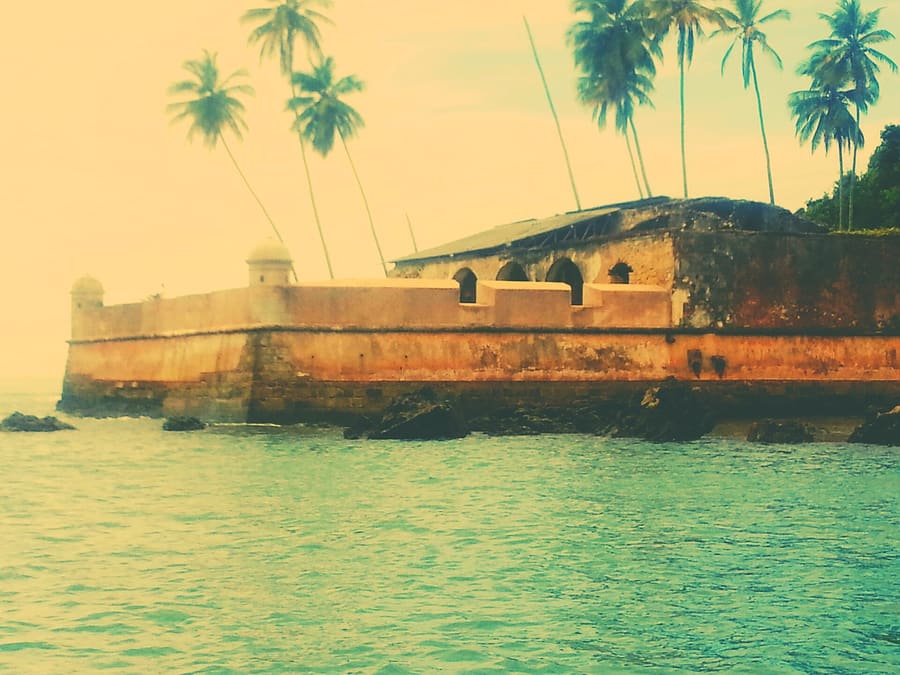
Fortaleza da Tapirandu
17th-century ruins along the water. Walk the stone walls at sunset to spot dolphins near the pier.
Tanya ParleyBrasil
Car-free Atlantic beaches, tidal pools, and Bahia calm.
introduction
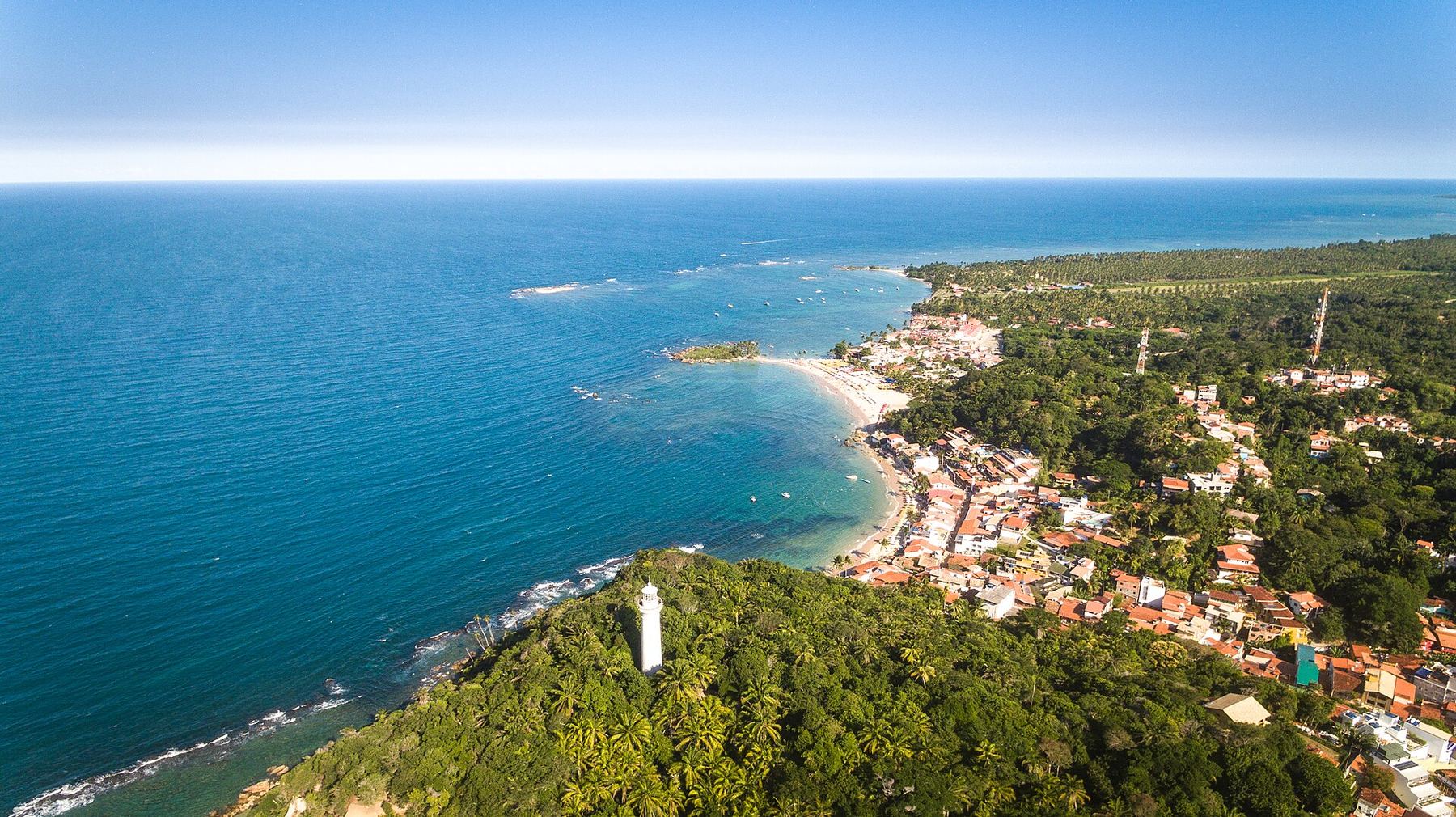
Morro de São Paulo sits on the northern tip of Tinharé Island with no private cars allowed. Four sequential beaches structure daily life, moving from lively dining strips to silent palm groves. You move everywhere on foot or by wheelbarrow taxi along sand tracks. Expect warm tropical water, heavy ferry rides from Salvador, and clear tidal rhythms.
Transit tip
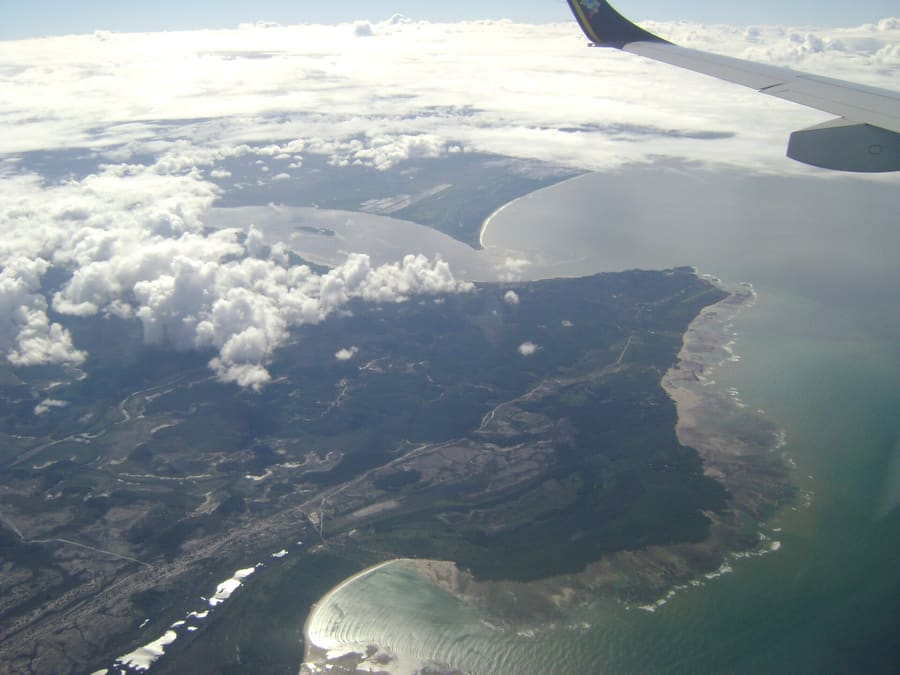
Catamaran boats from Salvador cross open seas; take motion sickness pills 30 minutes before boarding.
Morro de São Paulo
Andrevruas · CC BY-SA 3.0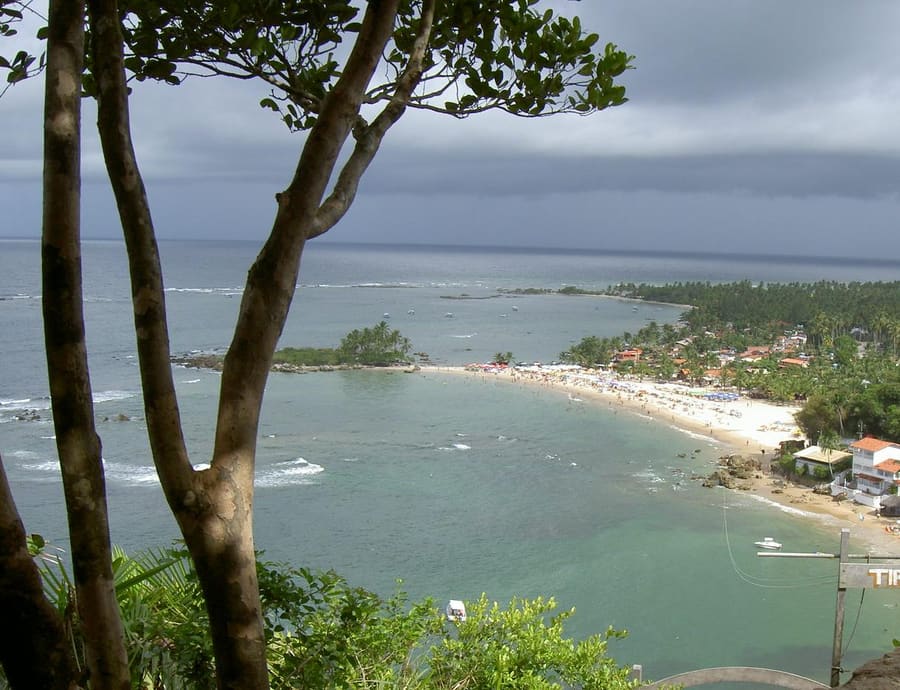
Vila — Cobblestone lanes, historic churches, and quiet pousadas above the main port.
Claus Bunks aka Afrobrasil on flickr · Public domain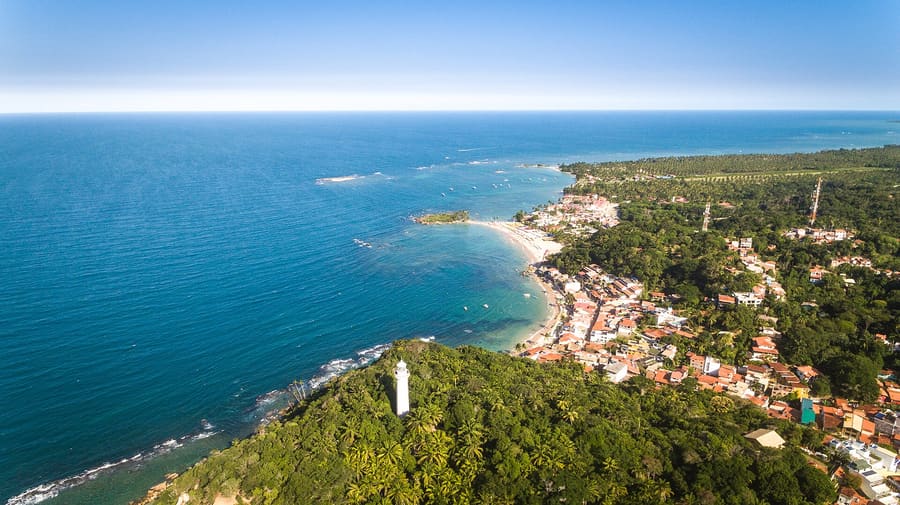
Segunda Praia — Lively beachfront strip lined with seafood restaurants, music, and lounge beds.
MTur Destinos · Public domain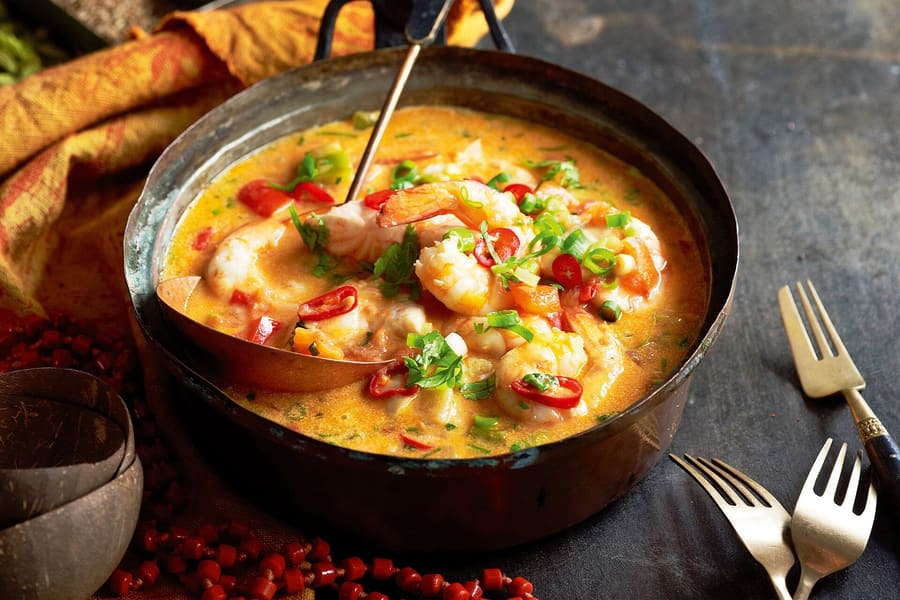
Moqueca cooked in traditional clay pots with fresh coconut milk and palm oil.
BR · CC BY-SA 4.0highlights
landmark
17th-century ruins along the water. Walk the stone walls at sunset to spot dolphins near the pier.
Tanya Parley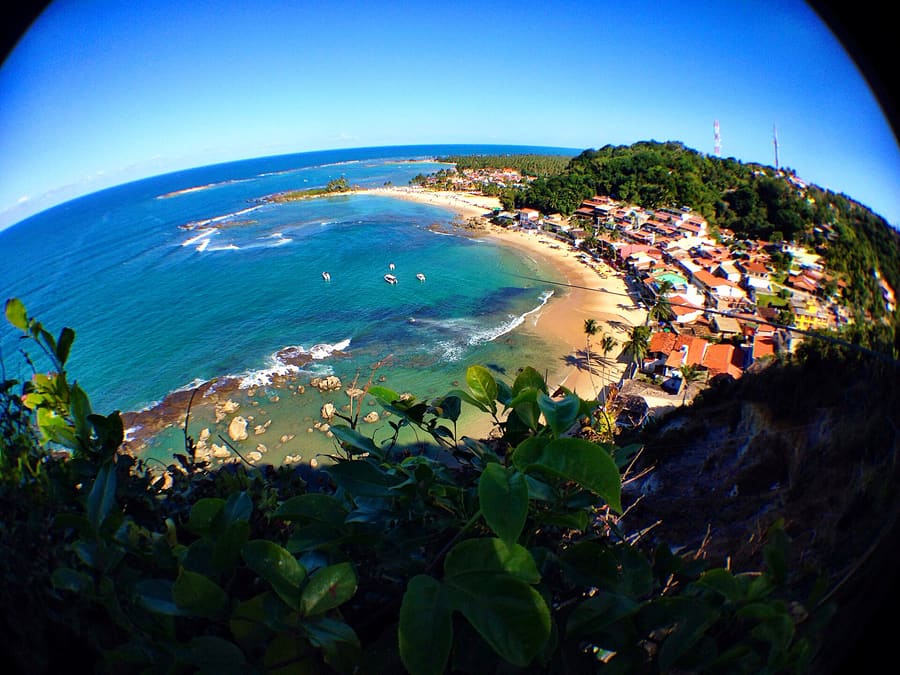
landmark
The main beach for swimming, beach volleyball, and evening caipirinha stalls. Busy until midnight.
Tanya Parley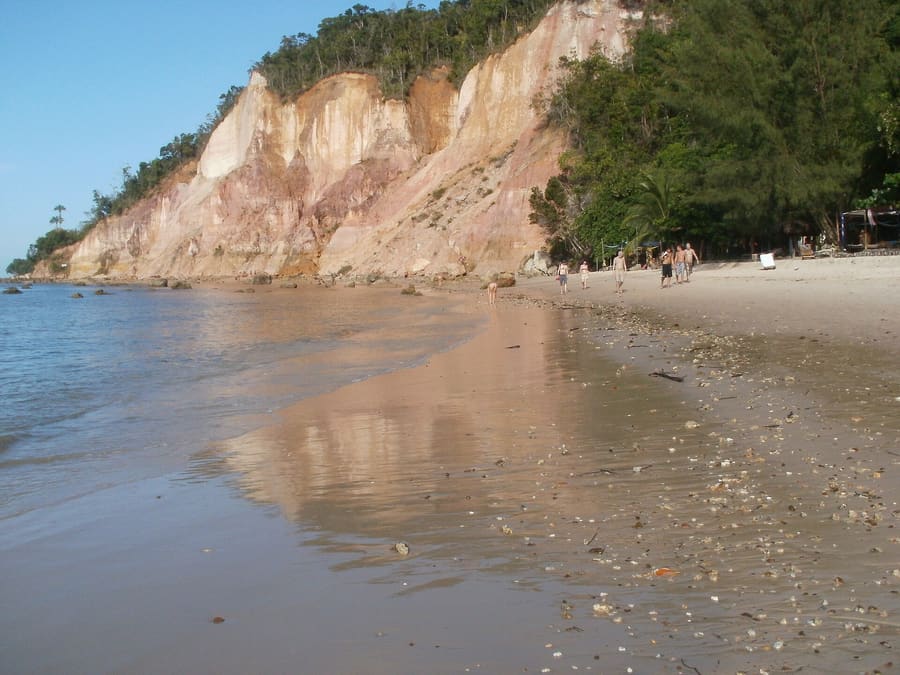
landmark
Natural pink clay cliff on the path to Gamboa. Cover yourself in mineral mud during low-tide walks.
Tanya Parleyattractions
areas
Cobblestone lanes, historic churches, and quiet pousadas above the main port.
DekatFirst Beach and the harbour pier.
Tanya ParleyLively beachfront strip lined with seafood restaurants, music, and lounge beds.
DekatFirst Beach and Third Beach.
Tanya ParleySecluded palm groves, shallow natural reef pools, and quiet eco-resorts.
DekatThird Beach and Fifth Beach.
Tanya ParleyRelaxed fishing village connected by beach walks, with cheap seafood and clay cliffs.
DekatClay cliff and quiet bay waters.
Tanya Parleyfood
Bahian cuisine dominates Morro de São Paulo, rooted in dendê palm oil, coconut milk, and fresh seafood. Local ocean catches go straight from wooden fishing boats to beachside stew pots. Dining centers around Segunda Praia for evening atmosphere and the Vila for lower prices.
Moqueca cooked in traditional clay pots with fresh coconut milk and palm oil.
BR · CC BY-SA 4.0A single clay pot of fish moqueca at open-air beachfront spots easily feeds two adults.
Street vendors near the main square fry deep-fried cowpea balls filled with vatapá and dried shrimp.
Beach restaurants along Segunda Praia put tables directly on the sand during low tide.
history
Morro de São Paulo was fortified in the 17th century to defend the inlet to Salvador and the Recôncavo basin against Dutch privateers. For centuries, it remained a secluded fishing outpost with a strategic lighthouse. Tourism accelerated in the 1980s, transforming the car-free island into a national destination while preserving its pedestrian scale.
Fortress construction
Construction begins on Fortaleza da Tapirandu to protect maritime traffic entering the bay.
Lighthouse inauguration
Engineers complete the hilltop lighthouse, improving navigation along the treacherous Bahian reefs.
Tourism expansion
Backpackers and international travelers discover the island, establishing early eco-lodges.
where to stay
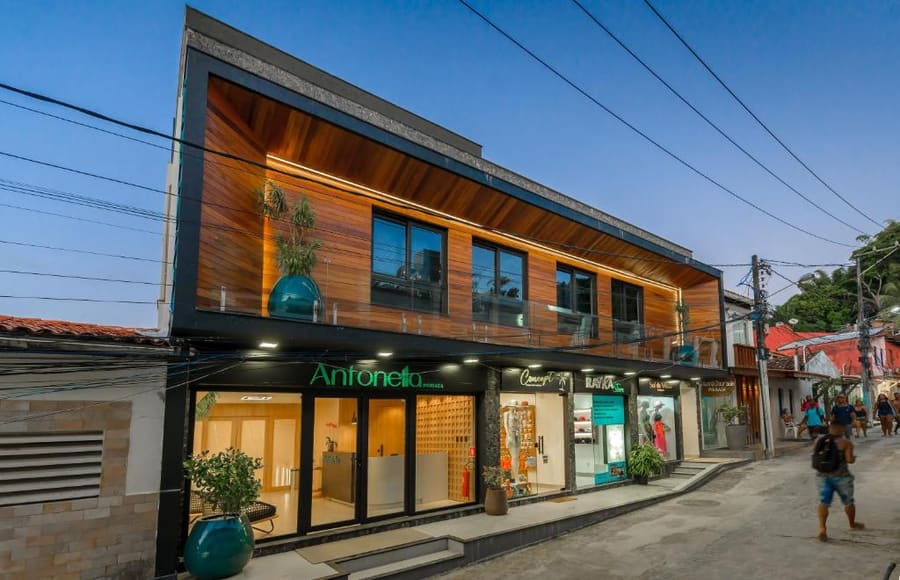
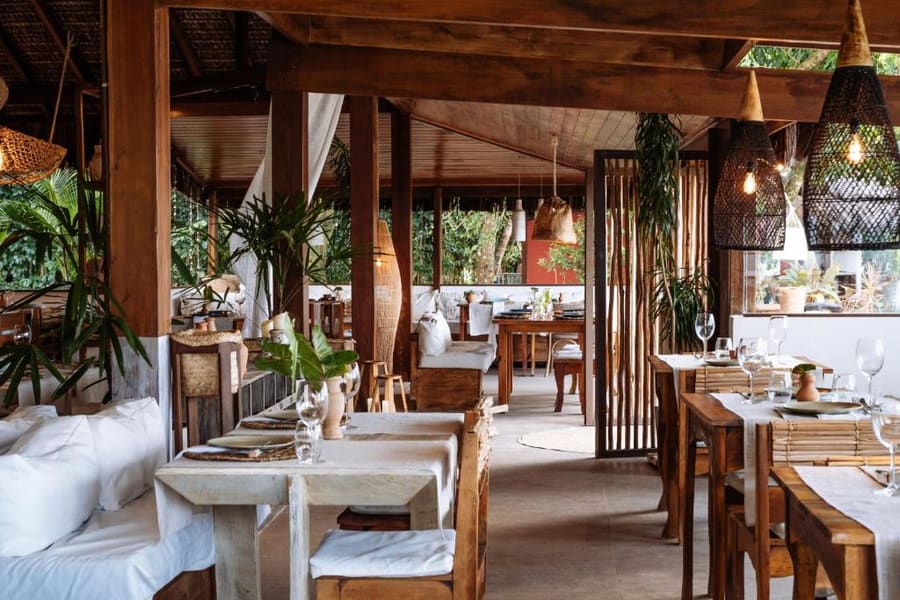
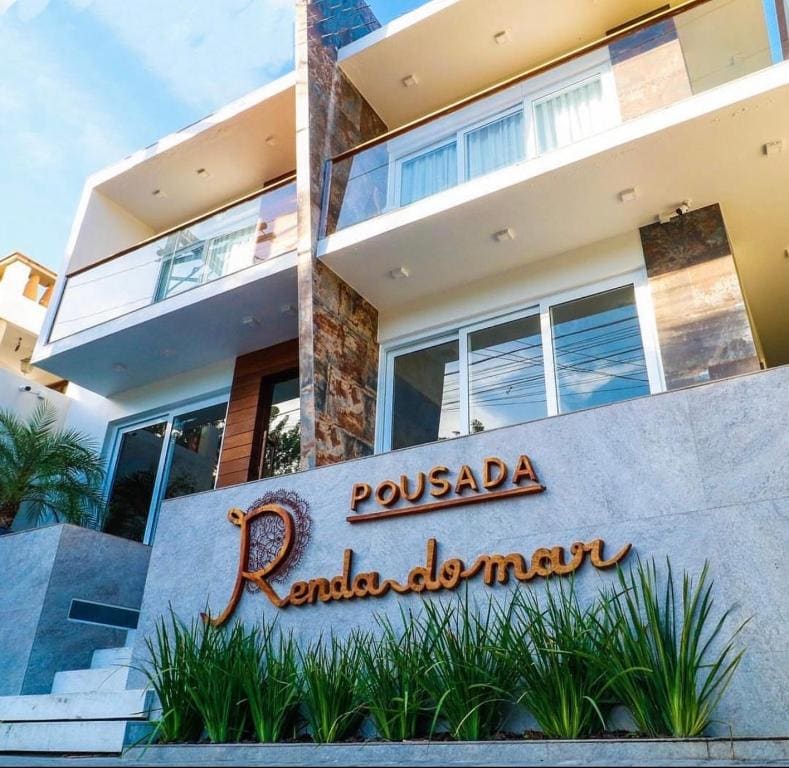
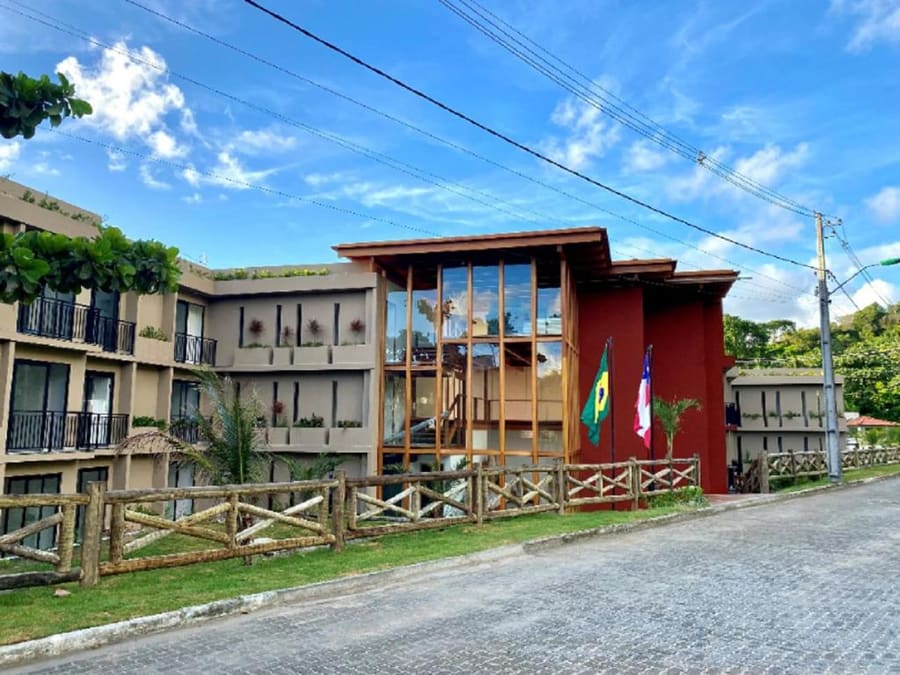
Choose your stay by beach number: Vila offers historic character, Segunda Praia puts you in the middle of nightlife, and Quarta Praia provides quiet resort isolation.
Live rates, matched to the areas above.
transport
Morro de São Paulo strictly bans private automobiles. Transport consists of walking, tractor-drawn land trains to outer beaches, water taxis, and wheelbarrows pushed by local porters.
Dari Salvador Ferry Pier (Terminal Marítimo) / Valença Port
Direct catamaran from Salvador. Sea conditions can produce heavy swell.
Semi-terrestrial route via Itaparica ferry and Valença speedboat. Smoother ride.
Porters at the pier transport heavy bags in painted wheelbarrows up steep hills for R$ 20–40.
A regular tractor shuttle runs behind Segunda Praia to reach distant resorts on Quarta and Quinta Praia.
Small speedboats leave the main pier continuously for Gamboa for around R$ 10 per person.
Walking between Segunda and Terceira beaches gets tight or impassable during peak high tide.
cost
Prices on Tinharé Island reflect transport overheads from the mainland, making dining slightly higher than in mainland Bahia. Paying with cards is widely accepted, though carrying cash helps for small boat rides and street food.
Generous seafood stew served with rice, farofa, and pirão at beach restaurants.
Fruit cocktail sold at fruit-adorned beach stalls along Segunda Praia.
Daily mask and snorkel hire for swimming in Quarta Praia tidal pools.
seasonality
DEC – FEB
Peak summer season. Warm water and lively night parties, but high hotel rates and crowded beaches.
MAR – MAY
Slightly higher rainfall in April and May, but calm seas, warm temperatures, and lower rates.
JUN – AUG
Cooler winter months with higher chance of rain. Quietest season, perfect for budget travel.
SEP – NOV
Drier weather returns. Calm turquoise water and manageable crowds before peak holiday rushes.
practicalities
Natural pools at Quarta Praia only appear during low tide. Plan swims around daily tide charts.
Shallow reef pools reflect intense tropical sun. Protect skin and marine life simultaneously.
The island has limited cash machines. Bring backup credit cards and some physical cash.
Flip-flops or sturdy sandals are essential; high heels are useless on sand tracks and cobblestones.
Keep your TPA tax receipt digital or printed during your stay in case inspectors ask.