landmark
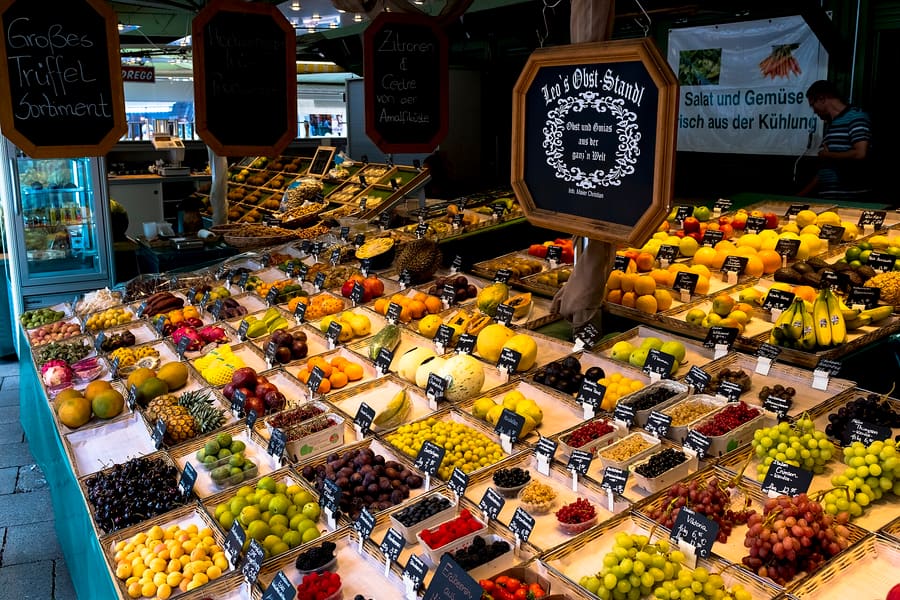
Viktualienmarkt
An open-air food market operating since 1807. The central beer garden lets you bring market food if you buy drinks from the stand.
Tanya ParleyJerman
Bavarian wealth, urban surf waves, and precise beer culture.
introduction
Munich operates with quiet wealth, spatial discipline, and deep regional pride. The city center is compact and largely pedestrianized, allowing you to walk between major museums, court residence gardens, and historic market squares in minutes. Public transit works with fast precision across an expansive subway and tram grid. Expect high prices for dining and accommodation, offset by free access to vast public parks and public riverbanks.
Airport transit trick
Take the S8 S-Bahn line from Munich Airport instead of the S1. It takes the eastern route into Hauptbahnhof and encounters fewer operational delays.
State museum Sundays
Major state museums like the Alte Pinakothek charge just one euro for entry on Sundays. Lines grow significantly longer after midday.
Ticket validation rule
Stamp paper MVV transit tickets in blue validation boxes before boarding trains or trams. Riding with an unstamped ticket results in a sixty euro fine.
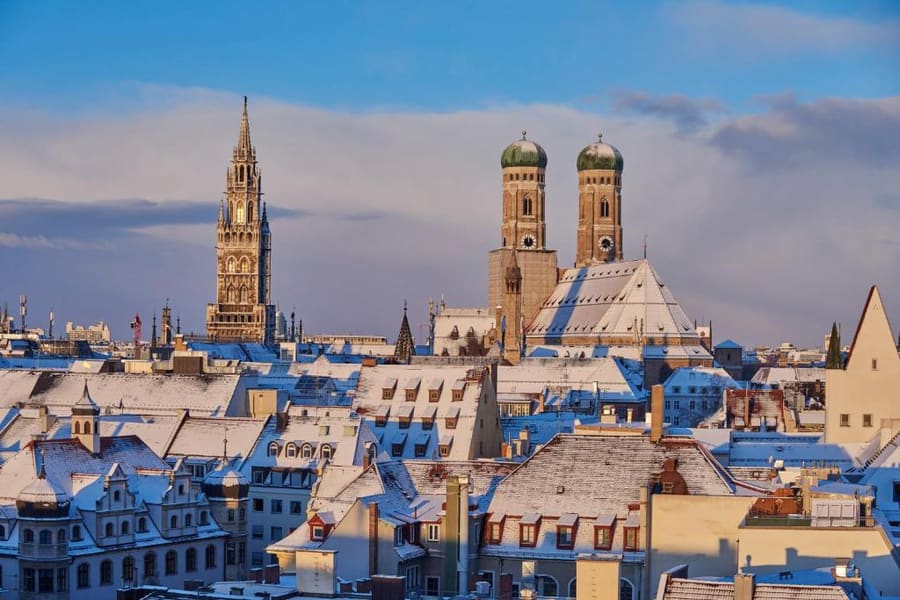
Munich
Sandro Halank, Wikimedia Commons · CC BY-SA 4.0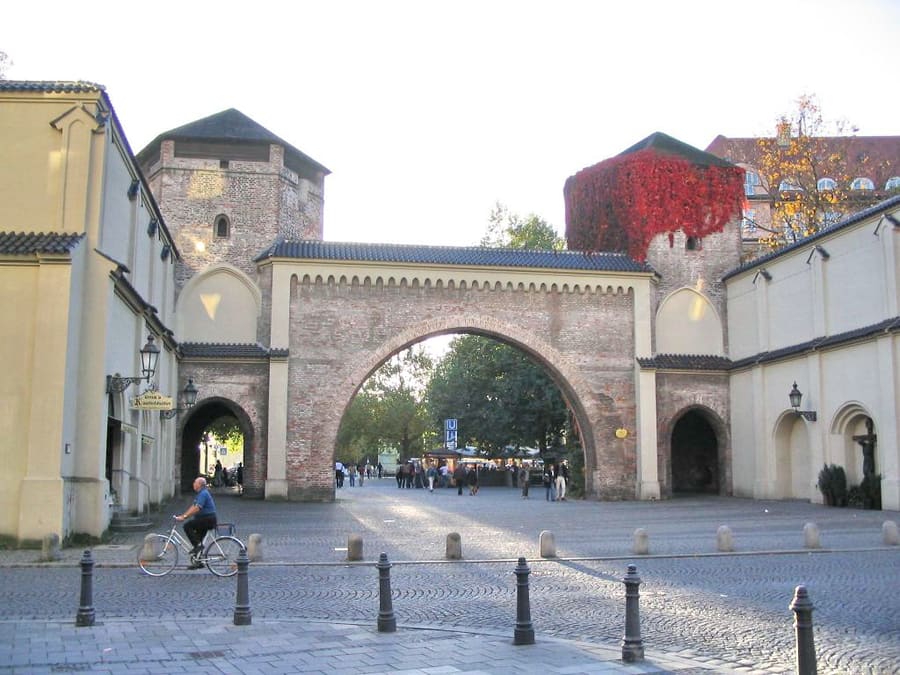
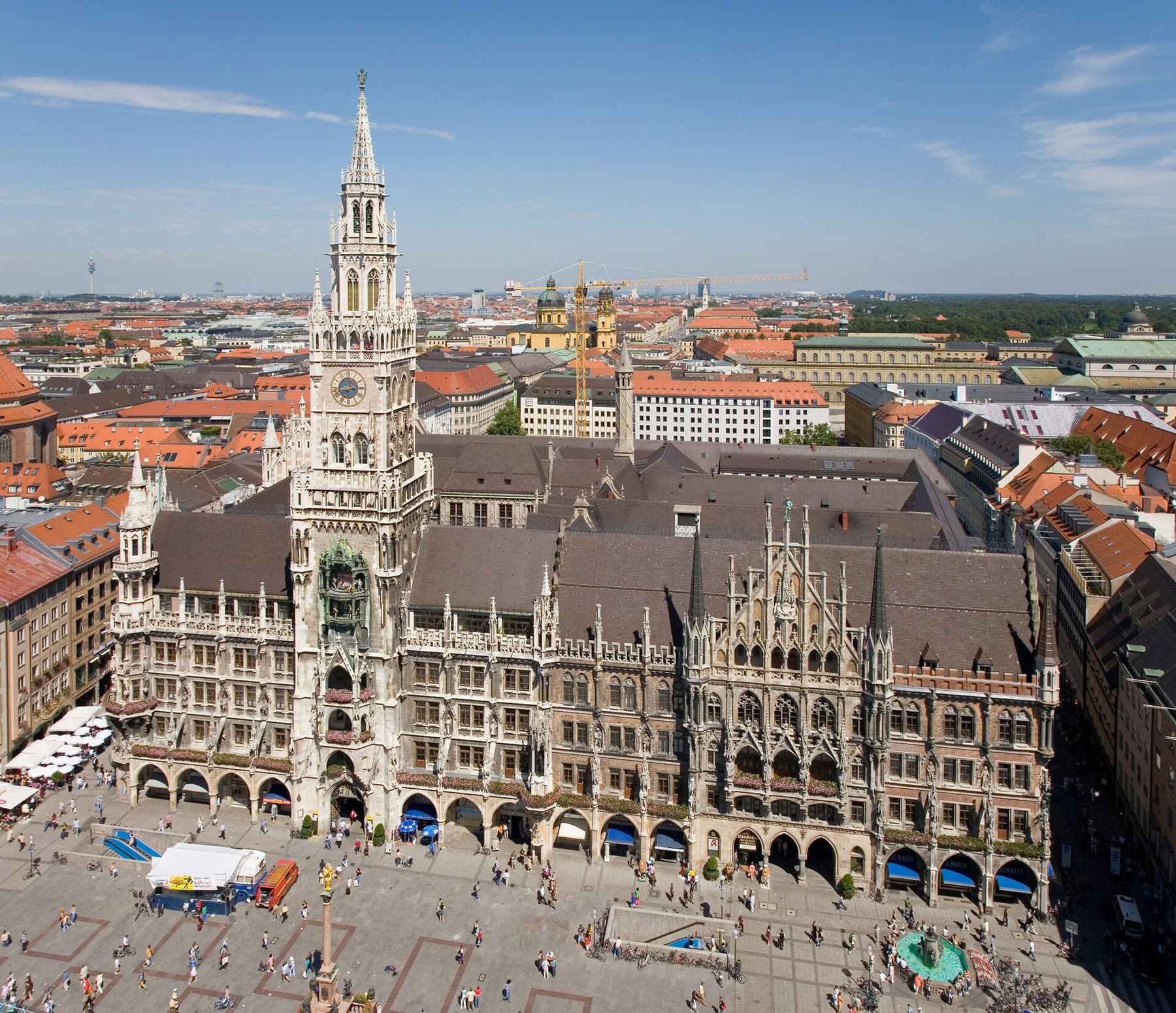
Altstadt — Pedestrianized historic centre packed with retail arcades, traditional beer halls, and major landmarks.
Ramgeis · CC BY-SA 3.0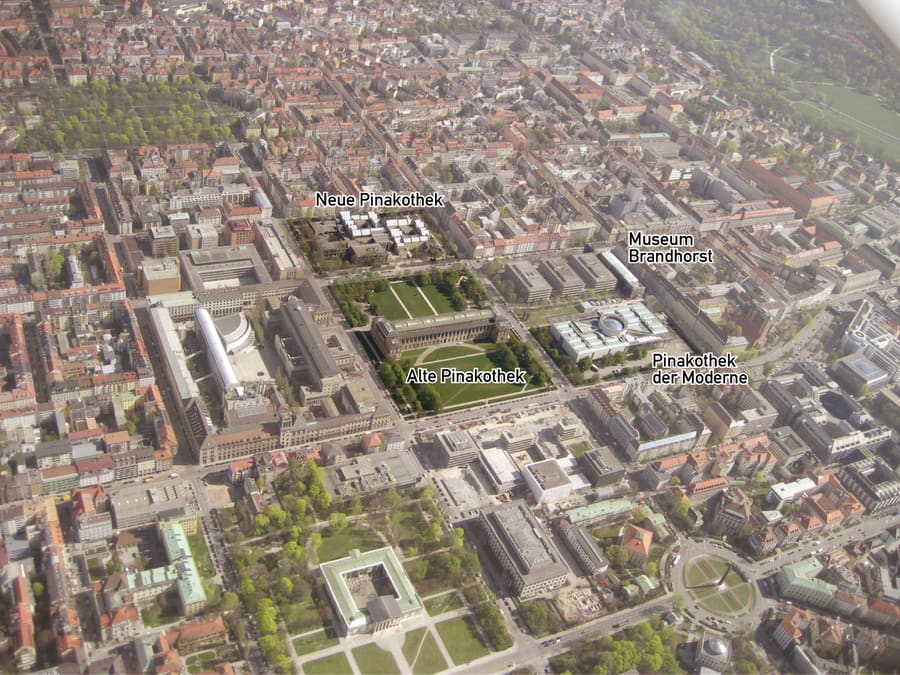
Maxvorstadt — Grid-patterned university quarter filled with state art galleries, student cafes, and quiet courtyards.
Maximilian Dörrbecker (Chumwa) · CC BY-SA 2.5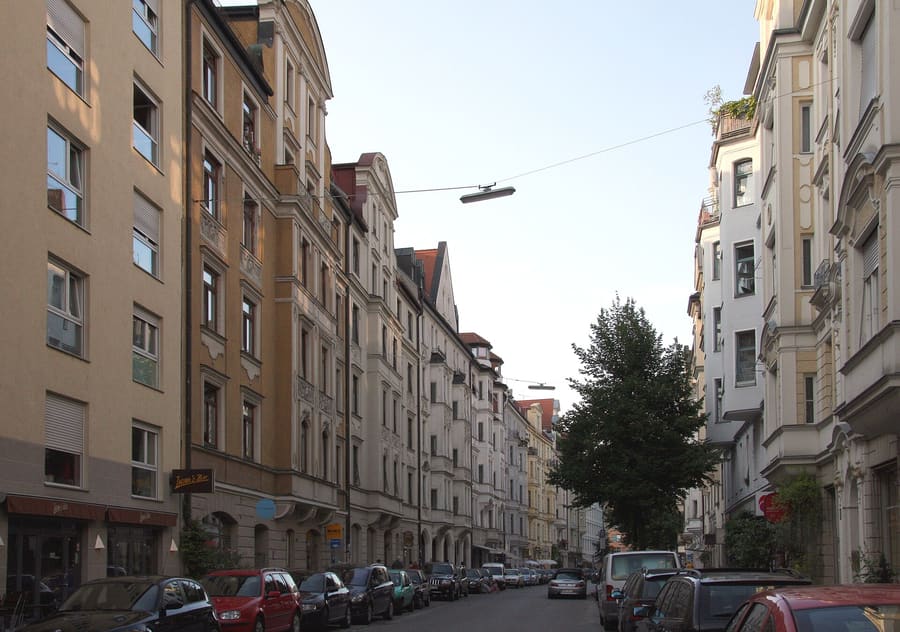
Glockenbachviertel — Low-rise residential district with independent boutiques, craft cocktail bars, and active pavement dining.
Tkx · CC BY-SA 3.0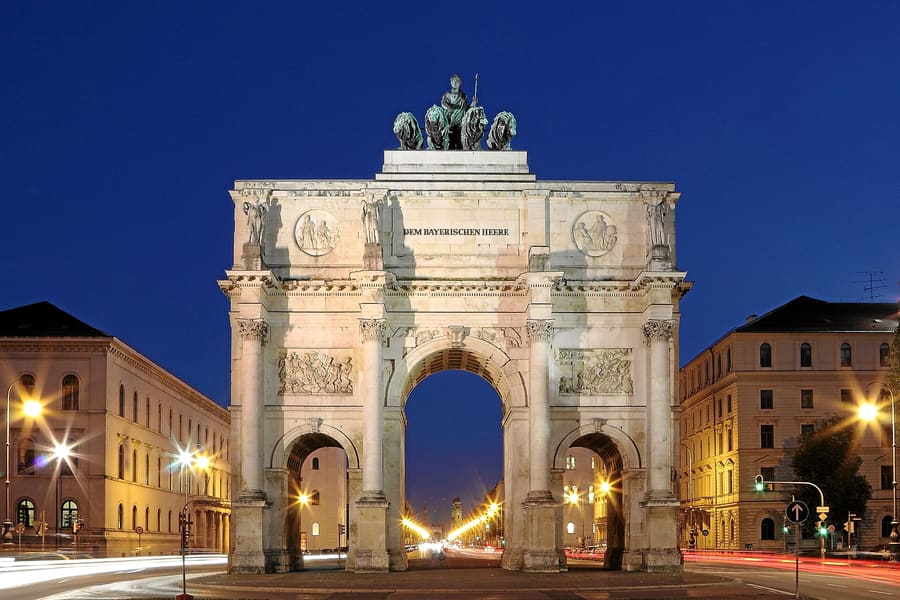
Schwabing — Tree-lined boulevard district near the Englischer Garten with Art Nouveau architecture and relaxed bistros.
Martin Falbisoner · CC BY-SA 3.0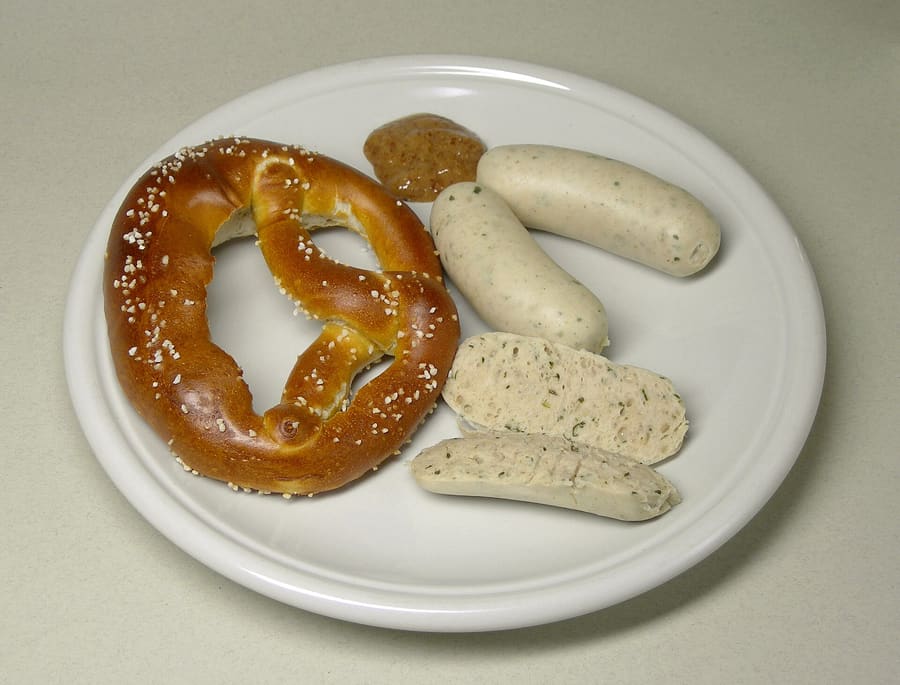
Weißwurst served in warm water with sweet mustard and a fresh pretzel.
Rainer Z ... · CC BY-SA 3.0highlights
landmark
An open-air food market operating since 1807. The central beer garden lets you bring market food if you buy drinks from the stand.
Tanya Parley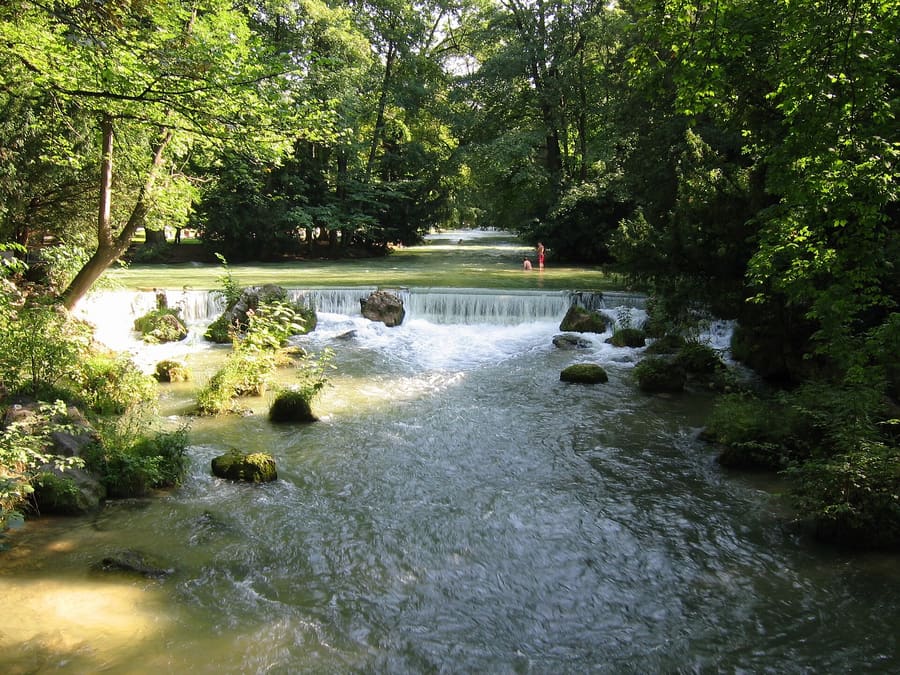
landmark
A standing river wave at the edge of Englischer Garten where surfers ride year-round. Stand on the bridge above for the safest view.
Tanya Parley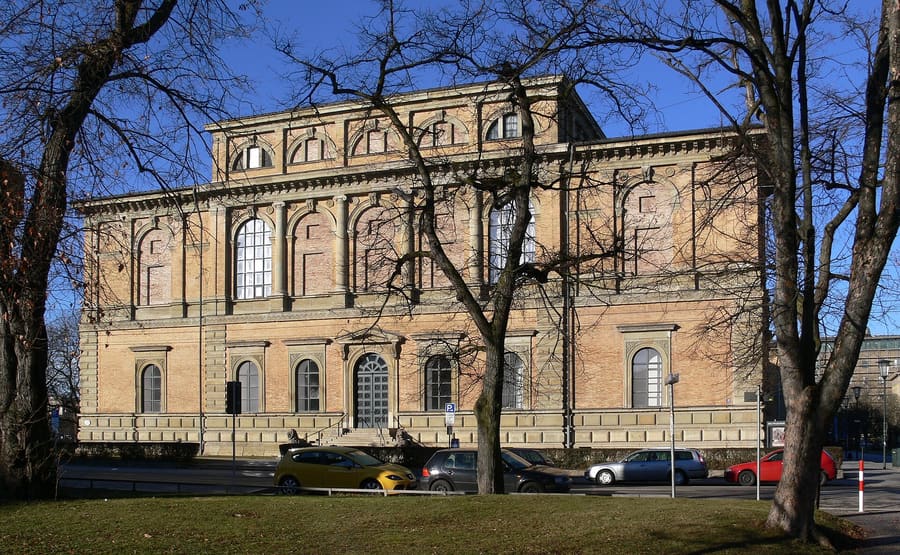
landmark
Houses European masterworks from the 14th to 18th centuries. Visit on Sunday for one-euro admission.
Tanya Parley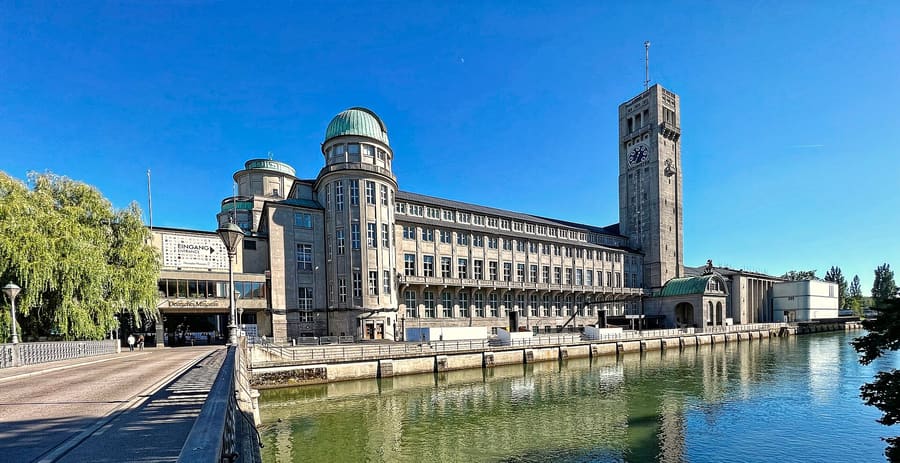
museum
The world's largest science and technology museum sits on an island in the Isar river. Reserve tickets online to guarantee your entry window.
Tanya Parley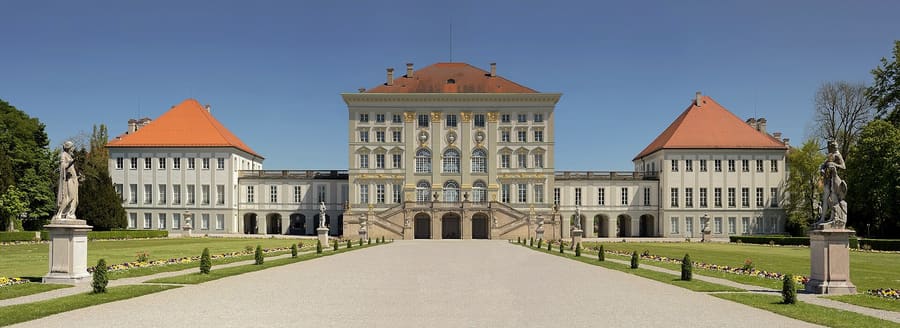
landmark
A sprawling Baroque summer palace with vast park grounds. The tram stop sits directly at the main entrance channel.
Tanya Parleyattractions
areas
Pedestrianized historic centre packed with retail arcades, traditional beer halls, and major landmarks.
DekatMarienplatz and Viktualienmarkt
Tanya ParleyGrid-patterned university quarter filled with state art galleries, student cafes, and quiet courtyards.
DekatPinakotheken museum area
Tanya ParleyLow-rise residential district with independent boutiques, craft cocktail bars, and active pavement dining.
DekatGärtnerplatz and Isar riverbank
Tanya ParleyTree-lined boulevard district near the Englischer Garten with Art Nouveau architecture and relaxed bistros.
DekatEnglischer Garten northern section
Tanya Parleyfood
Bavarian dining follows strict temporal rules. The traditional white sausage meal, Weißwurst, is prepared fresh daily and consumed exclusively before noon. Order two sausages served in hot water alongside a pretzel and sweet mustard at Schneider Bräuhaus.Beer gardens operate under explicit public space customs. At self-service tables, marked by lack of tablecloths, you may bring your own food bought from market stalls as long as you purchase drinks from the brewery counter. Serviced tables with tablecloths require ordering food directly from the waitstaff.
Weißwurst served in warm water with sweet mustard and a fresh pretzel.
Rainer Z ... · CC BY-SA 3.0Kitchens stop serving Weißwurst at twelve in the afternoon. Ordering it later signals a clear lack of local familiarity.
Beer halls function on shared seating. If an empty bench slot exists, point and ask if it is free without expecting long conversation.
history
Munich grew from a Benedictine monastic crossing on the Isar river into the court residence of the Wittelsbach dynasty. For over seven centuries, Wittelsbach dukes, electors, and kings shaped the city's architectural footprint, building grand central palaces and expansive parklands. The city transformed into Germany's southern industrial and technological powerhouse in the post-war era while aggressively preserving its royal urban core.
City founding
Monks establish a settlement at the Isar crossing. Duke Henry the Lion burns down a rival bridge to force trade through Munich, securing the city charter.
First Oktoberfest
Crown Prince Ludwig marries Princess Therese of Saxe-Hildburghausen. The royal wedding horse races evolve into the annual Oktoberfest celebration.
Summer Olympics
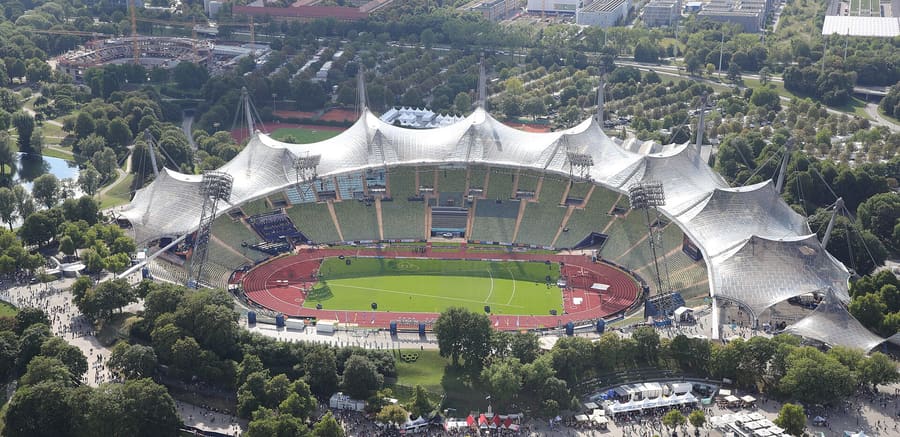
Munich hosts the Summer Olympics, constructing Olympic Park and the U-Bahn subway network to modernise urban infrastructure.
where to stay
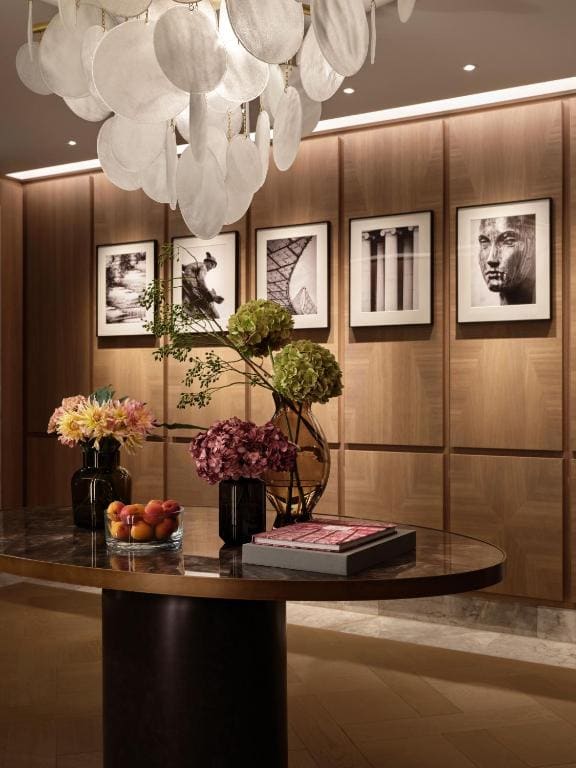
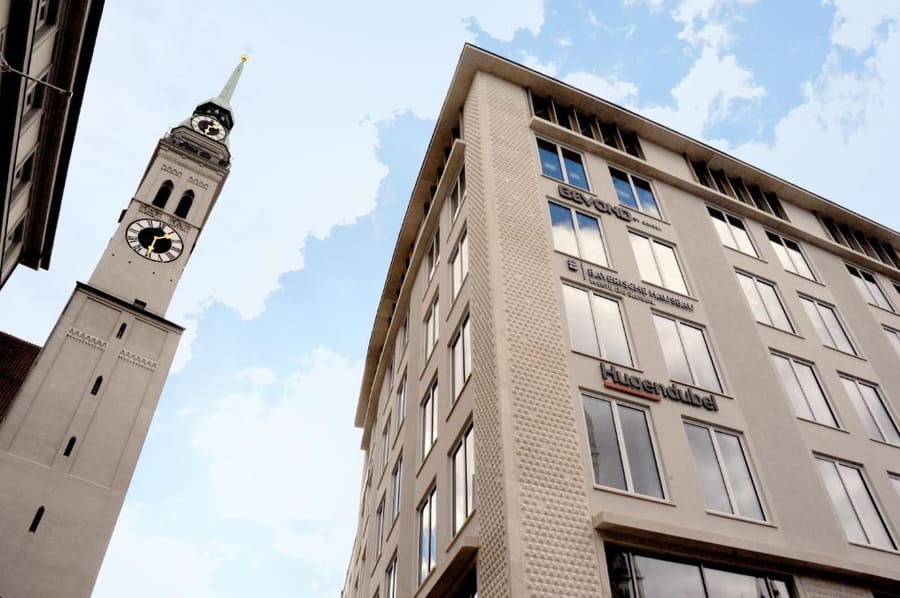
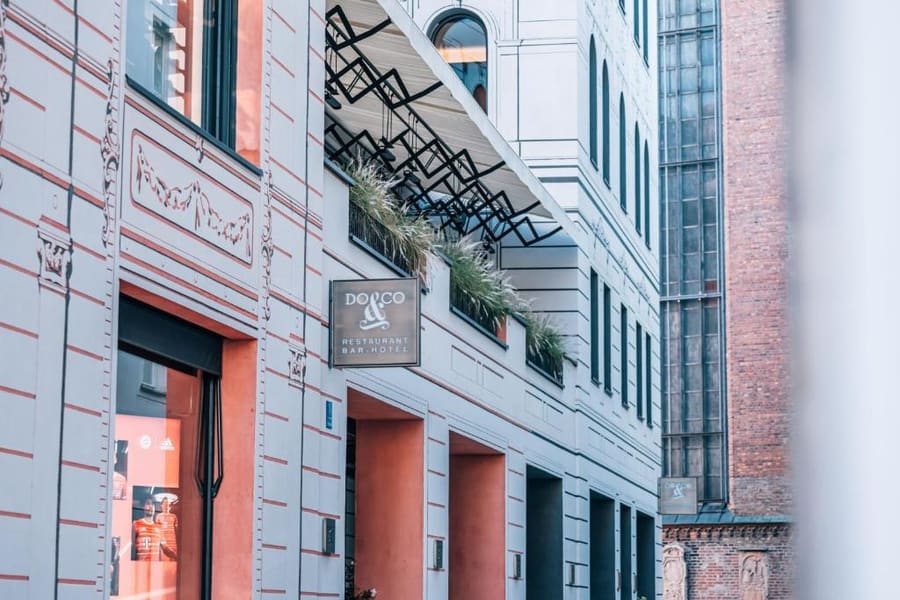
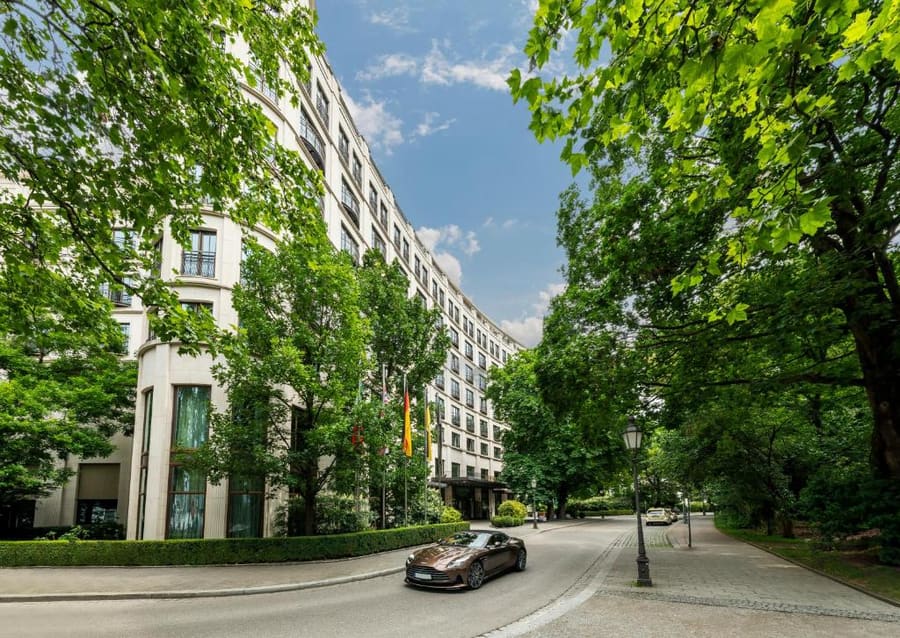
Choose your hotel base around transit line access rather than pure walking distance. Altstadt puts central monuments outside your doorstep but carries premium rates and pedestrian street noise. Maxvorstadt offers a quieter residential pace with rapid access to art galleries. Glockenbachviertel caters to travelers prioritizing evening dining options and night spots.
Live rates, matched to the areas above.
transport
Munich features one of Europe's most integrated transit grids, operated by the MVV network. The central core (Zone M) covers almost every tourist attraction. U-Bahn subway trains handle underground transit, while trams run frequently across surface routes where subway lines do not reach.
Dari Munich Airport (MUC)
S8 runs via East Station; S1 runs via West. Buy an M-5 single or day ticket.
Lufthansa Express Bus runs directly to Hauptbahnhof every 20 minutes.
Flat rates apply to fixed destinations inside the inner ring road.
The MVV Gruppen-Tageskarte costs less than two single airport tickets and covers up to five adults for unlimited daily rides.
Buy a ten-stripe Streifenkarte if making multiple short trips. Cancel two stripes per person for standard Zone M travel.
Subways stop running around 1:30 AM on weekdays. Night tram lines labeled with an 'N' operate continuously through the night.
Avoid walking in red-paved sidewalk lanes. Munich cyclists travel at speed and enforce lane boundaries strictly.
cost
Munich is the most expensive city in Germany. Expect dining, hotel stays, and taxi services to command premiums over Berlin or Leipzig. Museum entrance fees remain cheap through municipal and state subsidies.
Standard price across city beer gardens and traditional beer halls.
Includes two white sausages, sweet mustard, and one freshly baked pretzel.
Valid for two hours of single-direction travel across subway, tram, and bus lines.
seasonality
MAR – MAY
Spring brings manageable crowd levels and sunny beer garden openings. Pack layers for sudden alpine temperature swings.
JUN – AUG
Warm days drive locals to Isar river beaches and beer gardens. Hotel rates peak around major international trade fairs.
SEP – OCT
Oktoberfest demands hotel bookings six months ahead. Beer tents fill completely by midday on autumn weekends.
NOV – DEC
Christmas markets transform Marienplatz and Residenz courtyards. Short days mean sightseeing ends around four in the afternoon.
practicalities
All retail shops and supermarkets close on Sundays by state law. Railway station pharmacies and food stalls stay open.
Smaller traditional food stalls at Viktualienmarkt and beer garden counters still decline credit cards.
Swimming in the Isar river is permitted in designated zones south of Reichenbachbrücke. Be cautious of strong undercurrents.
Public bathhouses like Müllersches Volksbad enforce textile-free policies in sauna facilities.
Only experienced surfers should enter the Eisbach standing wave. Concrete blocks lie submerged just beneath the water surface.