landmark
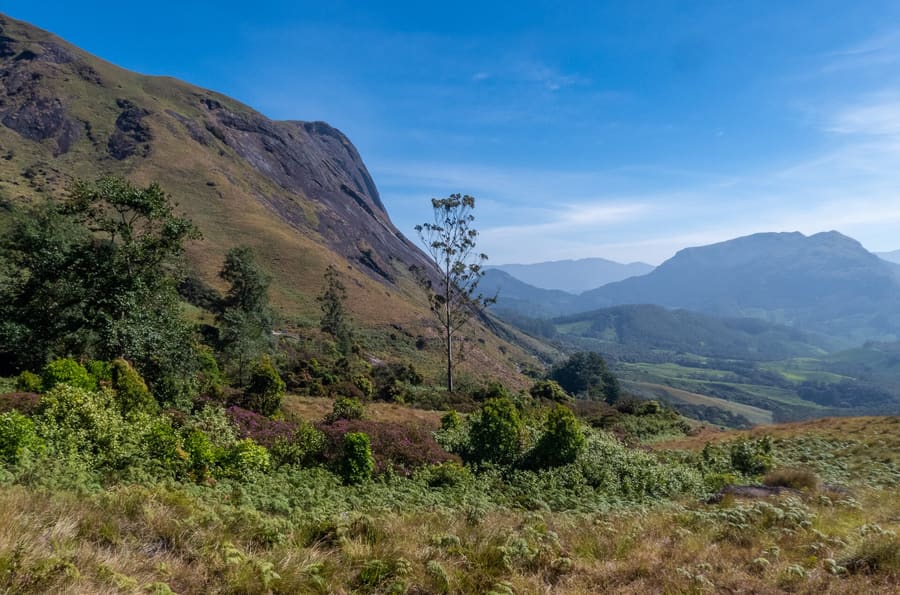
Eravikulam National Park
Home to the Nilgiri Tahr. Park buses carry you up the final section; buy tickets online to bypass main gate queues.
Tanya ParleyIndia
High-altitude tea estates, cool air, and winding roads.
introduction
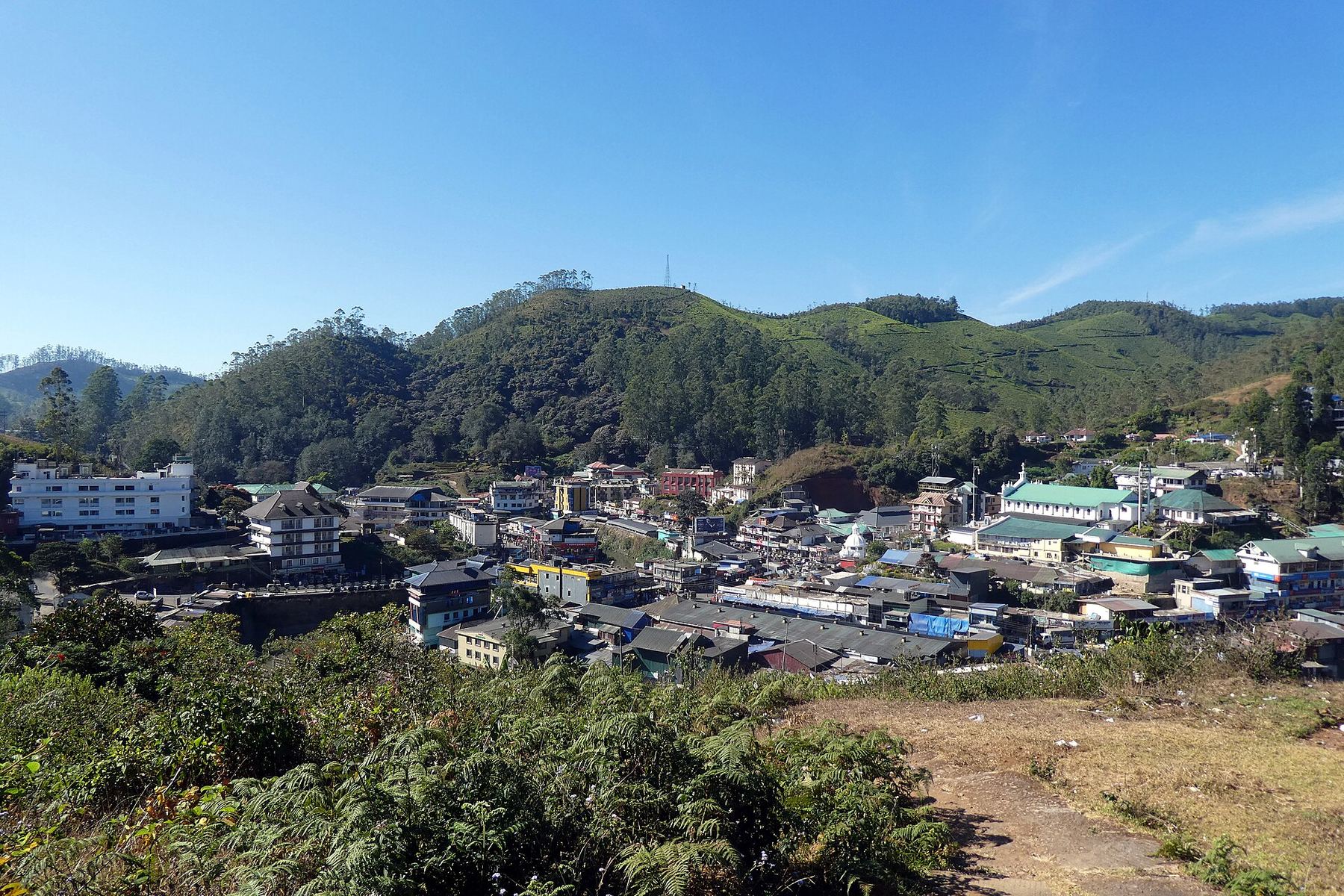
Munnar is a dispersed hill station in Kerala set at 1,600 metres above sea level. You move between tea estates, nature reserves, and small settlements primarily by private vehicle or auto-rickshaw. Expect cool mountain air, heavy monsoon rains from June to September, and sharp hairpin bends along every route. Road distances in kilometres understate actual travel times due to winding terrain.
Arrival trick
Book a prepaid taxi at Cochin International Airport (COK). The 110-kilometre mountain drive takes four to five hours depending on traffic.
UNESCO recognition
Eravikulam National Park belongs to the UNESCO Western Ghats World Heritage site. It protects the largest remaining population of the Nilgiri Tahr.
Planning trick
Reserve Eravikulam entry tickets online via the Kerala Forest Department website. Daily visitor limits fill quickly on weekends.
Munnar
AxelBoldt at en.wikipedia · Public domain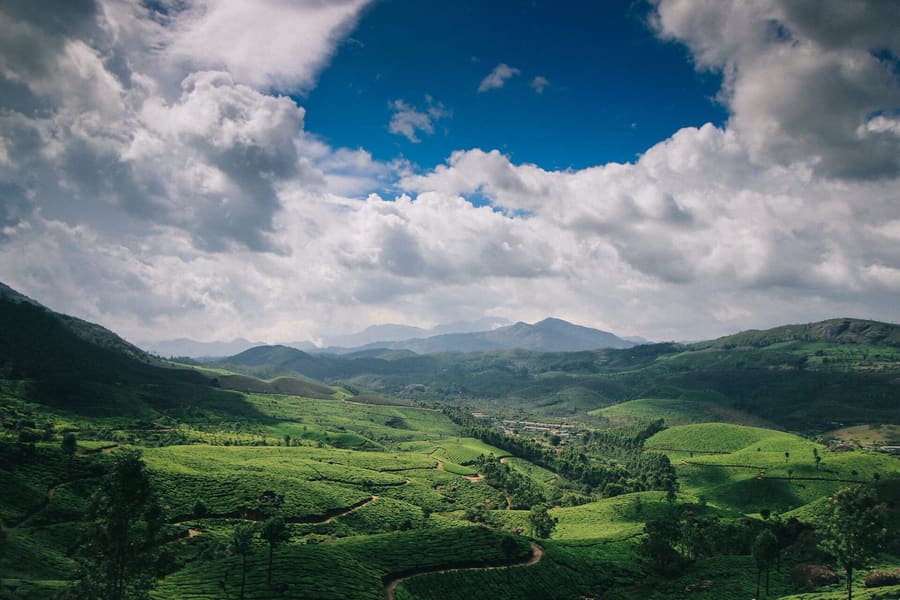
Devikulam — Quiet plantation district along the highway heading towards Gap Road.
Varkeyparakkal · CC BY-SA 4.0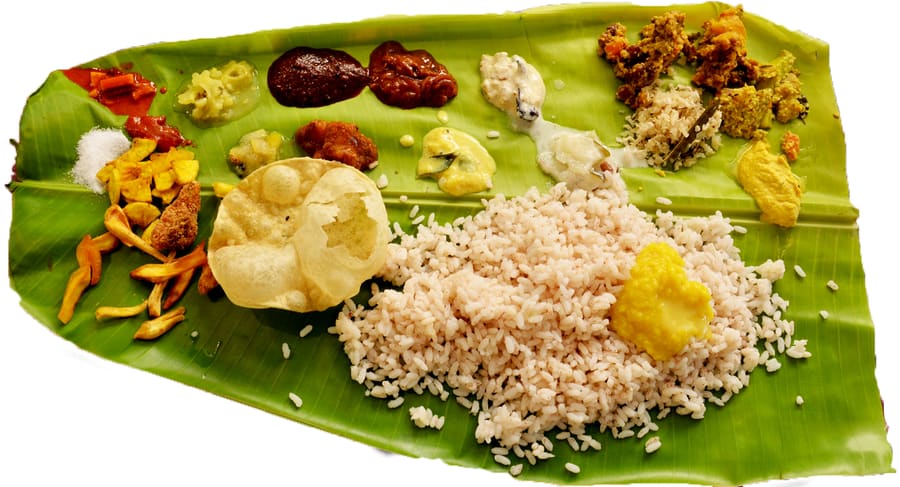
A traditional Kerala lunch served on a banana leaf.
Augustus Binu/ facebook · CC BY-SA 3.0highlights
landmark
Home to the Nilgiri Tahr. Park buses carry you up the final section; buy tickets online to bypass main gate queues.
Tanya Parley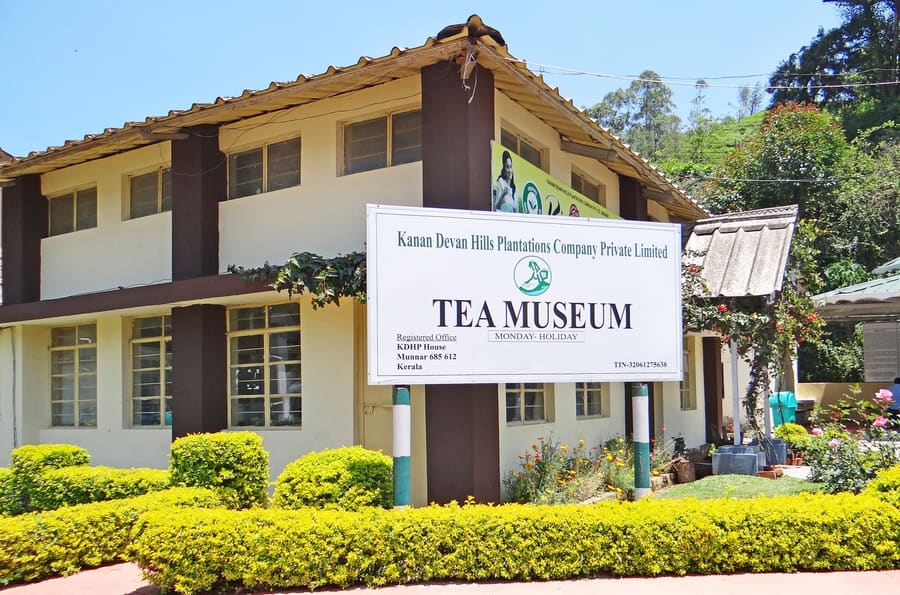
landmark
Demonstrates tea processing from leaf to black tea. Visit in the morning to see machinery operating live.
Tanya Parley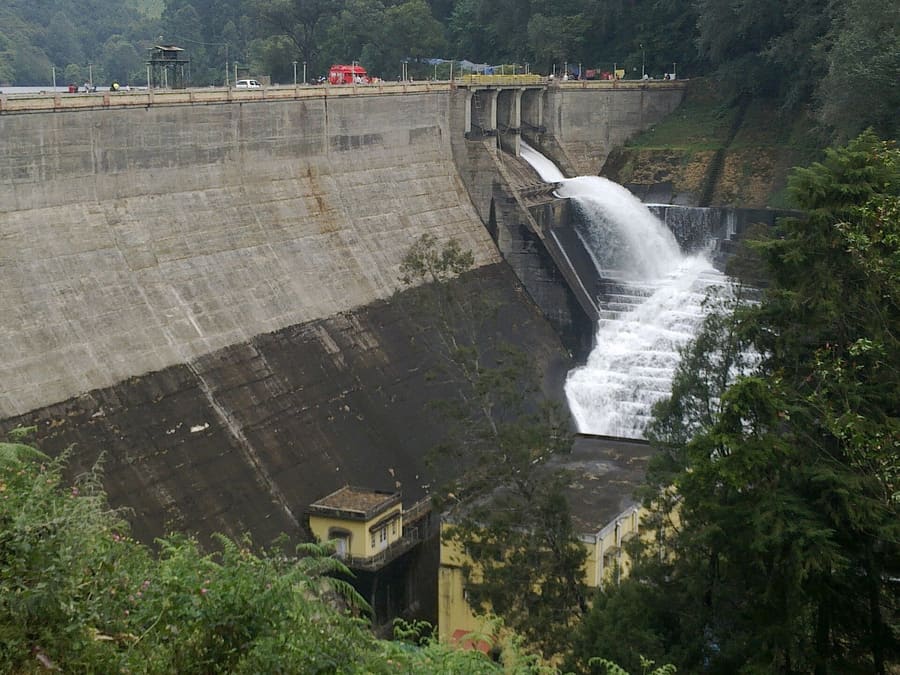
landmark
A high-altitude reservoir surrounded by tea hills. Speedboat rentals are available at the dam basin.
Tanya Parley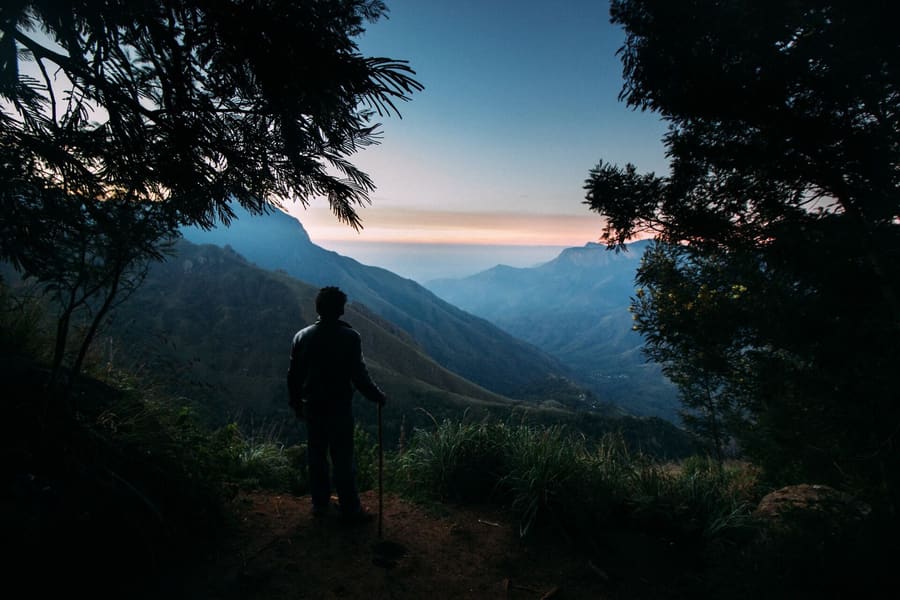
landmark
Highest point on the Munnar road network at 1,700m. Clear mornings yield views into neighbouring Tamil Nadu.
Tanya Parleyattractions
areas
Quiet plantation district along the highway heading towards Gap Road.
DekatLockhart Gap and Sita Devi Lake.
Tanya ParleyCommercial transit hub filled with local spice shops, auto stands, and budget eateries.
DekatKDHP Tea Museum and local auto-rickshaw stands.
Tanya ParleyHigh-elevation ridge line dominated by mid-range and luxury resort properties.
DekatAttukal Waterfalls and Pothamedu Viewpoint.
Tanya ParleyLower-altitude village area with independent homestays and family-run plantations.
DekatSengulam Dam and local spice gardens.
Tanya Parleyfood
Dining in Munnar centers on classic Keralan cooking adapted for cooler high-altitude weather. Breakfast typically features soft appam pancakes served alongside coconut-rich chicken stew or vegetarian kadala curry. Local mess halls in Old Munnar Town serve affordable vegetable sadhya meals laid out on banana leaves during lunchtime hours.Because the region grows spices directly on surrounding slopes, fresh green cardamom, pepper, and local ginger feature heavily in evening curries. Kerala parotta paired with spicy dry-fried beef or mushrooms is the standard night dish across town stalls. Tea outlets run by the primary plantation company offer single-estate black teas sourced directly from local factories.
A traditional Kerala lunch served on a banana leaf.
Augustus Binu/ facebook · CC BY-SA 3.0Eat afternoon lunch at Saravana Bhavan or local mess outlets in Old Munnar Town for authentic vegetarian meals.
Order appam and stew early. Most town eateries stop serving hot breakfast items by 10:00.
Buy factory-packaged green and black teas at official Ripple Tea outlets rather than roadside gift shops.
history
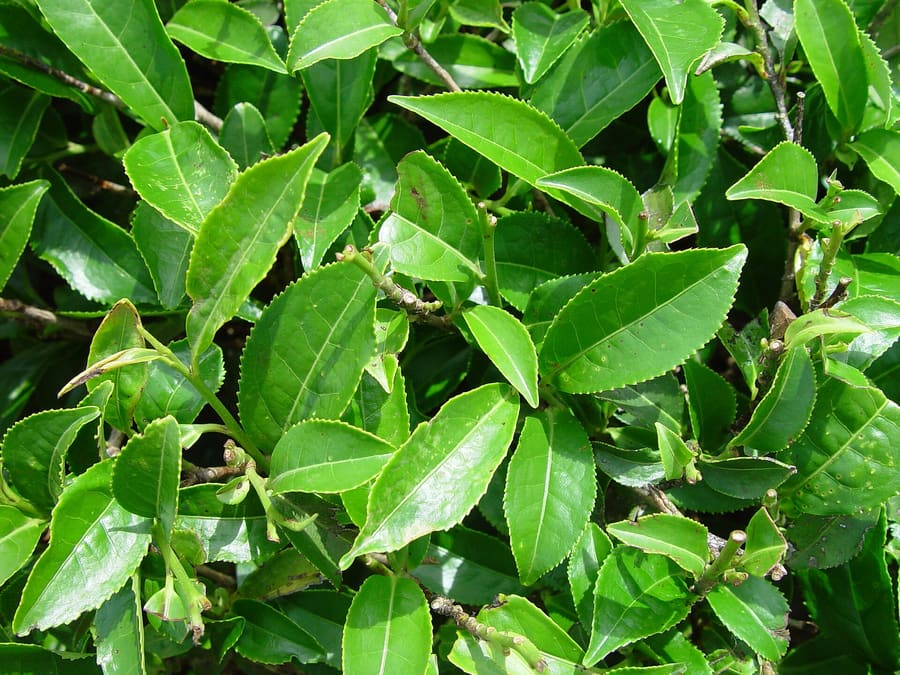
Munnar was originally forest territory inhabited by indigenous tribal groups under the jurisdiction of the Royal family of Poonjar. British concessionaires leased the region in the late 19th century to clear forest land for commercial agriculture, initially experimenting with coffee and cinchona before finding optimal conditions for tea production.The Kannan Devan Hills Produce Company consolidated plantation holdings throughout the early 20th century, constructing roads and narrow-gauge railway lines to move tea down to the plains. Floods destroyed the railway infrastructure in 1924, permanently shifting transport reliance to road networks. Corporate plantation operations continue to dominate the local economy today.
Land Acquisition
British planter John Daniel Munro acquires cultivation rights to 580 square kilometres from the Poonjar Royal family.
Corporate Consolidation
Finlay Muir & Company purchases plantation tracts and establishes widespread tea cultivation in the hills.
Great Flood
Record monsoon rain causes severe floods that destroy the Kundaly Valley Light Railway system entirely.
Park Creation
Eravikulam Sanctuary receives National Park status to protect the endangered Nilgiri Tahr from extinction.
where to stay
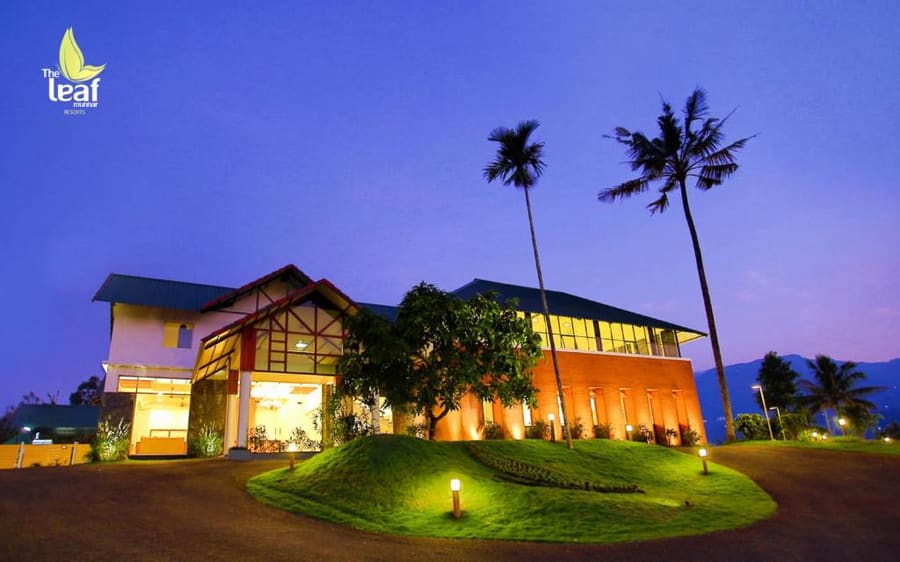
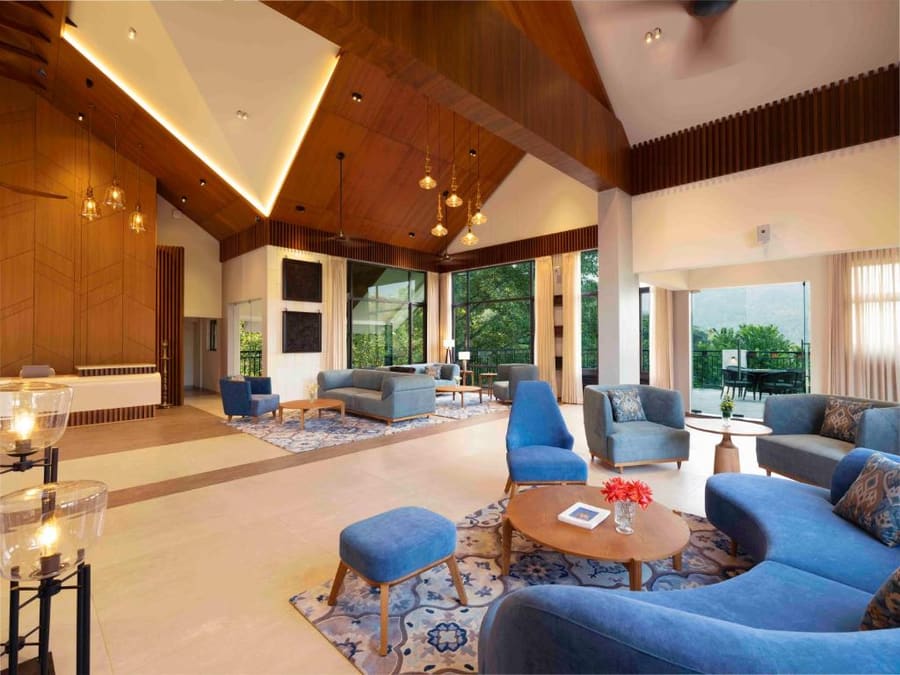
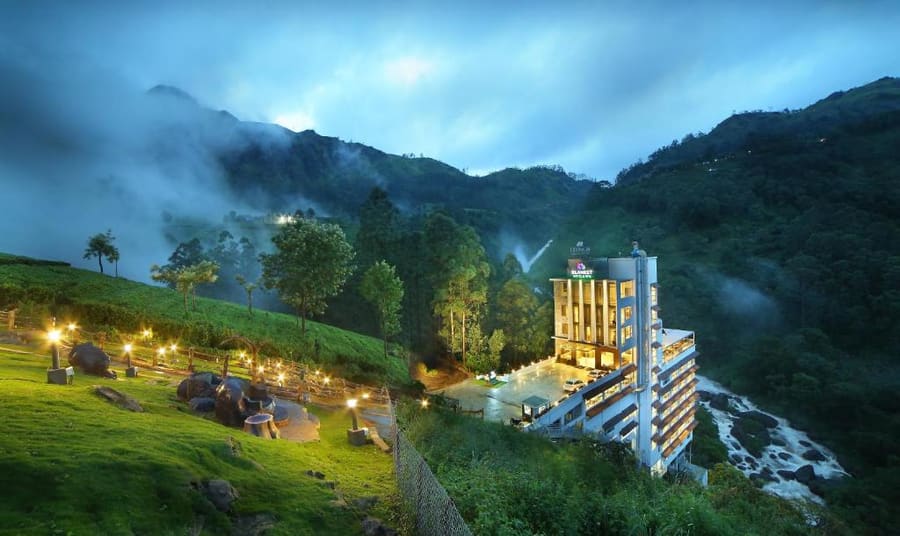
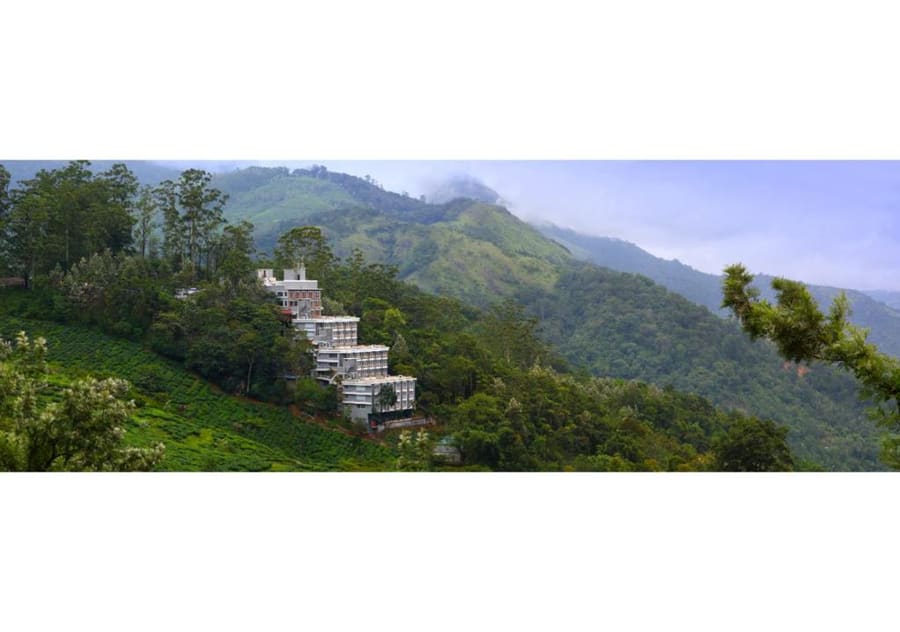
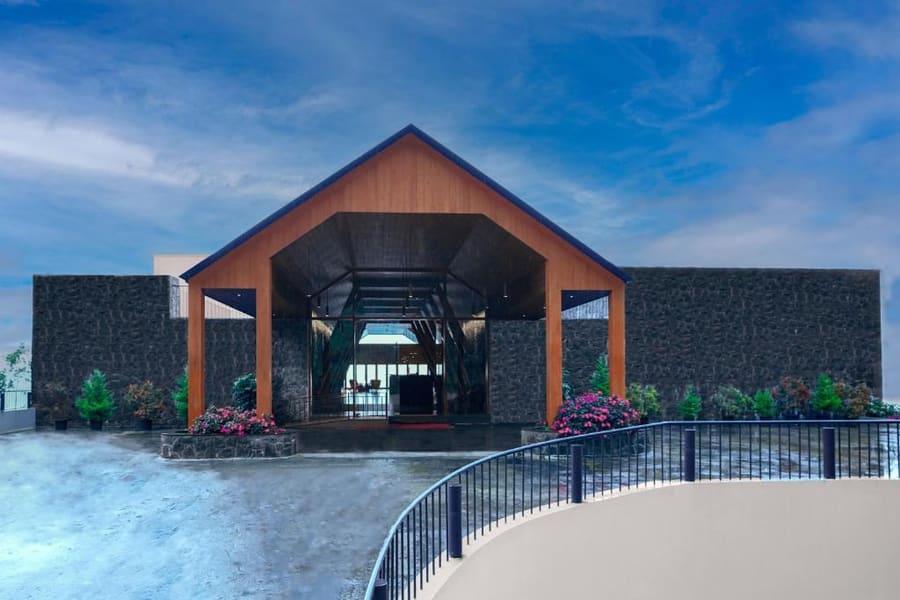
Select your base according to your transportation plans. Staying in Old Munnar Town provides walkable access to regional buses and drivers, though night noise is common. Resort areas along the Pothamedu ridge and Pallivasal offer expansive valley views and quiet nights, but require a dedicated car for every trip outside your property.
Live rates, matched to the areas above.
transport
Munnar has no rail station or airport. All access depends on narrow two-lane mountain roads prone to fog and heavy holiday traffic. Renting a car to drive yourself is discouraged due to steep hairpin turns and assertive bus drivers; hiring a local car with a driver is the standard solution for sightseeing.
Dari Cochin International Airport (COK)
Fixed-rate pre-paid taxis are available inside the arrivals terminal.
Take an airport bus to Aluva KSRTC stand, then catch a mountain bus to Munnar.
Pre-booked directly through your resort; driver meets you outside arrivals.
Local drivers charge fixed daily rates to cover sightseeing circuits like Mattupetty or Top Station.
Auto-rickshaws do not use meters in hill towns. Agree on the total fare before getting inside.
A 30-kilometre drive can take up to 90 minutes due to low visibility, steep grades, and slow trucks.
Pack motion sickness tablets if you are sensitive to repeated switchback turns on mountain passes.
cost
Munnar offers flexible pricing. Street food and simple south Indian dining are inexpensive, while private transport and resort accommodation form the primary expenses of any trip.
A standard vegetarian thali or banana leaf meal at a town mess.
Ticket price for adults, with an optional extra charge for photography.
Covers petrol and driver allowance for a standard tourist route.
Covers short hops across Old Munnar Town or to nearby viewpoints.
seasonality
SEP – NOV
Clear skies and lush green hills post-monsoon. Excellent conditions for outdoor sightseeing.
DEC – FEB
Cool, crisp weather with night temperatures dropping below 10°C. Peak domestic holiday crowds.
MAR – MAY
Mild daytime temperatures suitable for trekking. Warm enough in afternoons to require lighter clothing.
JUN – AUG
Heavy southwest monsoon downpours. High risk of landslides along winding mountain access highways.
practicalities
ATMs in town frequently run out of cash during busy weekends. Carry paper currency for small purchases.
Temperatures drop sharply after dark. Bring a fleece jacket even during summer months.
Eravikulam National Park stops ticket sales in the mid-afternoon. Visit before 11:00 for smooth entry.
Cell coverage drops in deep valleys and along mountain passes. Download offline navigation maps in advance.
If hiking off-trail during or immediately after the rainy season, wear long socks and salt protection.