landmark
Jewel of Navi Mumbai
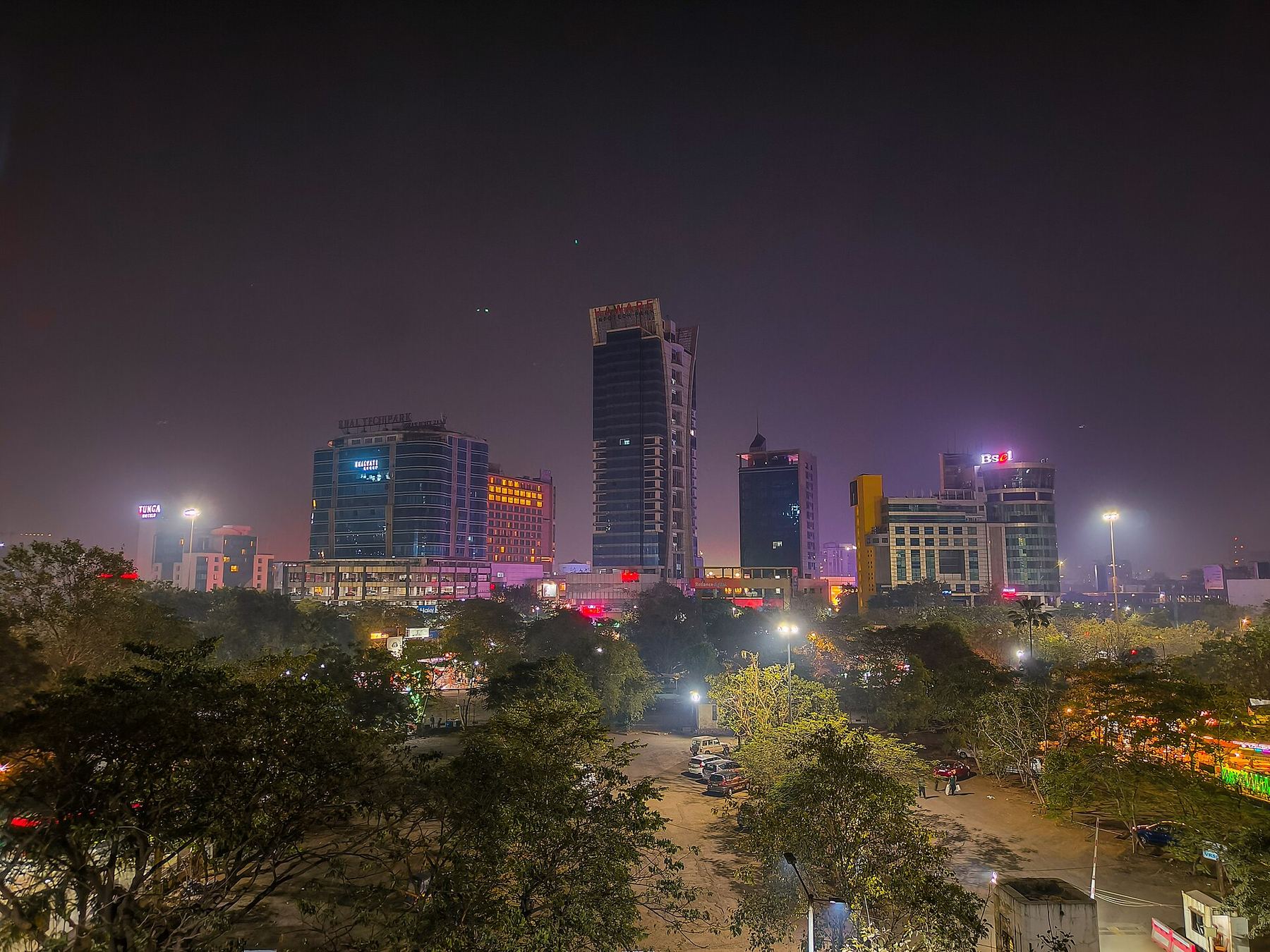
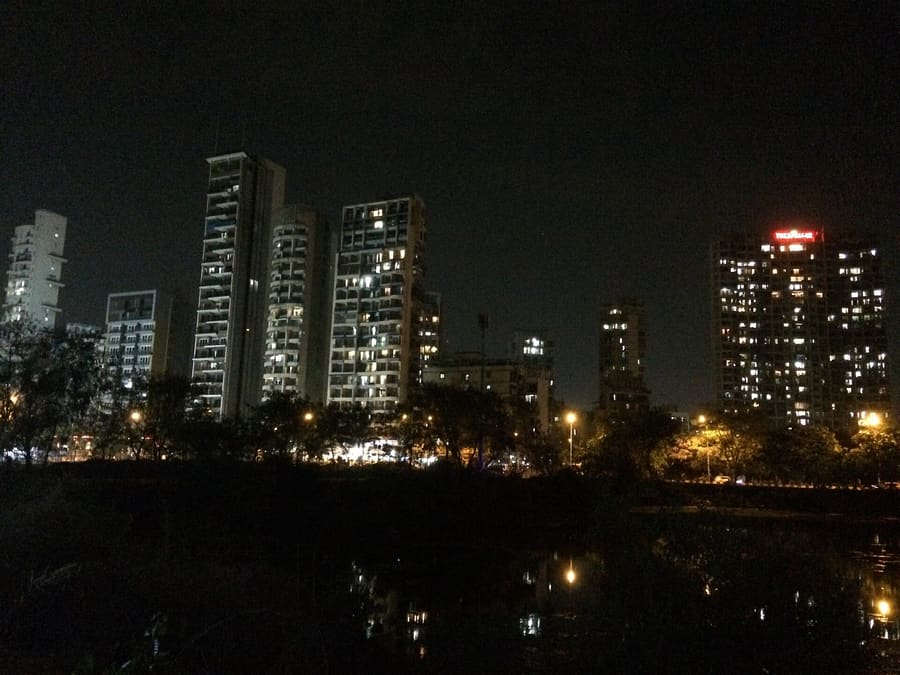
Lakeside jogging path surrounded by wetlands in Nerul. Early mornings offer the quietest laps and best bird spotting.
Tanya ParleyIndia
Mumbai’s planned, spacious sibling across the harbour.
introduction
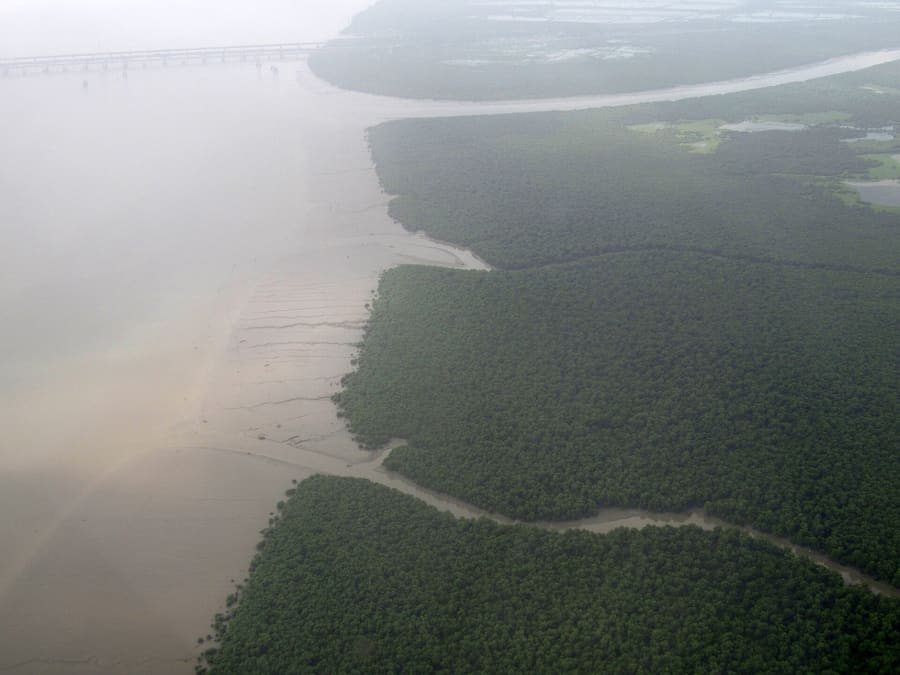
Built in the 1970s to relieve congestion in South Mumbai, Navi Mumbai is a master-planned satellite city organised into self-contained nodes. Wide multi-lane roads and designated sector grids replace Mumbai's organic density. You navigate it primarily using the Harbour Line suburban railway or auto-rickshaws operating on metered fares. Expect a quieter, greener urban experience that balances industrial corridors with mangrove ecosystems.
Cross the creek on the Harbour Line
Board the Harbour Line train from CSMT to Vashi in 45 minutes. Avoid peak morning trains bound for South Mumbai.
World’s largest planned city model
CIDCO designed Navi Mumbai in 1970 as a multi-node planned city. It spans over 340 square kilometres across Thane Creek.
Sector numbers dictate orientation
Every node splits into numbered sectors. Giving your auto driver the sector number prevents wrong-turn detours.
Navi Mumbai
Rehman Abubakr · CC BY-SA 4.0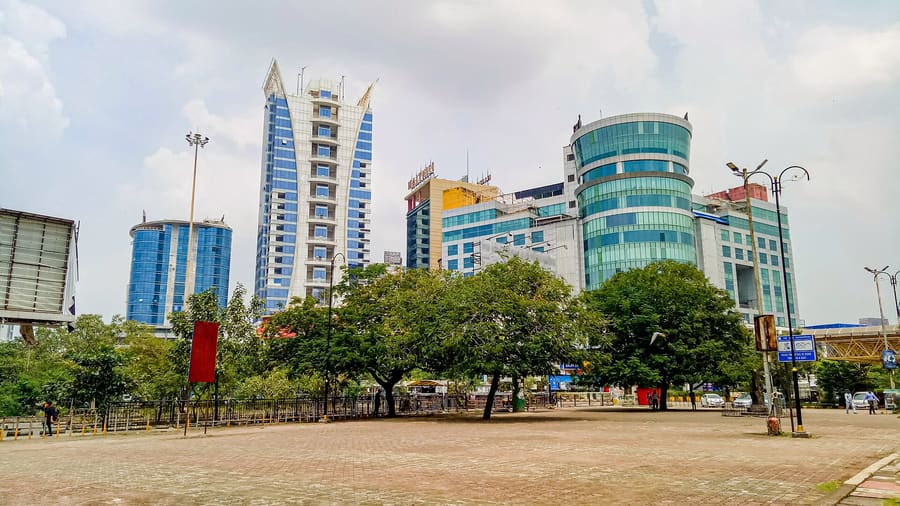
Vashi — Commercial node with street markets, shopping malls, and direct bridge access to South Mumbai.
This Now · CC BY-SA 4.0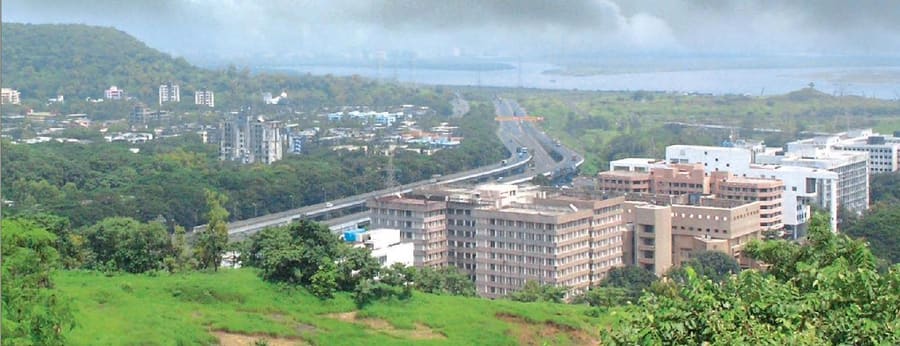
CBD Belapur — Administrative centre filled with government offices, bank headquarters, and evening dining spots.
Public domainNerul — Residential node featuring wide parks, sports stadiums, and coastal mangrove views along Palm Beach Road.
Navi guy · CC BY-SA 4.0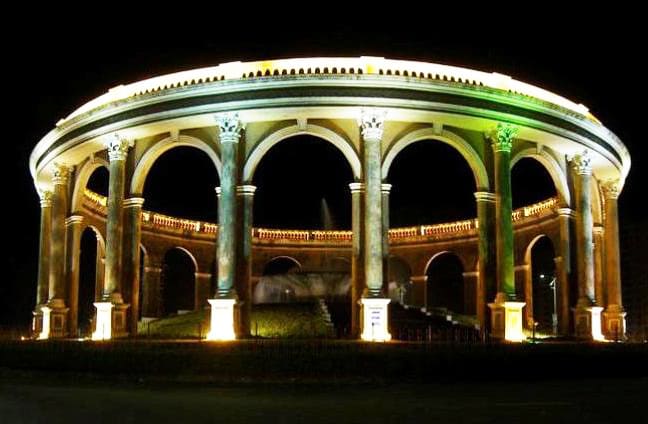
Kharghar — Education hub set against hills with wide sector roads, golf courses, and open green spaces.
The original uploader was Rait at English Wikipedia. · Public domain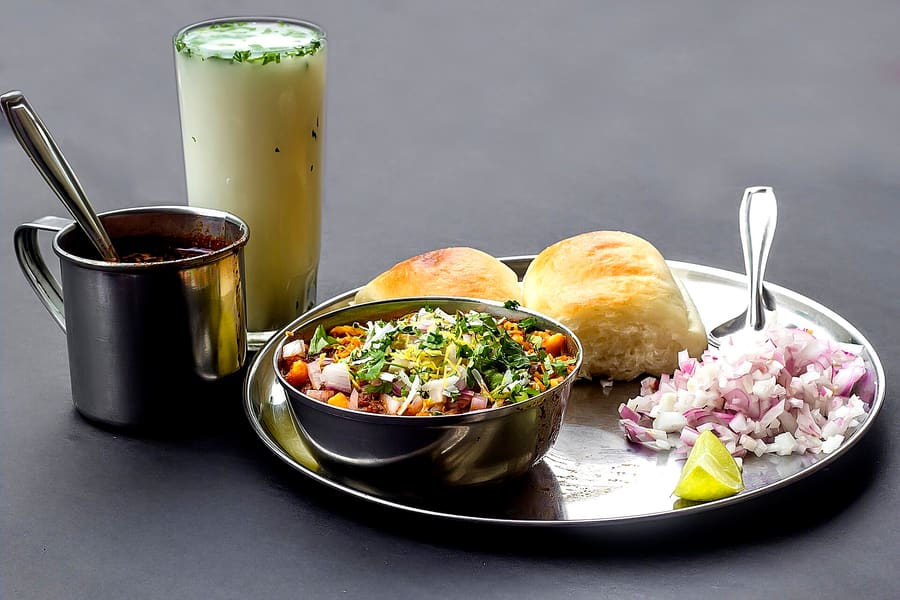
Misal pav served with fresh coriander, onions, and lime wedges.
Ankushkr2020 · CC BY-SA 4.0highlights
landmark
Lakeside jogging path surrounded by wetlands in Nerul. Early mornings offer the quietest laps and best bird spotting.
Tanya Parley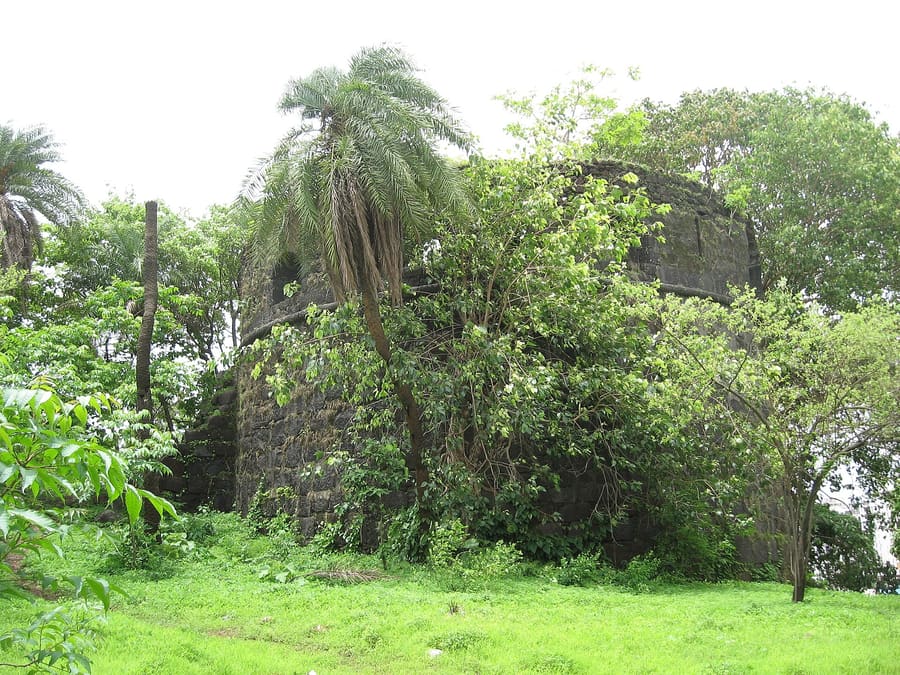
landmark
16th-century Siddi and Maratha fortification ruins overlooking the panvel creek. Visit during daylight hours for easy foot access.
Tanya Parley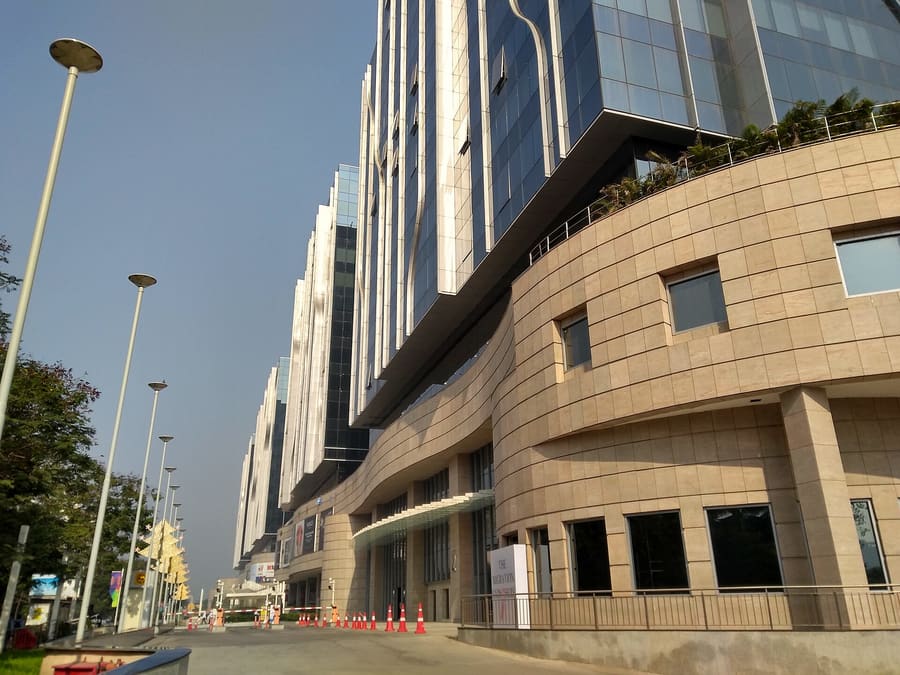
landmark
Massive transit-oriented shopping complex built directly over Seawoods railway station. Air-conditioned escape on hot afternoons.
Tanya Parleyattractions
areas
Commercial node with street markets, shopping malls, and direct bridge access to South Mumbai.
DekatInorbit Mall and Vashi Railway Station
Tanya ParleyAdministrative centre filled with government offices, bank headquarters, and evening dining spots.
DekatBelapur Fort and Sector 15 eating street
Tanya ParleyResidential node featuring wide parks, sports stadiums, and coastal mangrove views along Palm Beach Road.
DekatDY Patil Stadium and Jewel of Navi Mumbai
Tanya ParleyEducation hub set against hills with wide sector roads, golf courses, and open green spaces.
DekatCentral Park and Pandavkada Waterfalls
Tanya Parleyfood
Navi Mumbai dining splits between Agri-Koli coastal seafood joints and Maharashtra street snacks. The indigenous Agri and Koli communities use distinct roasted spice blends that deliver intense heat in fish and mutton curries.For quick meals, local vendors serve spiced sprouted-moth bean gravy topped with crunchy farsan alongside buttered rolls. Sector markets in Vashi and Belapur house density-packed food streets that peak after dark.
Misal pav served with fresh coriander, onions, and lime wedges.
Ankushkr2020 · CC BY-SA 4.0Order Agri mutton or surmai (kingfish) fry at specialized eateries in Belapur Sector 15 for regional heat.
Eat misal pav before 11:00 for the freshest fiery gravy and hot pav rolls at local eateries.
Vashi Sector 17 markets accept UPI digital payments at nearly all street snack stalls.
history
Before 1970, the land east of Thane Creek consisted of salt pans, fishing villages, and farmland. As Greater Mumbai faced severe overcrowding, urban planners proposed a twin city across the harbour.The City and Industrial Development Corporation (CIDCO) was established in 1970 to build Navi Mumbai. They divided the area into self-sufficient nodes connected by a dedicated rail network.
CIDCO Formation
Maharashtra creates CIDCO to plan and build a twin city across Thane Creek.
Vashi Bridge Opens
The Thane Creek Railway Bridge opens, connecting Mumbai's Harbour Line directly to Vashi.
Metro Line 1 Opens
Navi Mumbai Metro opens its first elevated line connecting Belapur to Pendhar in Kharghar.
where to stay
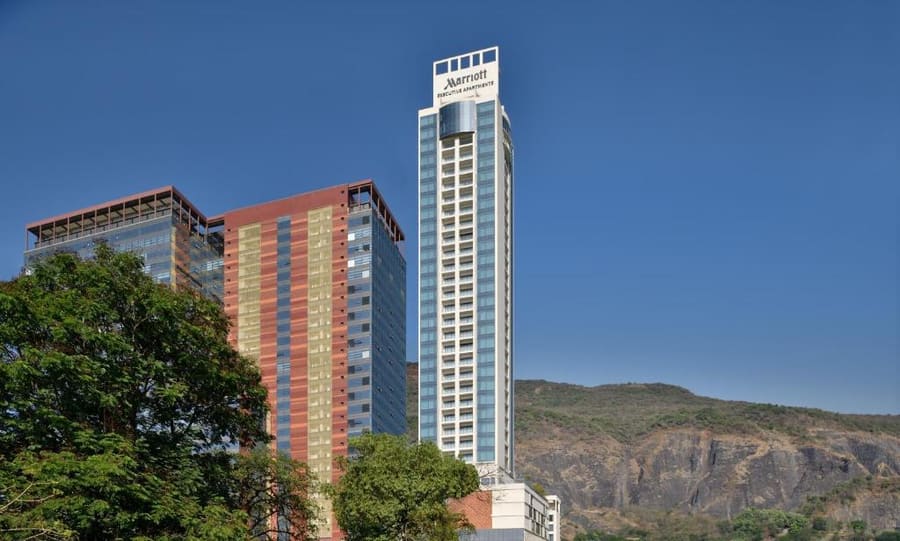
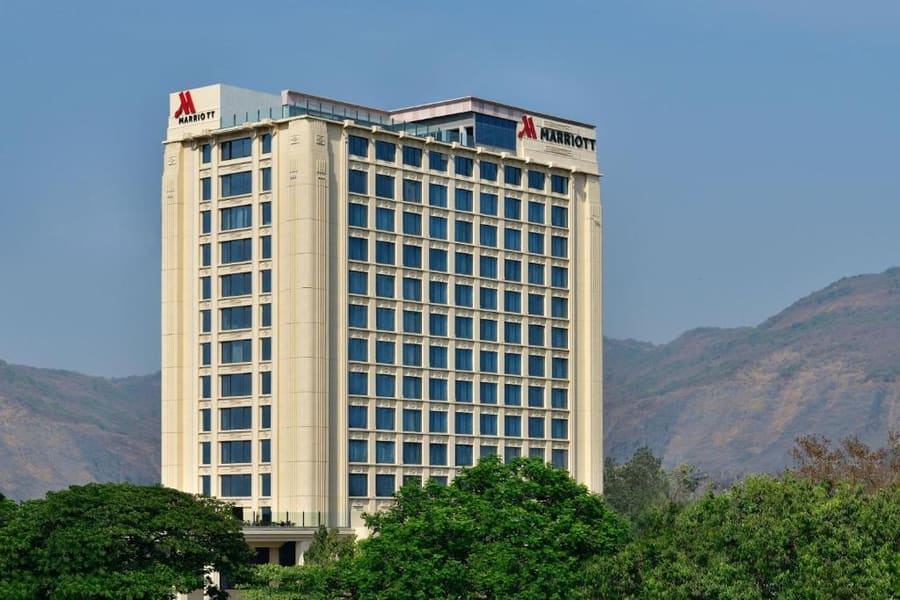
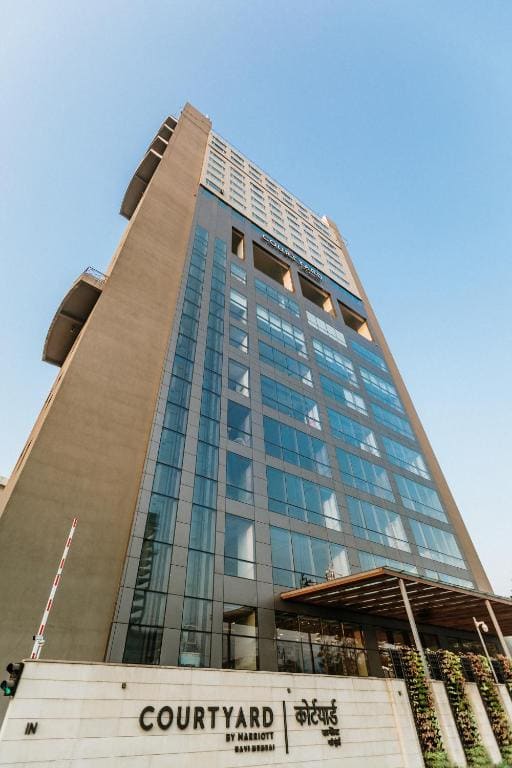
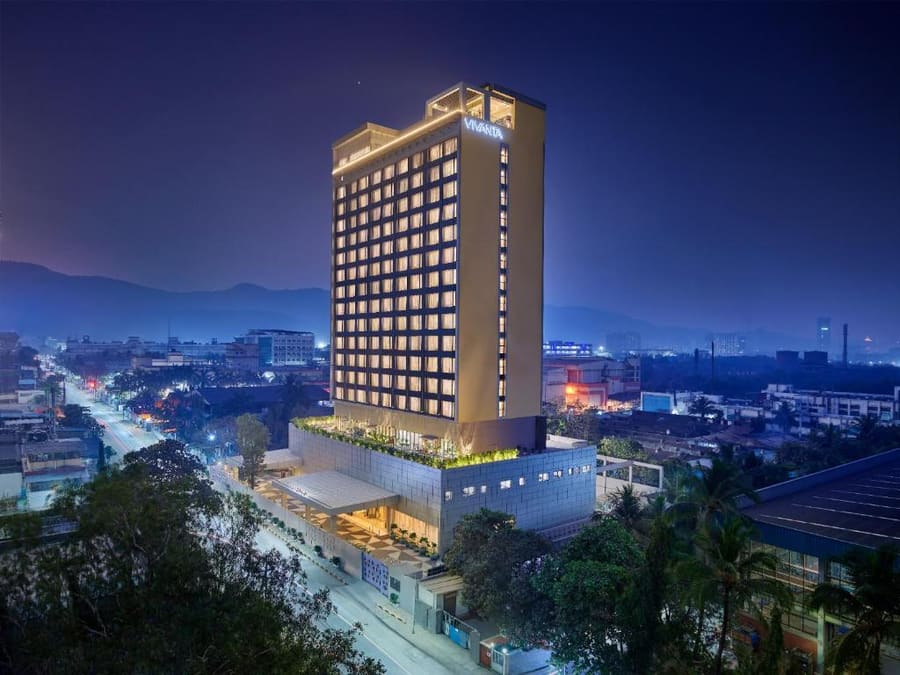
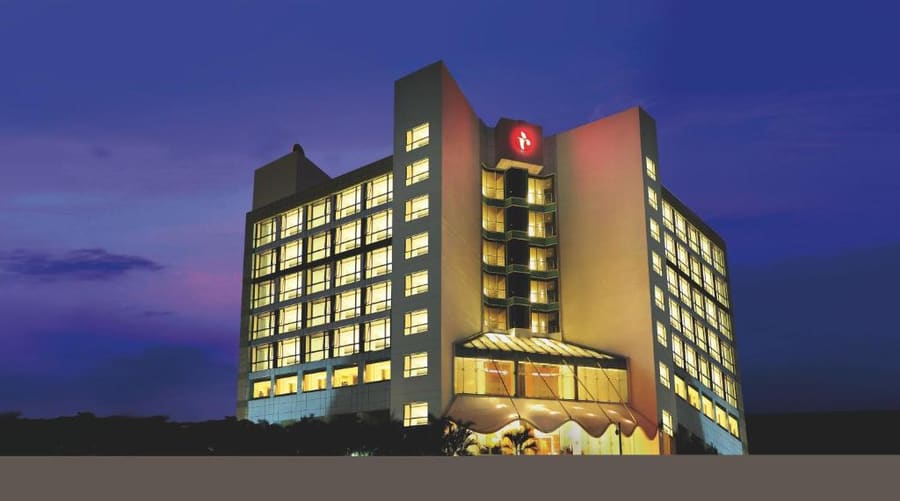
Choose your base based on transport links and alcohol regulations. Vashi offers the highest concentration of modern business hotels and immediate train connections to South Mumbai. CBD Belapur suits travellers wanting evening dining and nightlife. Kharghar offers quiet, spacious surrounds, but local regulations enforce a total alcohol prohibition across the node.
Live rates, matched to the areas above.
transport
Navi Mumbai relies on three main transit systems: the Harbour Line railway, auto-rickshaws, and NMMT buses. Palm Beach Road links the central nodes along a coastal corridor, making taxi trips fast outside rush hour.
Dari BOM
Prepaid or app-based cabs via Vashi Bridge. Toll fees apply at Vashi Entry Point.
Auto to Tilak Nagar station, then Harbour Line train direct to Vashi or Belapur.
Uber and Ola pick up at designated airport zones. Fares surge during evening rain.
Trains run every 5-10 minutes between Vashi, Nerul, Belapur, and CSMT in South Mumbai.
Elevated metro connects CBD Belapur to Kharghar and Pendhar, bypassing road traffic.
Drivers in Navi Mumbai strictly use meters by default, unlike in South Mumbai where rickshaws are banned.
AC buses run on key routes including Palm Beach Road and connections to Bandra and Thane.
cost
Navi Mumbai costs significantly less for accommodation and dining than South Mumbai or Bandra. Metered auto fares start at official base rates, making short sector trips very economical.
Local snack centres in Vashi or Nerul serve complete plates with extra gravy.
Base rate covers the first 1.5 kilometres on a calibrated meter.
Fares depend on distance travelled along Line 1.
Comfortable air-conditioned hotel room in Vashi or Belapur.
seasonality
NOV – FEB
Cooler temperatures around 20–30°C. Best period for flamingo safaris and park visits.
MAR – MAY
High humidity and heat exceeding 35°C. Stick to indoor malls and early morning walks.
JUN – SEP
Heavy monsoon rainfall transforms Kharghar hills green but limits outdoor activities.
OCT
Post-monsoon transition month. Hot and humid with clear skies returning.
practicalities
Indian phone payment apps dominate, but foreign credit cards work at mid-to-high end hotels and malls.
Kharghar is an official alcohol-free node. Bars and liquor stores do not operate within its boundaries.
Avoid crossing the Vashi Bridge towards Mumbai between 08:00–10:30 and back between 17:30–20:30.
Give taxi and auto drivers the node name and sector number rather than a landmark or street name.
Migratory birds arrive at Thane Creek in November and leave by late May as monsoons approach.