landmark
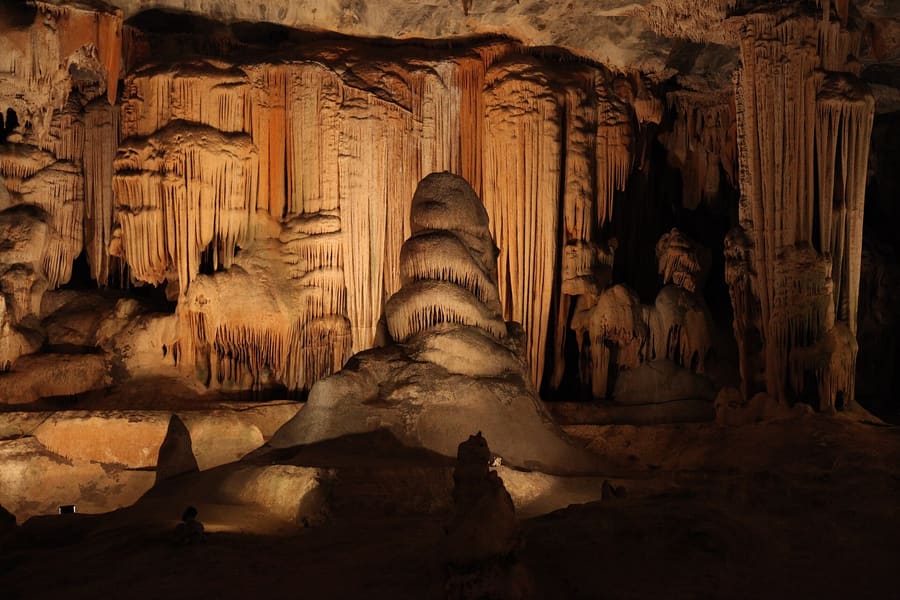
Cango Caves
Limestone cavern system with massive dripstone formations. Book the Heritage Tour for walking or Adventure Tour for narrow crawls.
Tanya ParleyAfrika Selatan
The Klein Karoo capital of ostrich mansions and limestone caves.
introduction
Oudtshoorn sits in a dry valley between the Swartberg and Outeniqua ranges. Self-driving is the only effective way to explore the region's spread-out attractions. Expect scorching summer days, crisp winter nights, and a landscape dominated by ostrich farms and sandstone cliffs.
Arrival trick
Fly into George Airport (GRJ) and rent a vehicle immediately. Driving north over the Outeniqua Pass takes under an hour.
Heritage listing
The Swartberg Pass forms part of the Cape Floral Region Protected Areas UNESCO World Heritage site. Its gravel switchbacks showcase native fynbos vegetation.
Planning trick
Book Cango Caves entrance slots online weeks in advance. Unbooked walk-ins are turned away at the ticket counter during peak holiday periods.
Oudtshoorn
Vberger · Public domain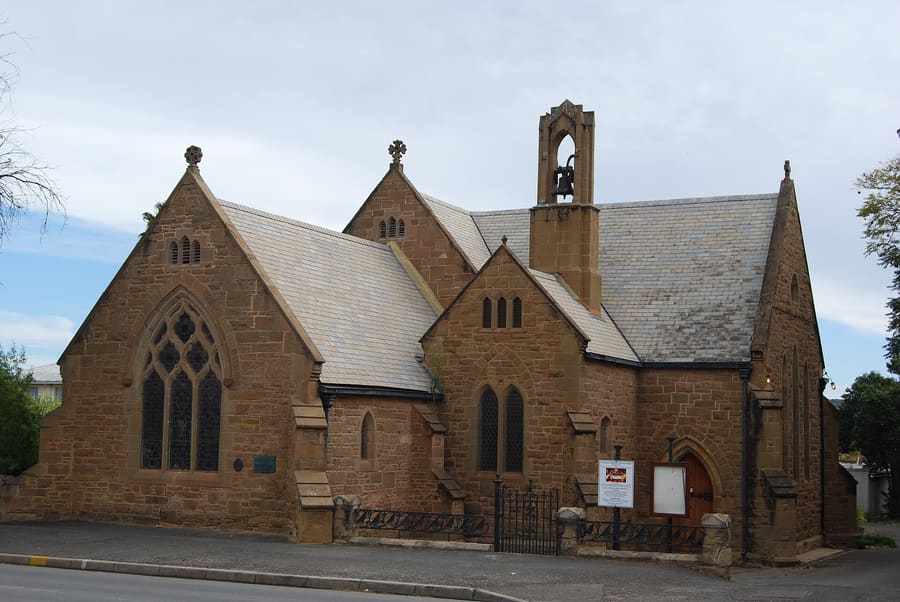
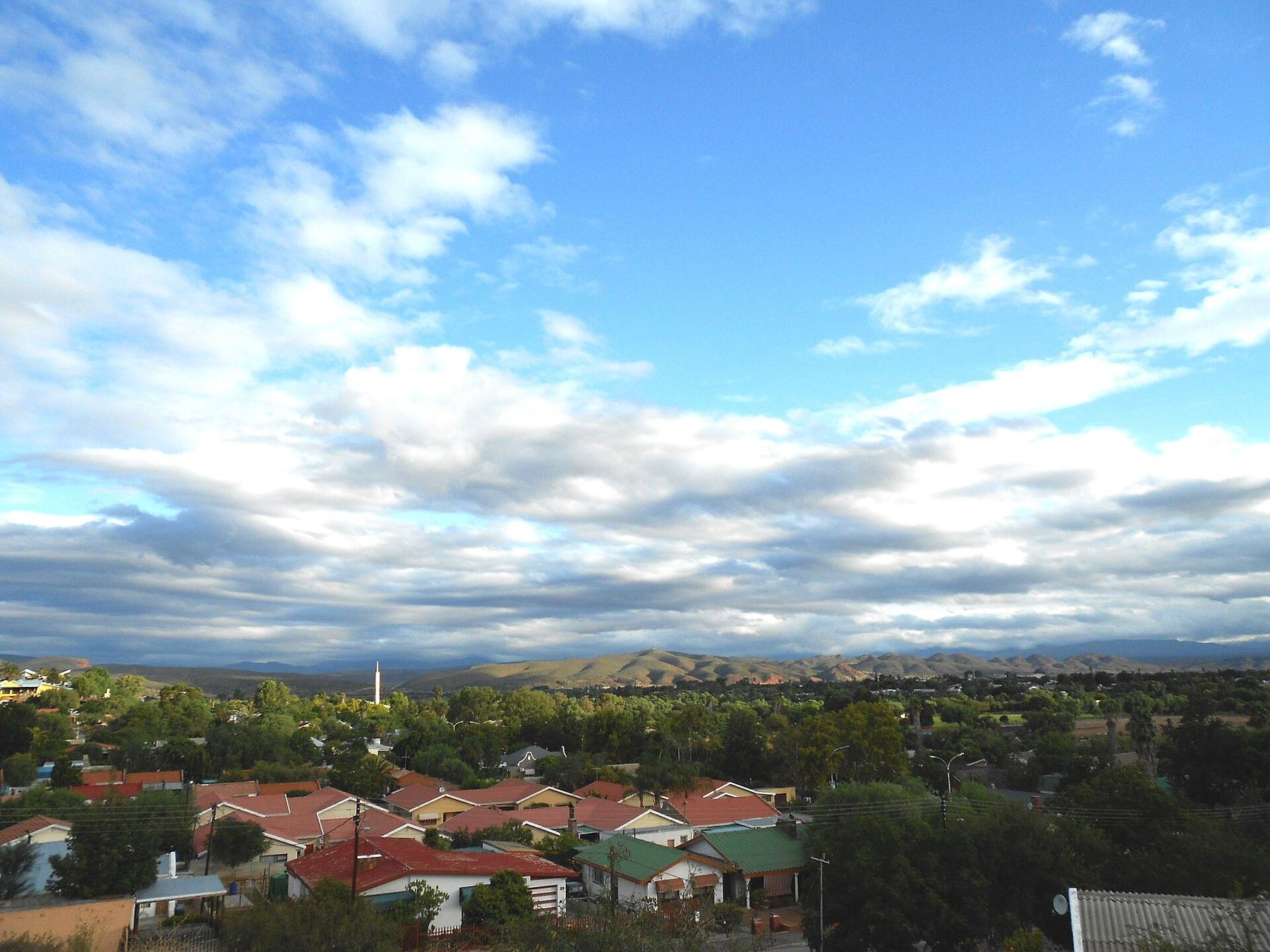
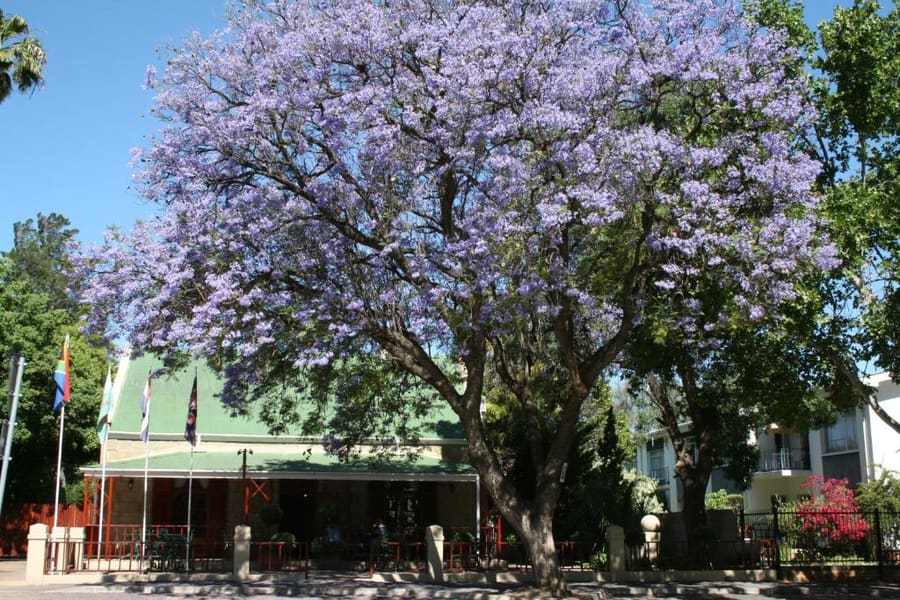
Town Centre — Grid streets lined with sandstone Victorian architecture and casual dining.
Zaian · CC BY-SA 3.0
Cango Valley — Rural valley shaded by the Swartberg mountains along the R328 corridor.
Creator:Cango Wildlife Ranch · Public domain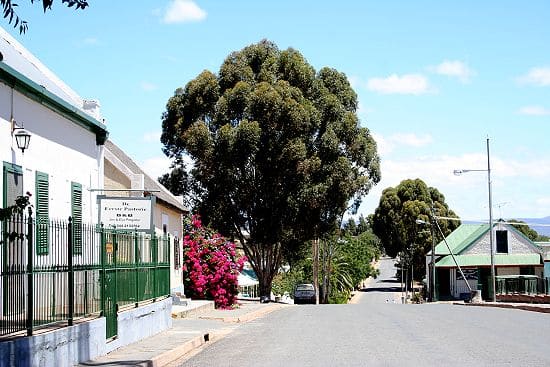
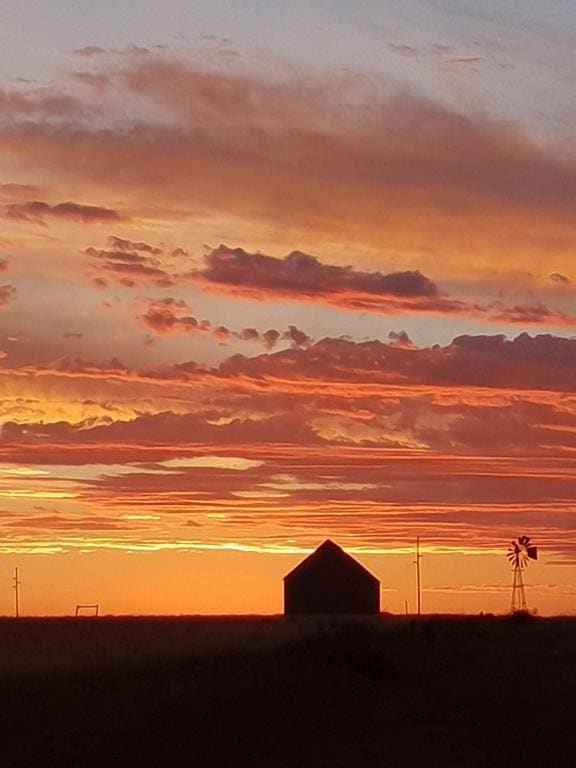
Volmoed & South — Open farmland dominated by working ostrich estates and historic homesteads.
Etienne Marais · CC BY-SA 3.0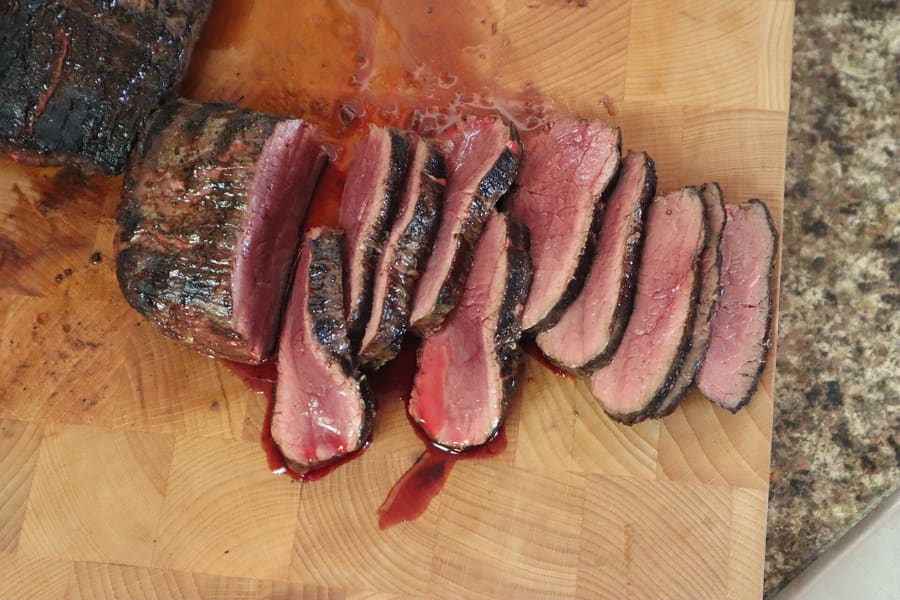
Ostrich fillet served rare at a Baron van Reede Street bistro.
Angelbmartin · CC BY-SA 4.0highlights
landmark
Limestone cavern system with massive dripstone formations. Book the Heritage Tour for walking or Adventure Tour for narrow crawls.
Tanya Parley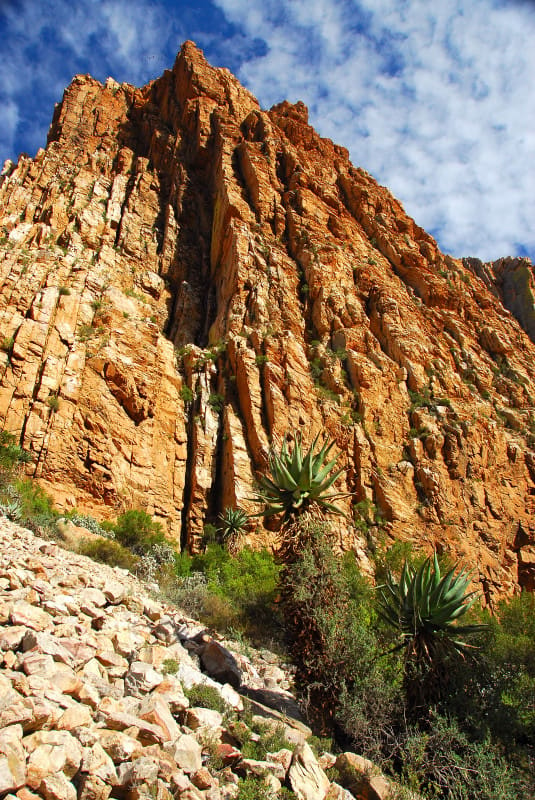
landmark
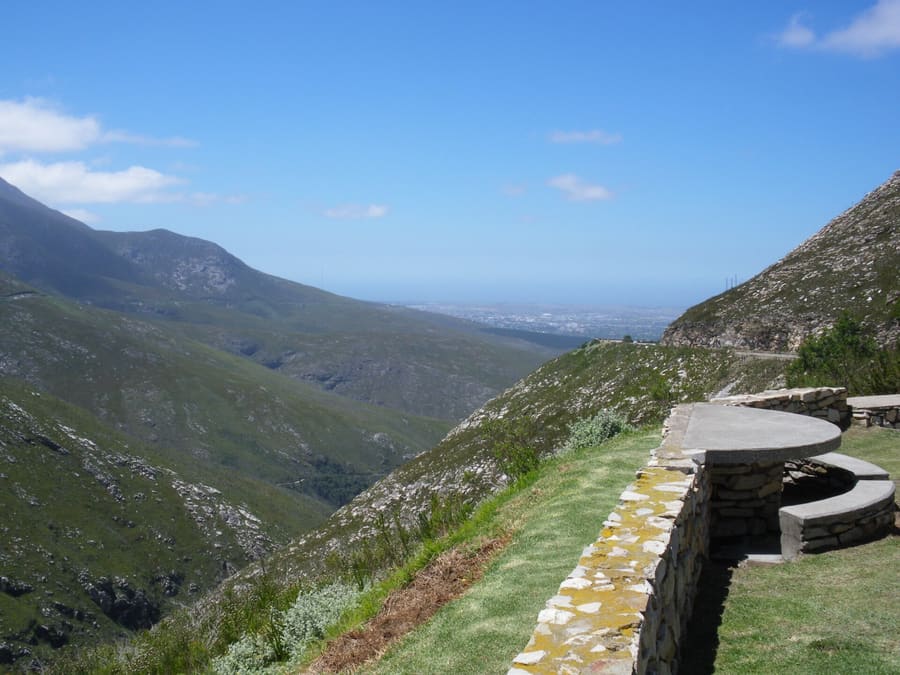
Unpaved 27-kilometer mountain pass engineered by Thomas Bain in 1888. Drive slowly and inspect tire pressure before ascending.
Tanya Parley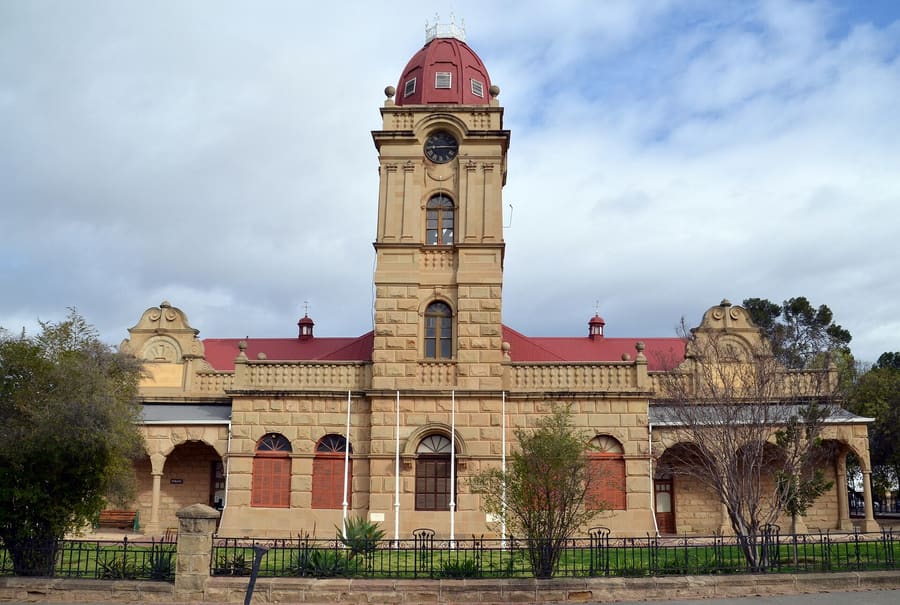
landmark
Victorian sandstone building tracking the 19th-century ostrich feather boom. Closed on Sundays.
Tanya Parley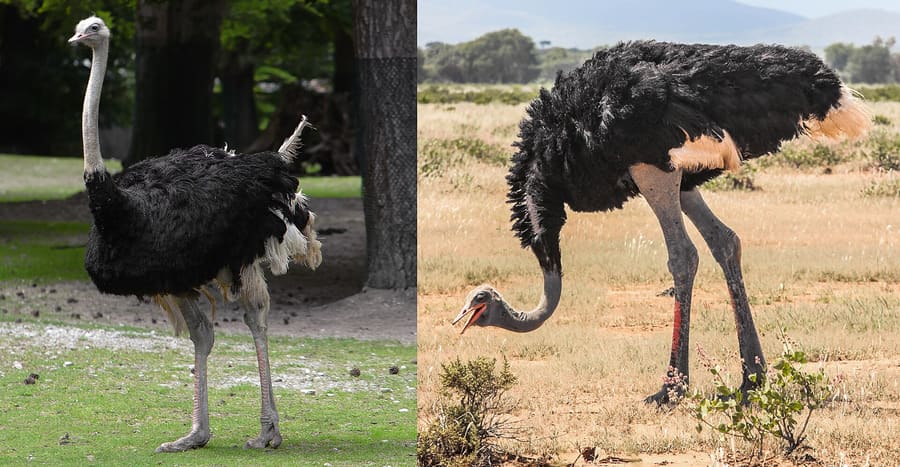
landmark
Working farm demonstrating ostrich breeding and feather processing. Tractor tours run hourly from 08:00 to 16:00.
Tanya Parley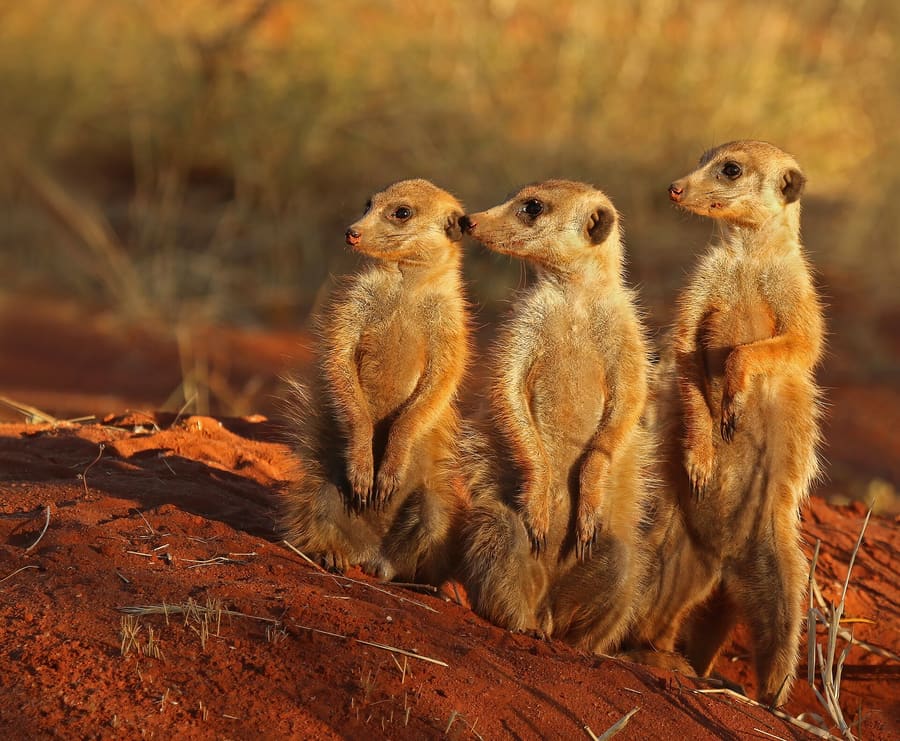
landmark
Dawn tour observing wild habituated meerkats emerging from burrows. Requires pre-booking and early rising.
Tanya Parleyattractions
areas
Grid streets lined with sandstone Victorian architecture and casual dining.
DekatCP Nel Museum and local bistros.
Tanya ParleyRural valley shaded by the Swartberg mountains along the R328 corridor.
DekatCango Caves and Rust en Vrede Waterfall.
Tanya ParleyOpen farmland dominated by working ostrich estates and historic homesteads.
DekatSafari Ostrich Farm and meerkat tours.
Tanya ParleyUnpaved valleys with red cliffs, olive groves, and off-grid guesthouses.
DekatCalitzdorp port wine cellars.
Tanya Parleyfood
Oudtshoorn built its palate on dry-land farming and wild game. Ostrich steak dominates local menus, served lean and rare to prevent dryness. Local Karoo lamb features high salt content from native shrub grazing.
Ostrich fillet served rare at a Baron van Reede Street bistro.
Angelbmartin · CC BY-SA 4.0Ostrich meat contains almost no fat. Cooking it past medium-rare turns the texture tough and dry.
Local sheep graze on indigenous kapokbos bushes. The meat carries a distinct herbal flavor unique to the region.
Nearby Calitzdorp produces world-class fortified wines. Order a glass of vintage port alongside dessert.
history
Oudtshoorn grew through two major ostrich feather booms in the late 19th and early 20th centuries. European fashion demanded plumes, creating immense fortunes for local farm owners. These feather barons built elaborate sandstone mansions across the valley before the market collapsed in 1914 due to World War I, changing fashion tastes, open-top cars, and oversupply.
Town Foundation
Oudtshoorn is established on the banks of the Groebbelaars River.
First Feather Boom
High demand for ostrich plumes in European fashion drives rapid wealth and land expansion.
Swartberg Pass Built
Engineer Thomas Bain completes the sandstone pass, linking the Klein Karoo to the Great Karoo.
Second Feather Boom
Feather prices peak. Local barons construct extravagant sandstone palaces throughout the district.
Market Collapse
The outbreak of World War I and changing fashion trends cause the ostrich industry to collapse.
where to stay
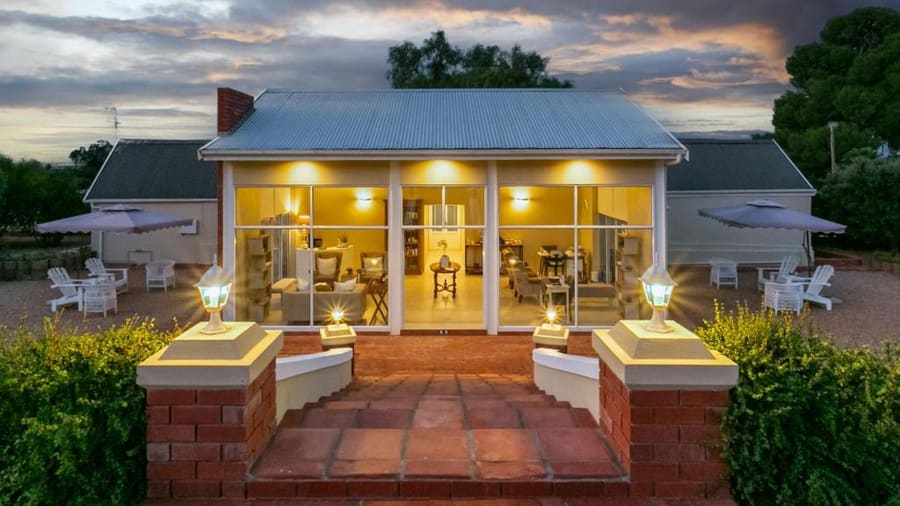
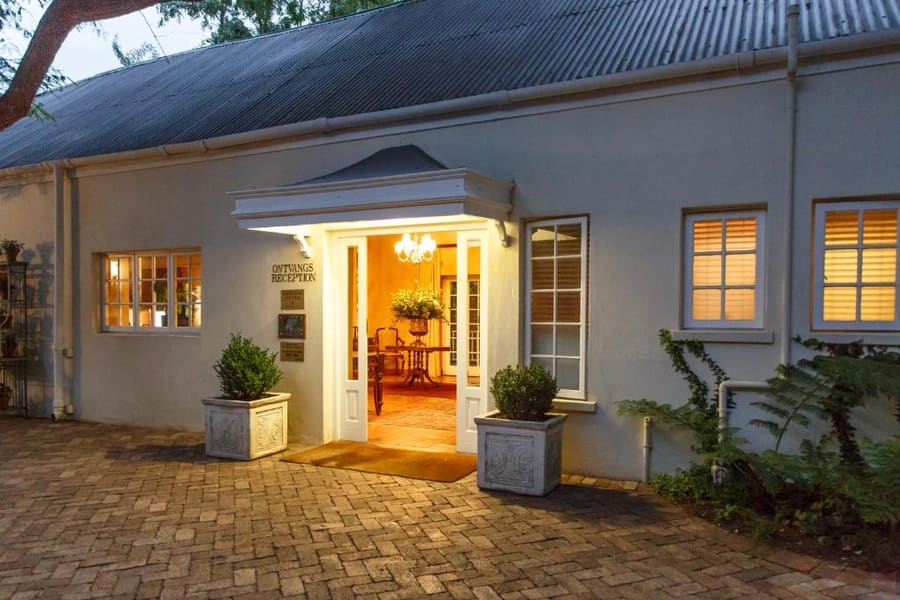
Choose by your willingness to drive for meals. Staying along Baron van Reede Street lets you walk to dinner. Rural guesthouses in the Cango Valley offer mountain silence but require night driving on dark roads.
Live rates, matched to the areas above.

transport
Public transit does not exist in Oudtshoorn. A rental car is essential for visiting caves, mountain passes, and farm estates.
Dari George Airport (GRJ)
Uber is available from GRJ but drivers rarely accept return trips back to George.
Must be pre-booked with your hotel or local transport agency.
Metered airport taxis wait outside the GRJ terminal.
Pick up your rental vehicle directly at George Airport to ensure total flexibility.
Secondary roads like Swartberg Pass are unpaved. Check standard tire insurance coverage.
Unlit rural roads have frequent wildlife crossings, including kudus and tortoises.
Petrol stations are concentrated in the town centre. Fill up before heading into the mountains.
cost
Oudtshoorn offers high value compared to coastal Western Cape towns. Accommodation and dining are reasonably priced, though guided tours and activity entrance fees accumulate quickly.
Standard 60-minute guided walk through the primary chambers.
Includes guided farm walk and egg-handling demonstrations.
Covers local ostrich steak or Karoo lamb shank at town restaurants.
Double room rate including breakfast in mid-range boutique stays.
seasonality
DEC – FEB
Temperatures frequently exceed 35°C. Schedule cave tours and farm visits for early morning.
MAR – MAY
Warm days and mild nights offer ideal conditions for driving the mountain passes.
JUN – AUG
Crisp, sunny days with cold night frosts. Pack warm layers for evening dining.
SEP – NOV
Spring brings blooming wild fynbos across the Swartberg slopes. Moderate temperatures.
practicalities
The Klein Karoo sun is intense year-round due to low humidity and clear skies.
Summer heat dehydrates quickly. Keep several liters of drinking water in your vehicle.
Useful for tipping local car guards and purchasing roadside farm produce.
Keep windows closed when passing oncoming vehicles on unpaved mountain roads.
Sudden summer thunderstorms can cause fast river rises in mountain ravines.