landmark
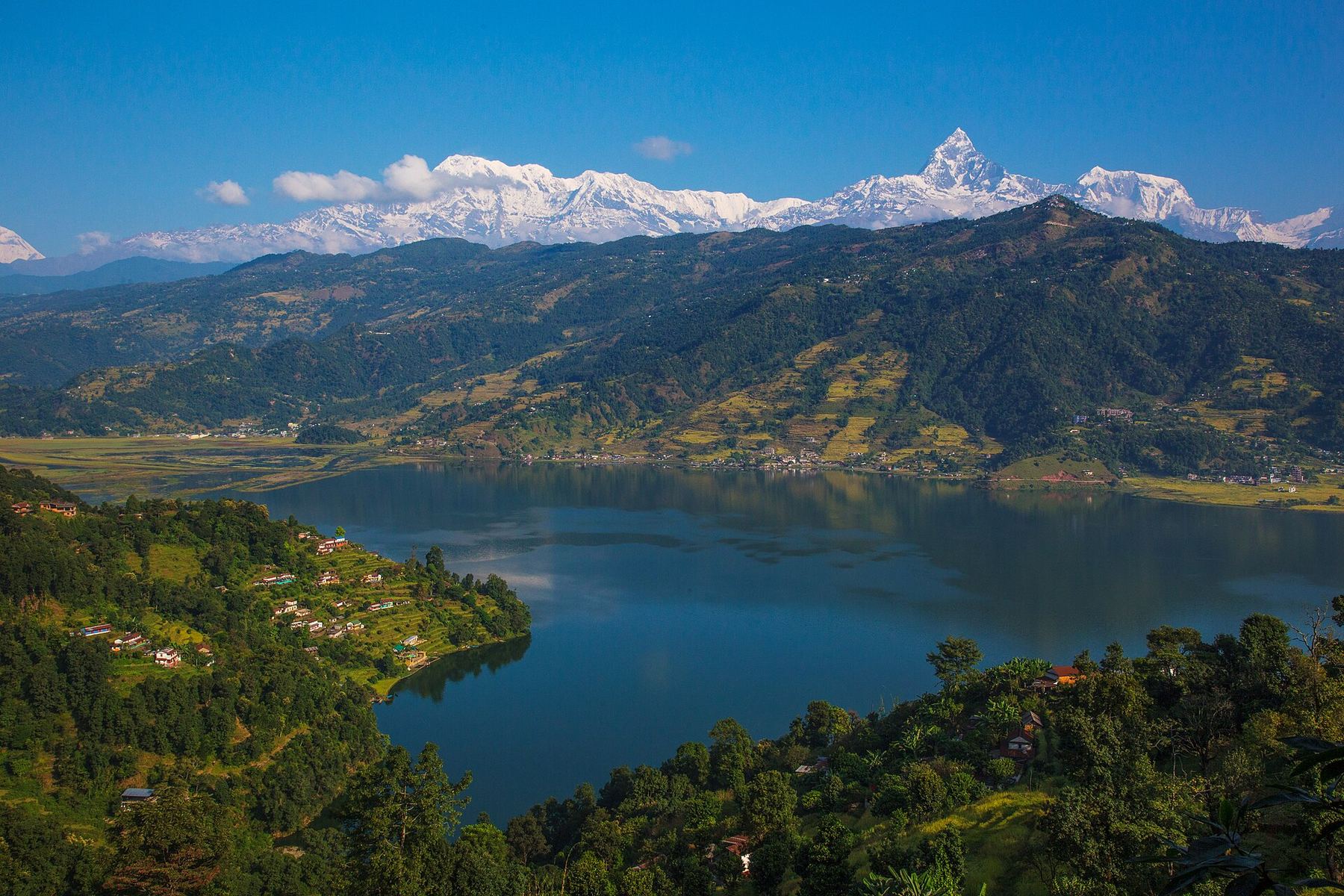
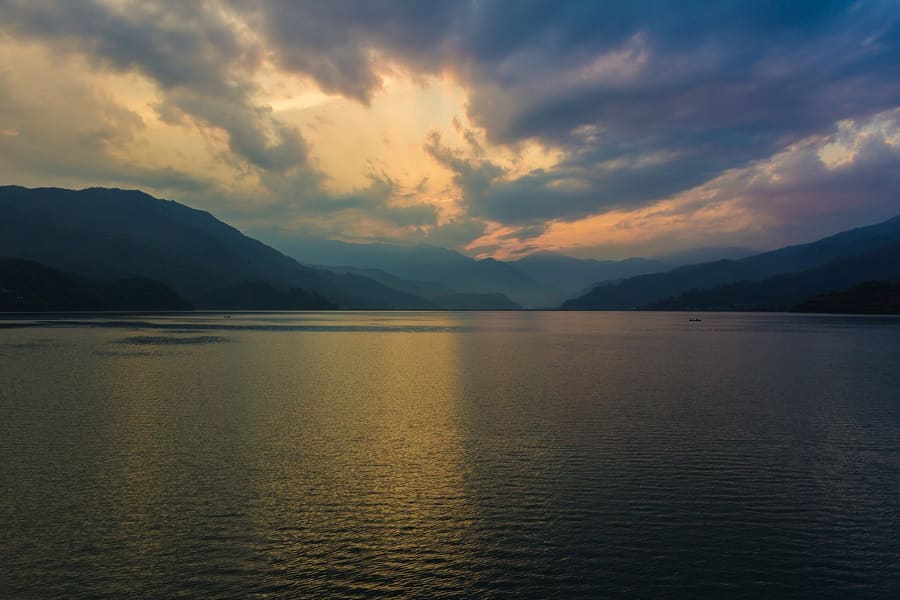
Phewa Lake
Hire a wooden doonga at Varahi ghat. Early morning rowboats avoid afternoon chop and wind on the water.
Tanya ParleyNepal
Nepal's trekking launchpad and lakeside retreat.
introduction
Pokhara is Nepal's staging ground for the Annapurna Circuit. The city splits between the tourist-heavy shore of Phewa Lake and the working bazaars of the old north. Peak season brings clear skies, mountain vistas, and heavy traffic along the main artery. You come here to prepare for the trail or to recover after finishing one.
Arrival trick
Pre-paid taxis inside Pokhara International Airport cost NPR 800 to Lakeside. Independent drivers outside charge similar rates after aggressive bargaining.
ACAP Permit Centre
Acquire Annapurna Conservation Area permits at the Damside office before trekking. Bring your passport, four photos, and cash in Nepalese Rupees.
Power and heat planning
Budget guest houses often lack solar water heating on overcast days. Book rooms with electric back-up heating if visiting between December and February.
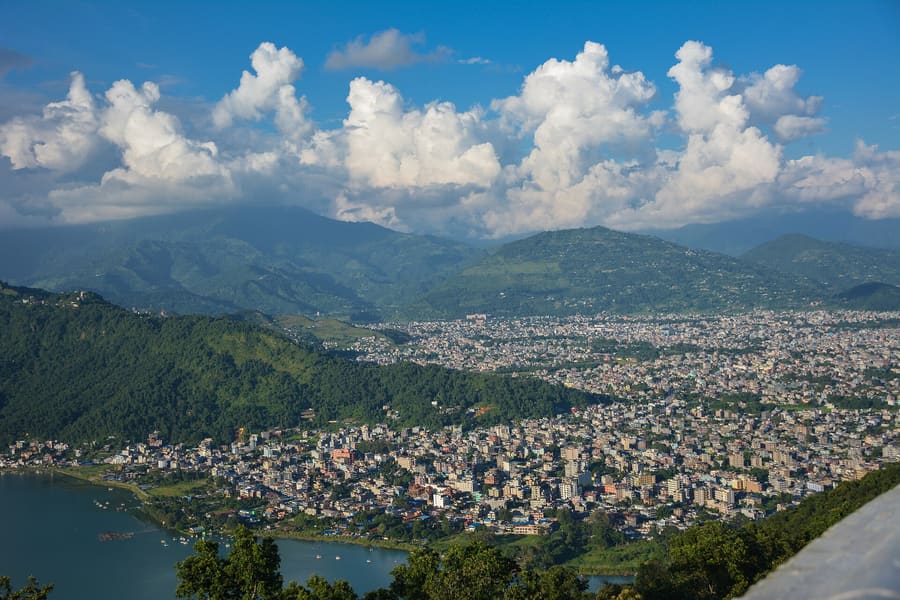
Pokhara
Utsab Raj Giri · CC BY-SA 4.0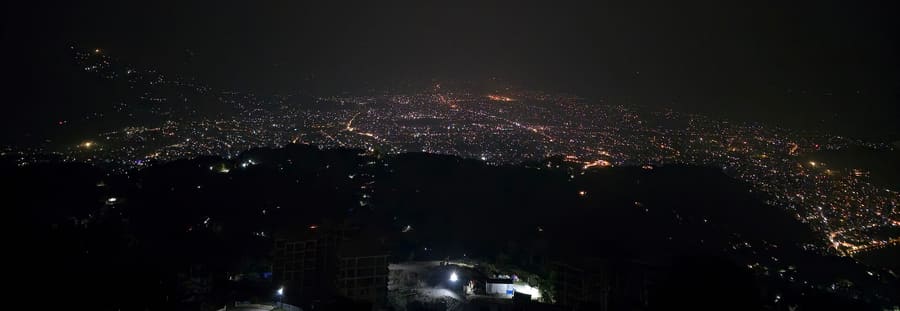
Old Pokhara — Traditional brick buildings, spice markets, and local hardware stores far from the tourist crowd.
Saddam19 · CC BY-SA 4.0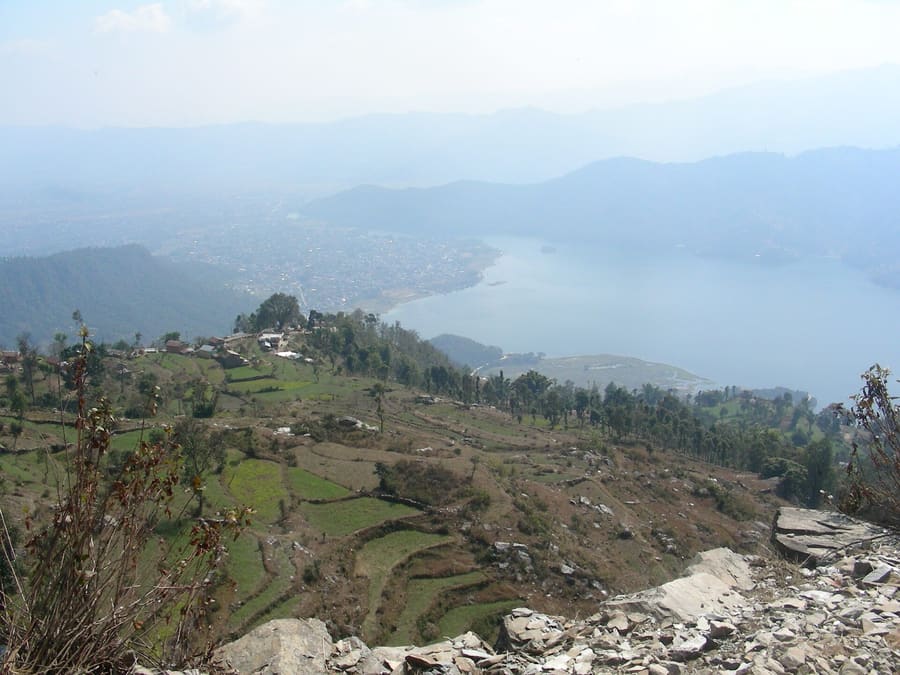
Sarangkot Hill — High ridge settlement geared toward sunrise watching and paragliding launch sites.
Tracy Hunter · CC BY 2.0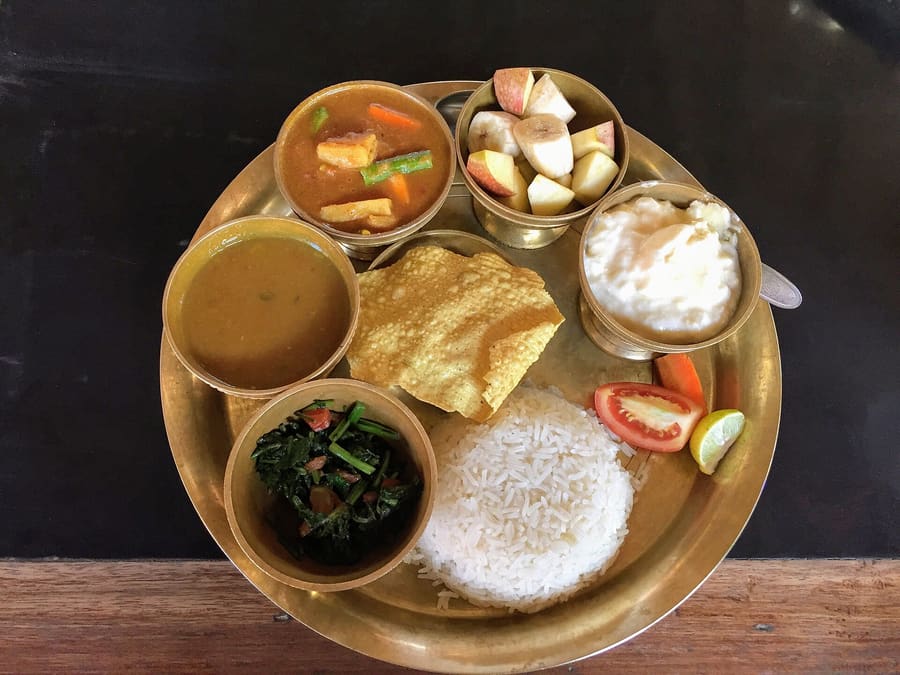
A standard Thakali dal bhat set with buckwheat, curry, lentils, and pickles.
Subhashish Panigrahi · CC BY-SA 4.0highlights
landmark
Hire a wooden doonga at Varahi ghat. Early morning rowboats avoid afternoon chop and wind on the water.
Tanya Parley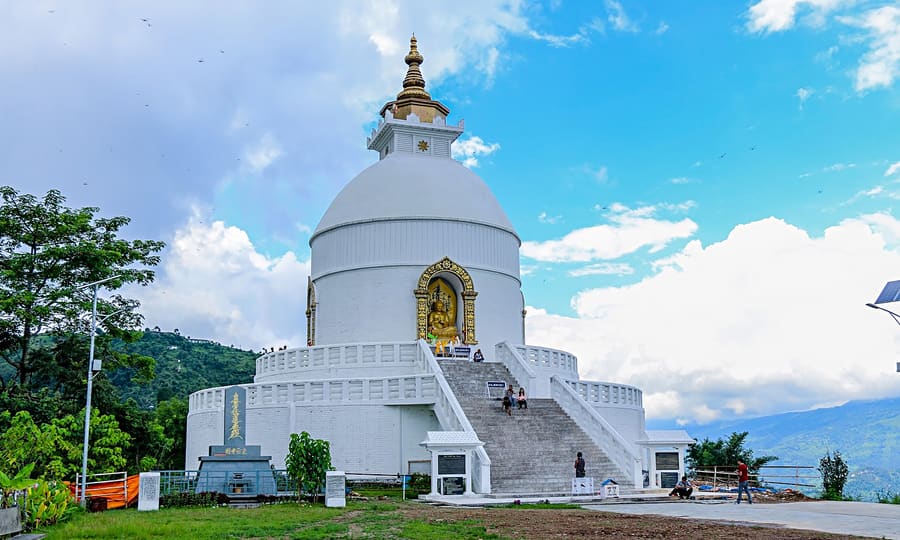
landmark
Reach it via a steep forest hike from Raniban or by taxi. Morning visits yield clearer views across the Annapurna range.
Tanya Parley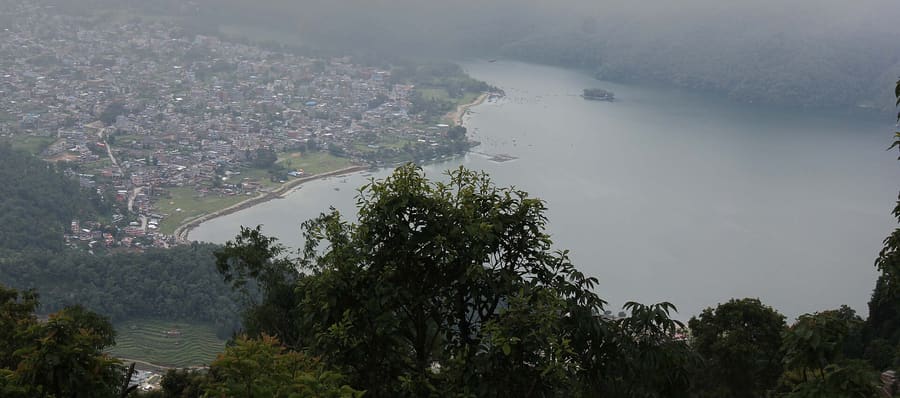
landmark
The ridge overlooks the Annapurna massif. Arrive before dawn to secure space on the viewing platforms before tour buses arrive.
Tanya Parley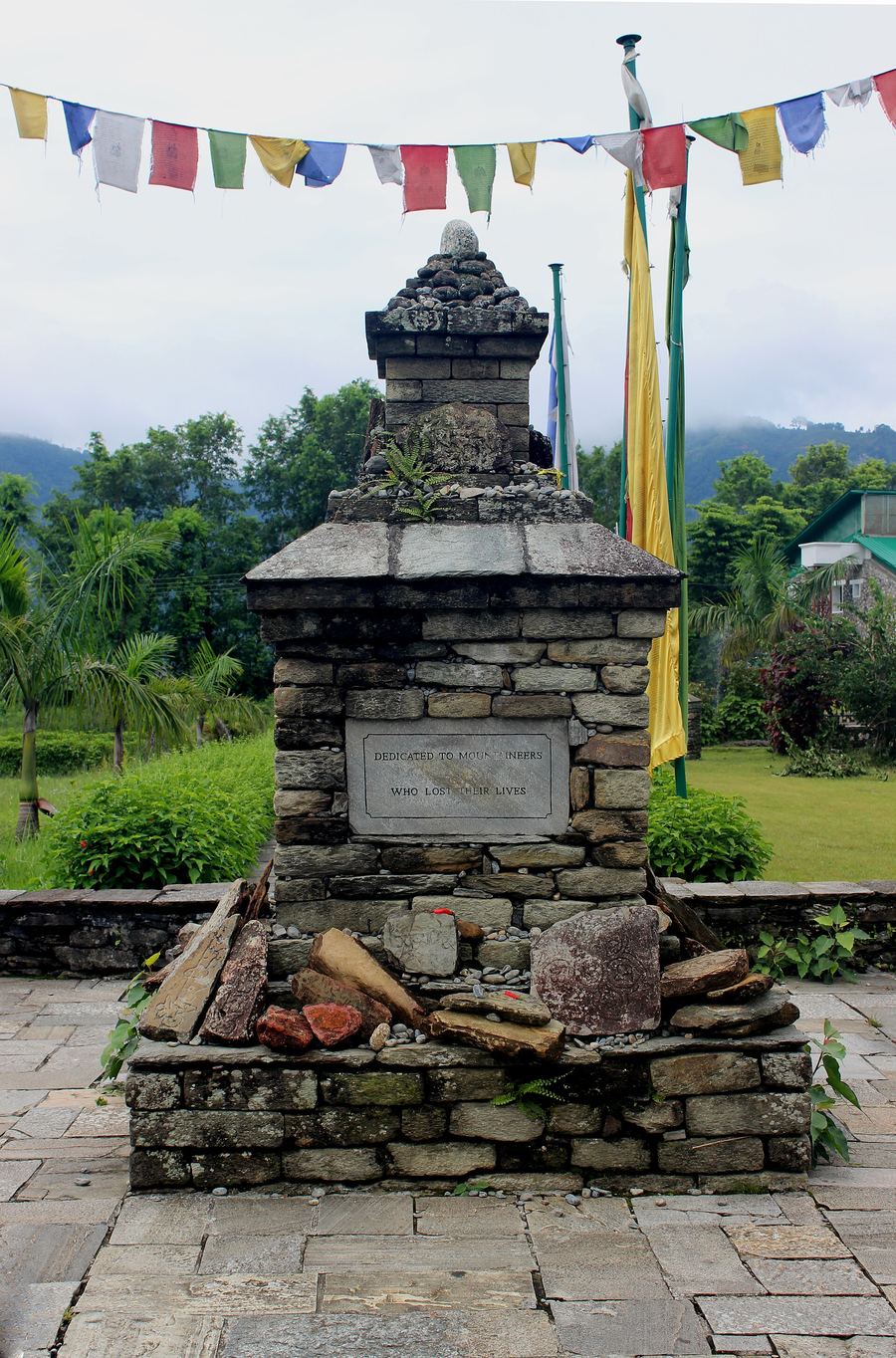
landmark
Exhibits document Himalayan mountaineering history and ethnic cultures. Visit on rainy afternoons when hill views are obscured.
Tanya Parley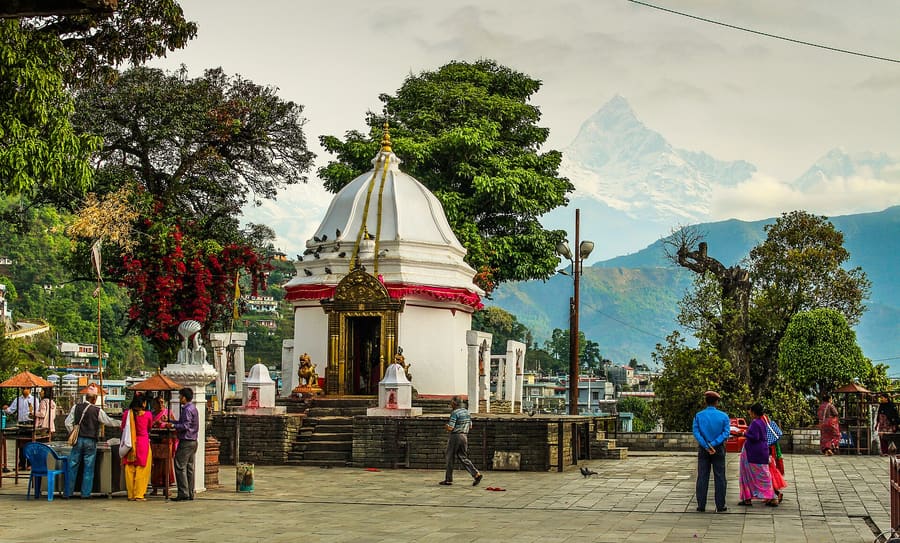
landmark
The hilltop shrine is the oldest in the valley. Walk up early to witness morning rituals without large tour crowds.
Tanya Parley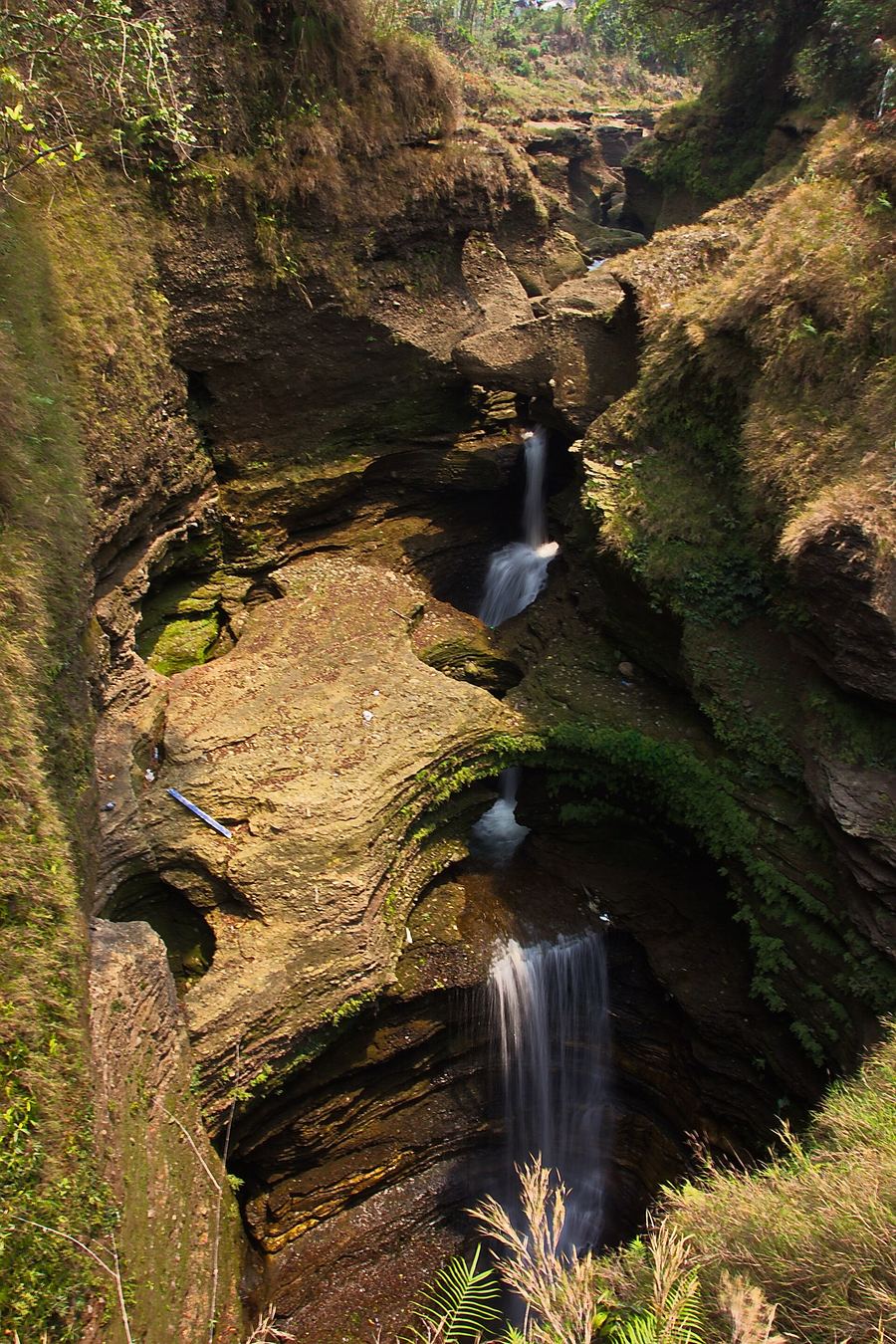
landmark
The Pardi Khola river plunges into an underground tunnel here. Visit during monsoon season when the water volume is at its peak.
Tanya Parleyattractions
areas
Traditional brick buildings, spice markets, and local hardware stores far from the tourist crowd.
DekatBindhyabasini Temple, Purano Bazar
Tanya ParleyHigh ridge settlement geared toward sunrise watching and paragliding launch sites.
DekatSarangkot Viewpoint, Paragliding take-off spots
Tanya ParleyTour gear shops, espresso bars, and boat rentals lining the eastern shore of Phewa Lake.
DekatPhewa Lake, Varahi Ghat, main bus ticket offices
Tanya ParleyQuiet residential quarter south of the spillway with view-focused mid-range guest houses.
DekatACAP Permit Office, Phewa Dam
Tanya Parleyfood
Eating in Pokhara centres on Thakali thali sets. Originating from the Kali Gandaki valley north of the city, Thakali cuisine features buckwheat, local ghee, dried wild hemp seed pickle, and slow-cooked lentils served with rice. The version eaten in Baidam targets trekkers needing high-calorie meals.Freshwater fish from Phewa Lake is cooked along Lakeside and Pame, typically deep-fried or grilled with local spices. European-style bakeries operate along Lakeside Road, catering to pre-dawn trekking departures.
A standard Thakali dal bhat set with buckwheat, curry, lentils, and pickles.
Subhashish Panigrahi · CC BY-SA 4.0Thakali kitchens along Lakeside supply unlimited rice and lentil refills standard with every order.
Kitchens in non-tourist quarters close by 20:30. Lakeside restaurants serve until 22:00.
Cards are accepted at upscale Western cafes in Lakeside, but Newari and Thakali dining halls take cash only.
history
Pokhara grew as a key stop on the trans-Himalayan trade route linking India and Tibet. Newar merchants from the Kathmandu Valley settled in Old Pokhara during the 18th century, constructing the brick storefronts still visible in Purano Bazar today.The opening of the Siddhartha Highway in 1968 ended the valley's overland isolation. The arrival of international trekkers in the 1970s shifted economic activity south from the historical trading bazaar to the shores of Phewa Lake.
Tibetan Settlement Established
Refugees fleeing Tibet build permanent settlements at Tashiling and Tashi Palkhel around Pokhara.
Siddhartha Highway Opens
The road connection to Sonauli on the Indian border cuts travel time from days to hours.
International Airport Opens
Pokhara International Airport opens to replace the older domestic airfield.
where to stay
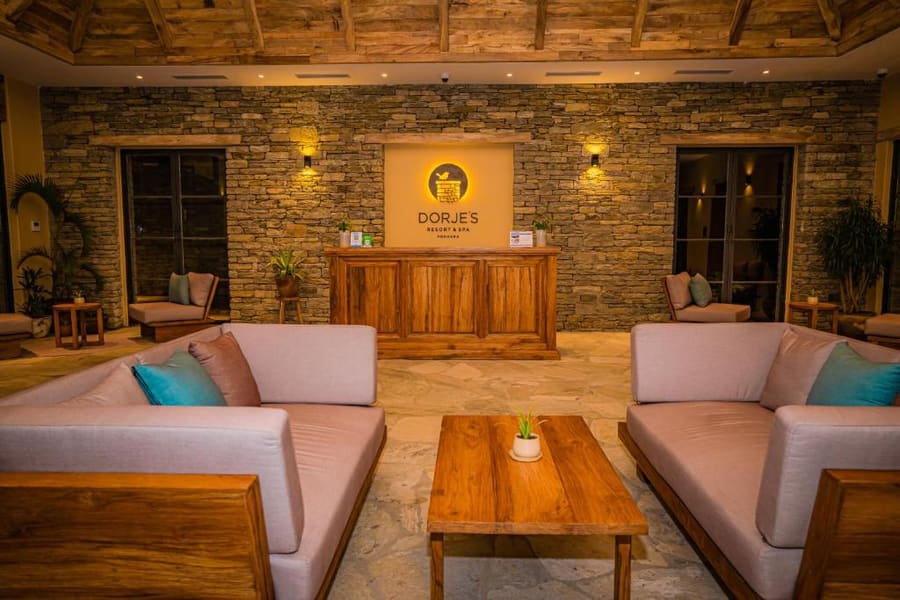
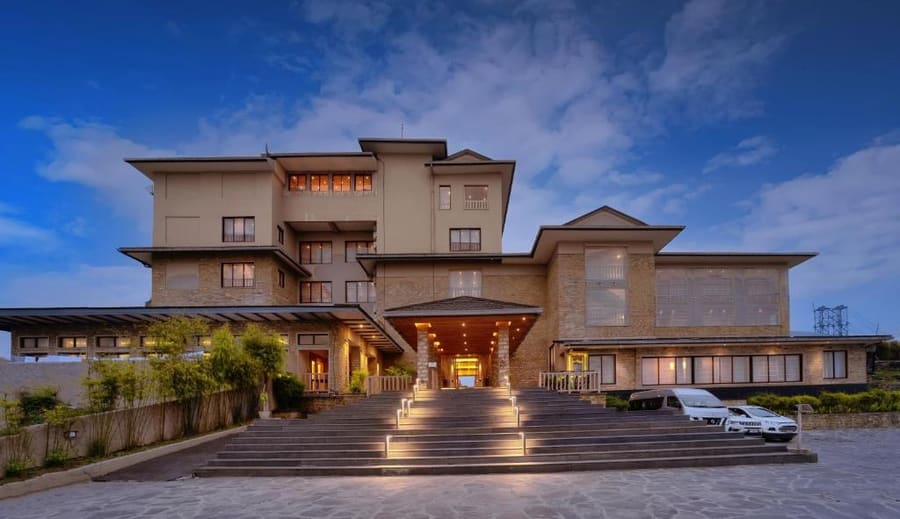
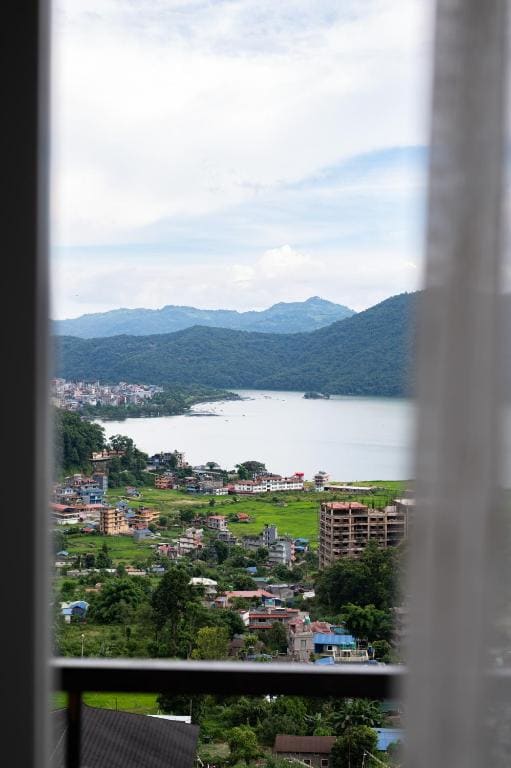
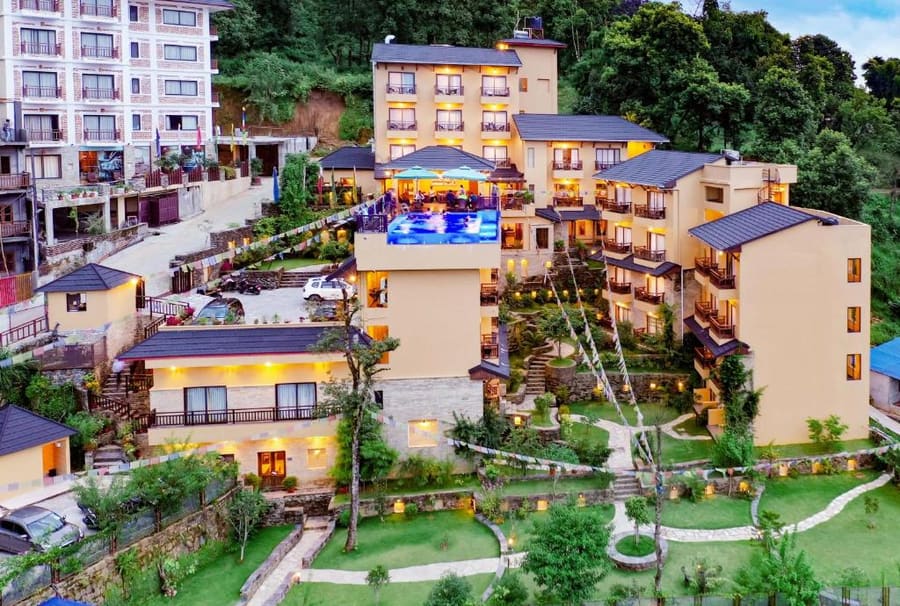
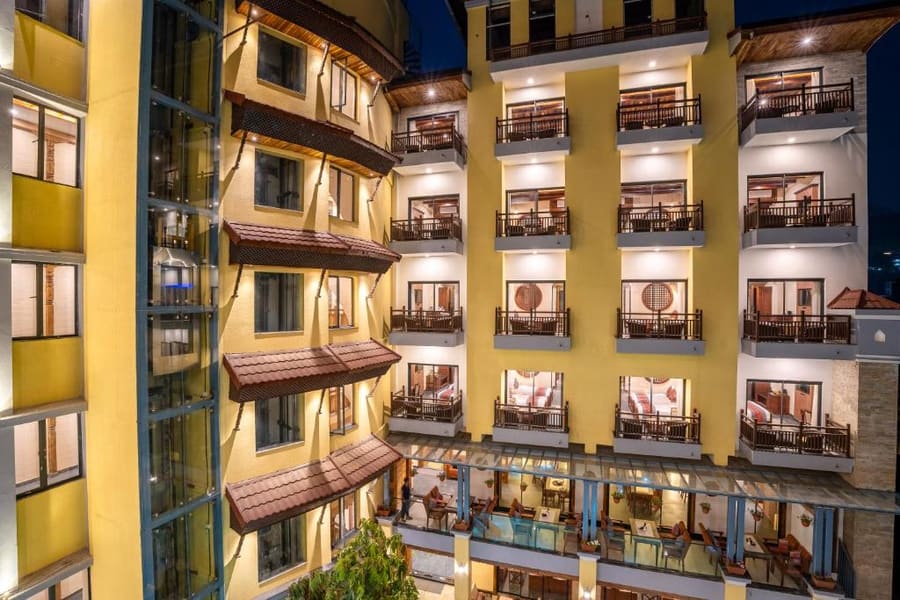
Base your hotel decision on your mobility needs and noise tolerance. Central Lakeside puts restaurants and trek shops at your doorstep, but late-night bar music persists until midnight. Dam Side offers quieter guest houses close to trail permit offices. Sarangkot requires extra transit time but delivers mountain views directly from your window.
Live rates, matched to the areas above.
transport
Central Pokhara is walkable along the main Lakeside strip. Local public mini-buses run along the north-south axis from Chhipledhunga down to Dam Side, but they carry no English route signs. Taxis do not use meters for foreign travelers; settle on the price before sitting down.
Dari Pokhara International Airport (PKR)
Standard fixed rate from airport counters to central Lakeside accommodation.
Local city buses stop on the main road outside the airport gate.
Drivers rarely engage meters. Settle a flat fee before loading your backpack into the boot.
Scooter rental shops along Lakeside charge around NPR 1,000 to NPR 1,500 per day plus fuel.
Tourist buses leave from the Tourist Bus Park near Dam Side daily between 07:00 and 07:30.
cost
Pokhara operates largely on cash outside major hotel chains. ATMs in Lakeside frequently run out of notes during peak trekking months in October and November. Keep extra paper currency on hand when returning from the mountains.
Price depends on choosing vegetable, chicken, or mutton options.
Includes life jackets and a dedicated rower from official boat stands.
Local knock-off gear sold across stores in Baidam.
Standard fare between Lakeside and Old Pokhara bazaar.
seasonality
SEP – NOV
Post-monsoon skies offer clear mountain views. Trekking routes and Lakeside hotels operate at maximum capacity.
DEC – FEB
Cold mornings and haze obscure peak views. High passes carry snow, but Pokhara city remains dry.
MAR – MAY
Spring blooms bring rhododendrons on trail approaches. Dust and haze increase late in the afternoon.
JUN – AUG
Monsoon rains bring heavy downpours, landslips on access roads, and leeche-infested trails.
practicalities
Nepalese ATMs charge a flat transaction fee of NPR 500 to NPR 750 on foreign cards.
Tap water is unsafe for drinking. Use filtration bottles or buy treated water refills at shop stations.
Always register your trek itinerary with your home embassy or local contact before departing Pokhara.
Inspect zippers, down fill, and seams thoroughly before taking rented sleeping bags out of Lakeside shops.
Buy Ncell or Nepal Telecom SIM cards at the airport or Lakeside using your original passport and a passport photo.