landmark
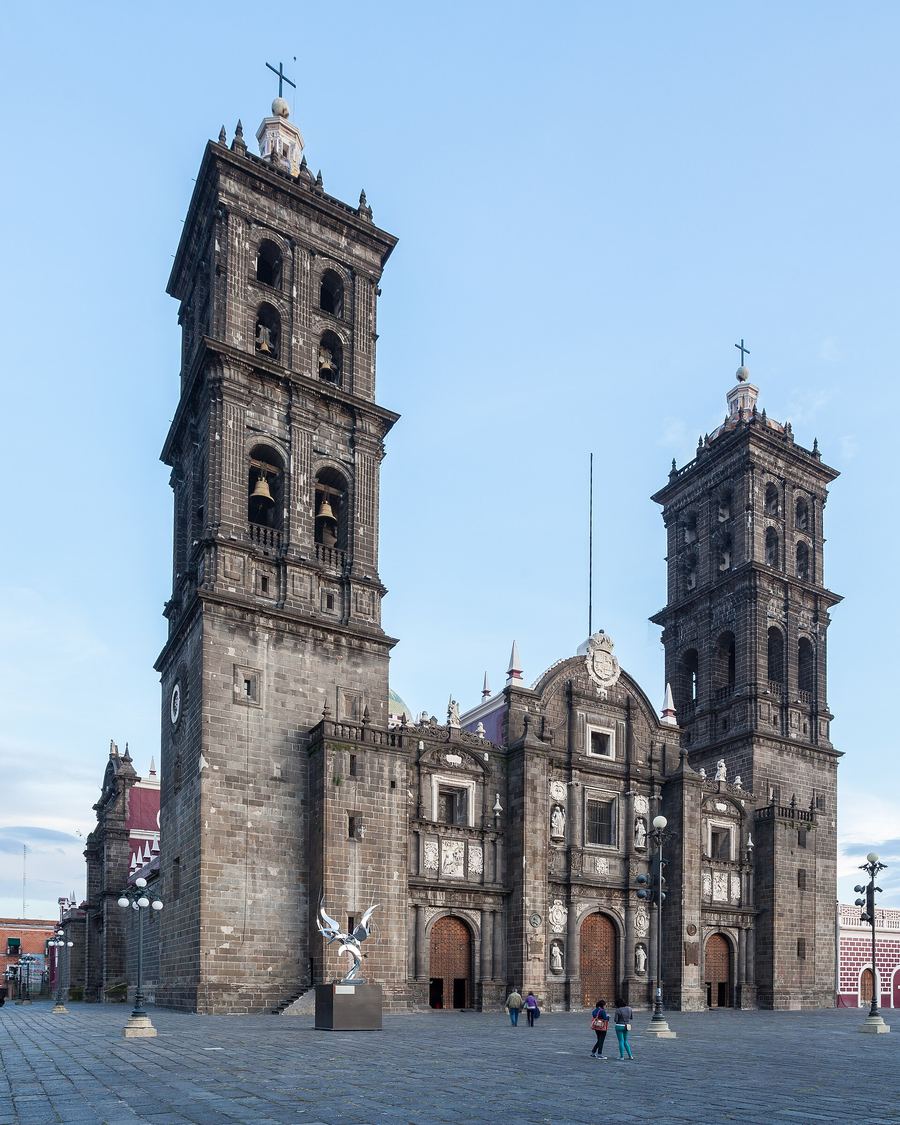
Puebla Cathedral
The twin 69-meter towers dominate the skyline. Step inside before 12:00 for optimal sunlight through the octagonal dome.
Tanya ParleyMeksiko
Colonial tile facades, volcano views, and serious cooking.
introduction
Puebla sits in a high valley flanked by twin volcanoes two hours east of Mexico City. Its historic core operates on a strict numerical grid lined with 16th-century mansions and Talavera tile facades. You move through the city on foot downtown, switching to rideshares or transit to reach outlying districts. Expect complex moles, ornate Baroque interiors, and a distinct regional pace.
CAPU Terminal Connection
Buses from Mexico City TAPO terminal arrive directly at CAPU terminal in Puebla every 20 minutes. Skip driving through valley traffic.
UNESCO Historic Center
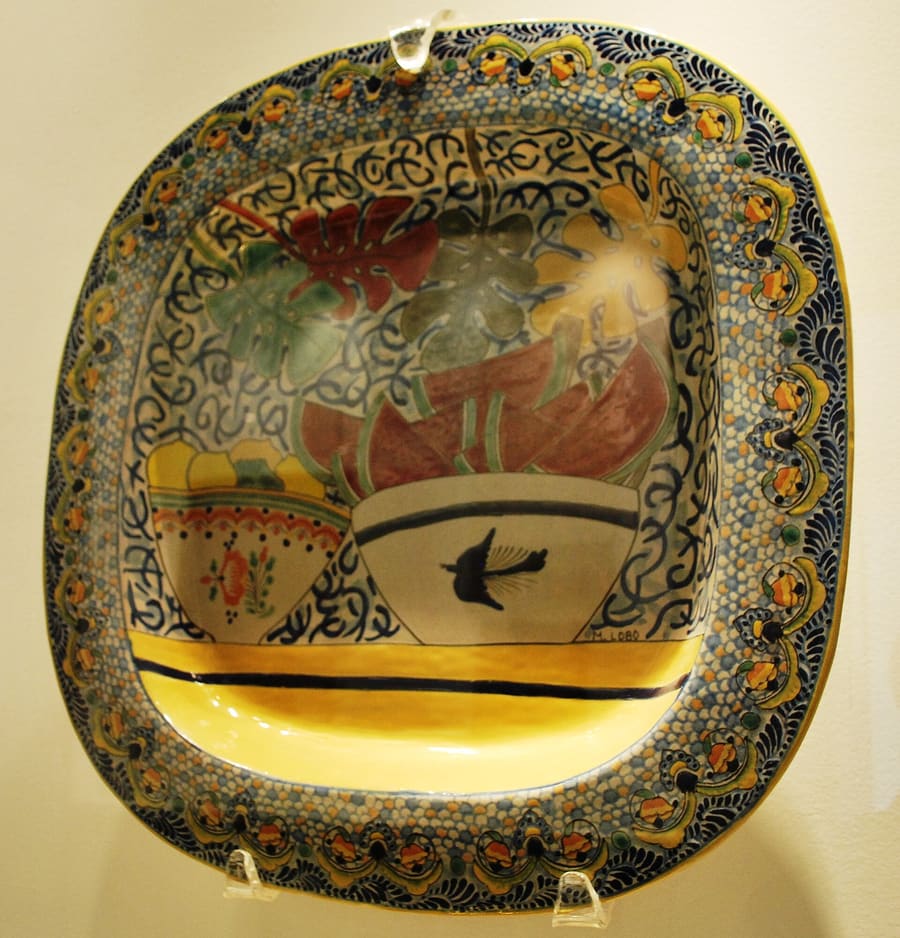
Puebla's grid center became a UNESCO World Heritage site in 1987. Over 2,600 historic buildings retain original Talavera tile facades.
Sunday Street Closures
Avenida Reforma closes to motor traffic on Sunday mornings. Rent a bike or walk the central axis without vehicular noise.
Puebla
AlejandroLinaresGarcia · CC BY-SA 4.0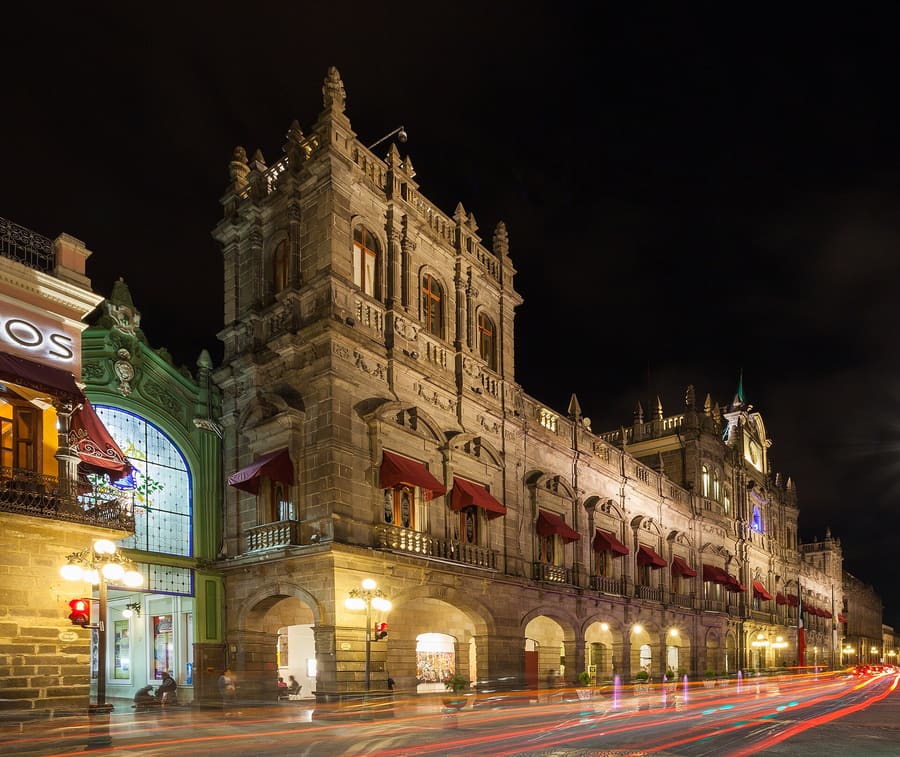
Centro Histórico — Grid streets lined with colonial tile facades, quiet courtyards, and busy pedestrian corridors.
Diego Delso · CC BY-SA 3.0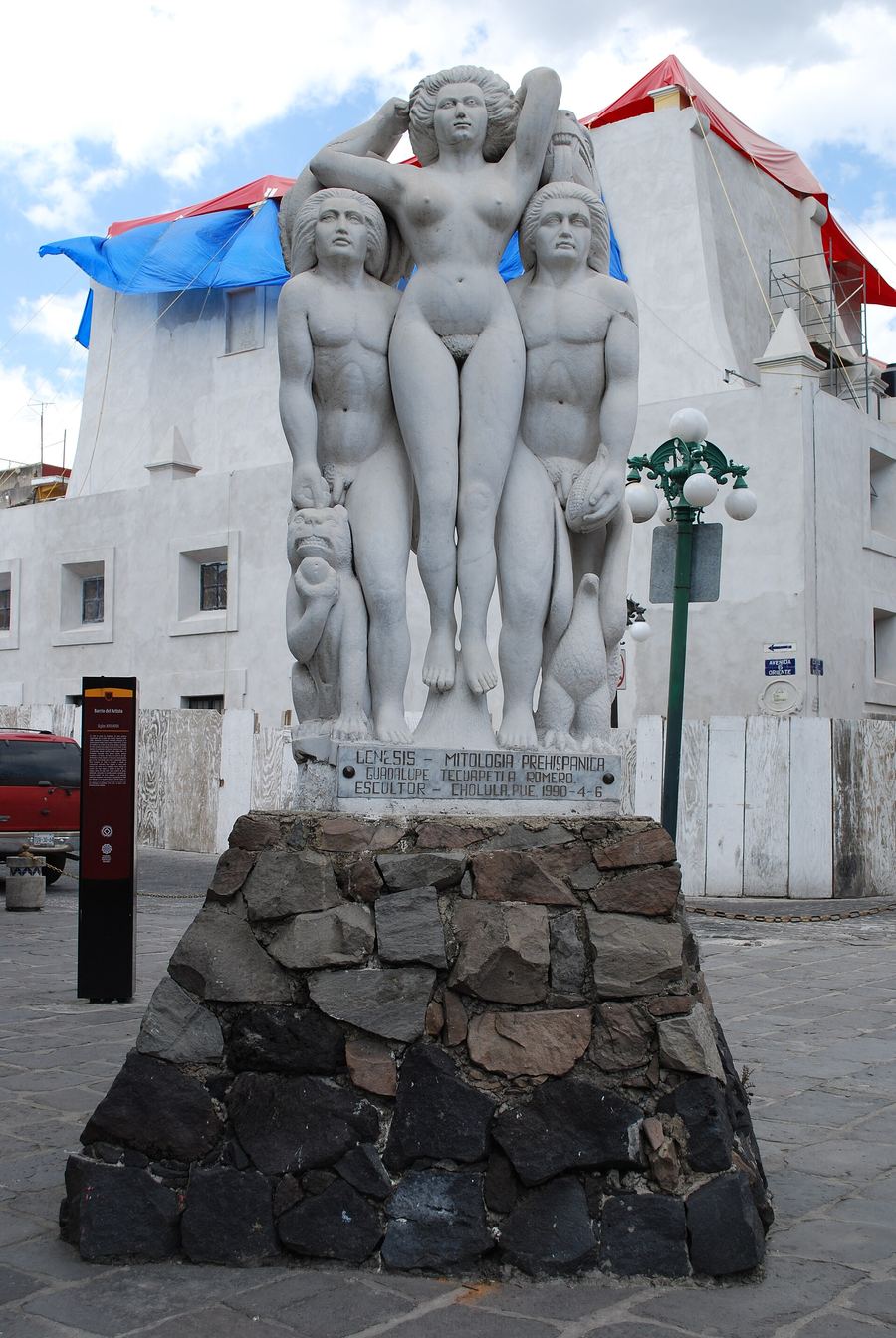
Barrio del Artista & El Alto — Open-air art studios, traditional pulquerías, and late-night mariachi music around Mercado El Alto.
AlejandroLinaresGarcia · CC BY-SA 4.0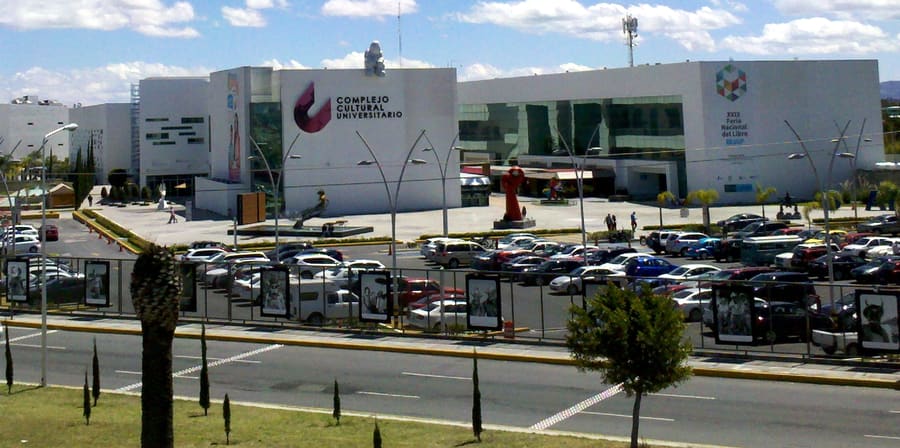
Angelópolis — Wide boulevards, glass high-rises, shopping complexes, and modern public parks.
CUTI1 · CC BY-SA 4.0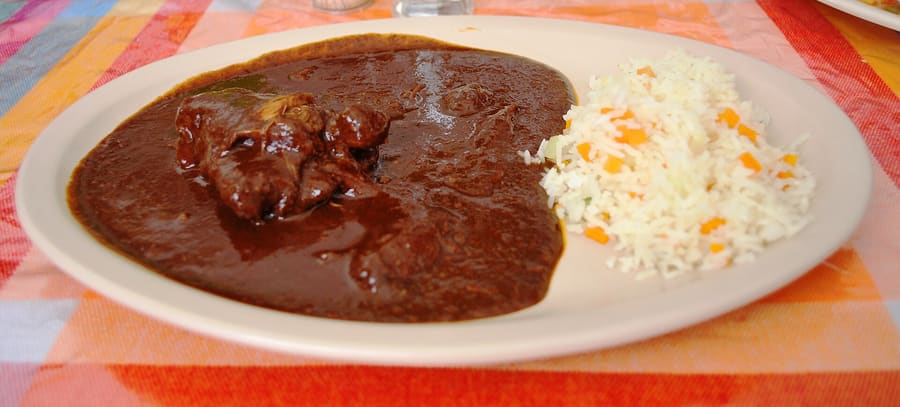
A traditional plate of mole poblano topped with sesame seeds.
AlejandroLinaresGarcia · CC BY-SA 4.0highlights
landmark
The twin 69-meter towers dominate the skyline. Step inside before 12:00 for optimal sunlight through the octagonal dome.
Tanya Parley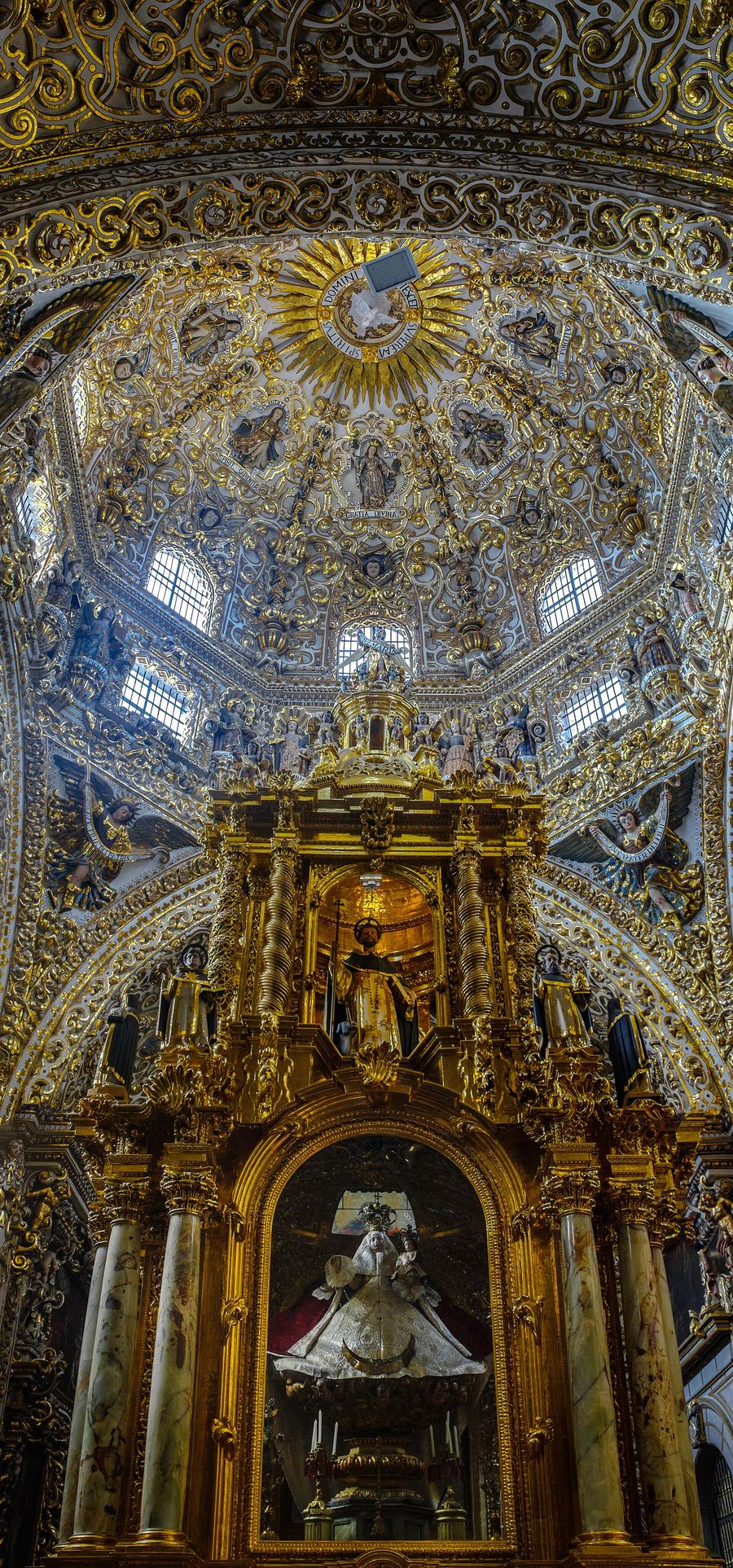
landmark
Every surface inside this 17th-century chapel glows with gilded stucco. Enter early in the morning to beat tour groups.
Tanya Parley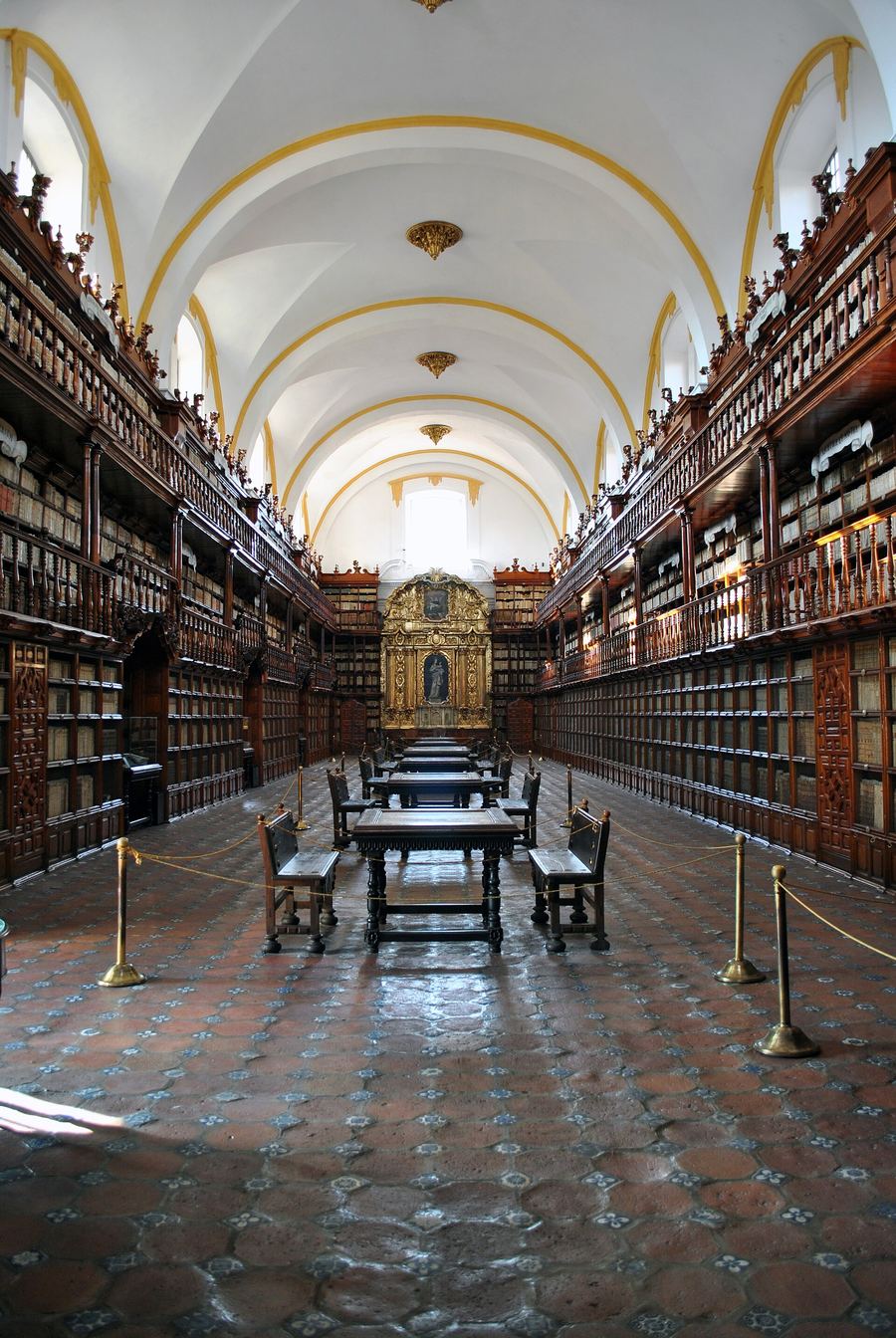
landmark
The Americas' first public library holds over 45,000 historic texts. Pay the entry fee at the Casa de la Cultura desk.
Tanya Parley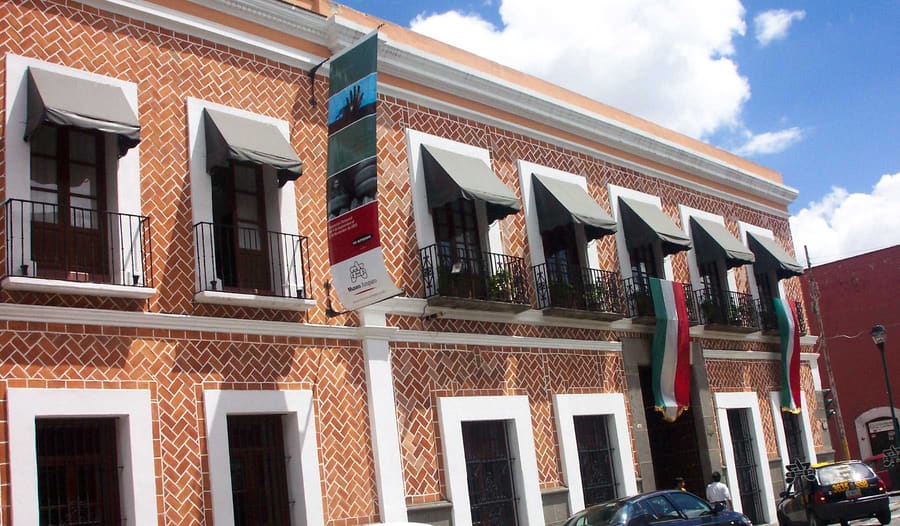
landmark
Pre-Hispanic artifacts fill modern glass cases. Take the elevator to the rooftop café for unobstructed church tower views.
Tanya Parley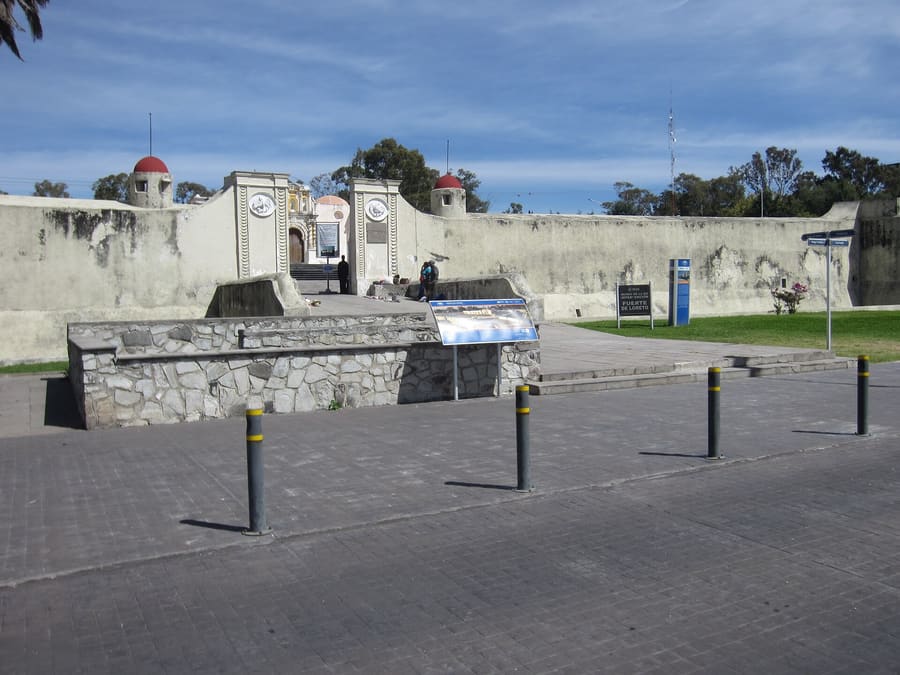
landmark
The hilltop forts where Mexican forces defeated the French in 1862. Ride the nearby cable car for panoramic views of the city.
Tanya Parleyattractions
areas
Grid streets lined with colonial tile facades, quiet courtyards, and busy pedestrian corridors.
DekatCathedral, Zócalo, and main museums
Tanya ParleyOpen-air art studios, traditional pulquerías, and late-night mariachi music around Mercado El Alto.
DekatEl Parián market and Teatro Principal
Tanya ParleyWide boulevards, glass high-rises, shopping complexes, and modern public parks.
DekatEstrella de Puebla and International Museum of the Baroque
Tanya ParleyResidential hills with mid-century houses, shaded avenues, and quiet neighborhood dining.
DekatAvenida Juárez restaurant strip
Tanya Parleyfood
Puebla's kitchen developed in colonial convent stoves, blending European pork and dairy with indigenous chilies and chocolate. Mole poblano requires over twenty ingredients cooked down to a dark sauce served over poultry. Cemitas—crisp sesame rolls stuffed with avocado, papalo herb, quesillo cheese, and fried cutlets—provide the city's standard mid-day meal. Street stalls around Mercado El Carmen fry chalupas in lard and top them with simple green or red salsa.
A traditional plate of mole poblano topped with sesame seeds.
AlejandroLinaresGarcia · CC BY-SA 4.0Traditional restaurants cook mole early in the morning. Order it between 13:00 and 16:00 when the sauce is freshest.
Cemitería Las Poblanas serves heavy sesame rolls loaded with quesillo and papalo herb from 10:00 daily.
Calle 6 Oriente stocks traditional convent candy like camotes and tortitas de Santa Clara in family shops.
history
Unlike neighboring cities built on indigenous ruins, Puebla was established in 1531 as a planned Spanish city on the trade route between Veracruz and Mexico City. It became Mexico's primary center for ceramic tile production, adapting techniques from Talavera de la Reina. On May 5, 1862, General Ignacio Zaragoza defeated invading French forces at the forts of Loreto and Guadalupe, securing Puebla's place in national memory.
City founded
Spanish colonial authorities establish Puebla de los Ángeles on an unpopulated plain.
Library opened
Bishop Juan de Palafox y Mendoza donates his personal collection, founding the Biblioteca Palafoxiana.
Battle of Puebla
General Zaragoza successfully defends the city against French forces on the Cinco de Mayo.
UNESCO designation
The historic center gains UNESCO World Heritage status for its preserved colonial tile architecture.
where to stay
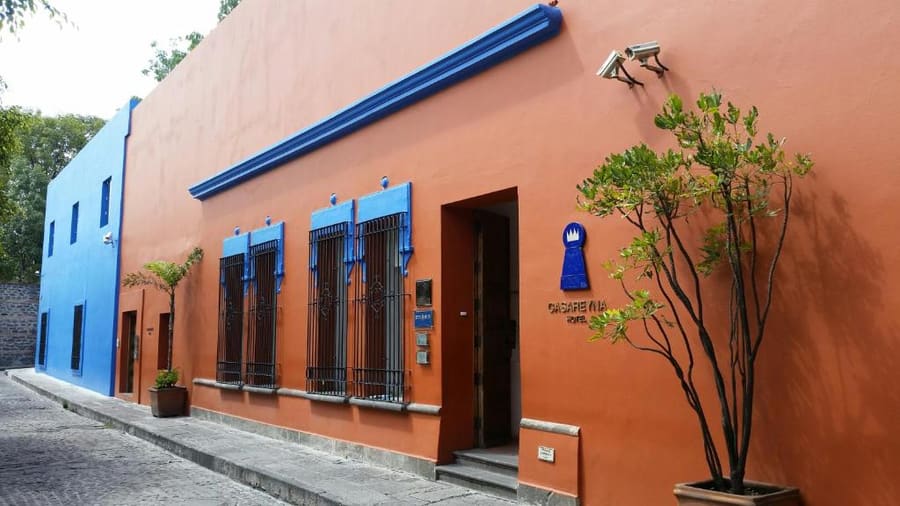
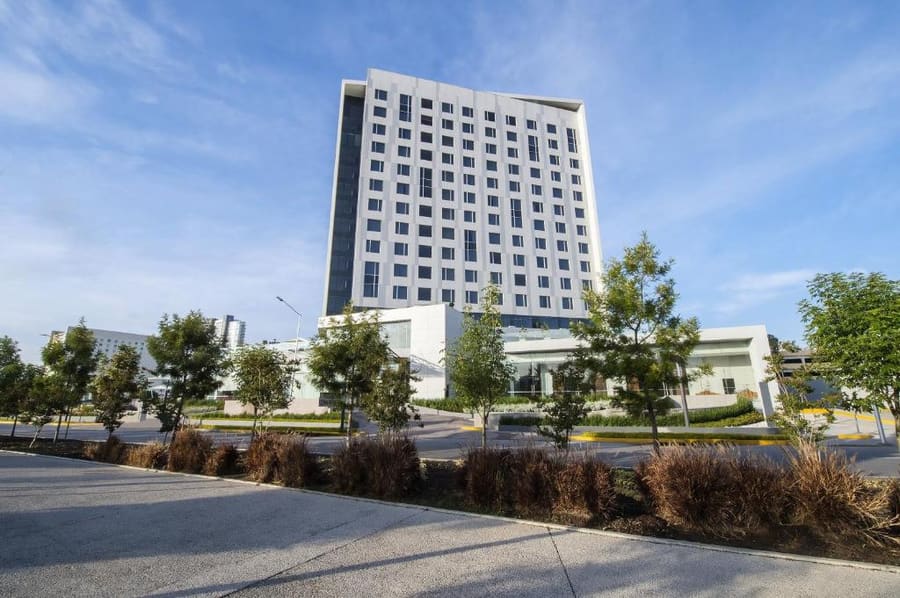
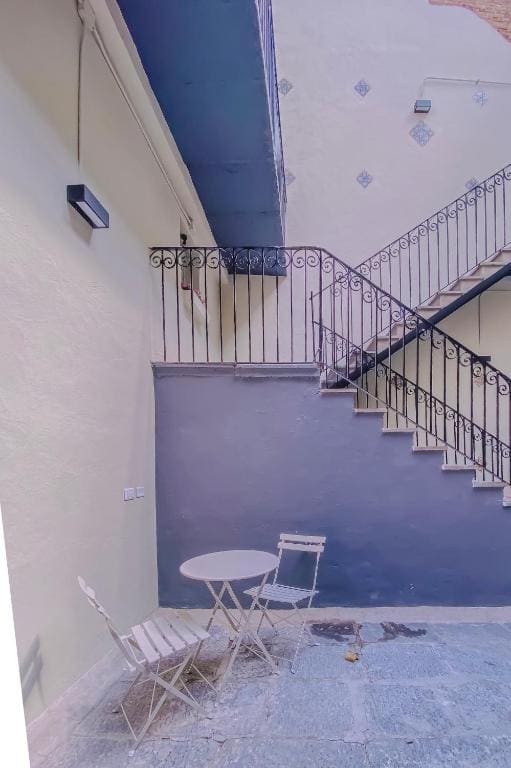
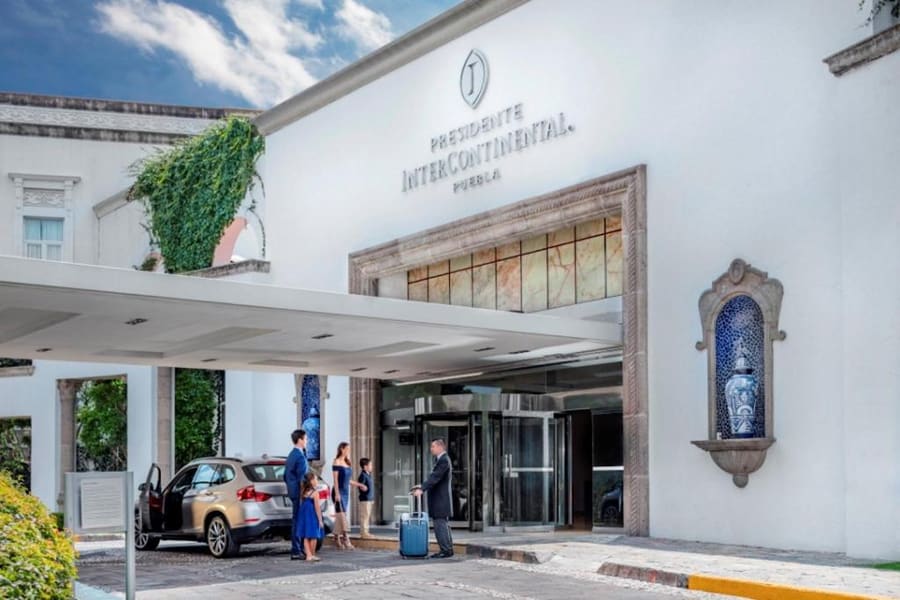
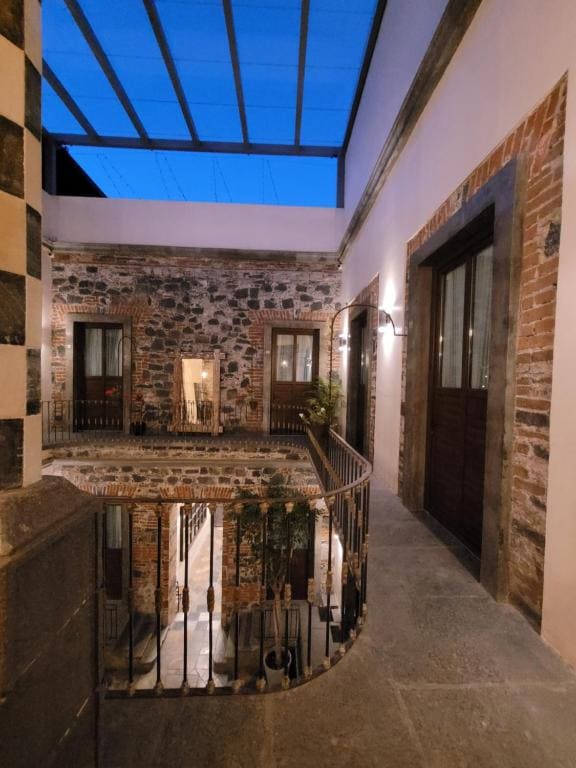
Choose your base by your preferred pace. Stay in Centro Histórico if you want to walk to major landmarks and eat at local comedores within five minutes of waking up. Pick La Paz or Angelópolis if you prefer modern hotel amenities, lower street noise, and easy vehicle access.
Live rates, matched to the areas above.
transport
Central Puebla is extremely walkable along its numbered street grid. Streets running east-west are designated Poniente and Oriente, while north-south streets are Norte and Sur. Regional public transit relies on the RUTA bus rapid system, which uses pre-paid smart cards for dedicated transit lanes.
Line 1 and Line 2 require a reloadable RUTA card bought at station turnstiles; drivers do not take cash.
Even-numbered streets lie north and east of the Zócalo; odd-numbered streets lie south and west.
Buses and taxis stall between 18:00 and 20:00 on central east-west corridors.
Ask your hotel desk to phone a sitio taxi after midnight rather than hailing on dark streets.
cost
Puebla offers high value compared to Mexico City. High-end dining and boutique hotels cost significantly less than capital equivalents, while street food and local museum entry remain inexpensive.
Generous mid-day sandwich at local market stalls.
Standard portion at traditional sit-down restaurants downtown.
Standard entry ticket for municipal and state historical sites.
Single journey price across all bus rapid transit lines.
seasonality
NOV – FEB
Clear skies and crisp nights. Pack a heavy jacket for cold mountain evenings.
MAR – MAY
Warmest months with afternoon sun. Cinco de Mayo parades pack the city in early May.
JUN – SEP
Rainy season brings heavy afternoon downpours. Plan outdoor sightseeing before 14:00.
OCT – OCT
Day of the Dead preparations fill markets with marigolds and specialized pan de muerto.
practicalities
Puebla sits at 2,135 meters. Drink plenty of water and expect extra fatigue on your first day.
Most state museums and historic sites close every Monday for maintenance.
Craft vendors at El Parián and street sweet shops on Calle 6 Oriente rarely accept credit cards.
Cholula is a separate municipality 10km west. Reach it via local bus or 20-minute rideshare.
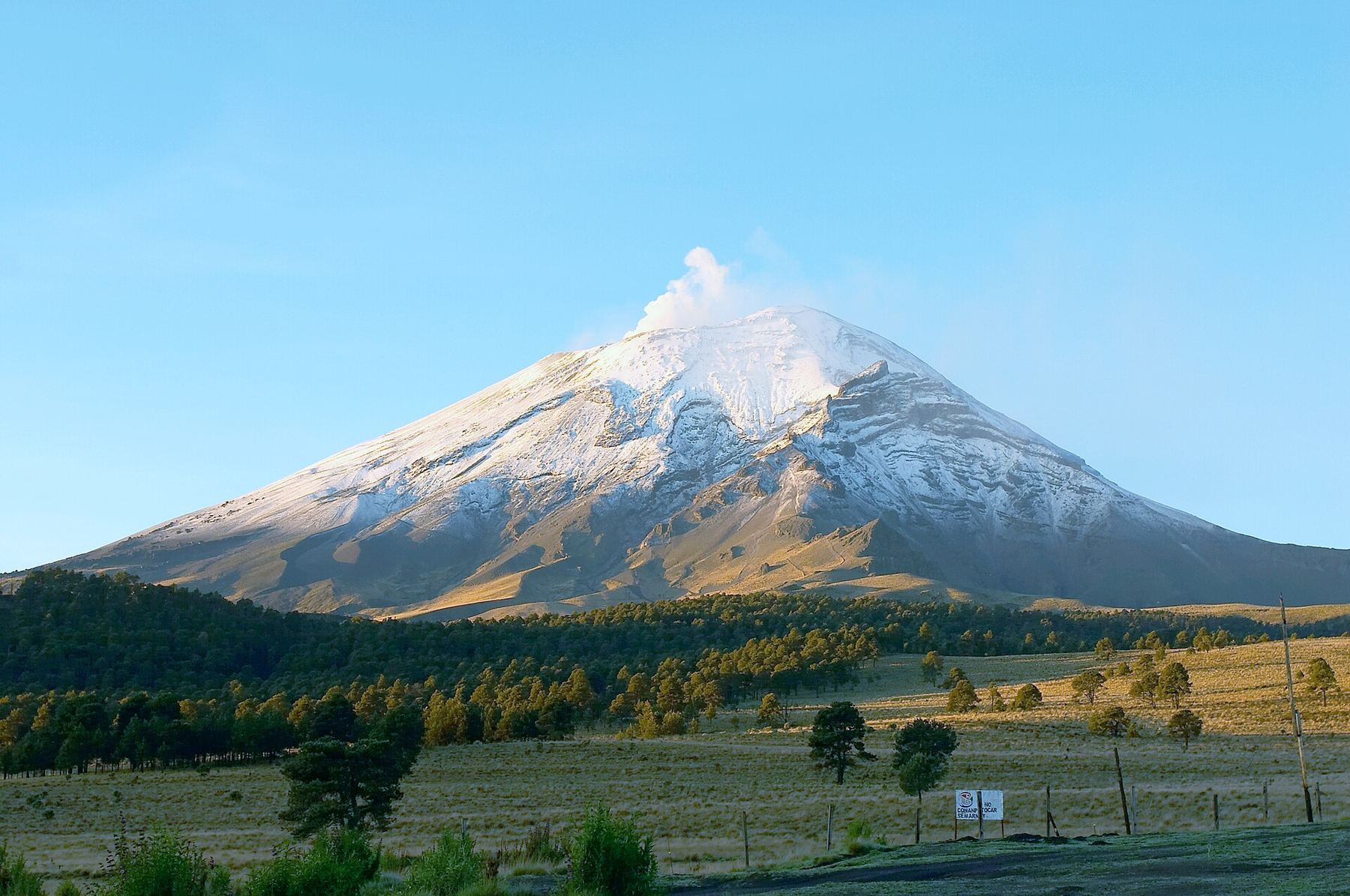
Popocatépetl and Iztaccíhuatl are clearest before 09:00 before afternoon smog settles.