landmark
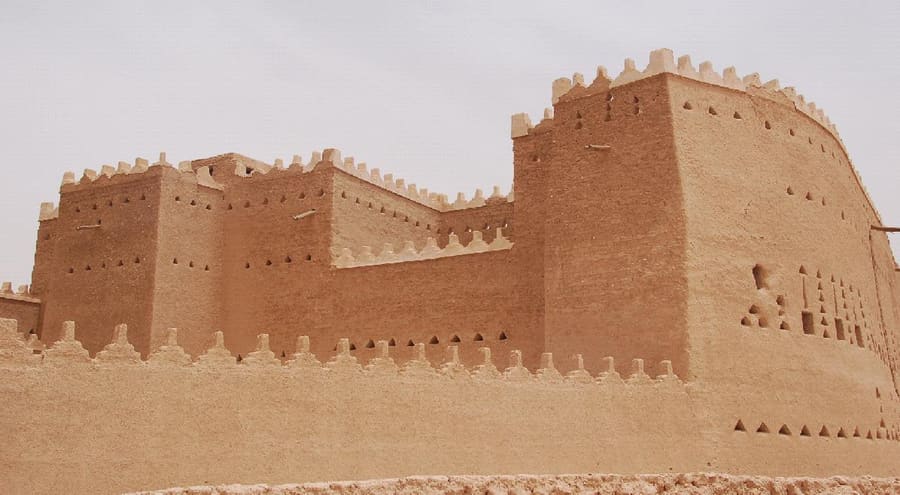
At-Turaif
The mud-brick birthplace of the Saudi state. Reserve your entry pass online before visiting Bujairi Terrace.
Tanya ParleyArab Saudi
Modern scale meets mud-brick history in the Nejd desert.
introduction
Riyadh spreads outward across vast desert distances rather than around a walkable core. You navigate the city by car along multi-lane highways connecting distinct commercial hubs. High-end modern districts sit minutes from quiet traditional quarters, with life shifting outdoors only after sunset. Planning your days around specific clusters saves hours in traffic.
UNESCO Heritage at Diriyah
At-Turaif in Diriyah is a restored 15th-century mud-brick citadel and UNESCO World Heritage site.
Reserve Evening Dining
Riyadh eats late. Tables in Hittin and Bujairi Terrace fill up after 21:00, so book restaurants two days ahead.
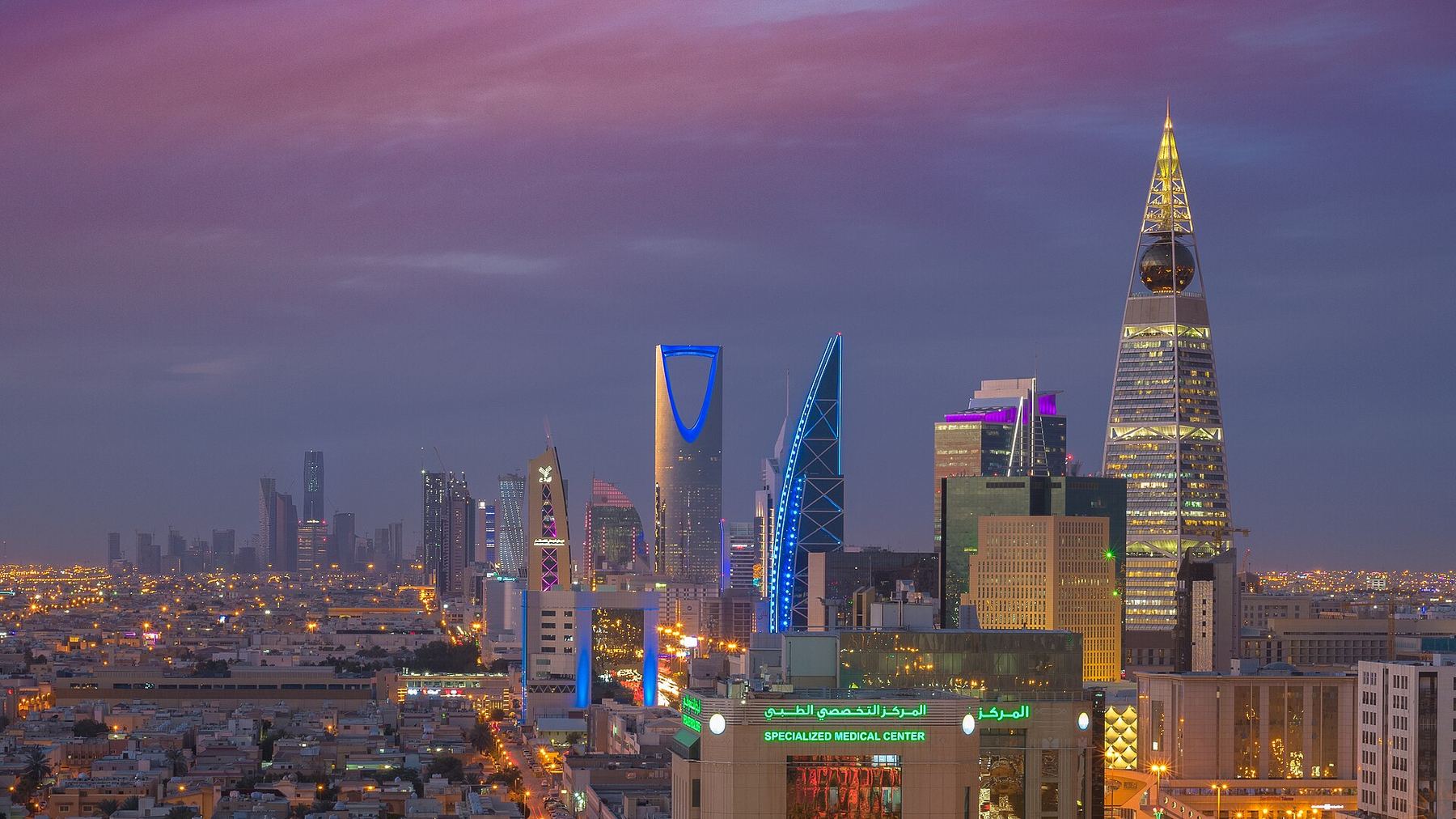
Riyadh
Luke Richard Thompson · CC BY-SA 4.0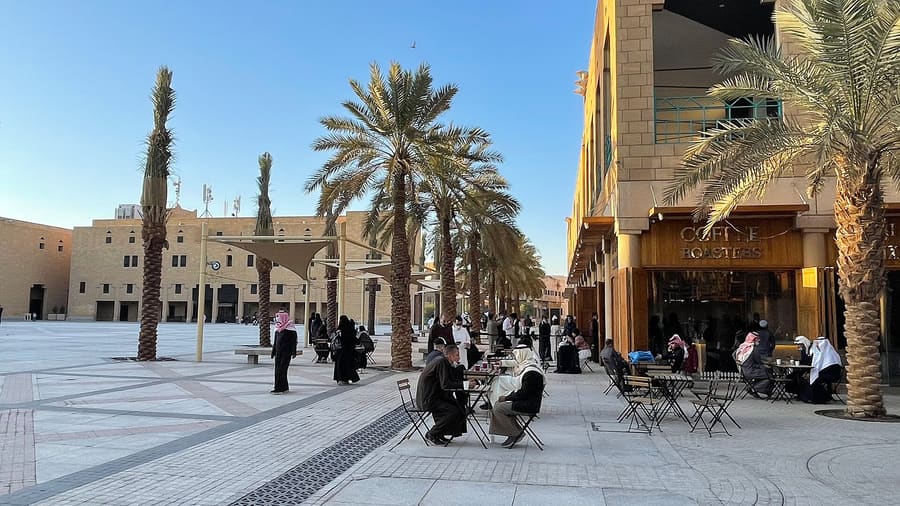
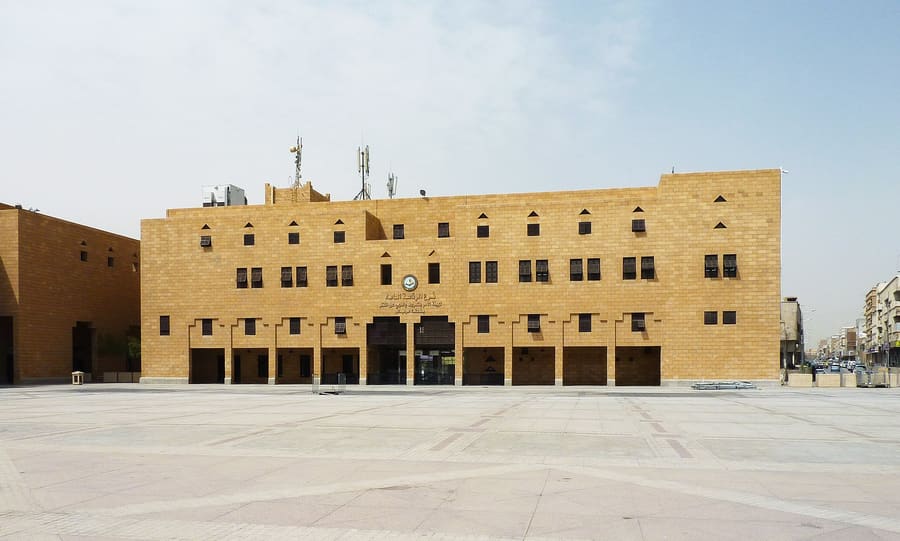
Al-Dira — Old city core of low-rise markets, spice stalls, and historic forts.
MEnomad · CC BY-SA 4.0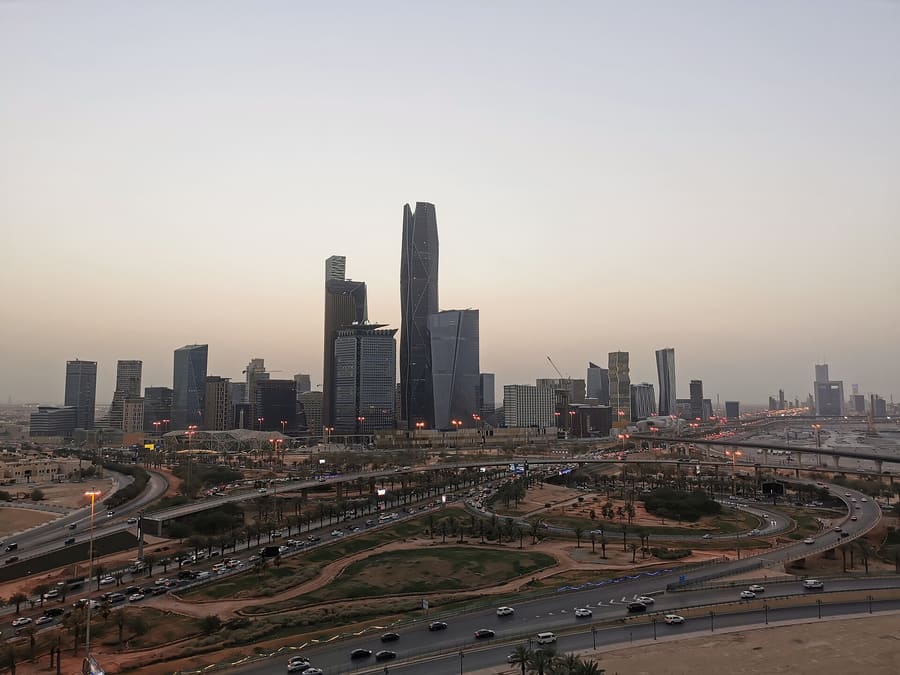
KAFD — Pedestrian-friendly financial district with striking modern architecture.
Ahmed · CC BY-SA 4.0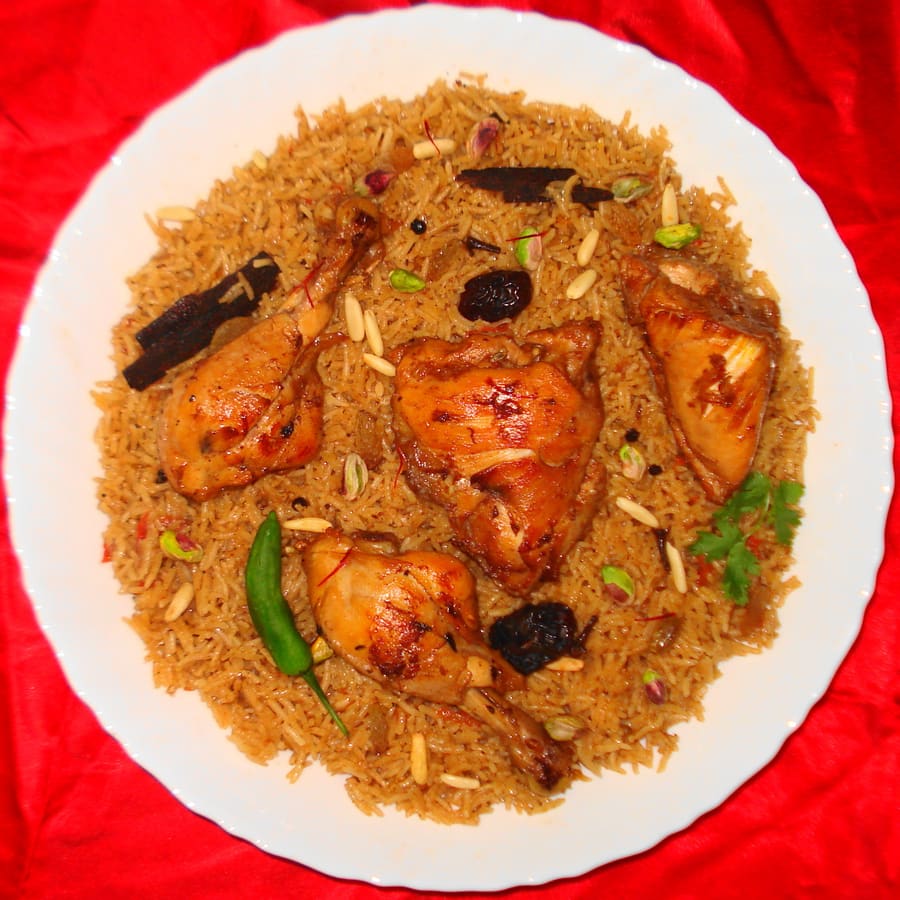
Traditional spiced lamb kabsa served over long-grain rice.
Miansari66 · CC0highlights
landmark
The mud-brick birthplace of the Saudi state. Reserve your entry pass online before visiting Bujairi Terrace.
Tanya Parley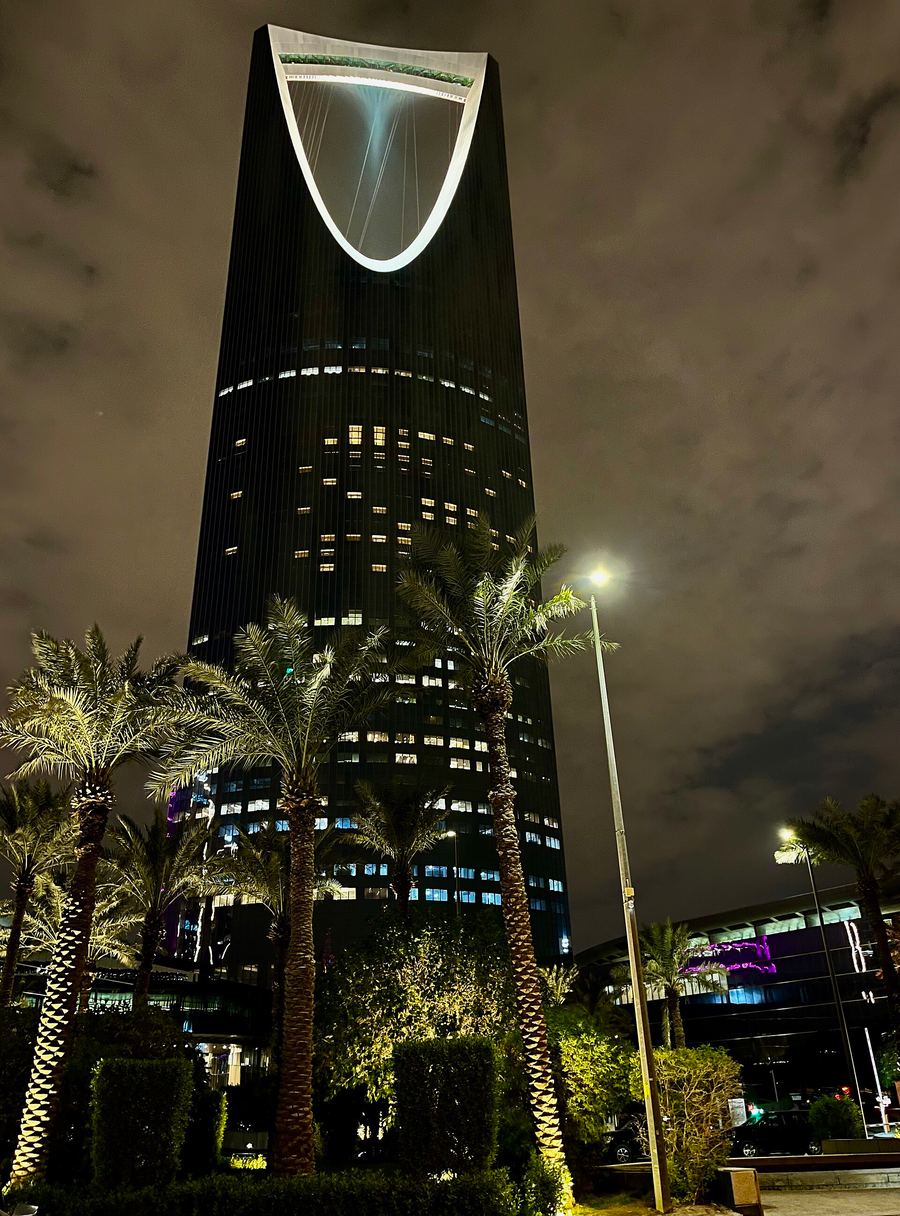
landmark
A glass bridge suspended 300 metres above the highway grid. Visit at dusk to watch the city lights turn on.
Tanya Parley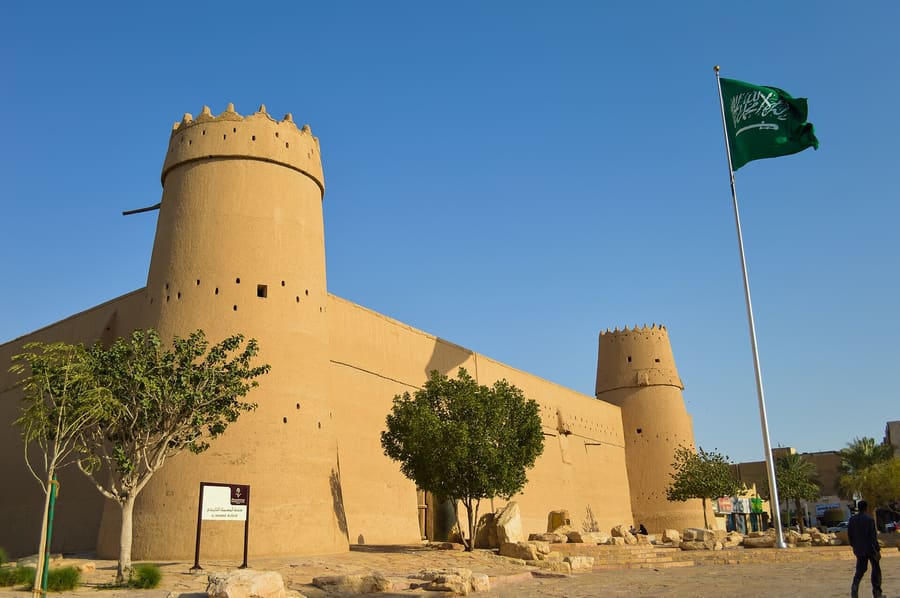
landmark
19th-century clay fortress where the modern kingdom began. Entry is free and quietest on weekday mornings.
Tanya Parley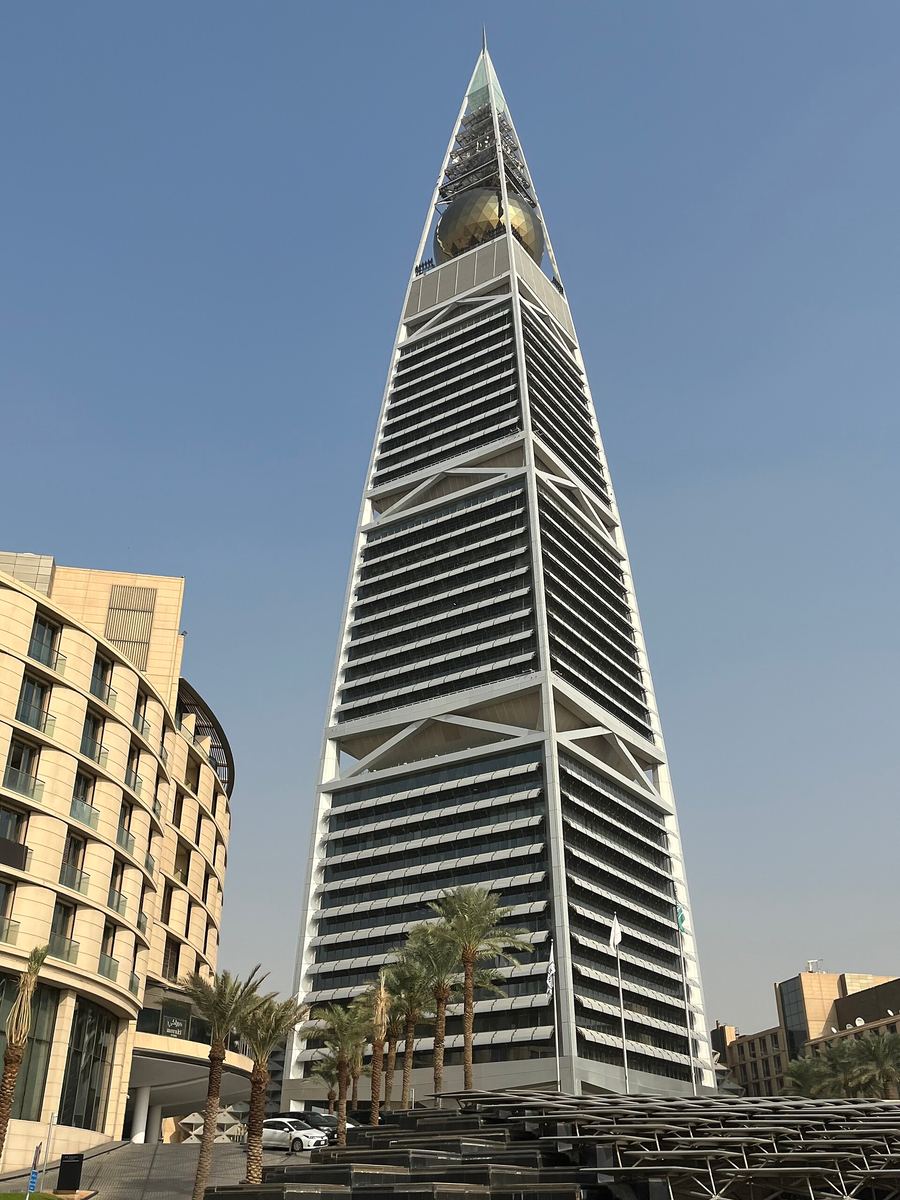
landmark
Riyadh's first modern tower with a distinctive glass sphere. The observation deck offers clear views across Olaya.
Tanya Parley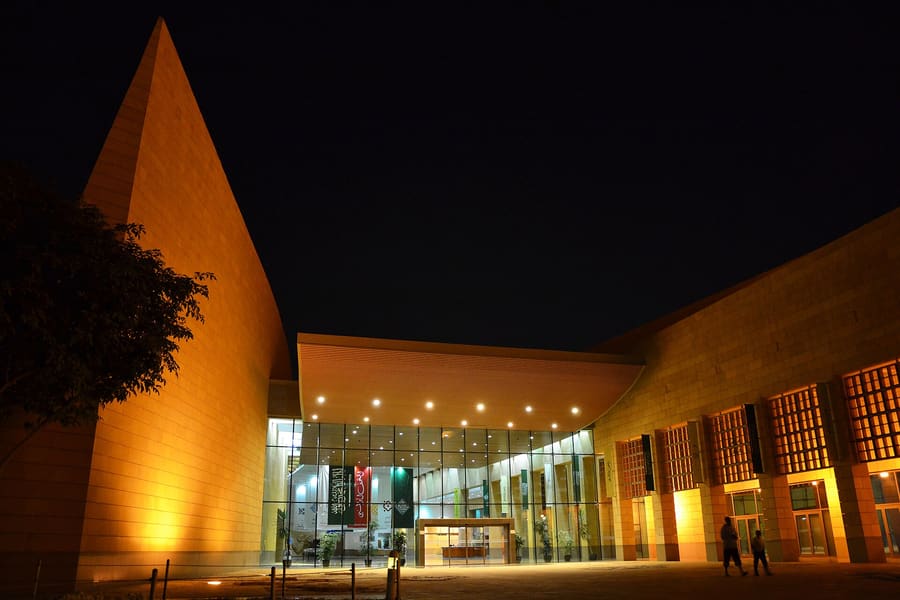
landmark
Eight galleries detailing Arabian history from prehistory to the present. Allow two full hours to walk through.
Tanya Parley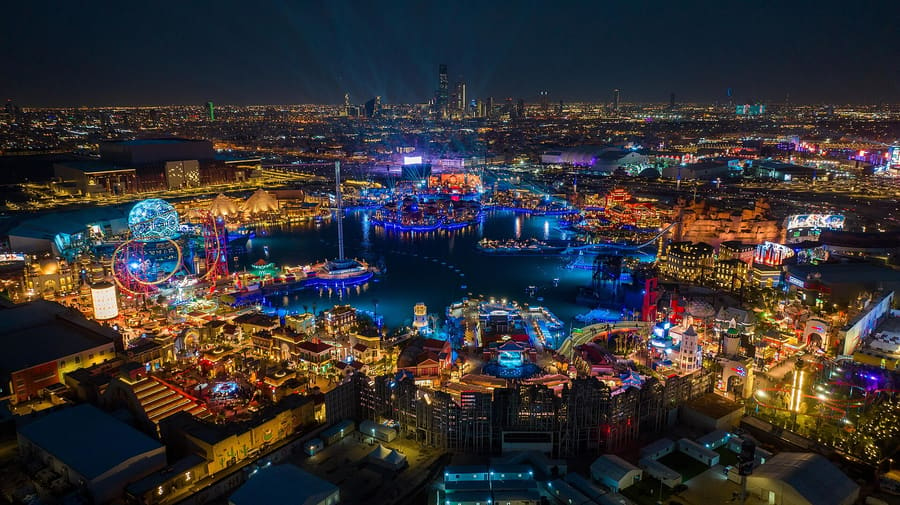
landmark
A massive open-air entertainment compound with neon avenues. Opens late afternoon and stays active past midnight.
Tanya Parleyattractions
areas
Old city core of low-rise markets, spice stalls, and historic forts.
DekatMasmak Citadel and Souq Al Zal.
Tanya ParleyPedestrian-friendly financial district with striking modern architecture.
DekatNorthern highway corridors.
Tanya ParleyHigh-rise business hub anchored by retail towers and long avenues.
DekatKingdom Centre and Al Faisaliyah Center.
Tanya ParleyUpscale northern district packed with coffee shops and dining plazas.
DekatBoulevard City and Diriyah.
Tanya Parleyfood
Riyadh eats according to desert heat. Lunch runs late, but dinner is the primary event, starting long after 20:00. Najdi cuisine relies on lamb, wheat, black lime, and fragrant spices. In local halls, you eat seated on carpets around large platters of kabsa or saleeg. Modern dining in northern districts like Hittin delivers global restaurant concepts alongside contemporary Saudi menus.
Traditional spiced lamb kabsa served over long-grain rice.
Miansari66 · CC0Standard dinner hours peak between 21:00 and 23:00. Showing up before 20:00 often means empty dining rooms.
Try jareesh, a savoury cooked wheat dish with cultured milk and butter, at traditional spots like Najd Village.
Overlooking Diriyah, Bujairi Terrace houses high-end dining. You must book ahead online to cover the entry gate fee.
history
Riyadh began as an oasis town named Hajr in the historic Nejd region. Its modern history centers on the House of Saud, who established their first capital nearby in Diriyah during the 18th century. After losing control to rivals, Abdulaziz Al Saud recaptured Masmak Citadel in 1902, reunifying the region and founding the Kingdom of Saudi Arabia. Oil discoveries turned a small walled town into a sprawling metropolis.
First Saudi State
Diriyah becomes the capital of the first Saudi state under Muhammad bin Saud.
Capture of Masmak
Abdulaziz Al Saud takes Masmak Citadel, laying the foundation for modern Saudi Arabia.
Capital of the Kingdom
Riyadh is officially named the capital of the unified Kingdom of Saudi Arabia.
Kingdom Centre opens
The opening of Kingdom Centre marks the city's modern high-rise expansion.
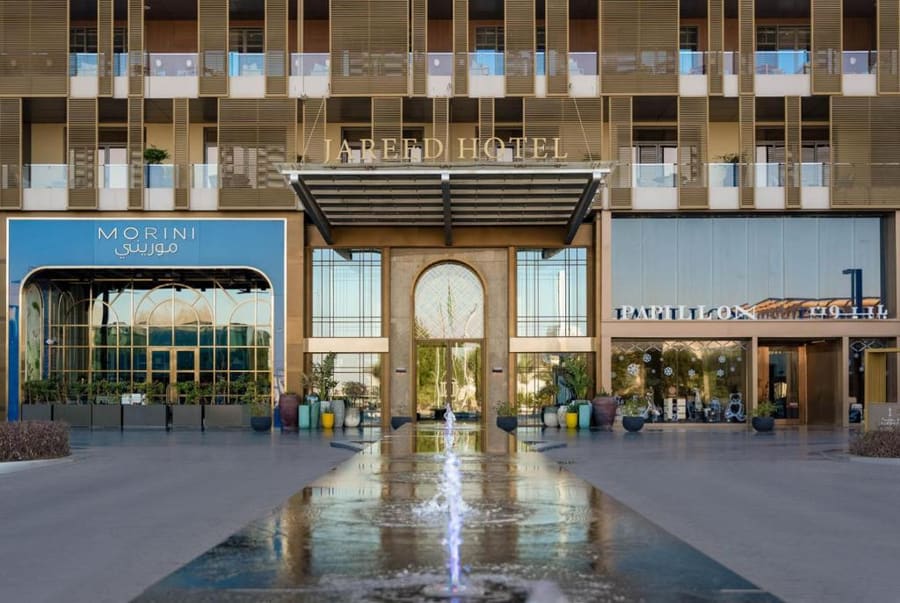
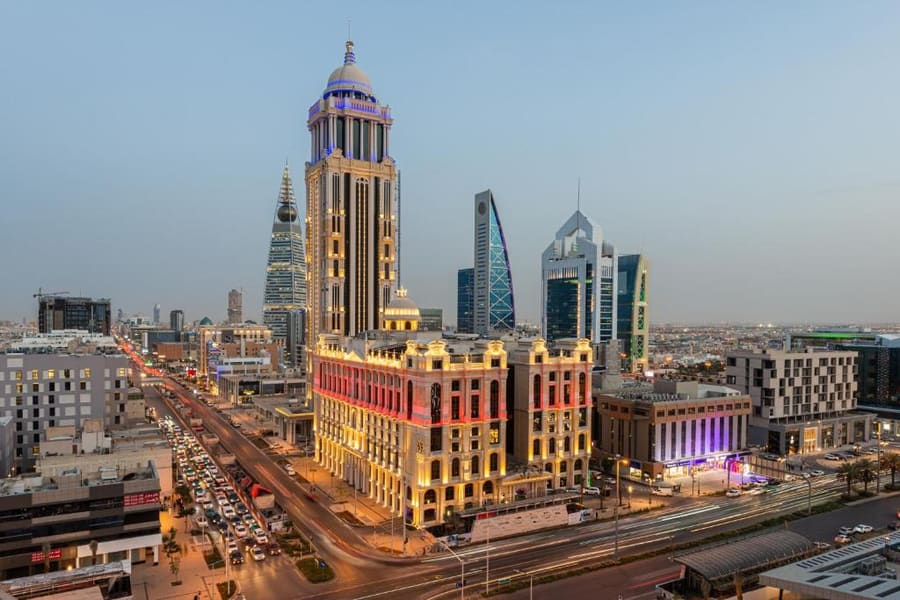
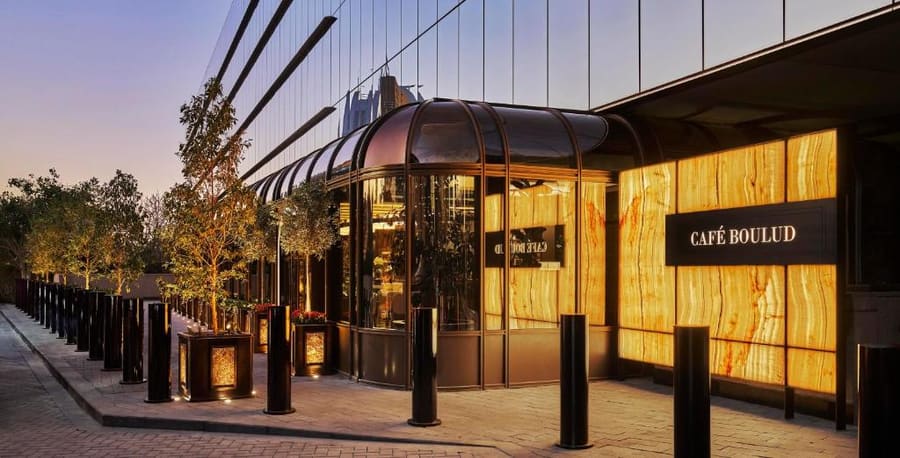
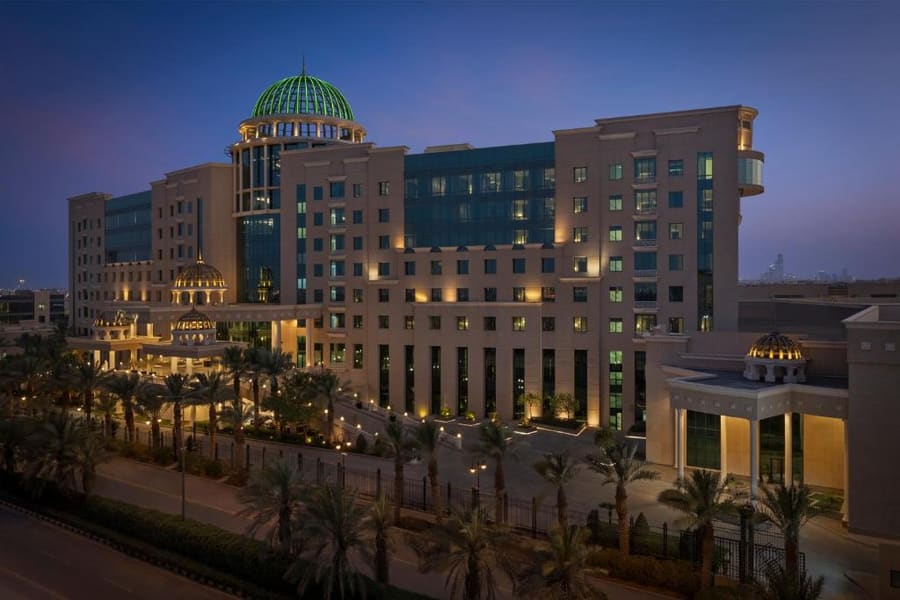
where to stay
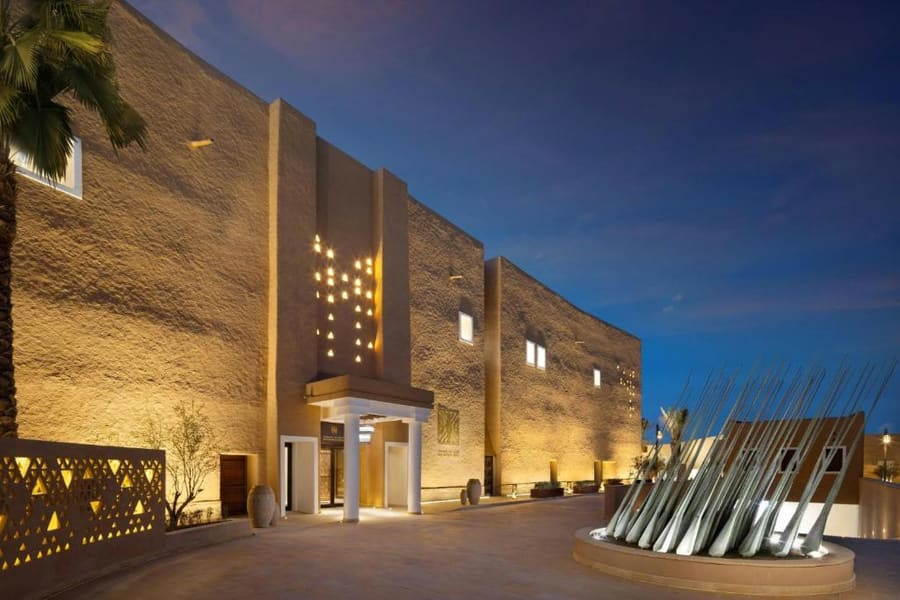
Choose your base based on how much time you want to spend in transit. Riyadh is divided by long highway journeys, so staying near your primary interests saves hours each day. Business travellers favor Al Olaya and KAFD. Leisure visitors who want evening strolls and dining choose Hittin or northern districts.
Live rates, matched to the areas above.
transport
Riyadh is built for driving. Pedestrian infrastructure exists mainly inside enclosed compounds, commercial developments, and KAFD. Moving between districts requires highway driving, making ride-hailing apps the standard choice for visitors.
Dari King Khalid International Airport (RUH)
Uber and Careem operate freely. Pickups happen outside main arrival halls.
Official airport taxis line up outside terminals with fixed tariff meters.
Book through your hotel for guaranteed chauffeur pickup in terminal arrivals.
Ride-hailing apps remove price haggling and address confusion. Fares link directly to your credit card.
Traffic jams on King Fahd Road and Northern Ring Road peak between 07:30-09:00 and 16:30-19:00.
The Riyadh Metro network is opening in phases. Check station availability along the Blue Line near Olaya.
Street walking between districts is impractical due to extreme heat and multi-lane road layouts.
cost
Riyadh is a high-cost capital for dining and upper-tier hotels. Street food and traditional Najdi canteens remain affordable, but contemporary dining plazas carry international capital prices. Cards are accepted almost universally across the city.
A generous platter of chicken kabsa with rice and sides at a traditional eatery.
Flat whites and filter coffees in high-end Hittin and Sulaimaniyah cafes.
Three courses for one person at popular dining plazas in Bujairi or KAFD.
Standard adult admission to the Kingdom Centre observation deck.
seasonality
NOV – FEB
Daytime temperatures stay around 20–25°C. This is peak season for outdoor dining and Riyadh Season events.
MAR – APR
Pleasant spring weather giving way to rising heat. Good for sightseeing before afternoon temperatures reach 35°C.
MAY – SEP
Extreme summer heat often exceeding 42°C. Life moves entirely indoors to air-conditioned malls and night venues.
OCT
Heat cools down to tolerable levels. Outdoor terraces begin reopening across the northern districts.
practicalities
Modest dress is required in public spaces. Shoulders and knees should be covered, though abayas for non-Muslim women are no longer legally required.
Saudi Arabia uses digital payments everywhere. Apple Pay and credit cards are accepted by taxis, street vendors, and markets.
Shops and restaurants used to shut during prayer, but most now remain open continuous hours. Double-check small market stalls.
Low humidity accelerates dehydration in summer. Indoor venues set air conditioning to cold settings, so keep a light layer ready.
Alcohol is strictly illegal across Saudi Arabia. Upscale restaurants offer elaborate mocktail menus instead.