landmark
Valle de Cocora
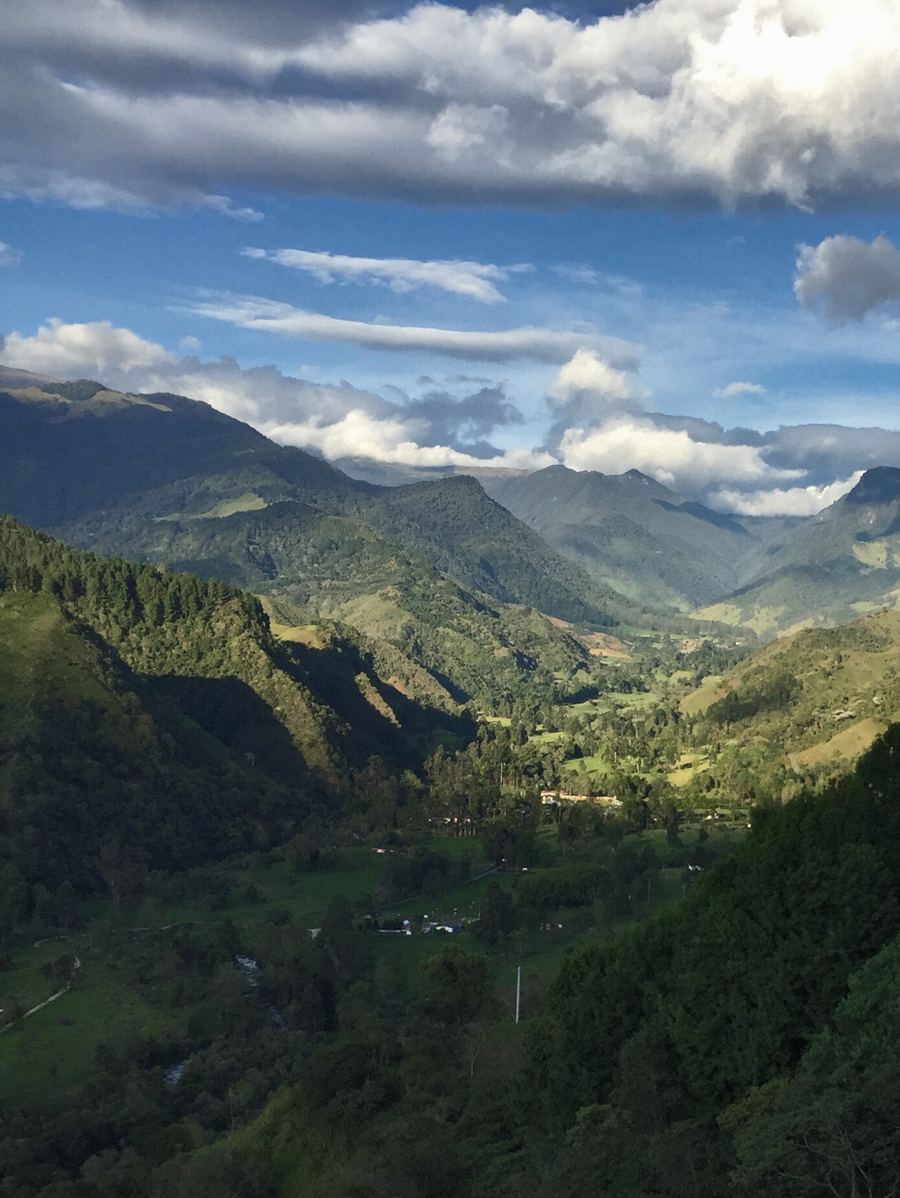
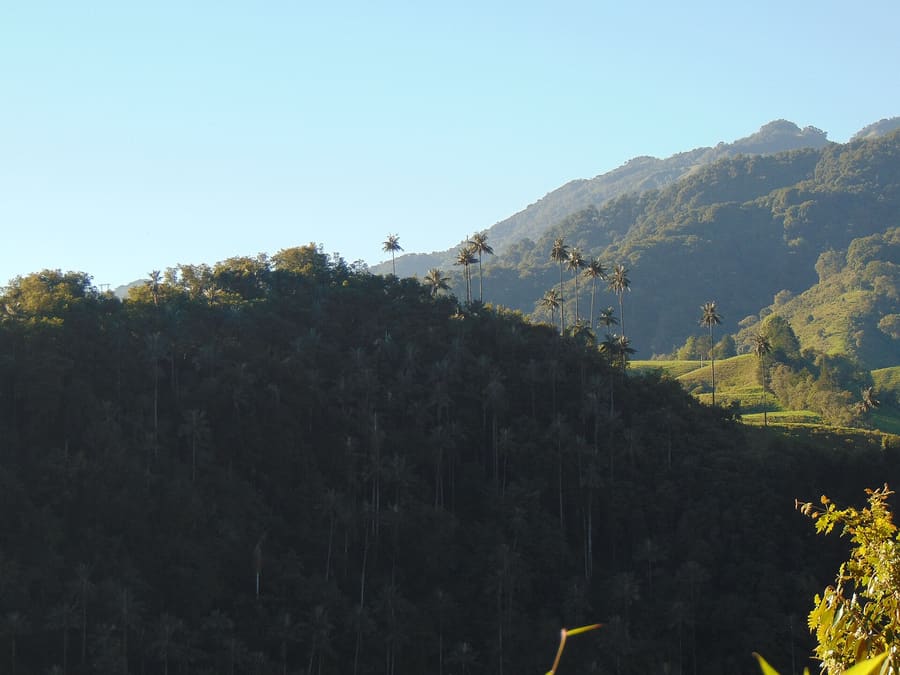
Home to 60-metre-tall wax palms. Arrive before 08:00 to hike the loop trail before fog sets in.
Tanya ParleyKolombia
Tall wax palms, Antioquian timber, and cloud forest coffee.
introduction
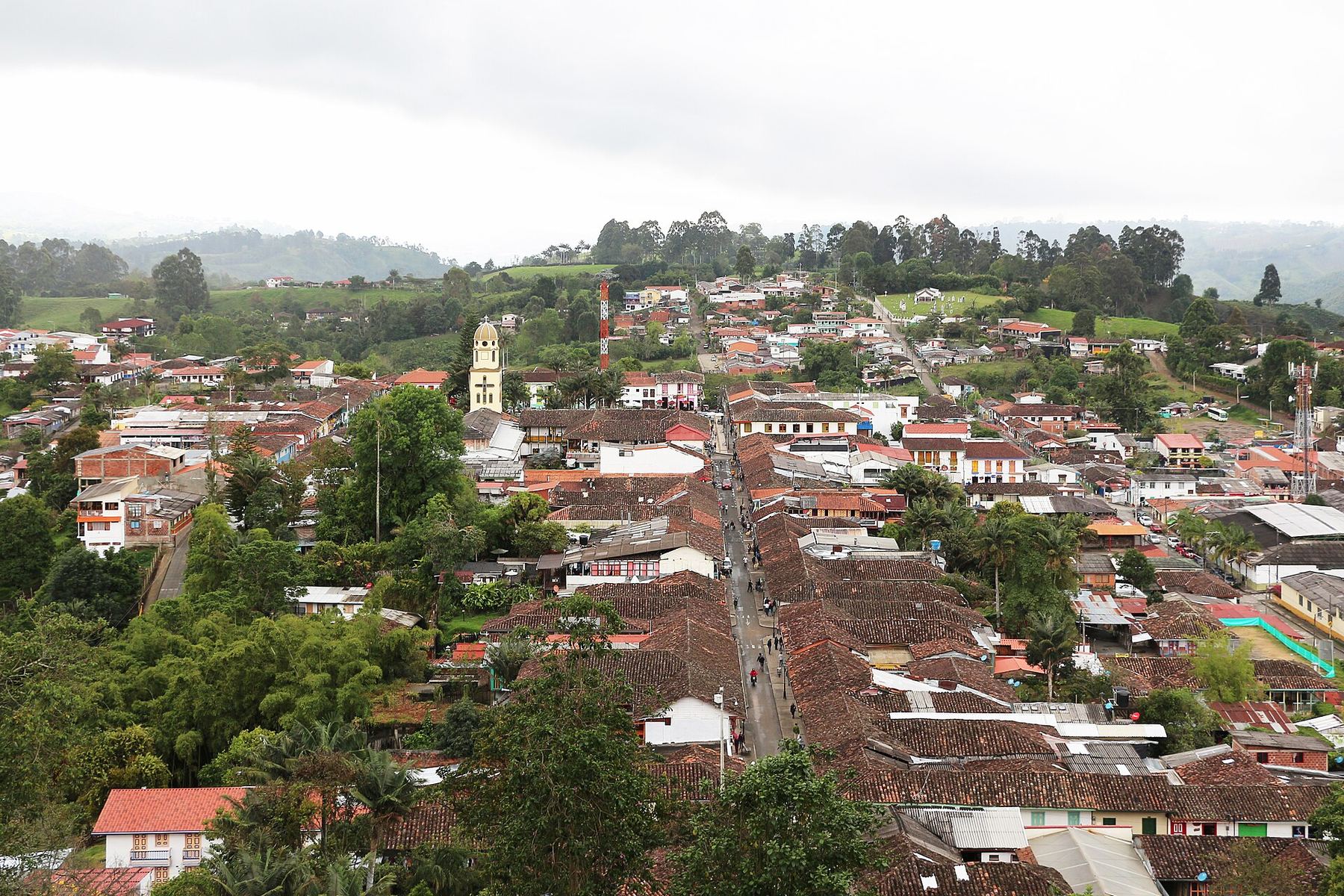
Salento sits on a high ridge in the Quindío Andes. You navigate the town grid on foot or board green Willys jeeps for trails into the Cocora Valley below. Expect crisp mountain temperatures, sudden rain showers, and steep dirt paths.
UNESCO landscape status
Salento forms part of the UNESCO Coffee Cultural Landscape, recognized for its steep coffee cultivation and traditional wooden bahareque buildings.
Jeep boardings
Buy your return Willys jeep ticket at the central square booth when you depart. Evening jeeps from Cocora Valley fill quickly.
Salento
Juanin34fd4 · CC0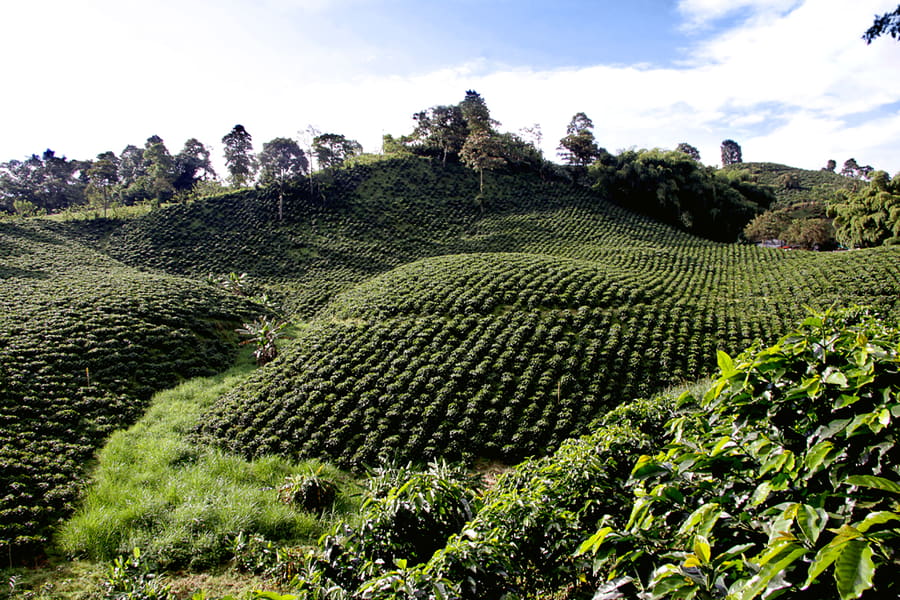
Vereda Palestina — Rural hillside covered in small coffee farms and forest ecolodges.
Triángulo del Café Travel · CC BY 2.0
Valle del Cocora Corridor — Open valley floor dominated by wax palms and mountain streams.
Alejandro Bayer Tamayo from Armenia, Colombia · CC BY-SA 2.0
Fried trout served over a broad patacón on Calle Real.
Engbretson Eric, U.S. Fish and Wildlife Service · Public domainhighlights
landmark
Home to 60-metre-tall wax palms. Arrive before 08:00 to hike the loop trail before fog sets in.
Tanya Parley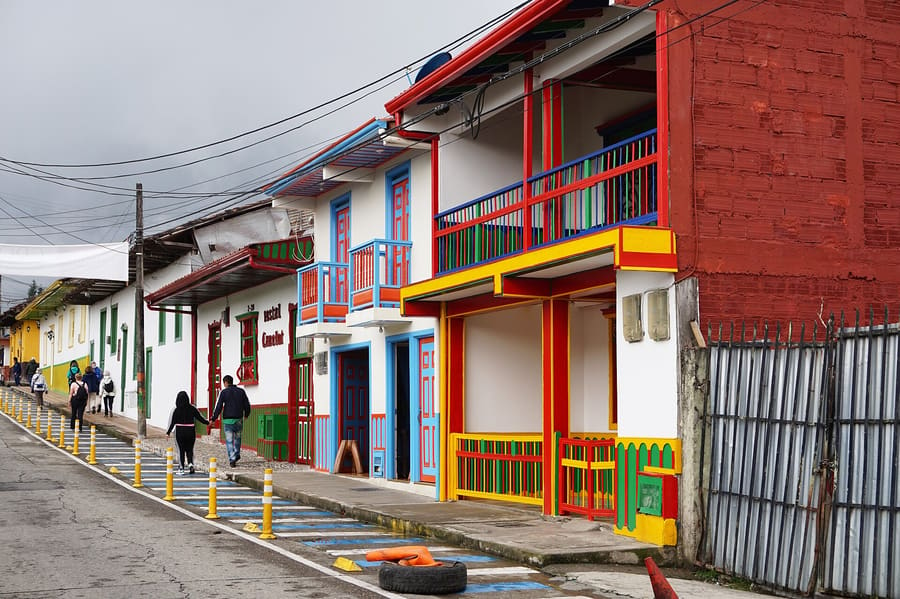
landmark
Carrera 6 houses hand-painted wooden balconies and craft shops. Visit early morning before crowds fill the corridor.
Tanya Parley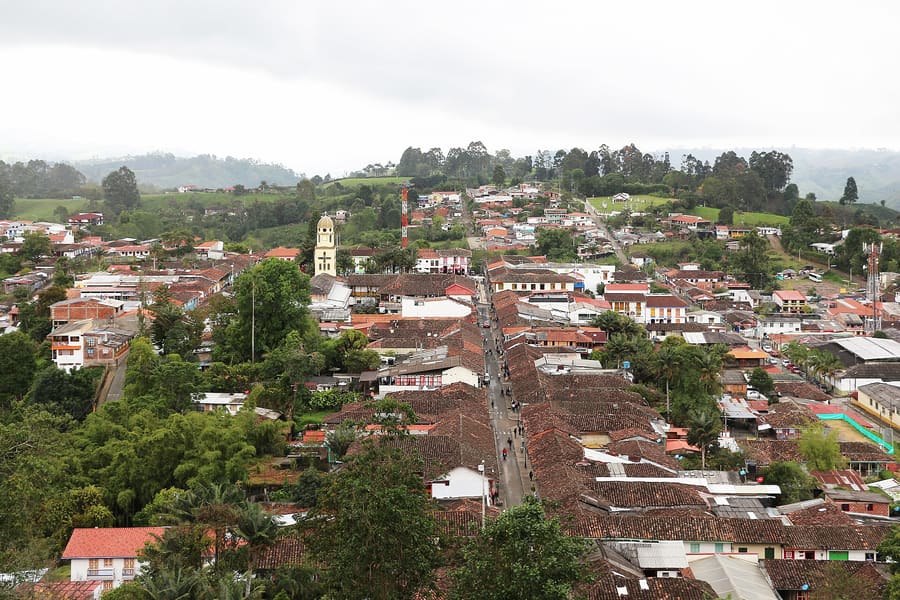
landmark
A 250-step wooden staircase leads to views over town and the valley. Clear skies are most common at dawn.
Tanya Parley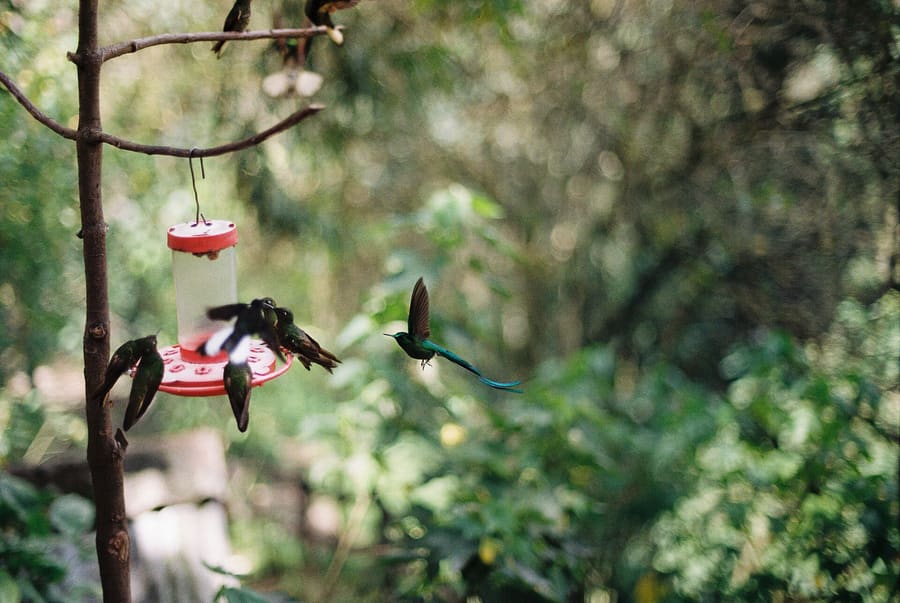
landmark
A high-altitude forest station inside the Cocora loop. Hot chocolate with cheese is included with entry.
Tanya Parleyattractions
areas
Rural hillside covered in small coffee farms and forest ecolodges.
DekatWorking coffee farms
Tanya ParleyOpen valley floor dominated by wax palms and mountain streams.
DekatCocora Valley loop trail
Tanya ParleyCentral, energetic, and highly walkable. Home to transport links, cafes, and main restaurants.
DekatPlaza de Bolívar and Calle Real
Tanya ParleySteep pedestrian street turning into quiet residential steps toward the hill.
DekatMirador stairs and handicraft stalls
Tanya Parleyfood
Salento's signature dish is freshwater trout farmed in local fish hatcheries in the Cocora Valley. Kitchens serve it pressed flat over a giant crispy disc of fried green plantain called a patacón. Specialty coffee shops in town source single-origin beans directly from nearby hillside farms.
Fried trout served over a broad patacón on Calle Real.
Engbretson Eric, U.S. Fish and Wildlife Service · Public domainOrder it grilled or cooked with garlic cream. Restaurants along Calle Real and around Plaza de Bolívar present this local staple daily.
Café Jesús Martín on Carrera 6 uses precise extraction methods for locally grown beans. Skip sweetened milk drinks to taste the acidity.
Warm hot sugarcane water served with fresh salty cheese. Locals drop the cheese directly into the cup to melt before eating.
history
Salento grew as an outpost along the historic Camino Real route connecting Bogotá to the western valleys. Settlers constructed homes using traditional Antioquian timber and mud frames, forming the architectural core seen today.
Settlement founded
Political prisoners and settlers establish the village along the route mandated by Simón Bolívar.
Name changed to Salento
The community formally adopts the name Salento and expands its agricultural homesteads.
National tree recognition
Colombia declares the Quindío wax palm in the adjacent Cocora Valley as its national tree, protecting the local canopy.
UNESCO designation
Salento is inscribed as part of the UNESCO Coffee Cultural Landscape of Colombia.
where to stay
Choose your stay based on transit access. Staying inside the central grid puts you steps from Willys jeeps and restaurants. Rural fincas down in the valleys offer complete quiet but require scheduled jeep transfers.
Live rates, matched to the areas above.
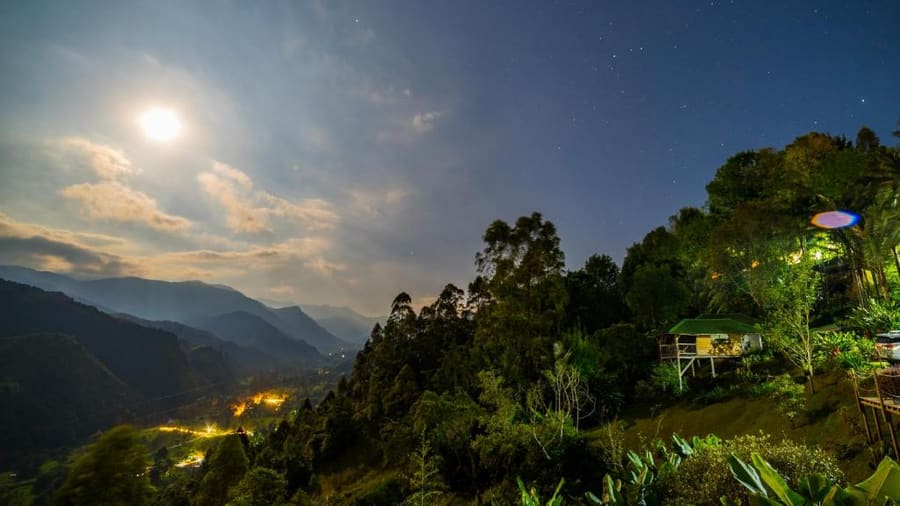
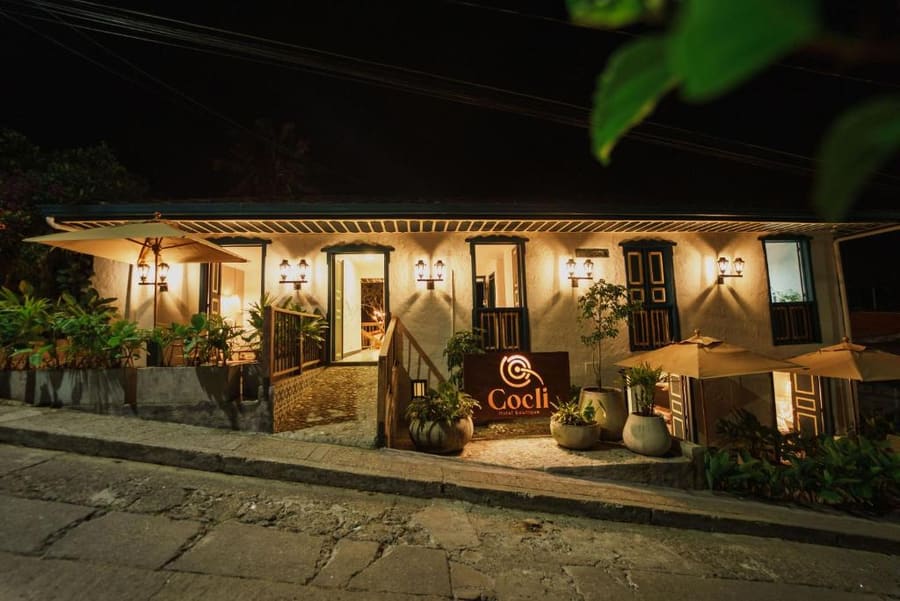
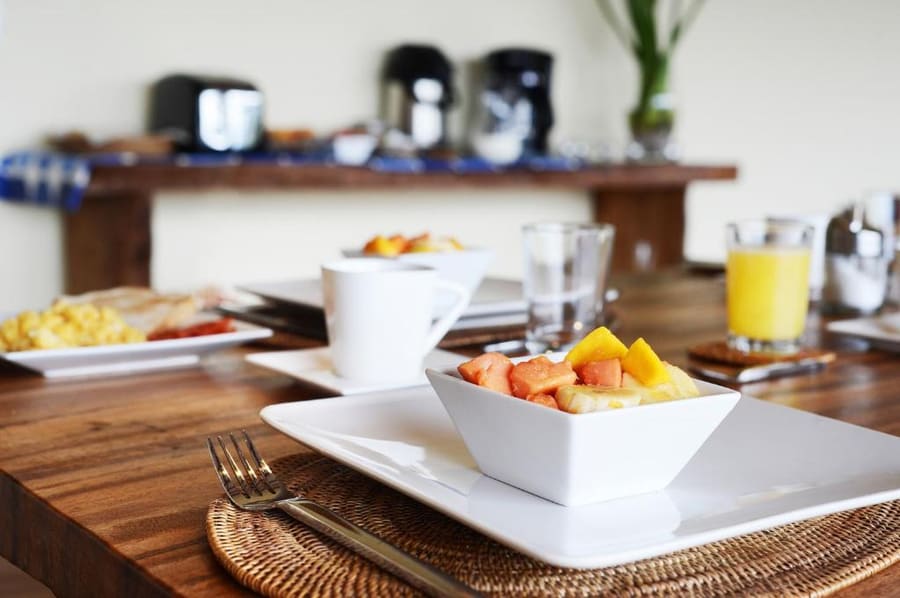
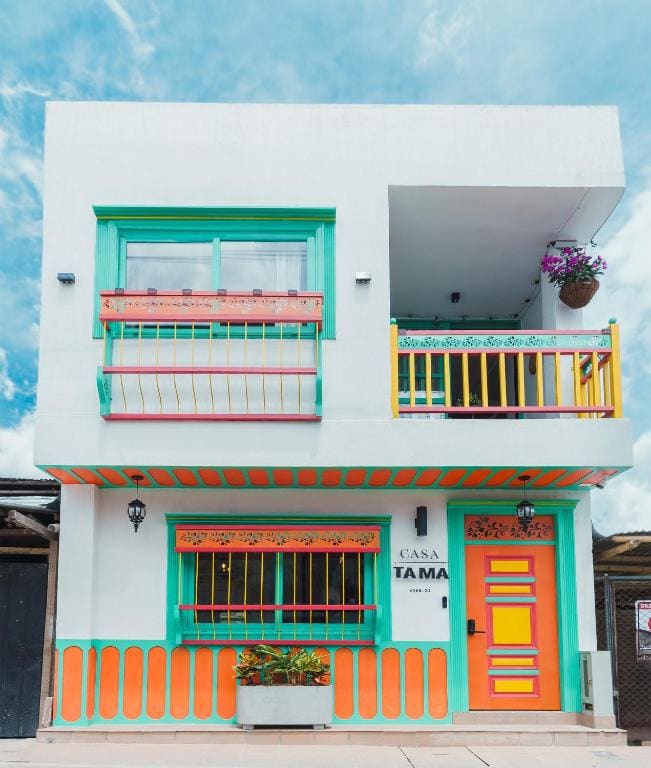
transport
Salento itself is strictly walkable, though steep. Transport out into the valleys relies on public Willys jeeps running fixed routes from Plaza de Bolívar.
Buy a numbered ticket at the plaza booth. Drivers fill seats inside first, then allow up to four passengers to stand on the rear bumper.
Jeeps run continuously to Valle de Cocora from 06:30 until mid-morning, or whenever every position is filled.
Vehicles are banned along upper Calle Real. Watch your footing on cobblestones, which turn slippery in rain.
Bus conductors and Willys jeep booths operate strictly on cash in Colombian Pesos.
cost
Salento remains affordable, though rural entrance fees and tourist transport require small cash notes. ATMs in town occasionally run out of bills on busy holiday weekends.
Private land passages across the main hiking loop require cash payments at trail checkpoints.
Standard price range at established sit-down restaurants along Calle Real.
Includes guided walk and coffee tasting at fincas along Vereda Palestina.
Fixed rate per person each way between town plaza and the valley parking lot.
seasonality
DEC – FEB
Drier weather and clearer morning views over the valley. Colombian holiday crowds fill town square.
MAR – MAY
Heavy Andean rainfall. Trail conditions get muddy, making high-traction waterproof boots necessary.
JUN – AUG
Second dry window. Ideal hiking conditions in Cocora with stable jeep schedules.
SEP – NOV
Frequent rain showers during afternoons. Fewer domestic visitors and shorter lines for coffee tours.
practicalities
Temperatures drop quickly at sunset. Morning sunshine often turns into afternoon cloud forest rain.
Many small eateries, local buses, and jeep booths do not accept credit cards.
Cloud cover rolls into the wax palm valley around 12:00, obscuring view lines and bringing drizzle.
Withdraw Colombian Pesos in Armenia or Pereira before traveling if you need reliable cash reserves.
Salento sits at 1,900 metres elevation. Stay hydrated when hiking uphill toward the viewpoints.