landmark
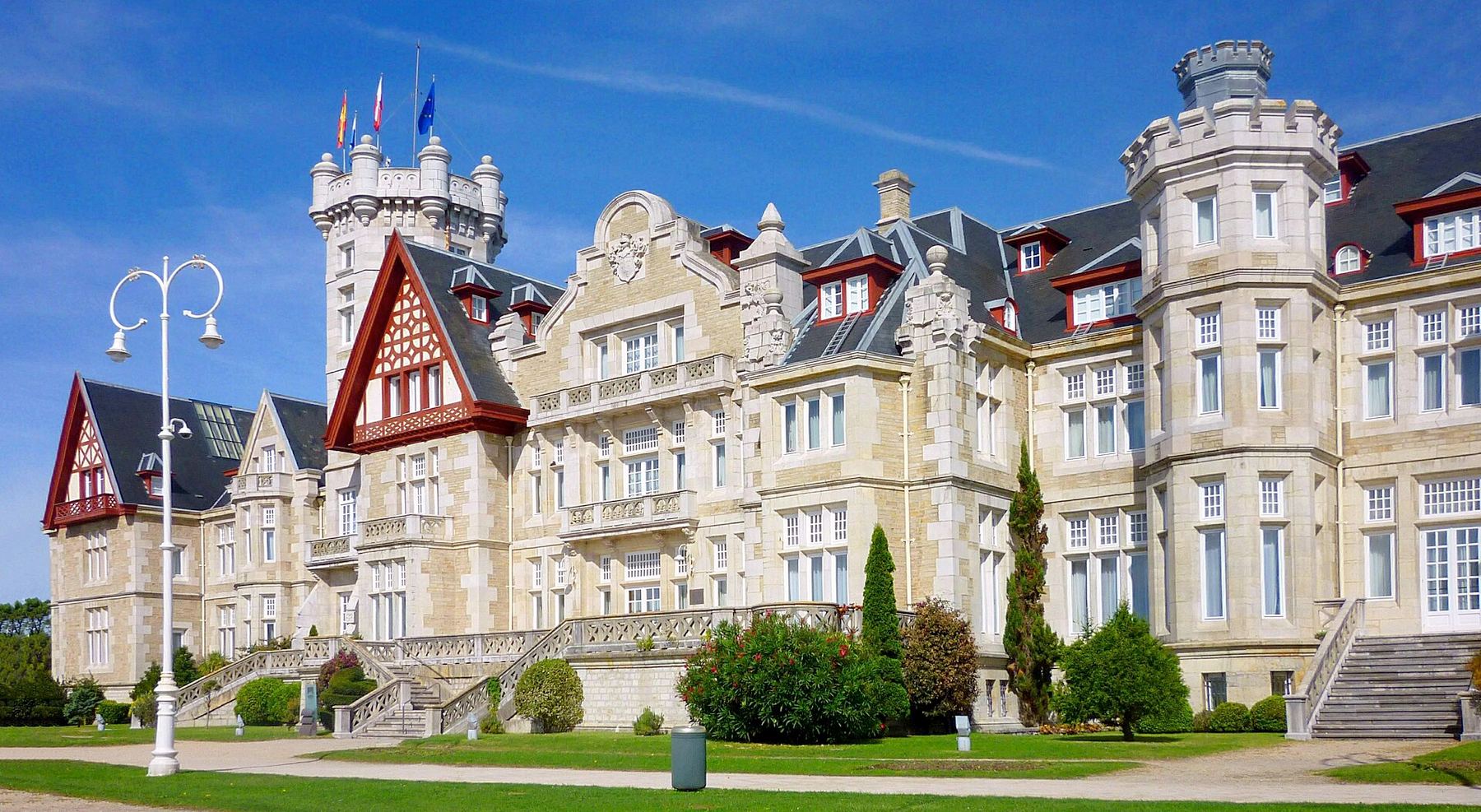
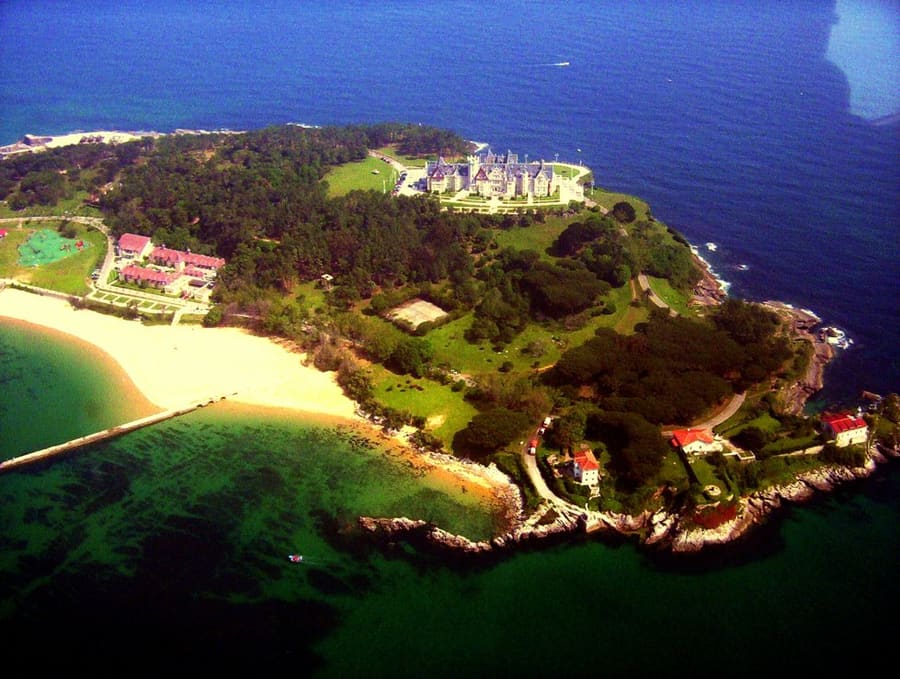
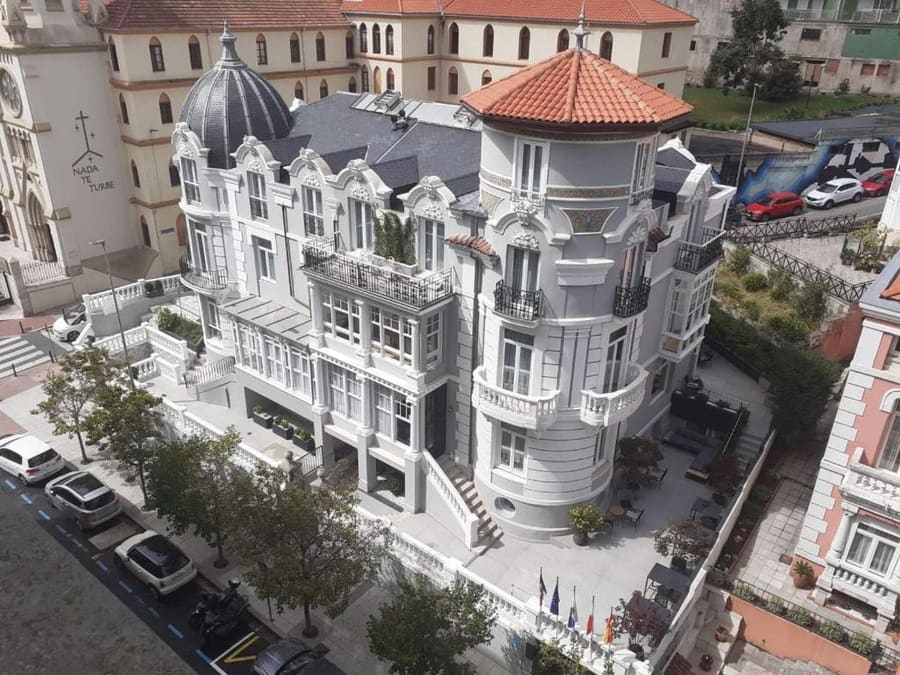
Palacio de la Magdalena
Former royal summer residence sitting at the tip of the peninsula. Walk the perimeter path for free views of the bay mouth.
Tanya ParleySpanyol
A south-facing Atlantic port defined by a 1941 fire.
introduction
Santander wraps around a south-facing bay on Spain's northern coast, shielding its waters from open Atlantic swells. A 1941 fire destroyed the medieval city center, leaving a clean grid of grand mid-century stone buildings in its place. Summer brings beachgoers to El Sardinero, while local life runs on harbor walks and seafood tapas in Puertochico. You move through the city using frequent urban buses or on foot along the flat waterfront.
Airport bus connection
The S4 airport bus costs €3 and reaches the main station in 15 minutes. Taxis charge a fixed rate around €18 for the same trip.
South-facing northern bay
Santander sits on the only south-facing natural bay in northern Spain. Bay beaches stay calm when ocean coastlines take heavy waves.
Sunday aperitif tradition
Order fried squid rings between 12:00 and 14:00 on Sundays. Bars sell out quickly during this local aperitif hour.
Santander
Emilio Gómez Fernández · CC BY-SA 4.0
Centro — Grid streets rebuilt after 1941, anchored by banks, retail chains, and official buildings.
Fernando · CC BY-SA 4.0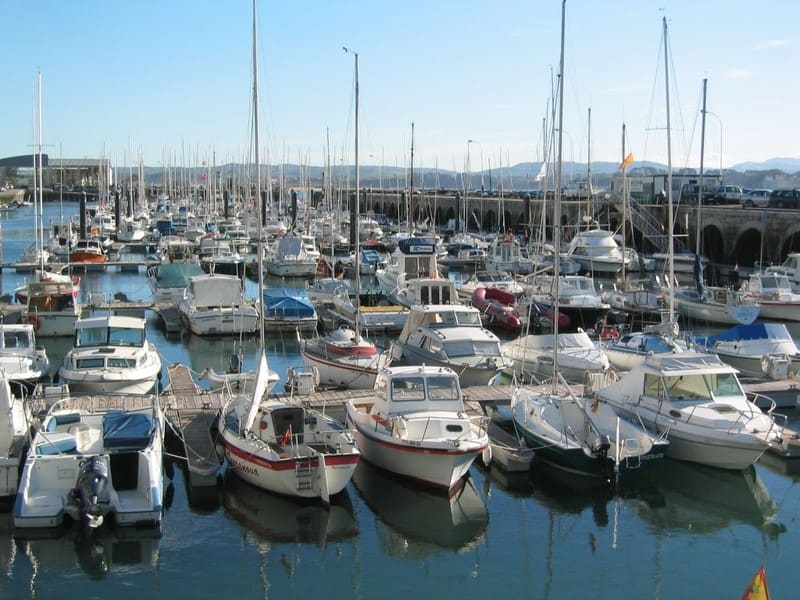
Puertochico — Former fishing quarter turned marina district with dense rows of traditional tapas bars.
Desmondrx · Public domain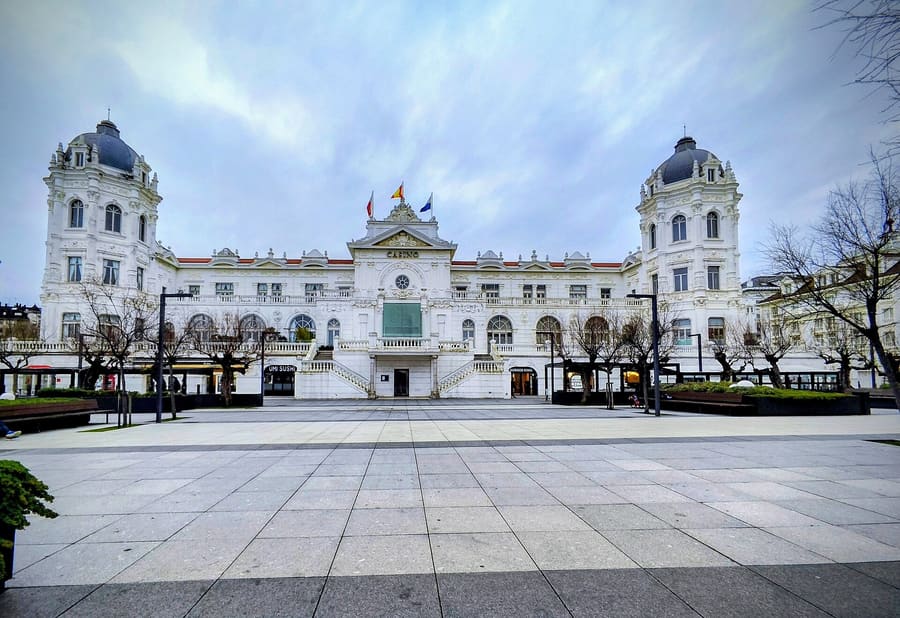
El Sardinero — Belle Époque seaside resort district dominated by grand hotels, gardens, and wide beaches.
Emilio Gómez Fernández · CC BY-SA 4.0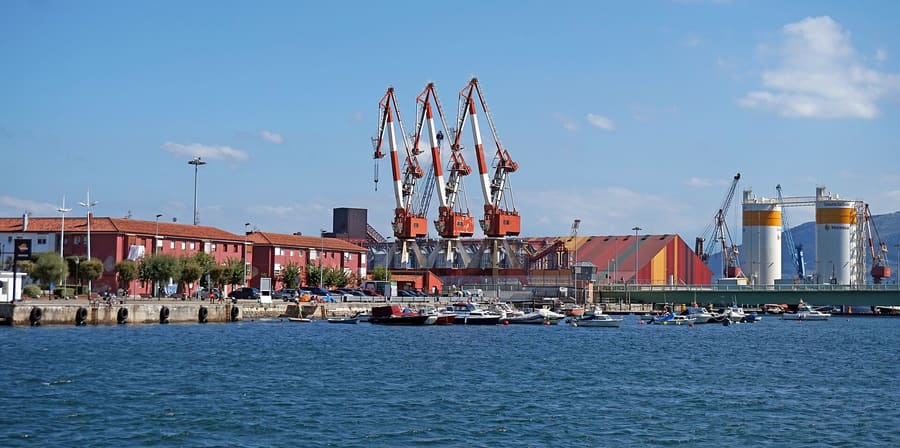
Barrio Pesquero — Working harbor enclave constructed in the 1940s specifically for local fishermen.
Tiia Monto · CC BY-SA 3.0
Freshly fried rabas served with lemon at a Puertochico tavern.
jlastras · CC BY 2.0highlights
landmark
Former royal summer residence sitting at the tip of the peninsula. Walk the perimeter path for free views of the bay mouth.
Tanya Parley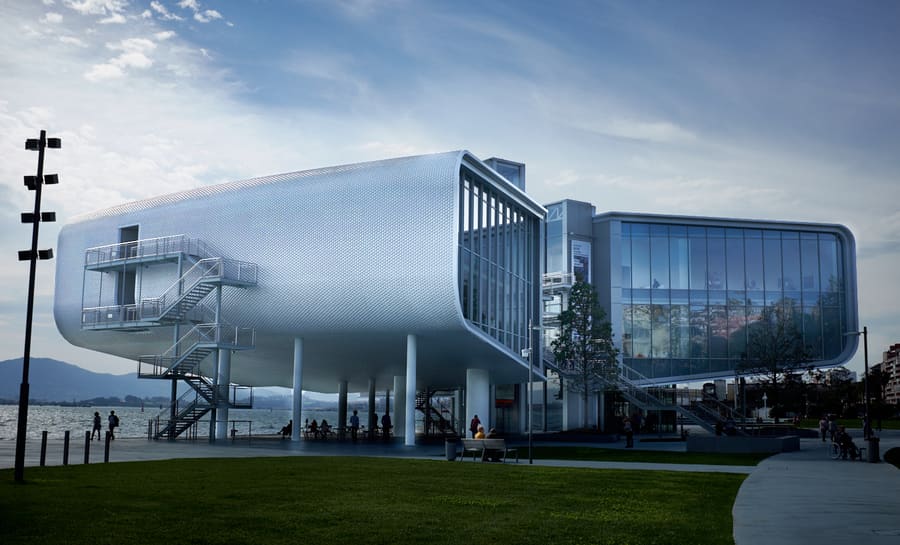
landmark
Renzo Piano art center raised on stilts over the bay. Ground floor walkways and elevated sea viewing platforms cost nothing.
Tanya Parley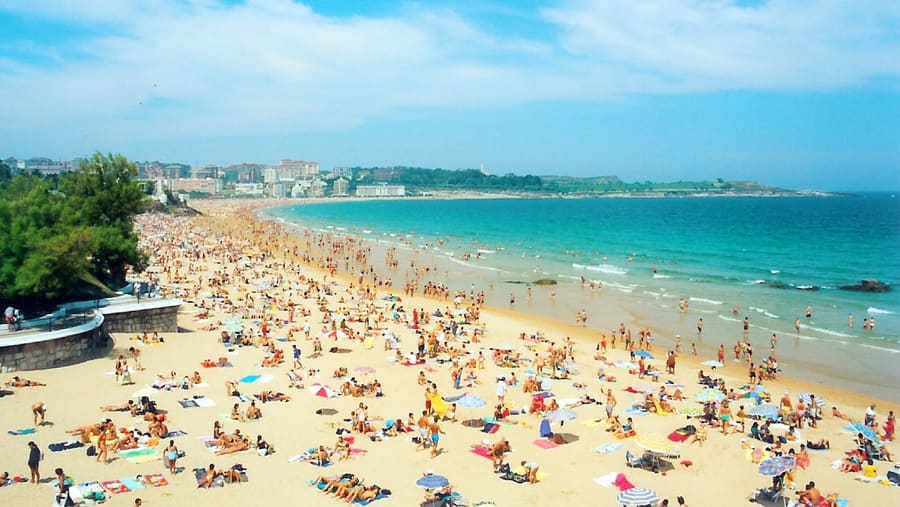
landmark
Two kilometres of open Atlantic sand split by a rocky promontory. High tide narrows the beach significantly.
Tanya Parley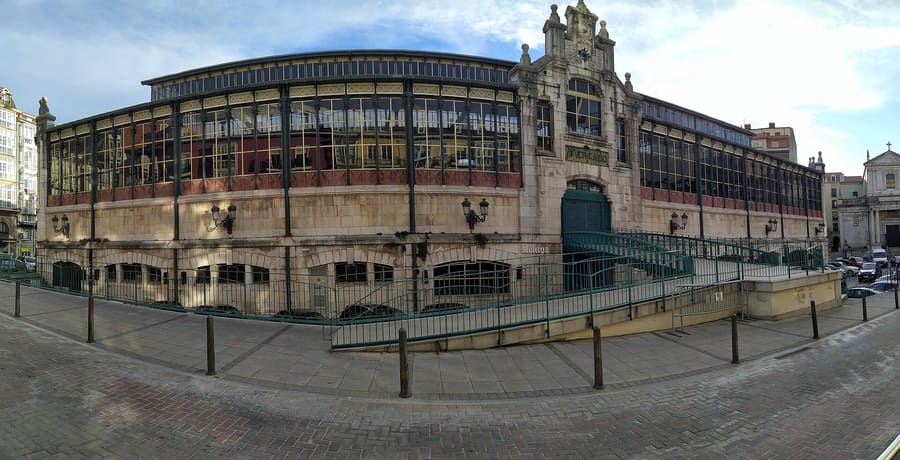
landmark
19th-century cast-iron market hall housing local fishmongers. Visit before 13:00 to see the daily Cantabrian catch.
Tanya Parley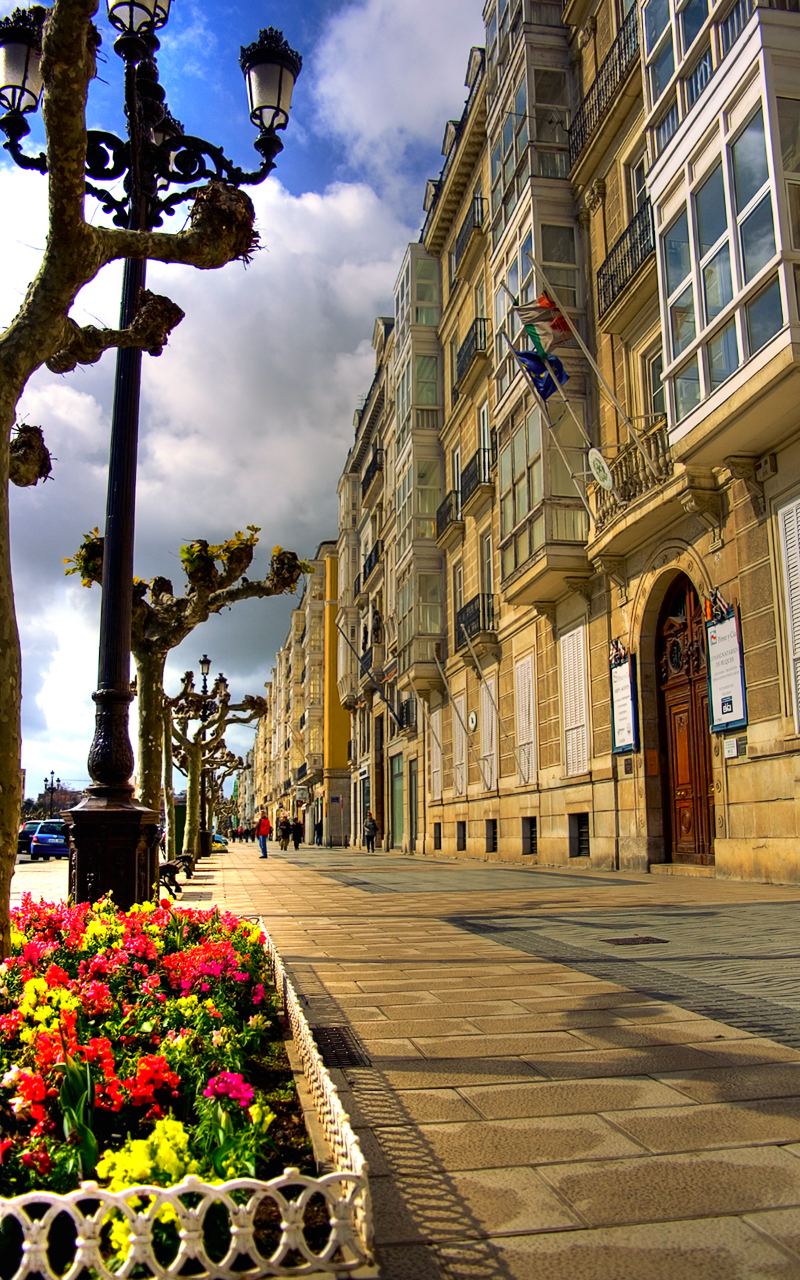
landmark
Arcaded boulevard facing the bay gardens. Survived the 1941 fire and contains the city's grandest residential facades.
Tanya Parley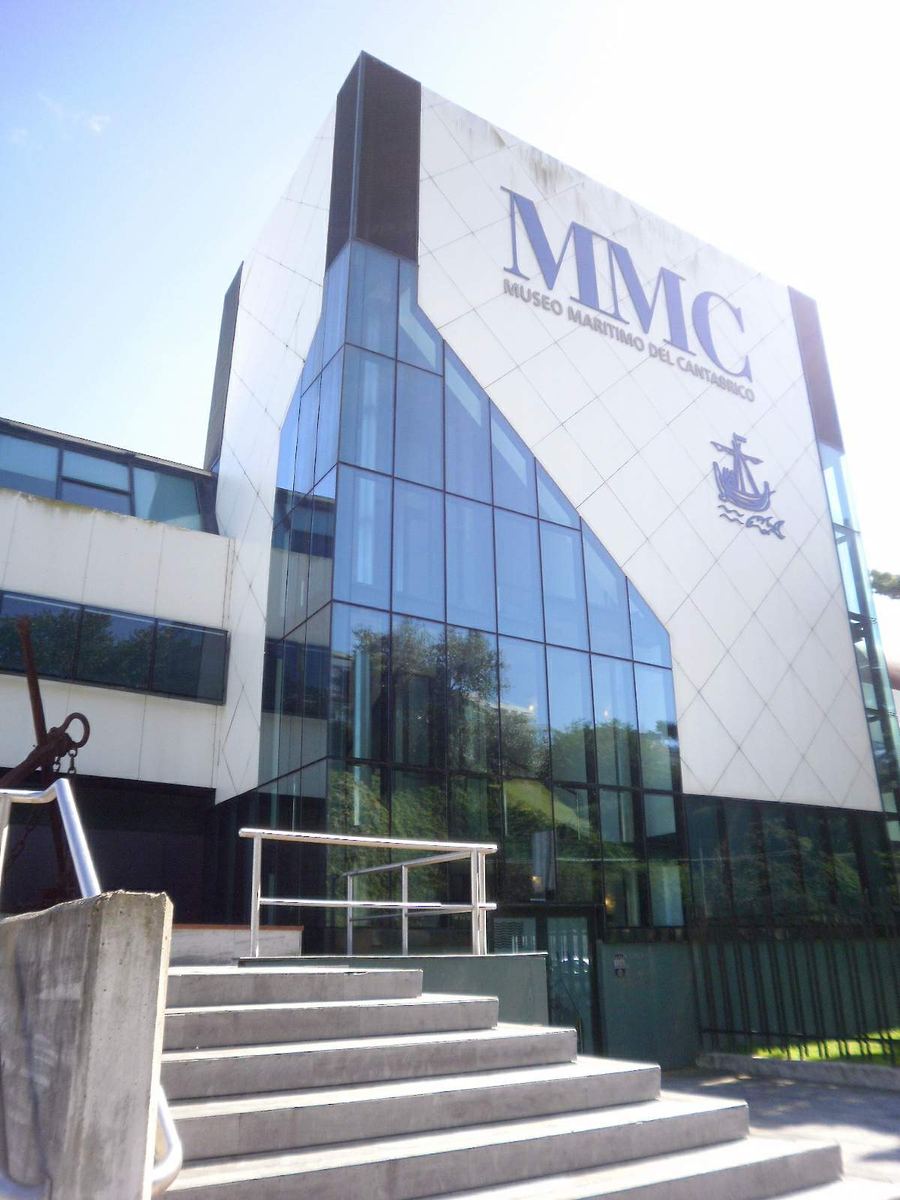
landmark
Maritime repository with whale skeletons and aquariums. Demonstrates how deep sea fishing shaped Cantabria's economy.
Tanya Parleyattractions
areas
Grid streets rebuilt after 1941, anchored by banks, retail chains, and official buildings.
DekatMercado de la Esperanza and the train station.
Tanya ParleyFormer fishing quarter turned marina district with dense rows of traditional tapas bars.
DekatCentro Botín and Paseo de Pereda.
Tanya ParleyBelle Époque seaside resort district dominated by grand hotels, gardens, and wide beaches.
DekatMagdalena Peninsula and Segunda Playa.
Tanya ParleyWorking harbor enclave constructed in the 1940s specifically for local fishermen.
DekatFerry terminal and south port docks.
Tanya Parleyfood
Dining in Santander revolves around the Bay of Biscay. The city's signature food item is rabas, fried fresh squid rings served with lemon wedges. Santander residents eat rabas as a light aperitif between noon and two o'clock on weekends, paired with cold beer or sweet white vermouth.Smaller baby squid jigged by hand at night are sold as maganos de guadañeta when in season during late summer. In traditional taverns around Puertochico, kitchens flash-fry them whole with garlic and onions. Heavy winter dining shifts inland to cocido montañés, a stew made from white beans, collard greens, chorizo, and pork belly.
Freshly fried rabas served with lemon at a Puertochico tavern.
jlastras · CC BY 2.0Order rabas between 12:30 and 14:00 on Sunday. Bars fry squid to order, and queues form quickly at top spots like Taberna del Herrero.
Restaurants around the Barrio Pesquero serve lunch strictly between 13:30 and 16:00. Evening service rarely begins before 21:00.
Top taverns list anchovies by producer name. Look for tin brands from nearby Santoña like Mingo or Codesa for hand-filleted fish.
history
Santander grew around its natural harbor, serving as a key outlet for Castilian exports to Spanish colonies in the Americas during the 18th century. By the early 20th century, King Alfonso XIII selected the city for his royal summer retreat, spurring the construction of luxury hotels and grand beach facilities at El Sardinero.A disaster redefined the urban core in 1941. A hurricane-force wind propelled a chimney fire through the narrow wooden quarters of the historic center. The Great Fire burned for two days, destroying 37 streets and leaving 10,000 residents homeless. Reconstruction replaced the medieval warren with wide stone avenues and uniform mid-century architecture.
Cabo Machichaco Explosion
A steamship carrying dynamite caught fire at the dock. The resulting blast killed over 500 people and destroyed adjacent harbor infrastructure.
Magdalena Palace Complete
The city built and presented this palace to the Spanish royal family, solidifying Santander's role as a luxury summer resort.
The Great Fire
A two-day fire destroyed the historic central quarter, forcing a complete urban replanning of the lower city.
Centro Botín Opens
Renzo Piano's modern art complex opened on reclaimed waterfront, reconnecting the rebuilt city center directly to the bay.
where to stay
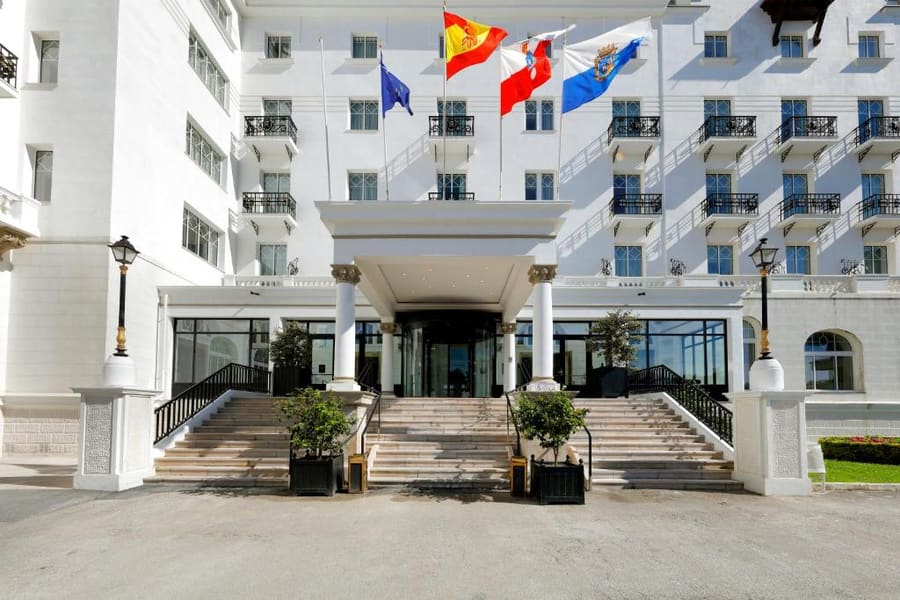
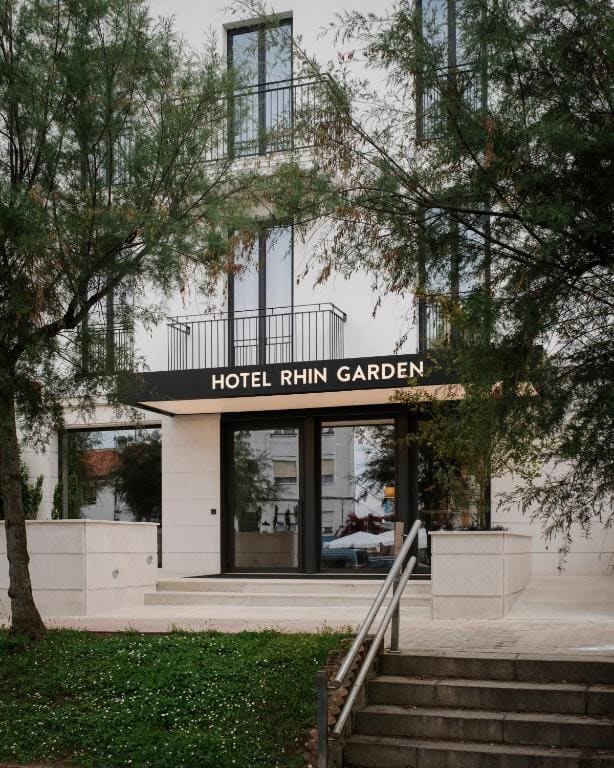
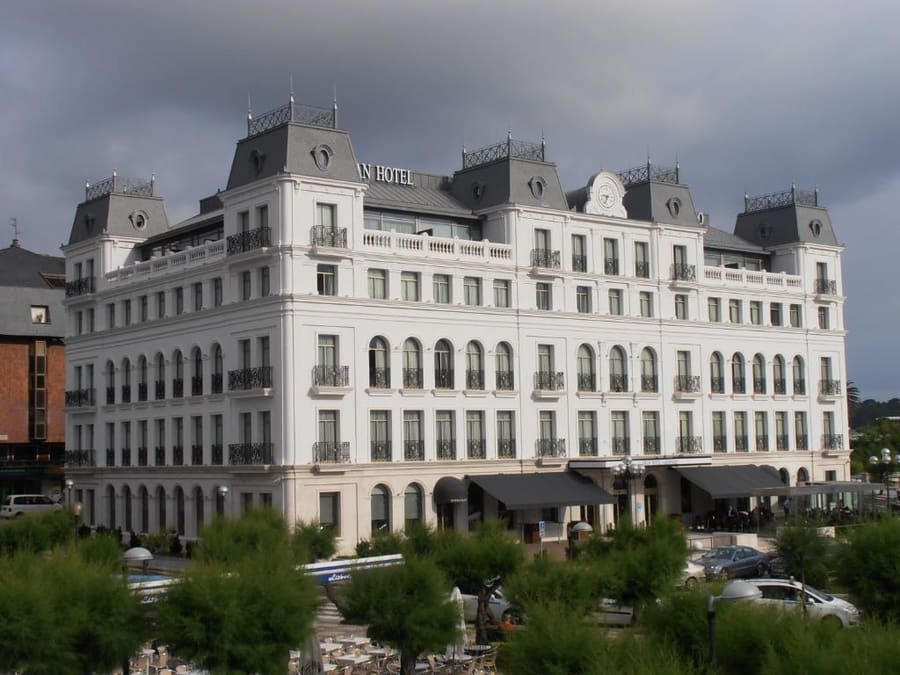
Choose your base based on whether you want beach access or transit convenience. Santander separates into two main hotel zones: the commercial downtown core and the coastal stretch of El Sardinero. High season in July and August drives hotel rates up across both areas.
Live rates, matched to the areas above.
transport
Santander's city center is flat and easy to cross on foot along the waterfront. Reaching higher neighborhood ridges or travelling east to El Sardinero requires taking the municipal bus network, operated by TUS. Urban buses are clean, frequent, and run until midnight.
Dari Seve Ballesteros-Santander Airport (SDR)
Line S4 runs every 30 minutes directly to the main bus station.
Official airport taximeter rate applies. Rank sits right outside arrival doors.
Single bus rides cost €1.35 paid in cash to the driver. Rechargeable bus cards drop the single trip price significantly.
This free funicular transports pedestrians up the steep hillside behind Calle Río de la Pila to a viewpoint over the city roofs.
Narrow-gauge Feve trains depart from the central station toward coastal towns like Bilbao and Cabezón de la Sal.
cost
Santander prices reflect its status as a regional capital rather than a international tourist hub. Outside peak August summer weeks, daily expenses remain lower than in nearby San Sebastián or Madrid.
A standard portion feeds two people as an aperitif snack in Puertochico.
Includes two courses, bread, drink, and dessert at neighborhood places in Centro.
Covers access to modern art galleries. Roof access platforms remain completely free.
Los Reginas water taxi ticket between Santander terminal and Pedreña or Somo.
seasonality
MAR – MAY
Frequent rain showers and cool breezes. Clear days offer sharp spring light over the bay.
JUN – AUG
Warmest ocean temperatures and packed beaches. Hotel prices reach annual peaks in August.
SEP – OCT
The sea stays swimmable into September. Tourist crowds clear out while weather remains mild.
NOV – FEB
Strong Atlantic gales bring ocean storms. Many beach businesses in El Sardinero close down.
practicalities
Cantabrian weather changes quickly. Carry an umbrella or waterproof shell even if mornings start clear.
High tide drastically reduces beach area at El Sardinero. Check local tide tables before planning a day on the sand.
Small family shops close between 13:30 and 17:00. Large supermarkets and chain stores remain open straight through.
Contactless card payments are accepted almost universally, even for single coffees or market stalls.
Spanish is standard everywhere. English is spoken at hotel desks, but less frequently in traditional neighborhood taverns.