landmark
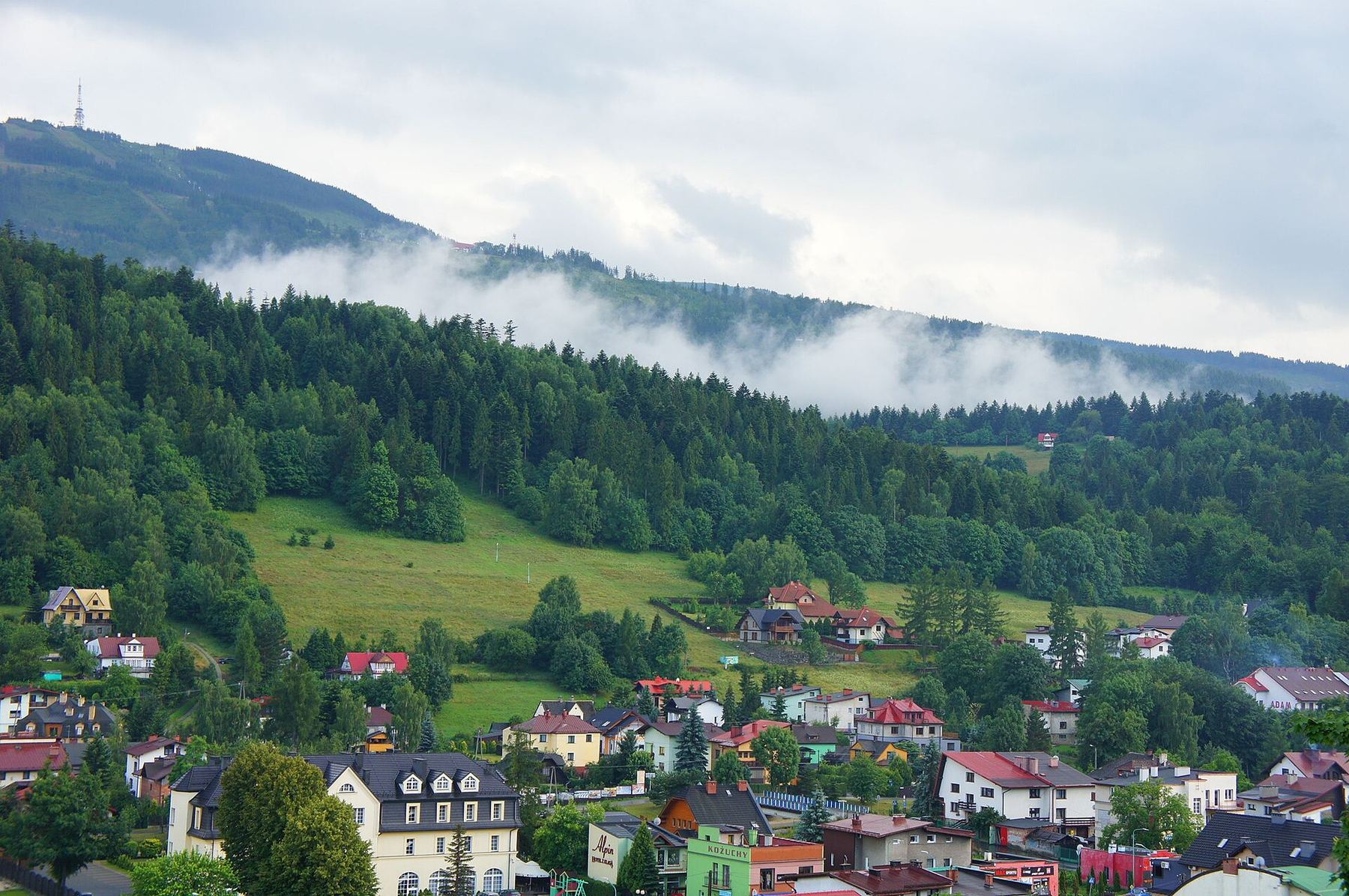
Szczyrk Mountain Resort
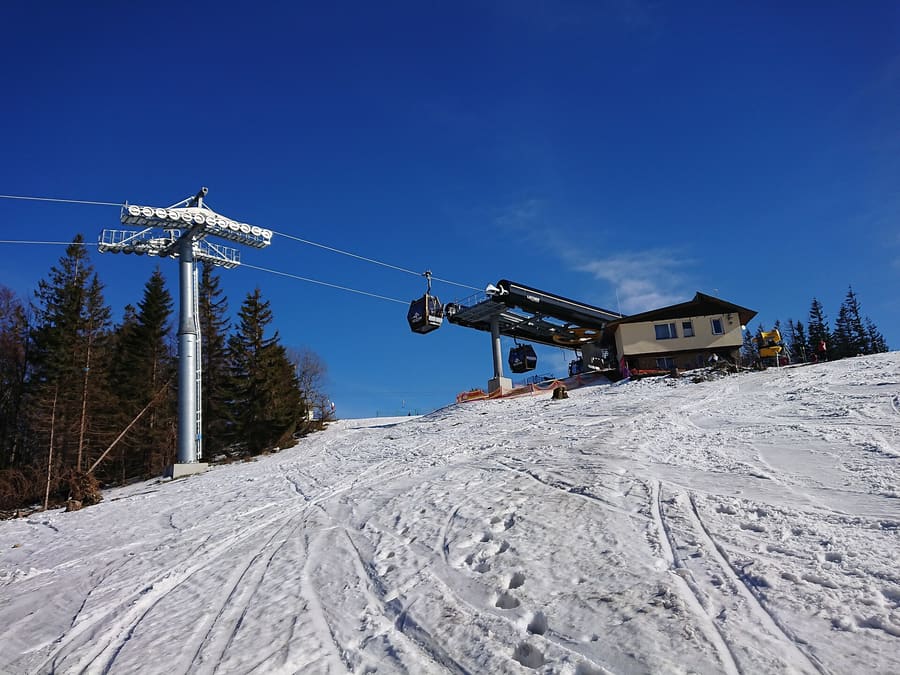
Poland's largest connected ski terrain with 23 kilometres of groomed runs. The 10-seater gondola from Gondola Station speeds up queues.
Tanya ParleyPolandia
Poland's premier mountain hub for skiing and trail hiking.
introduction
Szczyrk stretches five kilometres along the narrow Żylica river valley in the Silesian Beskids. Mountain ridges compress the city into a single main road line, making navigation straightforward. Lift infrastructure links directly to adjacent peaks like Skrzyczne and Małe Skrzyczne. Expect quiet summer hiking trails that turn into busy ski bottlenecks during winter weekends.
Rail connection trick
Trains stop at Bielsko-Biała Główna, 15 kilometres north. Local Komunikacja Beskidzka buses depart from platform 1 every 20 minutes to Szczyrk.
Highest Beskid summit
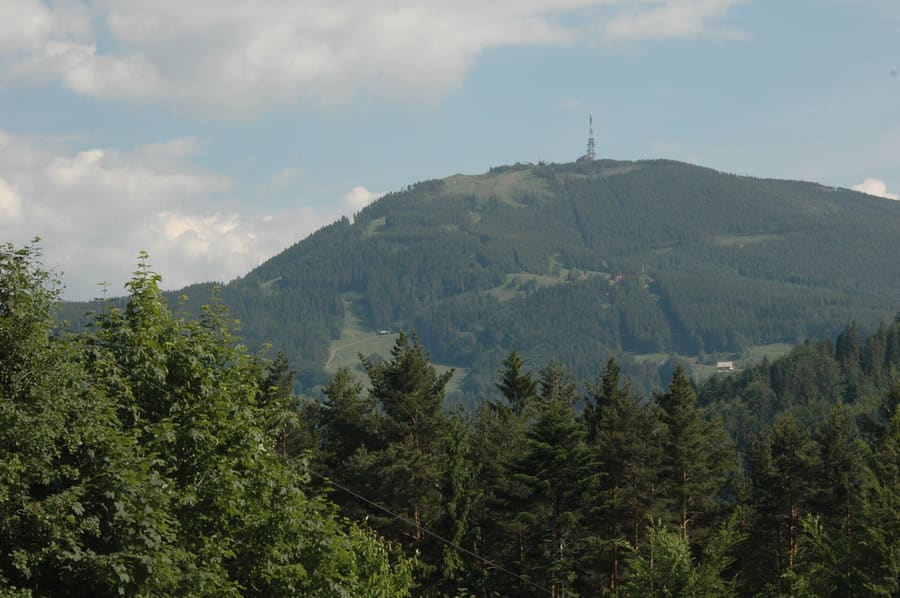
Skrzyczne tops the Silesian Beskids range at 1,257 metres. The summit mountain hut has provided shelter and broth to walkers since 1933.
Dynamic slope pricing
Szczyrk Mountain Resort runs on the Gopass dynamic system. Buying lift tickets online two days early saves up to 20 percent over walk-up window prices.
Szczyrk
Public domain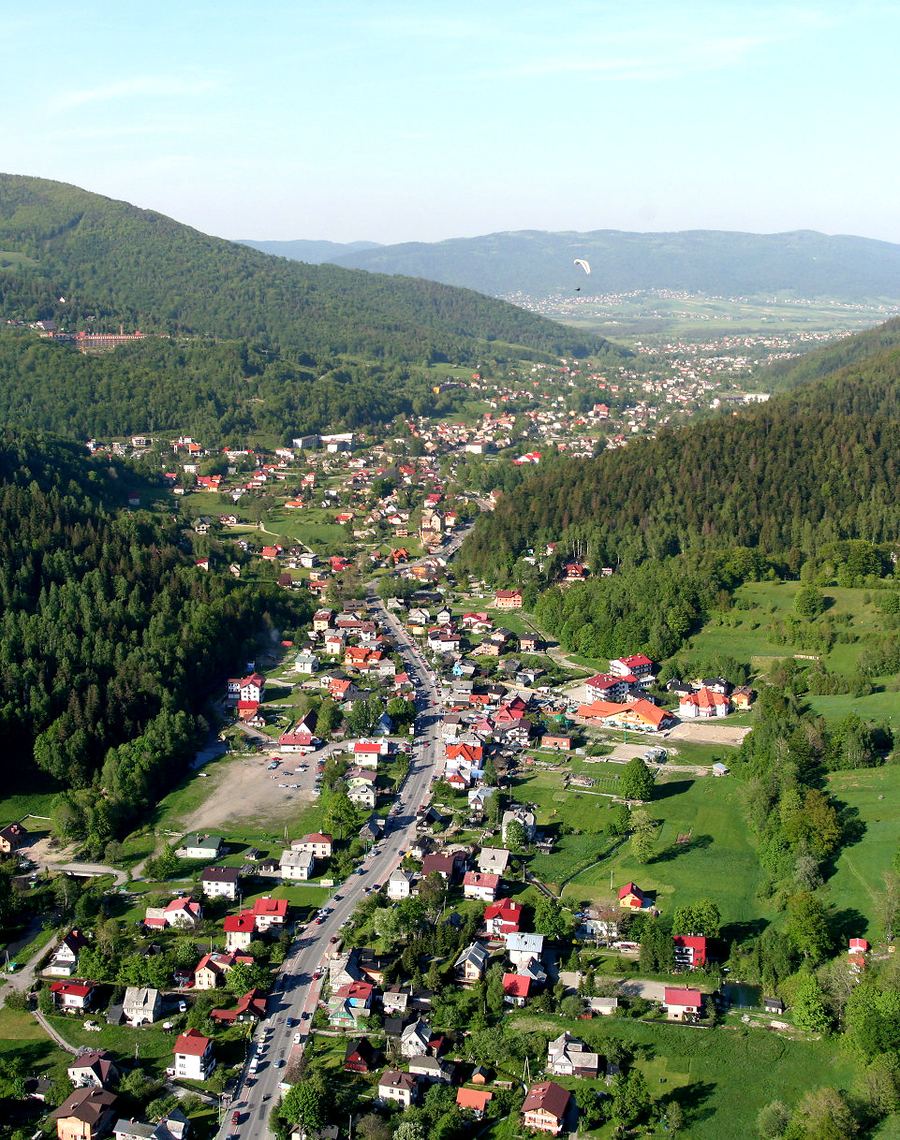
Szczyrk Centrum — The commercial backbone along Ulica Beskidzka and the Żylica river path.
Andrzej Kosiński · CC BY 3.0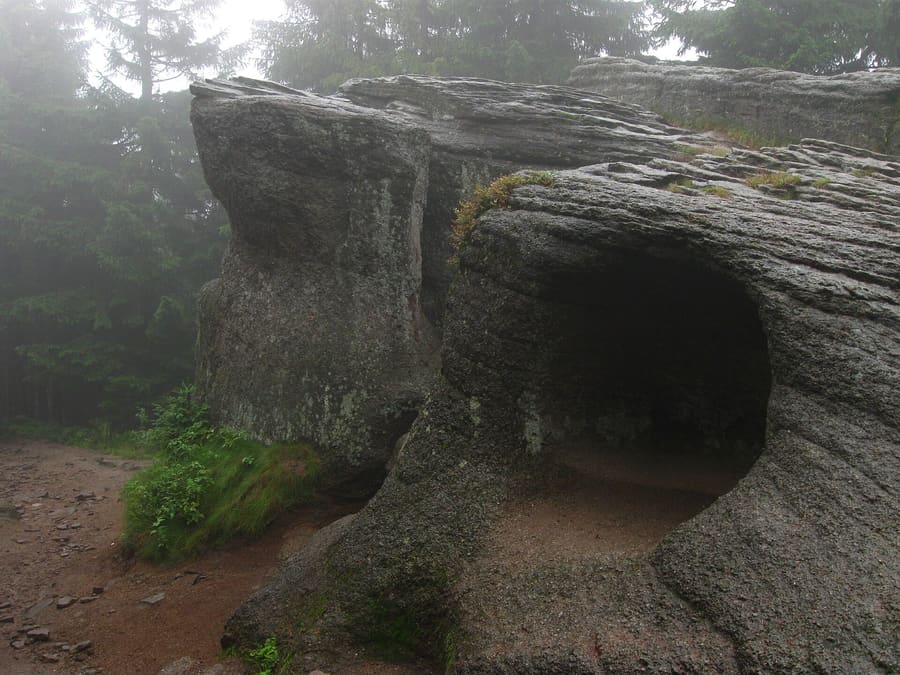
Solisko — Upper valley express hub linking multiple chairlifts to high ridges.
Bastet78 · CC BY-SA 3.0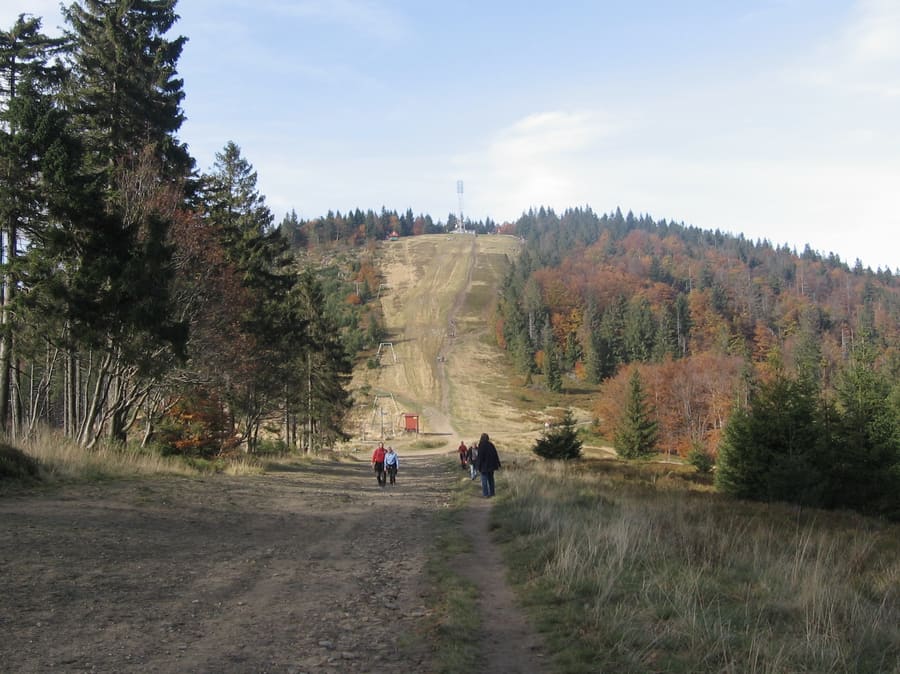
Biła — A quiet side valley tucked north under the slopes of Klimczok mountain.
Adrian Tync · CC BY-SA 4.0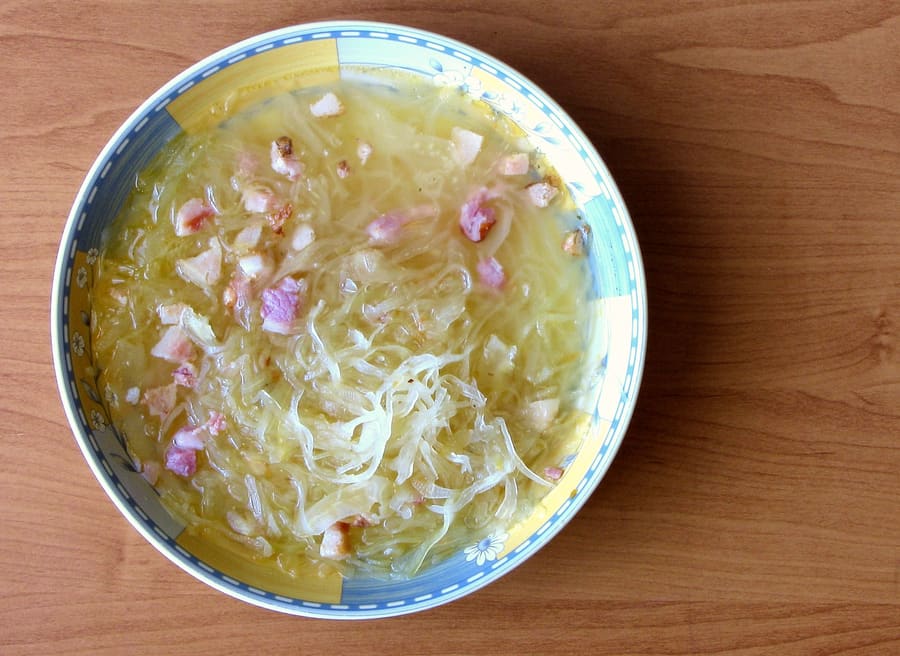
Kwaśnica served with rye bread in a traditional timber karczma.
Mariuszjbie · CC BY-SA 3.0highlights
landmark
Poland's largest connected ski terrain with 23 kilometres of groomed runs. The 10-seater gondola from Gondola Station speeds up queues.
Tanya Parley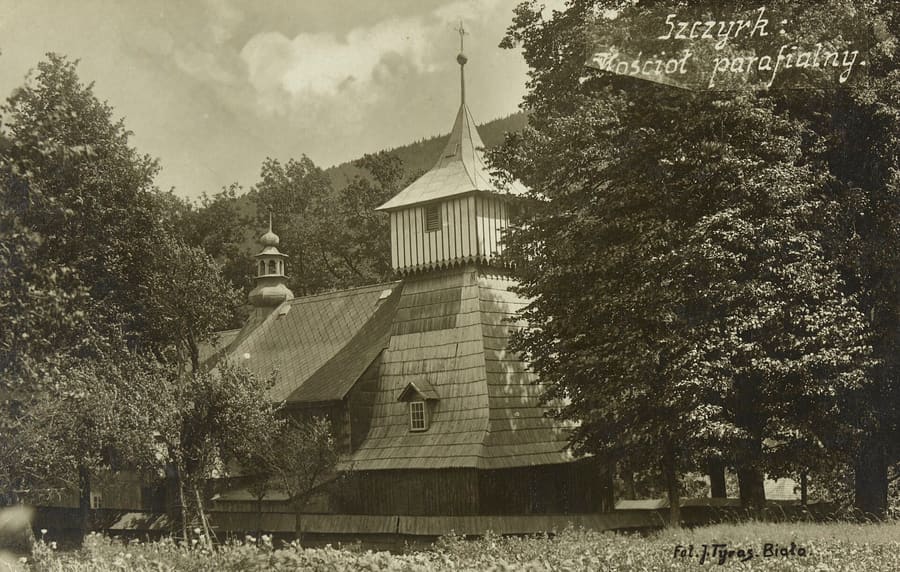
landmark
An 18th-century wooden parish church along the main road. Features original regional carpentry and a quiet historic churchyard.
Tanya Parley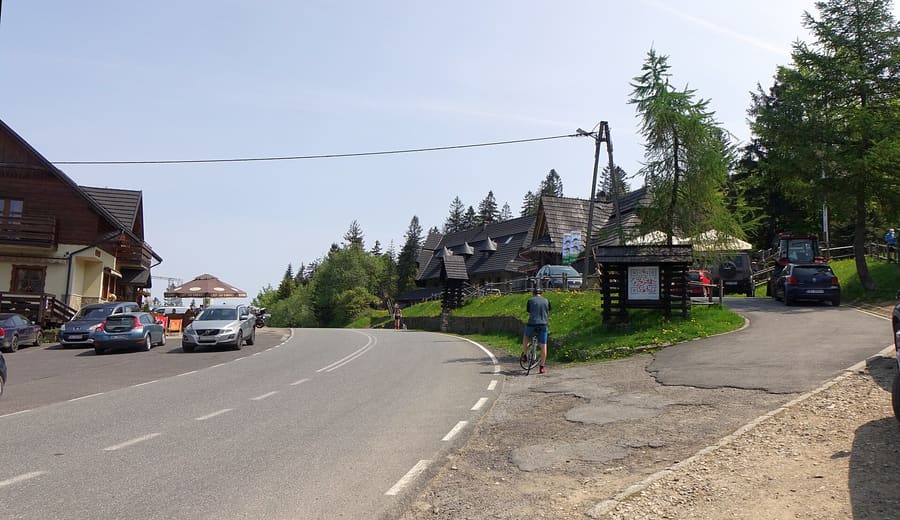
landmark
A 934-metre mountain pass connecting Szczyrk to Wisła. Offers immediate trail access to Malinowska Skała rock formation.
Tanya Parleyattractions
areas
The commercial backbone along Ulica Beskidzka and the Żylica river path.
DekatSt. James Church, Skalite ski jumping hill, Żylica riverside trail.
Tanya ParleyUpper valley express hub linking multiple chairlifts to high ridges.
DekatZbójnicka Kopa chairlift, Salmopol pass road.
Tanya ParleyA quiet side valley tucked north under the slopes of Klimczok mountain.
DekatBeskid Sport Arena, trailheads to Klimczok peak shelter.
Tanya Parleyfood
Dining in Szczyrk revolves around traditional regional taverns called karczmy. Heavy wood timber, central stone fireplaces, and sour mountain broths define local menus. Kwaśnica, a tart soup made from sauerkraut broth and smoked pork ribs, forms the core mid-winter meal. You will also find placki po zbójnicku, which are crisp potato pancakes smothered in goulash.For quick mountain nourishment, smoked sheep cheese called oscypek is grilled at street stalls along Ulica Beskidzka. It comes topped with cranberry preserve. Portions in regional restaurants are deliberately large to sustain hikers and skiers.
Kwaśnica served with rye bread in a traditional timber karczma.
Mariuszjbie · CC BY-SA 3.0Shelters atop Skrzyczne serve hot żurek and kwaśnica daily until 4:00 PM.
Venues like Karczma Stara Luba fill up entirely by 6:00 PM on winter weekends.
High-altitude trail shelters on Klimczok accept cards, but card reader signals fail during storms.
history
Szczyrk began as a timber and pastoral settlement in the 15th century. Vlach shepherds migrated along the Carpathians, clearing mountain pastures for seasonal grazing. For centuries, charcoal burning and forest work sustained the local population along the Żylica river.The town transformed into a health and winter sports resort after World War I. Ski jump facilities opened in the 1930s. Major ski lift investments during the late 20th century turned Szczyrk into Poland's primary alpine skiing hub.
First land register
Szczyrk is officially registered as a timber settlement under the Żywiec estate administration.
Skrzyczne shelter built
The Polish Tatra Society builds the first permanent mountain refuge atop Skrzyczne peak.
Modern lift expansion
TMR group invests over 130 million PLN, adding modern gondolas and linked chairlift systems.
where to stay
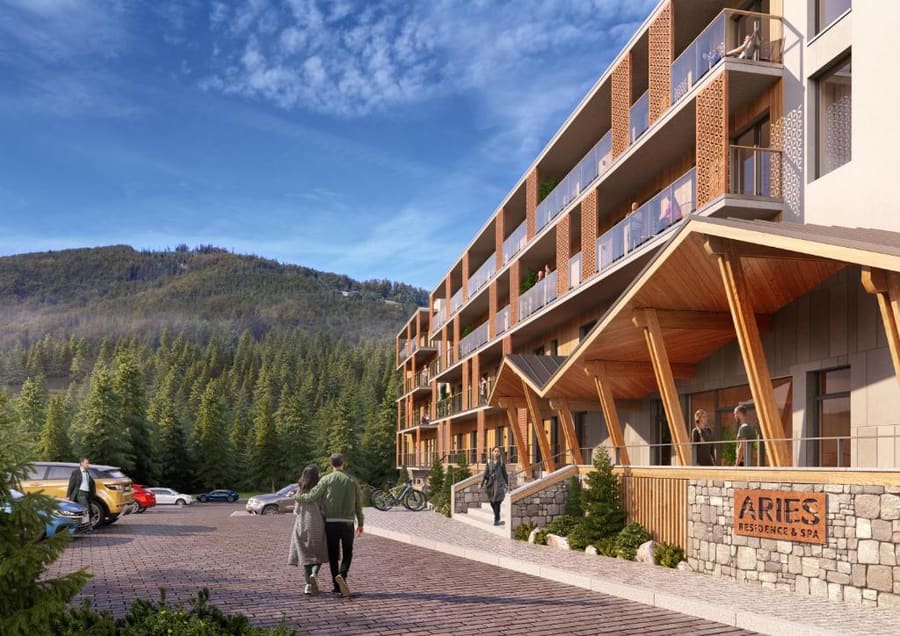
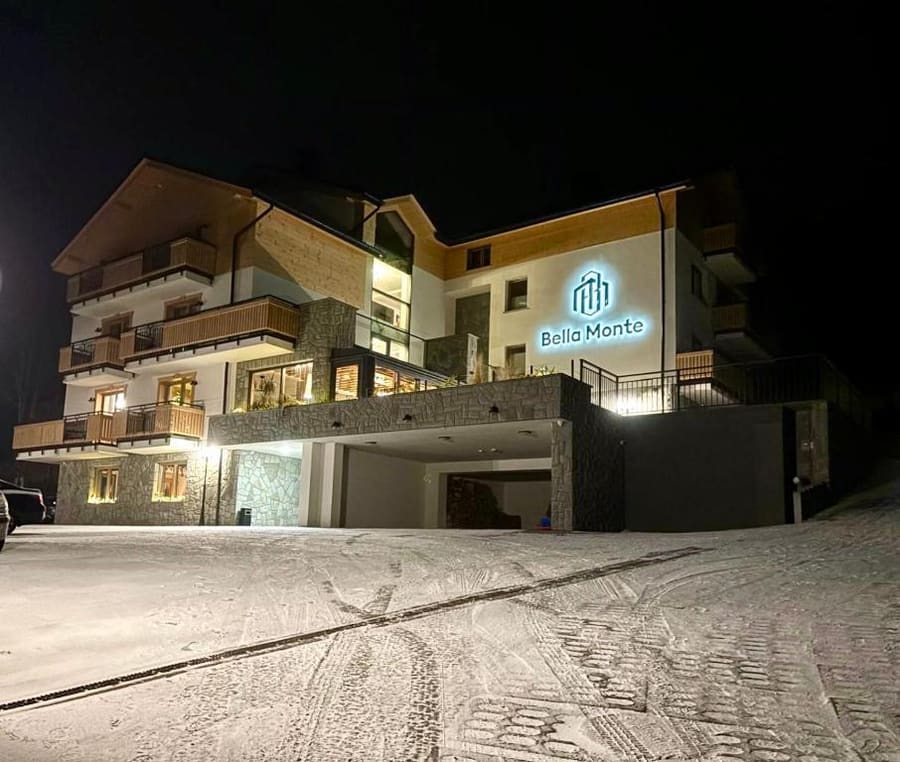
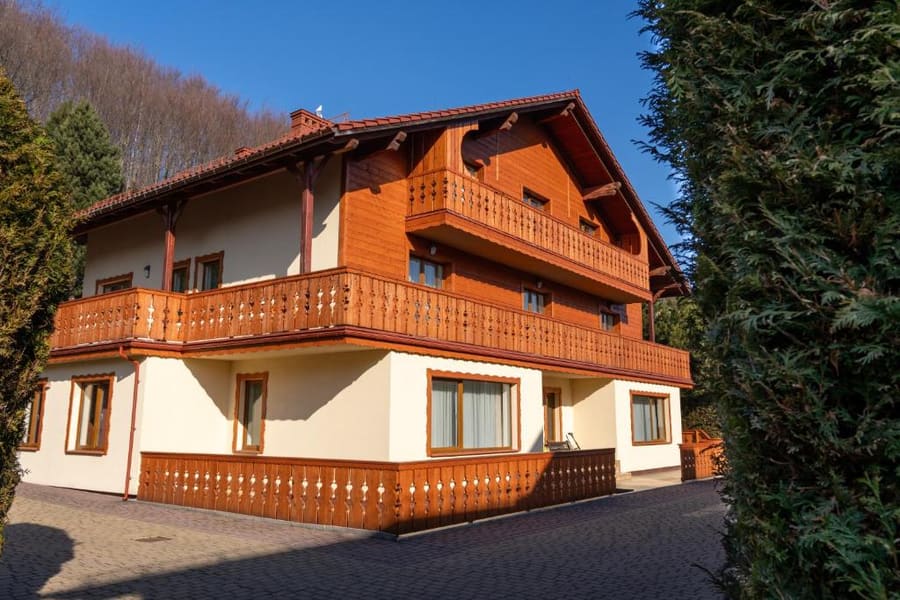
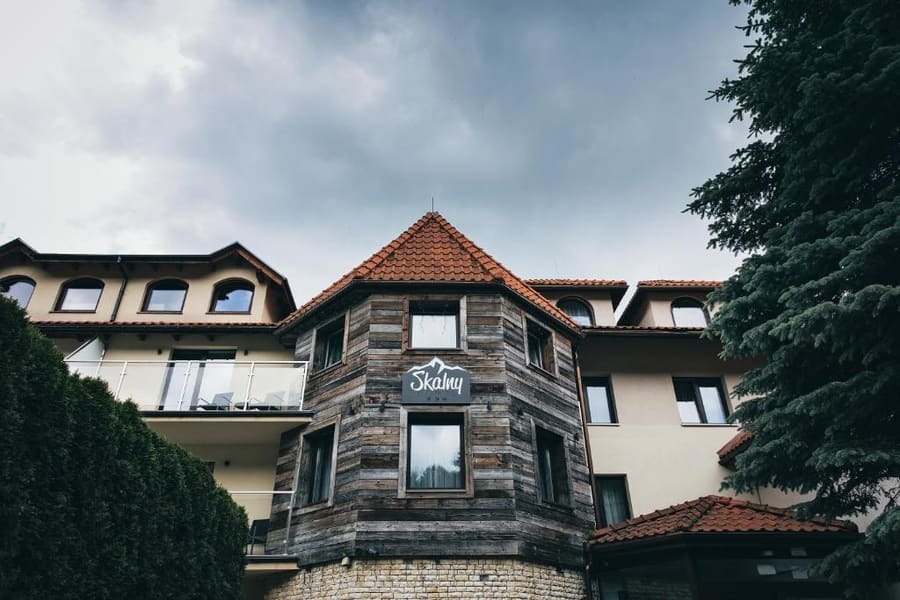
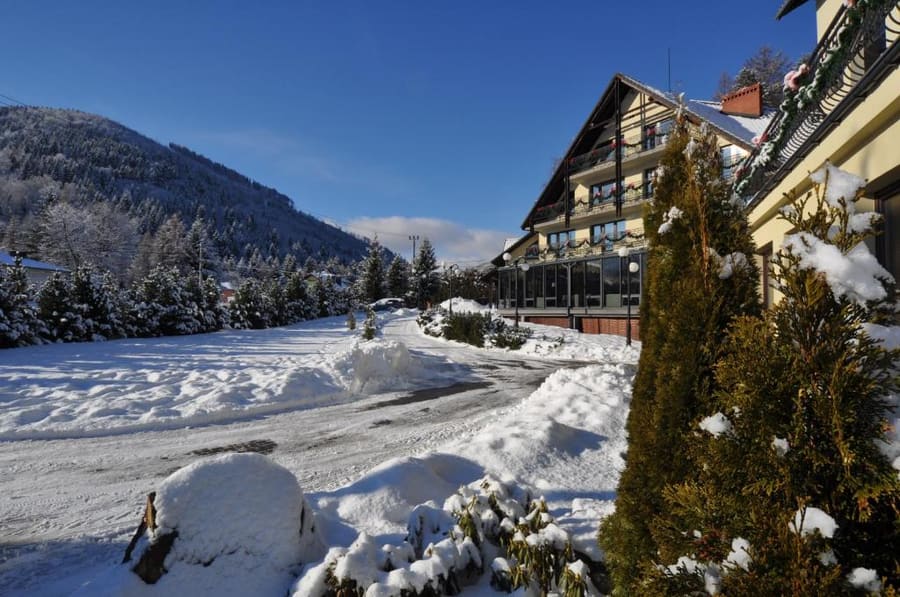
Choose your base by your travel season and primary activity. If you rely on public transit or want evening restaurant access, pick Szczyrk Centrum. If getting onto the slopes at 8:00 AM is your priority, book an apartment directly in Czyrna or Solisko. For quiet summer walking and trail access, the northern Biła valley offers lower crowds and direct forest tracks.
Live rates, matched to the areas above.
transport
Szczyrk is a single-corridor city stretched along Ulica Beskidzka. Walking the entire length takes over an hour, so local transport is essential in winter. Regional buses and private ski minibuses link central stops to lift hubs every few minutes during high season.
Dari Bielsko-Biała Główna Rail Hub
Komunikacja Beskidzka buses leave from the station forecourt every 20 minutes.
Pre-book local taxi companies during peak winter holiday weekends.
Uber and Bolt operate from Bielsko-Biała train station to Szczyrk.
Ski pass holders ride the municipal winter shuttle bus along Ulica Beskidzka free of charge.
The single main road jams solid when slopes close. Leave before 3:30 PM or after 6:00 PM.
Private minibus operators along the valley accept cash only for short intra-town jumps.
A paved path runs parallel to the main road along the river. Use it to avoid vehicle traffic.
cost
Szczyrk costs slightly less than Zakopane but reflects its status as a major ski hub. Dynamic ski pass pricing means early bookers pay significantly less. Food prices remain fair across traditional taverns.
Prices adjust dynamically on Gopass based on season demand and booking lead time.
Covers a main dish like roasted pork knuckle or goulash pancakes with a drink.
Return scenic ride tickets for non-skiers hiking the upper ridge.
Street-side cheese snack served hot with cranberry sauce.
seasonality
DEC – FEB
Peak ski season. Slopes operate at full capacity. Expect crowded lift lines and high room rates.
MAR – APR
Late spring skiing and thawing trails. Lift passes get cheaper as snow cover retreats uphill.
MAY – JUN
Ideal wild hiking weather. Quiet trails, open ridges, and moderate hotel pricing.
JUL – AUG
Summer high season. Downhill mountain biking opens and ridge trails draw Polish weekenders.
SEP – NOV
Autumn beech foliage in October. Quiet atmosphere, though lift maintenance occurs in November.
practicalities
Save emergency number 601 100 300 for Mountain Volunteer Search and Rescue before hitting trails.
Pack a windproof layer even on warm days. Skrzyczne ridge experiences sharp wind gusts.
Most main cable cars close by 4:00 PM or 4:30 PM outside designated night skiing sessions.
Return keycards at automatic deposit machines near lift base stations to recover your 2 EUR deposit.
Polish trails use color codes for route identification, not difficulty. Red marks main ridge trails.