landmark
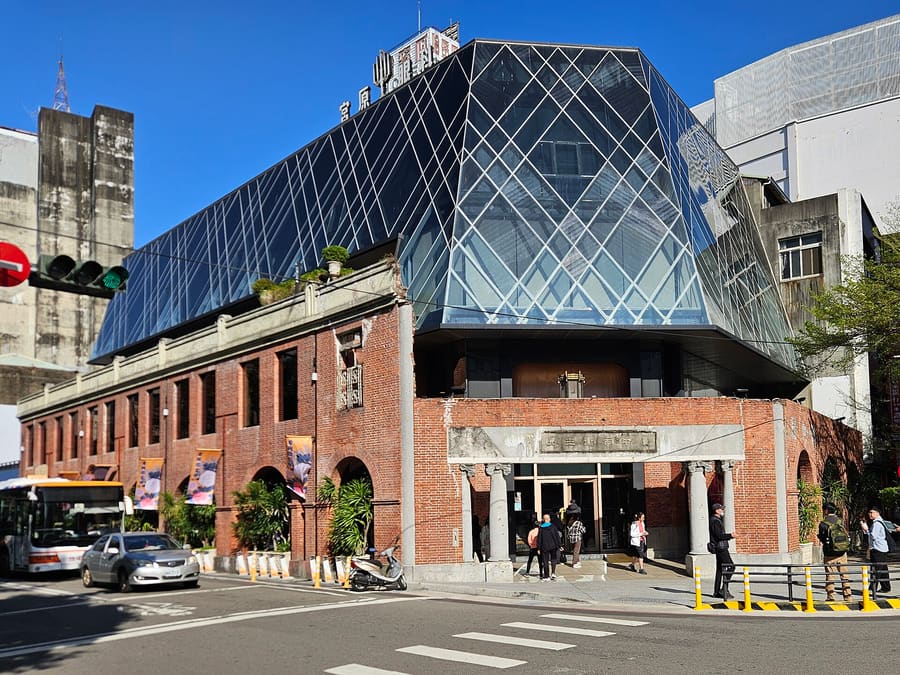
Miyahara Sweetshop
A 1920s eye clinic turned pastry shop selling famous pineapple cakes and ice cream. Expect long queues after noon.
Tanya ParleyTaiwan
Taiwan's grid-built hub of design, tea, and open spaces.
introduction
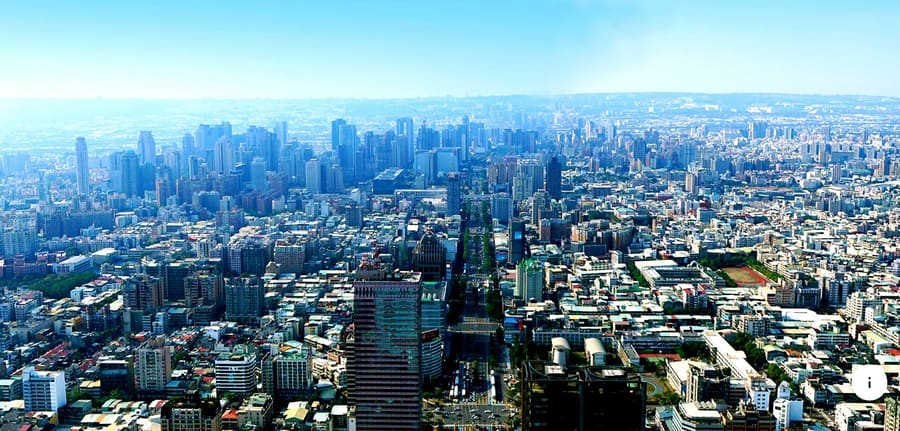
Taichung sits on Taiwan's central western plain with wider avenues and clearer skies than Taipei. Japanese urban planners laid its central grid in 1900, creating broad boulevards that now accommodate linear parks and contemporary towers. You move through the city using the Green MRT line and widespread YouBike stations. Expect a relaxed urban pace built around Taiwanese tea culture and food innovation.
HSR to MRT connection
Taichung HSR station connects directly to the Green MRT Line at Wuri. An 18-minute ride brings you into the city center without traffic.
City of Bubble Tea
Chun Shui Tang opened its original shop on Siwei Street in 1983. It claims the creation of cold pearl milk tea.
YouBike free 30 minutes
YouBike 2.0 stations sit outside every MRT station. The city subsidizes the first 30 minutes of every ride.
Taichung
Taichung photo · CC BY-SA 4.0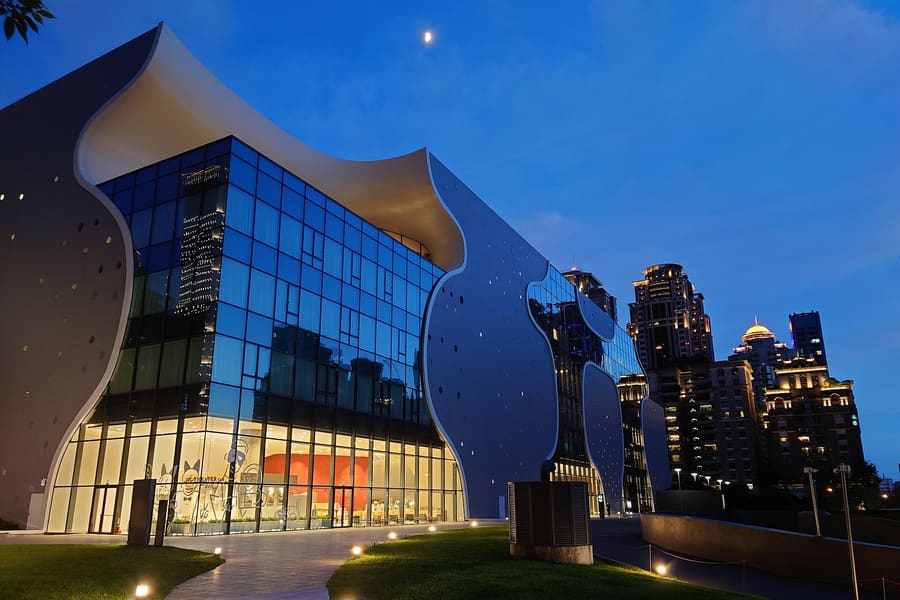
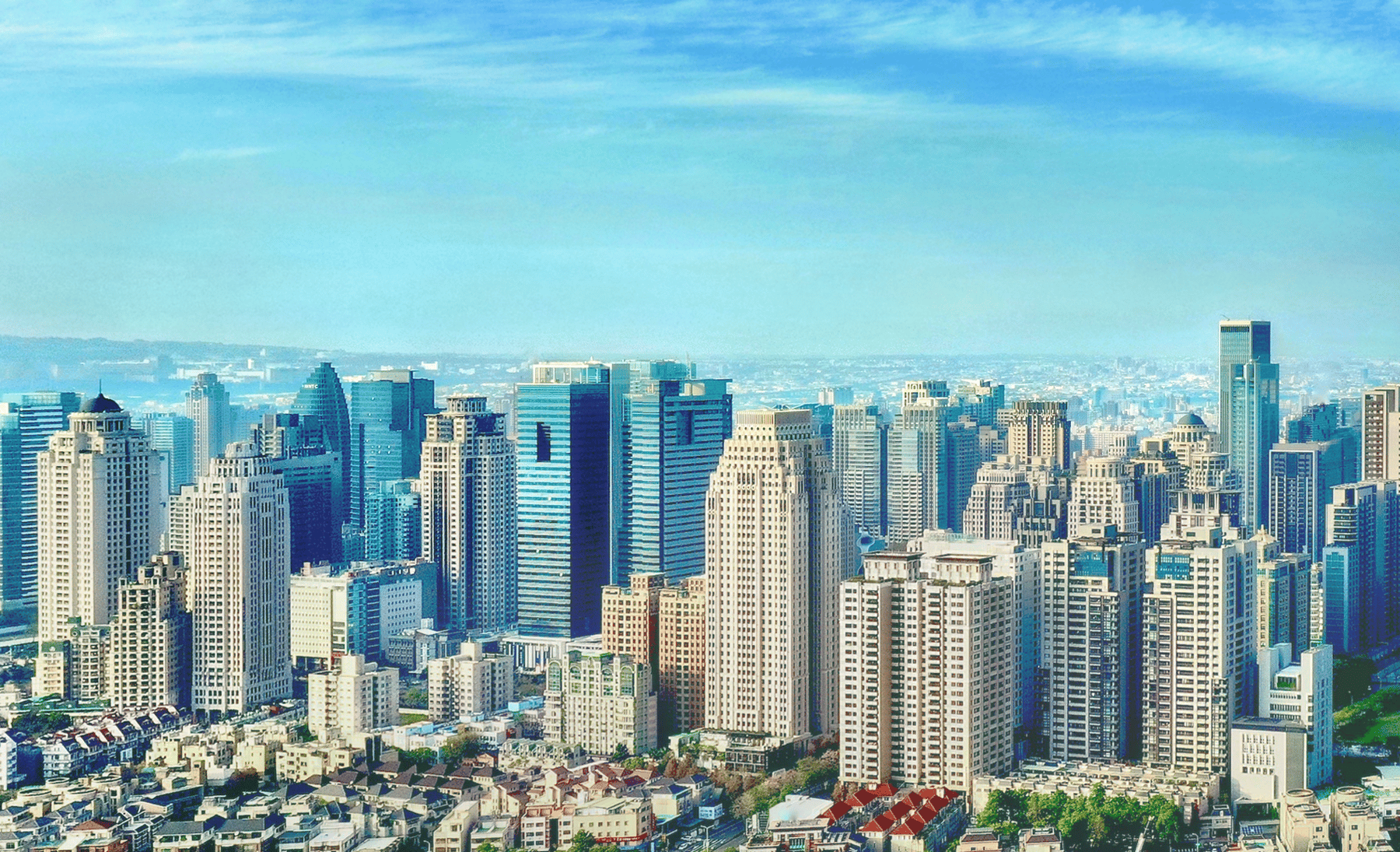
Xitun District — High-rise towers, luxury malls, the opera house, and massive night market crowds.
Cheng-en Cheng · CC BY-SA 2.0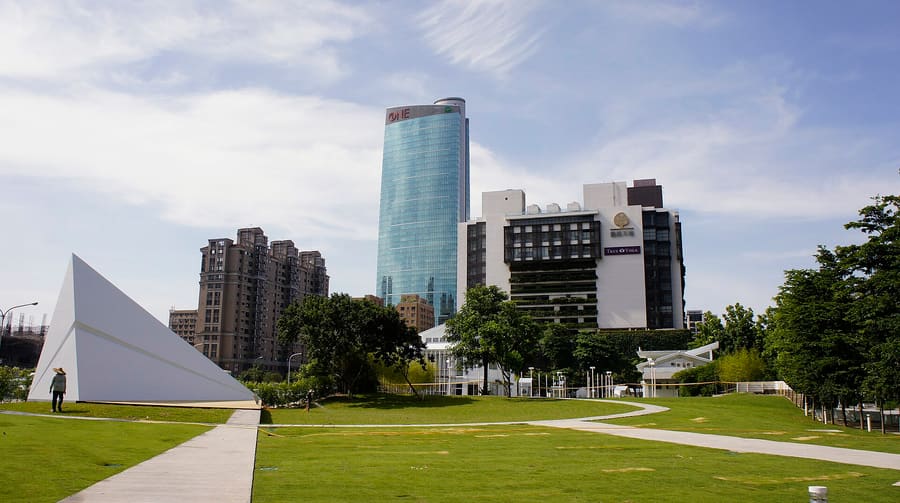
West District — Tree-lined greenways, independent cafes, craft markets, and low-slung residential alleys.
Fcuk1203 · CC BY-SA 3.0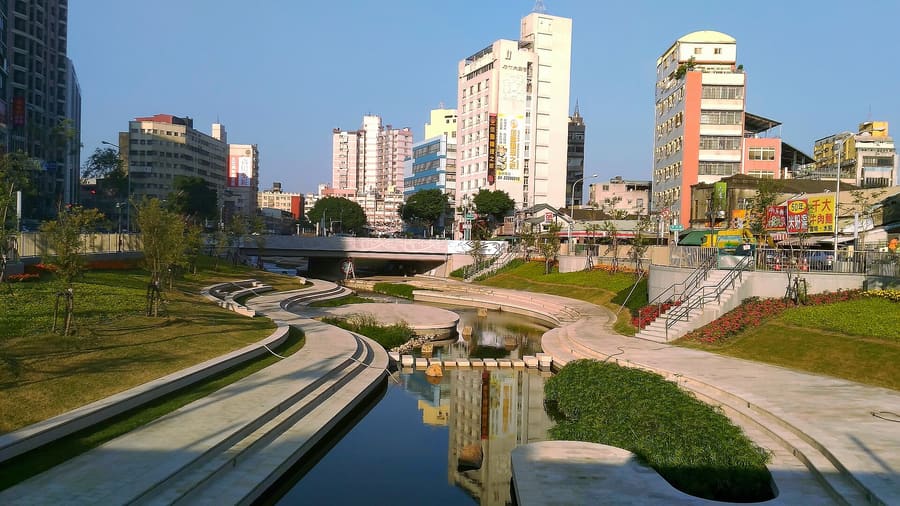
Central District — Grid-plan Japanese-era architecture, old bakery shops, and renovated historical blocks.
Fcuk1203 · CC BY-SA 4.0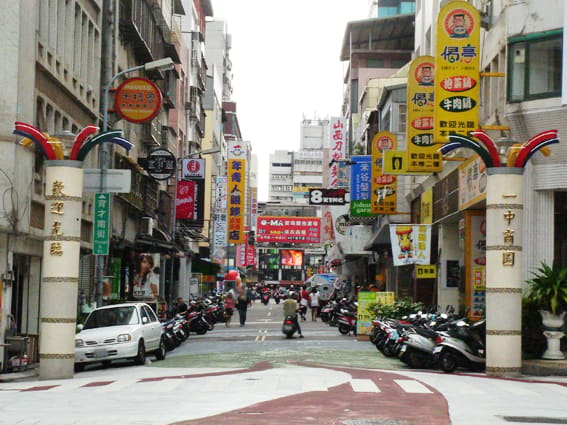
North District — Student energy around Yizhong Street, traditional parks, and inexpensive local eateries.
Fcuk1203 · CC BY-SA 3.0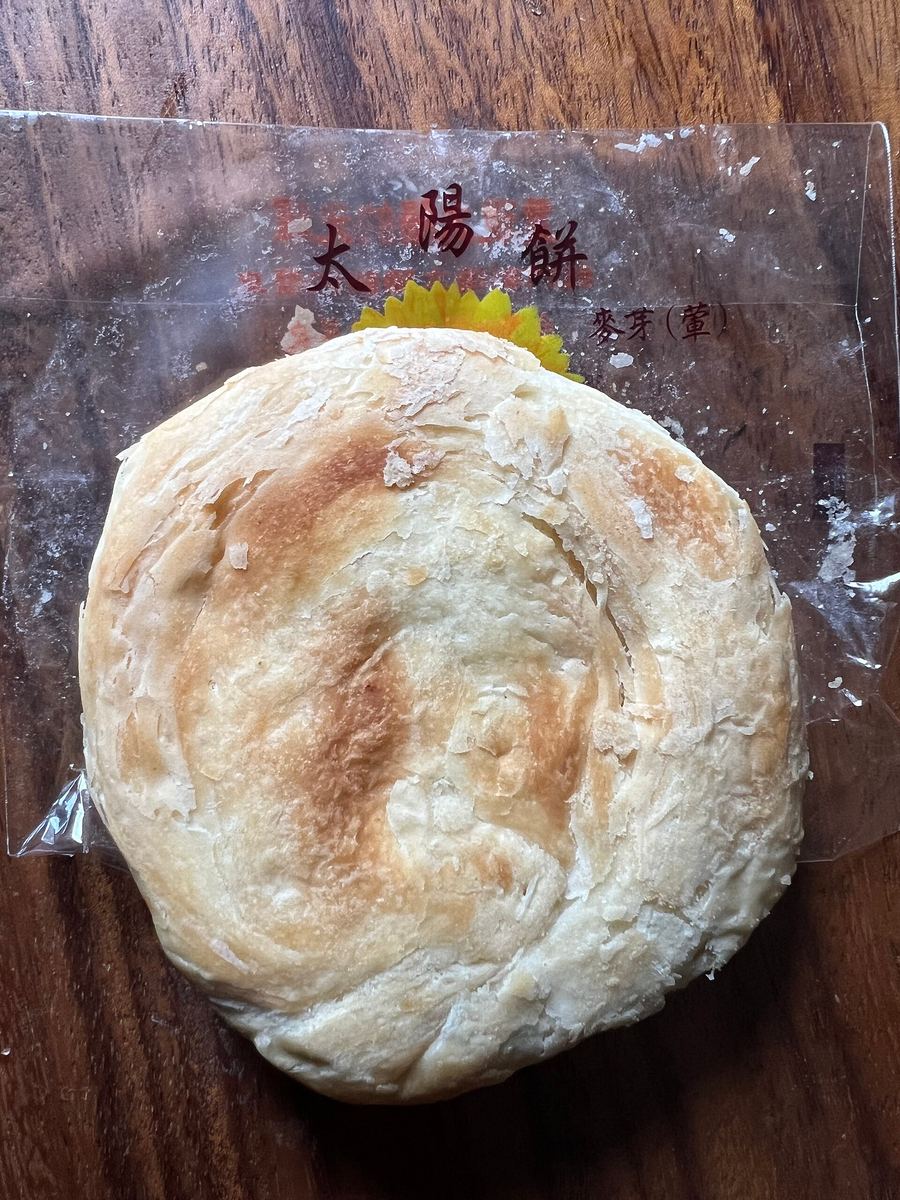
Traditional flaky sun cakes, a Taichung specialty filled with maltose.
Meguromaguro · CC BY-SA 4.0highlights
landmark
A 1920s eye clinic turned pastry shop selling famous pineapple cakes and ice cream. Expect long queues after noon.
Tanya Parley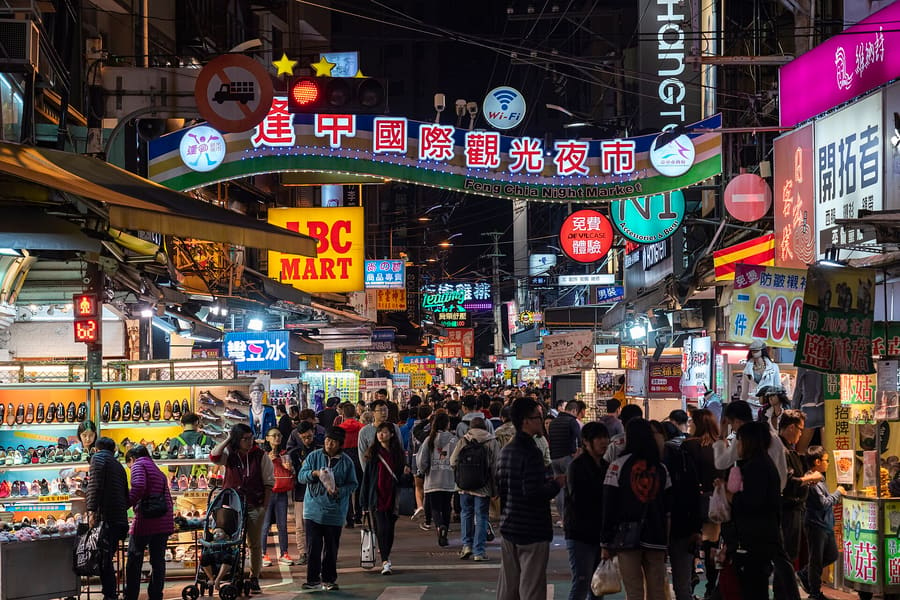
landmark
Taiwan's largest night market surrounds Feng Chia University. Try the fried chicken chop and pork intestines here.
Tanya Parley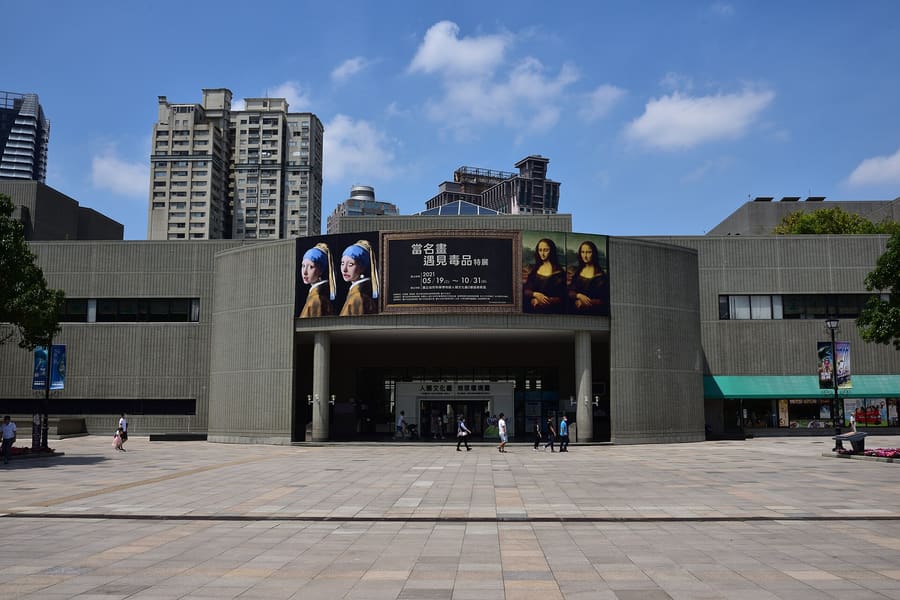
landmark
A massive complex housing a full-scale animatronic T-Rex and botanical gardens. Mondays are closed.
Tanya Parley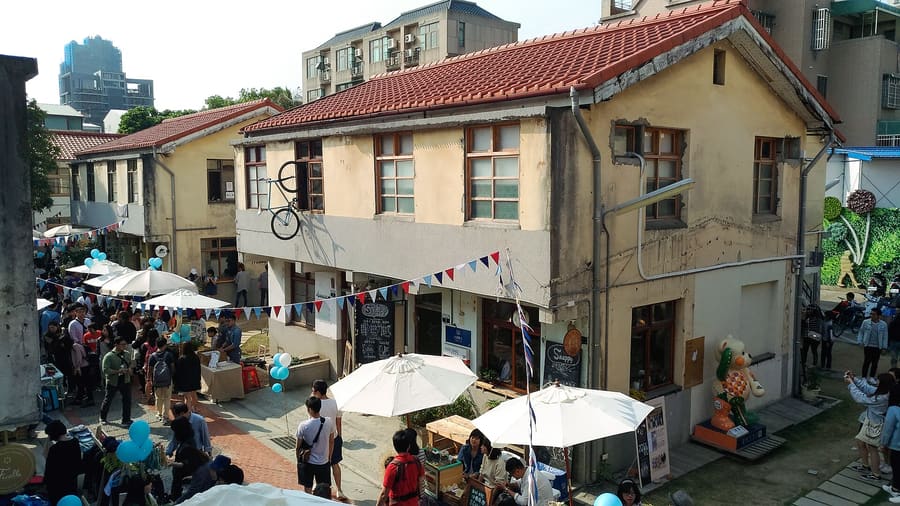
landmark
Former dormitories converted into a craft market and studio hub. Visit on weekends for local artisan stalls.
Tanya Parleyattractions
areas
High-rise towers, luxury malls, the opera house, and massive night market crowds.
DekatNational Taichung Theater and Fengjia Night Market.
Tanya ParleyTree-lined greenways, independent cafes, craft markets, and low-slung residential alleys.
DekatCalligraphy Greenway and Shenji New Village.
Tanya ParleyGrid-plan Japanese-era architecture, old bakery shops, and renovated historical blocks.
DekatTaichung Railway Station and Miyahara Sweetshop.
Tanya ParleyStudent energy around Yizhong Street, traditional parks, and inexpensive local eateries.
DekatYizhong Night Market and Taichung Park.
Tanya Parleyfood
Traditional flaky sun cakes, a Taichung specialty filled with maltose.
Meguromaguro · CC BY-SA 4.0Taichung breakfast stalls keep glass bottles of red chili sauce on tables. Pour it onto morning fried noodles (Chao Mian) and pig blood soup.
Buy pastry gift boxes inside Miyahara, but order ice cream at Fourth Credit Cooperation two blocks away for shorter wait times.
Ziyou Road Section 2 houses the highest concentration of sun cake bakeries. Samples are offered freely inside.
history
Taichung developed relatively late compared to coastal Tainan. In 1887, Qing Dynasty officials briefly selected Taichung as the provincial capital of Taiwan, initiating initial construction. Japanese colonial rule beginning in 1895 turned the town into a planned modern city based on a strict rectangular street grid modeled on Kyoto. The central canal (Luchuan) was channelized and grand brick public buildings were erected around the rail station.In the post-war industrial boom, Taichung became a center for light manufacturing and food processing. Since the 2000s, the city government shifted focus toward modern cultural architecture, establishing major cultural centers and expanding westward into new high-density districts.
Japanese urban plan
Colonial engineers lay down Taichung's central grid and channelize the Luchuan and Liuchuan canals.
North-South Railway completed
The Western Line rail connection completes at Taichung Station, making the city a central shipping node.
where to stay
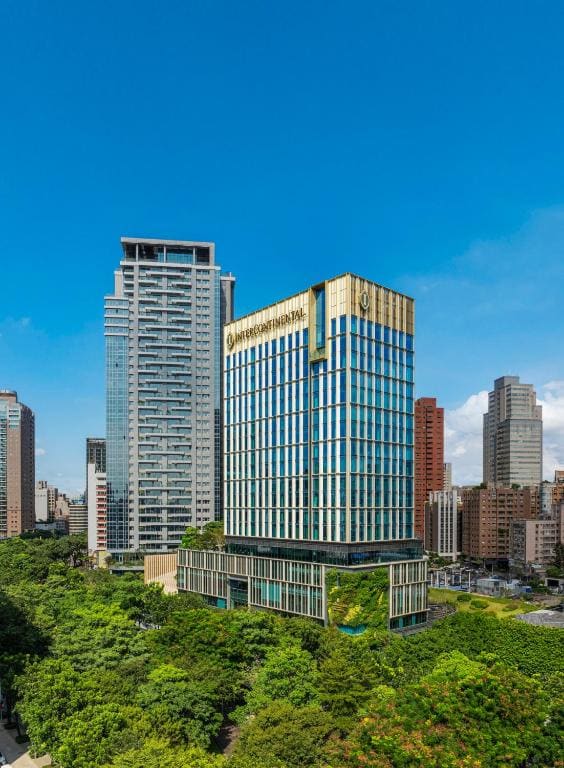
Choose your location based on your transportation priorities. Central District puts you within walking distance of the main train station and regional buses. West District offers low-density living near parkways and independent cafes. Xitun District houses top-tier commercial hotels near the opera house, but requires taxis or buses to reach older parts of town.
Live rates, matched to the areas above.
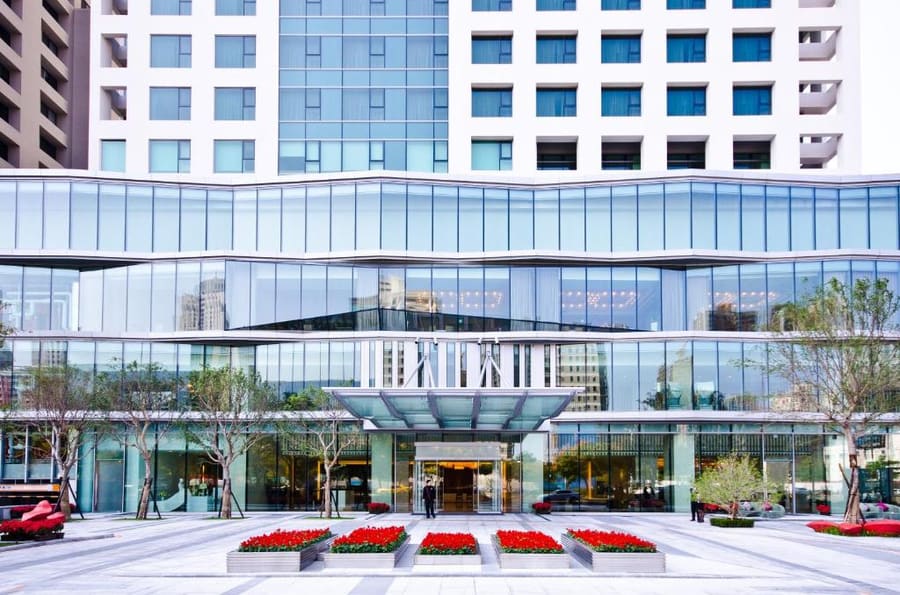
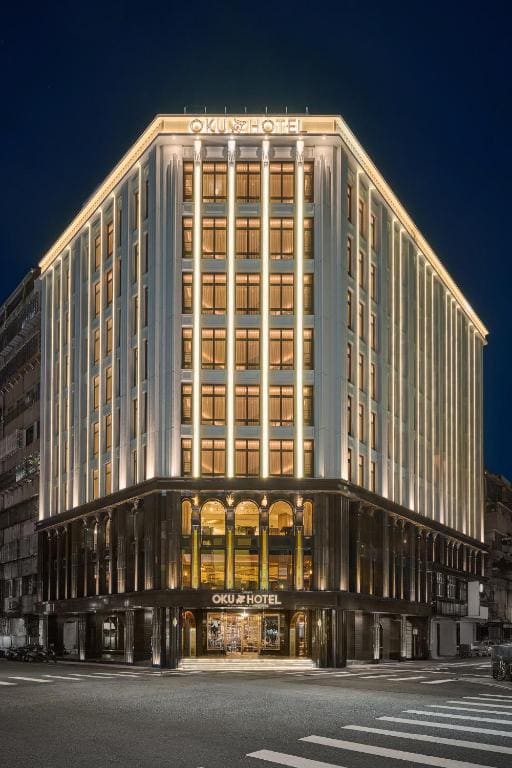
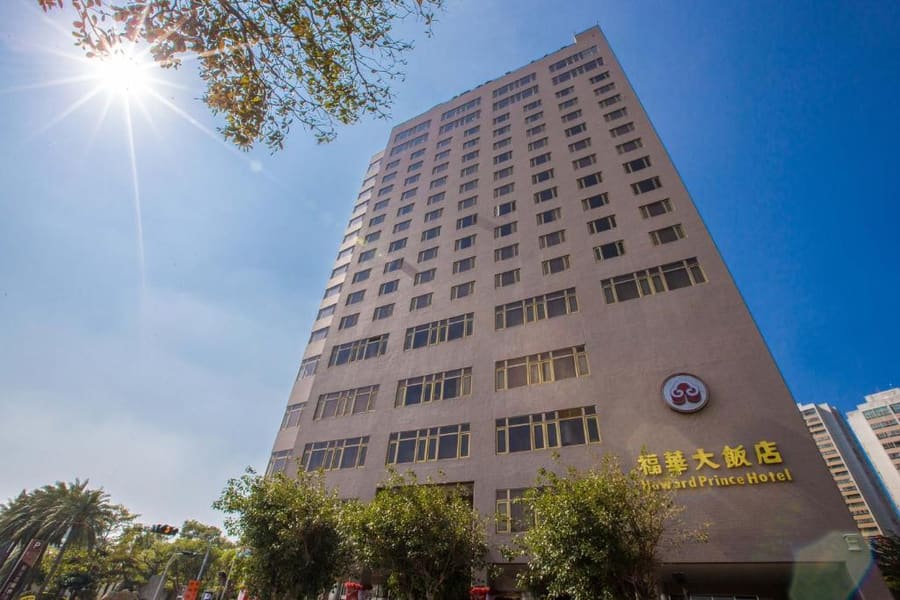
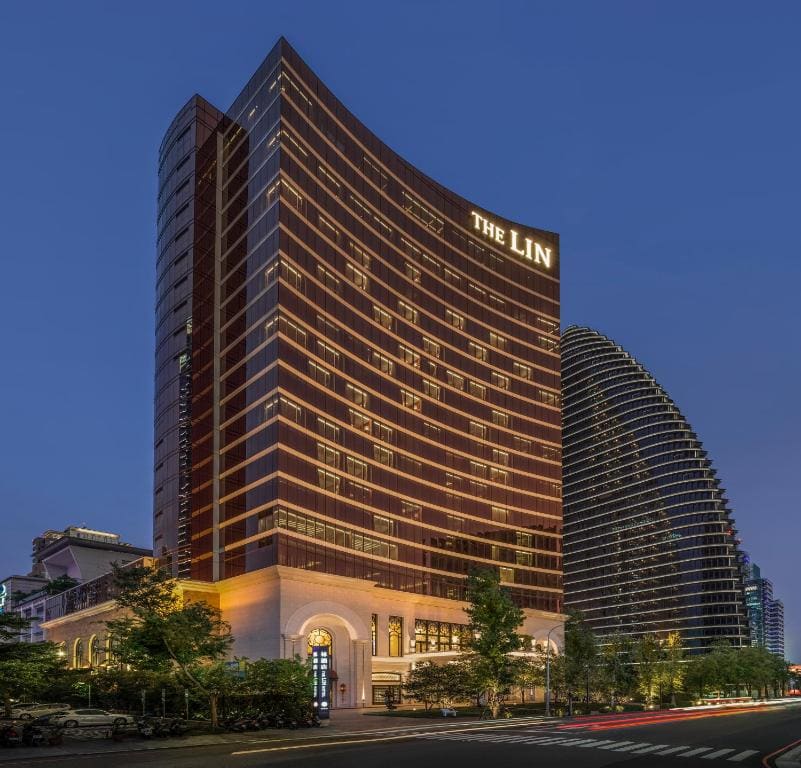
transport
Taichung relies on a single MRT line (the Green Line), an extensive city bus network, and YouBike 2.0 bike-share docks. Train travel splits between two major stations: Taichung Railway Station in the city center for conventional TRA trains, and High-Speed Rail (HSR) Taichung Station located southwest in Wuri District.
Dari High Speed Rail (HSR) Taichung Station (Wuri)
Transfer to local TRA train at Xinwuri Station (connected inside HSR building) to Taichung Main Station.
Follow signage to the official taxi rank on 1F. Meter fares apply.
EasyCard and iPASS work across the Green MRT line, local TRA trains, and city buses.
The Green Line runs elevated along Wenxin Road. It connects the HSR station to Xitun and North districts.
Buses numbered 300 to 310 run along the dedicated bus lane on Taiwan Boulevard from the main station out to Xitun.
Unlock YouBikes via the app or registered EasyCard. The initial 30 minutes cost nothing due to city subsidies.
cost
Taichung is roughly 20% cheaper than Taipei for dining and accommodations. Cash remains necessary for night market vendors and small traditional bakeries, while card payment is standard in department stores, hotels, and chains.
A standard box of 8 to 12 handmade sun cakes from established bakeries.
Prices at sit-down tea houses like Chun Shui Tang run higher (around NT$140).
Covers two snacks and a drink at Fengjia or Yizhong Night Market.
seasonality
OCT – DEC
Clear skies, mild temperatures, and minimal rain. The best window for outdoor walking and Greenway markets.
JAN – FEB
Cool weather with heavy domestic crowds around Lunar New Year. Book accommodation weeks in advance.
MAR – MAY
Warm spring weather with occasional spring rains. Comfortable for city exploration before summer heat.
JUN – SEP
High temperatures and afternoon typhoon risks. Plan outdoor activities for early mornings or late evenings.
practicalities
Most public museums, including the National Museum of Natural Science, close on Mondays.
Convenience stores (7-Eleven and FamilyMart) feature international ATMs accepting Visa and Mastercard.
Winter months occasionally bring haze from coastal power stations. Check local AQI apps before long outdoor trips.
Public trash bins are rare outside MRT stations. Carry trash until returning to your hotel or convenience store.
Turning vehicles often do not stop for pedestrians at crosswalks. Exercise caution when crossing major avenues.