landmark
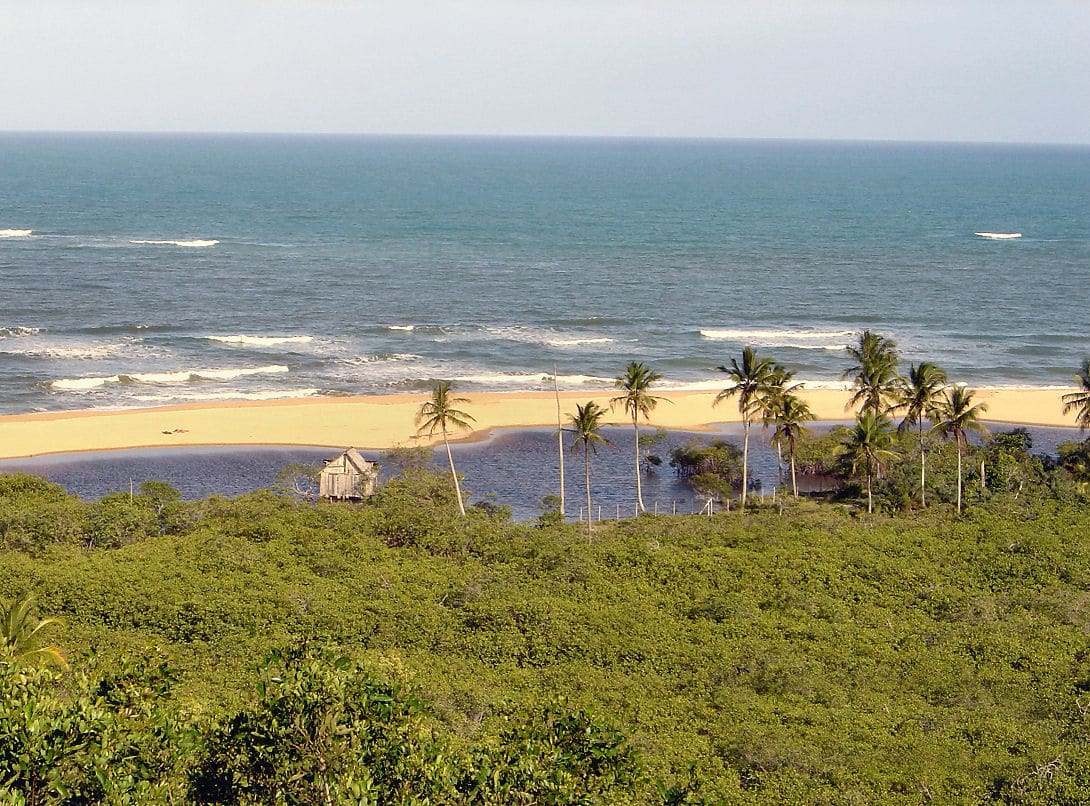
Praia dos Coqueiros
A sheltered beach framed by coconut palms and reef pools. Walk south from town along the sand at low tide.
Tanya ParleyBrasil
A car-free square on a cliff above Bahia’s southern coast.
introduction
Trancoso centers on the Quadrado, a large rectangular green square framed by colorful low-slung houses and a white church overlooking the Atlantic Ocean. Motor vehicles are barred from the square, so life moves at the pace of foot traffic and evening lantern light. Steep paths connect the historic center to sandy beaches lined with open-air lounge bars and quiet mangrove estuaries below. Expect high prices at dinner and limited street lighting after dark.
Arrival via ferry
Take the passenger or car ferry from Porto Seguro across the Buranhém River to cut your driving time in half.
Car-free village core
The historic Quadrado forbids all motor vehicles. Park in designated lots on the perimeter before entering on foot.
Dinner schedule
Restaurants on the Quadrado rarely open for dinner before 19:30. Most tables fill up after 21:00.
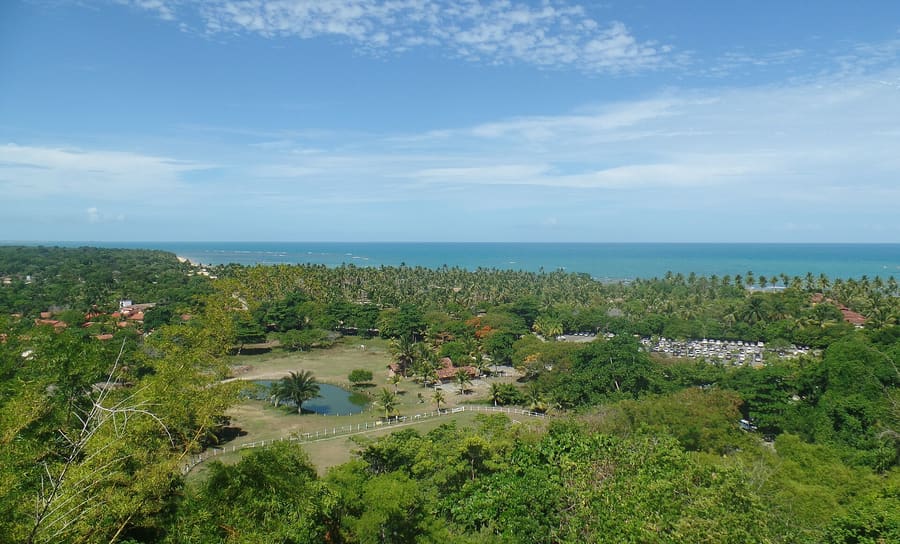
Trancoso
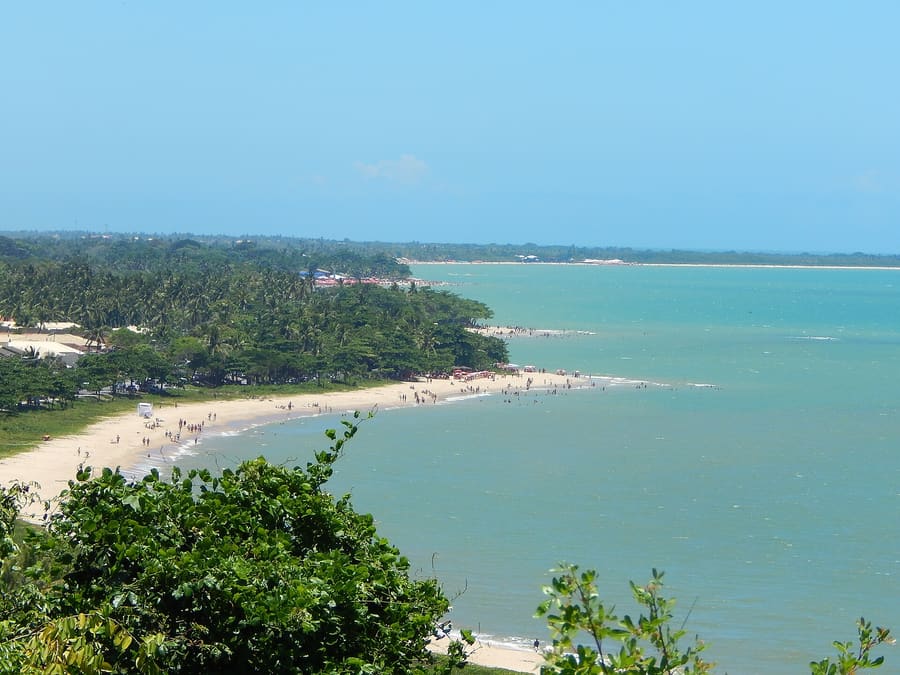
Jackeline Gomes · CC BY-SA 4.0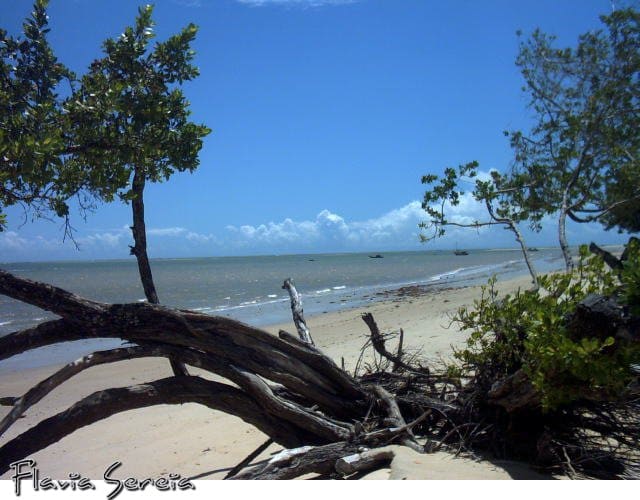
Praia dos Nativos & Coqueiros — Oceanfront strip dominated by private beach clubs, seafood shacks, and resorts.
Flavia Sereia · CC BY 2.0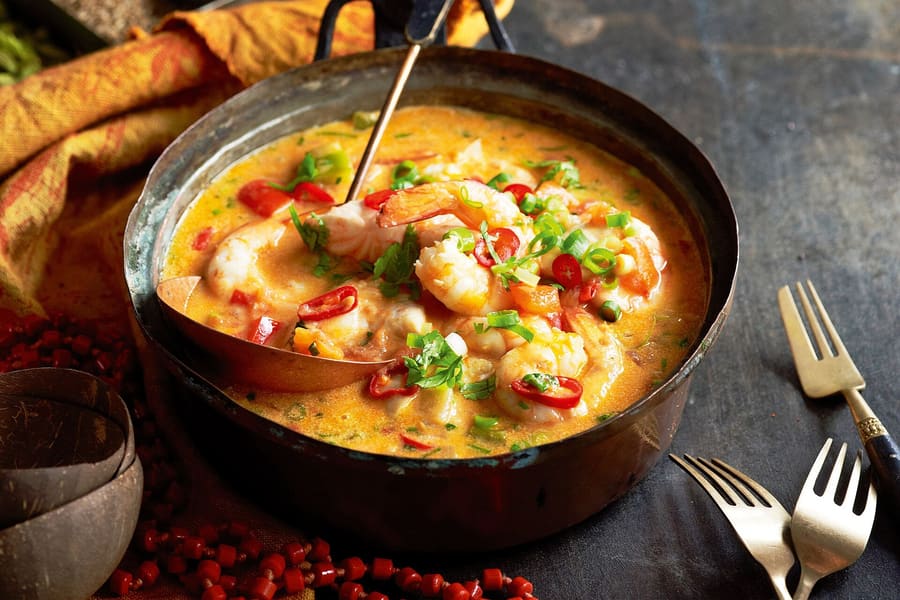
Moqueca baiana served bubbling hot in a traditional clay pot.
BR · CC BY-SA 4.0highlights
landmark
A sheltered beach framed by coconut palms and reef pools. Walk south from town along the sand at low tide.
Tanya Parley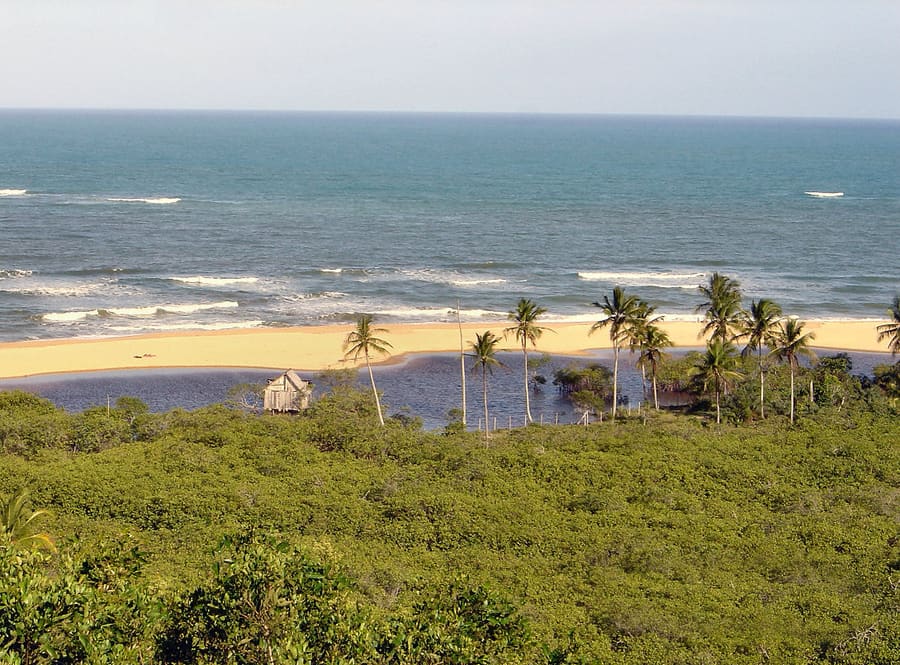
landmark
Where the freshwater Trancoso River enters the sea. Beach clubs rent lounge chairs here with food service included.
Tanya Parley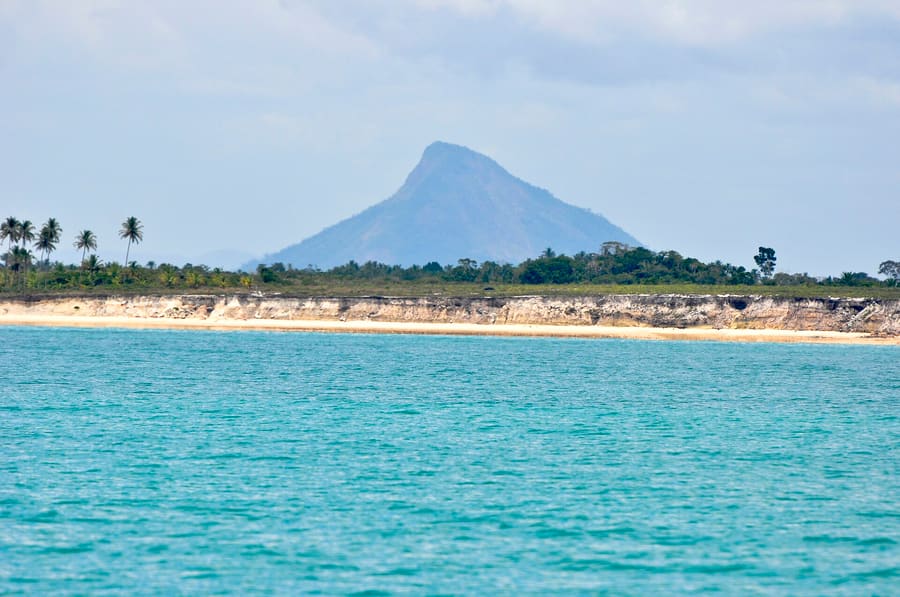
landmark
Famous for natural tide pools reflecting the sky. Time your visit strictly around the low tide table to see the pools.
Tanya Parley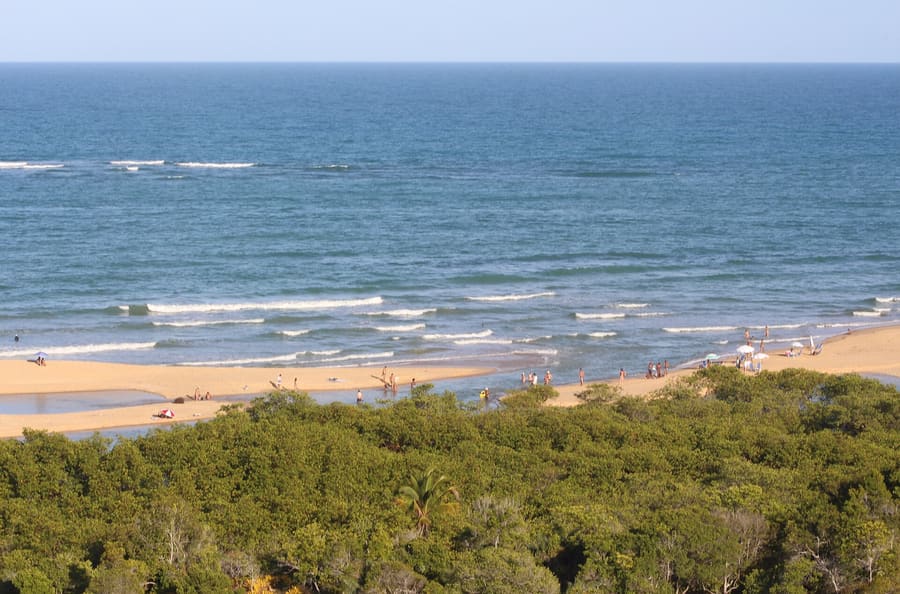
landmark
A calm mangrove river ideal for stand-up paddleboarding. Rent equipment near the wooden bridge at Praia dos Nativos.
Tanya Parleyattractions
areas
Oceanfront strip dominated by private beach clubs, seafood shacks, and resorts.
DekatTrancoso River mouth and ocean swimming
Tanya ParleyGrass plaza surrounded by colorful historic cottages and dining.
DekatSão João Batista church and downhill beach trails
Tanya ParleyQuiet residential cliffside neighborhood north of the main village center.
DekatSegredo beach access and clifftop lookouts
Tanya ParleyGated resort corridor featuring an 18-hole golf course atop red clay cliffs.
DekatTerravista Golf Course and private airstrip
Tanya Parleyfood
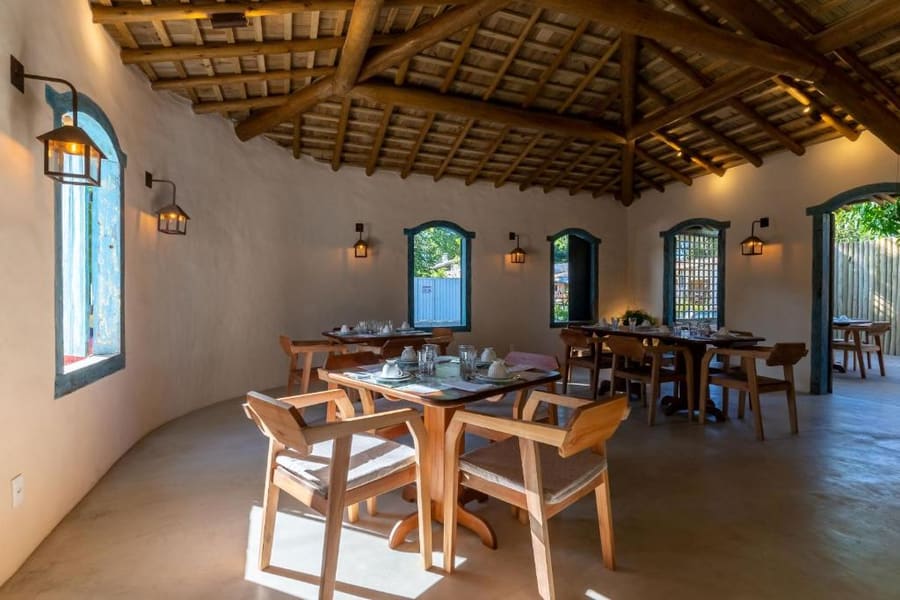
Trancoso dining blends traditional Bahian seafood with upscale contemporary Brazilian cooking. Local kitchens rely on palm oil, coconut milk, and fresh catch landed directly on nearby beaches. Moqueca, a fragrant seafood stew cooked in clay pots, remains the cornerstone of any midday meal. Dining on the Quadrado takes place outdoors beneath almond trees, where ambient lantern lighting replaces electric lamps after sunset.
Moqueca baiana served bubbling hot in a traditional clay pot.
BR · CC BY-SA 4.0Bahian stew made with wild fish, dendê palm oil, and coconut milk, served with farofa and pirão.
Deep-fried black-eyed pea fritters stuffed with vatapá paste and dried shrimp, sold late afternoon near the entrance of the Quadrado.
Reserve tables on the Quadrado at least two days ahead during December and January peak periods.
history
Founded by Portuguese Jesuits in 1586 as a native settlement, Trancoso remained an isolated fishing village for nearly four centuries. Lacking paved roads or electricity, the community preserved its original village grid around a central green field. In the 1970s, alternative travelers and artists arrived, renovating abandoned colonial homes while maintaining the structural footprint. Today, strict municipal preservation rules protect the Quadrado from modern architectural developments.
Jesuit settlement
Jesuit priests establish São João Baptista dos Índios on a cliff above the Atlantic.
Church completion
Villagers construct the simple whitewashed church that stands at the head of the Quadrado today.
Arrival of alternative travelers
Hippie communities discover the isolated fishing village and revitalize its abandoned homes.
Paved road access
Completion of asphalt roads connects Trancoso directly to Porto Seguro and the national highway system.
where to stay
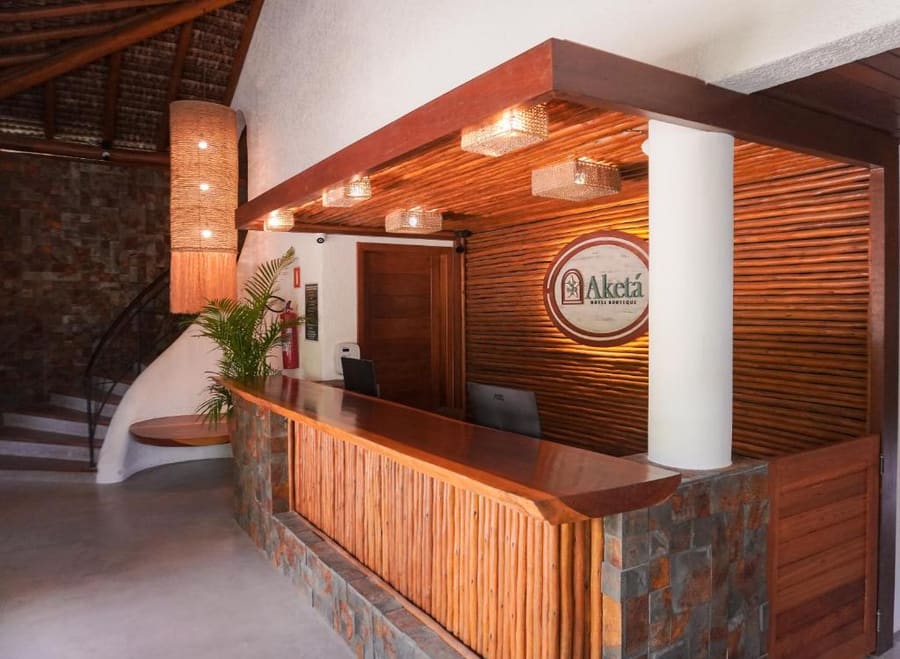
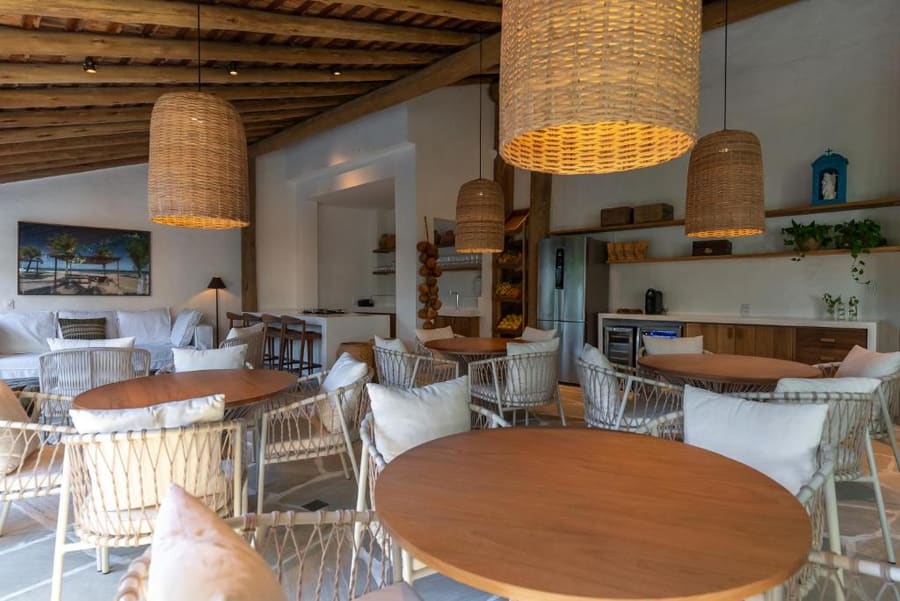
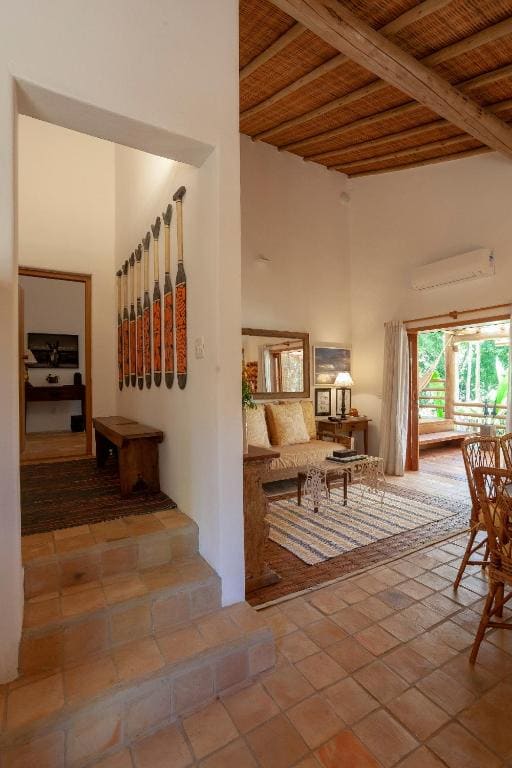
Choose your stay based on whether you prefer evening walks to restaurants or direct morning access to the sand. The Quadrado puts you steps from dining and nightlife, though night noise from outdoor tables can linger until late. Beachfront pousadas along Praia dos Nativos offer direct ocean access, but require uphill walks at night along dark pathways.
Live rates, matched to the areas above.
transport
Trancoso is small enough to navigate on foot once you arrive in the village core. Vehicles cannot enter the historic Quadrado, making walking mandatory between restaurants and shops. To reach nearby beaches or neighboring towns like Caraíva, you need local taxis or private drivers, as public bus schedules are infrequent.
Dari Porto Seguro Airport (BPS)
Includes the ferry crossing fee from Porto Seguro to Arraial d'Ajuda.
Driver meets you at arrival; pre-booking recommended during high season.
Requires taking the passenger ferry across the river first, then catching the regional bus.
Wear sturdy flat sandals or shoes. The grassy Quadrado terrain is uneven and dark at night.
Steep dirt paths connect the Quadrado to the beach. Take local beach taxis if steep climbs trigger knee issues.
Official taxi points operate near the Quadrado entrance. Set the destination price before starting the vehicle.
The Arraial d'Ajuda ferry runs 24 hours daily, operating every 30 minutes overnight.
cost
Trancoso operates on a bifurcated economy. Local eateries outside the Quadrado offer modest prices, while restaurants and beach lounges in the historic core match executive dining rates in São Paulo or Rio de Janeiro. High season from December through Carnival brings significant price spikes across all categories.
Served at main Quadrado and beachfront restaurants with traditional side dishes included.
Loungers at Praia dos Nativos require a minimum consumption on drinks and food.
Freshly fried street snack prepared by traditional baianas late afternoon.
Fixed fare between the main town entrance and beach parking areas.
seasonality
DEC – FEB
Peak summer season. Ocean water is warm and calm, but accommodation rates quadruple and crowd density hits maximum.
MAR – MAY
Warm sea temperatures with declining crowd numbers. Occasional afternoon rain showers occur.
JUN – AUG
Cooler winter months with daytime averages around 25°C. Lower prices and quiet streets on the Quadrado.
SEP – NOV
Dry weather returns with comfortable spring warmth. Excellent balance of quiet atmosphere and reasonable hotel pricing.
practicalities
Credit cards are accepted nearly everywhere, including beach huts, but carry cash for small street vendors.
Streetlights are prohibited on the Quadrado to protect stargazing. Carry a phone flashlight for late-night walks.
Bahian UV levels are strong even on overcast days. Apply high-SPF sunscreen before heading down to the shore.
Check local tide tables before planning beach walks to Praia do Espelho or remote coves.
Mosquitoes and sandflies emerge near river mouths at sunset. Apply repellent before dinner outdoor seating.