landmark
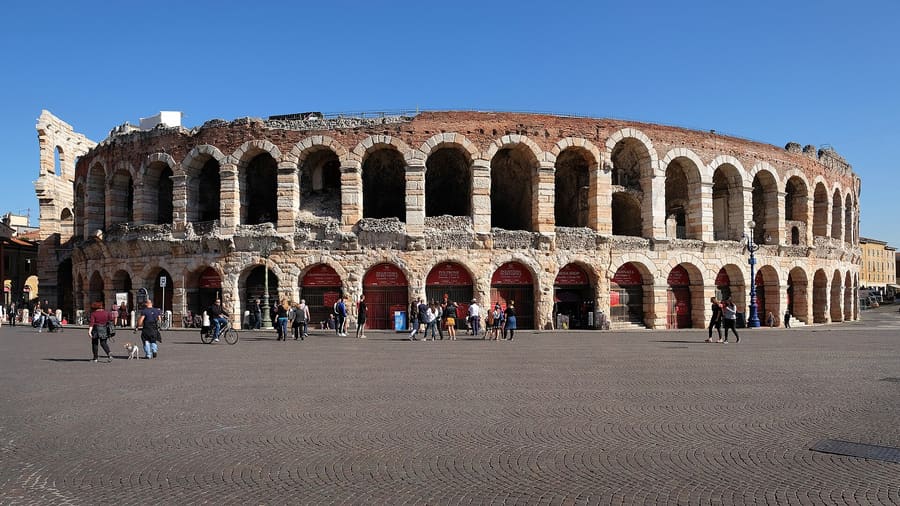
Arena di Verona
A 1st-century Roman amphitheatre hosting open-air operas. Book unreserved stone seats for low prices, but bring a cushion.
Tanya ParleyItalia
Roman stone, Valpolicella wine, and river bends.
introduction
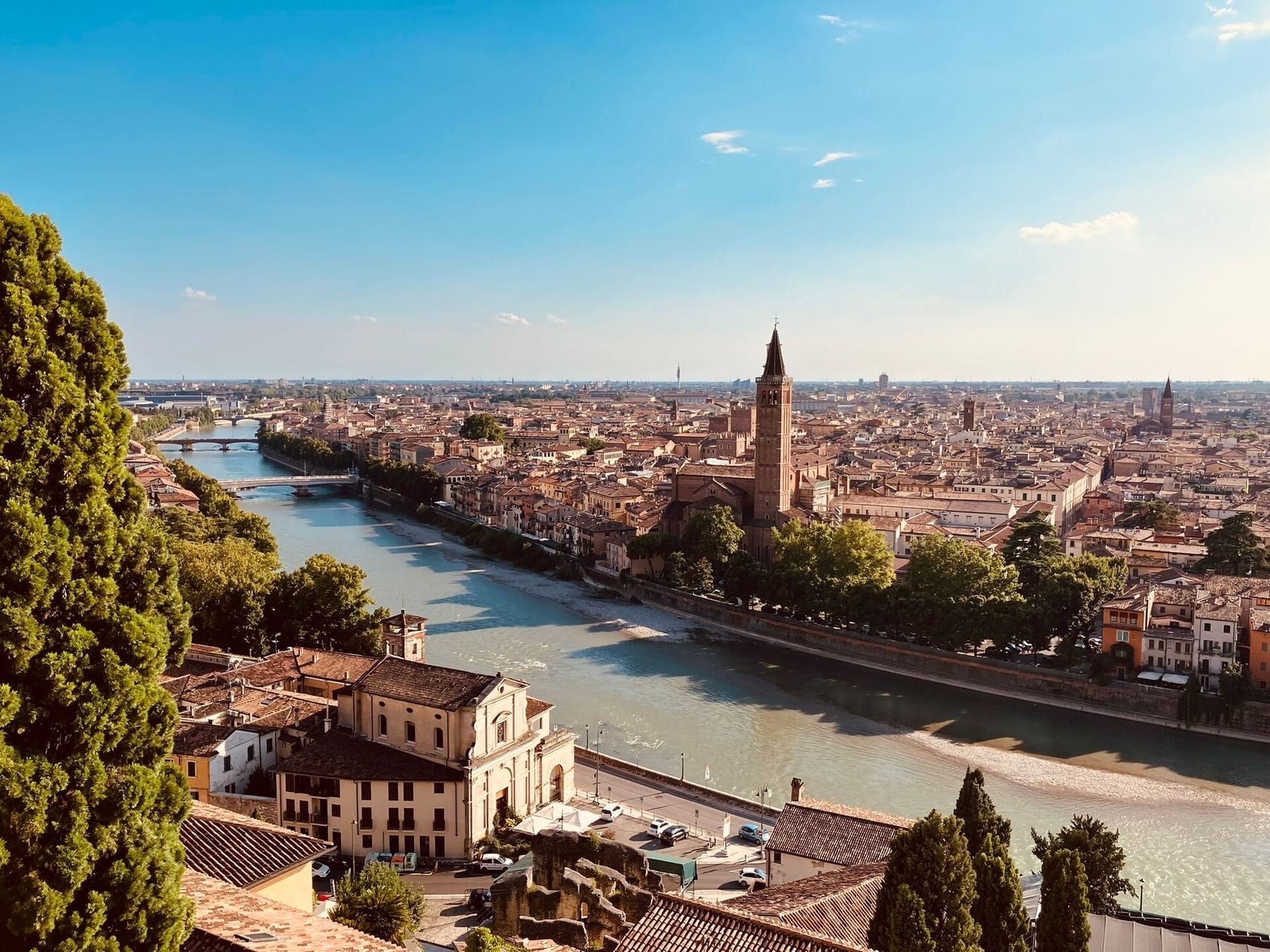
Verona sits inside a tight loop of the Adige River in western Veneto. Roman monuments and medieval brick palaces frame daily business rather than turn the center into an open-air museum. You walk almost everywhere, using Piazza delle Erbe as your central pivot point.
Arrival trick
Verona Porta Nuova station is 1.5 km from the historical center. ATV bus lines 11, 12, and 13 connect the platforms to Piazza Bra in six minutes.
UNESCO recognition
Verona gained UNESCO status in 2000 for its continuous 2,000-year urban development. Roman and Scaliger military architecture stands intact side by side.
Planning trick
Buy a VeronaCard at the tourist office or online before visiting three or more major monuments. It includes Arena entry and ATV city bus rides.
Verona
Veronika Bashak · CC BY-SA 4.0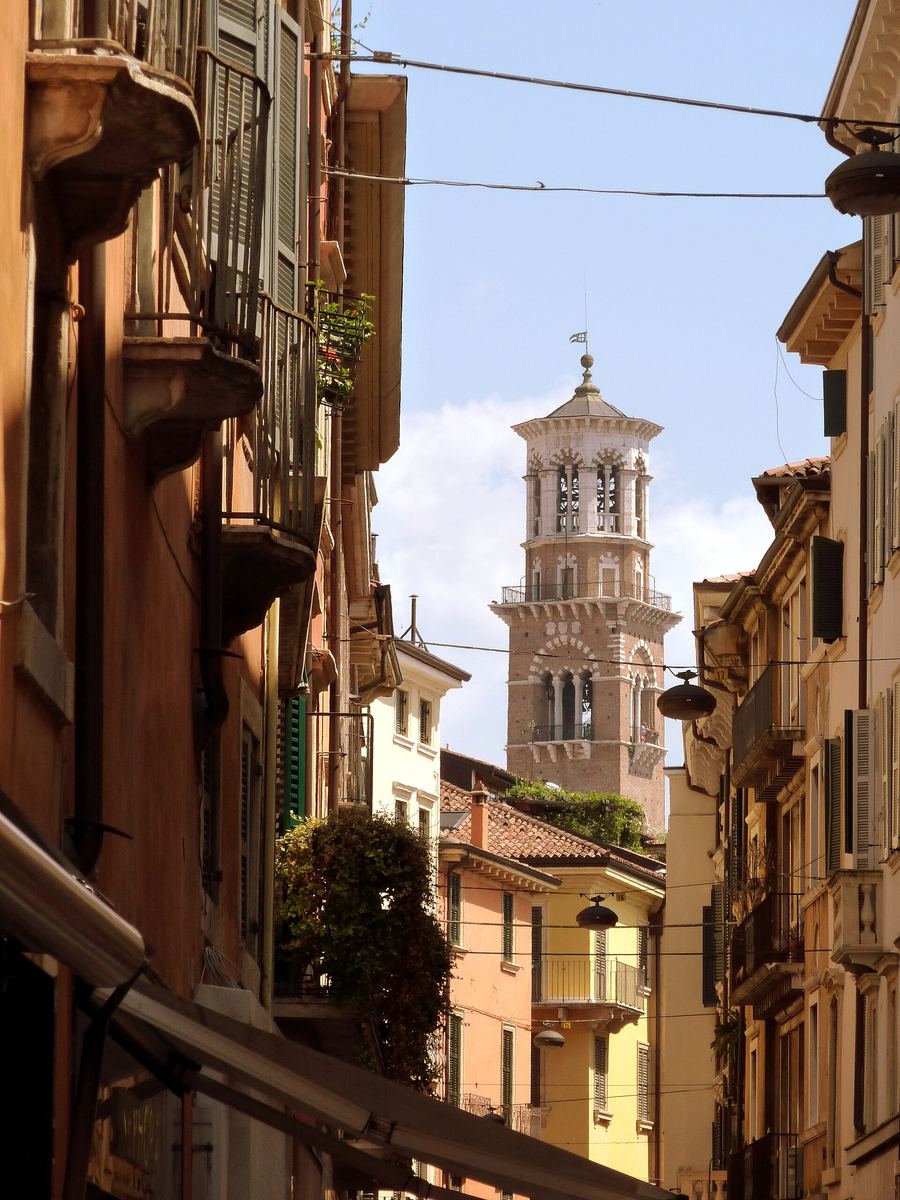
Centro Storico — High Roman walls, marble pedestrian lanes, and continuous foot traffic.
Oliver Twentyman · CC BY-SA 4.0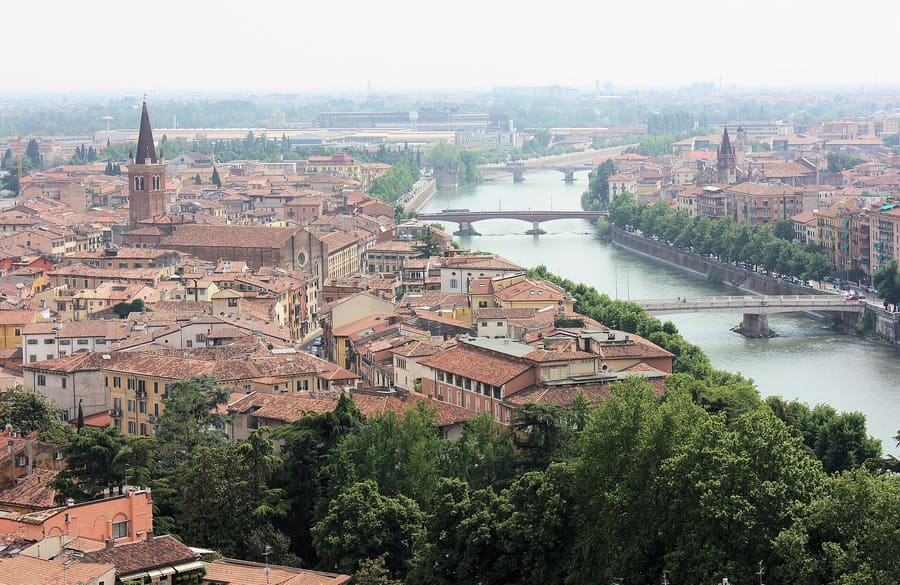
Veronetta — Student bars, artisan workshops, and steep hillside staircases.
Dguendel · CC BY 3.0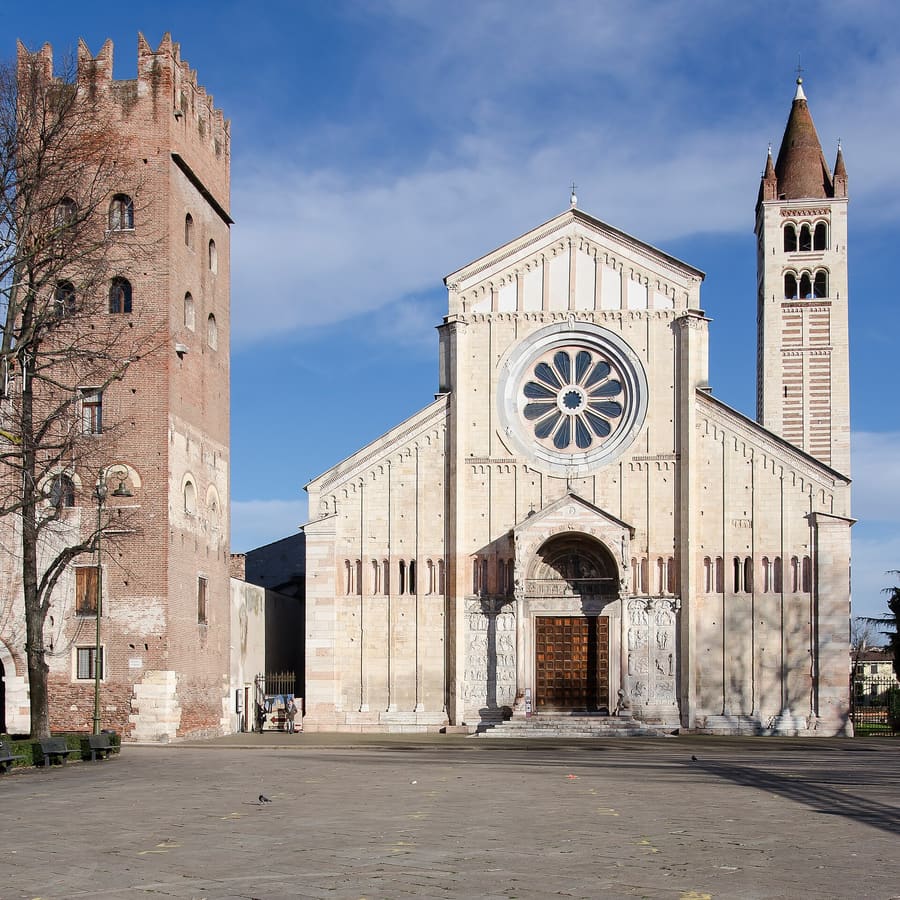
San Zeno — Quiet residential squares anchored by a massive Romanesque church.
This Photo was taken by Andrea Bertozzi. Feel free to use my photos, but please mention me as the author and send me · CC BY-SA 4.0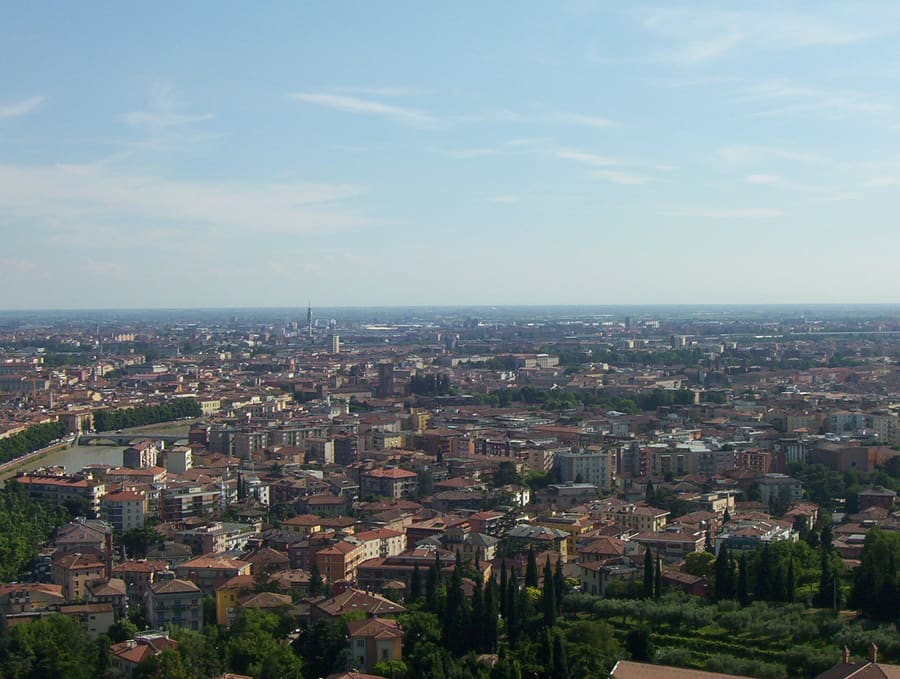
Borgo Trento — Broad 19th-century avenues lined with residential villas and bakeries.
Adert · CC BY-SA 3.0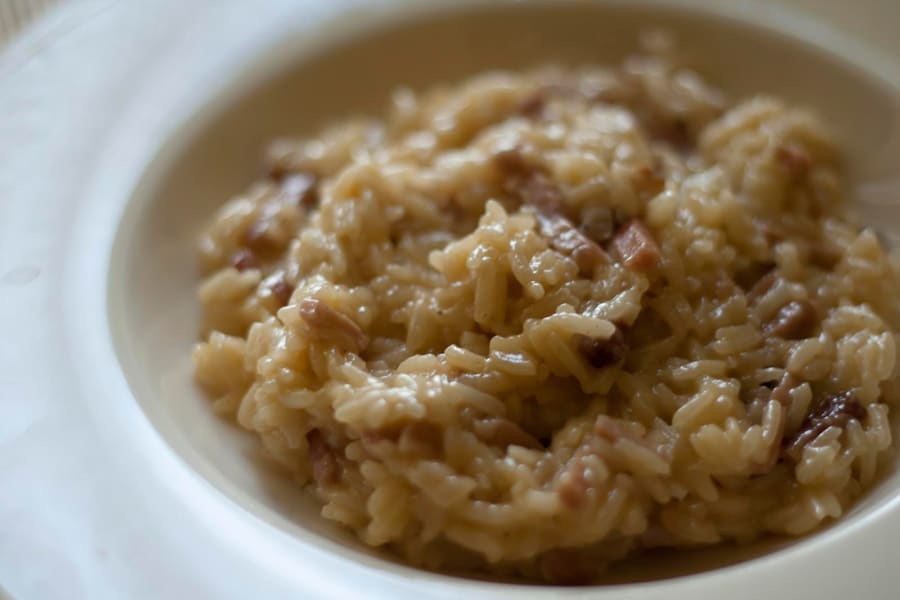
Risotto cooked with local Amarone della Valpolicella wine.
Luca Nebuloni from Milan, Italy · CC BY 2.0highlights
landmark
A 1st-century Roman amphitheatre hosting open-air operas. Book unreserved stone seats for low prices, but bring a cushion.
Tanya Parley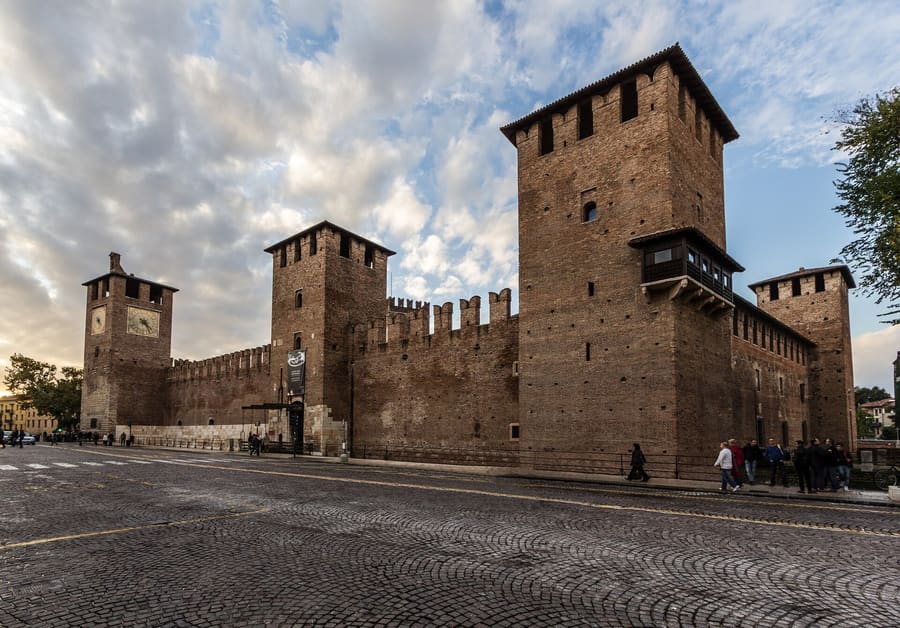
landmark
A 14th-century Scaliger fortress restored by Carlo Scarpa. The medieval bridge offers direct river views without traffic.
Tanya Parley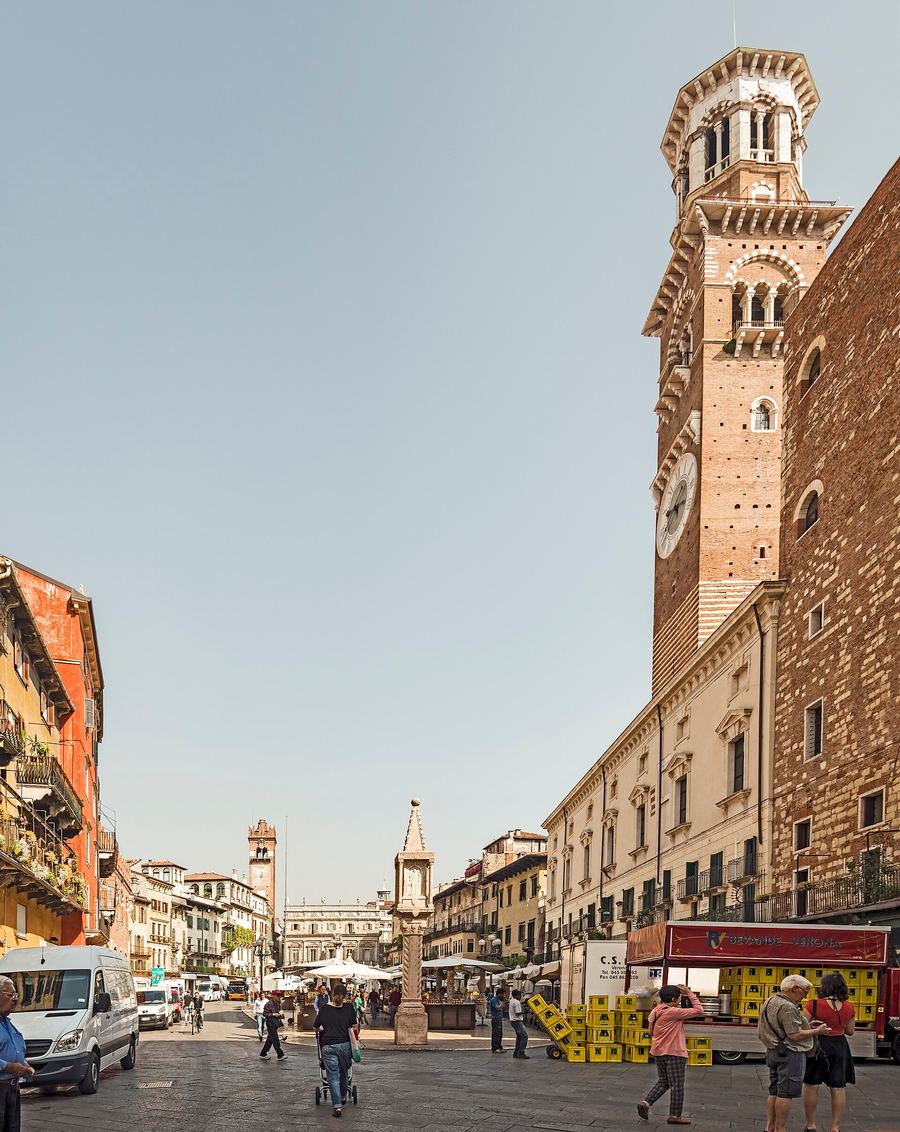
landmark
Verona's central forum framed by painted frescoes and marble towers. Drink coffee at side tables to watch morning trade.
Tanya Parley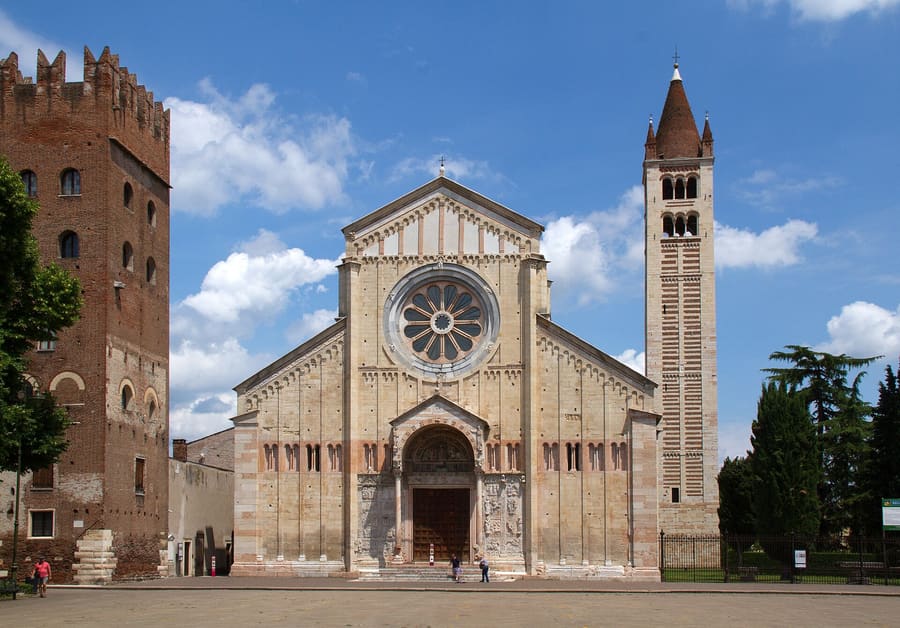
landmark
A Romanesque masterpiece featuring 12th-century bronze doors. It sits 15 minutes west of the centre, away from main crowds.
Tanya Parley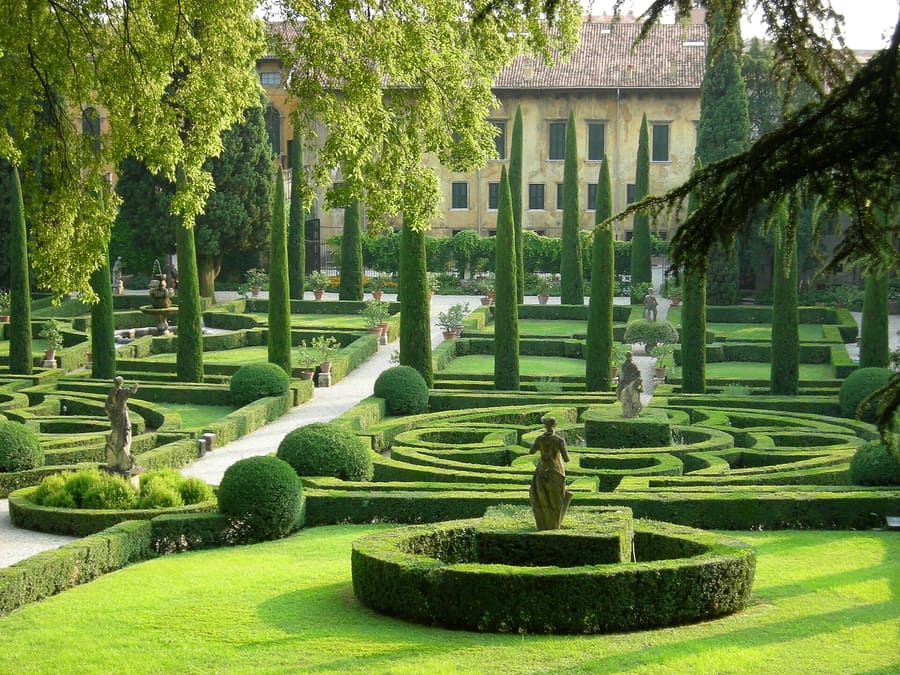
landmark
A terraced Renaissance garden across the river. Climb the stone steps to the upper terrace for clear skyline views.
Tanya Parley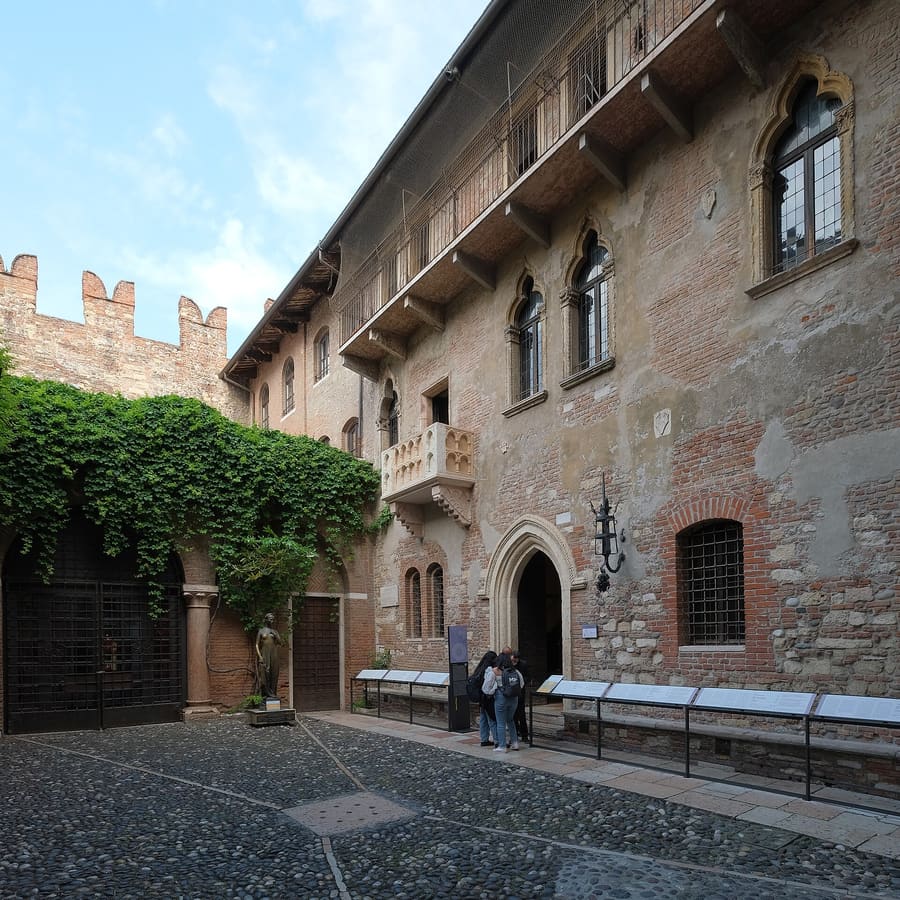
landmark
A 13th-century palace tied to Shakespeare's play. Entry to the courtyard now requires timed advance booking.
Tanya Parleyattractions
areas
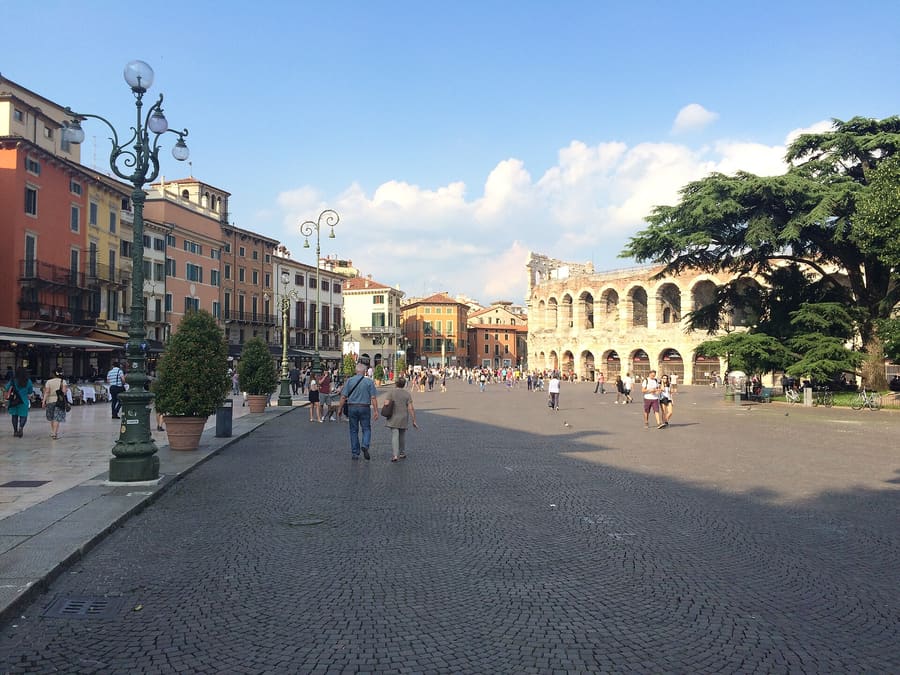
High Roman walls, marble pedestrian lanes, and continuous foot traffic.
DekatPiazza Bra, Arena, Piazza delle Erbe
Tanya ParleyStudent bars, artisan workshops, and steep hillside staircases.
DekatGiardino Giusti, Teatro Romano
Tanya ParleyQuiet residential squares anchored by a massive Romanesque church.
DekatBasilica di San Zeno, Castelvecchio
Tanya ParleyBroad 19th-century avenues lined with residential villas and bakeries.
DekatPonte Victoria, Arsenal Park
Tanya Parleyfood
Veronese cuisine relies on heavy grains, slow-braised meats, and local Valpolicella wines. Risotto all'Amarone stands as the premier local dish, combining Vialone Nano rice with rich red wine. Traditional menus feature pastissada de caval, a horse meat stew cooked over low heat for hours.
Risotto cooked with local Amarone della Valpolicella wine.
Luca Nebuloni from Milan, Italy · CC BY 2.0Traditional osterie serve hot food strictly between 12:30 and 14:30. Kitchens close promptly until dinner starts at 19:30.
Order a small glass of house wine (*ombra*) at the counter of Osteria del Bugiardo. Counter service costs half the price of seated table service.
Order *pastissada de caval* only at traditional spots like Osteria al Duca. Standard tourist menus often substitute cheap beef.
history
Verona expanded under Roman rule into a vital transport hub connecting northern routes. The Scaliger family ruled the city through most of the 14th century until 1387, constructing heavily fortified bridges and brick castles such as Castelvecchio and Ponte Scaligero in the 1350s. Venetian and Austrian conquests later added ring walls before the city joined unified Italy.
Scaliger Rule
The Della Scala family takes power. They build Castelvecchio and establish Verona as a military powerhouse.
Venetian Annexation
Verona submits to the Republic of Venice. Renaissance palaces replace medieval fortifications inside the walls.
Austrian Quadrilateral
Austria turns Verona into a heavily fortified military center before ceding the city to the Kingdom of Italy.
where to stay
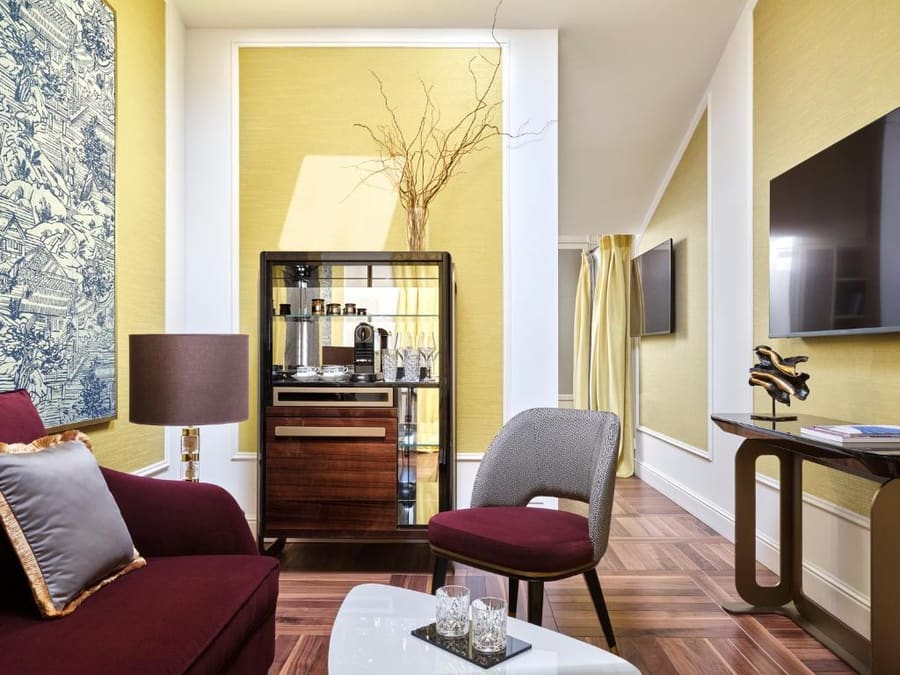
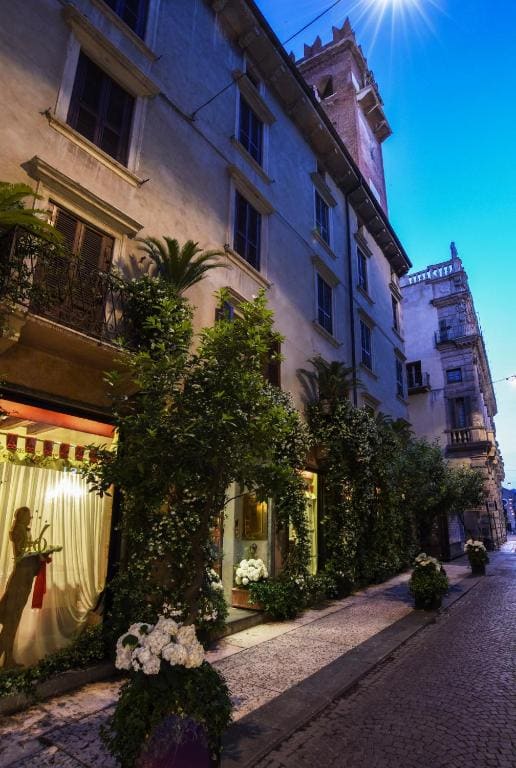
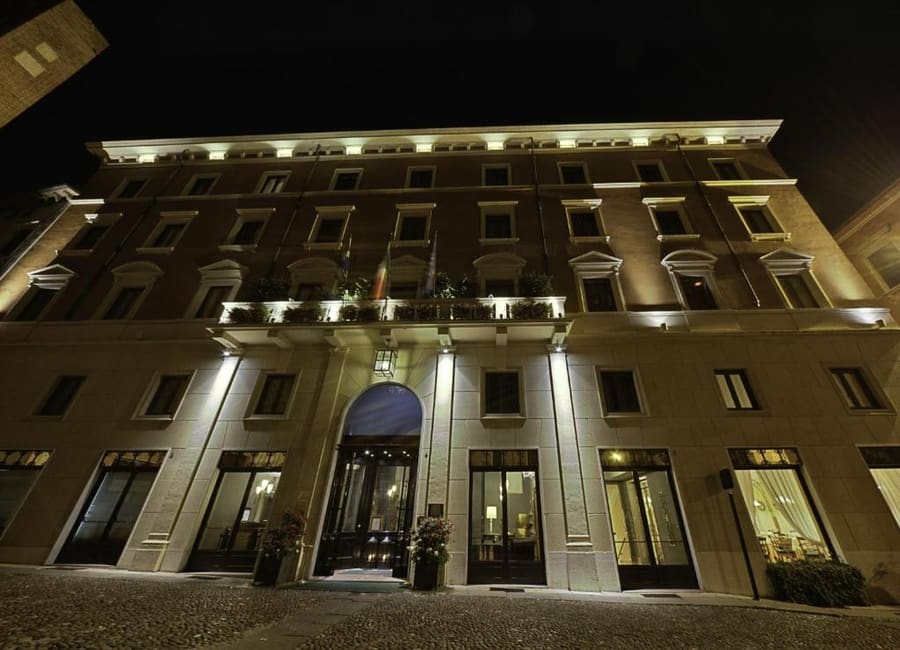
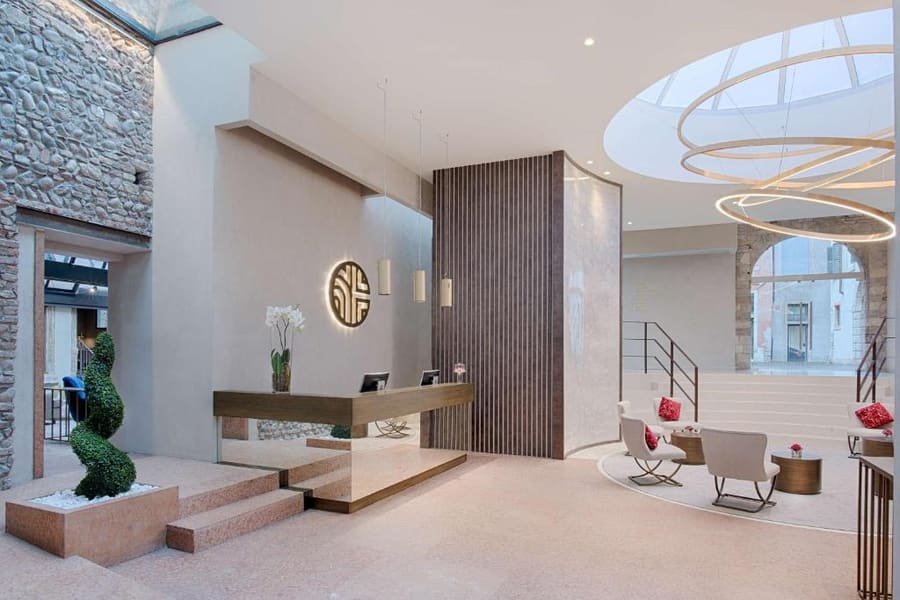
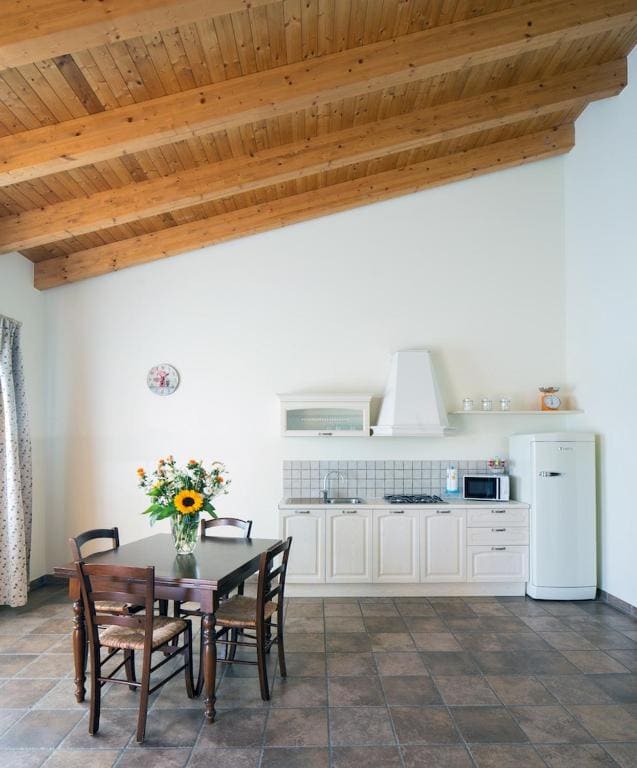
Choose your location based on your evening plans. Centro Storico keeps you within walking distance of opera performances at the Arena. Veronetta offers lower room rates and local wine bars across the river.
Live rates, matched to the areas above.
transport
Verona's historical centre is a traffic-restricted zone (ZTL) where local buses, taxis, and permitted vehicles operate, though several key streets and plazas are pedestrian-only and easy to cross on foot. Public transport relies on ATV city buses for trips outside the central loop.
Dari Verona Villafranca Airport (VRN) / Verona Porta Nuova
ATV Air Link bus connects the airport to Porta Nuova station every 20 minutes.
Official airport taxis sit directly outside arrivals. Rates increase on Sundays and late nights.
Walk 15 minutes down Corso Porta Nuova from the station, or board ATV buses 11, 12, or 13 at platform A.
ATV bus drivers do not sell single cash tickets on board. Buy paper tickets at newsagents (*edicole*) or use the Ticket Bus Verona app.
Tap your VeronaCard on the yellow readers when entering ATV urban buses to cover your fare inside city zones.
cost
Verona costs slightly less than Venice or Milan. Dining along main squares carries heavy markups, but side streets offer high value.
Includes entry to the Arena, Castelvecchio, San Zeno, and unlimited ATV bus trips.
Standing at the bar costs standard legal rates; sitting down at Piazza Bra triples the price.
Poured fresh from tap or bottle in neighbourhood osterie across Veronetta.
Unreserved stone steps cost around €30; padded ground-floor chairs reach over €200.
seasonality
MAR – MAY
Mild temperatures and clear light. Ideal for walking historical loops before summer crowds arrive.
JUN – AUG
Hot days and peak opera season. Accommodation prices reach maximum levels across the center.
SEP – OCT
Warm afternoons and grape harvest time in nearby Valpolicella wine valleys.
NOV – FEB
Cold river fogs and quiet streets. Winter menus feature heavy polenta and braised meats.
practicalities
Access to Casa di Giulietta's courtyard requires timed digital tickets during peak holiday periods.
The historical center is a strict limited-traffic zone. Cameras fine unauthorized vehicles instantly.
Contactless cards are accepted on ATV buses, market stalls, and small wine bars.
Take the hillside funicular from Ponte Pietra for €3 return to skip steep stone staircases.