landmark
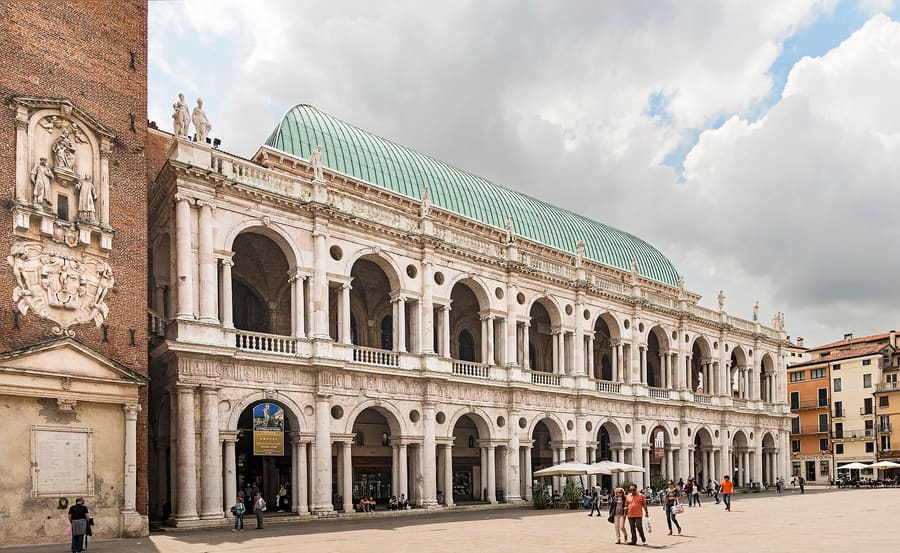
Basilica Palladiana
Palladio encased the medieval hall in white loggias. Visit the upper terrace for views over Piazza dei Signori.
Tanya ParleyItalia
Andrea Palladio's stone laboratory in the Venetian plain.
introduction
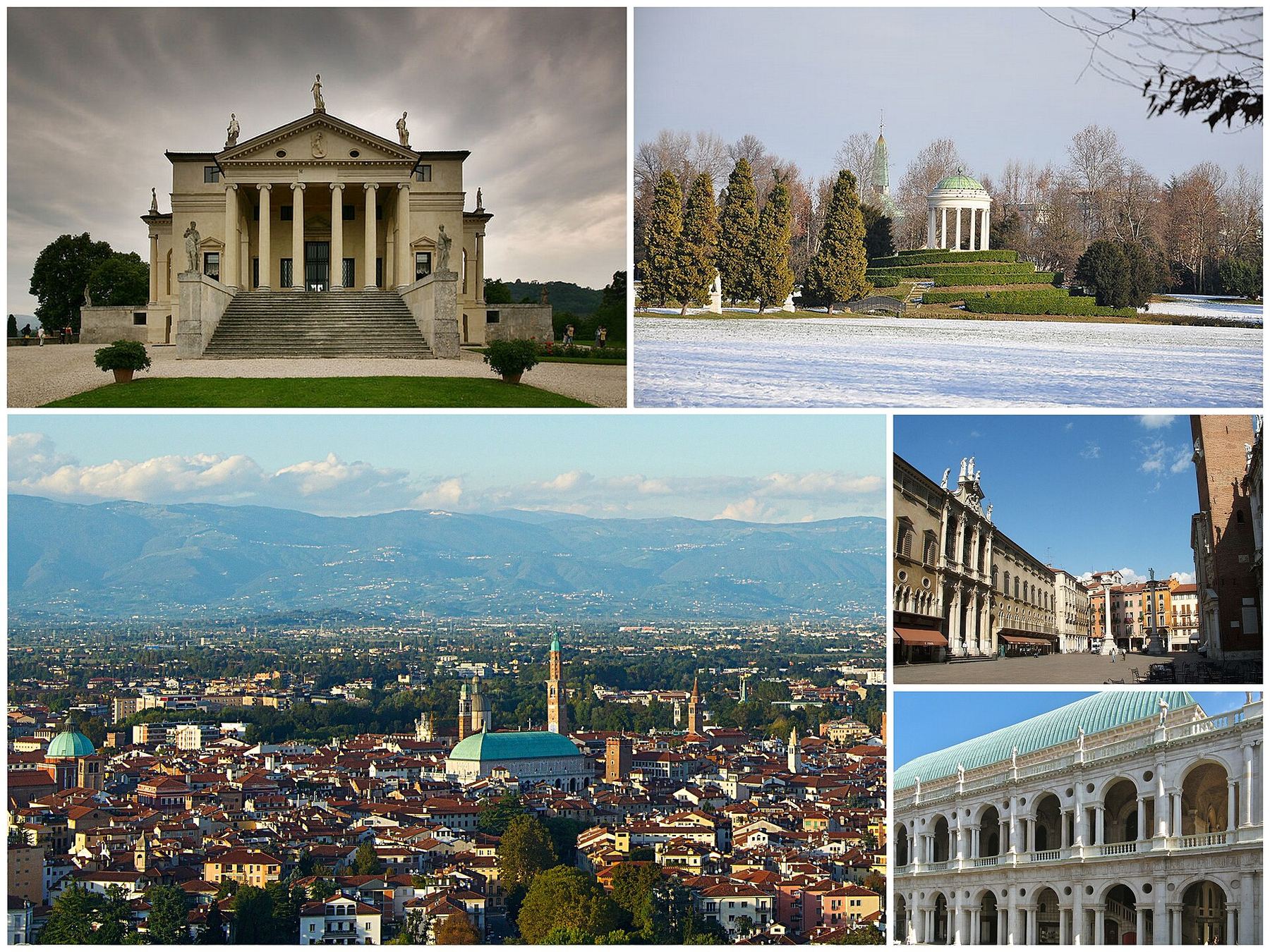
Vicenza operates as an open-air exhibition of sixteenth-century classical architecture. Architect Andrea Palladio designed its plazas, palaces, and villas, creating a visual language that later spread across western Europe and North America. The historic core is compact, flat, and largely pedestrianized. You can explore the primary monuments on foot within two days.
Direct rail from Venice
Regional trains run frequently from Venice Santa Lucia, reaching Vicenza in 45 minutes.
UNESCO World Heritage site
The city center and 24 nearby Palladian villas hold collective UNESCO recognition.
Vicenza Card savings
A single museum pass grants access to 11 city sites including the Teatro Olimpico.
Vicenza
Pottercomuneo · CC BY-SA 4.0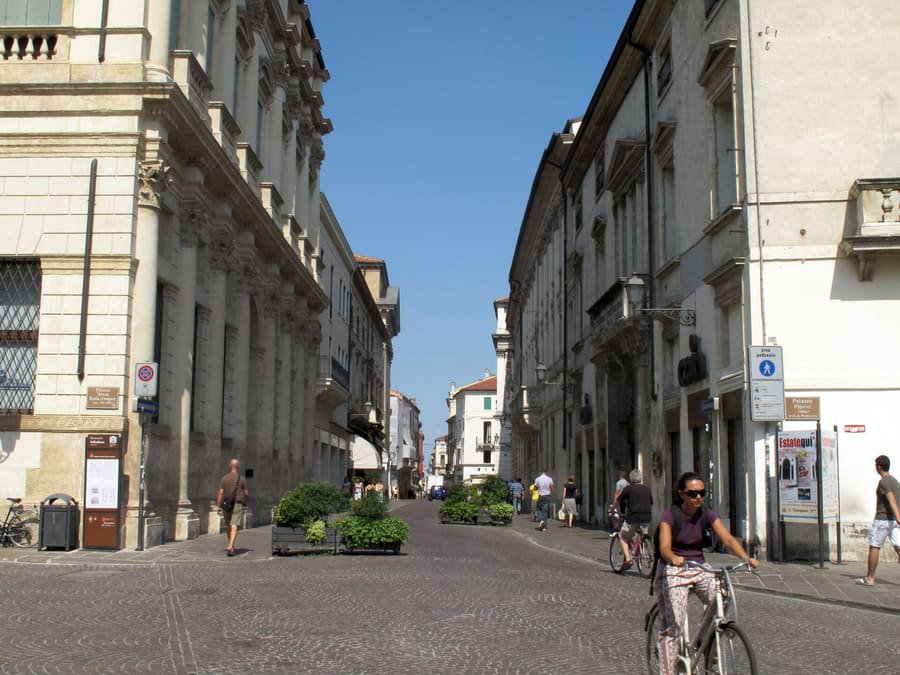
Centro Storico — Paved pedestrian streets framed by Renaissance palaces and outdoor aperitivo bars.
Alain Rouiller · CC BY-SA 2.0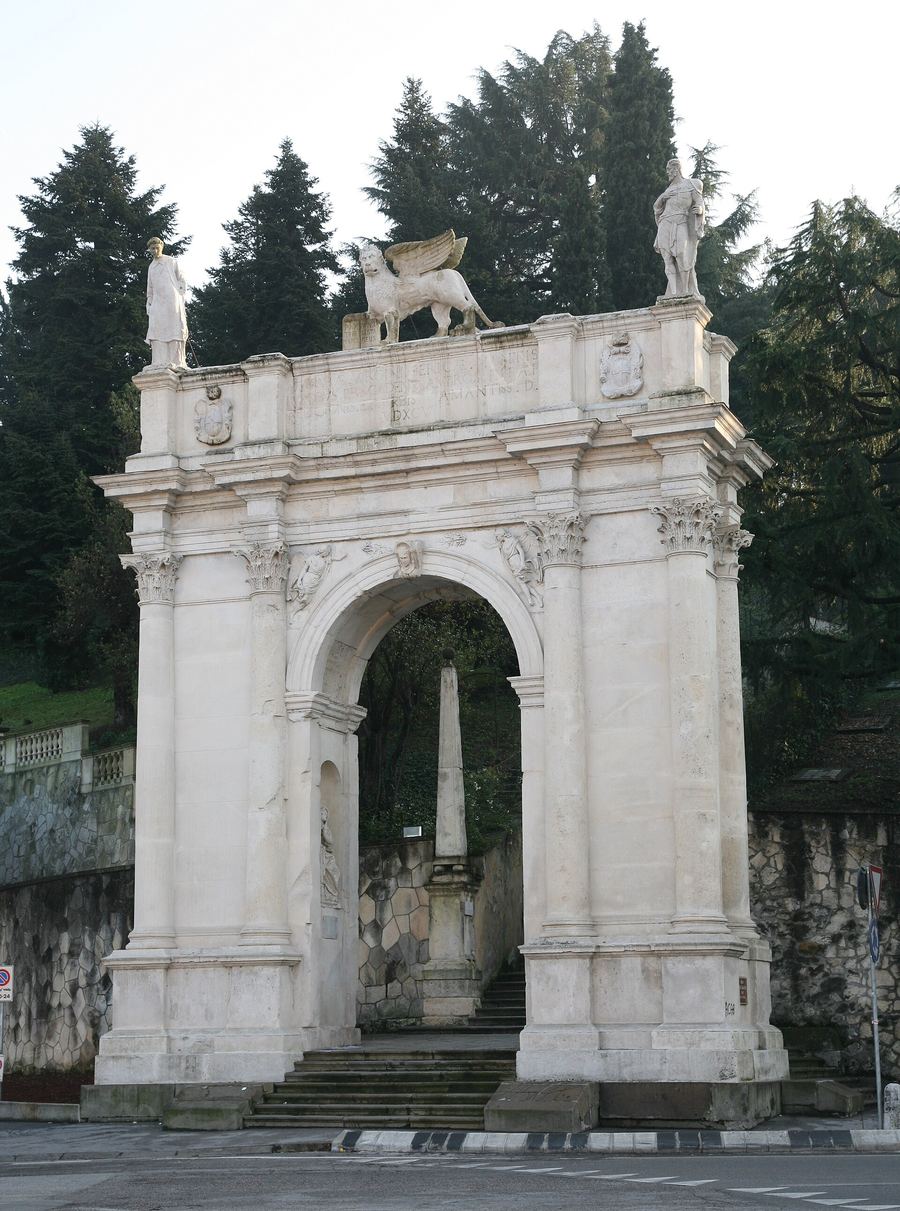
Monte Berico — Elevated hillside residential area offering cooler summer air and town views.
Hans A. Rosbach · CC BY-SA 3.0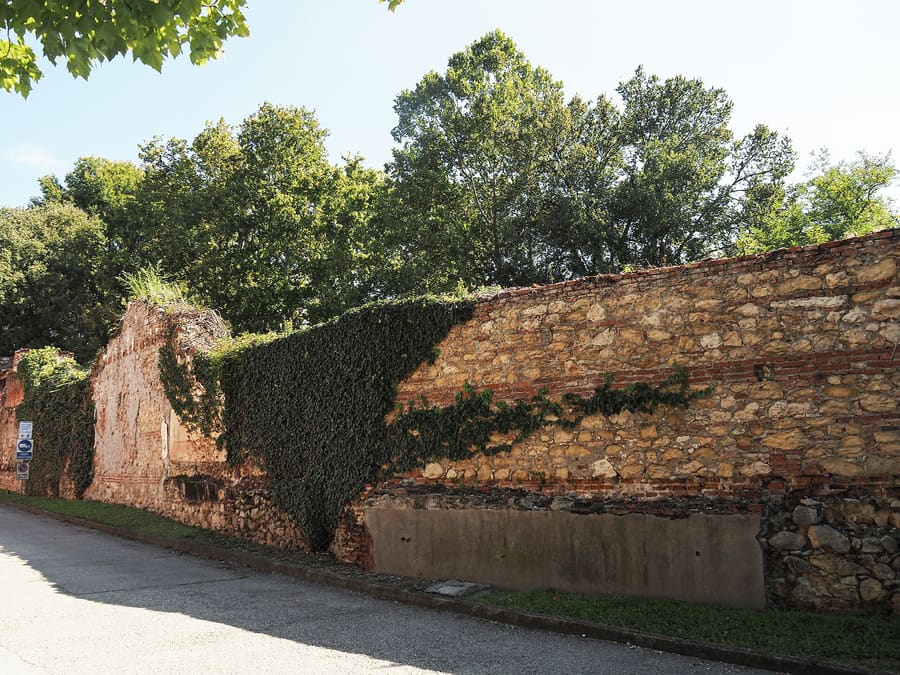
Borgo Porta Padova — Unpretentious neighborhood east of the Retrone river filled with local osterie.
Silvana Gallio · CC BY-SA 4.0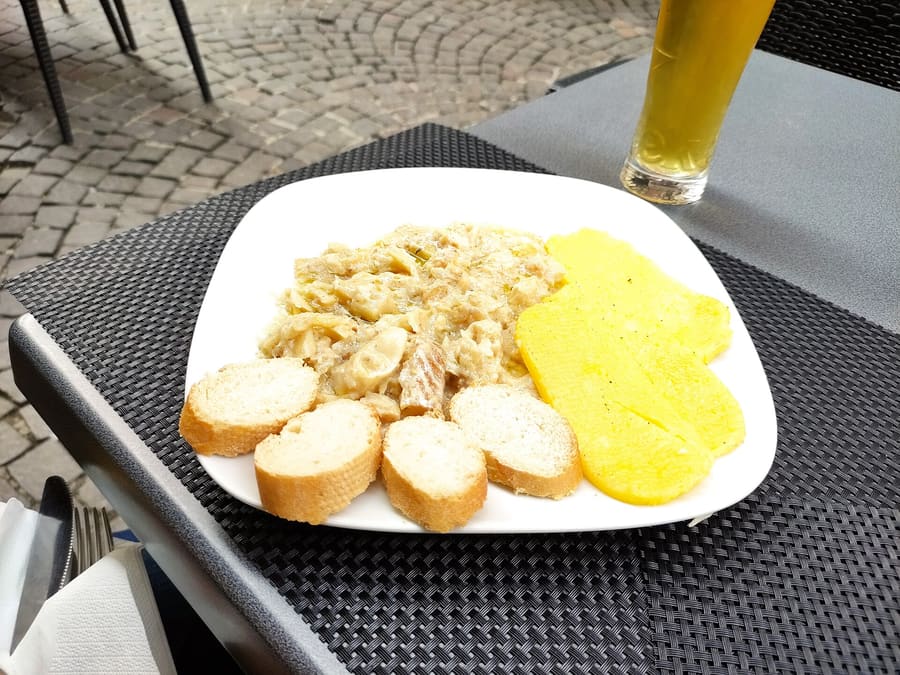
Baccalà alla vicentina slow-simmered and served over yellow polenta.
Palickap · CC BY-SA 4.0highlights
landmark
Palladio encased the medieval hall in white loggias. Visit the upper terrace for views over Piazza dei Signori.
Tanya Parley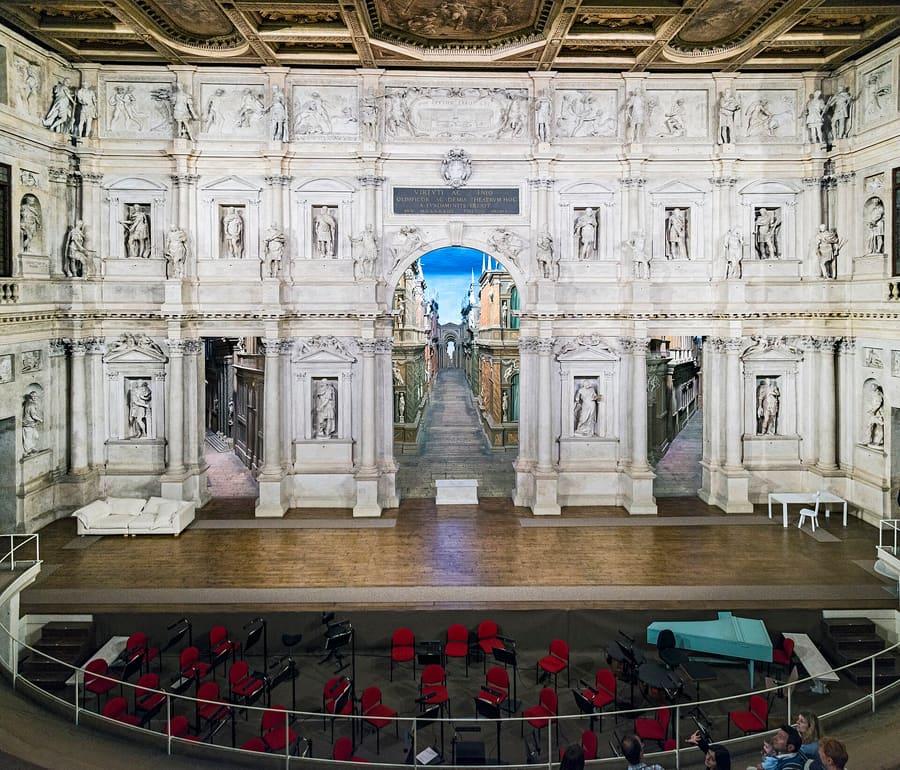
landmark
The world's oldest covered Renaissance theater features permanent perspective street scenery designed in 1585.
Tanya Parley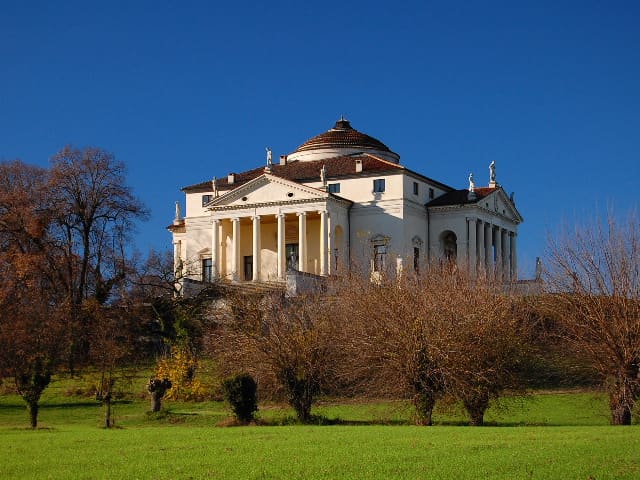
landmark
Palladio's famous symmetrical villa sits two kilometers south of town. Interior opening hours are limited.
Tanya Parley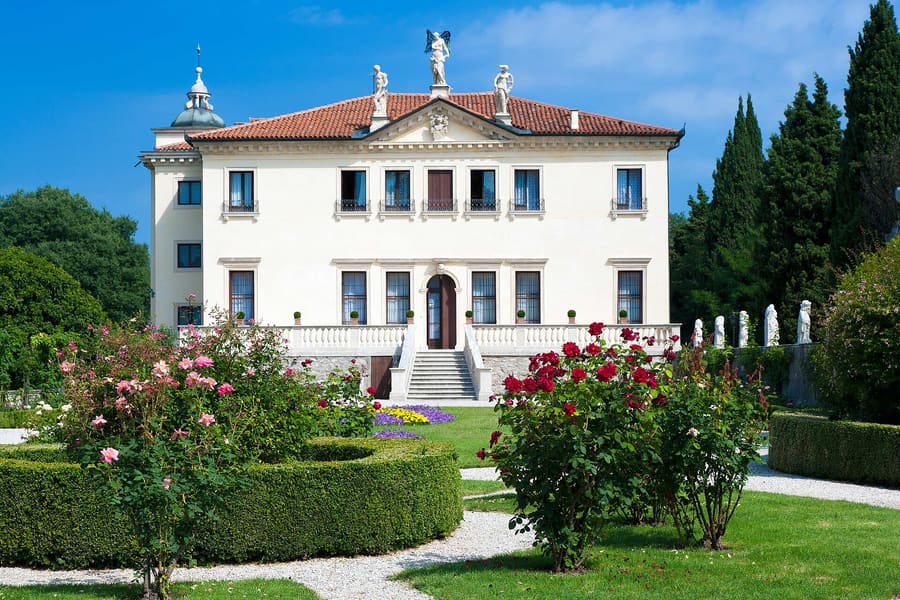
landmark
Famous for wall frescoes by Giambattista and Giandomenico Tiepolo, plus its signature garden dwarf statues.
Tanya Parley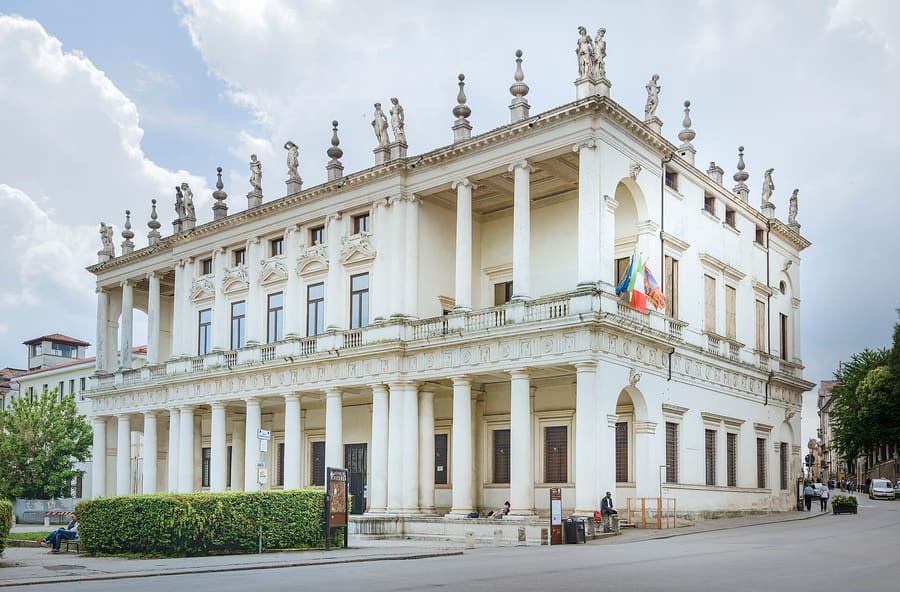
landmark
Houses the city's civic art gallery behind a grand Palladian portico. Closed on Mondays.
Tanya Parley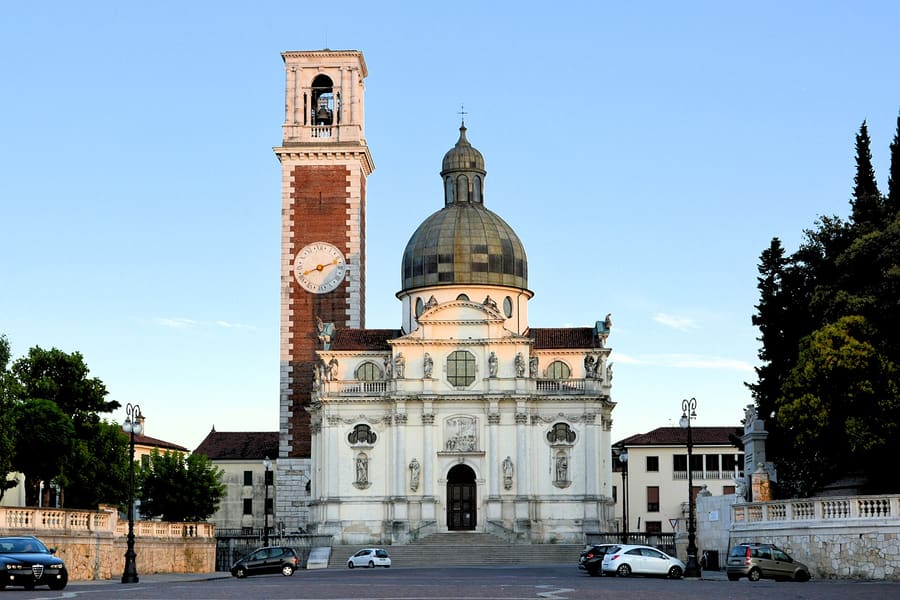
landmark
Overlooks Vicenza from the southern hill. Walk up via the 700-meter covered stone portico.
Tanya Parleyattractions
areas
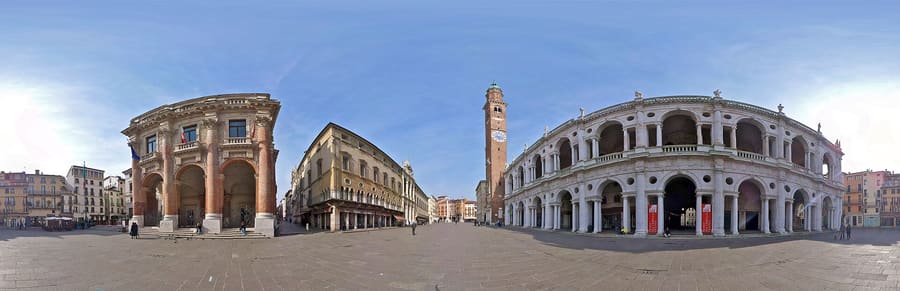
Paved pedestrian streets framed by Renaissance palaces and outdoor aperitivo bars.
DekatBasilica Palladiana and Teatro Olimpico
Tanya ParleyElevated hillside residential area offering cooler summer air and town views.
DekatVilla Valmarana and Monte Berico Sanctuary
Tanya ParleyUnpretentious neighborhood east of the Retrone river filled with local osterie.
DekatPalazzo Chiericati and Church of Santa Corona
Tanya Parleyfood
Vicenza's culinary identity revolves around dried Norwegian stockfish prepared as Baccalà alla vicentina. Cooked slowly with milk, onions, anchovies, and olive oil, it is served alongside creamy polenta. The dish holds legal protection through the local Brotherhood of Baccalà. Another staple is bigoli con l'antra, thick extruded wheat pasta tossed in duck ragù.Dining here follows strict regional tradition. Wash meals down with local Garganega whites or red Tai Rosso from the nearby Colli Berici hills.
Baccalà alla vicentina slow-simmered and served over yellow polenta.
Palickap · CC BY-SA 4.0Restaurants accredited by the Venerabile Confraternita display a official yellow emblem by their entrance.
Locals fill Piazza dei Signori around 18:00 for Spritz or a glass of Gambellara wine.
Top traditional spots like Ristorante Da Remo or Osteria il Cursore fill up days in advance.
history
Vicenza developed as a Roman settlement before passing under Venetian control in 1404. Four centuries of Venetian peace allowed wealthy local aristocrats to fund grand domestic and civic architectural projects.In the mid-sixteenth century, stonemason-turned-architect Andrea Palladio redesigned the public center and surrounding rural estates. His classical proportions defined the city's built environment for generations.
Venetian Rule Begins
Vicenza joins the Republic of Venice, securing trade prosperity and safety from neighboring conflicts.
Palladio's Commissions
Andrea Palladio begins designing grand urban palaces and suburban villas for Vicentine nobility.
Teatro Olimpico Opens
The world's first permanent covered theater opens five years after Palladio's death.
UNESCO Status Granted
UNESCO designates Vicenza and its Palladian villas across Veneto as World Heritage sites.
where to stay
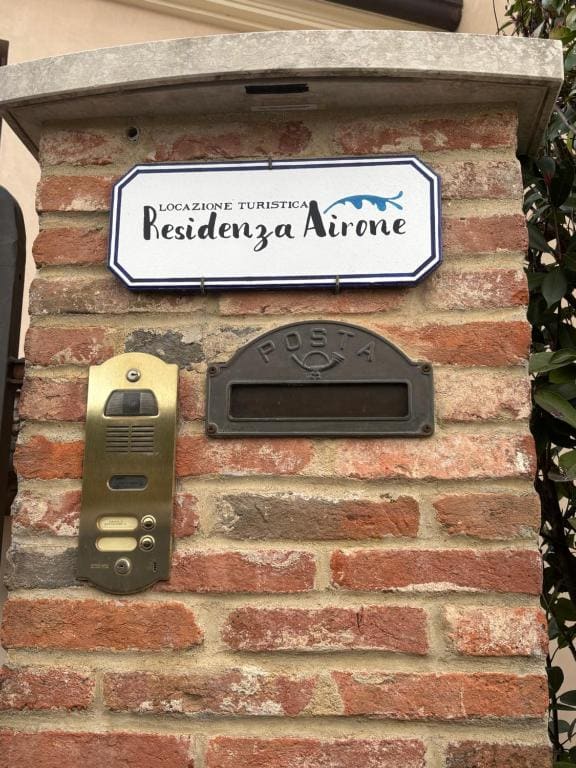
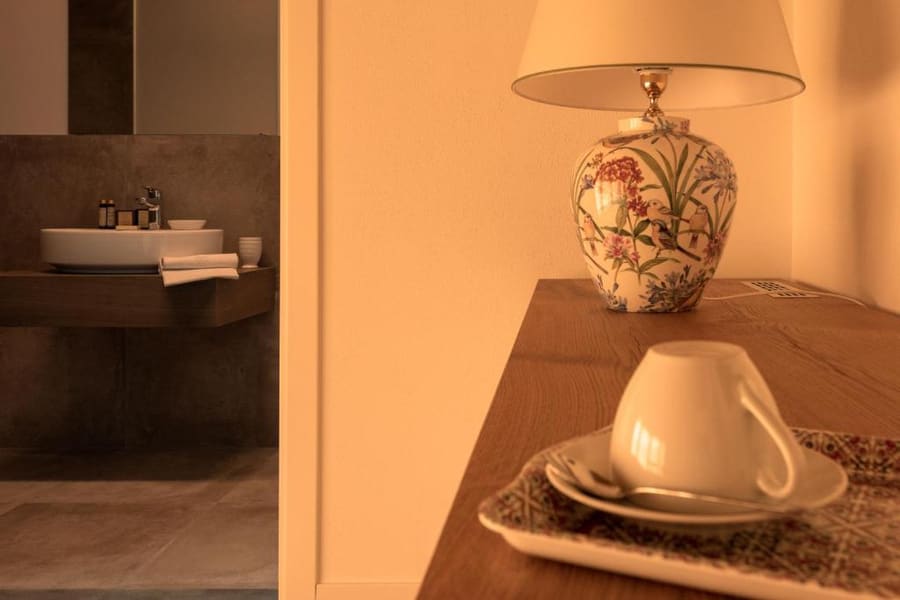
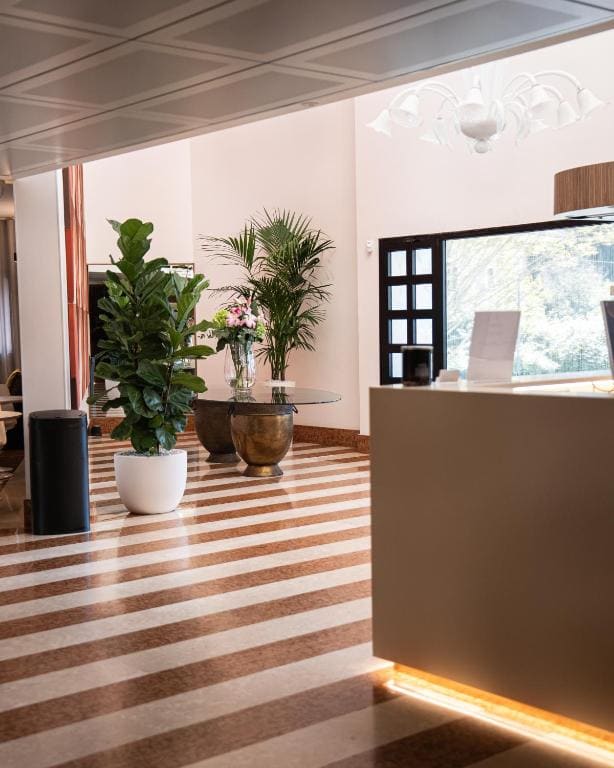
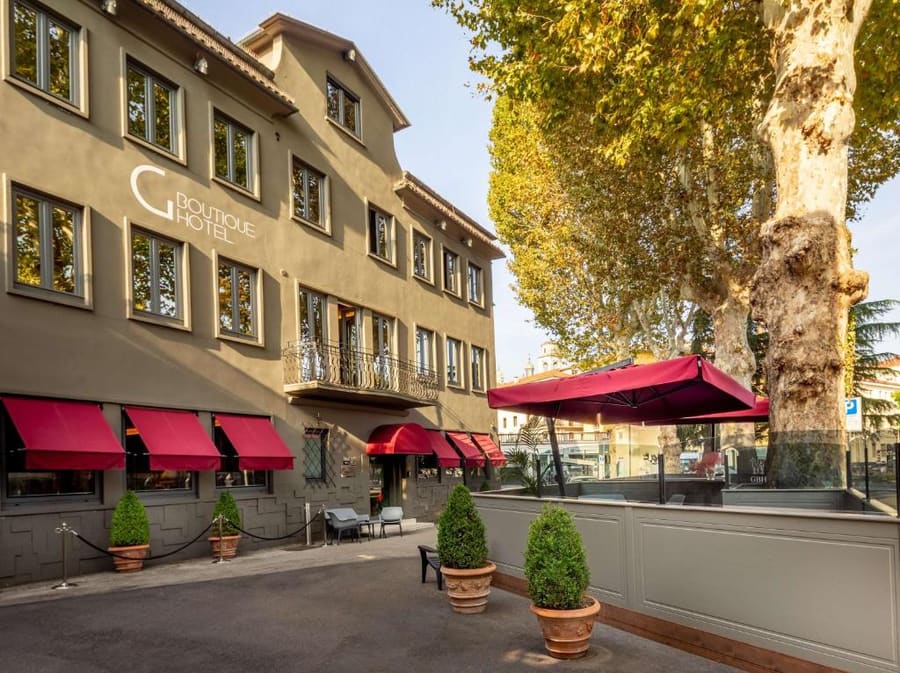
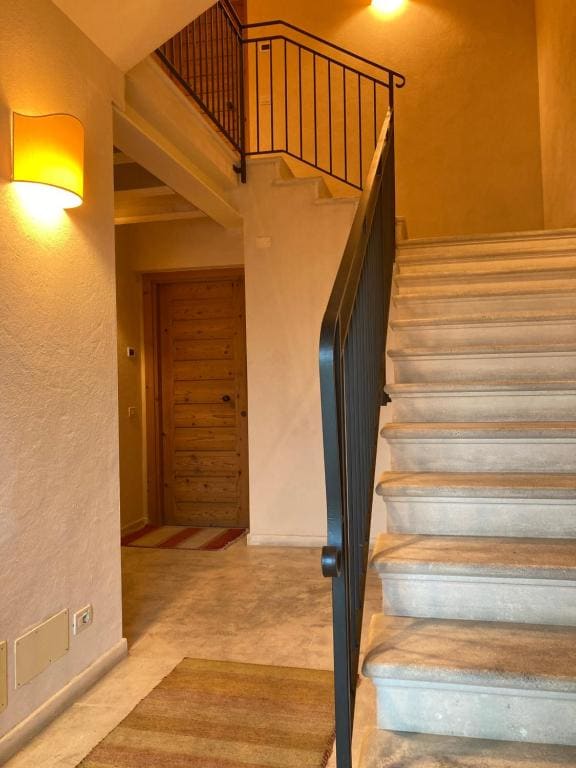
Choose your stay by proximity to Palladian sites versus quiet suburban retreat. The historical center places you within immediate walking distance of major plazas and restaurants. Staying on the slopes of Monte Berico yields hilltop views at the cost of a steeper daily commute.
Live rates, matched to the areas above.
transport
Vicenza is compact enough to explore entirely on foot. Motorized traffic inside the historic center is restricted by ZTL regulations. SVT operates local city buses if you need transportation to Monte Berico or outer villa locations.
Dari Venice Marco Polo Airport (VCE)
FlixBus or SVT regional coaches run directly from Venice Marco Polo airport to Vicenza rail station.
Pre-booked private taxi transfers run directly to historic center hotels.
Trenitalia regional trains connect Vicenza to Padua in 20 minutes and Verona in 35 minutes.
Single city bus tickets cost €1.70 at tabacchi shops; paying onboard costs more.
Driving into the central core triggers automatic fine cameras unless registered by your hotel.
Taxis wait primary at Vicenza railway station; call +39 0444 920600 to order one elsewhere.
cost
Vicenza offers reasonable prices compared to nearby Venice or Verona. Museum bundle tickets offer steep discounts over single admissions.
Covers entry to four major sites including Teatro Olimpico and Palazzo Chiericati.
Standard price at certified traditional taverns and trattorias.
Typical cost during evening aperitivo across city center squares.
Valid for 90 minutes across all urban bus routes when bought advance.
seasonality
MAR – MAY
Mild temperatures and clear spring weather make walking and villa gardens optimal.
JUN – AUG
Summer humidity builds up; afternoon sun warms stone plazas significantly.
SEP – NOV
Autumn harvest season brings wine festivals and pleasant afternoon temperatures.
DEC – FEB
Crisp winter days with quiet streets, though some villa opening hours shrink.
practicalities
Most civic museums, including Palazzo Chiericati, remain closed every Monday.
Smaller local boutiques close between 12:30 and 15:30 each afternoon.
Piazza dei Signori hosts general street markets every Tuesday and Thursday morning.
Interior access to Villa Rotonda is restricted to specific days; outdoor garden tickets are sold separately.
Cobblestones and polished stone slabs in the historical core demand comfortable flat shoes.