landmark
Gulangyu Island
Car-free island filled with 19th-century consular architecture. Arrive before 08:30 to walk the stone paths before day-trip crowds arrive.
Tanya ParleyTiongkok
Fujian's coastal trade hub of red brick and granite
introduction
Xiamen sits on a natural harbor facing the Taiwan Strait, split between a dense island core and mainland districts. You navigate the city by high-speed rail, Metro Line 1, and passenger ferries crossing short sea channels. Island life revolves around granite hills, colonial trade history, and Minnan seafood stalls. Expect humid subtropical weather, steep footpaths on Gulangyu, and strict ferry boarding procedures.
UNESCO World Heritage site
Gulangyu became a UNESCO site in 2017. The designation protects its 19th-century international settlement architecture and car-free pedestrian street grid.
Xiamen University reservation
Xiamen University requires non-student visitors to reserve entry slots online days in advance. Unregistered travelers are turned away at Siming campus gates.
Xiamen
-森屿- · CC BY 2.5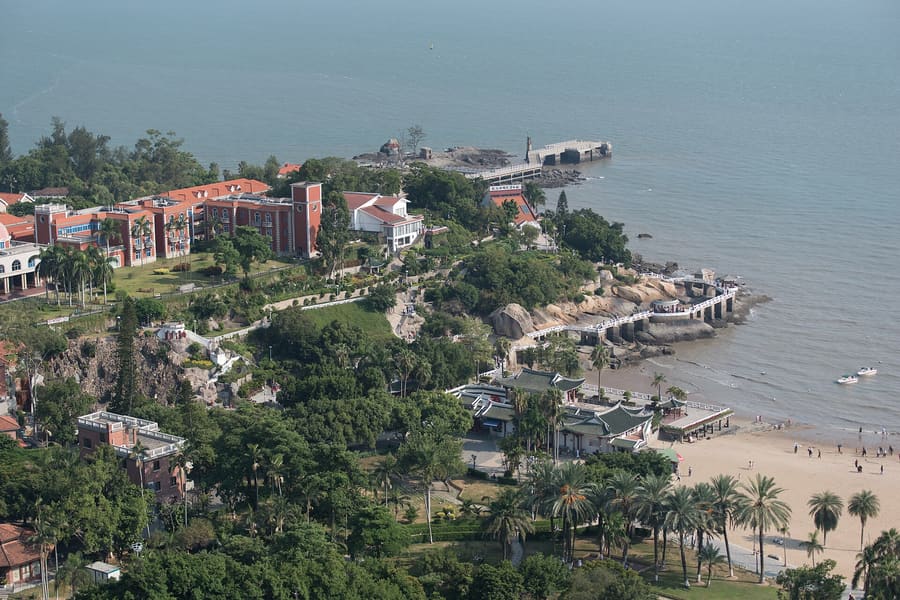
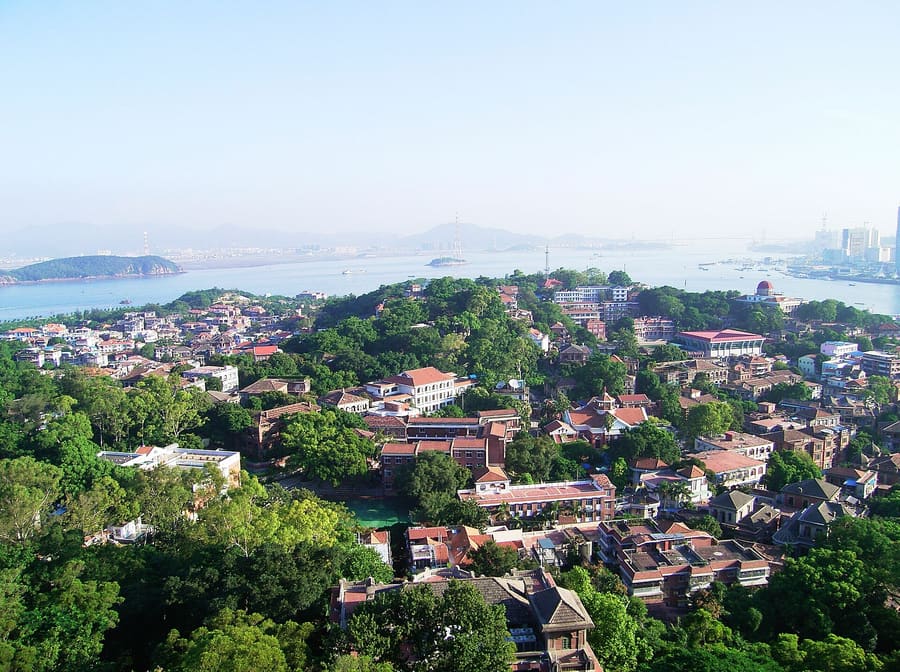
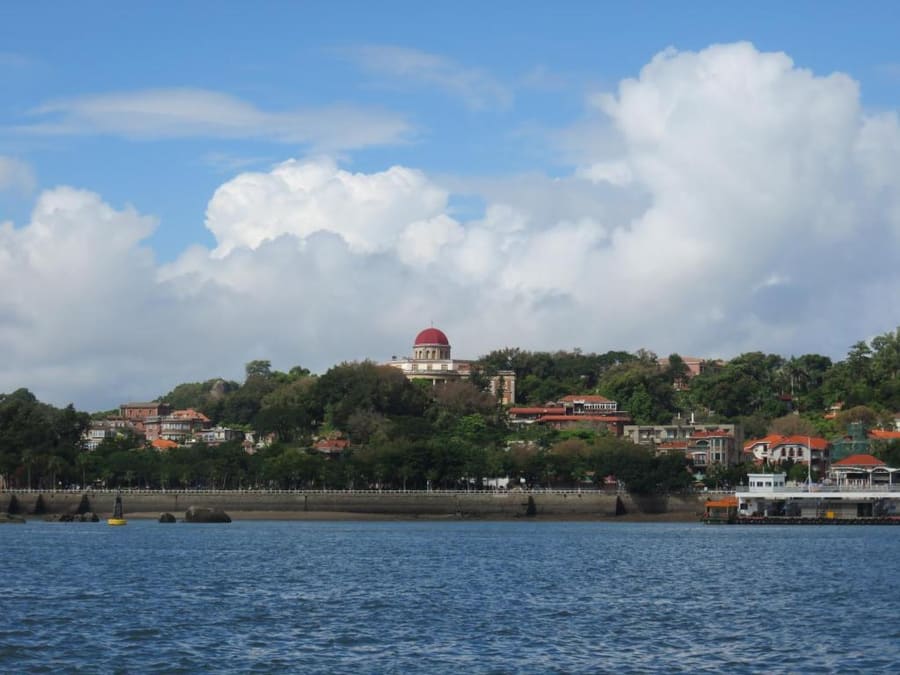
Gulangyu — Car-free stone lanes, historic consulate gardens, and hilly residential paths.
Siyuwj · CC BY-SA 4.0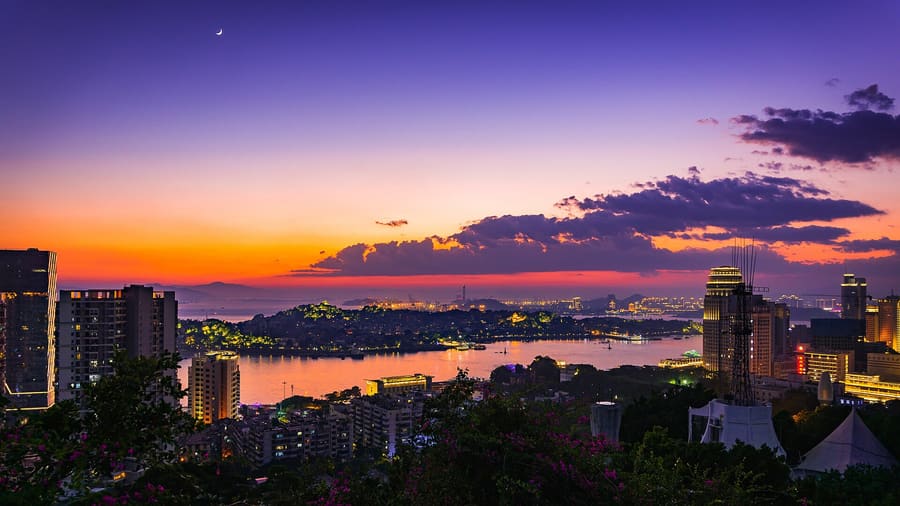
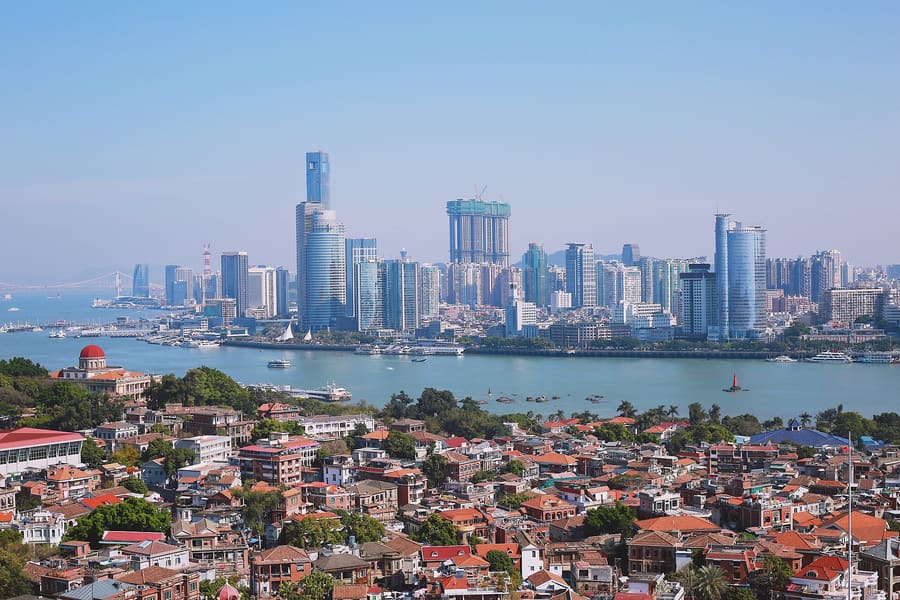
Siming & Zhongshan Rd — Dense commercial grid with arcade shophouses, night markets, and direct Metro access.
周流劲火 · CC BY 2.5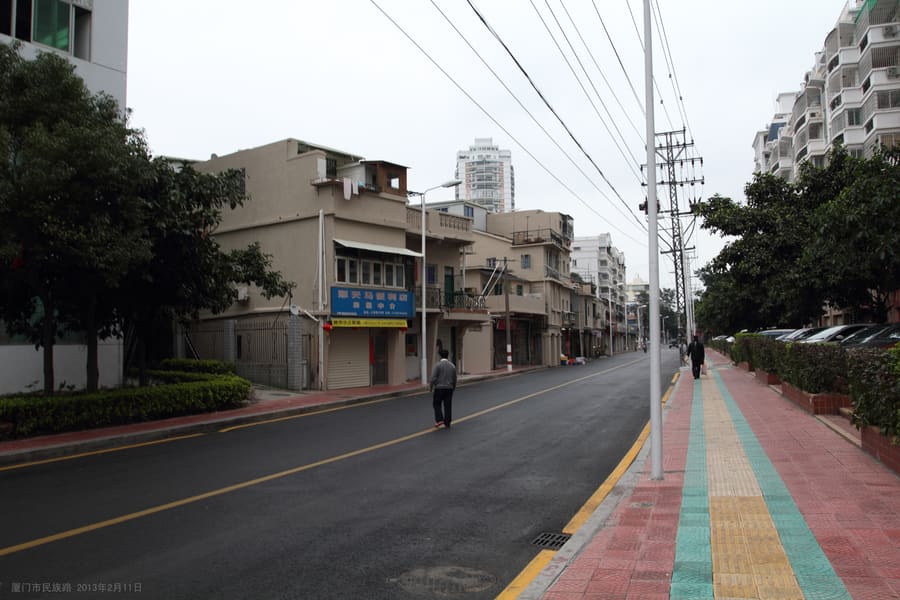
Shapowei & Daxue Rd — Old docklands converted into coffee roasting labs, independent design shops, and seafood bistros.
wanghongliu · CC BY-SA 3.0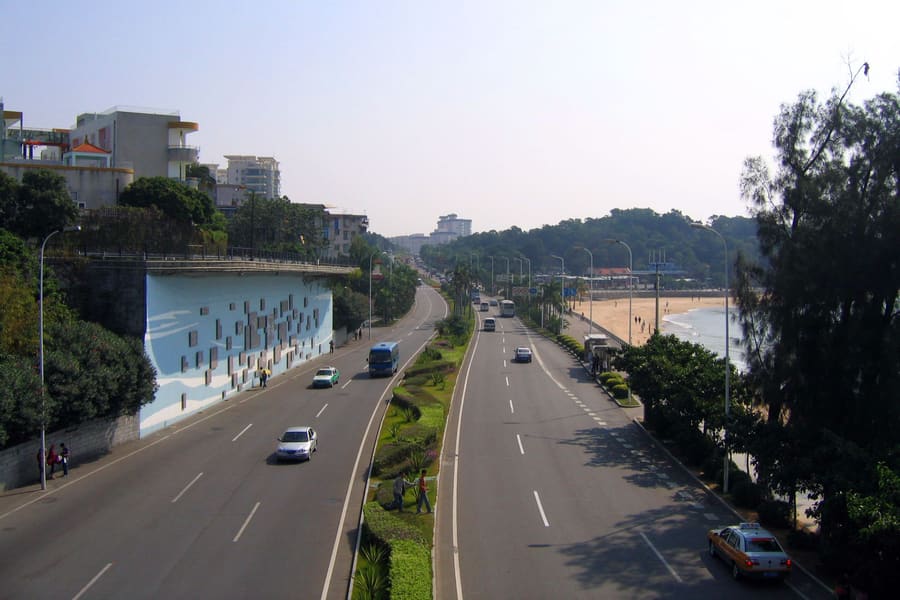
Huandao Coast — Wide coastal avenue with bicycle lanes, sandy beaches, and luxury seaside resorts.
Xmhaoyu · CC BY 3.0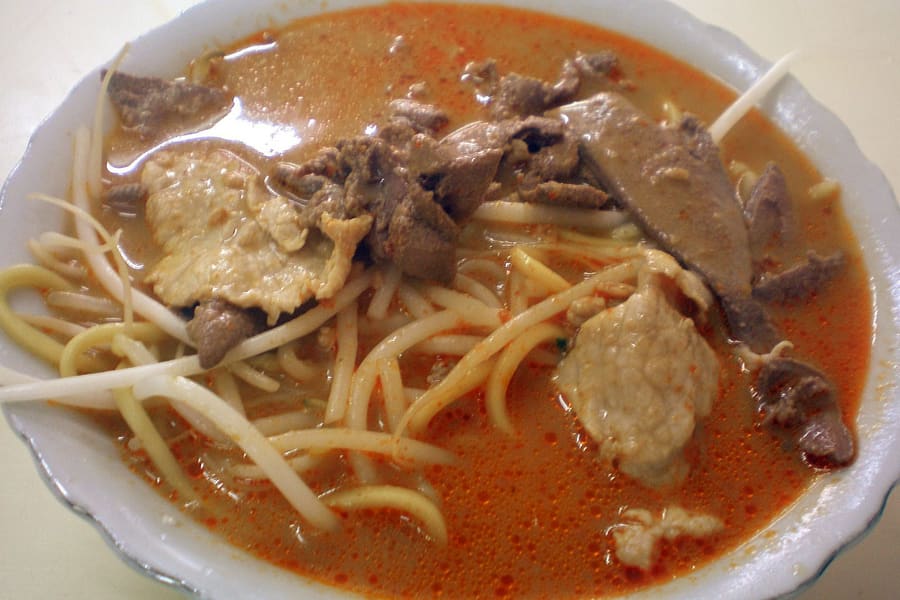
Shacha Mian served with cuttlefish and crisp tofu puffs in a peanut-shrimp broth.
Xmhaoyu · CC BY 3.0highlights
landmark
Car-free island filled with 19th-century consular architecture. Arrive before 08:30 to walk the stone paths before day-trip crowds arrive.
Tanya Parley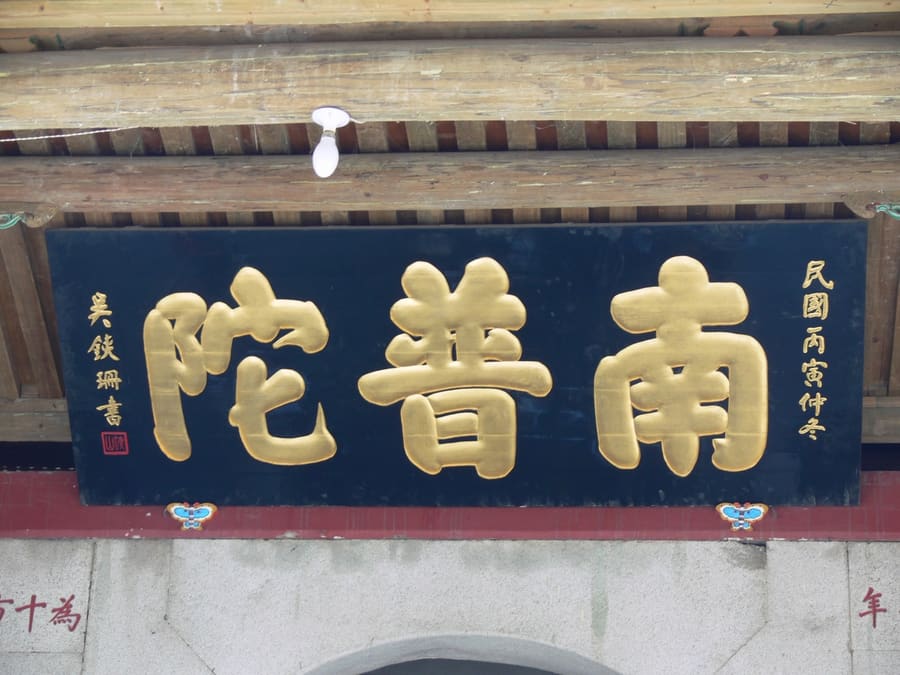
landmark
Active Tang-dynasty Buddhist complex at the base of Wulao Peak. Free admission requires digital registration at the main gate.
Tanya Parley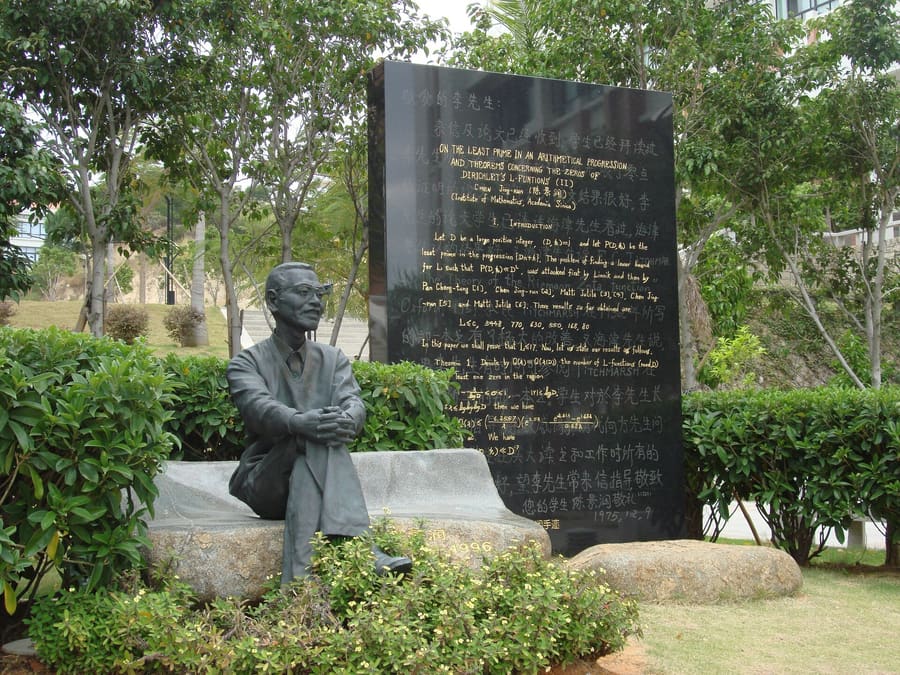
landmark
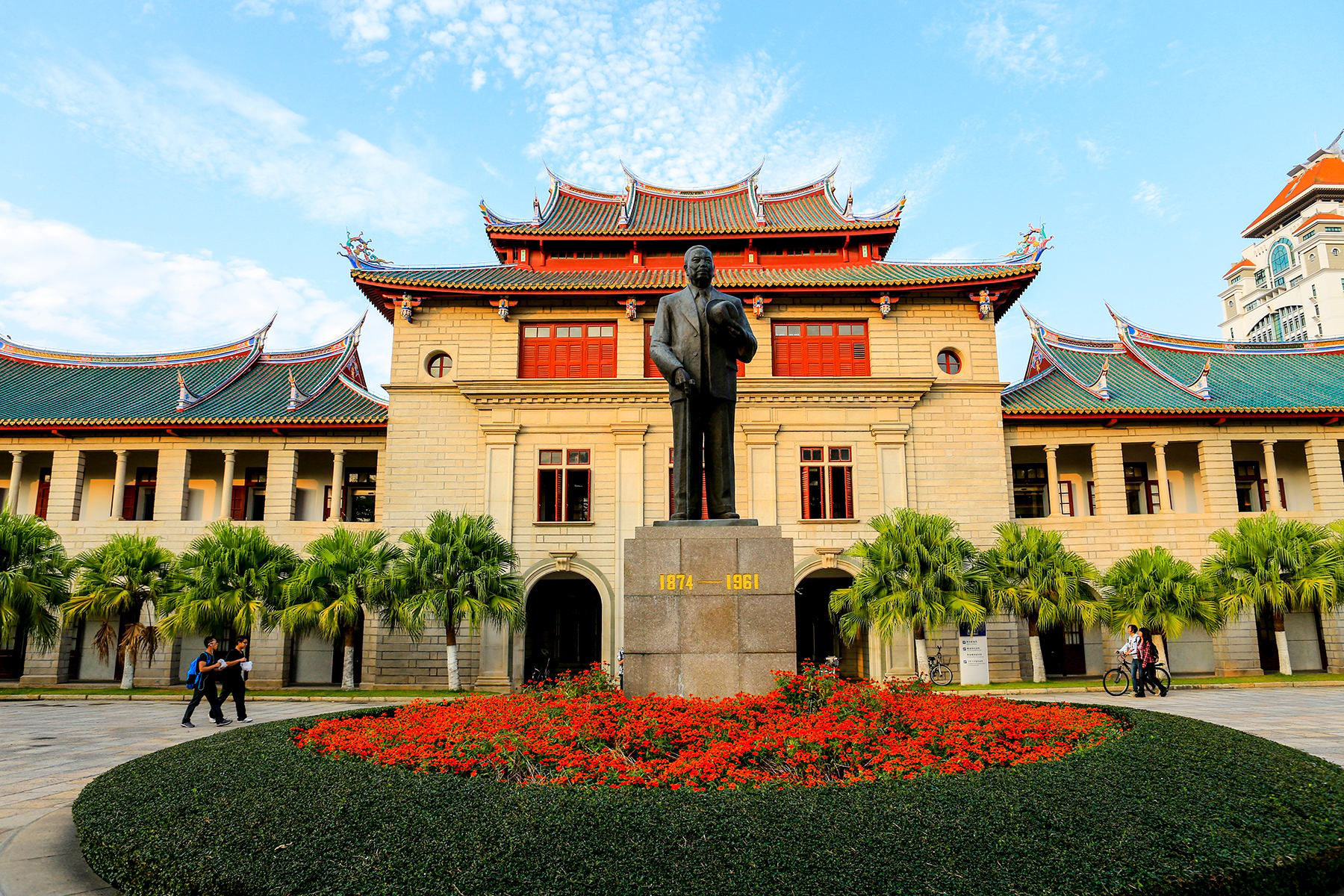
Coastal campus known for Southern Fujian roof ridges and Furong Tunnel graffiti. Advance online registration is mandatory for entry.
Tanya Parley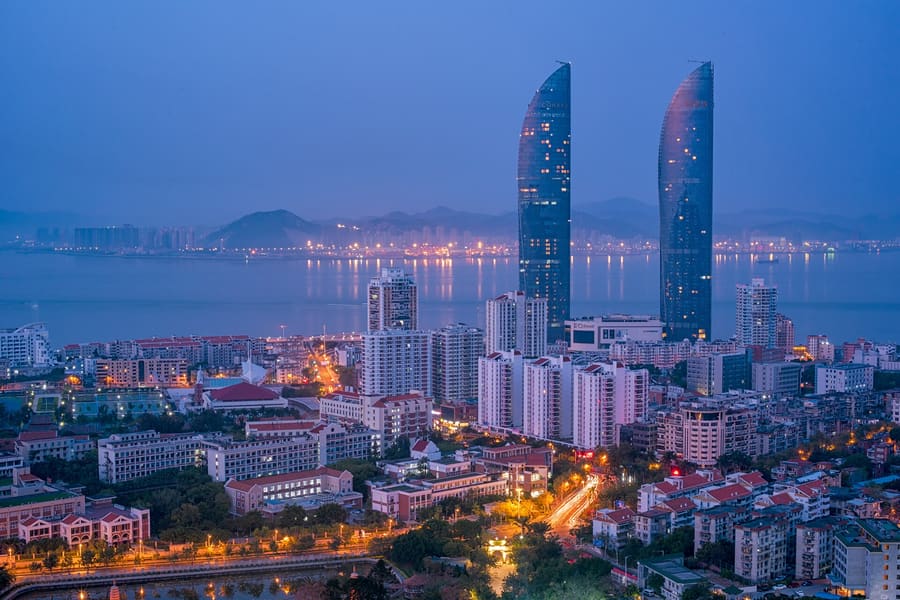
landmark
Former fishing harbor converted into craft studios and tea shops. Best visited at dusk when local food stalls open along the canal.
Tanya Parley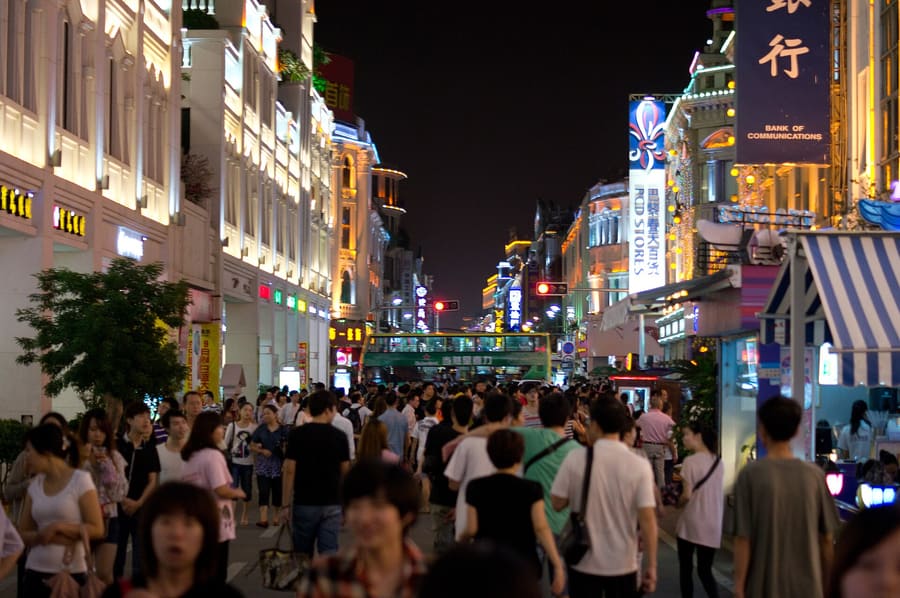
landmark
Historical commercial corridor lined with arcade shophouses. Side alleys hide long-standing peanut soup and oyster omelet stalls.
Tanya Parley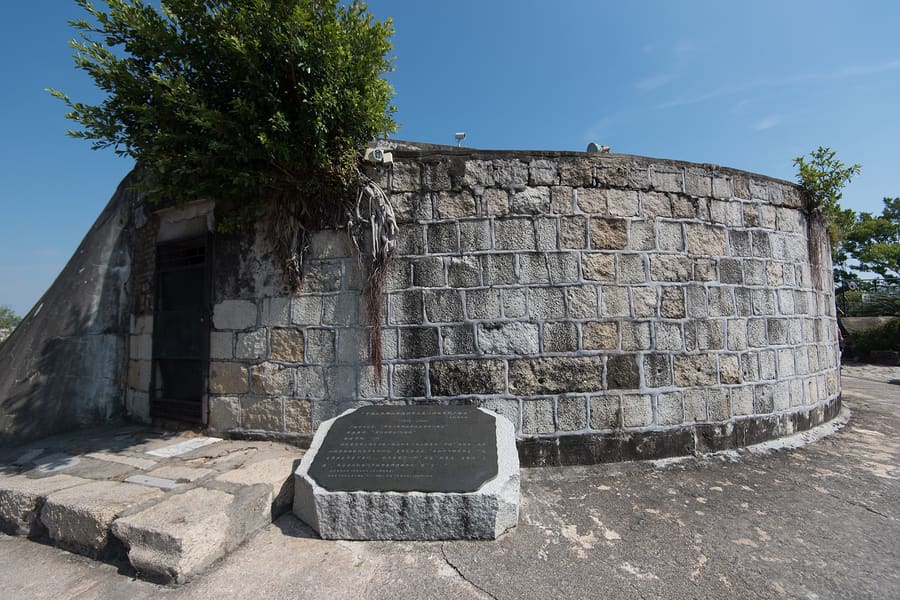
landmark
Late Qing-dynasty coastal defense fort housing a 19th-century German Krupp cannon. Offers clear views across the strait to Kinmen.
Tanya Parleyattractions
areas
Car-free stone lanes, historic consulate gardens, and hilly residential paths.
DekatFerry docks to mainland Siming.
Tanya ParleyDense commercial grid with arcade shophouses, night markets, and direct Metro access.
DekatLujiang Ferry Pier and Metro Line 1.
Tanya ParleyOld docklands converted into coffee roasting labs, independent design shops, and seafood bistros.
DekatSouth Putuo Temple and Xiamen University.
Tanya ParleyWide coastal avenue with bicycle lanes, sandy beaches, and luxury seaside resorts.
DekatHulishan Cannon Fort and Zengcuo'an village.
Tanya Parleyfood
Xiamen dining centers on Southern Fujian (Minnan) techniques where fresh seafood meets sweet-savory broths. Shacha Mian (satay noodle soup) forms the backbone of local lunch culture. Diners select raw ingredients—squid, pork intestine, duck blood, and tofu—which are blanched and doused in a warm, peanut-and-seafood thick soup. Coastal waters supply small oysters for Hazi Jian, pan-fried with sweet potato starch and garlic chives until crisp at the edges.
Shacha Mian served with cuttlefish and crisp tofu puffs in a peanut-shrimp broth.
Xmhaoyu · CC BY 3.0Point to raw skewered ingredients at the counter before the cook scalds them into your soup base.
Huasheng Tang features peanuts simmered for hours until soft. Pair it with fried dough sticks at Huang Ze He on Zhongshan Road.
At Eighth Market (Bashi), vendors display prices per 500g (jin). Confirm the total before fish are killed and prepared.
history
Xiamen grew from a Ming dynasty naval base defending against coastal pirates into China's primary gateway for Southeast Asian trade. After the First Opium War in 1842, the Treaty of Nanking established Amoy (Xiamen) as one of five treaty ports. Foreign merchants built consulates and grand residences on Gulangyu, creating an isolated international settlement. In 1980, Xiamen became one of China's original four Special Economic Zones, driving massive modern industrial expansion across the mainland bay.
Ming Fortification
The Ming empire constructs the Xiamen city wall to combat coastal piracy, giving the island its name meaning 'Gate to the Mansion'.
Treaty Port Era
The Treaty of Nanking opens Xiamen to foreign trade, establishing foreign consulates and commercial shipping lanes.
Gulangyu Settlement
Gulangyu is formally designated an International Settlement, leading to a surge in Western-influenced architectural construction.
Special Economic Zone
Xiamen gains Special Economic Zone status, transforming its mainland shoreline into a high-tech manufacturing hub.
where to stay
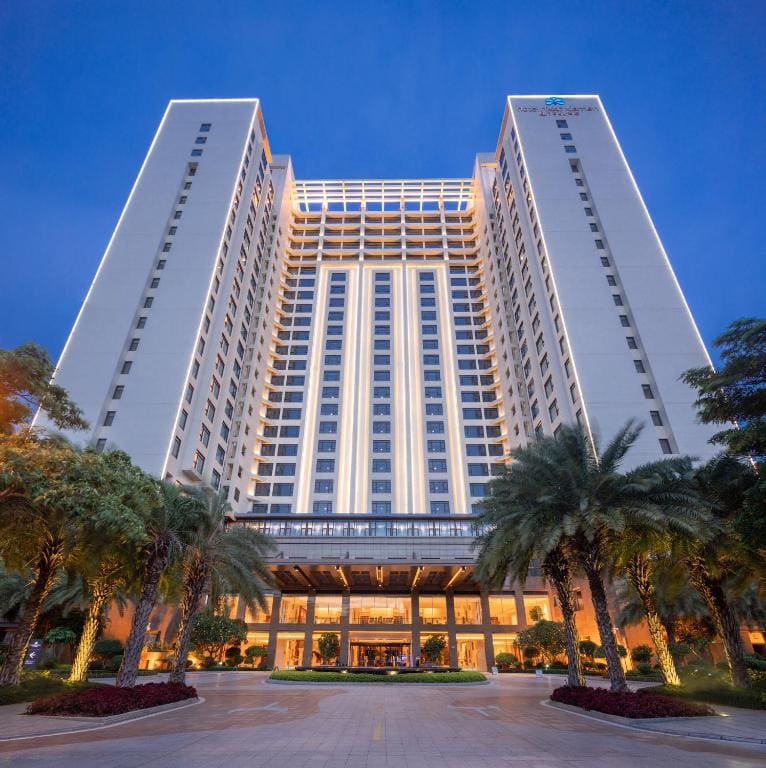
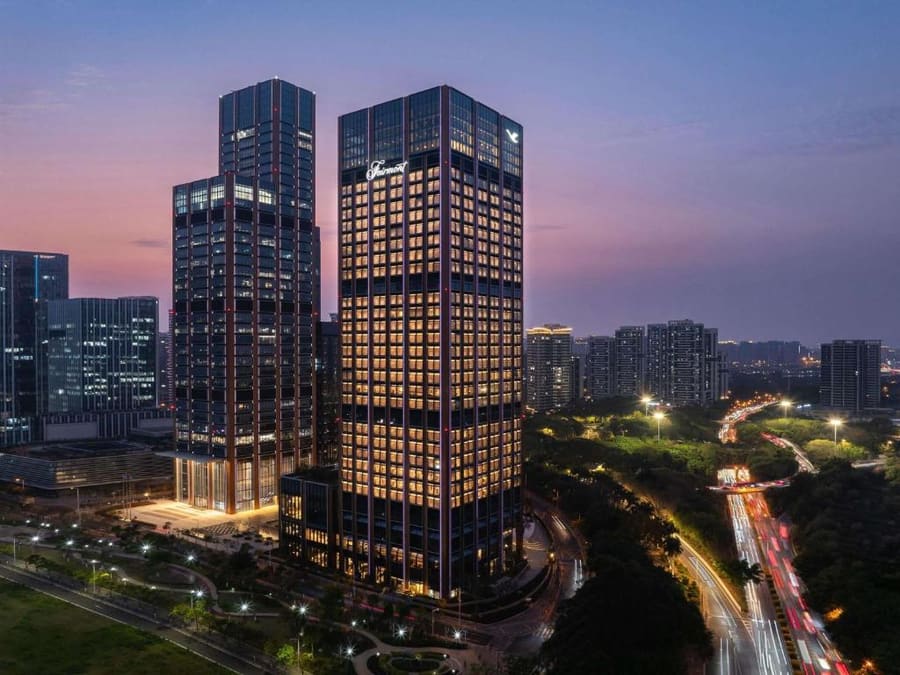
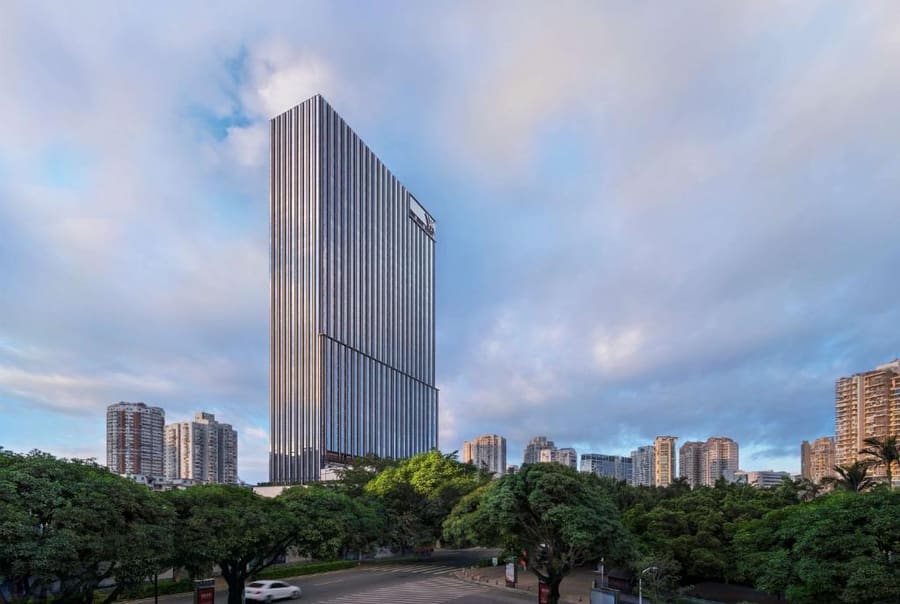
Choose your hotel location based on transit priorities versus atmosphere. Staying in Siming along Zhongshan Road gives immediate access to Metro Line 1 and late-night food stalls. Gulangyu lodging offers quiet nights without vehicle noise, but you must haul luggage onto passenger ferries. Huandao Road suits travelers focused on ocean views and modern international resorts.
Live rates, matched to the areas above.
transport
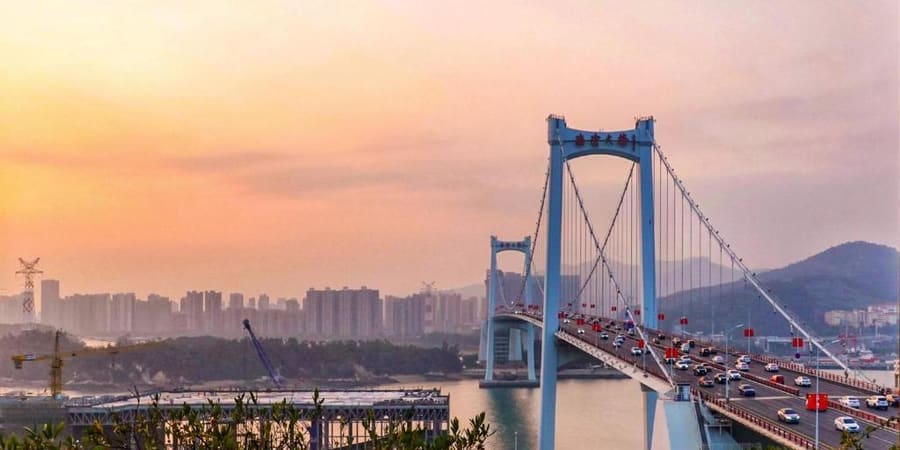
Xiamen's urban transit system includes underground Metro lines, an elevated Bus Rapid Transit (BRT) network, and harbor ferry services. Metro Line 1 runs directly from North Railway Station through the downtown island core. Tap-to-pay using digital transit QR codes works across all buses, metro gates, and local ferry routes.
Dari Xiamen Gaoqi International Airport (XMN)
Official queue is directly outside T3/T4 arrivals. Ignore touts offering fixed rates inside terminals.
Metro Line 1 connects T3/T4 airport stations directly to downtown Siming.
Direct express buses run from T3 and T4 to Lujiang Ferry Pier.
The section between Gaoqi and Jimei School Village travels above sea level, offering panoramic bay views.
Activate the Xiamen e-card mini-program inside your app to scan directly at metro fare gates and BRT stations.
The elevated BRT lanes carry heavy commuter loads between 07:30–09:00 and 17:30–19:00.
cost
Xiamen is moderately priced compared to Shanghai or Shenzhen. Daily expenses depend heavily on seafood selections and whether you stay on Gulangyu Island. Mobile digital payments via Alipay or WeChat Pay are required almost everywhere, from street food carts to ferry booking portals.
Base soup noodles cost around ¥10, with extra toppings priced per item.
Standard tourist ferry ticket includes return passage within 20 days.
Fares scale by distance traveled across the city network.
Freshly fried at street stalls in Eighth Market and Siming alleys.
seasonality
MAR – MAY
Spring brings temperatures around 20°C. Seasonal fog can occasionally delay Gulangyu ferry sailings.
JUN – AUG
Hot and humid with highs exceeding 32°C. Summer typhoon season causes occasional ferry disruptions.
SEP – NOV
Clearest skies and lowest rainfall of the year. Autumn offers ideal conditions for coastal walking.
DEC – FEB
Cool and dry with highs around 15°C. National holidays bring heavy domestic crowd surges.
practicalities
Link an international credit card to Alipay or WeChat Pay, as cash is rarely accepted at small stalls.
Security checkpoints at ferry terminals and university gates require real-name passport verification.
Coastal moisture speeds up dehydration. Carry water when climbing Gulangyu's stone stairs.
Xiamen University visitor slots open midnight several days ahead and fill rapidly during peak seasons.
Ferry service stops completely when maritime safety authorities issue high wind alerts.