landmark
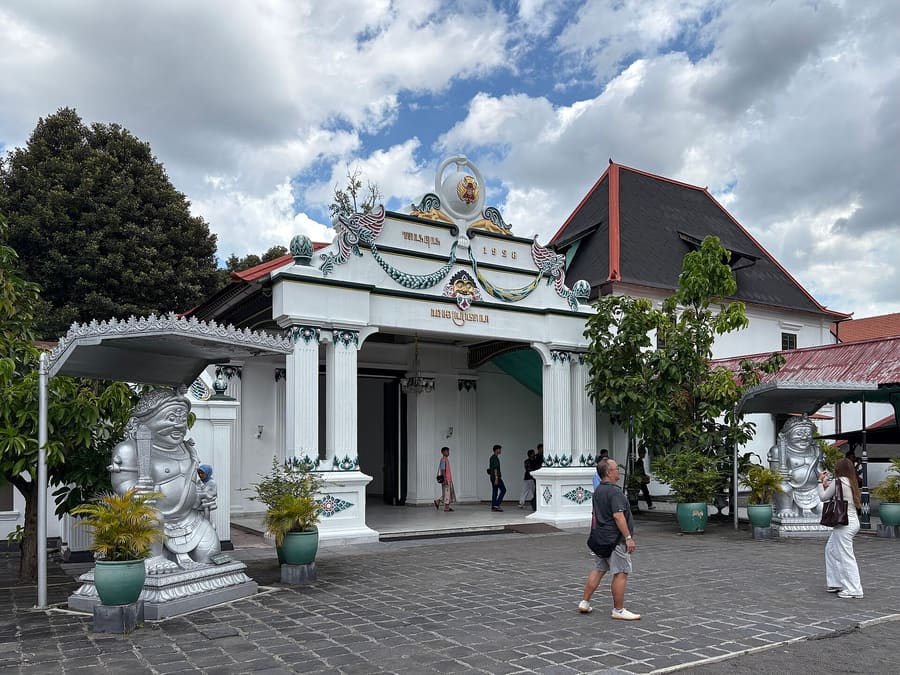
Kraton Palace
The active palace of the Sultan. Arrive before 11:00 to catch daily Javanese dance or gamelan performances.
Tanya ParleyIndonesia
Java's royal cultural core and university capital.
introduction
Yogyakarta operates as a semi-autonomous sultanate at the foot of Mount Merapi. The city stretches along a strict north-south axis from the volcano to the Indian Ocean. You navigate using cheap rideshare motorbikes or the Trans Jogja bus system. Expect low prices, intense heat, and slow morning paces.
Airport express train
The YIA Airport Rail Express connects Kulon Progo airport directly to Yogyakarta Station in 39 minutes for 50,000 IDR.
UNESCO Cosmological Axis
UNESCO listed Yogyakarta's historic Cosmological Axis and its heritage monuments in September 2023.
Borobudur climb permits
Climbing the upper monument of Borobudur requires a specific limited ticket booked weeks in advance.
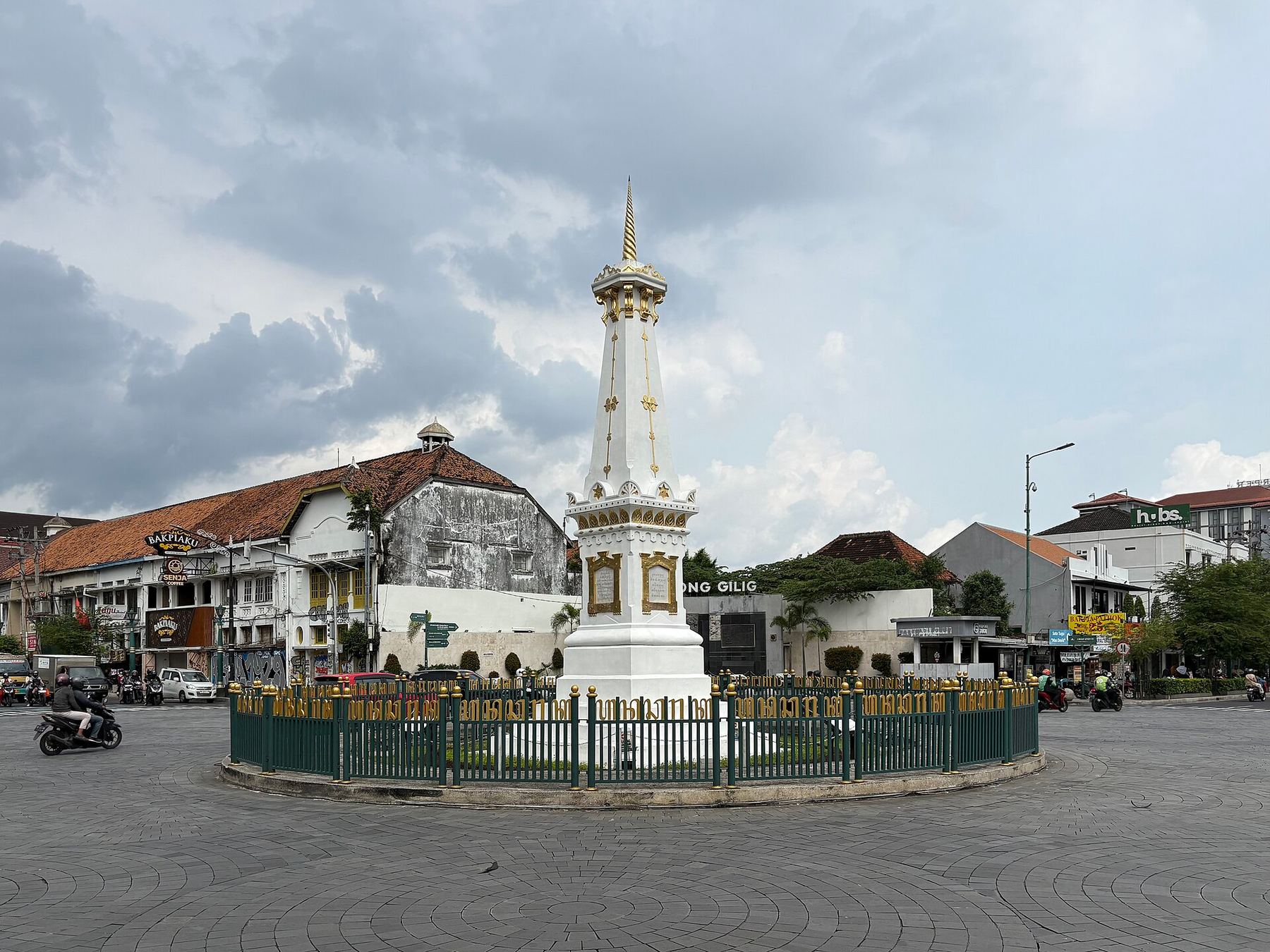
Yogyakarta
Fpangestuphotographer · CC BY-SA 4.0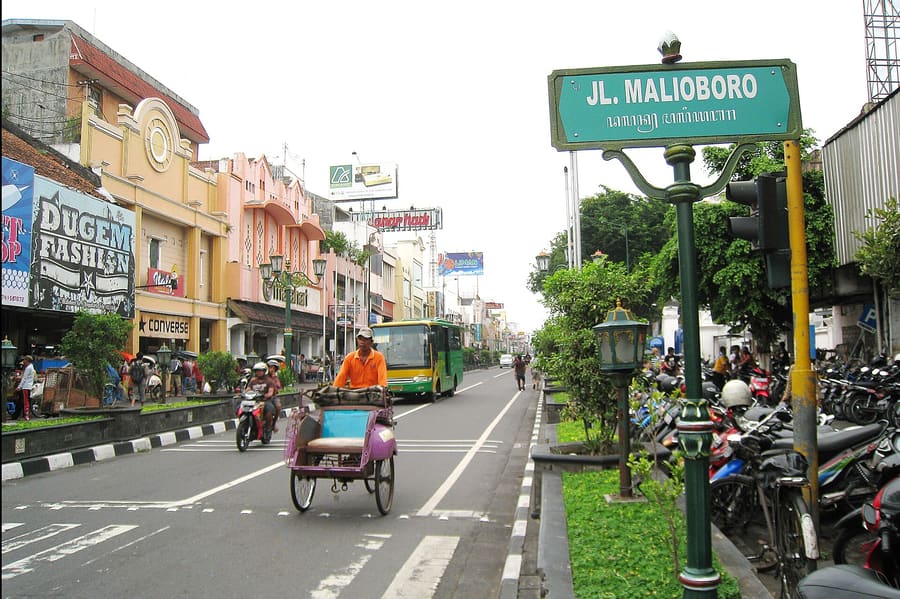
Malioboro — Hyperactive commercial strip packed with souvenir stalls, street food carts, and historical buildings.
Gunawan Kartapranata · CC BY-SA 3.0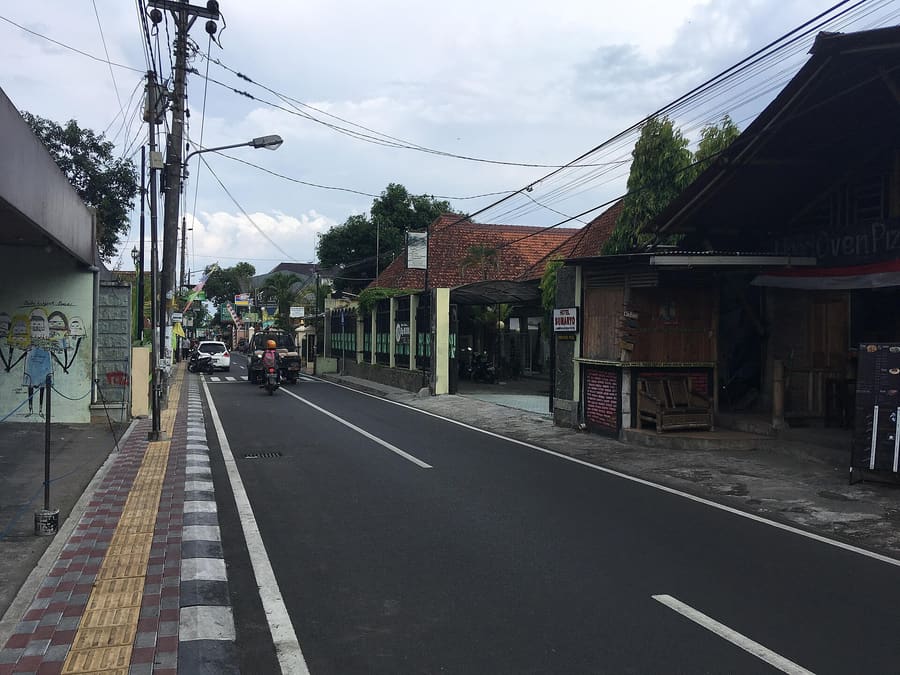
Prawirotaman — Traveller enclave filled with Western-style cafes, tour agencies, gelaterias, and boutique guesthouses.
Christophe95 · CC BY-SA 4.0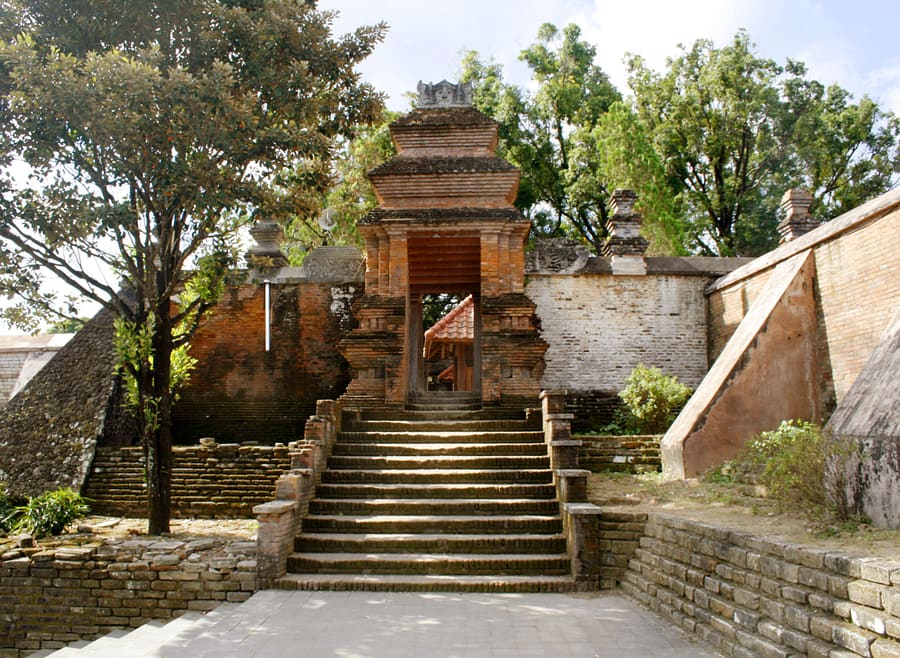
Kotagede — Historic Mataram kingdom capital with narrow stone alleys, silver workshops, and classical joglo homes.
Gunawan Kartapranata · CC BY-SA 3.0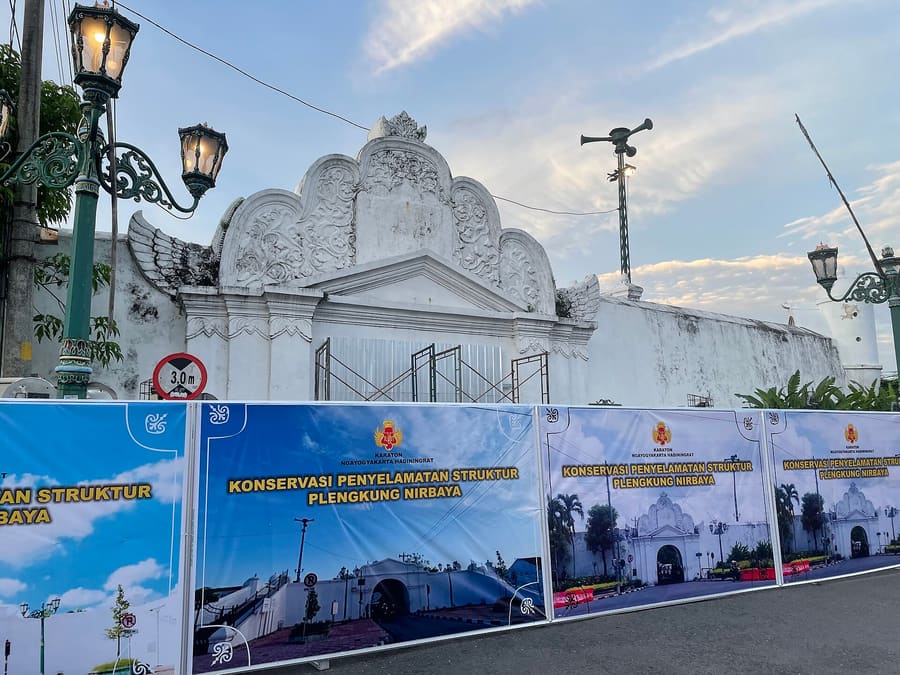
Mantrijeron — Artistic residential district home to independent galleries, specialty coffee shops, and quiet homestays.
Candramawa99 · CC BY 4.0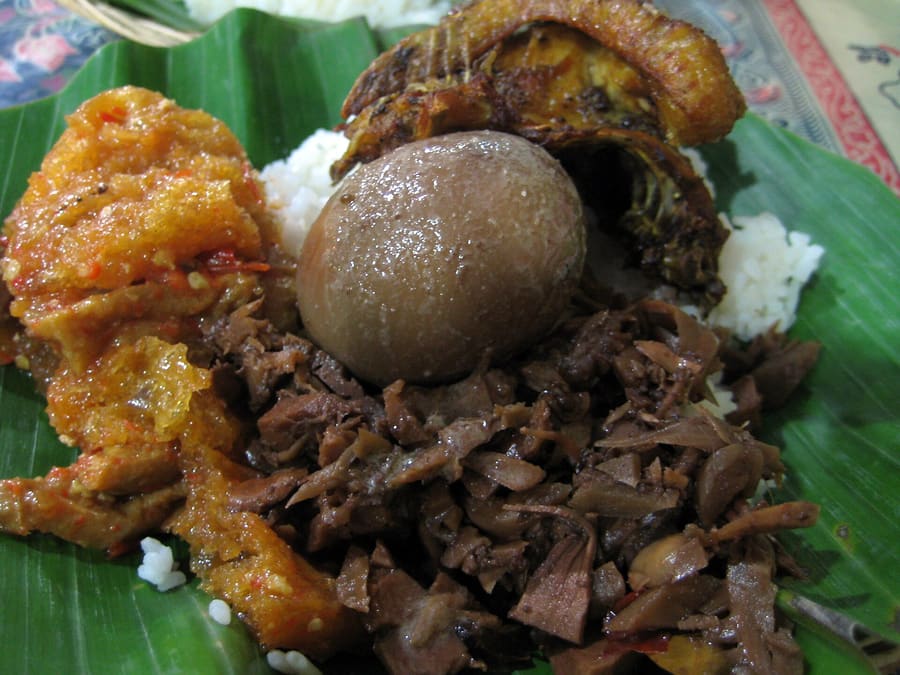
Gudeg Yu Djum, served with egg, chicken, and spicy krecek skin stew.
christian razukas from Honolulu, Hawaii · CC BY-SA 2.0highlights
landmark
The active palace of the Sultan. Arrive before 11:00 to catch daily Javanese dance or gamelan performances.
Tanya Parley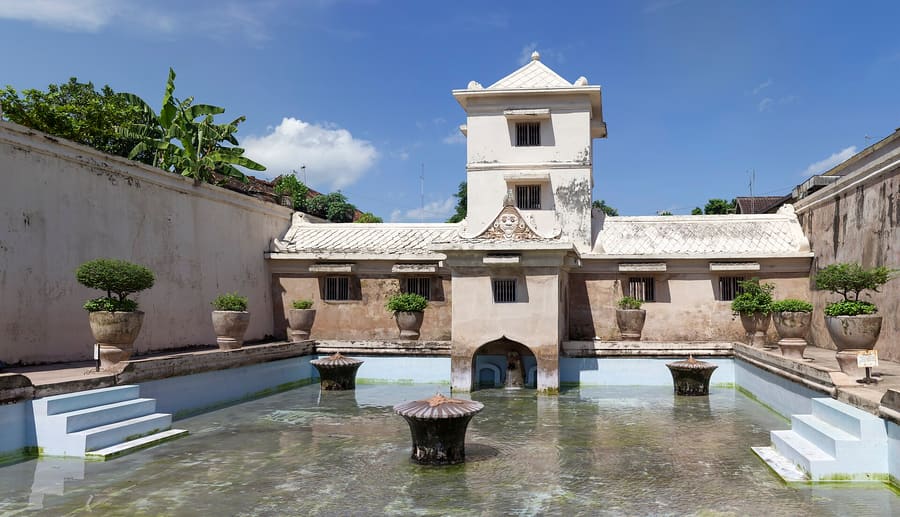
landmark
18th-century royal pleasure garden with ruined bathing pools. Go at 09:00 to avoid crowding in the underground mosque.
Tanya Parley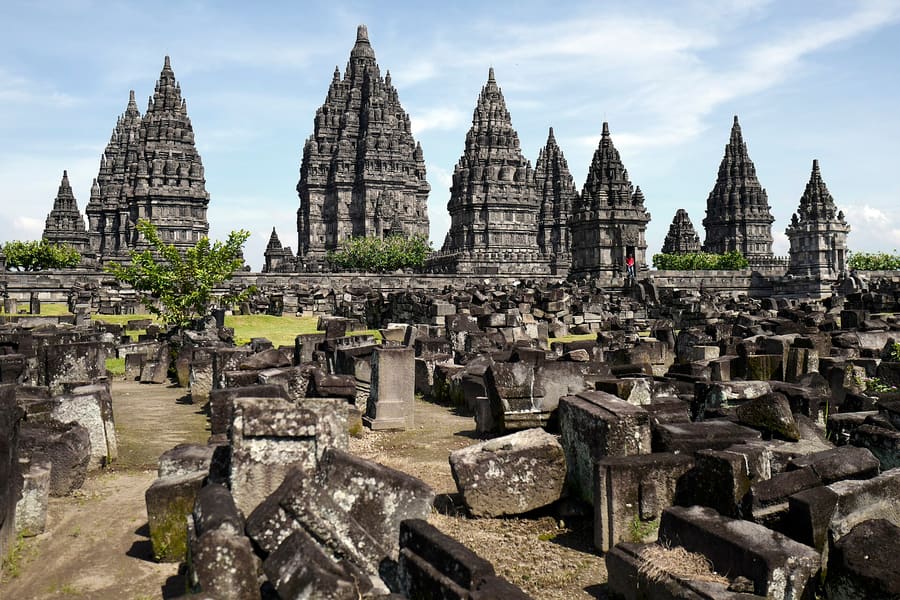
landmark
Massive 9th-century Hindu temple compound. Take the KRL commuter train directly to Brambanan station for 8,000 IDR.
Tanya Parley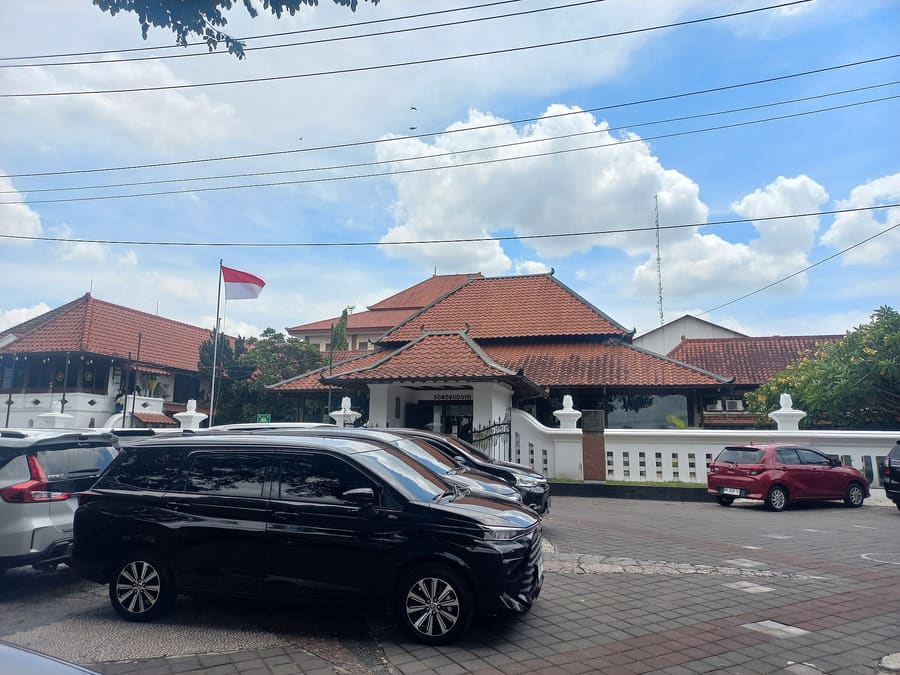
landmark
Premier collection of Javanese wayang puppets and keris daggers. Nightly shadow puppet shows run for 50,000 IDR.
Tanya Parley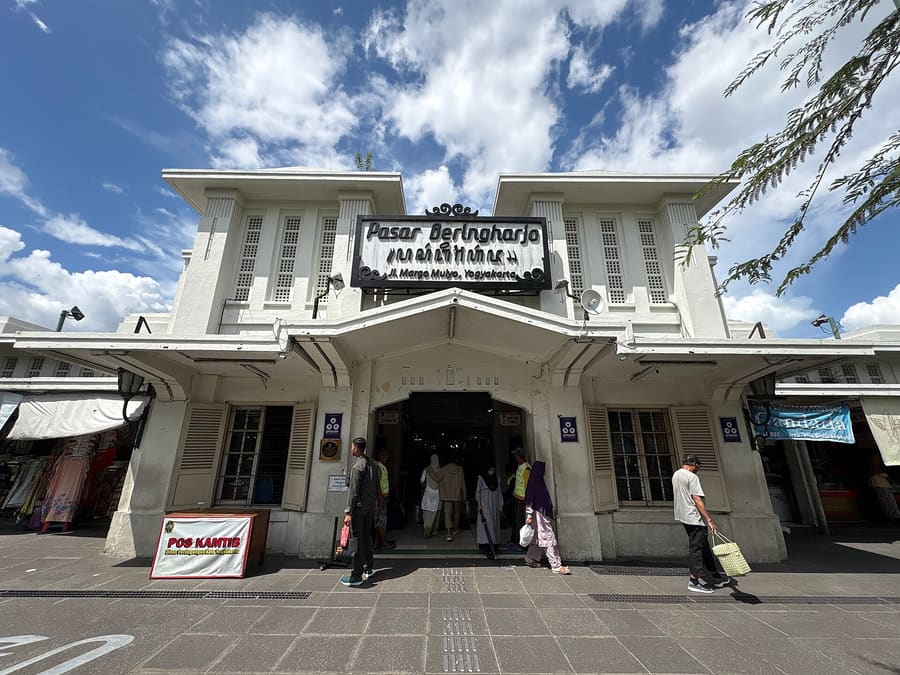
landmark
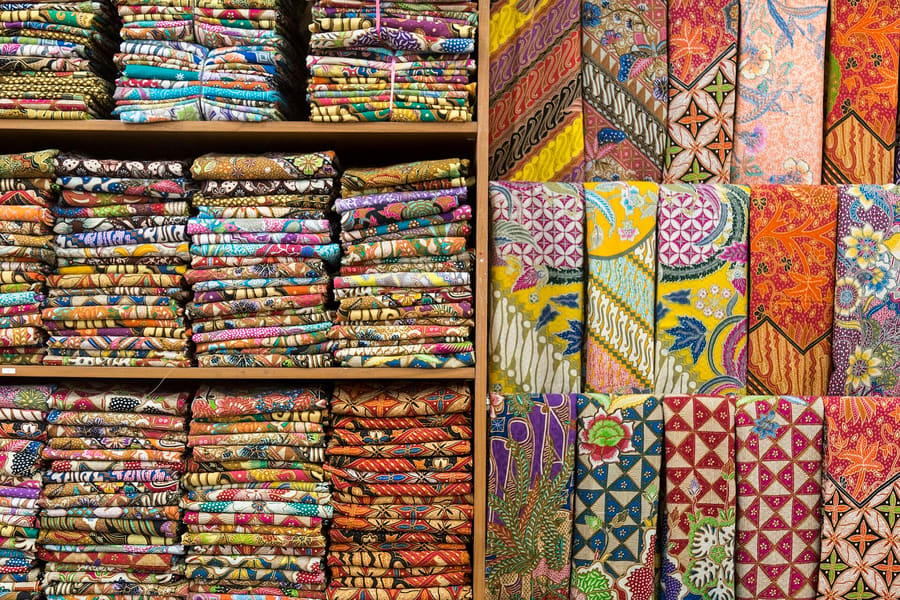
Central trading market operating since 1758. Bargain firmly for batik cloth on the second floor.
Tanya Parleyattractions
areas
Hyperactive commercial strip packed with souvenir stalls, street food carts, and historical buildings.
DekatKraton, Beringharjo Market, Tugu Train Station
Tanya ParleyTraveller enclave filled with Western-style cafes, tour agencies, gelaterias, and boutique guesthouses.
DekatTaman Sari, South City Wall, Jalan Tirtodipuran
Tanya ParleyHistoric Mataram kingdom capital with narrow stone alleys, silver workshops, and classical joglo homes.
DekatRoyal Cemetery, Silver workshops, Gembira Loka
Tanya ParleyArtistic residential district home to independent galleries, specialty coffee shops, and quiet homestays.
DekatPrawirotaman, Southern Square (Alun-Alun Selatan)
Tanya Parleyfood
Yogyakarta's signature dish is gudeg, a sweet stew made from young jackfruit boiled for hours in coconut milk, palm sugar, and teak leaves. Local diners eat it for breakfast alongside spiced chicken, hard-boiled eggs, and spicy cattle-skin cracker stew called krecek. For late-night eating, head to lesehan stalls along Jalan Wijilan or near the train station, where you sit on woven floor mats to eat fried chicken and tempeh served with fresh sambal.
Gudeg Yu Djum, served with egg, chicken, and spicy krecek skin stew.
christian razukas from Honolulu, Hawaii · CC BY-SA 2.0Order Gudeg Yu Djum on Jalan Wijilan early in the morning before heat and queues build up.
Drink Kopi Joss at Angkringan Lik Man near Tugu station, where red-hot burning charcoal is dropped directly into your coffee cup.
history
Founded in 1755 following the Giyanti Treaty that divided the Mataram Sultanate, Yogyakarta served as the seat of Sultan Hamengkubuwono I. The Sultanate maintained strategic autonomy during Dutch colonial rule and played a critical role during the Indonesian National Revolution, briefly serving as the nation's capital from 1946 to 1948. This historical resistance earned the city Special Region status, preserving its hereditary royal leadership to this day.
Giyanti Treaty
The Mataram Kingdom splits, founding the Sultanate of Ngayogyakarta Hadiningrat under Sultan Hamengkubuwono I.
British Siege
British forces under Stamford Raffles storm the Kraton, plundering the royal archive and treasury.
Revolutionary Capital
Yogyakarta becomes the temporary capital of the newly declared Republic of Indonesia during the war of independence.
Special Region Status
Indonesia grants Yogyakarta Special Region status, retaining the Sultan as hereditary governor.
Bantul Earthquake
A magnitude 6.4 earthquake damages parts of the city and nearby historic sites, prompting major restoration.
where to stay
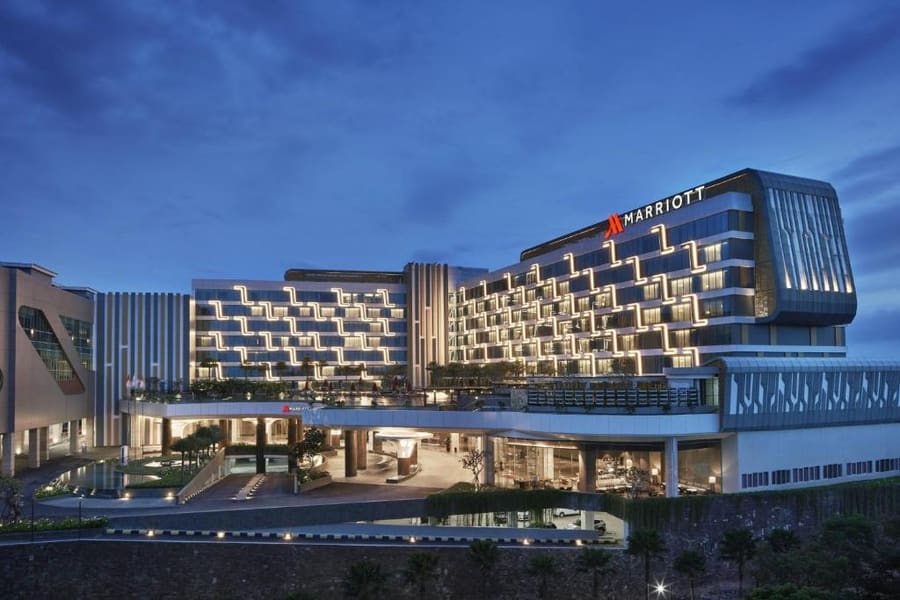
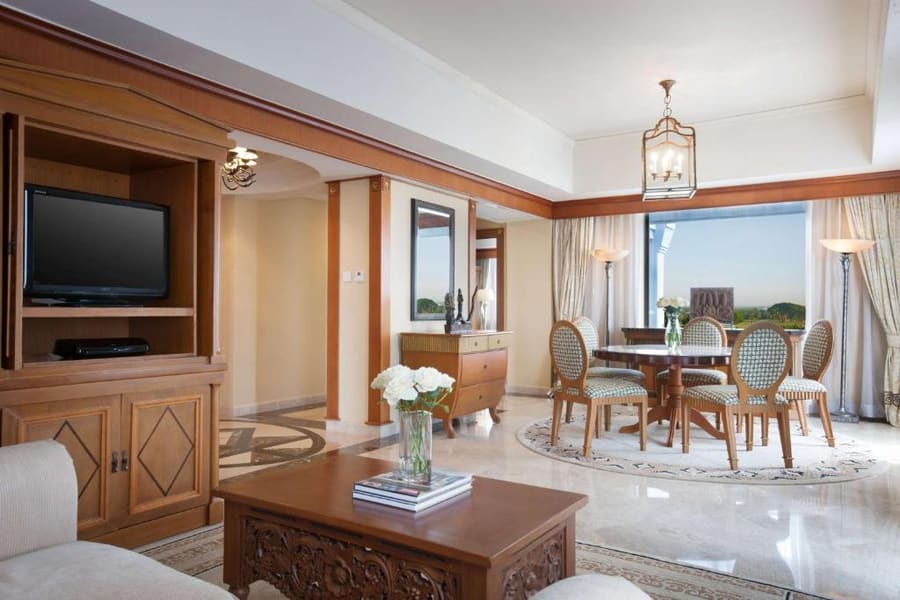
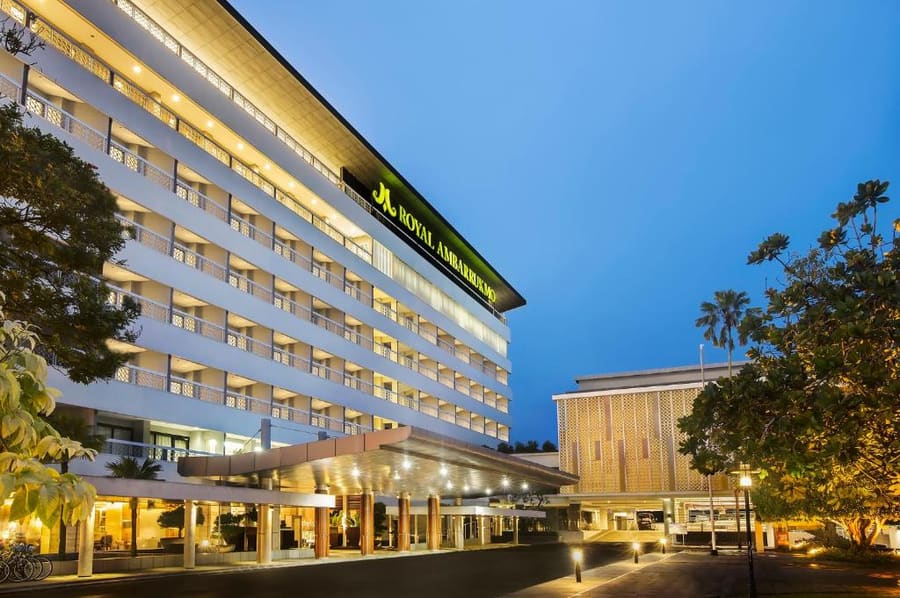
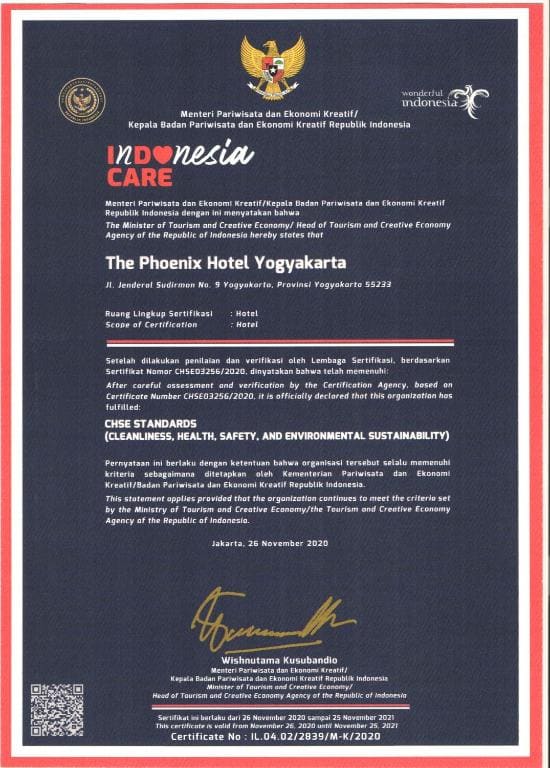
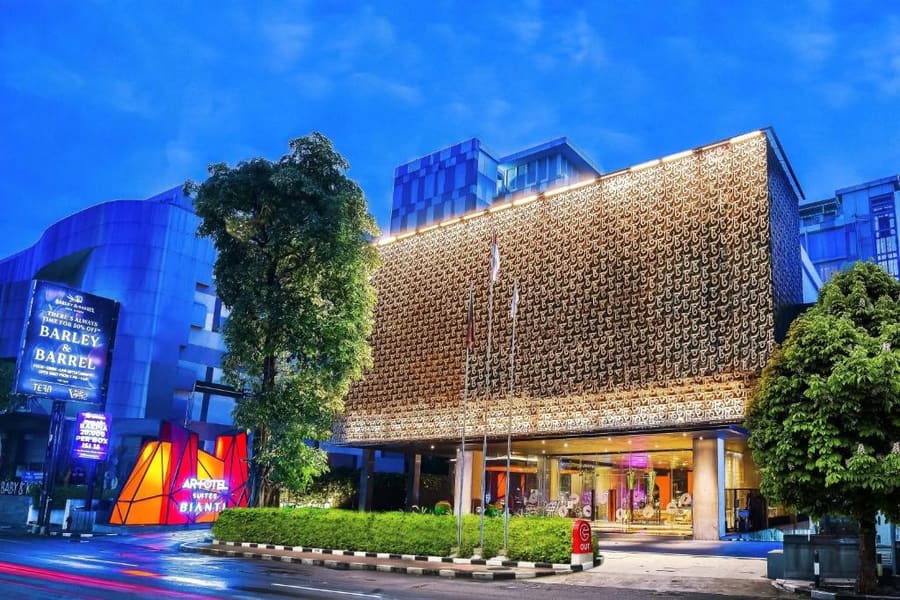
Choose your base by transit access and evening noise tolerance. Stay around Malioboro if you rely on the railway and desire immediate walking access to sights. Choose Prawirotaman or Mantrijeron if you want quiet nights, modern cafes, and boutique pool guesthouses.
Live rates, matched to the areas above.
transport
Yogyakarta relies heavily on motorbikes and rideshare apps. The Trans Jogja public bus network serves major corridors for flat low fares, while the KRL Commuter train offers fast transit eastward toward Solo.
Dari YIA
The YIA Express train runs directly to Tugu Station in central Yogya. Book via KAI Access app.
Metered airport taxis or Grab/Gojek rides available at designated pickup zones outside terminal.
Damri buses connect YIA to central locations like Jalan Malioboro and Sleman.
Trans Jogja air-conditioned buses charge a flat 3,600 IDR fare payable by electronic money card or QRIS.
Download Grab or Gojek apps for cheap motorcycle rides to navigate narrow alleyways quickly.
The electric commuter train runs between Yogyakarta Station and Solo Balapan for 8,000 IDR per trip using tap cards.
Agree on the total fare before stepping into a traditional three-wheeled becak; pedal versions cost less than motorized ones.
cost
Yogyakarta is one of Java's most affordable destinations. Local warung meals and public transport cost small change, while hotel rates remain lower than Jakarta or Bali.
A full plate of gudeg with chicken and iced tea at a local neighborhood warung.
Standard admission to the main palace pavilion for international visitors.
Special admission ticket required to climb the temple upper terraces.
Average Gojek or Grab ride anywhere within the urban city core.
seasonality
MAY – SEP
Dry season bring clear skies and hot days. Ideal for sunrise visits to Borobudur and outdoor temple exploring.
OCT – NOV
Transition period with rising humidity and occasional afternoon rain showers. Shorter queues at key attractions.
DEC – JAN
Peak domestic holiday season with heavy rainstorms. Book transport and hotels well in advance.
FEB – APR
Wet season continues with frequent rain. Lower accommodation rates and empty historical monuments.
practicalities
Heat builds quickly by midday. Plan outdoor walking at royal palaces and temples before 10:00.
Cover shoulders and knees when entering the Kraton palace and historic religious sites.
Carry small bank notes (2,000 to 20,000 IDR) for becak drivers, parking fees, and street food stalls.
Drink bottled or purified water exclusively; tapped water in Yogyakarta is unpotable.
Mount Merapi is an active volcano. Check safety exclusion zones before planning volcano trekking trips.