landmark
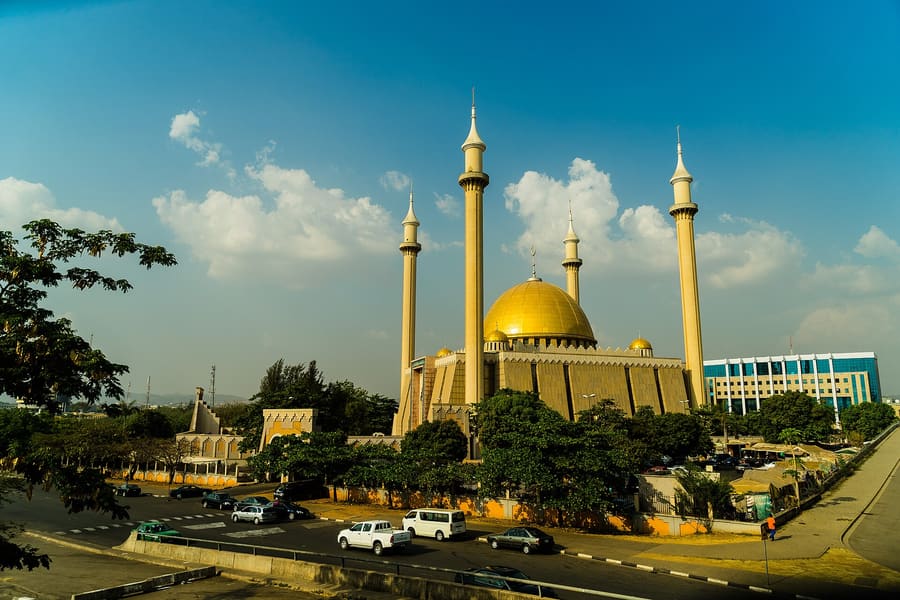
Abuja National Mosque
Built in 1984 with four minarets and a central gilded dome. Non-Muslims can visit outside congregational prayer times.
Chiedi a ParleyNigeria
Nigeria's purpose-built capital of wide grids and granite monoliths.
introduction
Abuja replaced Lagos as Nigeria's capital in 1991 to anchor a neutral federal zone. A master plan designed by International Planning Associates (IPA) divides the city into numbered sectors framed by massive granite outcrops, with Kenzō Tange designing the Central Area. Taxis and private ride services move people along six-lane expressways that connect commercial sectors to quiet residential zones. Expect high room rates, strict district zoning, and active evening dining spots.
Airport taxi negotiation
Official airport taxis operate on fixed rates posted near the arrival exit. Confirm the price with the desk supervisor before entering the vehicle.
Cash and transfer reality
Card terminals frequently fail during mobile network dips. Keep local cash or set up bank transfers before moving between commercial districts.
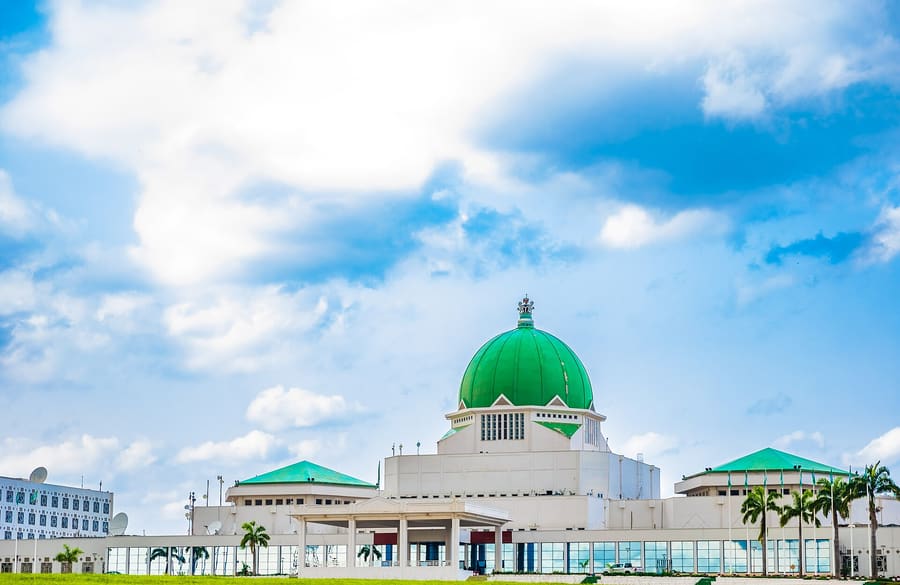
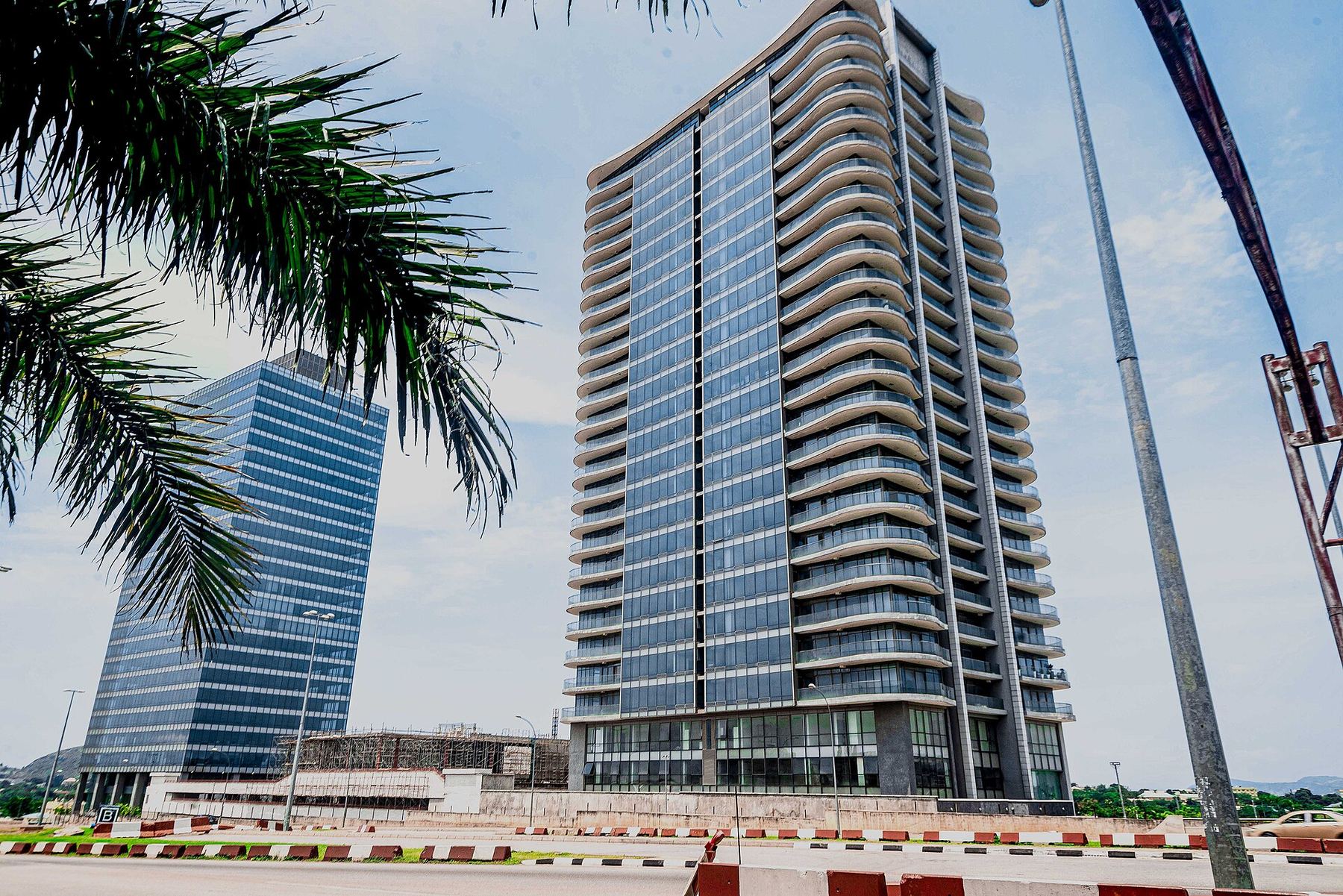
Abuja
Ovinuchi Prince Ejiohuo · CC BY-SA 4.0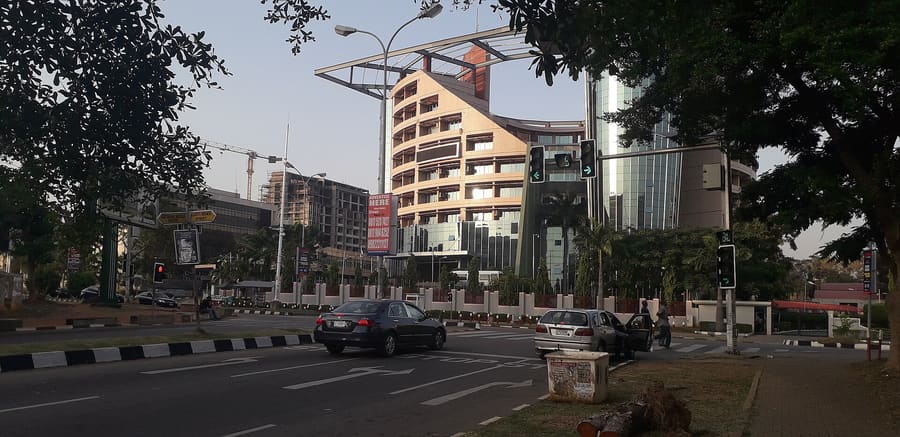
Maitama — High-end diplomatic enclave with gated compounds and wide streets.
Naziftm · CC BY-SA 4.0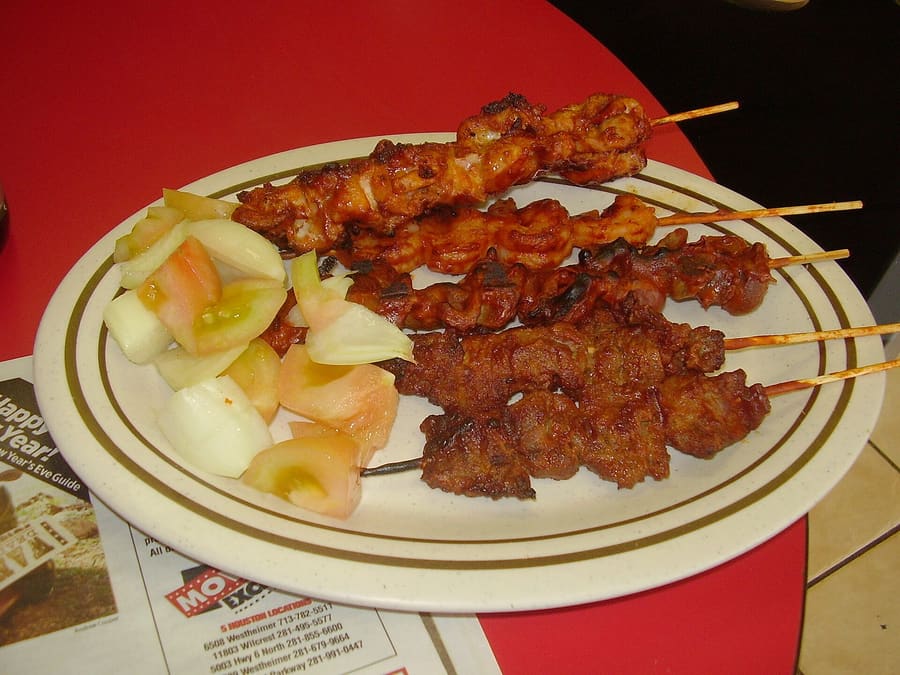
Suya meat sliced with onions and dried pepper spice blend.
WhisperToMe · CC0highlights
landmark
Built in 1984 with four minarets and a central gilded dome. Non-Muslims can visit outside congregational prayer times.
Chiedi a Parley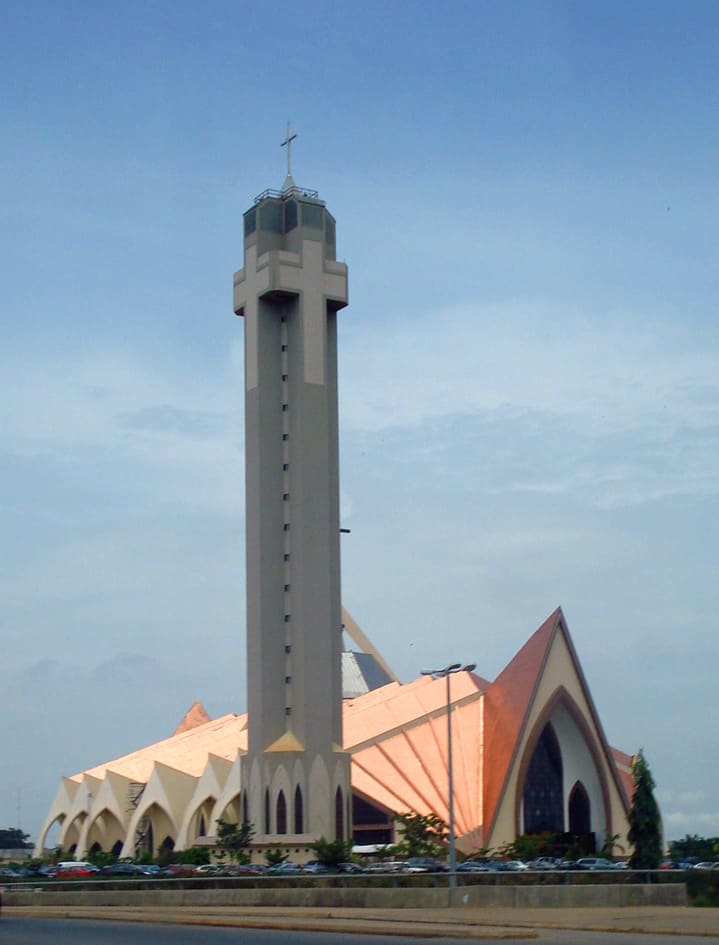
landmark
Post-modern church architecture featuring towering stained-glass arches. Walk-in visitors must register at the security gate.
Chiedi a Parley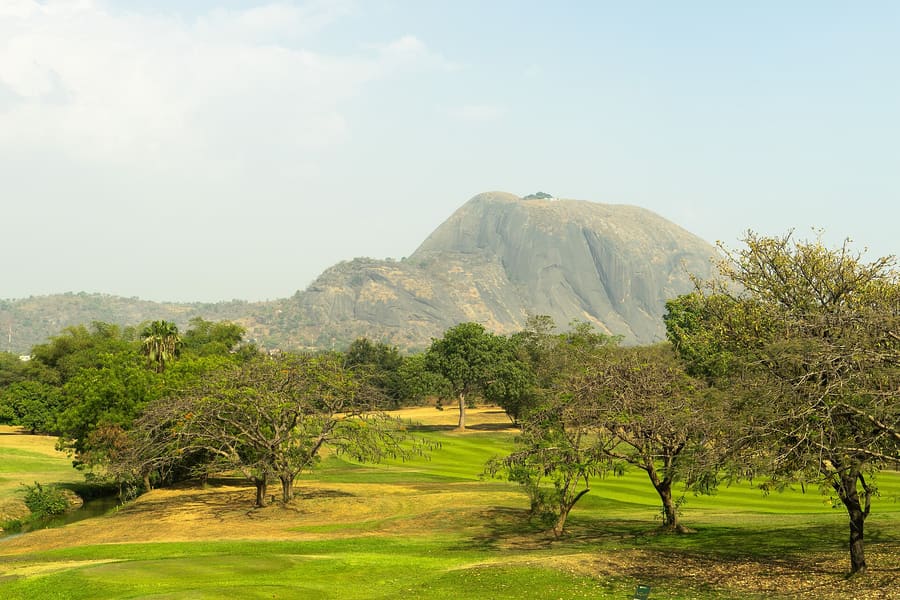
landmark
A 400-metre granite monolith dominating the skyline. Close access is restricted due to nearby government buildings.
Chiedi a Parley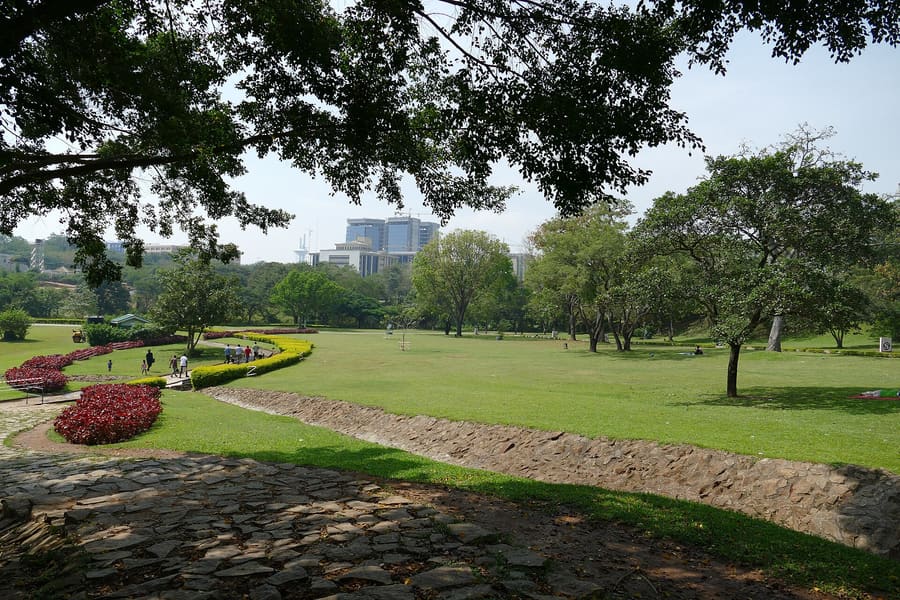
landmark
Abuja's largest public green space designed by Manfredi Nicoletti. Late afternoons offer cooler air and shade.
Chiedi a Parleyattractions
areas
High-end diplomatic enclave with gated compounds and wide streets.
Nei dintorniMillennium Park and Government Secretariat
Chiedi a ParleyThe commercial dining and nightlife centre of the city.
Nei dintorniWuse Market and Central Business District
Chiedi a ParleyExpansive suburban estate zone with local food spots and bars.
Nei dintorniNnamdi Azikiwe Expressway
Chiedi a ParleyWaterfront district anchored by retail and outdoor sports.
Nei dintorniUtako District and Outer Northern Expressway
Chiedi a Parleyfood
Dining in Abuja centers on open-air spots known as suya gardens and fish parks. Suya vendors grill thinly sliced beef coated in yaji—a mix of ground peanut, cayenne, and ginger—over charcoal after sunset. Yaji recipes vary by spot, with heat levels kept intentionally high.Point-and-kill fish spots operate around Jabi and Wuse II. You select a live tilapia or catfish from aerated tanks, pay by weight, and wait up to forty minutes while cooks charcoal-grill it with chili paste. Side options stick to plantains, yam chips, or extra pepper sauce.Standard restaurants operate alongside formal hotels in Maitama and Wuse II. Local canteens serve northern staples like tuwo shinkafa alongside Southwestern Yoruba soups like gbegiri or ewedu. Prices run significantly higher in hotel dining rooms than in outdoor spots.
Suya meat sliced with onions and dried pepper spice blend.
WhisperToMe · CC0Suya spots fire up grill grates after 17:00. Buying beef before sunset often yields leftover batches from the previous night.
Freshly killed catfish takes 35 to 50 minutes to grill thoroughly. Order starter drinks or side dishes immediately upon sit-down.
Open-air spots prefer cash or direct bank transfer. Point-of-sale card readers frequently lose network signals after dark.
history
The Federal Government selected the Federal Capital Territory in 1976 to relieve congestion in Lagos. The location sits in Nigeria's geographic center to maintain political neutrality among major ethnic regions.
Capital decree
Decree No. 6 officially designates the Abuja Federal Capital Territory out of Niger, Kwara, and Plateau states.
Official seat move
President Ibrahim Babangida moves the seat of government from Lagos to Abuja on December 12.
Metro rail opens
Phase 1 of the Abuja Light Rail opens to link the central district with the international airport.
where to stay
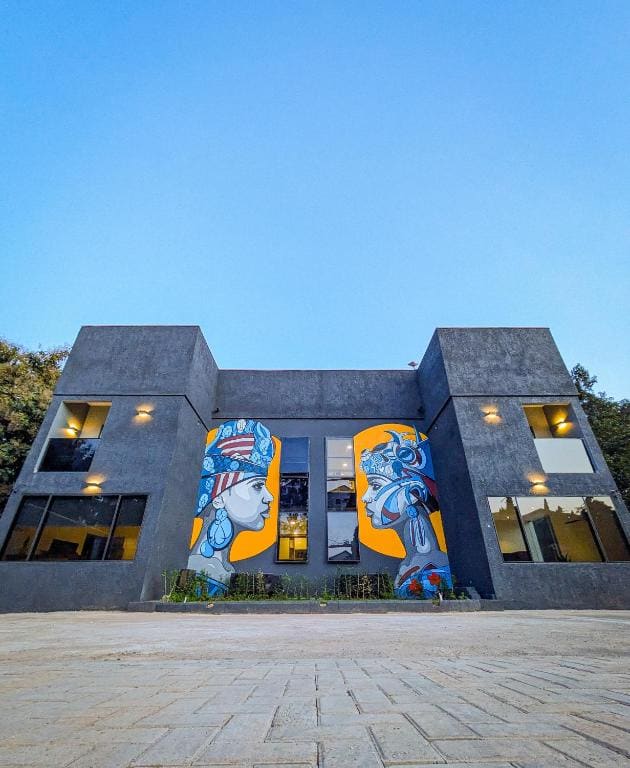
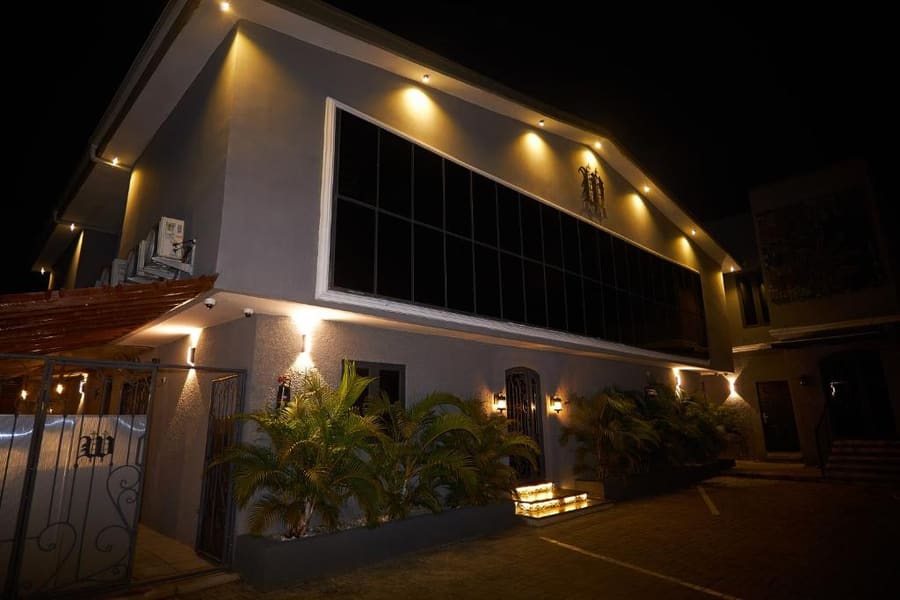
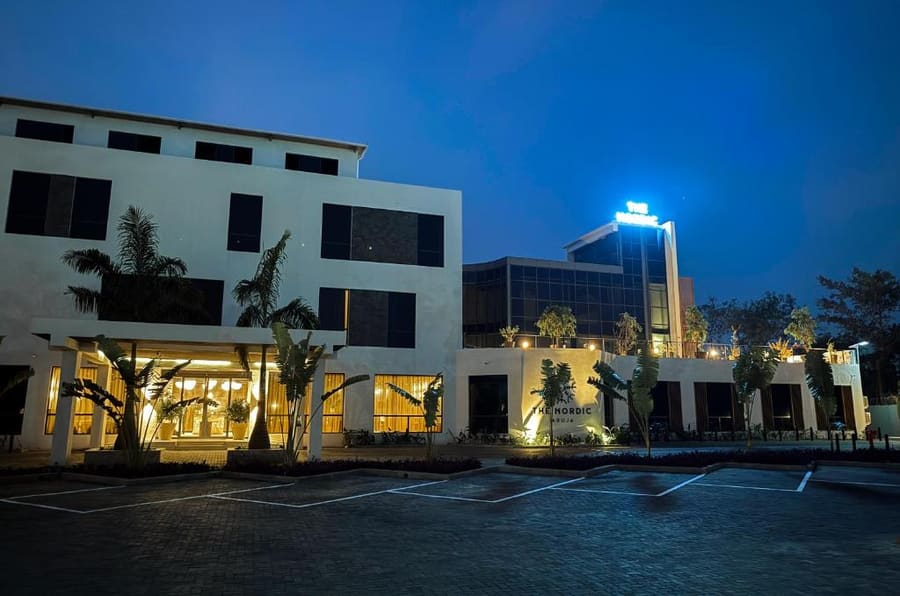
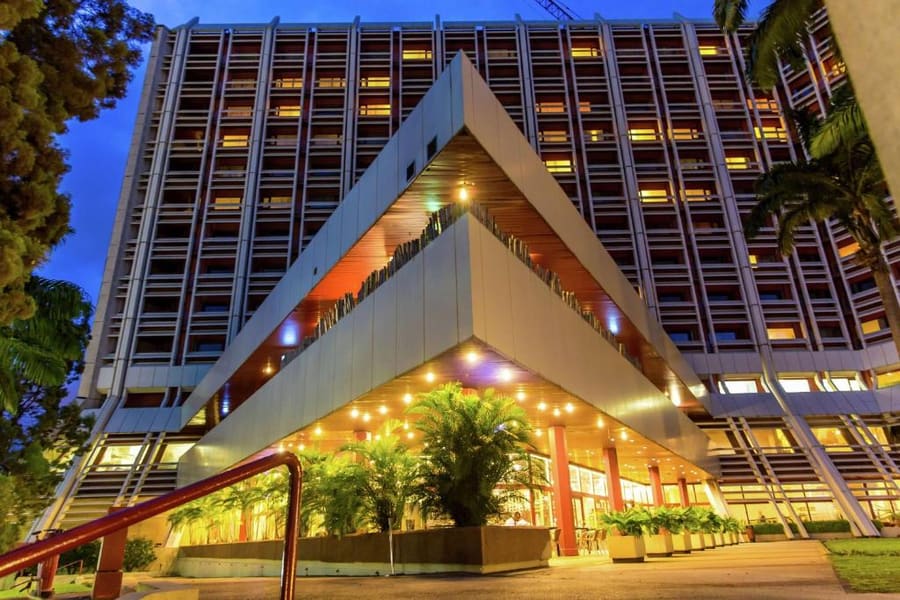
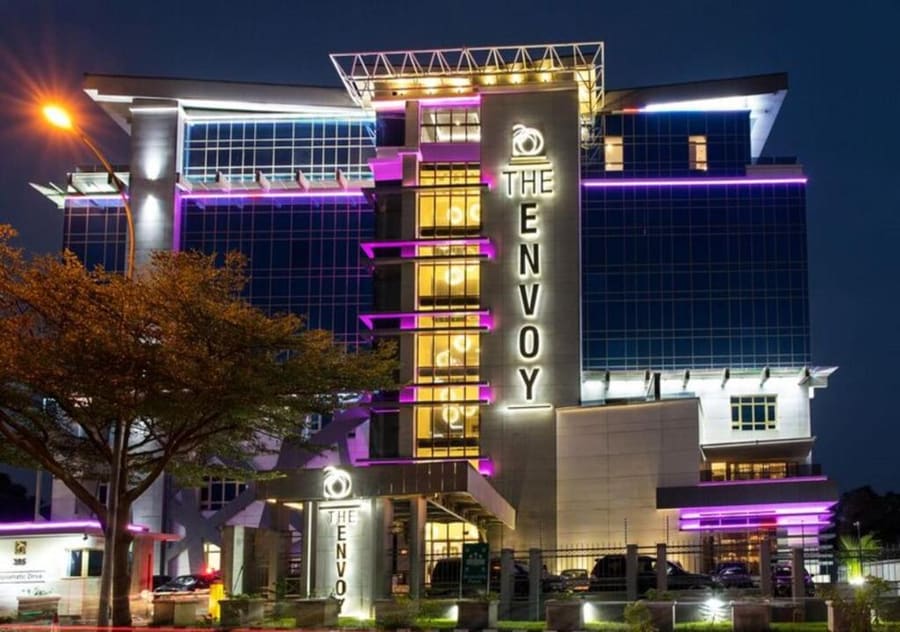
Select your location based on transit needs. Central Business District and Maitama put you near diplomatic functions and government ministries. Wuse II places you within walking distance of independent restaurants and evening social hubs.
Live rates, matched to the areas above.
transport
Abuja lacks unified public bus schedules. Transport relies on app-based rides, green city taxis, and the Abuja Light Rail airport link.
Da Nnamdi Azikiwe International Airport (ABV)
Agree on total price at the terminal desk before loading luggage into the trunk.
Pickup occurs outside the arrivals terminal curb area.
Connects ABV terminal to the Abuja Metro Station in the Central Business District.
Shared green taxis run fixed routes along main avenues. Wave them down from sidewalk edges.
Uber and Bolt service all central zones. Drivers usually call to confirm cash vs card payment preference.
Expressway corridors clog from 07:30-09:00 and 16:30-18:30 around the Secretariat.
Train service frequency varies by day. Check station departure boards directly rather than online tables.
cost
Abuja is among the most expensive cities in West Africa for accommodation, though street dining remains inexpensive. Prices reflect high overhead costs for private generators and water supply.
Served with sliced raw onions and extra pepper powder at street stalls.
Price scales directly by weight at fish spots in Jabi and Wuse.
Covers movement between adjacent sectors like Wuse II and Maitama.
Standard price in independent modern cafes across Wuse II.
seasonality
NOV – FEB
Dry Harmattan season. Dusty winds lower visibility but humidity remains low.
MAR – APR
Transition months. Temperatures reach seasonal peaks above 38°C.
MAY – JUL
Rainy season begins. Heavy afternoon downpours cool the air quickly.
AUG – OCT
Peak rainfall. Lush green foliage covers surrounding rock formations.
practicalities
Grid power interruptions occur daily. Mid-range and major hotels switch automatically to generator power.
Photographing military checkpoints, government ministries, and Aso Rock gates will result in security questioning.
ATMs in commercial bank branches along Area 11 and Wuse II are monitored and stocked most reliably.
Dry Harmattan winds accelerate dehydration between November and February. Keep sealed bottled water on hand.
Malaria risk is persistent year-round. Use indoor repellent coils or netting in non-sealed accommodations.