landmark
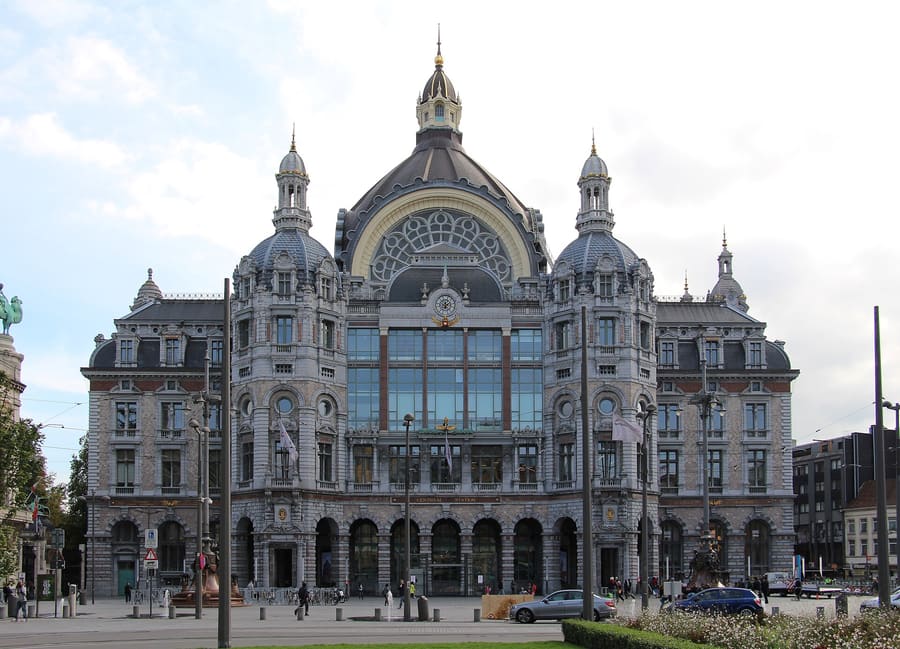
Antwerpen-Centraal
A multi-level railway cathedral built in 1905. Walk through the main hall even if arriving by bus.
Chiedi a ParleyBelgio
Baroque masterworks, avant-garde fashion, and port city grit.
introduction
Antwerp balances a world-class maritime port with high-fashion ateliers and Baroque art legacy. The compact center makes walking straightforward, while an efficient tram network connects outer architectural enclaves like Zurenborg. Expect a pragmatic, design-focused city that moves at its own steady rhythm.
Arrival by train
Trains from Brussels arrive at Antwerpen-Centraal, frequently ranked among the world's most dramatic railway halls.
UNESCO printing press
Museum Plantin-Moretus houses the world's oldest surviving printing presses and original lead typeface matrices.
Antwerp
Stomme · CC BY-SA 4.0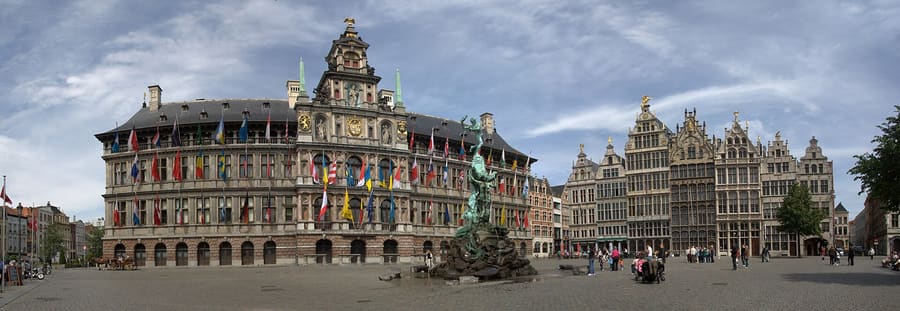
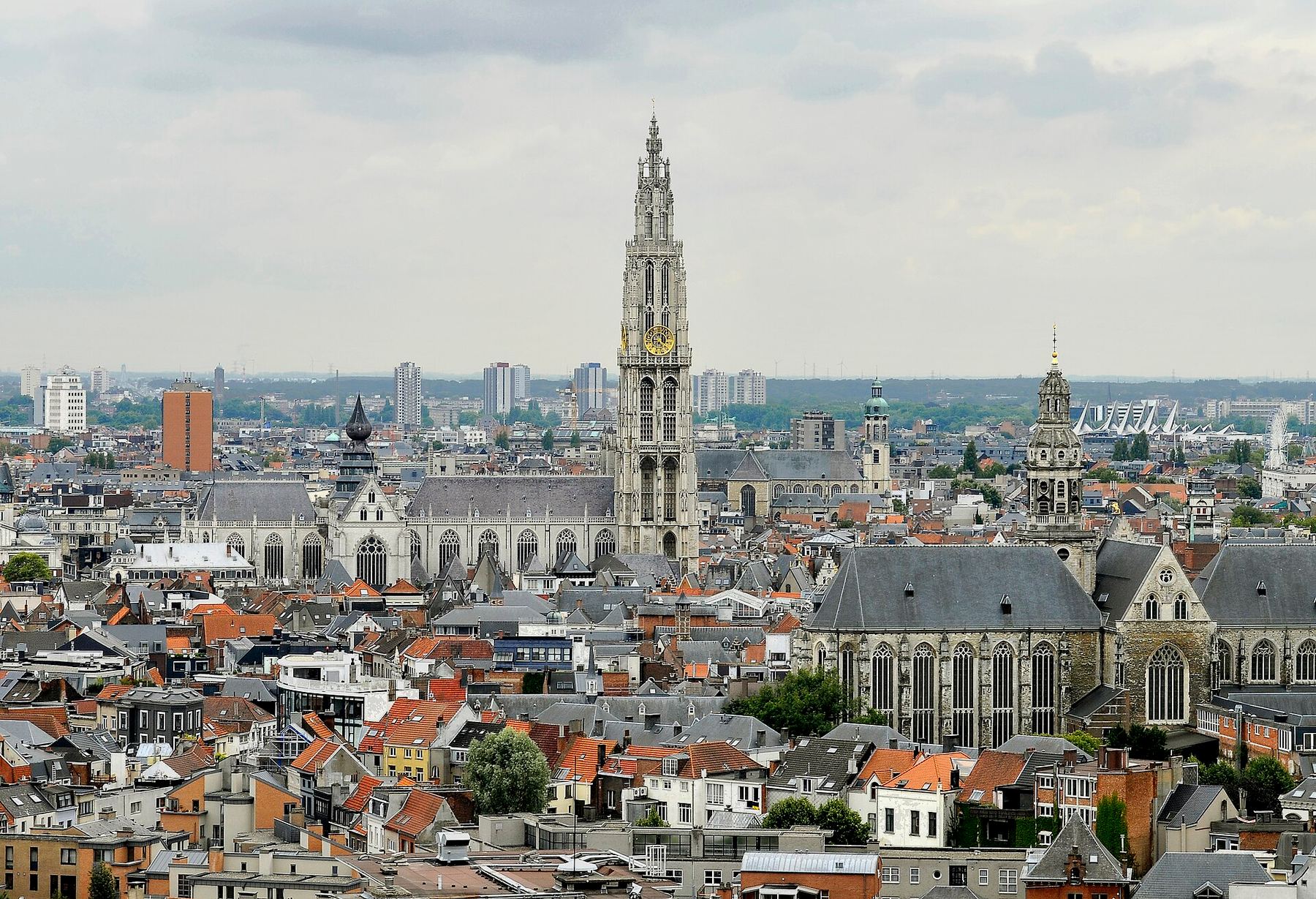
Historisch Centrum — Cobblestone lanes, 16th-century guildhouses, and Gothic church spires.
Maros M r a z (Maros) · CC BY-SA 3.0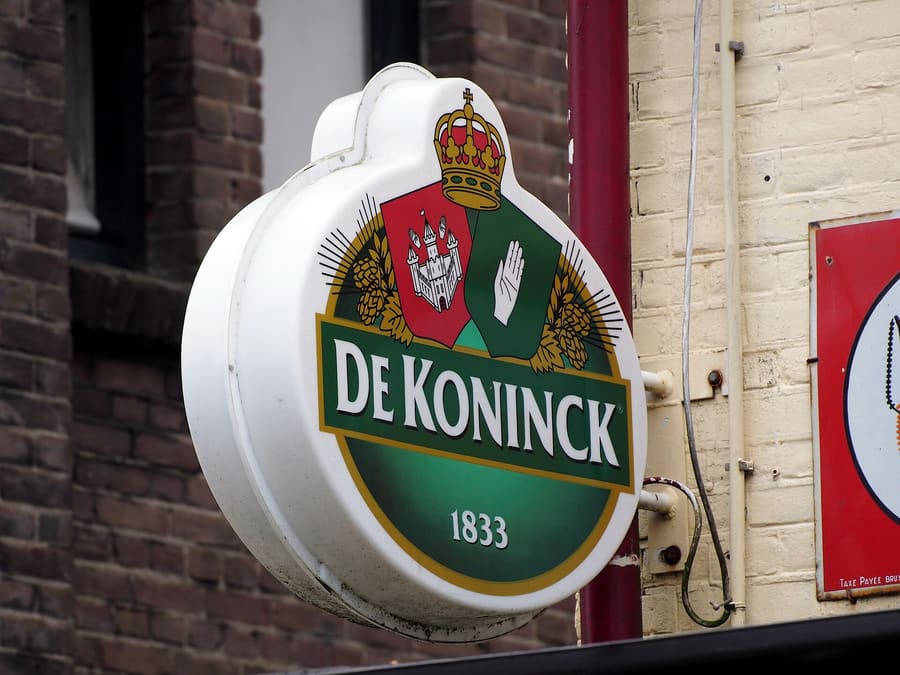
A fresh draft of De Koninck served in its signature stemless Bolleke glass.
Alf van Beem · CC0highlights
landmark
A multi-level railway cathedral built in 1905. Walk through the main hall even if arriving by bus.
Chiedi a Parley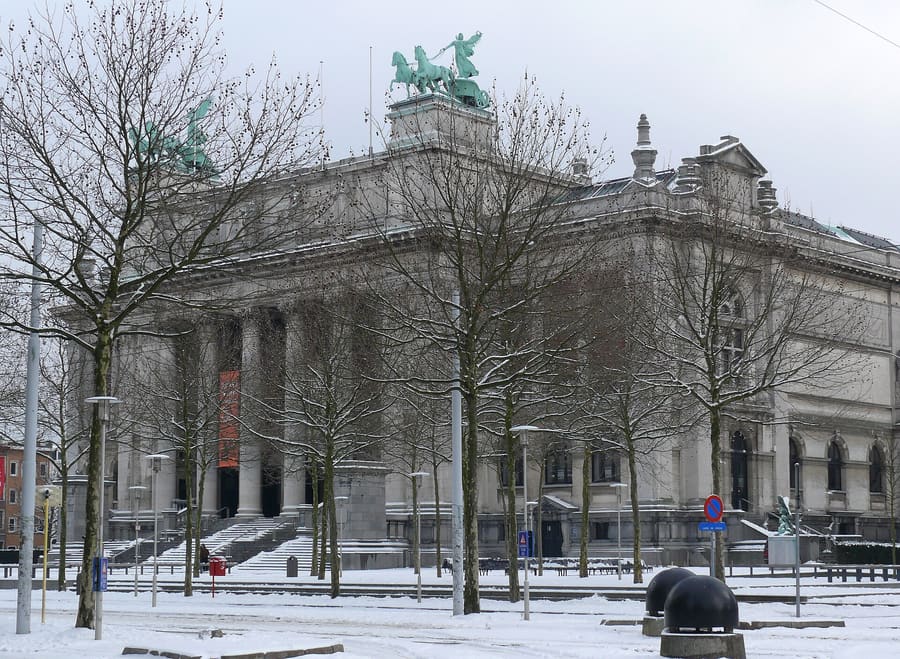
landmark
Houses seven centuries of art from Jan van Eyck to James Ensor. Buy tickets online to secure timed entry.
Chiedi a Parley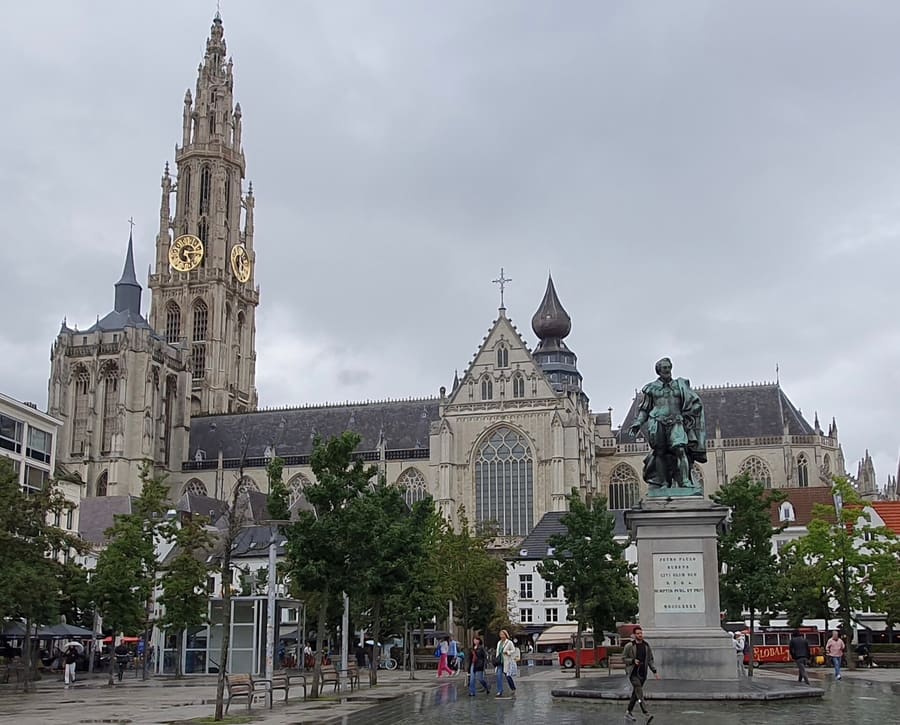
landmark
Dominates the skyline with four major Rubens altarpieces inside. Open daily with entry fees.
Chiedi a Parley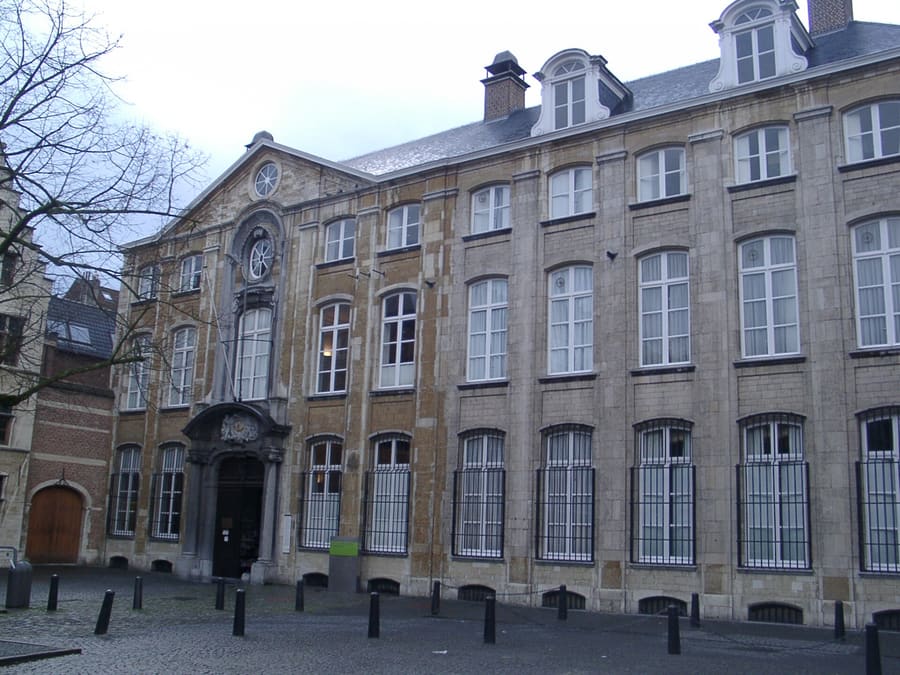
landmark
The world's only UNESCO-listed museum for printing history. Quiet courtyards surround 16th-century presses.
Chiedi a Parley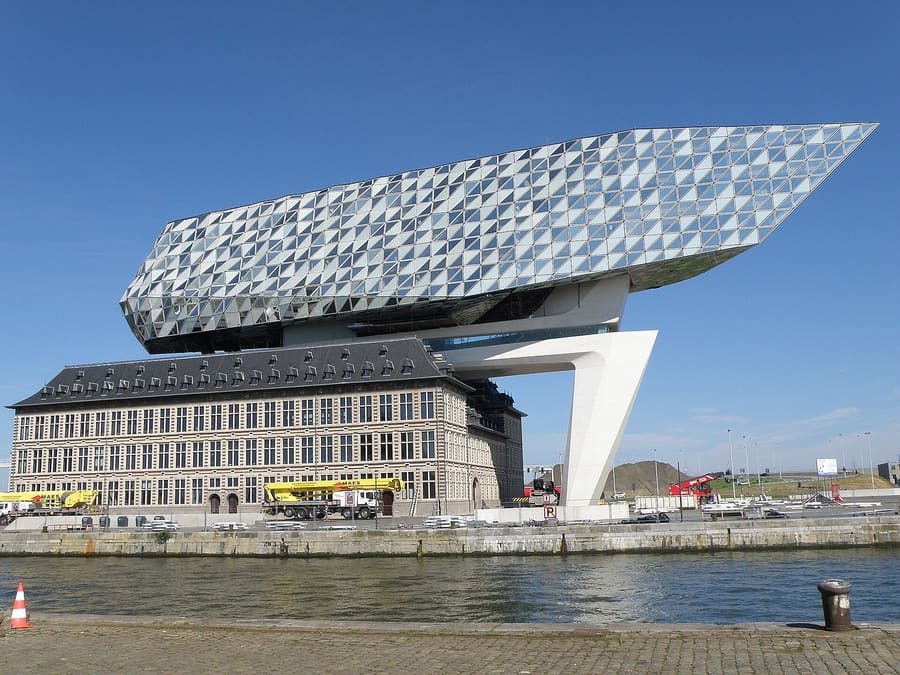
landmark
Zaha Hadid's glass diamond superstructure atop a fire station. View it best from the docks across the basin.
Chiedi a Parleyattractions
areas
Cobblestone lanes, 16th-century guildhouses, and Gothic church spires.
Nei dintorniCathedral of Our Lady and Plantin-Moretus.
Chiedi a ParleyBroad boulevards, art galleries, high-end dining, and modern design shops.
Nei dintorniKMSKA museum and M HKA modern art museum.
Chiedi a ParleyConverted docks, waterfront promenades, contemporary museum buildings, and marina views.
Nei dintorniMAS museum and Red Star Line Museum.
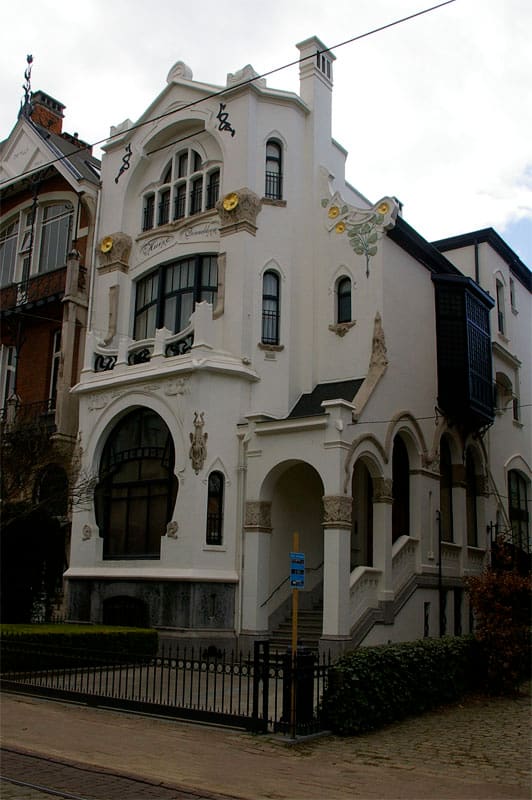
Chiedi a ParleyIntricate Belle Époque and Art Nouveau townhouses around Dageraadplaats square.
Nei dintorniAntwerpen-Berchem train station.
Chiedi a Parleyfood
Antwerp's culinary identity revolves around Flemish comfort food paired with local brewing. Flemish beef stew (stoofvlees or stoverij) is simmered in dark ale for hours and served alongside double-fried frites. Local dining leans toward neighborhood taverns (bruine kroegen) rather than formal, fast-paced dining chains.Beer is central to dining etiquette. De Koninck, brewed locally in the city since 1833, is traditionally served in a rounded glass called a 'Bolleke'. Ordering 'een Bolleke' at any Antwerp bar yields a amber ale on draft.
A fresh draft of De Koninck served in its signature stemless Bolleke glass.
Alf van Beem · CC0Order frites with stoofvleessaus (stew gravy) or traditional mayonnaise. Real frituren double-fry fresh potatoes in beef tallow.
Restaurant kitchens close earlier than in Southern Europe. Lunch runs 12:00 to 14:00, dinner between 18:00 and 21:00.
Pick up butter cookies shaped like hands at traditional bakeries across the old town; they reference the city's founding legend.
history
Antwerp developed as a major trading hub along the Scheldt River in the Middle Ages. By the 16th century, it was Europe's wealthiest commercial city, controlling global markets in spices, textiles, and precious gems.The Fall of Antwerp in 1585 during the Eighty Years' War led to Dutch rebels blockading and closing the Scheldt to trade bound for Spanish-controlled Antwerp, shifting economic power north to Amsterdam. Antwerp rebuilt its stature in the 19th and 20th centuries by expanding into Europe's second-largest freight port and a dominant global diamond exchange hub.
First Stock Exchange
Opening of the Antwerp Bourse, the world's first purpose-built financial exchange.
Siege of Antwerp
Spanish forces capture the city; the Scheldt River is blockaded for generations.
Rubens Returns
Peter Paul Rubens establishes his atelier in Antwerp, sparking a golden age for Flemish Baroque art.
Antwerp Six
Graduates from the Royal Academy, including Dries Van Noten, establish Antwerp as an international fashion capital.
where to stay
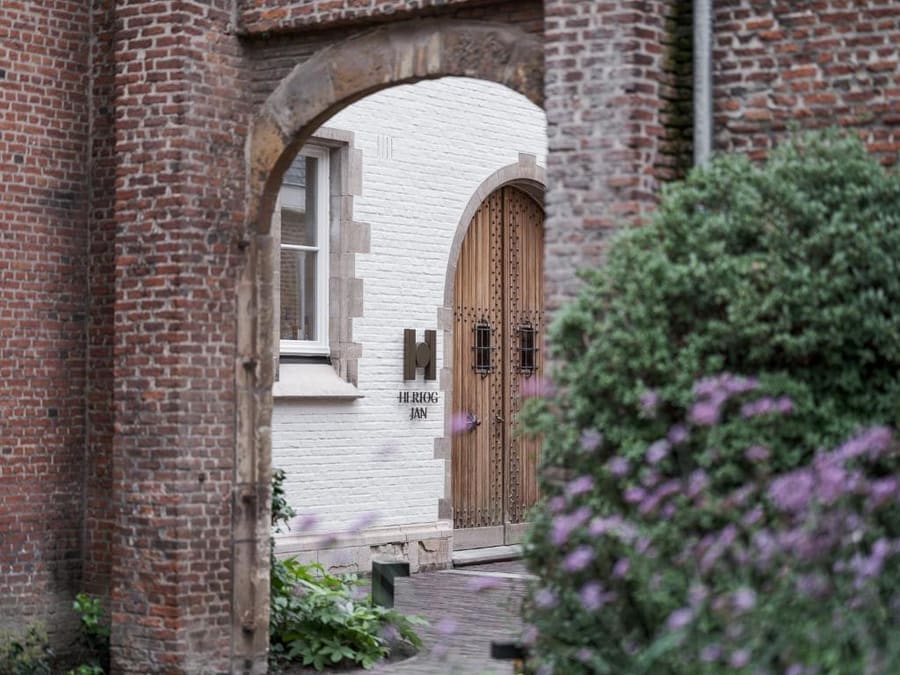
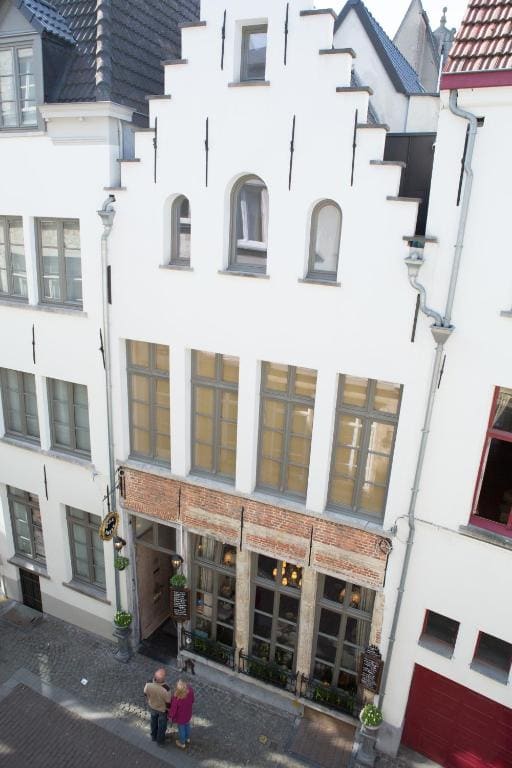
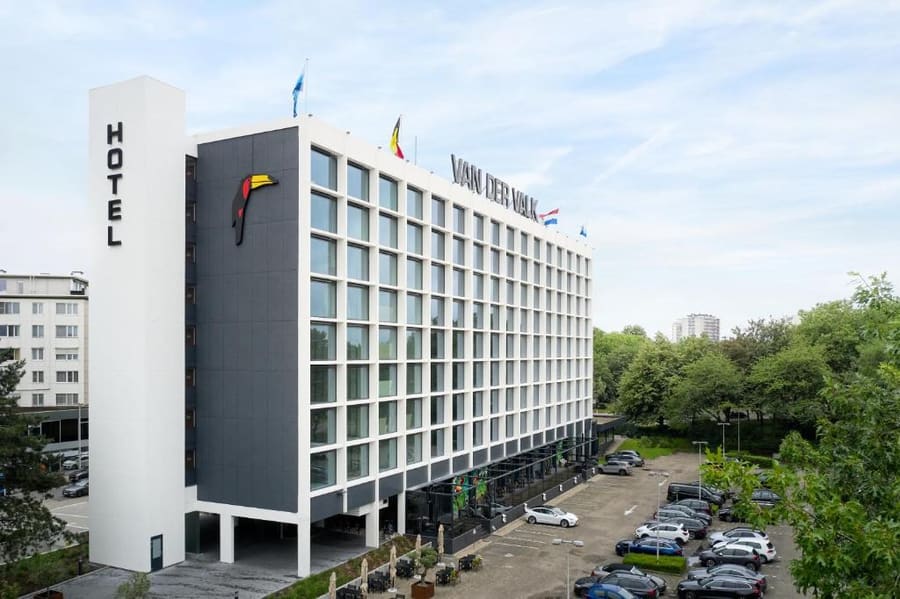
Choose your neighborhood based on walking speed and preferred evening pace. The Historic Center puts major sites right outside your door but sees heavy day-tourist traffic. Het Zuid offers polished boutique hotels near art venues, while Het Eilandje provides modern waterfront views slightly north of the core.
Live rates, matched to the areas above.
transport
Antwerp is dense and highly walkable. For longer distances, De Lijn operates an extensive network of trams and buses. Underneath the central spine, underground trams (pre-metro) bypass surface traffic.
Da Antwerpen-Centraal / Brussels Airport (BRU)
Direct train from Brussels Airport station (BRU) to Antwerpen-Centraal.
Airport taxi fare varies heavily depending on traffic on the E19 highway.
Tap your contactless bank card directly on De Lijn tram and bus validators upon boarding.
Trams marked with 'M' run underground between Centraal Station, Groenplaats, and the left bank (Linkeroever).
Walk the 1930s Sint-Annatunnel under the Scheldt River using original wooden escalators to reach Linkeroever.
Antwerp's Velo bike system offers 1-day passes online. Stations are located every few hundred meters.
cost
Antwerp is priced similarly to major Western European hubs like Brussels or Amsterdam. Dining and drinking costs scale up around Het Zuid and the main historic squares, while local taverns offer straightforward pricing.
Standard local draft ale price in local brown cafes.
Large portion of double-fried Belgian frites at standard neighborhood frituren.
Adult entry price for major venues like KMSKA, MAS, or Plantin-Moretus.
Single main course with a drink in traditional Flemish bistros.
seasonality
MAR – MAY
Spring brings mild weather and blooming outdoor terraces on Dageraadplaats. Pack a light rain jacket.
JUN – AUG
Long daylight hours and open-air summer pop-ups along the docks. Summer weekend hotel rates hit peak levels.
SEP – NOV
Autumn art gallery season begins. Indoor museum crowds increase as temperatures drop.
DEC – FEB
Cold, damp days with early darkness. Christmas markets fill the historic squares in December.
practicalities
Retail shops in the main Meir shopping district close on Sundays, except for the first Sunday of each month.
Dutch is the official language in Antwerp. English is universally spoken in hotels, restaurants, and transit hubs.
Credit and debit cards are widely accepted across stores and trams. Cash is rarely necessary.
The diamond quarter next to Centraal Station is heavily secured with bollards, police patrols, and security cameras.
De Waterbus connects the city center directly to port areas and Kruibeke for cheap river transit.