landmark
Santa Catalina Monastery
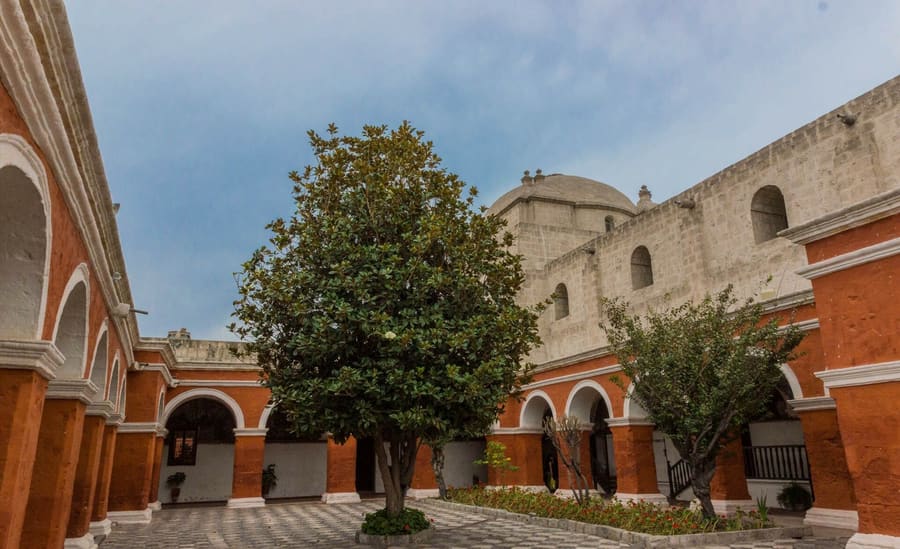
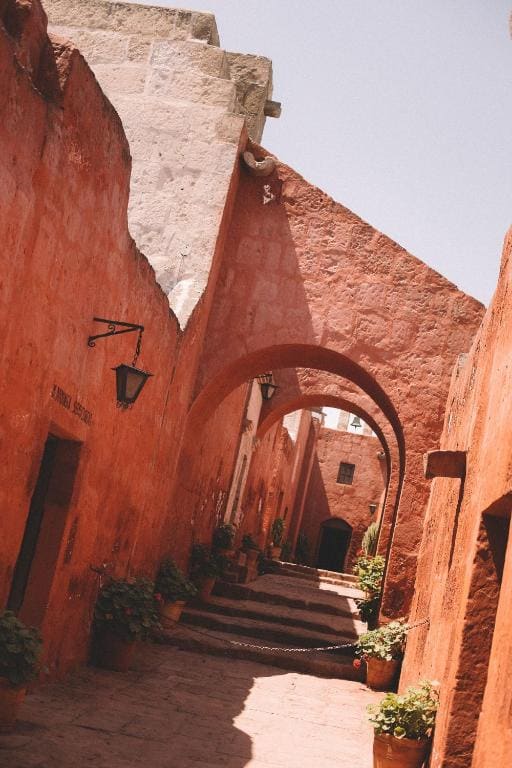
A 20,000-square-metre walled convent built from sillar. Buy tickets online in advance to bypass morning entrance lines.
Chiedi a ParleyPerù
Volcanic stone architecture and high-altitude southern cuisine.
introduction
Arequipa sits at 2,325 metres beneath three volcanoes, though only El Misti is active. Pale volcanic sillar stone gives the historic center its distinctive light and crisp angles. You navigate the downtown grid easily on foot, though thin mountain air slows your pace on inclines. The city operates as Peru's southern culinary capital, distinct from Lima's coastal focus.
Airport taxis
Rodríguez Ballón Airport sits 8 kilometres northwest of town. Official airport taxis charge a flat PEN 30 to 35 rate at inside counters.
UNESCO World Heritage
UNESCO listed the historic center in 2000. The designation covers 49 hectares built primarily from pale volcanic sillar stone.
Santa Catalina timing
Visit the monastery after 15:00. Late sun warms the blue and ochre walls, and afternoon tour groups leave by 16:00.
highlights
landmark
A 20,000-square-metre walled convent built from sillar. Buy tickets online in advance to bypass morning entrance lines.
Chiedi a Parley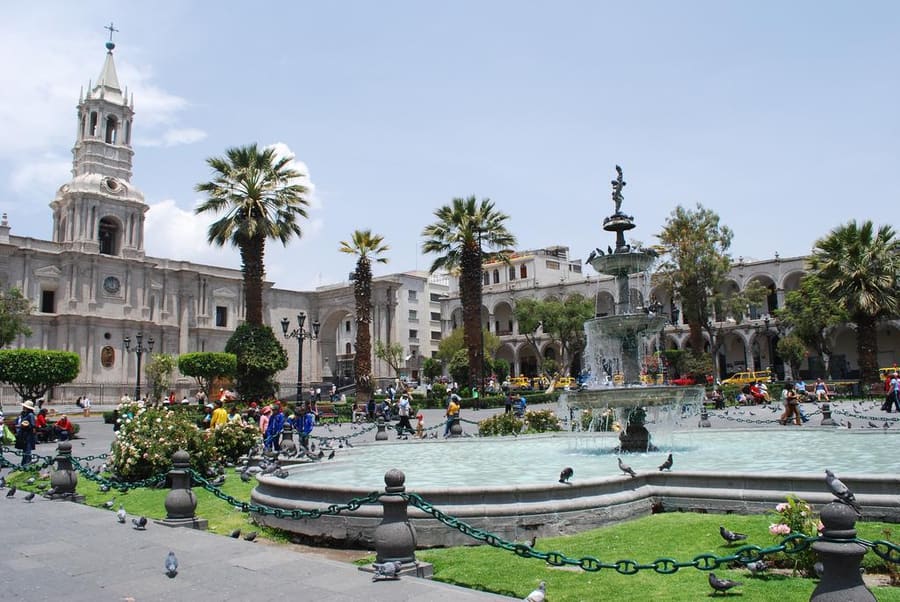
landmark
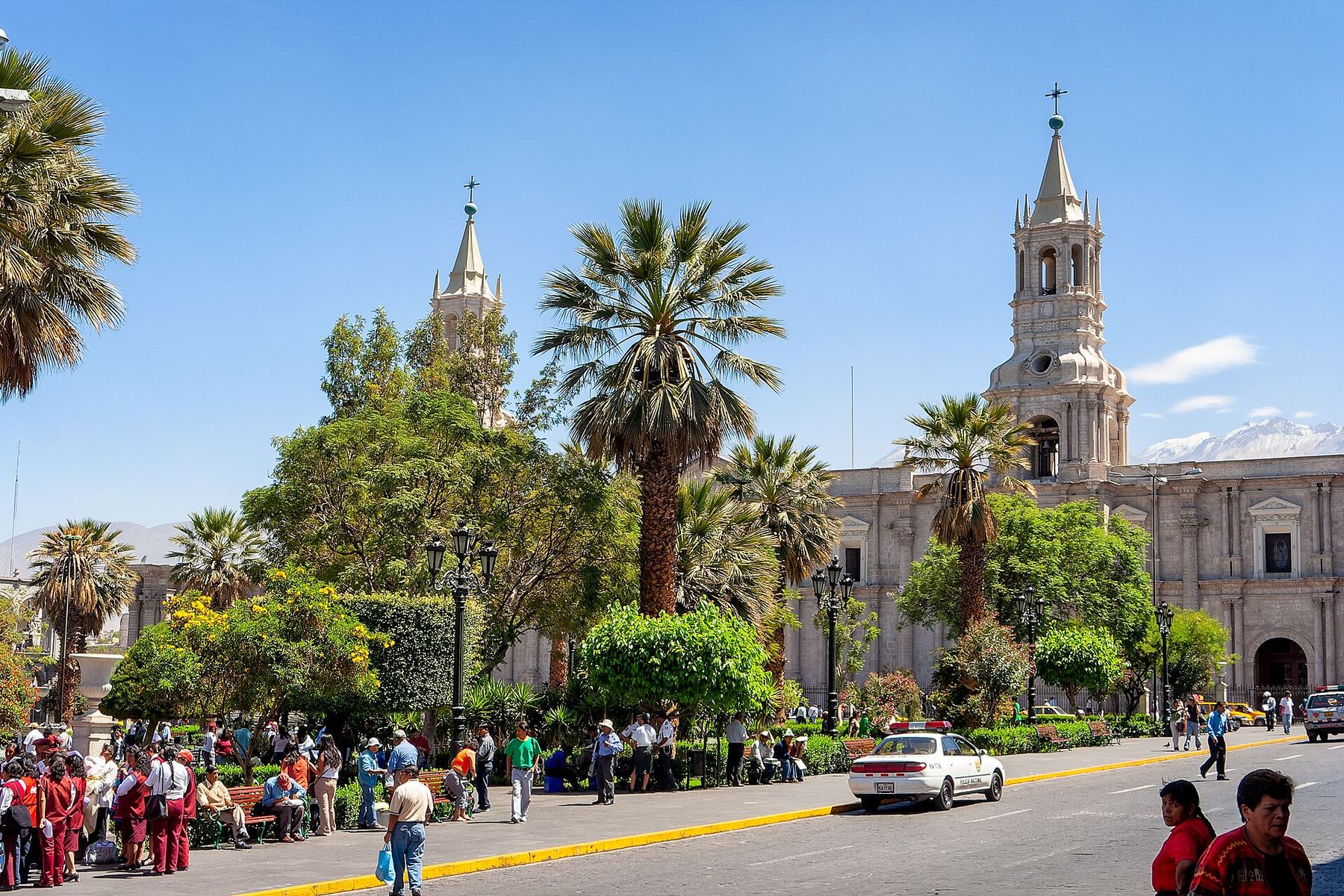
The central square features two-tiered stone arcades and a 17th-century cathedral. Portico balconies offer prime sunset seating.
Chiedi a Parley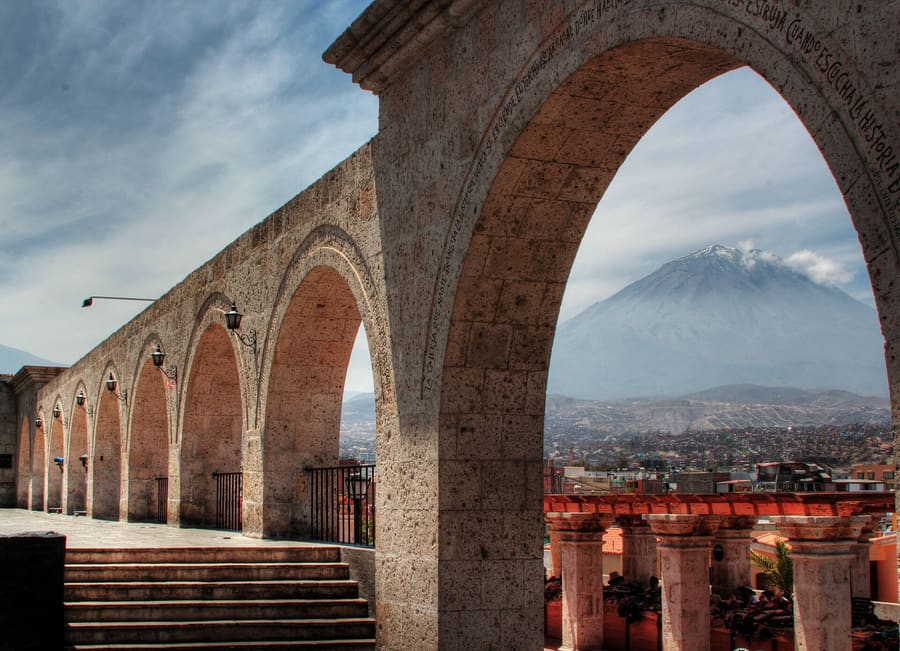
landmark
Arched stone portals frame views of Mount Misti. Walk up from the center in 20 minutes to avoid afternoon traffic.
Chiedi a Parley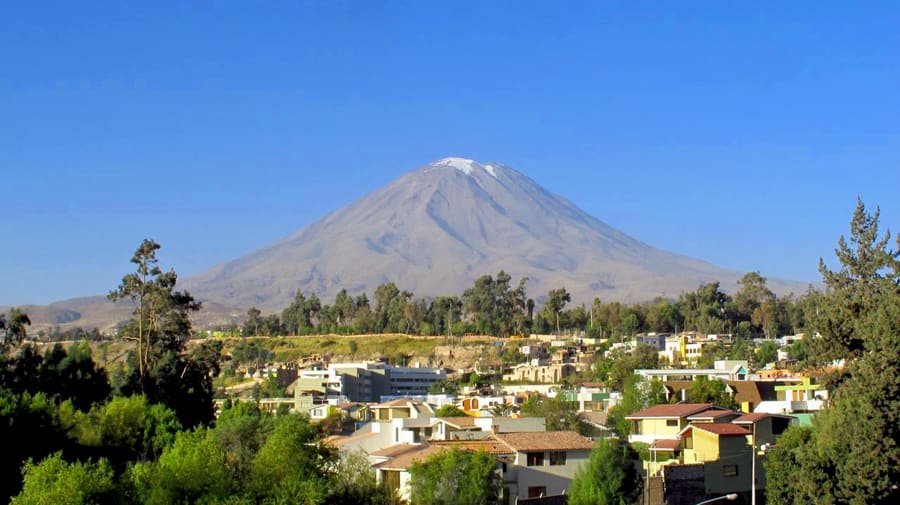
landmark
The 5,822-metre stratovolcano dominating the eastern skyline. Summit treks require two full days and professional mountain guides.
Chiedi a Parleyattractions
areas
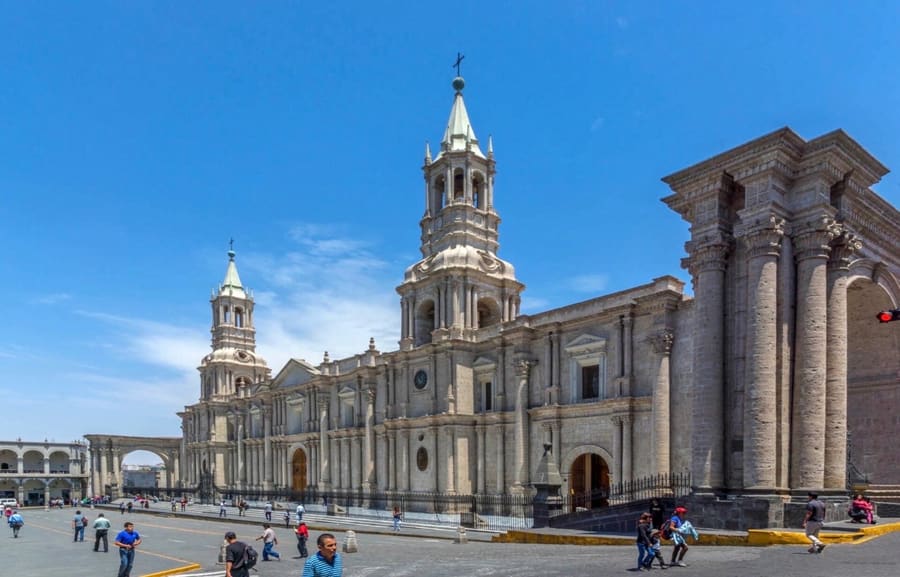
Walkable grid of white volcanic stone streets, colonial courtyards, and quiet church plazas.
Nei dintorniPlaza de Armas and major museums
Chiedi a Parley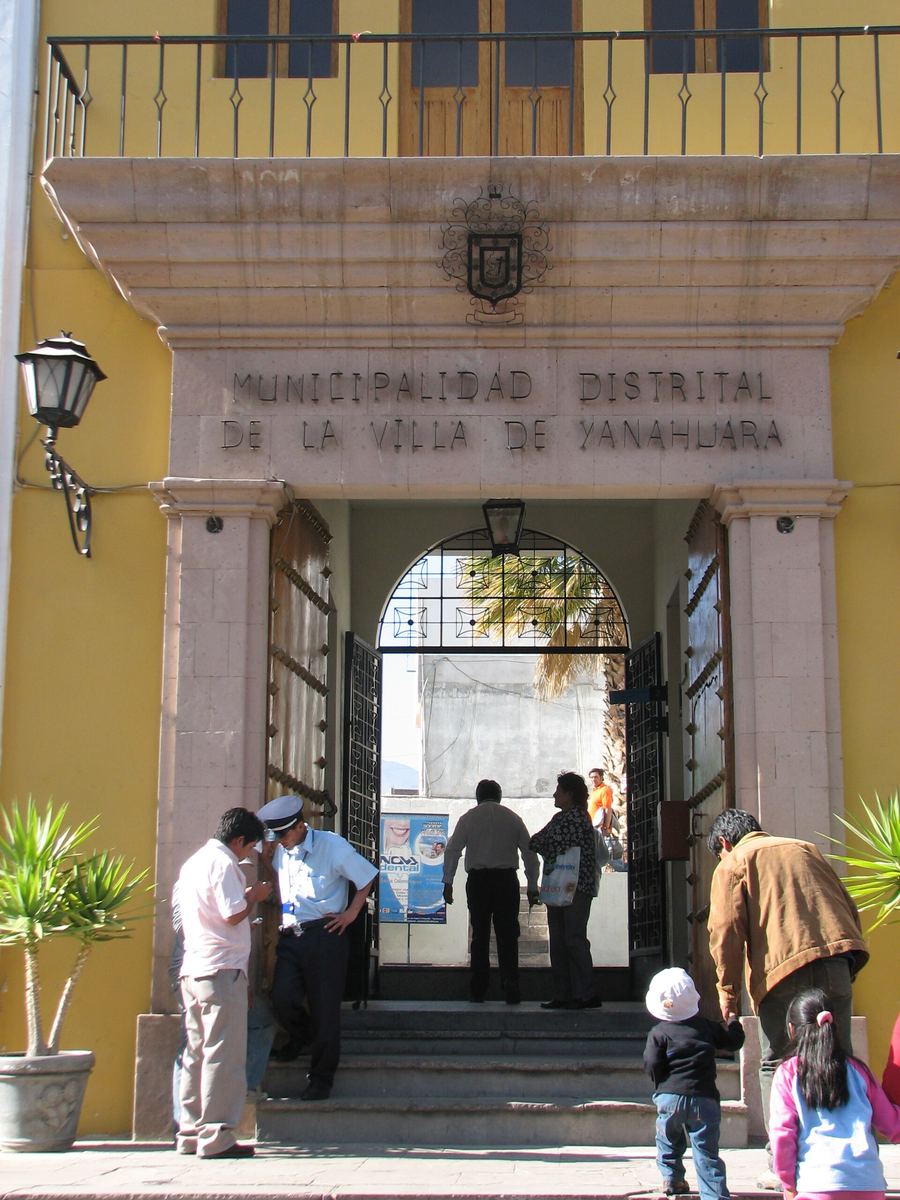
Quiet residential neighborhood uphill with cobblestone alleys and mountain lookout points.
Nei dintorniMirador de Yanahuara and local eateries
Chiedi a Parley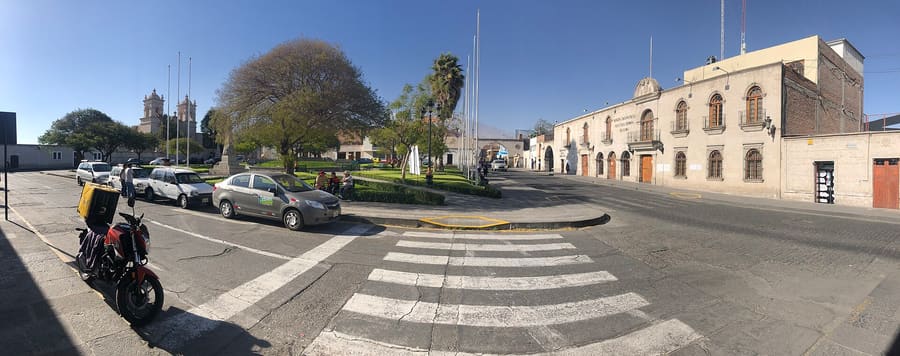
Elevated district famous for traditional Sunday adobo stew and leafy green parks.
Nei dintorniIglesia de San Miguel Arcángel
Chiedi a Parley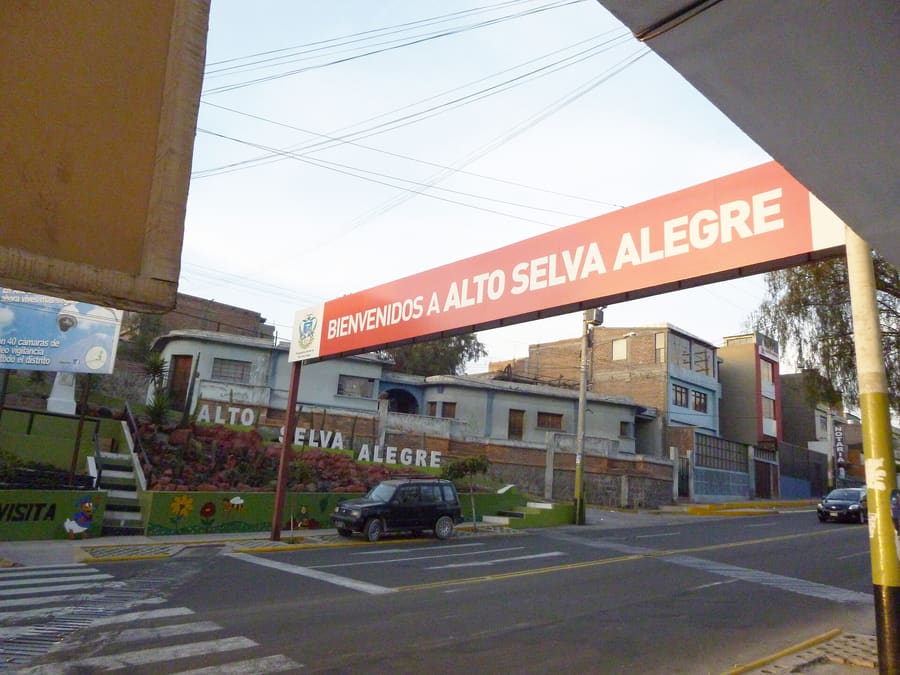
Green residential zone with wide parkland, older villas, and upscale modern hotels.
Nei dintorniParque Selva Alegre and Chili riverfront
Chiedi a Parleyfood
Arequipeña cuisine stands apart from northern Peruvian coastal cooking. Traditional lunch spots called picanterías serve hearty, spiced dishes anchored by local peppers and river shrimp. Locals eat their main meal between 12:00 and 15:00, often paired with chicha de guiñapo, made from black corn.
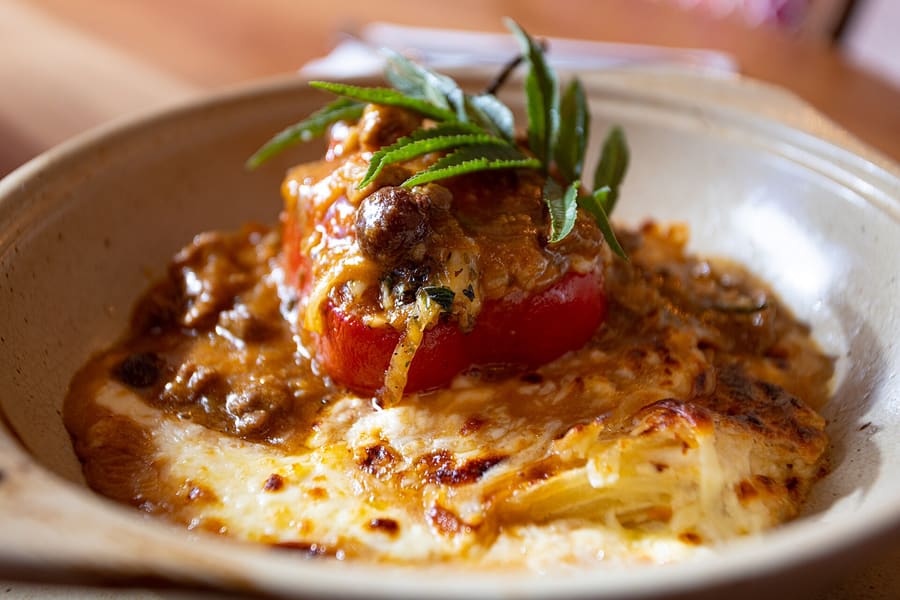
Rocoto relleno, a local spicy pepper stuffed with minced meat and topped with baked cheese.
Idan Robbins · CC BY-SA 4.0Picanterías peak at lunchtime. Arrive before 13:00 to secure a seat, as popular venues close by 16:00.
Traditional picanterías prepare a specific soup each day of the week, such as *chaque* on Mondays.
Neighbourhood picanterías often reject credit cards. Carry small PEN banknotes for exact change.
history
Indigenous settlements occupied the Chili River valley for centuries prior to Spanish invasion. Colonial founders refounded the city in 1540, adopting pale volcanic sillar stone for construction. Repeated earthquakes shaped local engineering, forcing builders to create low, thick-walled structures with resilient vaulting.
Spanish foundation
Garcí Manuel de Carbajal establishes the town under Spanish rule on August 15.
Peruvian independence
Arequipa transitions from colonial stronghold to a key political center of republican Peru.
Major earthquake
A magnitude 9.0 earthquake destroys much of the city, sparking widespread rebuilds using sillar stone.
UNESCO status
UNESCO designates the historic center a World Heritage site for its unique sillar masonry.
where to stay
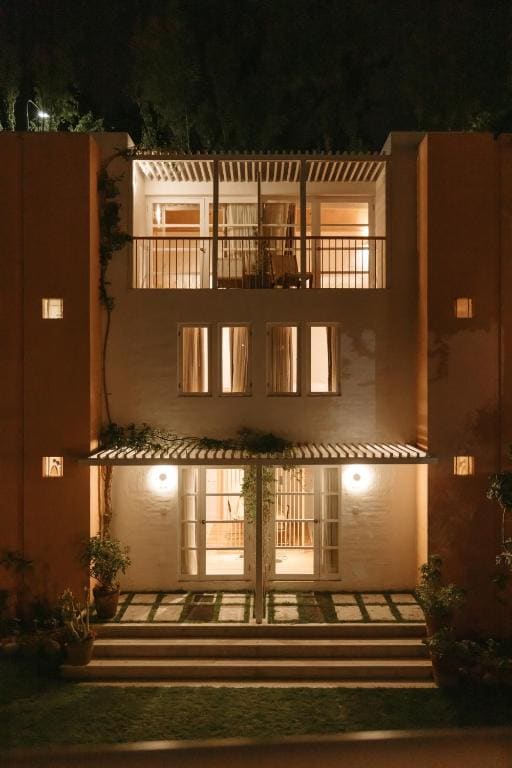
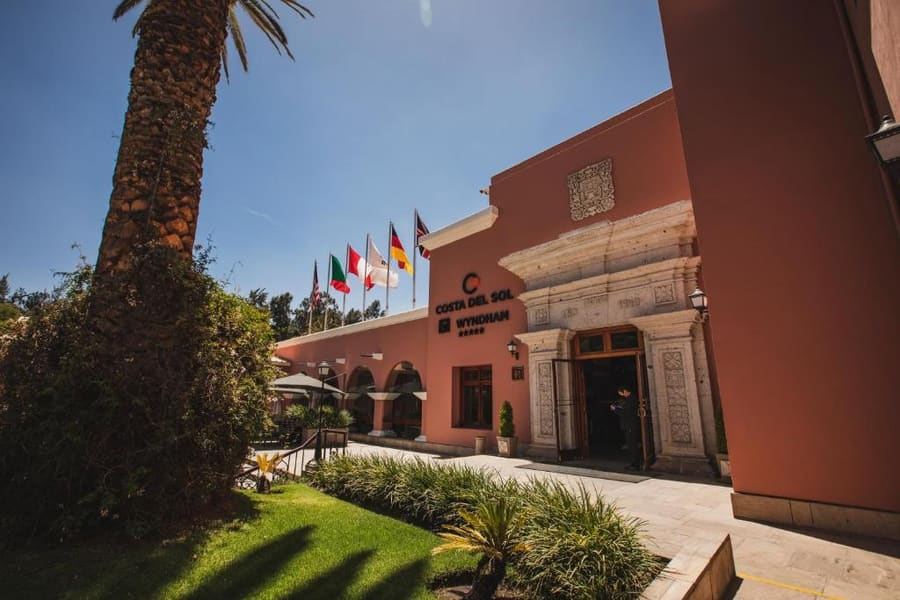
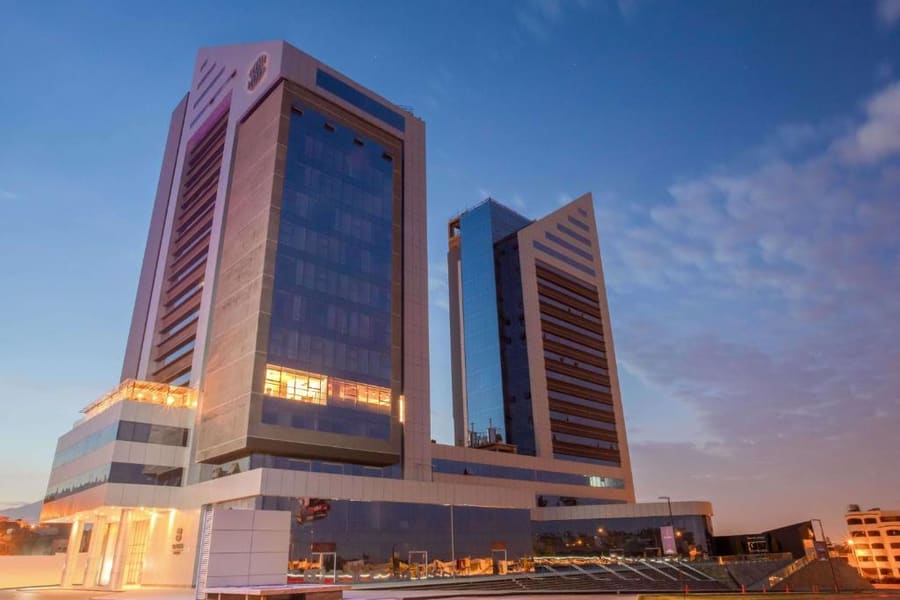
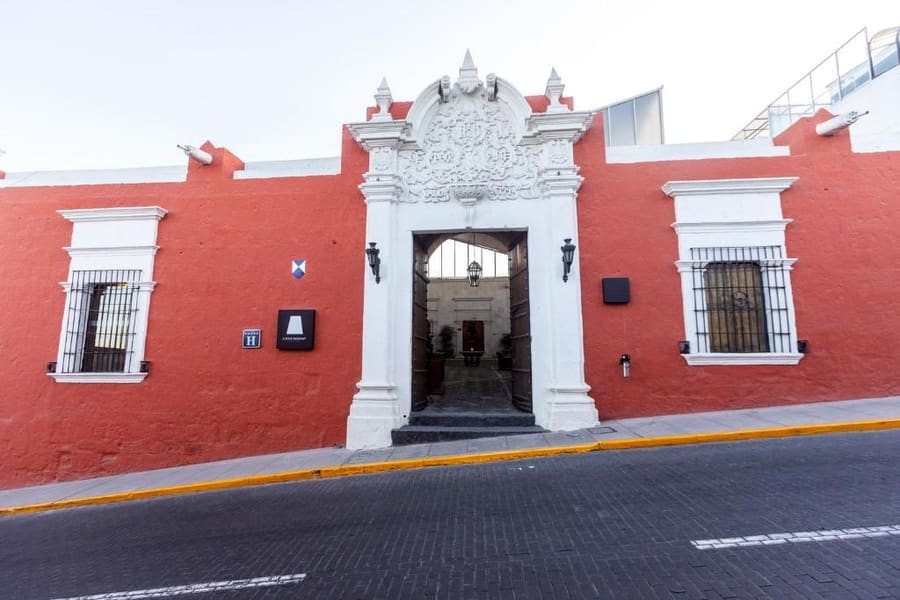
Choose your neighbourhood based on walking distances and noise tolerance. Staying in the Historic Center keeps you close to attractions, while Yanahuara provides quieter streets and elevated views.
Live rates, matched to the areas above.
transport
The historic core is compact and easiest to navigate on foot. Taxis are essential for reaching outlying districts like Sabandía or the airport, while adjacent Yanahuara can be reached on foot.
Da Rodríguez Ballón International Airport (AQP)
Pay at official counters inside the terminal exit door.
App pickup occurs outside the main airport gate.
Combis stop on the main road outside the airport entrance.
Arequipa relies on small buses called combis. They lack posted schedules and display destinations on windshield cards.
Agree on the exact price with your driver before stepping into the vehicle.
Ask hotel desks to call registered radio taxis at night instead of hailing unverified cars outside.
High altitude sharpens the sun's intensity. Schedule long walking tours early in the day or after 15:30.
cost
Arequipa remains more affordable than Lima or Cusco. Dining at traditional picanterías and local taxi transit offer high value for travellers.
Includes a main plate like rocoto relleno and a glass of chicha.
Covers rides within the central grid and up to Yanahuara.
Standard ticket price for Santa Catalina Monastery.
Nightly rate for a double room near the Plaza de Armas.
seasonality
MAY – SEP
Dry season with sunny days and clear mountain views. High tourist volume and cold nights.
OCT – NOV
Moderate temperatures and fewer crowds. Excellent conditions for mountain hiking.
DEC – FEB
Rainy season. Cloud cover hides volcanoes and downpours can disrupt road transit.
MAR – APR
Rains taper off and surrounding valleys turn green. Shoulder rates apply at hotels.
practicalities
Arequipa sits at 2,325 metres. Take it easy on day one before attempting mountain hikes.
Strong UV levels occur daily due to elevation. Wear sunscreen and a hat even on overcast days.
Smaller shops often close between 13:00 and 15:30, reopening in the late afternoon.
Small eateries and market stalls do not accept cards. Keep small PEN bills on hand.
Keep bags secure in busy central markets like San Camilo to prevent pickpocketing.