landmark
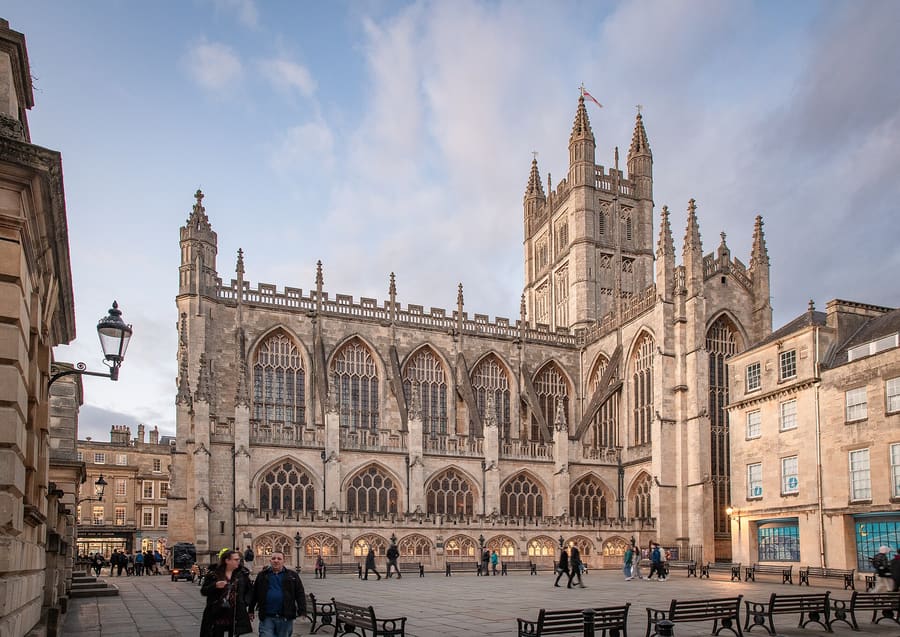
Bath Abbey
15th-century parish church featuring detailed fan vaulting. Climb the tower's 212 steps for a close look behind the clock face.
Chiedi a ParleyRegno Unito
Thermal waters, Georgian stone, and steep valley hills.
introduction
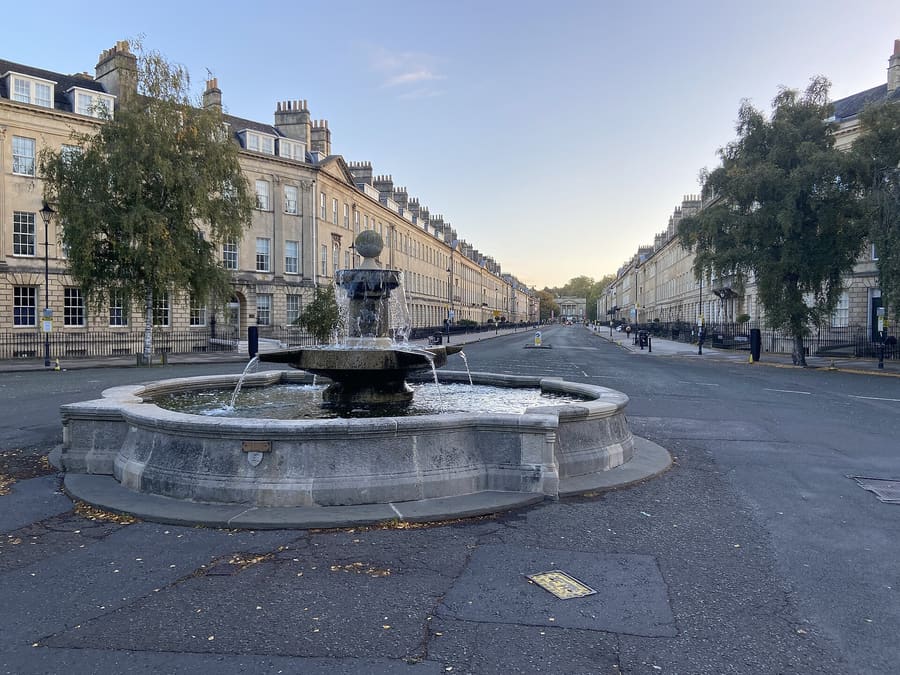
Bath sits inside a natural limestone bowl carved by the River Avon. The city centre is compact and built almost entirely from golden Bath Stone, making navigation straightforward on foot. Steep hills rise sharply on all sides, rewarding short climbs with panoramic valley views. Expect crowded pavements near the abbey during mid-day tour bus arrivals.
Train from London Paddington
Trains from London Paddington reach Bath Spa in 80 minutes. Book advance single tickets three weeks early to avoid paying triple at the station.
Double UNESCO World Heritage listing
Bath holds two UNESCO inscriptions: one for its Roman geothermal site and Georgian architecture, and another as one of the Great Spa Towns of Europe.
Bath
KevLD · CC BY-SA 4.0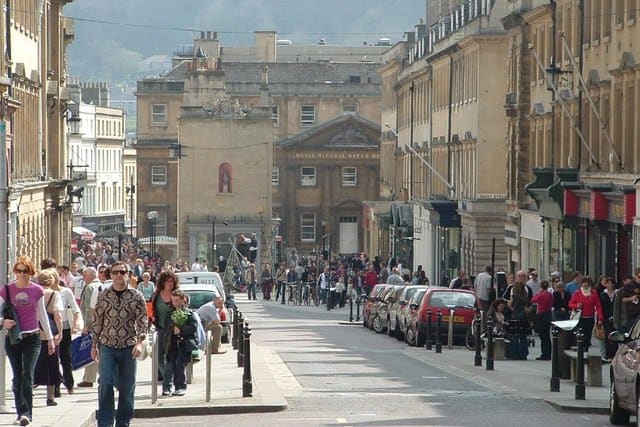
City Centre — Dense Georgian streets packed with shops, historical sites, and heavy pedestrian traffic.
Donnylad · CC BY-SA 2.0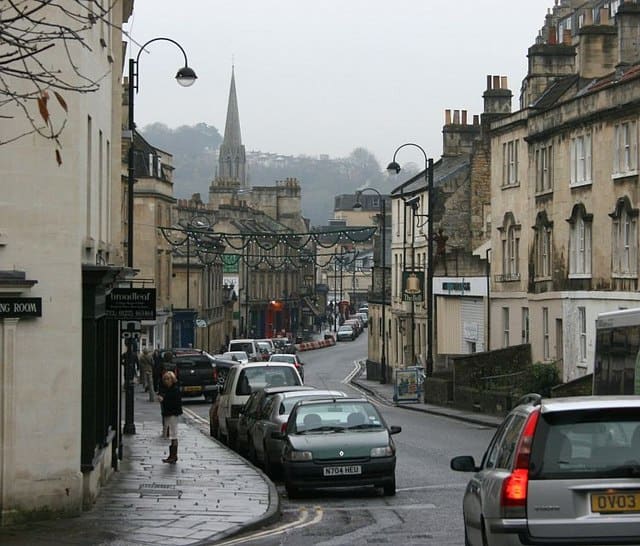
Walcot — Independent artisan strip stretching northeast along Walcot Street with antique shops and cafes.
Maurice Pullin · CC BY-SA 2.0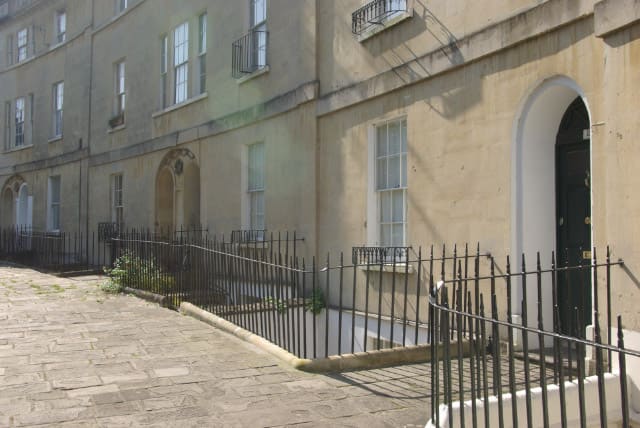
Widcombe — Village-like community south of the River Avon with traditional pubs and canal path access.
Stephen McKay · CC BY-SA 2.0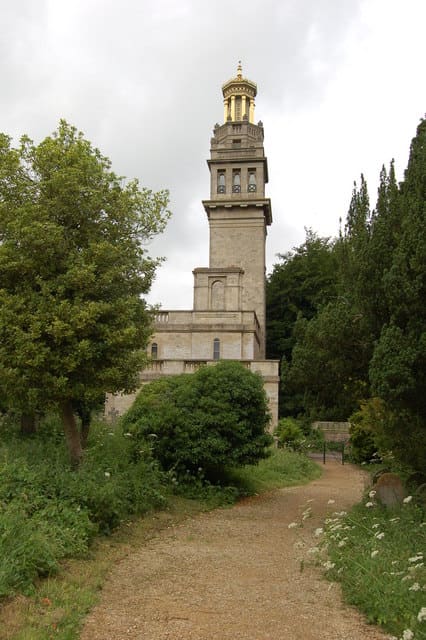
Lansdown — Elevated residential ridge offering expansive valley vistas and grand residential architecture.
John Sparshatt · CC BY-SA 2.0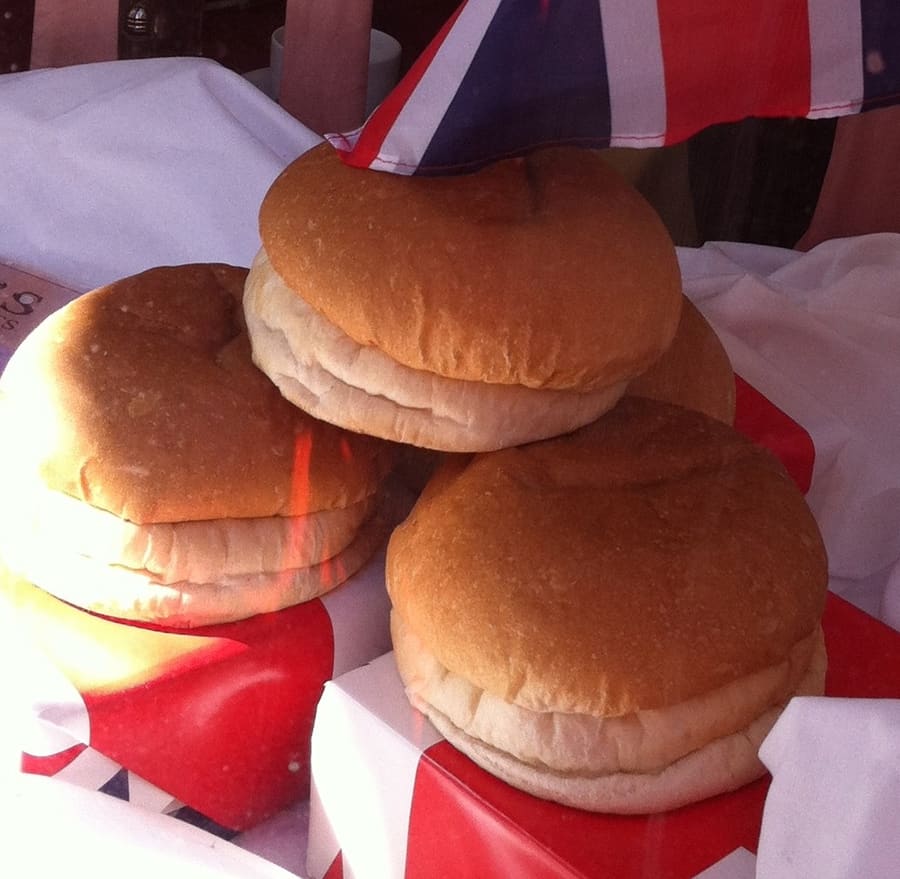
Sally Lunn's Historic Eating House, one of the oldest buildings in Bath.
Ewen Roberts · CC BY 2.0highlights
landmark
15th-century parish church featuring detailed fan vaulting. Climb the tower's 212 steps for a close look behind the clock face.
Chiedi a Parley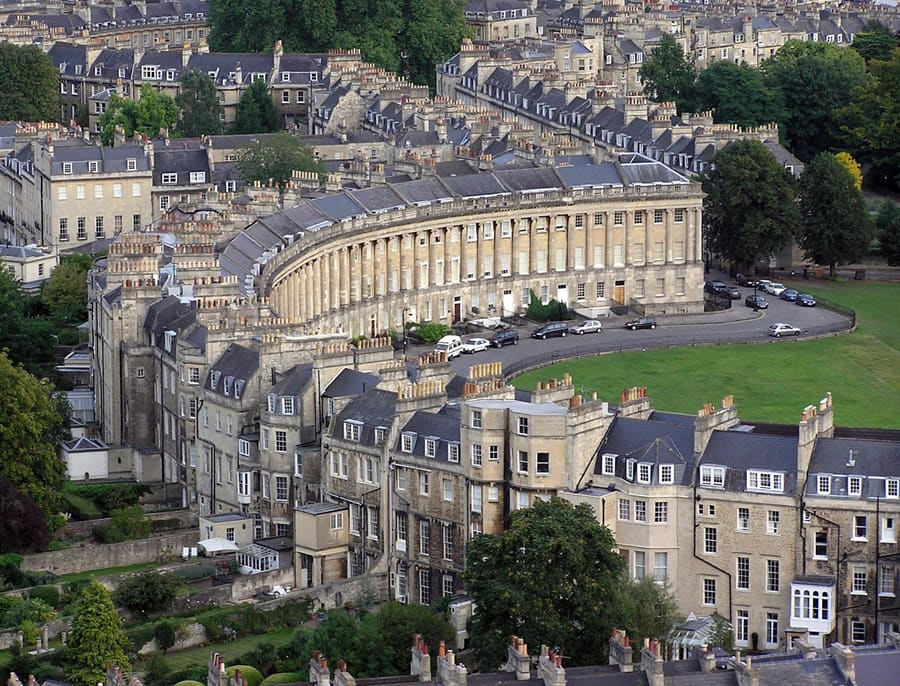
landmark
A sweeping arc of 30 Georgian townhouses built between 1767 and 1774. Visit Number 1 for authentic restored 18th-century interiors.
Chiedi a Parley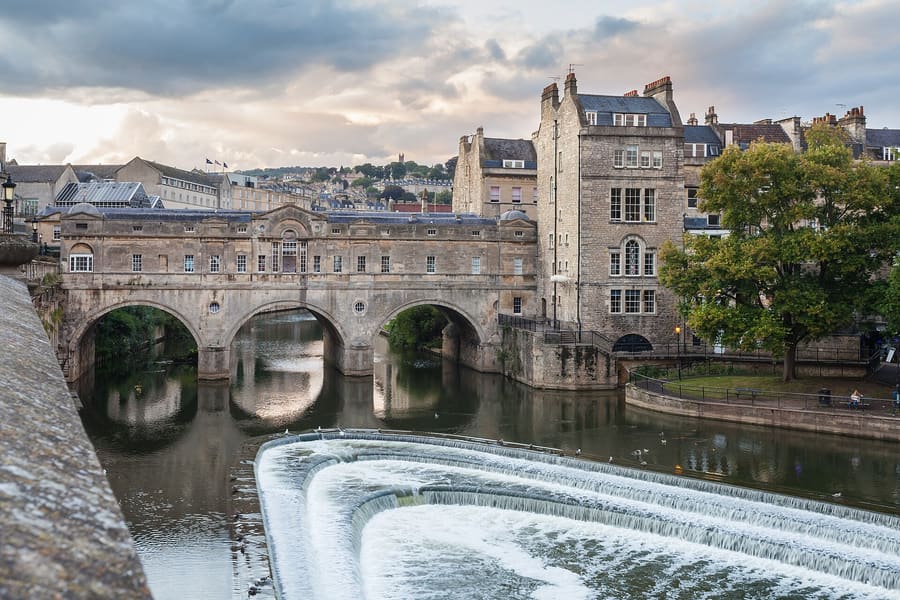
landmark
Completed in 1774, this is one of four bridges globally lined with shops on both sides. Walk the weir path for the best photos.
Chiedi a Parley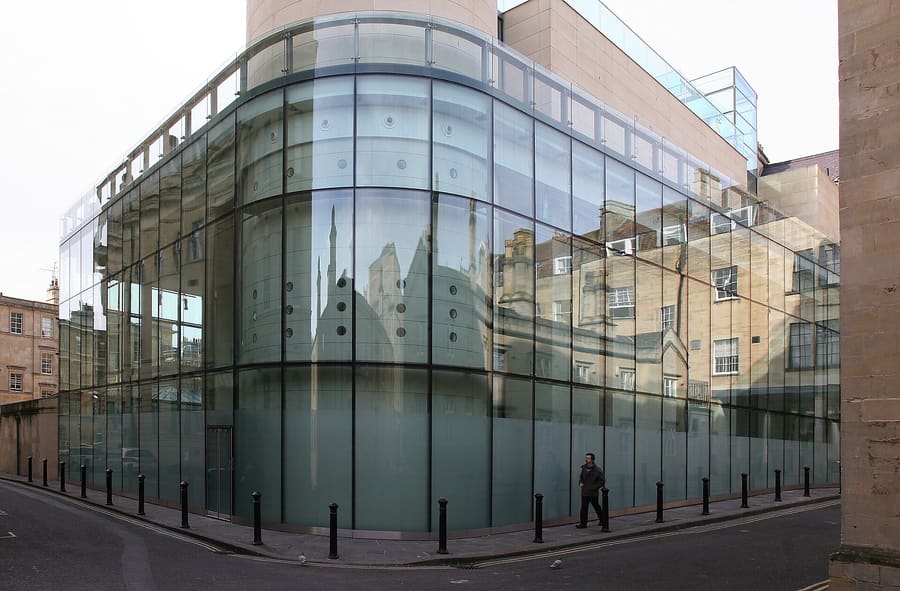
landmark
Modern complex fed by the natural warm mineral springs. The open-air rooftop pool offers direct views of Bath Abbey spire.
Chiedi a Parley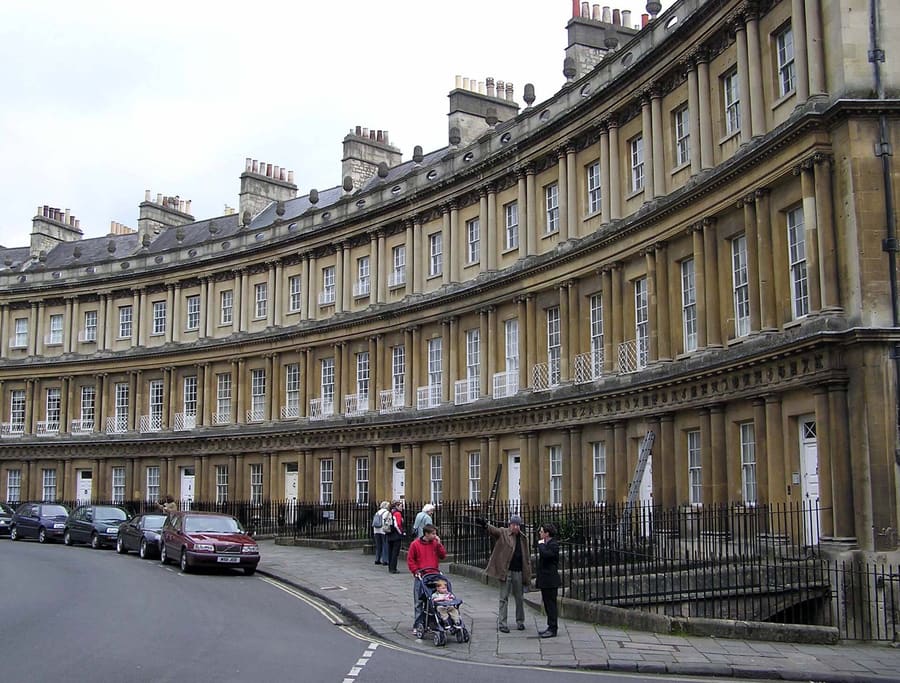
landmark
John Wood the Elder designed this circular ring of townhouse facades. Notice the carved emblems representing classical arts and masonry.
Chiedi a Parleyattractions
areas
Dense Georgian streets packed with shops, historical sites, and heavy pedestrian traffic.
Nei dintorniRoman Baths and Bath Abbey
Chiedi a ParleyIndependent artisan strip stretching northeast along Walcot Street with antique shops and cafes.
Nei dintorniPulteney Bridge and Hedgemead Park
Chiedi a ParleyVillage-like community south of the River Avon with traditional pubs and canal path access.
Nei dintorniBath Spa Station and Kennet & Avon Canal
Chiedi a ParleyElevated residential ridge offering expansive valley vistas and grand residential architecture.
Nei dintorniBeckford's Tower and Bath Racecourse
Chiedi a Parleyfood
Bath's food scene combines centuries-old bakery traditions with modern Somerset farm produce. The local signature is the Sally Lunn bun, a large brioche-like teacake served sweet or savoury since 1680. Traditional tearooms dominate the pedestrian core, while high-end dining spotlights Somerset butter, West Country cheddar, and regional game.
Sally Lunn's Historic Eating House, one of the oldest buildings in Bath.
Ewen Roberts · CC BY 2.0Try the toasted bun topped with local cinnamon butter or potted ham at Sally Lunn's Historic Eating House.
Order local dry craft ciders like Lilley's or Iford Cider at traditional taverns along the River Avon.
history
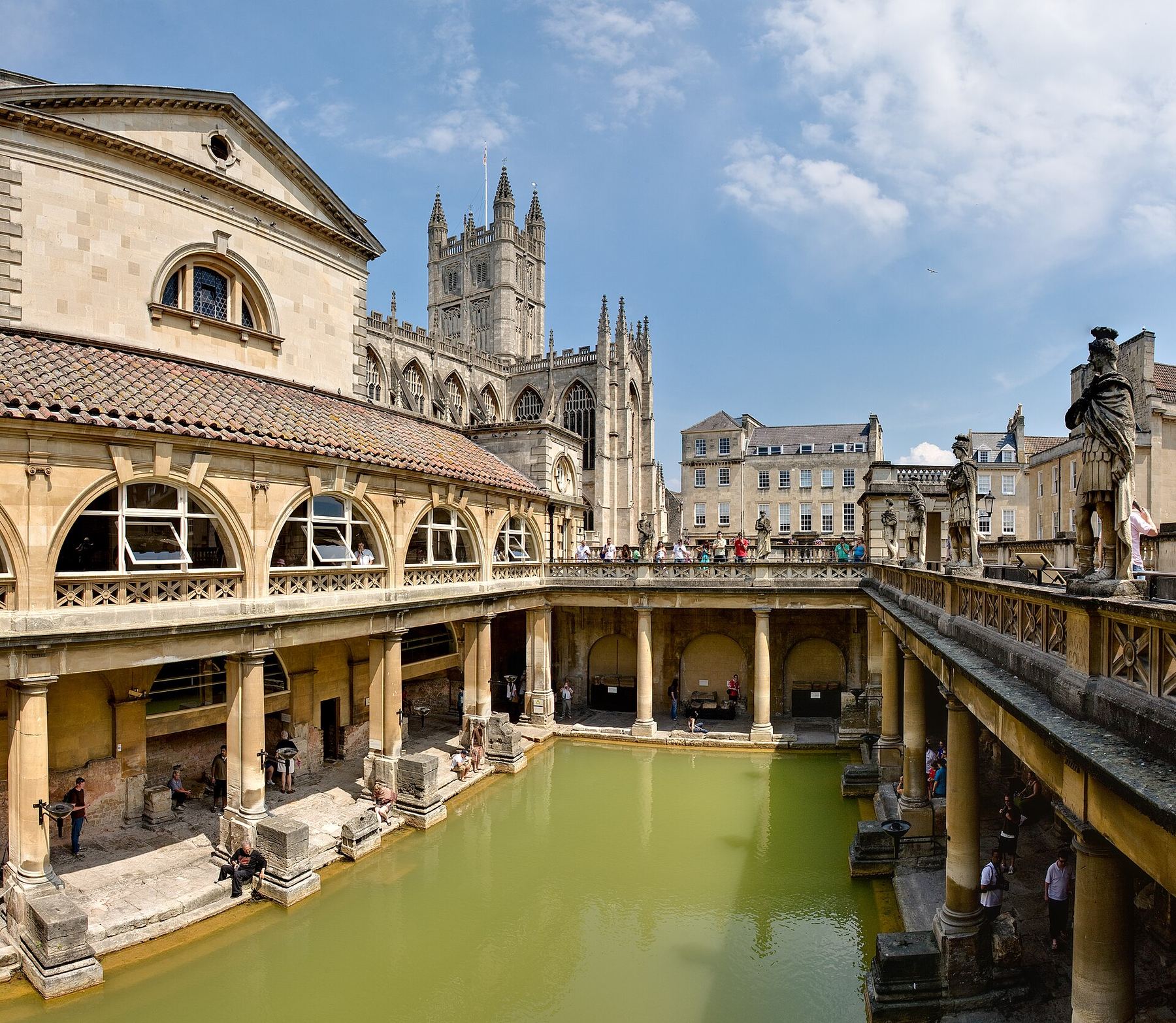
The Romans established the settlement of Aquae Sulis around 60 AD, building a complex bathhouse over natural hot springs. In the 18th century, architects John Wood the Elder and Ralph Allen transformed the medieval town into an elegant Georgian resort city using local yellow limestone.
Aquae Sulis founded
Roman forces construct a temple and public bathing complex around the thermal spring.
Coronation of King Edgar
Edgar is crowned King of England at Bath Abbey, setting the template for British coronations.
Georgian expansion
Construction begins on the Royal Crescent, initiating Bath's architectural golden age.
UNESCO designation
UNESCO inscribes Bath as a World Heritage site for its Roman and Georgian heritage.
where to stay
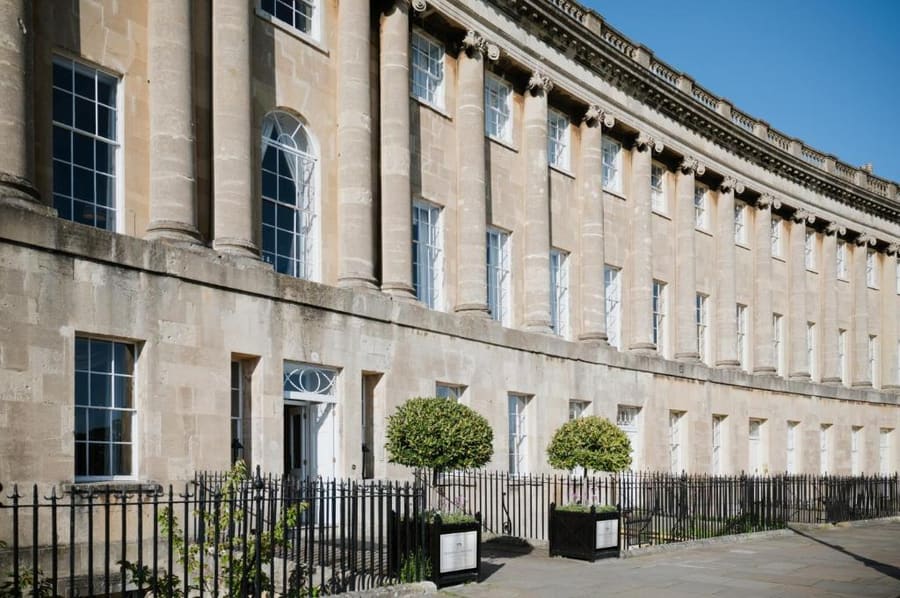
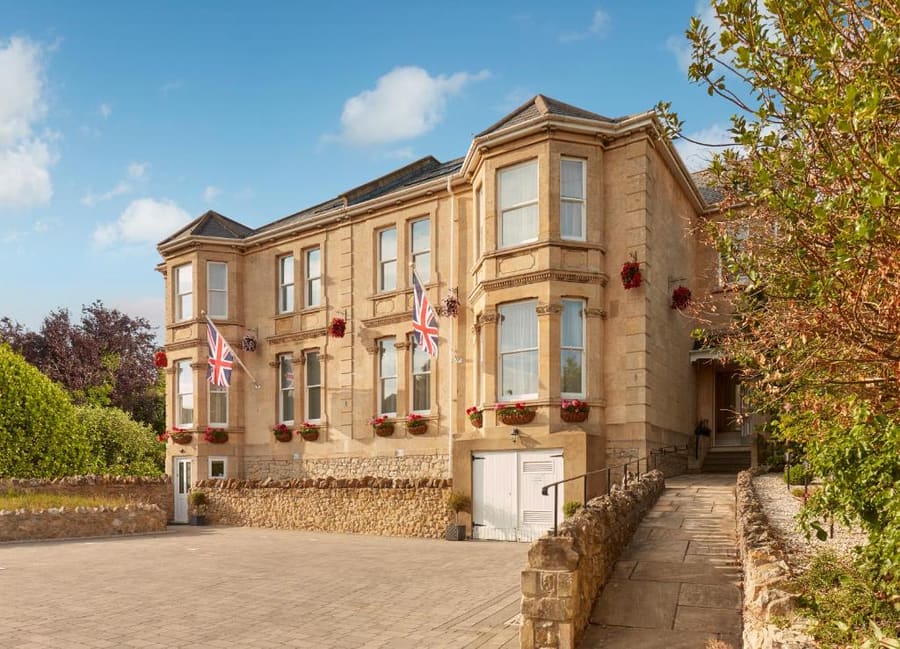
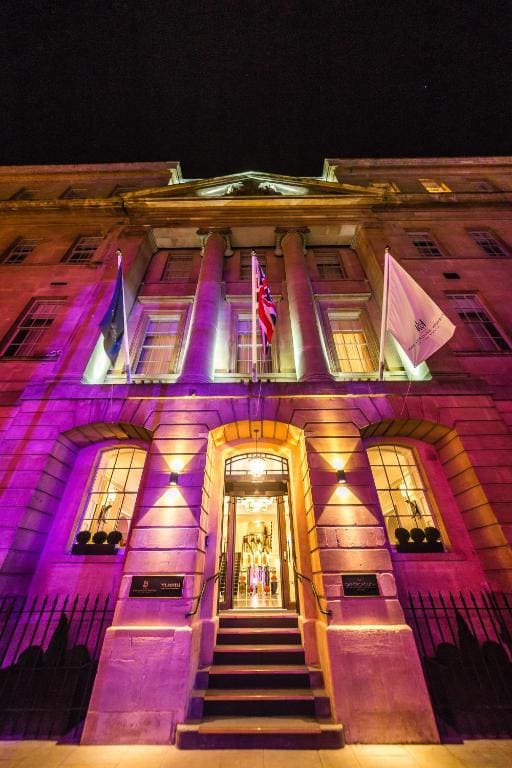
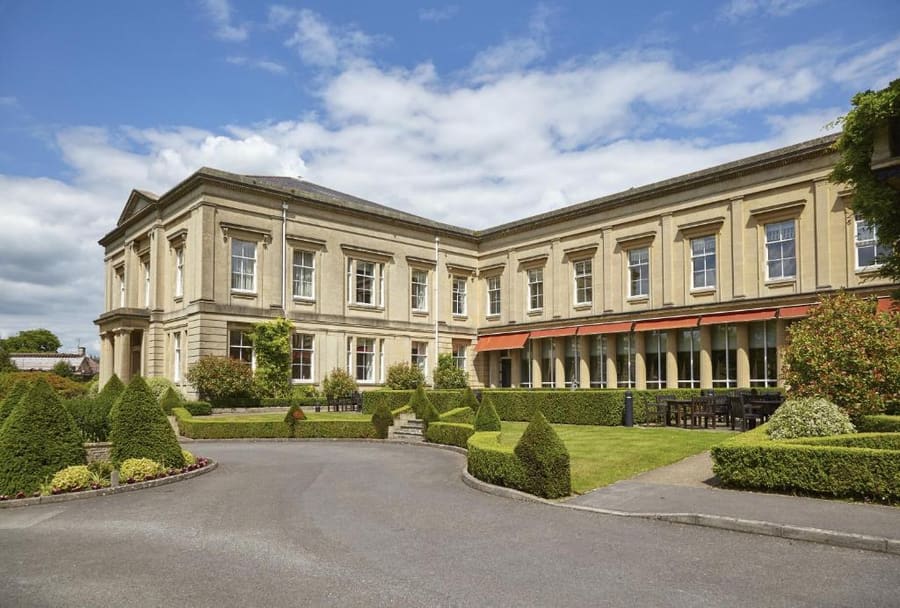
Choose your base by terrain and noise tolerance. Staying in the City Centre puts you steps from major sights, but room sizes are compact and prices peak on weekends. Widcombe offers quieter canal-side lodging near the station, while Lansdown suits travellers who trade steep uphill walks for valley views and parking.
Live rates, matched to the areas above.
transport
Bath is compact enough to navigate on foot, though steep topography taxes your legs. Driving in the city centre is difficult due to traffic restrictions, one-way systems, and a Clean Air Zone charging clean-vehicle non-compliant cars. Rely on walking, local buses, or taxis for transit.
Da Bristol Airport (BRS)
Direct service to Bath Bus Station. Buy ticket on board with contactless or online.
Take A1 Flyer bus to Bristol Temple Meads, then GWR train to Bath Spa.
Official provider Arrow Cars ranks outside terminal; pre-booking avoids peak wait times.
Pickups at designated express drop-off zone. Fares fluctuate with demand.
Walking is the fastest way between main attractions. Wear flat shoes for uneven cobblestones and steep ascents.
First Bus operates routes across the city. Tap your contactless card on entry and exit for automatic daily fare capping.
Located on the southern edge of the centre, offering direct GWR trains to London Paddington and Bristol Temple Meads.
cost
Bath pricing reflects its status as a major UK tourist centre. Entrance fees for historical sites are steep, but exploring streets, parks, and architecture costs nothing.
Prices vary dynamically by day and season; booking online in advance saves money.
Includes access to the rooftop pool and Minerva Bath. Weekends carry higher rates.
Prices at city centre pubs reflect local Somerset microbrewery rates.
Standard flat single fare on local city bus services.
seasonality
MAR – MAY
Spring brings mild weather and floral blooms in Parade Gardens. Midweek visits offer lighter crowds at top sites.
JUN – AUG
Long daylight hours and warm temperatures draw heavy summer crowds. Hotel rates peak and advance booking is mandatory.
SEP – NOV
Autumn foliage frames the Georgian crescents. Rain increases, but queue times at major museums drop significantly.
DEC – FEB
Cold and damp weather is offset by the Bath Christmas Market in late November and December. January brings low hotel rates.
practicalities
Tower tours run daily except Sundays. You must climb 212 narrow spiral stairs with no elevator access.
The transition from the river level up to the Royal Crescent involves a continuous uphill gradient.
Small seasonal entrance fee required for non-residents to enter these riverside formal gardens.
Many local shops and museum ticket counters in Bath operate on a card-only basis.
You can taste the mineral-rich thermal water at the Pump Room; it has a distinct warm, metallic flavor.