landmark
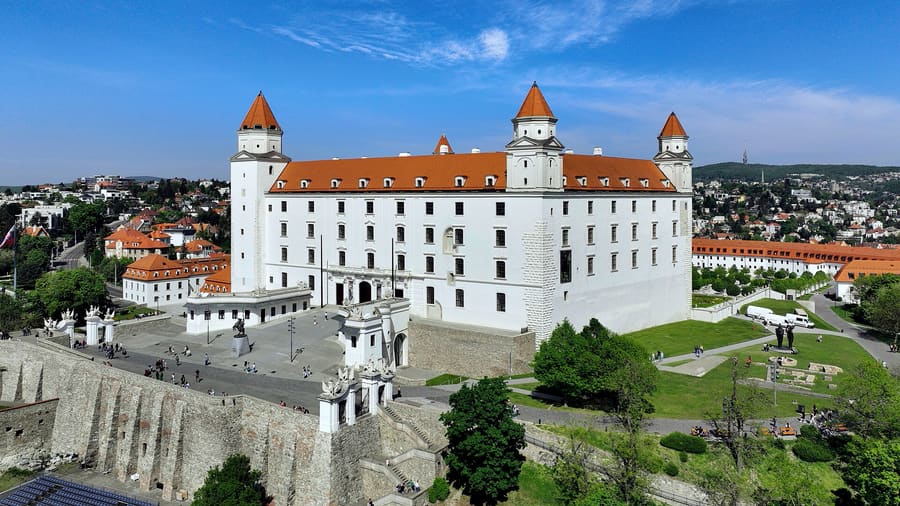
Bratislava Castle
The whitewashed hilltop fortress anchors the skyline. Entrance to the courtyards and gardens is free; castle museum requires a ticket.
Chiedi a ParleySlovacchia
A compact capital trading grand scale for immediate access.
introduction
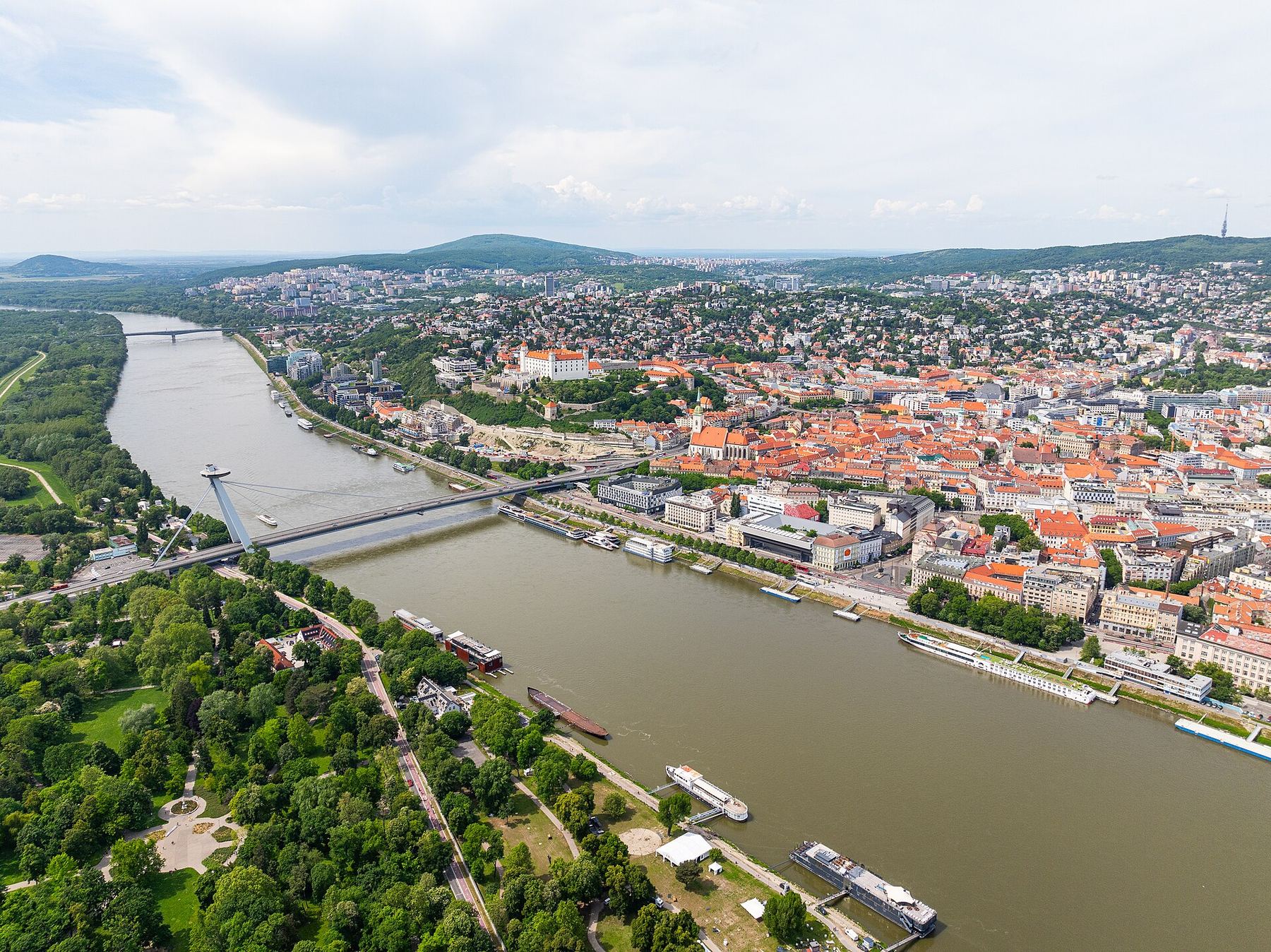
Bratislava sits directly on the Danube, less than an hour from Vienna. You can walk across the entire historical core in twenty minutes. The city mixes Austro-Hungarian palaces, brutalist Soviet monuments, and quiet riverside paths. It works best as a relaxed two-day pause rather than an intense sightseeing sprint.
Airport connection
Bus 61 runs from Bratislava Airport (BTS) to the main train station in 25 minutes. A €1.10 transit ticket covers the entire ride.
River cross-border ferry
The Twin City Liner catamaran links Vienna directly to Bratislava's Old Town pontoon in 75 minutes along the Danube.
Bratislava
https://www.flickr.com/photos/jlascar/ · CC BY 2.0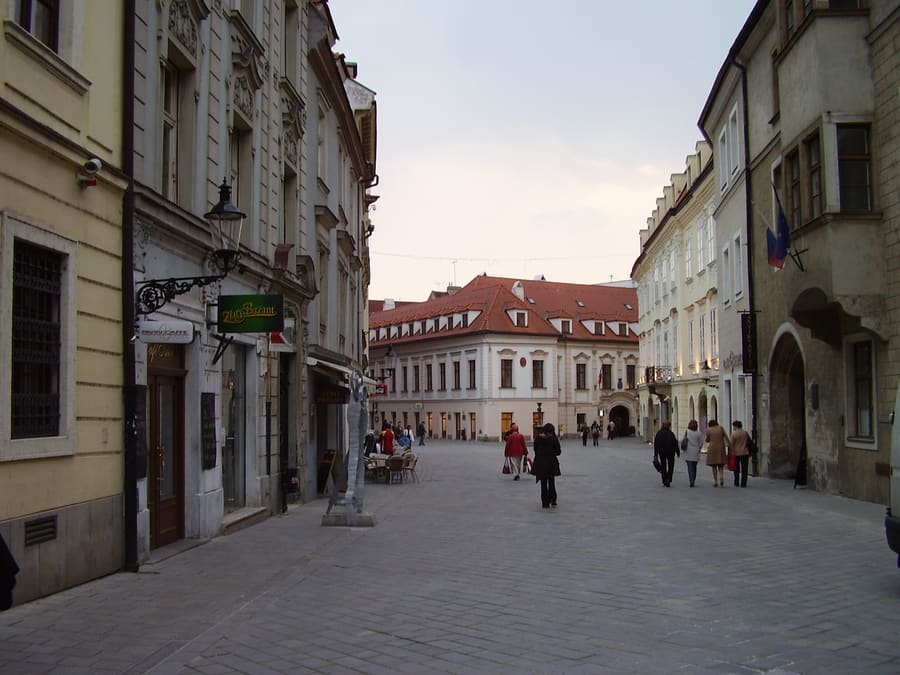
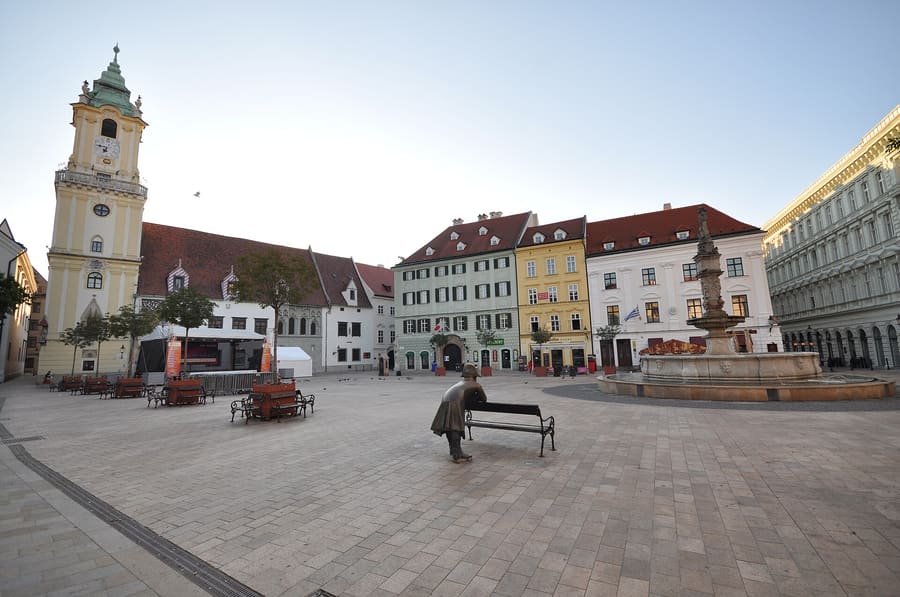
Staré Mesto — Pedestrianised core filled with baroque facades, outdoor cafes, and heavy weekend foot traffic.
Wizzard · Public domain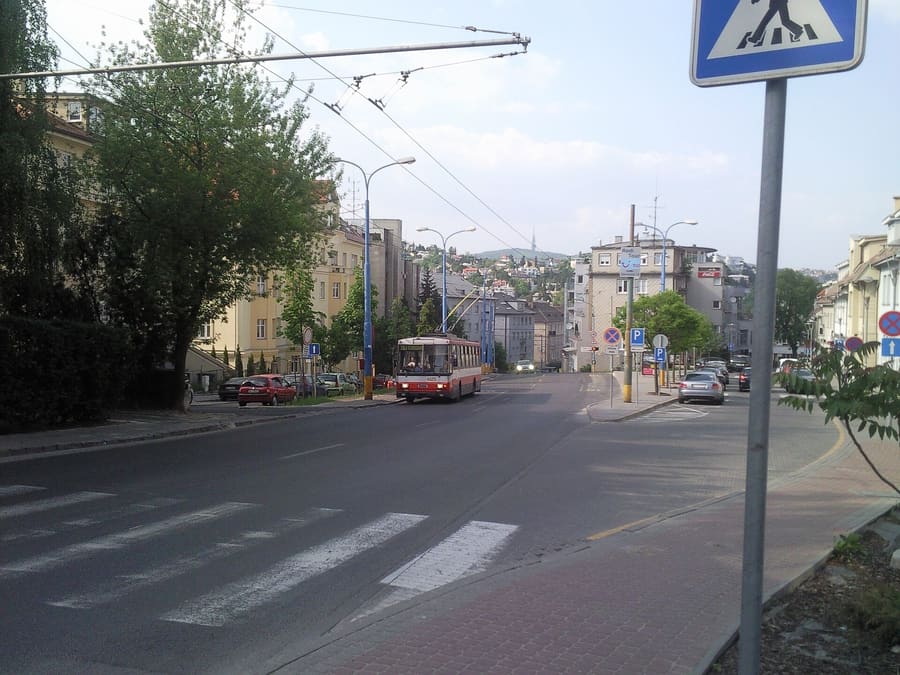
Palisády — Quiet residential slopes packed with embassy villas, shaded streets, and modern espresso bars.
Wizzard · Public domain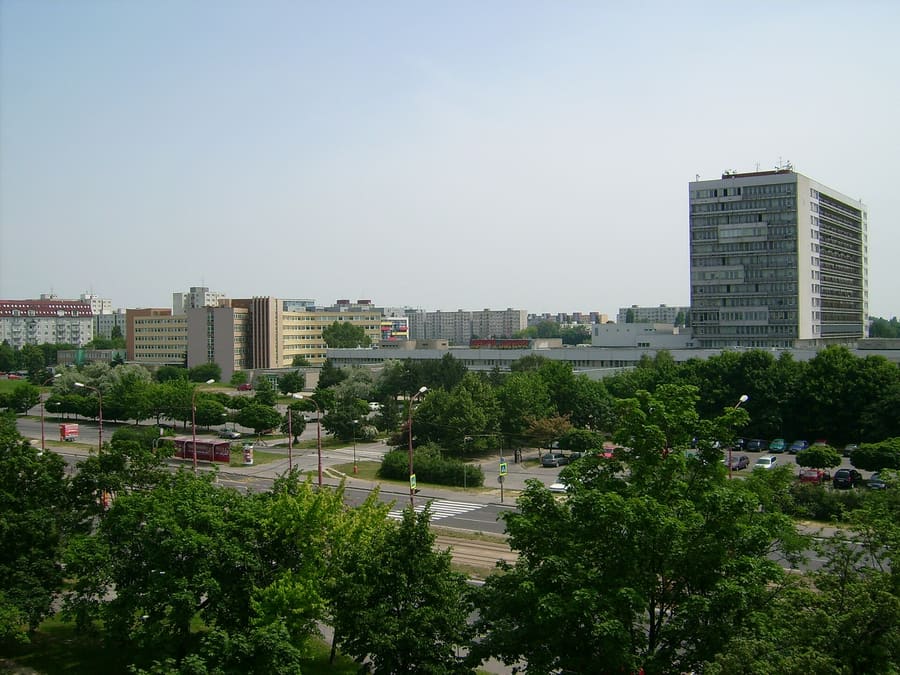
Ružinov — Mid-century residential district featuring leafy avenues, local markets, and craft breweries.
Vincent · Public domain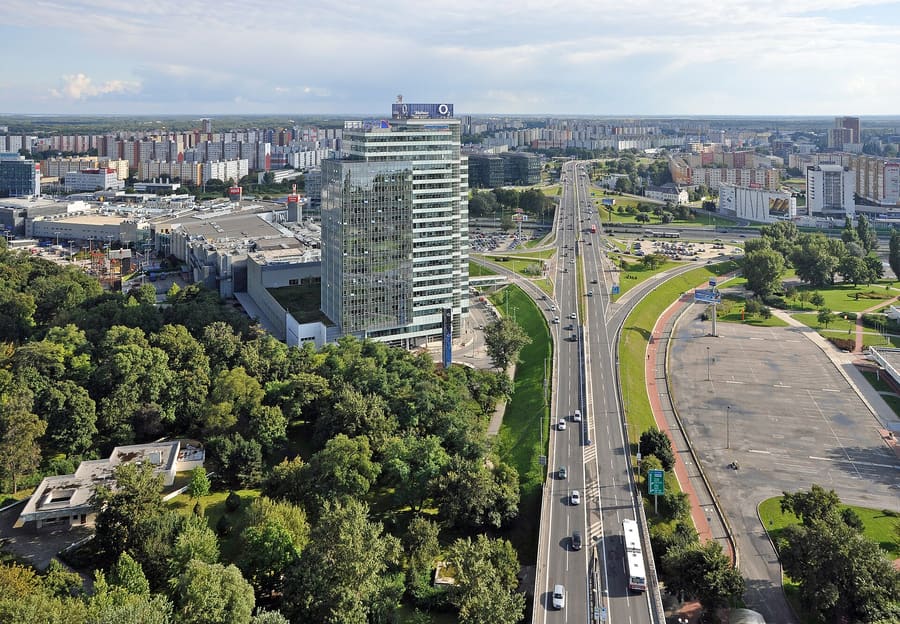
Petržalka — Enormous socialist-era residential block zone directly across the Danube with vast green parks.
Marc Ryckaert (MJJR) · CC BY 3.0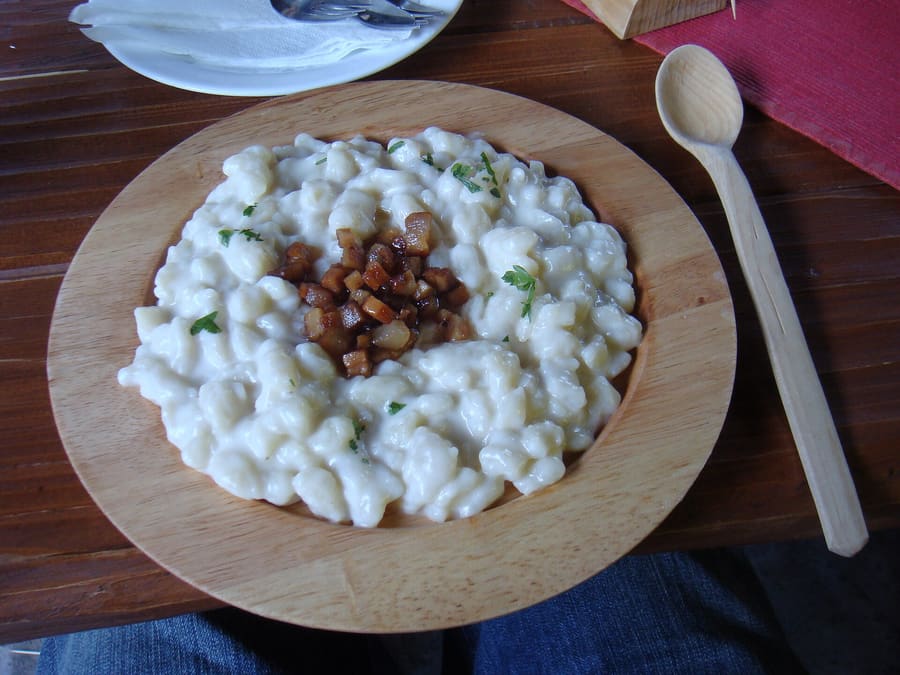
Bryndzové halušky served in traditional ceramic cookware.
Gregory finster · CC0highlights
landmark
The whitewashed hilltop fortress anchors the skyline. Entrance to the courtyards and gardens is free; castle museum requires a ticket.
Chiedi a Parley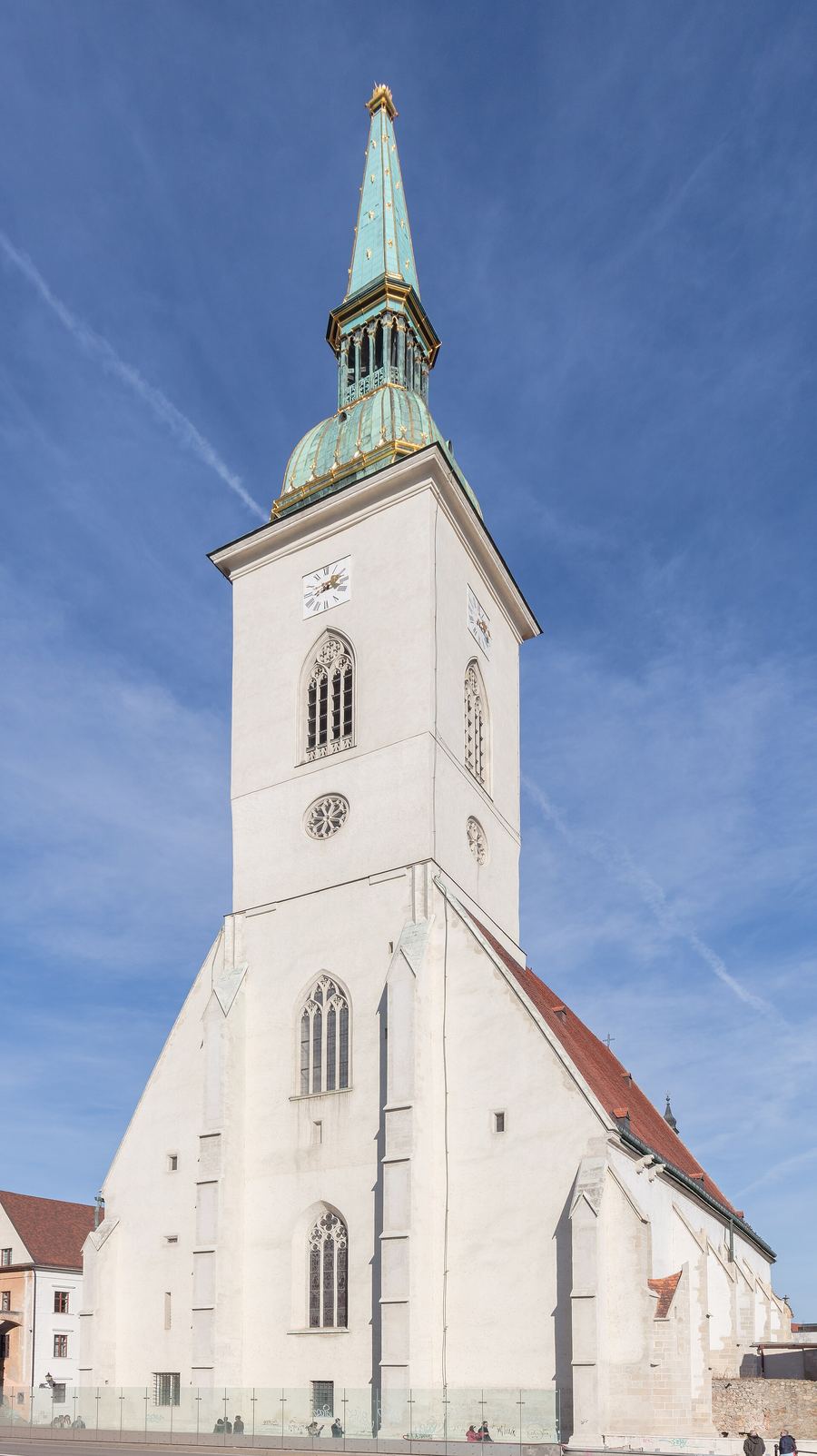
landmark
Nineteen Hungarian monarchs had crowns placed on their heads here. Walk the quiet Gothic nave for free outside mass times.
Chiedi a Parley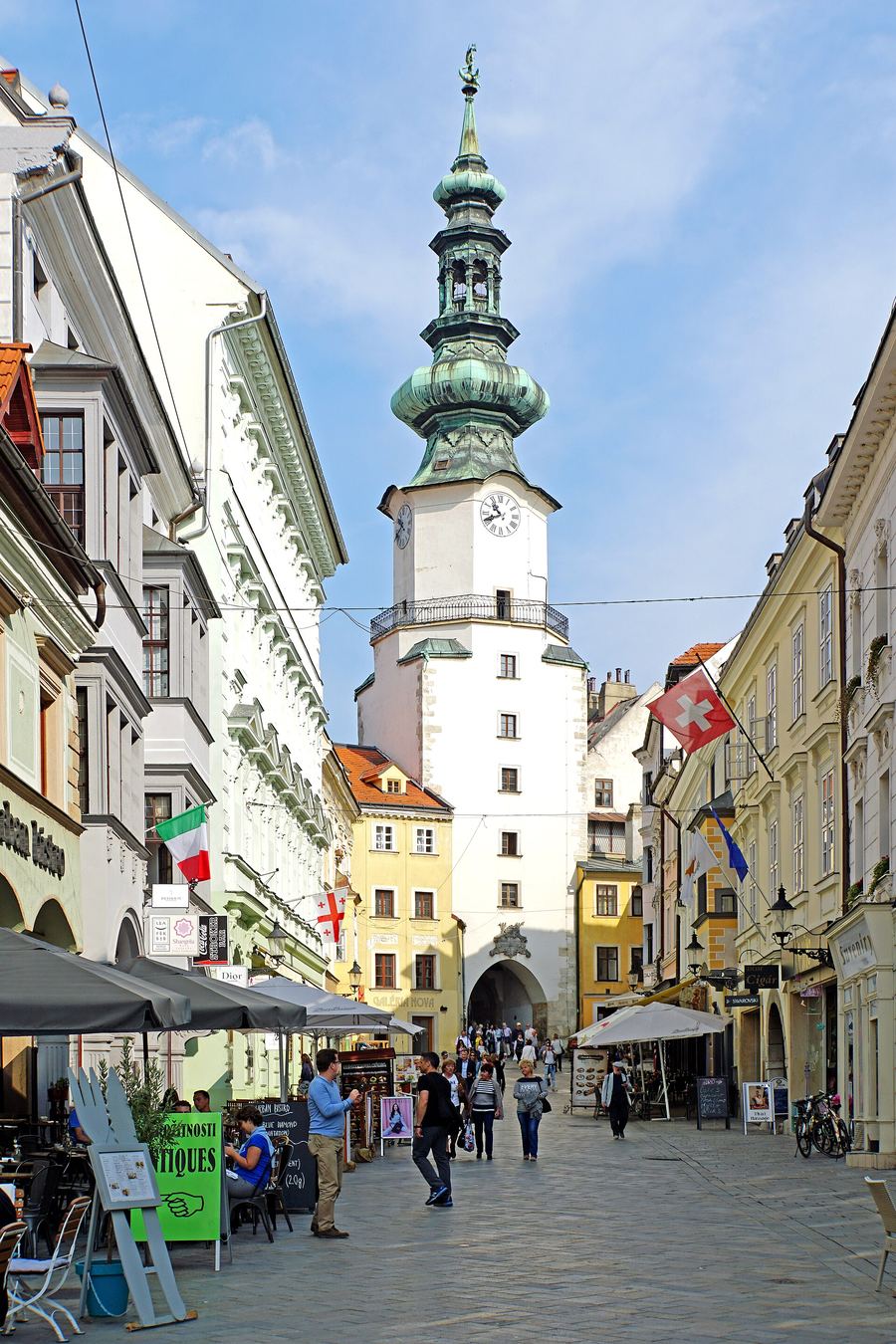
landmark
The last remaining gate of the medieval city fortification. Climb the narrow stairs for views over narrow Old Town roofs.
Chiedi a Parley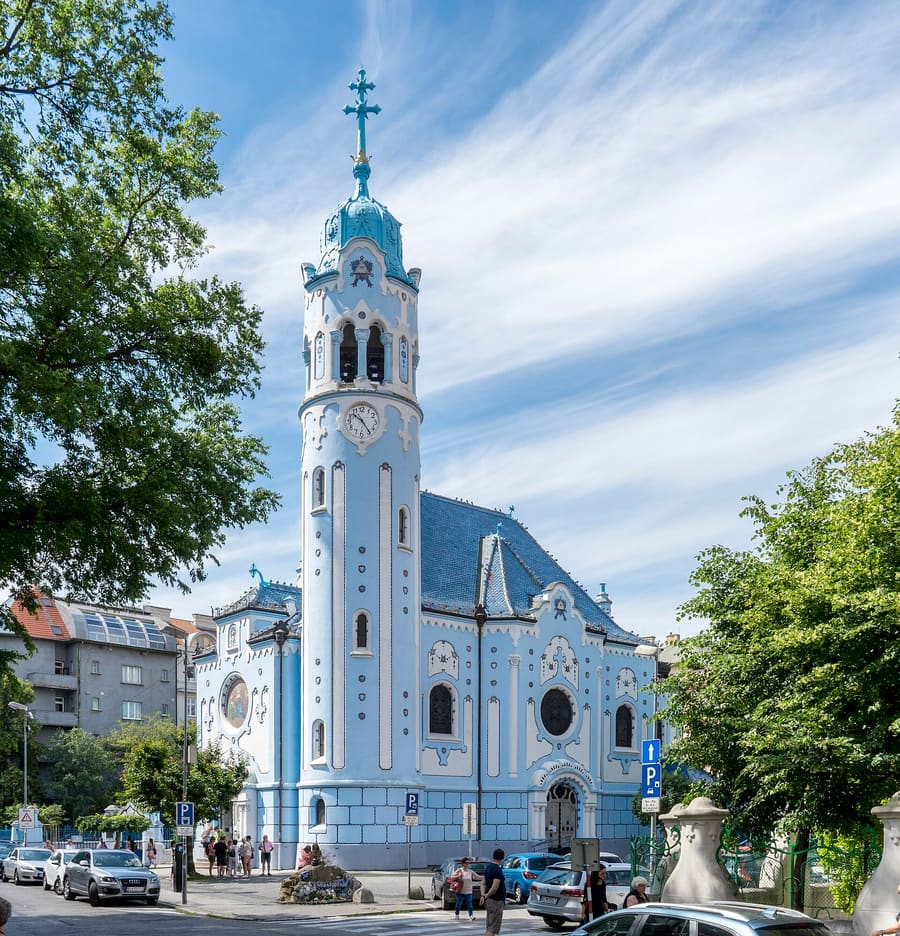
landmark
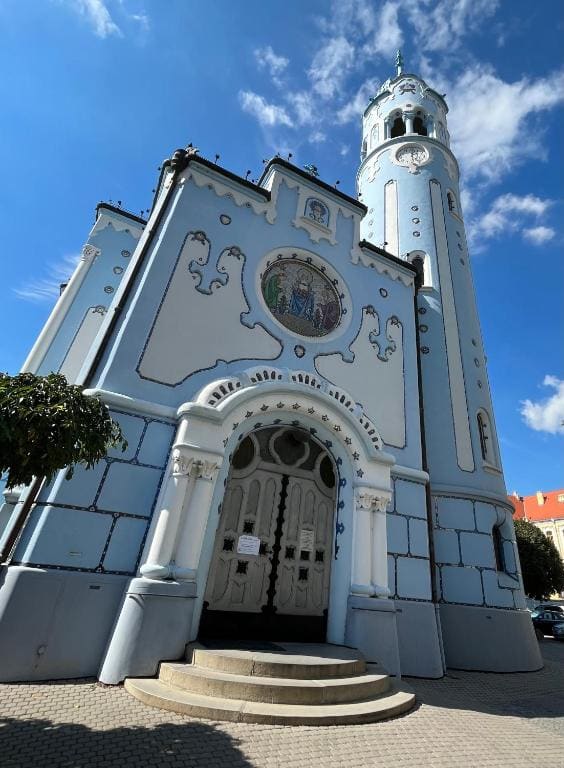
Hungarian Art Nouveau structure coated entirely in pastel blue glaze. The interior opens briefly before morning and evening services.
Chiedi a Parley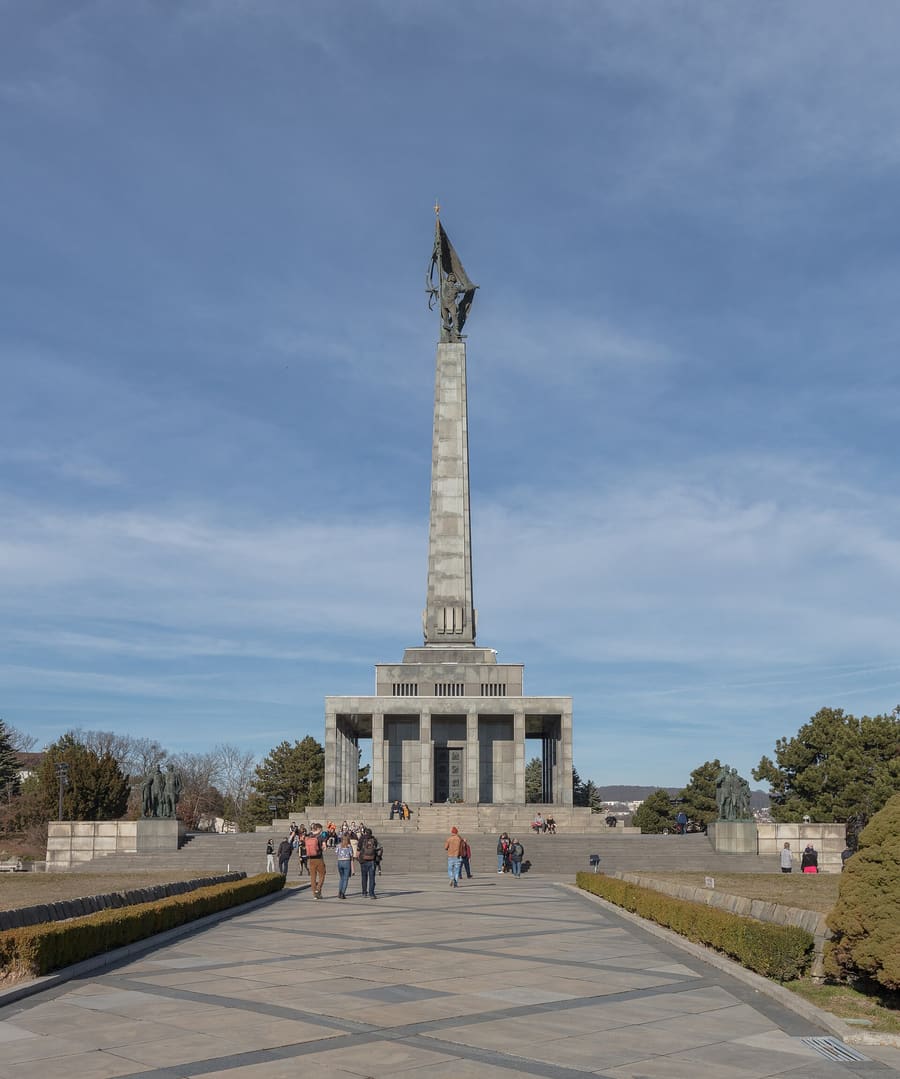
landmark
A hilltop Soviet military cemetery offering silent, unobstructed views over the entire capital valley.
Chiedi a Parleyattractions
areas
Pedestrianised core filled with baroque facades, outdoor cafes, and heavy weekend foot traffic.
Nei dintorniBratislava Castle and St. Martin's Cathedral
Chiedi a ParleyQuiet residential slopes packed with embassy villas, shaded streets, and modern espresso bars.
Nei dintorniBratislava Castle and Presidential Palace
Chiedi a ParleyMid-century residential district featuring leafy avenues, local markets, and craft breweries.
Nei dintorniMiletičova Open-Air Market
Chiedi a ParleyEnormous socialist-era residential block zone directly across the Danube with vast green parks.
Nei dintorniSad Janka Kráľa Park and UFO Bridge
Chiedi a Parleyfood
Slovak food leans heavily on sheep cheese, potatoes, cabbage, and pork. The national staple is bryndzové halušky, small potato dumplings stirred with fresh salted sheep cheese and finished with fried lard chunks. Local dining spots also serve vyprážaný syr, a thick slab of fried breaded cheese paired with tartar sauce and boiled potatoes.You will find craft beer cellars integrated into old brick basements across Staré Mesto. Bratislava brews its own distinct lager variants, often served unpasteurised alongside cold pork sausage pickled with peppers (utopenec).
Bryndzové halušky served in traditional ceramic cookware.
Gregory finster · CC0These large hall-style restaurants make fresh sheep cheese dumplings daily at fair prices.
This Czechoslovak herbal soft drink created in 1960 is available on tap at most local pubs.
Traditional pubs serve two-course lunch sets between 11:30 and 14:00 for under €8.
history
Bratislava occupied a strategic ford on the Danube for millennia. Known for centuries as Pressburg in German and Pozsony in Hungarian, it served as the coronation capital of the Kingdom of Hungary from 1536 to 1830. Its modern Slovak name was officially adopted only in 1919 after the formation of Czechoslovakia.During the Cold War, the Iron Curtain ran right along the city's western border with Austria. Rapid Soviet-era industrialisation reshaped the outskirts, constructing Petržalka and modern bridge infrastructure across the river before Slovakia gained independence in 1993.
Coronation Capital
Pressburg becomes the coronation seat of Hungarian kings after Ottoman forces capture Buda.
Peace of Pressburg
Napoleon signs a historic peace treaty with Austria inside the Primate's Palace after the Battle of Austerlitz.
Renamed Bratislava
The city joins the new Czechoslovak Republic and officially changes its name from Pressburg to Bratislava.
Slovak Capital
Slovakia separates peacefully from the Czech Republic, making Bratislava an independent national capital.
where to stay
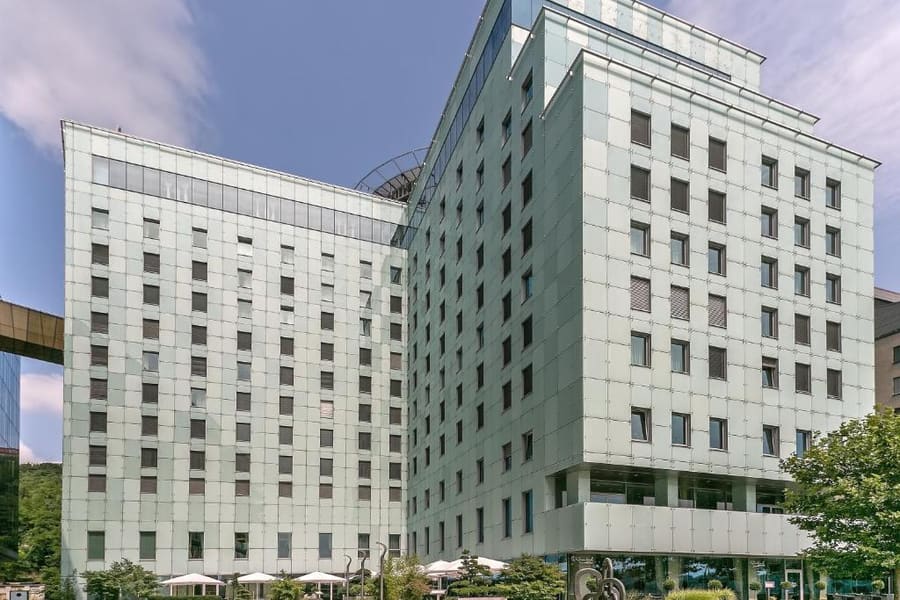
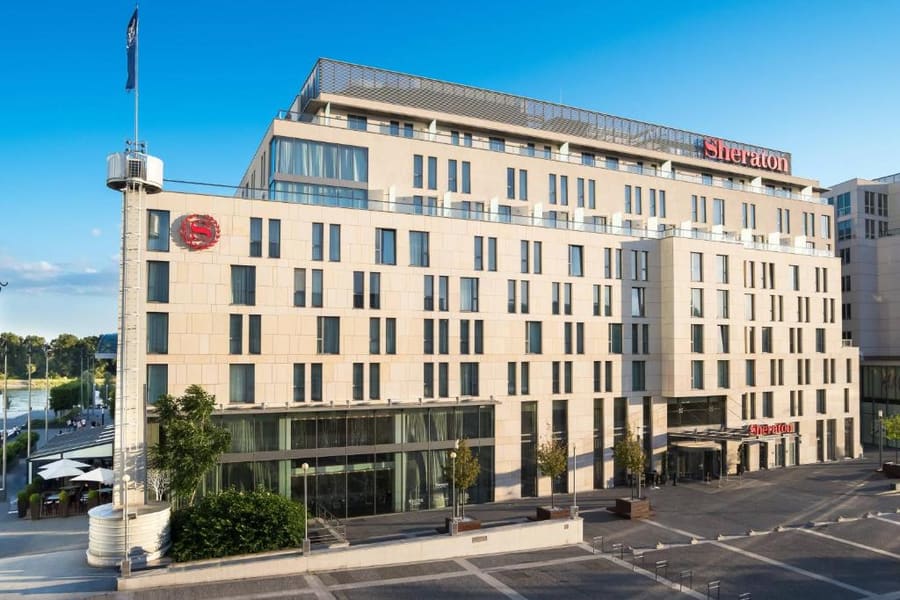
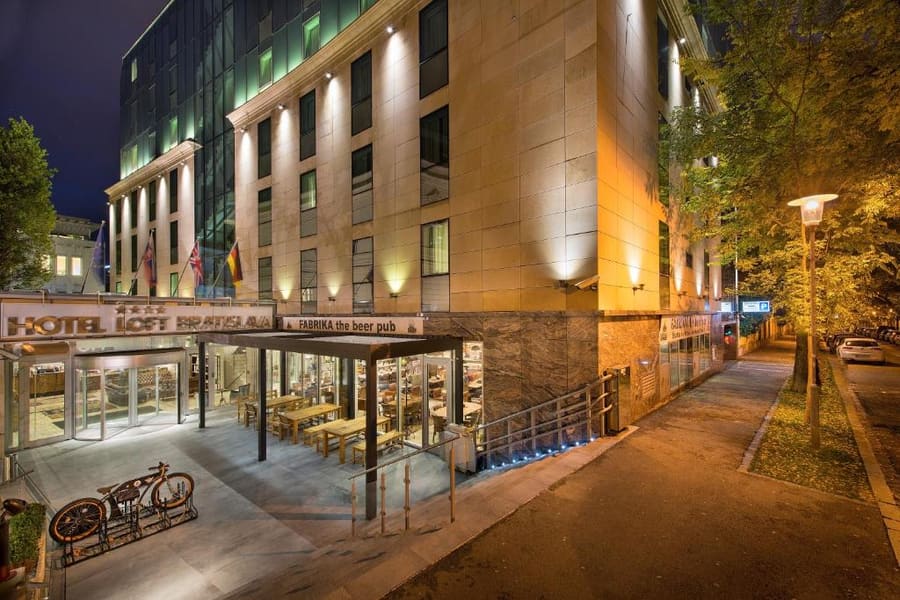
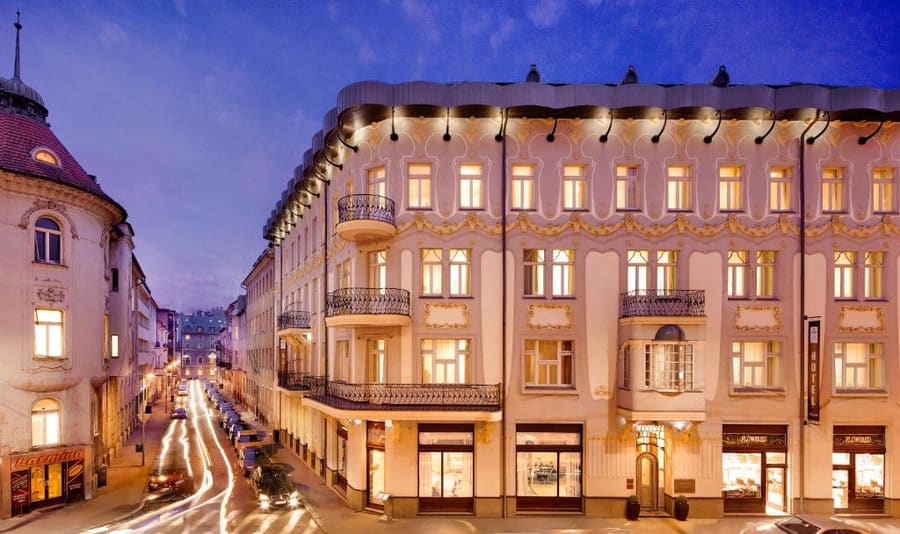
Choose your base by your primary transport mode and preferred noise level. The historical core is almost completely car-free, so staying inside Staré Mesto requires carrying luggage over cobbled streets from taxi drop-off points.
Live rates, matched to the areas above.
transport
Bratislava relies on an efficient network of red trams, trolleybuses, and diesel buses operated by DPB. You do not need cars inside the historic city centre, which is entirely pedestrianised.
Da BTS
Bus 61 runs every 10–15 minutes directly to Hlavná Stanica main train station.
Bolt and Uber operate pick-ups outside arrivals. Avoid untagged street cabs.
Validate paper tickets in yellow slot machines immediately upon entering trams. Tap-to-pay validators are also inside vehicles.
Mobile tickets bought through the app are 10% cheaper than paper kiosk slips.
Night buses depart every hour from Hlavná Stanica after midnight.
You can reach any location inside Staré Mesto on foot in less than fifteen minutes.
cost
Slovakia uses the Euro (€). Bratislava remains notably cheaper than nearby Vienna, though prices in tourist-heavy Old Town squares match central European capital averages.
Pubs outside the immediate central plaza charge significantly less for tap lagers.
Includes soup and a main dish at traditional neighbourhood restaurants on weekdays.
Valid for unlimited transfers on all trams and buses within city zones 100+101.
Specialty coffee shops across Old Town serve high-grade espresso roast shots.
seasonality
MAR – MAY
Mild weather and low tourist numbers. Excellent for comfortable walking tours.
JUN – AUG
Warm outdoor dining season along the river. Peak crowds arrive from Danube river cruises.
SEP – NOV
Wine harvesting festivals take place in nearby Small Carpathian towns like Modra.
DEC – FEB
Cold conditions with atmospheric Christmas markets populating Hlavné Námestie during December.
practicalities
Tap-to-pay is accepted everywhere from market stalls to public transit validators.
Supermarkets stay open, but small boutiques outside tourist areas close on Sundays.
Hospitality staff and younger residents communicate comfortably in English.
Summer days near the river get humid; carry water when walking up castle hill routes.
Swimming in the Danube is prohibited due to powerful undertows near bridge pylons.