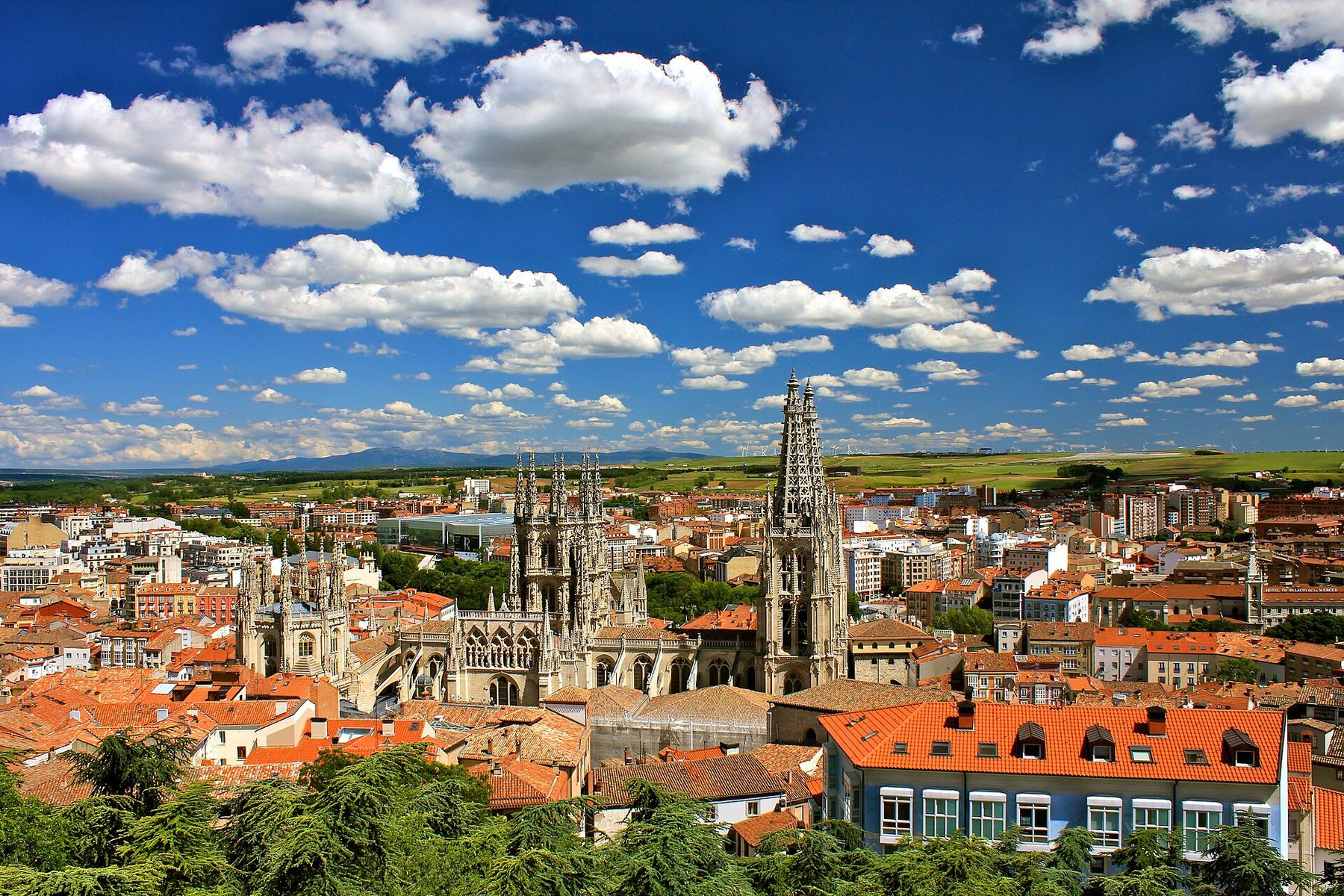
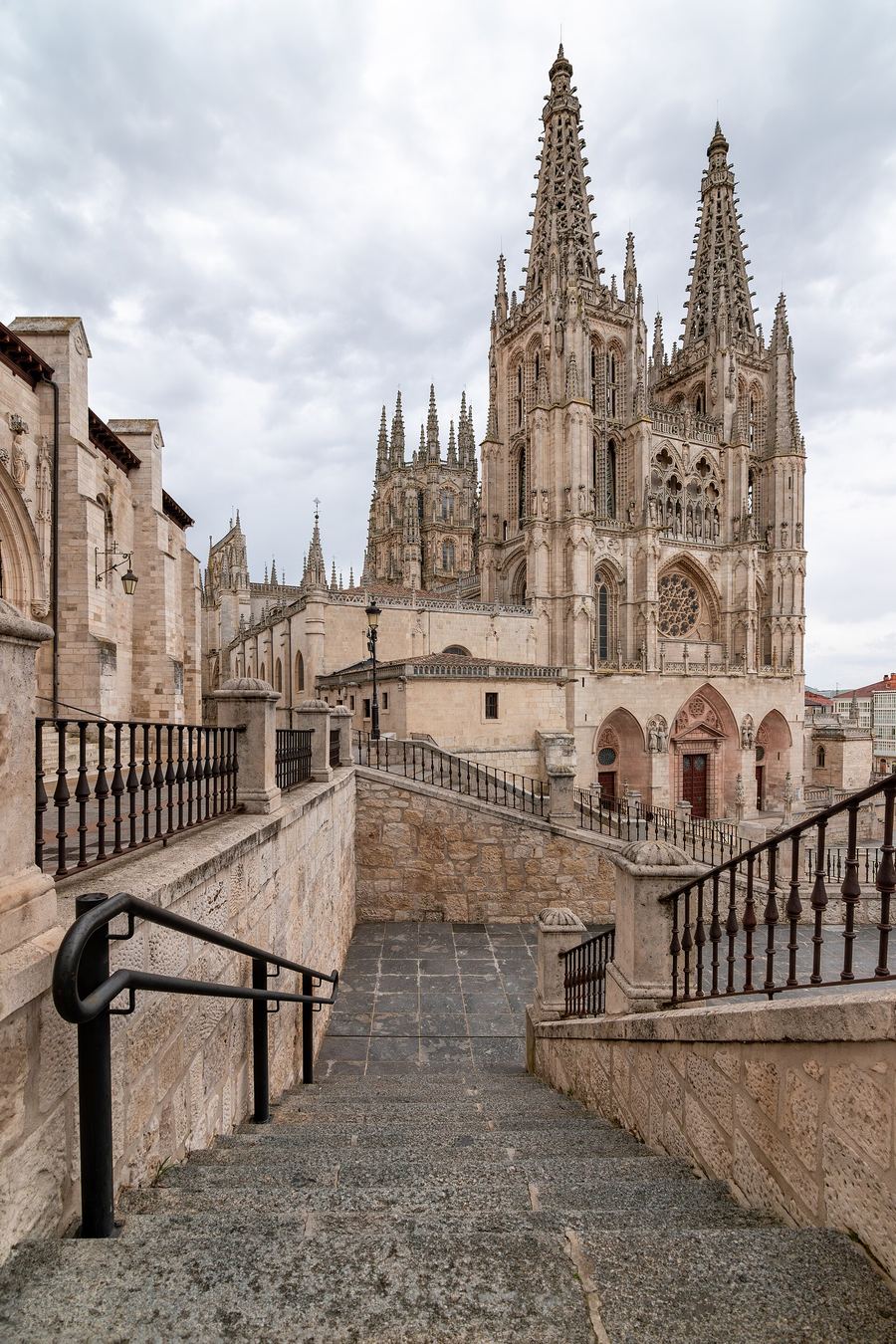
landmark
Burgos Cathedral
Spire-heavy French Gothic cathedral housing El Cid's tomb. Pay entry online to skip ticket queues at the main portal.
Chiedi a ParleySpagna
Gothic stone, Castilian cold, and high-altitude roast lamb.
introduction
Burgos sits 856 meters high on the windswept Northern Plateau of Castile. The Arlanzón River cuts through a compact medieval core dominated by massive limestone Gothic monuments. Winter brings biting winds from the mountains, while summer delivers clear, sharp light and warm afternoons. You move on foot across cobbled lanes, crossing stone bridges to reach green riverside parks.
Arrival: Train connection
Burgos-Rosa Manzano train station sits 5 km northeast of the center. Bus line 02 connects direct to Plaza de España for €1.20.
UNESCO site recognition
Burgos Cathedral became a UNESCO World Heritage site in 1984. It is the only Spanish cathedral with an individual designation.
Monastery booking strategy
Monastery of Las Huelgas requires timed entry tours. Book on the Patrimonio Nacional website before arrival to secure morning slots.
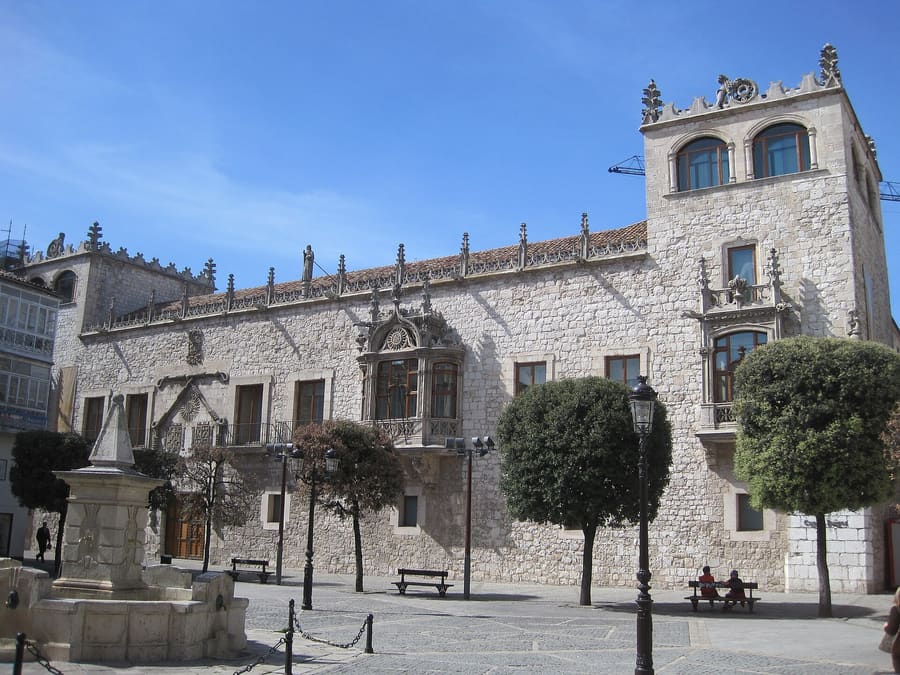
Burgos
Eltitomac · Public domain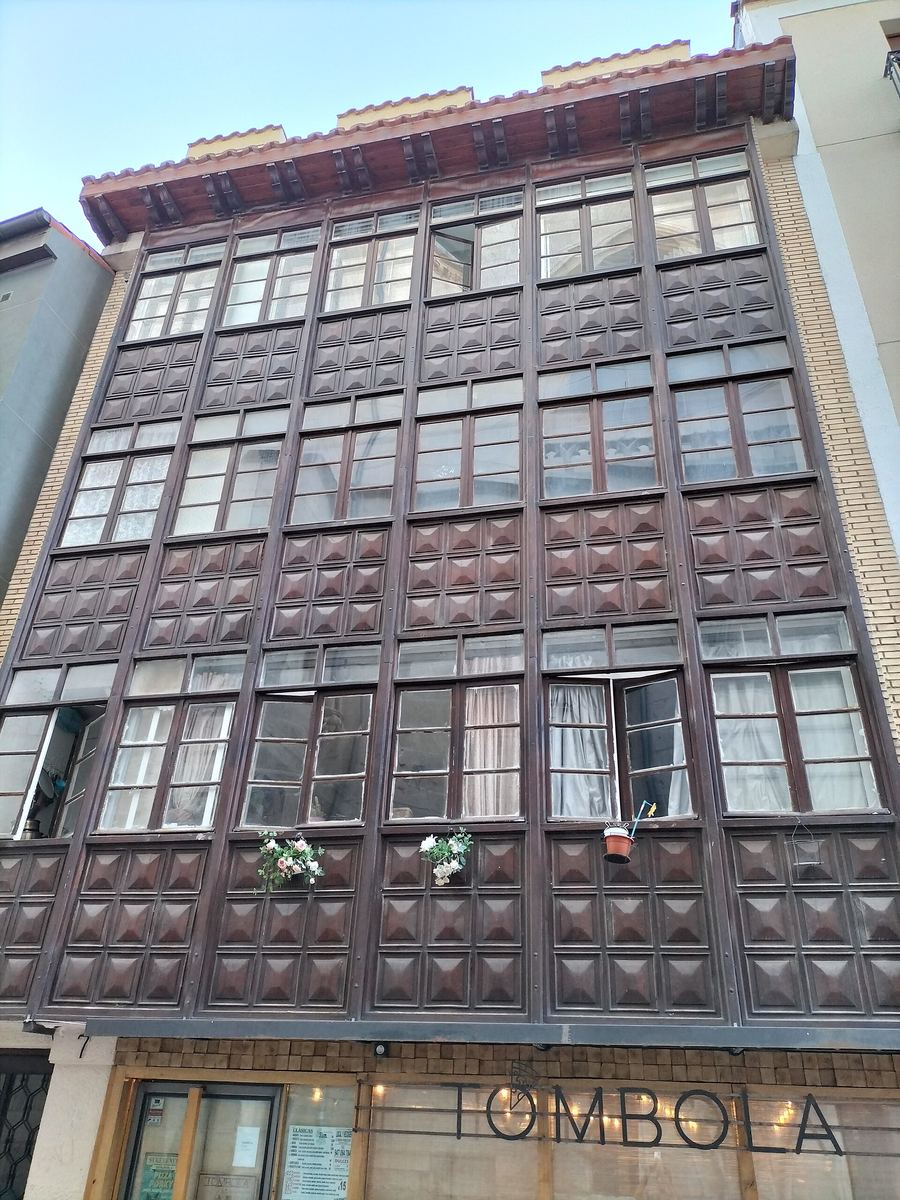
Centro Histórico — Dense medieval lanes, cathedral shadows, and tapas bars along Calle San Lorenzo.
Vanbasten 23 · CC BY-SA 3.0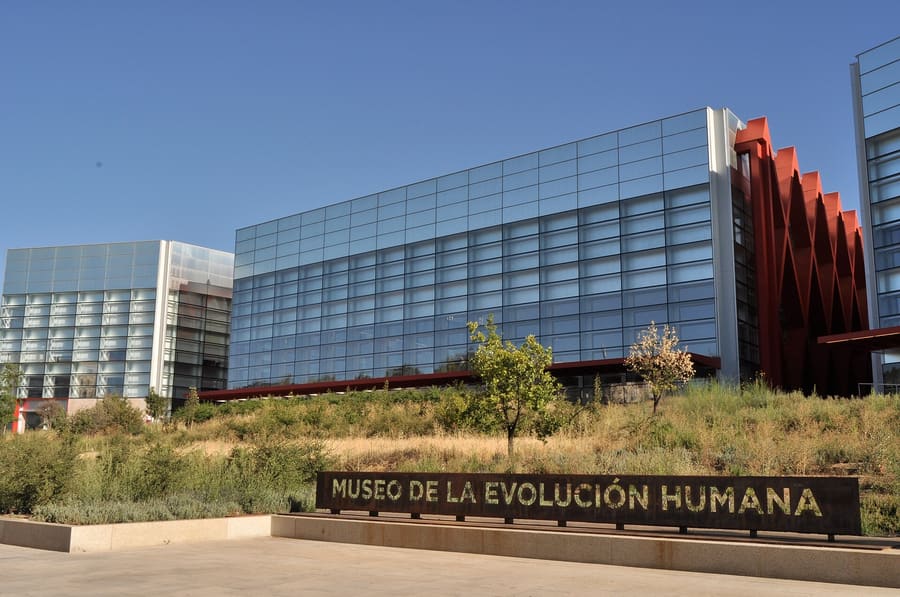
La Vega & South Bank — Tree-lined boulevards, 19th-century residential grids, and quieter local dining.
Luis Rogelio HM · CC BY-SA 2.0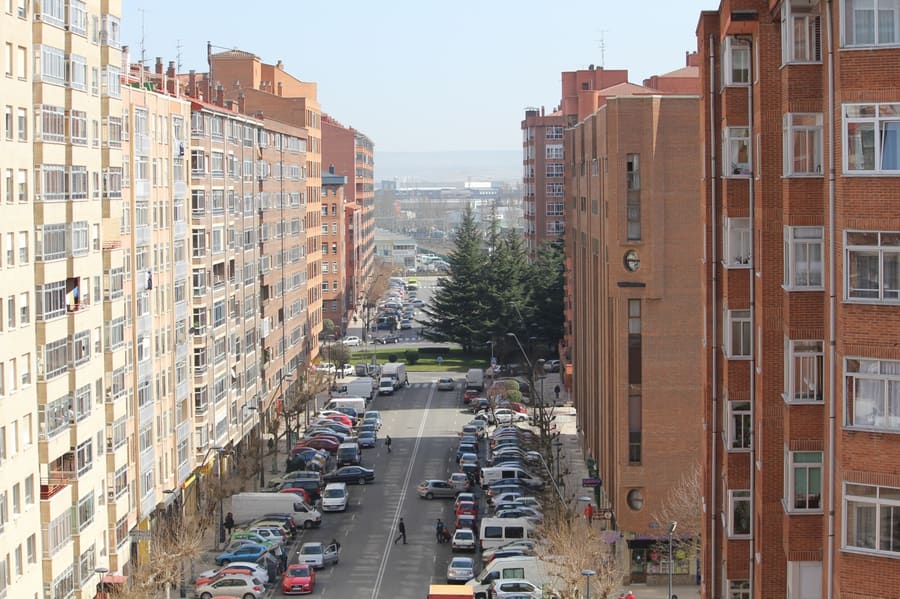
Gamonal — High-density working-class neighborhood known for traditional taverns and value.
Creator: Jared L. Stahl · CC BY 3.0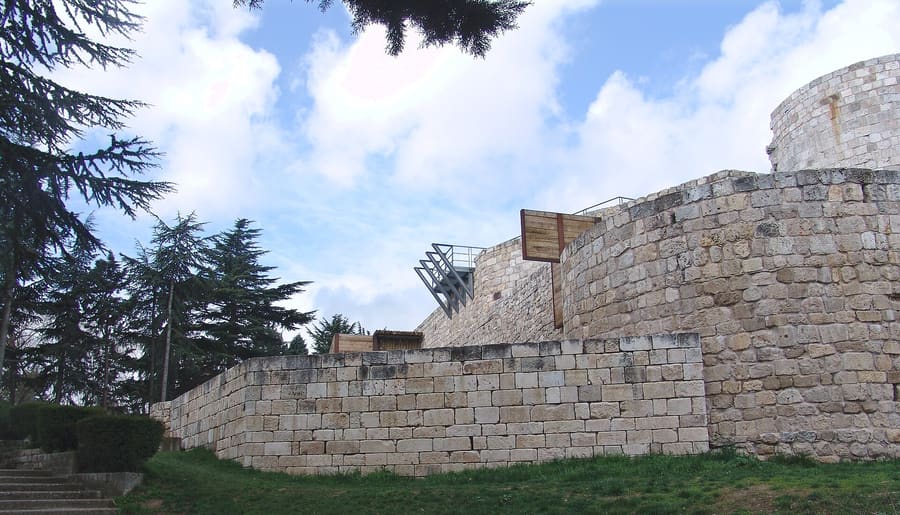
San Esteban & Castillo Hill — Quiet cobbles, steep steps, and stone walls clinging to the castle slopes.
Jesús Serna · CC BY 3.0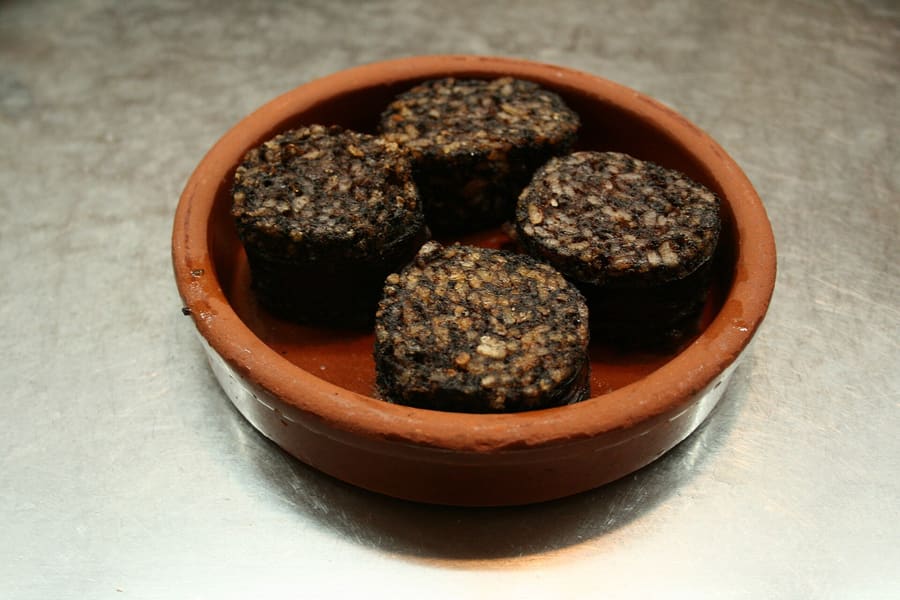
Morcilla de Burgos served sliced and pan-fried with roasted red peppers.
Tamorlan · CC BY 3.0highlights
landmark
Spire-heavy French Gothic cathedral housing El Cid's tomb. Pay entry online to skip ticket queues at the main portal.
Chiedi a Parley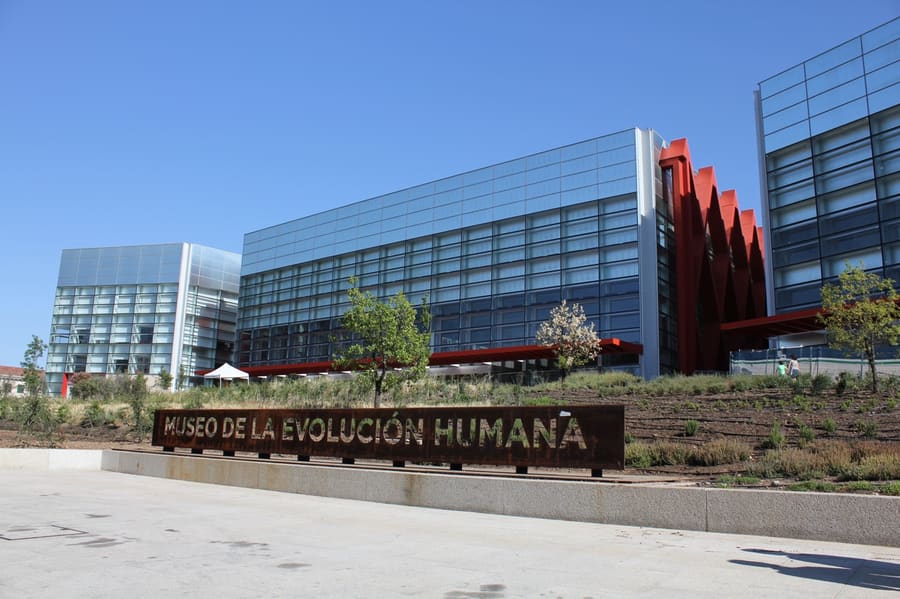
landmark
Modern facility displaying 800,000-year-old hominin fossils from nearby Atapuerca. Buy joint tickets with the site shuttle.
Chiedi a Parley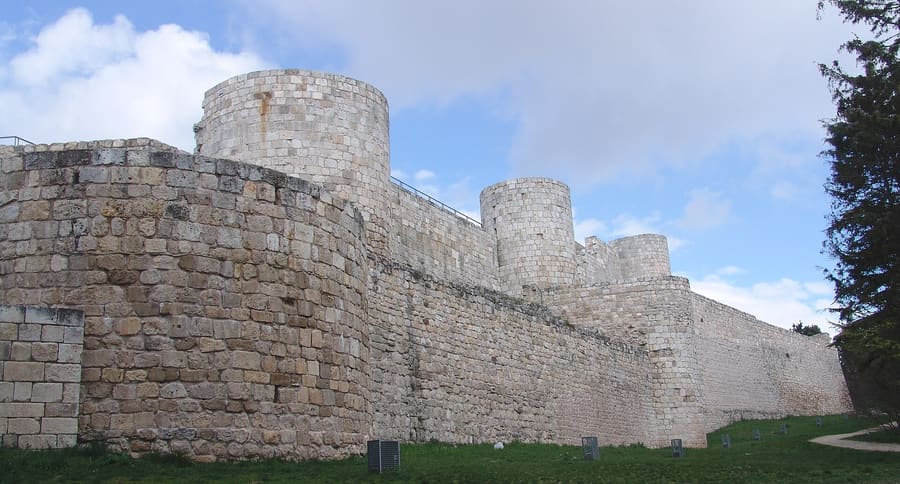
landmark
Ruined hilltop fortress offering panoramic city views. The steep climb from San Esteban is free, but museum access costs €2.
Chiedi a Parley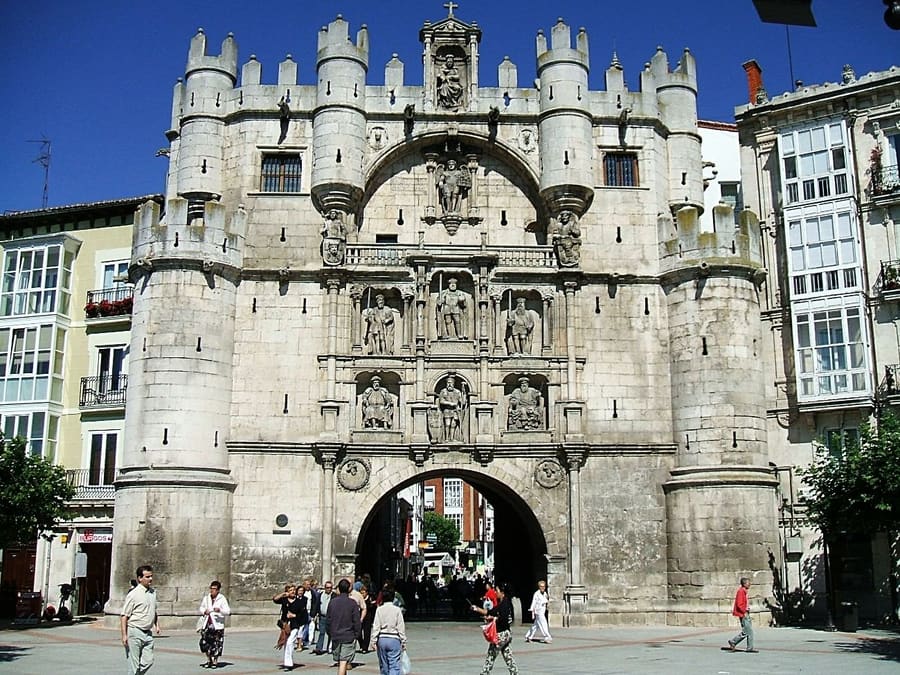
landmark
16th-century fortified city gate facing the river. Walk upstairs for free entrance to small municipal art exhibits.
Chiedi a Parleyattractions
areas
Dense medieval lanes, cathedral shadows, and tapas bars along Calle San Lorenzo.
Nei dintorniBurgos Cathedral and Arco de Santa María.
Chiedi a ParleyTree-lined boulevards, 19th-century residential grids, and quieter local dining.
Nei dintorniMuseum of Human Evolution and Paseo del Espolón.
Chiedi a ParleyHigh-density working-class neighborhood known for traditional taverns and value.
Nei dintorniIglesia de Real y Antigua and Parque de Fuentes Blancas.
Chiedi a ParleyQuiet cobbles, steep steps, and stone walls clinging to the castle slopes.
Nei dintorniBurgos Castle ruins and Church of San Esteban.
Chiedi a Parleyfood
Burgos dining revolves around two staples: morcilla de Burgos and lechazo asado. Morcilla here incorporates grain rice, onions, lard, and spices into pig blood, giving it a firmer texture than southern variants. Lechazo relies on unweaned milk-fed lambs roasted in wood-fired clay ovens. You eat these at traditional mesones alongside crisp sourdough bread and local Ribera del Duero wines.
Morcilla de Burgos served sliced and pan-fried with roasted red peppers.
Tamorlan · CC BY 3.0Locals gather along Calle San Lorenzo and Calle Sombrerería around 20:00. Order a pinchito or morcilla slice with a short glass of Ribera del Duero red wine.
Roast lamb is eaten almost exclusively at lunch between 14:00 and 16:00. Dinner menus shift to lighter cold cuts, croquetas, and griddled skewers.
This unaged, salted sheep or cow milk cheese appears on breakfast tables and dessert menus served with honey and walnuts.
history
Founded in 884 as a military outpost against Moorish expansion, Burgos became the capital of the Kingdom of Castile in 1035. Its position on the Camino de Santiago trade route fueled rapid wealth generated through the medieval wool trade with Flanders. The city's golden age created Gothic architectural masterworks before regional power shifted south to Madrid.
Fortress Established
Count Diego Rodríguez Porcelos builds a hilltop fort on the Arlanzón river to defend the Castilian frontier.
Capital of Castile
King Fernando I establishes Burgos as the political capital of the expanding Kingdom of Castile.
Cathedral Construction Begins
King Fernando III and Bishop Mauricio lay the first stone of the Gothic cathedral over a Romanesque foundation.
Casa del Cordón Summit
Catholic Monarchs Isabella and Ferdinand receive Christopher Columbus here following his second trans-Atlantic voyage.
Civil War Seat
General Franco establishes his Nationalist government headquarters at the Palacio de Capitanía General in Burgos.
where to stay
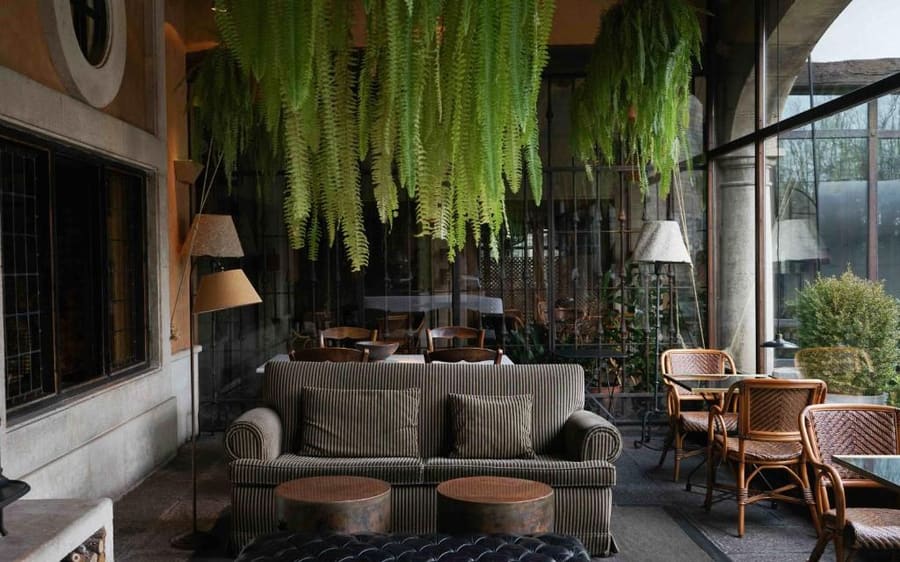
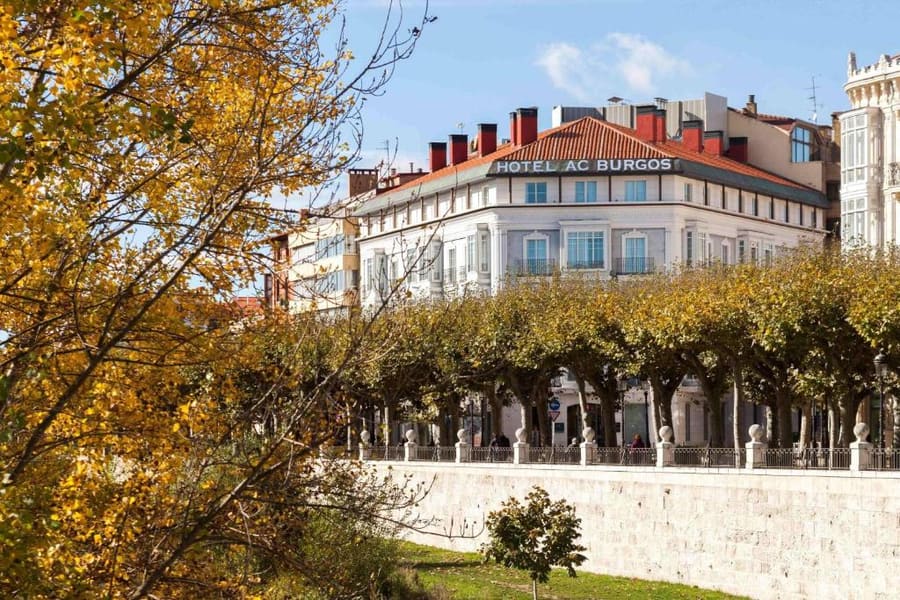
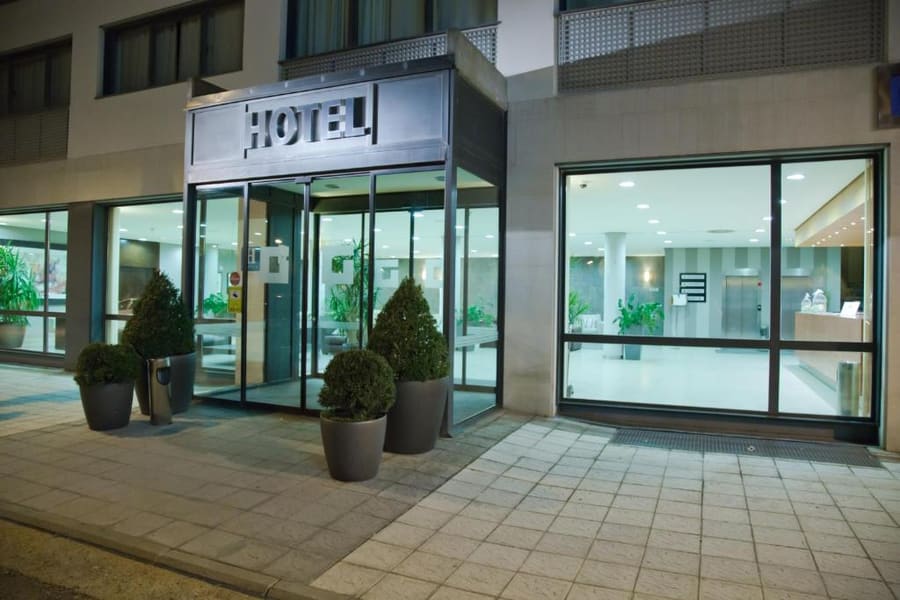
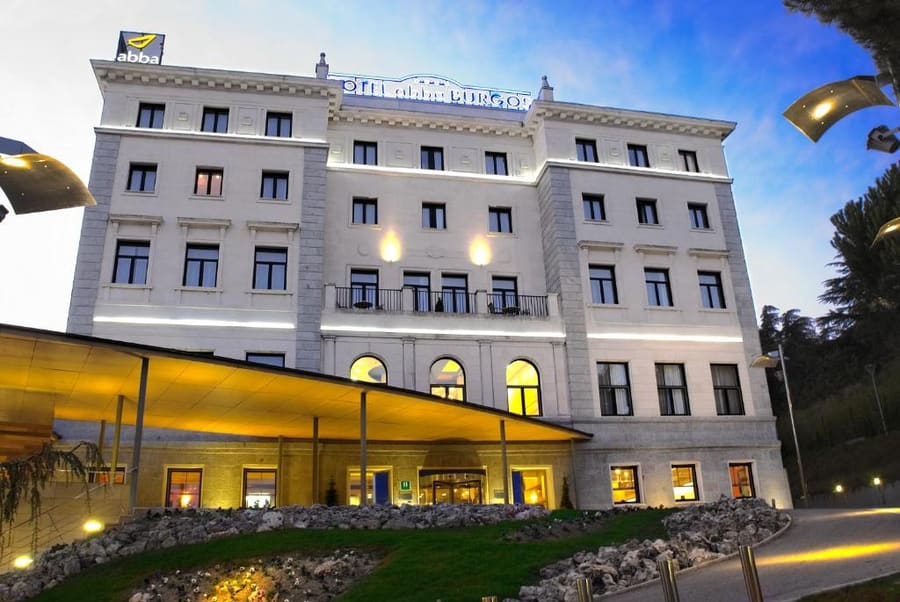
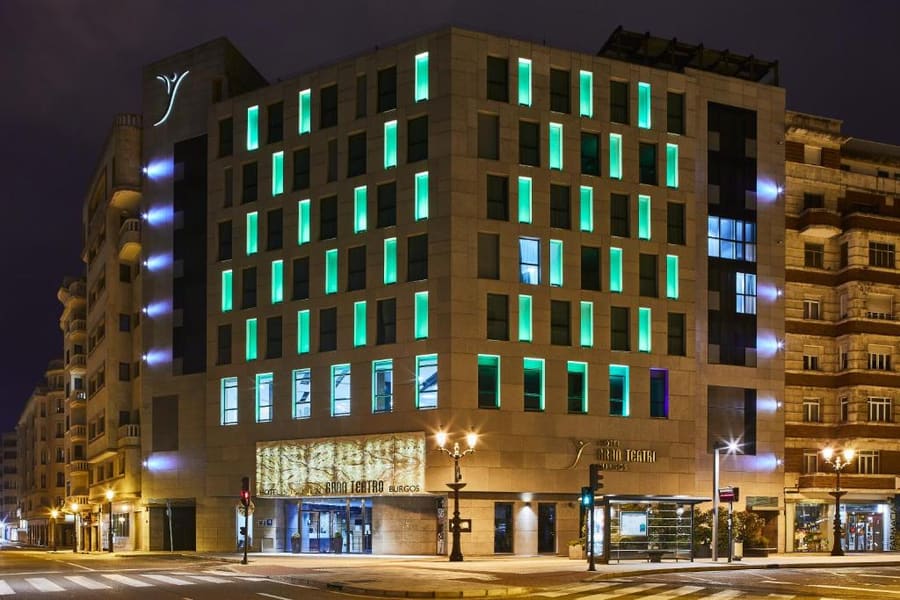
Choose your base by terrain and schedule. Staying inside the old core places you steps from the cathedral, though driving and parking present steep challenges. Crossing south of the river offers modern room layouts and easier vehicle access while keeping the historic center within a five-minute walk.
Live rates, matched to the areas above.
transport
Burgos is easily navigated on foot once inside the central river loop. Taxis and urban buses handle links to the peripheral railway station and outlying monasteries.
Da Burgos-Rosa Manzano Railway Station
Urban bus line 02 connects the train station directly to downtown Plaza de España.
Official white taxis queue outside the station terminal. Luggage carries no surcharge.
The historic centre is fully pedestrianized. You walk everywhere between the Cathedral, Espolón boulevard, and MEH.
Urban bus fares cost €1.20 payable in cash or via contactless card directly onboard the bus.
The central bus station sits on Calle Miranda, just a 3-minute walk south of the cathedral across San Pablo bridge.
High-speed trains reach Madrid Chamartín in under 1 hour and 45 minutes from Burgos-Rosa Manzano station.
cost
Burgos is generally cheaper than Madrid or Basque cities, though cathedral entry and specialty lamb feasts raise daily expenditures. Coffee and local wine remain accessible.
Includes an interactive audio guide. Discounted €8 tickets apply to seniors and students.
A generous plate served with bread, enough for two people to share at a bar.
Standard price per person at traditional wood-oven roaster restaurants.
Ribera del Duero red wine poured at central tapas taverns.
seasonality
DEC – FEB
Sub-zero temperatures and icy winds from the meseta. Low hotel prices, empty cathedral chapels, and cozy roast lamb dining.
MAR – MAY
Crisp spring days with chilly mornings. Easter week brings heavy processions and higher accommodation demand.
JUN – AUG
Warm, dry summer days around 28°C with cool nights. Peak season for Camino de Santiago pilgrims filling central streets.
SEP – NOV
Autumn foliage along the Arlanzón river and mild daylight hours. Excellent weather for museum visits and wine tastings.
practicalities
Burgos sits at 856m elevation. Evening temperatures drop sharply year-round, so bring a jacket even in July.
State-run monuments including Las Huelgas close on Mondays. Check schedules before planning early-week itineraries.
Pilgrims line up early for beds and meals. Expect busier morning cafes near Calle San Juan.
Cards and mobile payment are universally accepted across city buses, tapas counters, and taxi fleets.
Many family-run dining spots close on Sunday evening after the long weekend lunch service.