landmark
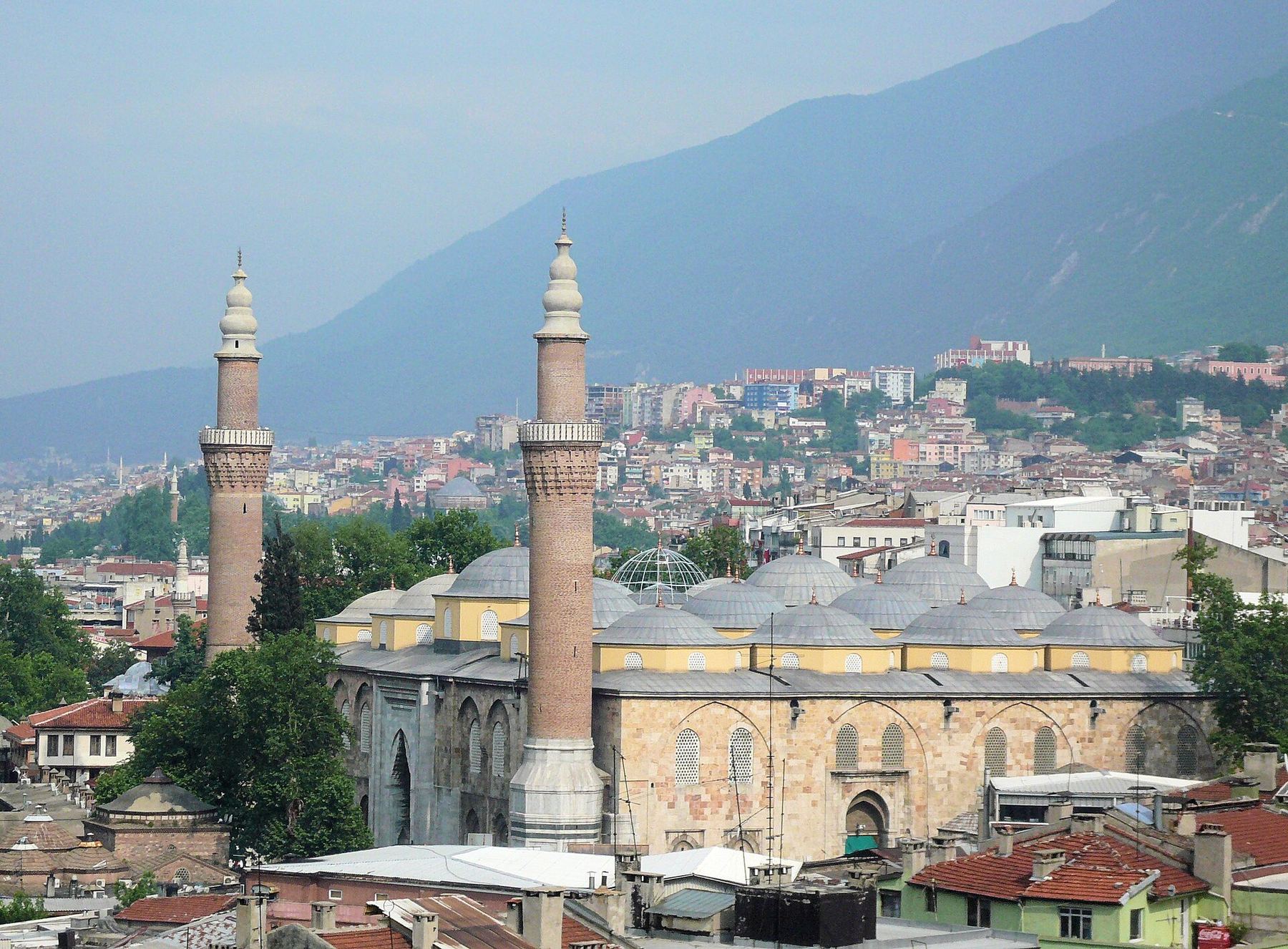
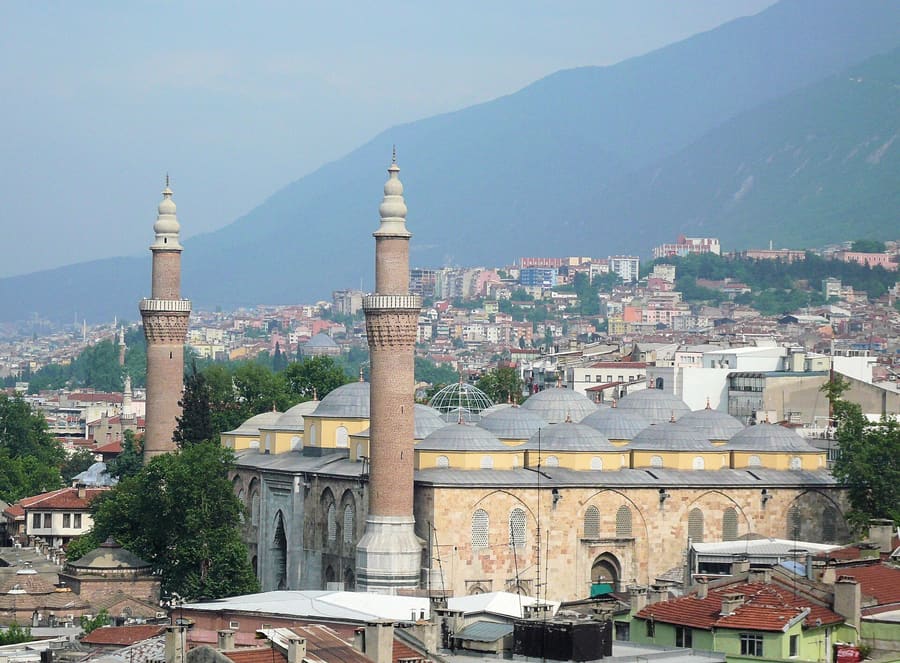
Ulu Cami
20-domed 14th-century mosque with an indoor fountain. Enter outside prayer times to inspect the massive calligraphic panels.
Chiedi a ParleyTurchia
Ottoman foundations, mountain slopes, and thermal springs.
introduction
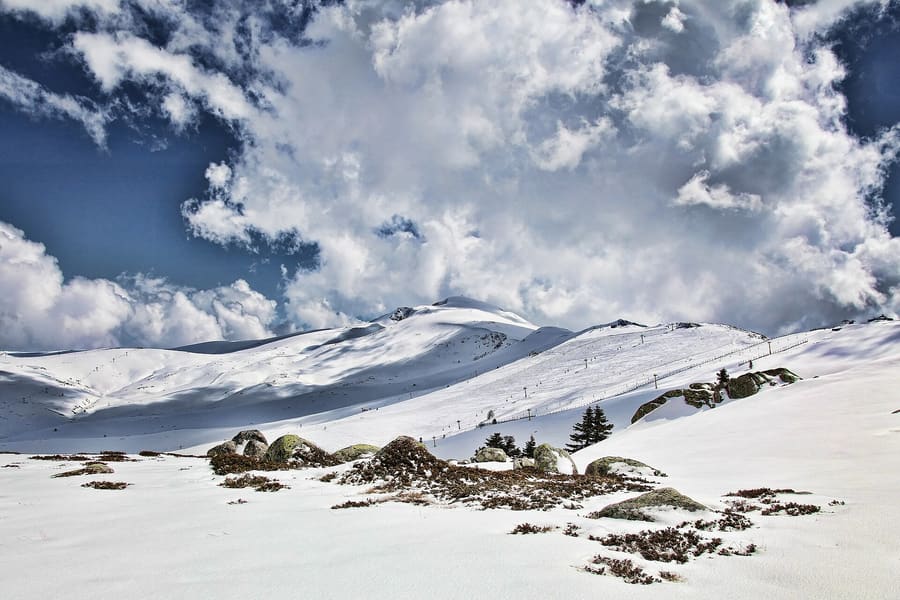
Bursa sits against the northern base of Mount Uludağ, acting as the first capital of the Ottoman Empire. You move through the city using the Bursaray light rail and streetcar network, though the historic core is easily walked on foot. Expect heavy traffic on east-west arterial roads and steep ascents whenever you head south toward the mountain.
Direct airport shuttle link
The BBBUS shuttle runs directly from Istanbul Sabiha Gökçen Airport (SAW) to Bursa Bus Terminal in two hours.
Early Ottoman UNESCO designation
The UNESCO site covers eight locations across Bursa and Cumalıkızık, marking early Ottoman urban development.
High-wind cable car delays
Uludağ cable car rides stop during high wind conditions; check weather forecasts before taking a taxi to Teferrüç station.
Bursa
Kartal Arikan · CC BY-SA 4.0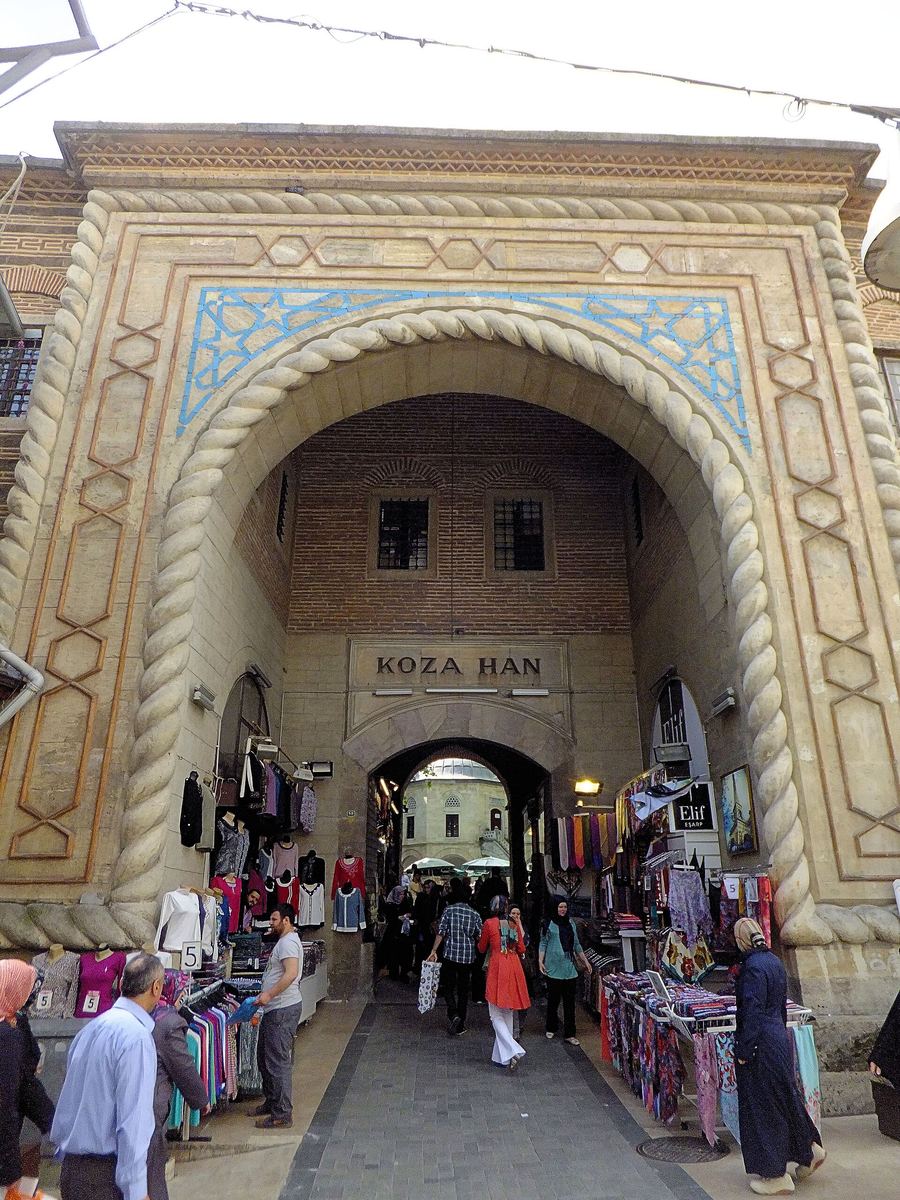
Hanlar Bölgesi — Densely packed historic market area dominated by vaulted bazaars and tea courtyards.
R Prazeres · CC BY-SA 4.0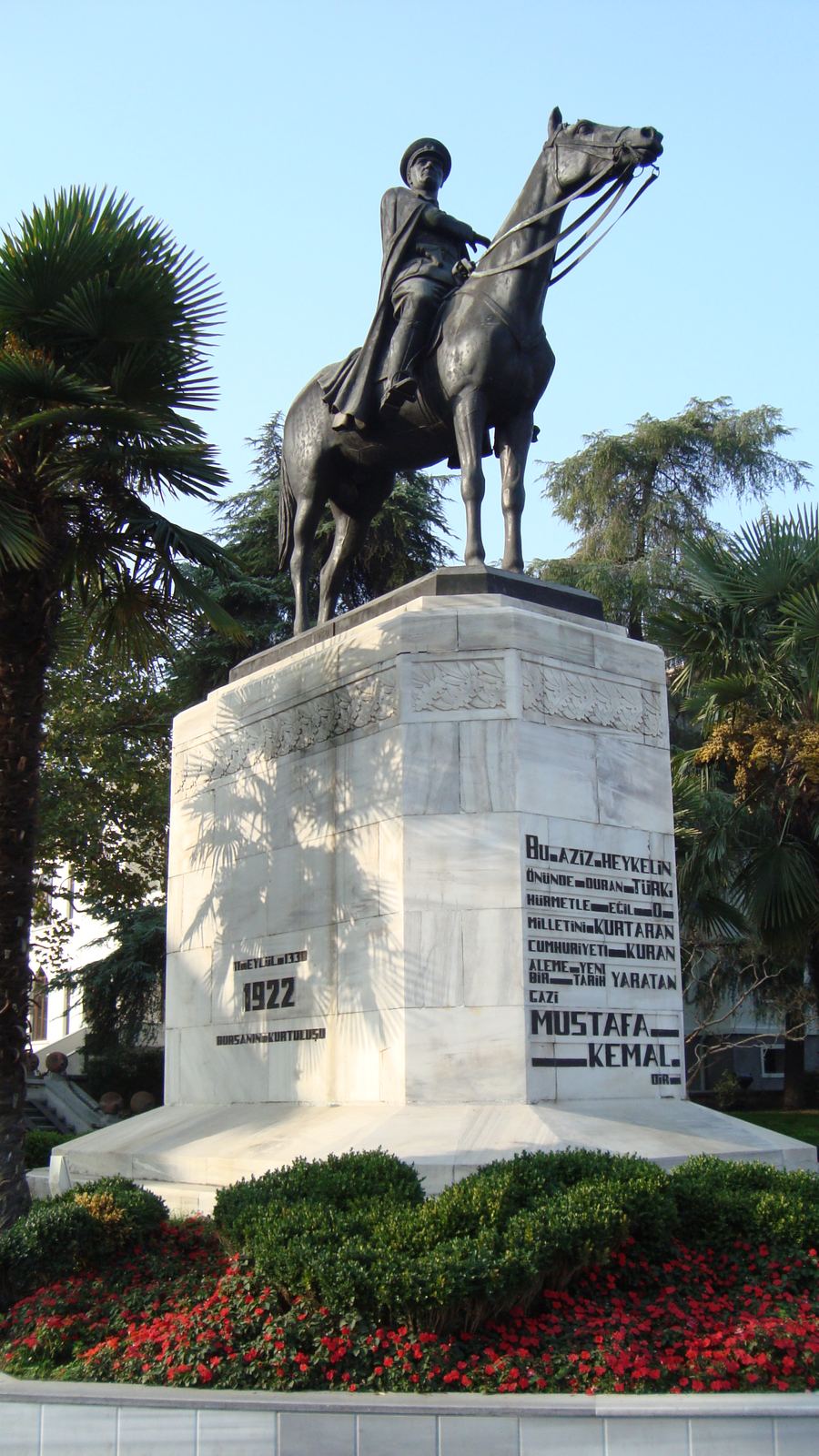
Heykel & Setbaşı — Civic heart with tree-lined avenues, municipal buildings, and traditional Iskender restaurants.
HALUK COMERTEL · CC BY 3.0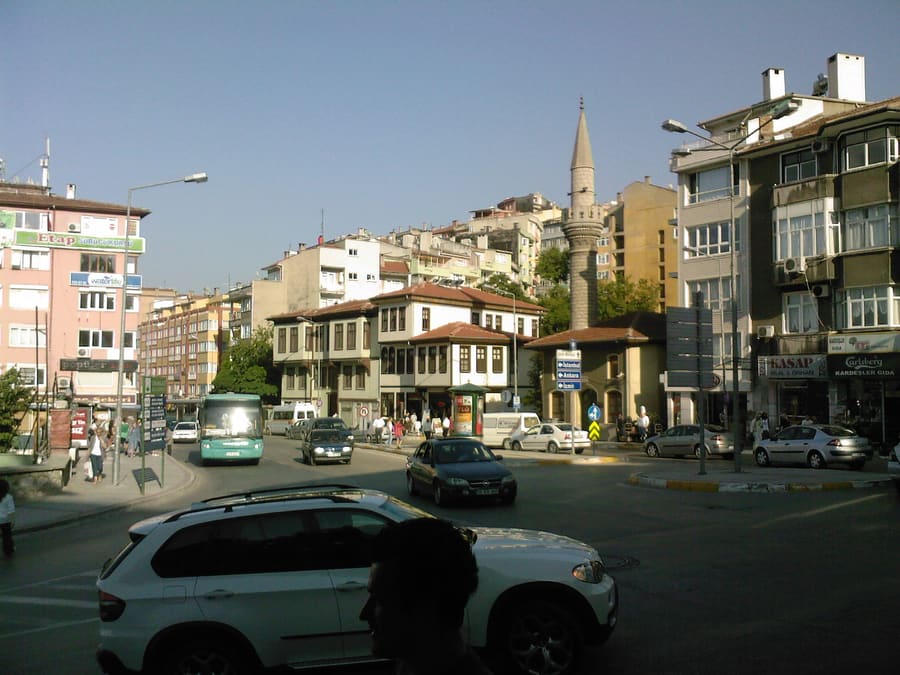
Çekirge — Leafy western hillside district famous for natural hot springs and historic bathhouses.
The original uploader was Tokerm at Turkish Wikipedia. · CC BY-SA 3.0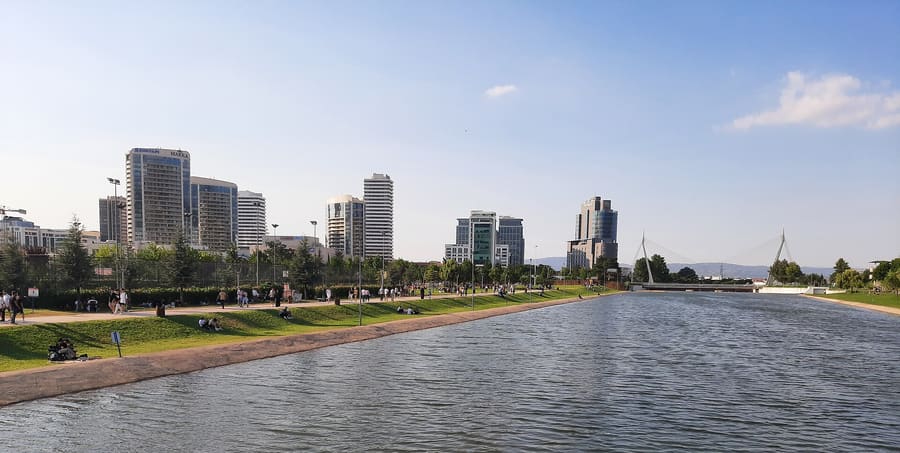
Nilüfer — Modern residential expansion featuring wide boulevards, craft bars, and contemporary cafes.
Metuboy · CC BY-SA 4.0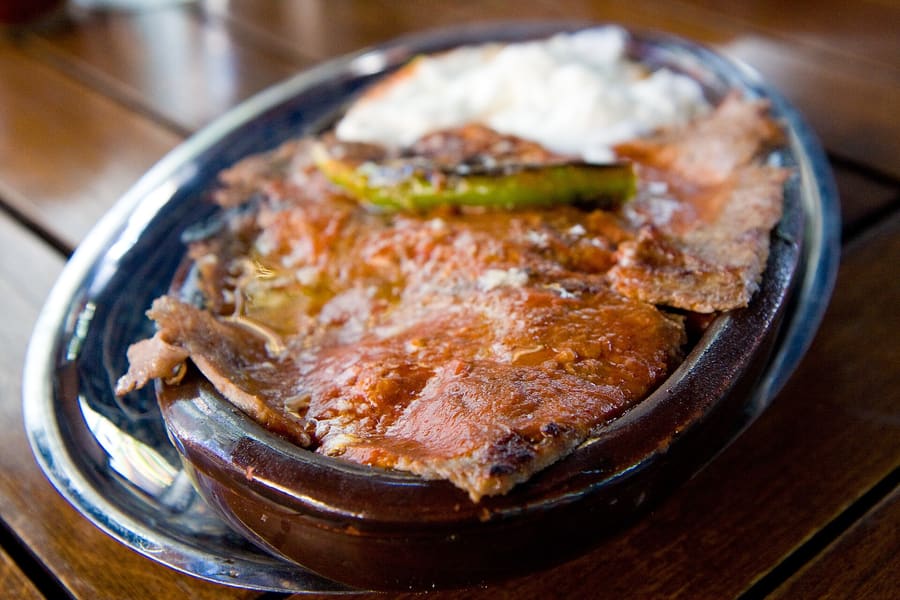
Freshly melted sheep-milk butter poured over Iskender kebap at a traditional Bursa lokanta.
Garrett Ziegler · CC BY-SA 4.0highlights
landmark
20-domed 14th-century mosque with an indoor fountain. Enter outside prayer times to inspect the massive calligraphic panels.
Chiedi a Parley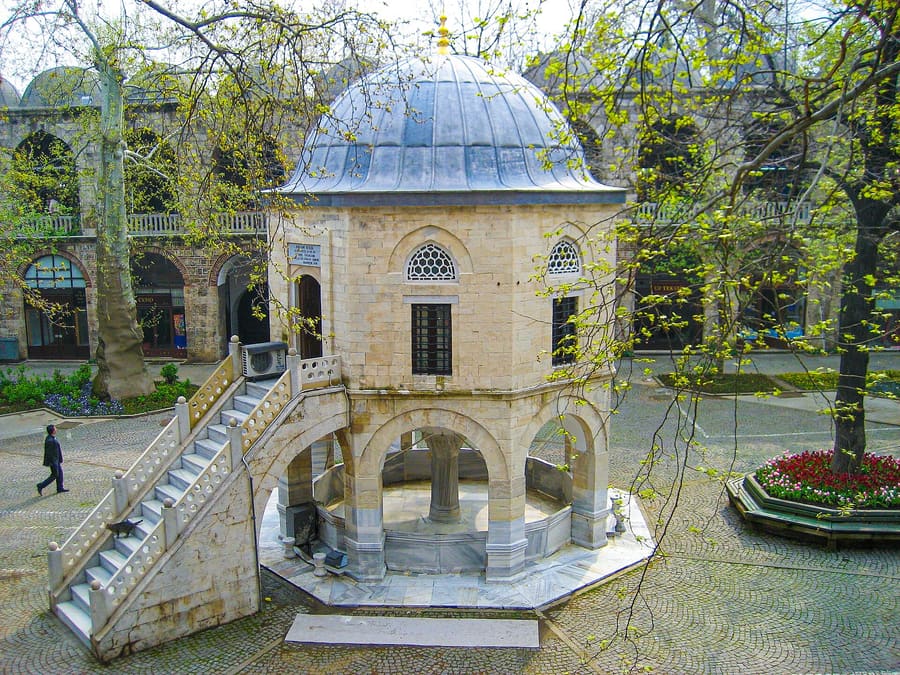
landmark
1491 silk courtyard market. Skip the lower courtyard cafes for quieter silk stalls on the second floor balcony.
Chiedi a Parley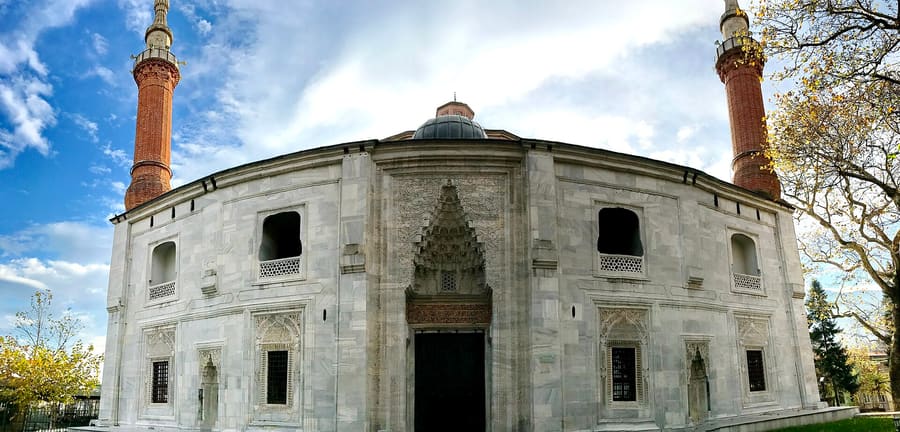
landmark
Tile-heavy early Ottoman complex built for Sultan Mehmed I. The tomb sits directly across the street on a raised hill.
Chiedi a Parley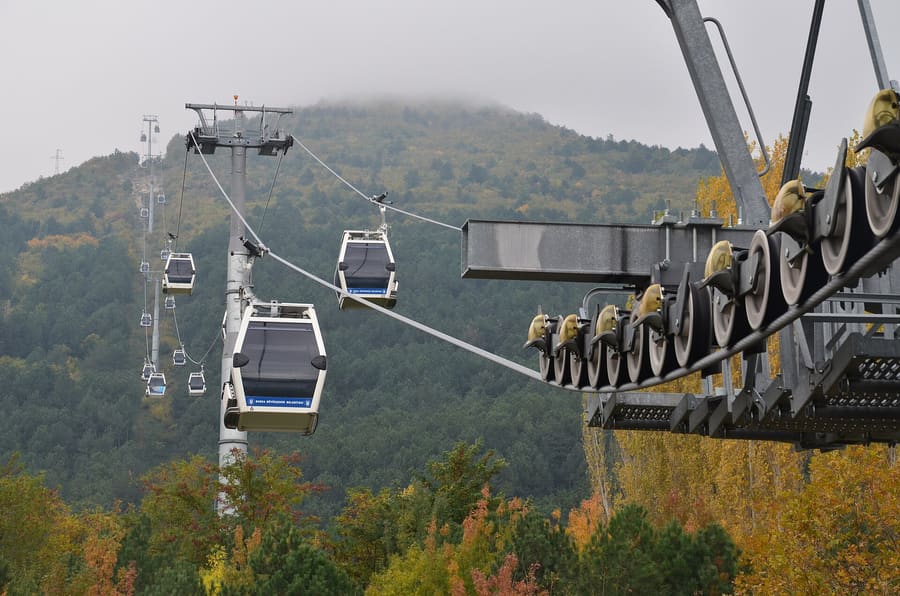
landmark
9-kilometer cable car system ascending Mount Uludağ. Buy tickets at Teferrüç base station to avoid third-party markups.
Chiedi a Parley
landmark
Burial place of Ottoman founders Osman and Orhan. Visit at top of the hour to catch the formal guard changing ceremony.
Chiedi a Parleyattractions
areas
Densely packed historic market area dominated by vaulted bazaars and tea courtyards.
Nei dintorniUlu Cami and Koza Han
Chiedi a ParleyCivic heart with tree-lined avenues, municipal buildings, and traditional Iskender restaurants.
Nei dintorniGreen Mosque and Irgandı Bridge
Chiedi a ParleyLeafy western hillside district famous for natural hot springs and historic bathhouses.
Nei dintorniKükürtlü mineral baths and Kültürpark
Chiedi a ParleyModern residential expansion featuring wide boulevards, craft bars, and contemporary cafes.
Nei dintorniFatih Sultan Mehmet Boulevard dining strip
Chiedi a Parleyfood
Bursa created Iskender kebap in 1867 at a small shop in the Kayhan Bazaar. The dish layers thinly sliced roasted lamb over pitas, topped with warm tomato sauce, browned butter, and sheep-milk yogurt. Local bakeries also specialize in cantık, a round, thick-crusted mini pizza topped with minced meat cooked in wood-fired stone ovens.
Freshly melted sheep-milk butter poured over Iskender kebap at a traditional Bursa lokanta.
Garrett Ziegler · CC BY-SA 4.0The original shop at Atatürk Cad No:125 takes no reservations; arrive by 11:30 to avoid an hour-long wait.
Kafkas shops sell candied chestnuts (kestane şekeri) boxed for travel; buy chocolate-covered ones for a shorter shelf life.
history
Bursa transformed from a Byzantine fortress town into the administrative cradle of the Ottoman dynasty. Its strategic position at the foot of Mount Uludağ provided timber, water, and defensive advantages that shaped early imperial architecture.
Fall of Prusa
Orhan Gazi captures the Byzantine city of Prusa, renaming it Bursa and making it the first Ottoman capital.
Ulu Cami Completed
Sultan Bayezid I finishes the Grand Mosque, establishing Bursa's distinct early Ottoman multi-domed architectural style.
Silk Trade Hub
Koza Han opens under Sultan Bayezid II, solidifying Bursa as the western terminal of the Silk Road.
The Great Earthquake
A massive 7.1 magnitude quake destroys much of the city, prompting extensive restoration of major monuments.
First Turkish Ski Resort
Mount Uludağ opens Turkey's first cable car and ski facilities, turning Bursa into a major winter resort.
where to stay
Choose your base depending on whether you prioritize historic sight walking or access to natural thermal bath facilities.
transport
Bursa runs a structured public transit network combining Bursaray light rail, one historic tram line along with modern streetcar lines, and yellow municipal buses. Taxis are abundant, but central traffic jams during evening rush hour make walking or trams faster.
Bursaray metro and yellow city buses require a BursaKart, which you can purchase at major station kiosks.
Two main light rail lines cross the city east to west, connecting Nilüfer in the west to Kestel in the east.
Shared dolmuş taxis operate fixed routes along major avenues; pay exact cash directly to the driver upon entering.
cost
Bursa is less expensive than Istanbul for dining and lodging, though tourist-heavy thermal spas and mountain cable cars carry premium rates.
Standard single portion at central historic restaurants including yogurt and butter.
Single-use card or BursaKart tap on Bursaray metro lines and city buses.
Entry ticket for traditional public thermal spring baths in Çekirge.
seasonality
MAR – MAY
Spring brings mild temperatures around 18°C. Ideal for walking the Hanlar bazaar district.
JUN – AUG
Hot and humid with temperatures exceeding 32°C. Escape the valley heat by riding the cable car up Uludağ.
SEP – NOV
Crisp autumn air makes hiking on Mount Uludağ pleasant before winter snows start.
DEC – FEB
Peak ski season on Uludağ. Snow covers mountain tracks while downtown stays chilly and rainy.
practicalities
Cover shoulders and knees before entering active mosques like Ulu Cami; women must wear a head covering.
Small silk merchants inside Koza Han and antique sellers accept credit cards, but food stalls prefer cash.
Ulu Cami restricts tourist access during the five daily prayer times for 30 minutes each.
Thermal waters in Çekirge emerge naturally around 45°C; pace your bath stay to 20-minute sessions.
Tap water is heavily chlorinated; stick to bottled mineral water available everywhere for cheap.