landmark
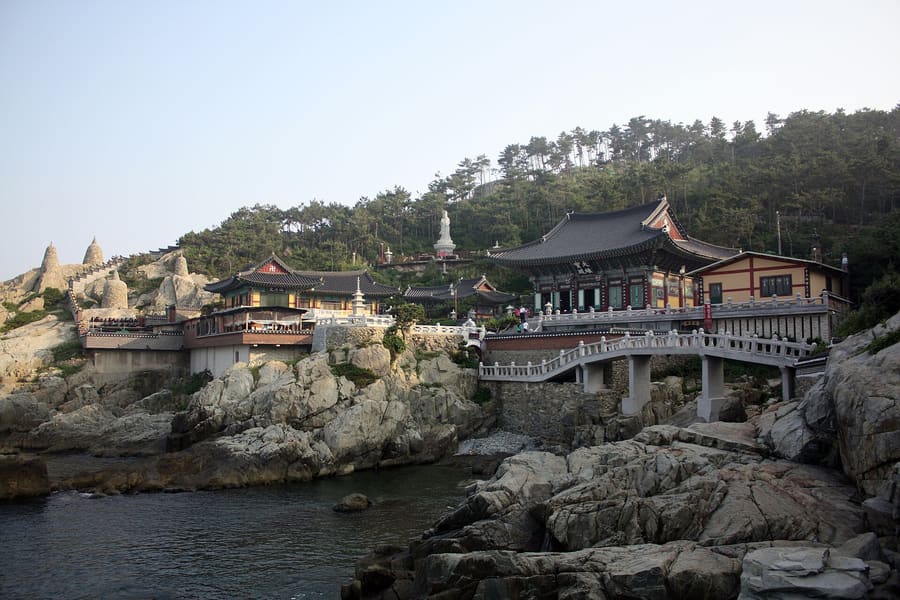
Haedong Yonggungsa
A rare 14th-century seaside Buddhist temple built into granite cliffs. Arrive at 08:00 to visit before tour buses crowd the narrow rock paths.
Chiedi a ParleyCorea del Sud
Korea's ocean-facing engine of seafood, ports, and beaches.
introduction
Busan is a linear coastal metropolis stretched between steep mountains and the East Sea. You navigate it along two major subway lines and the Haeundae Beach Train rather than across a compact center. Expect raw seafood markets, steep hillside staircases, and distinct beach districts separated by rocky headlands. Staying near a metro station matters more than staying in a geographic center.
Busan
User:Altostratus · CC BY-SA 4.0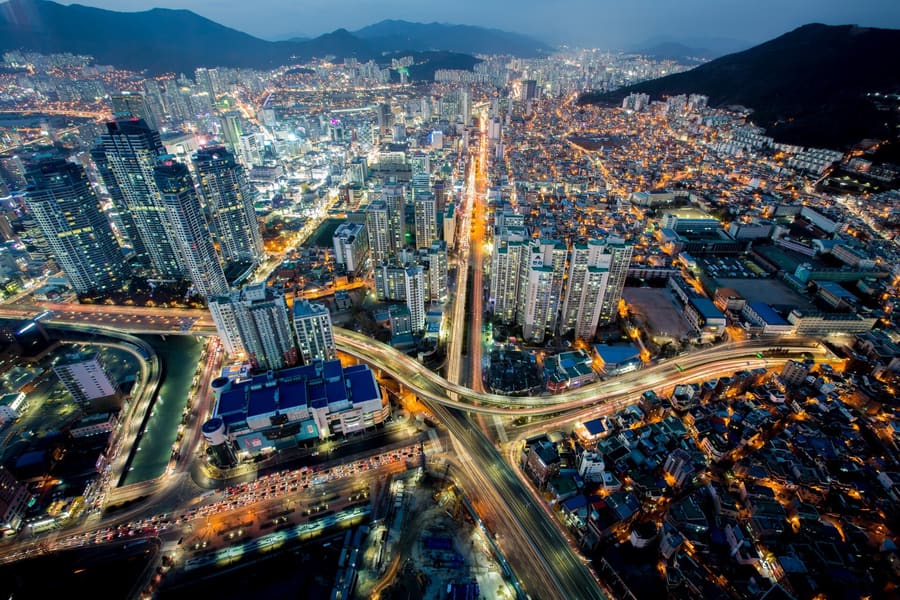
Seomyeon — Central transit node filled with neon alleys, underground shopping malls, and late-night pork soup joints.
sevenmile · CC BY-SA 4.0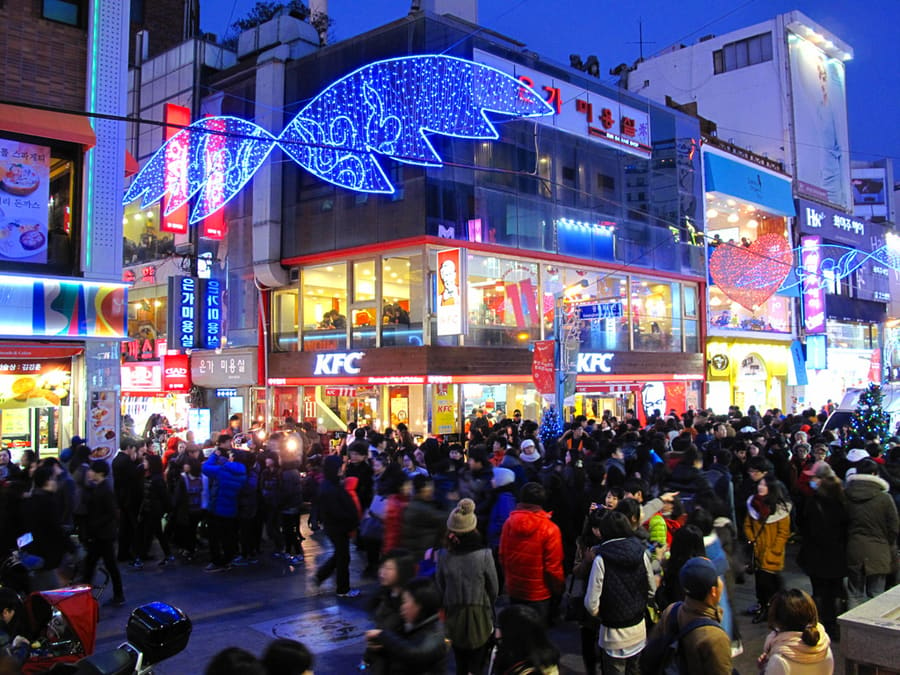
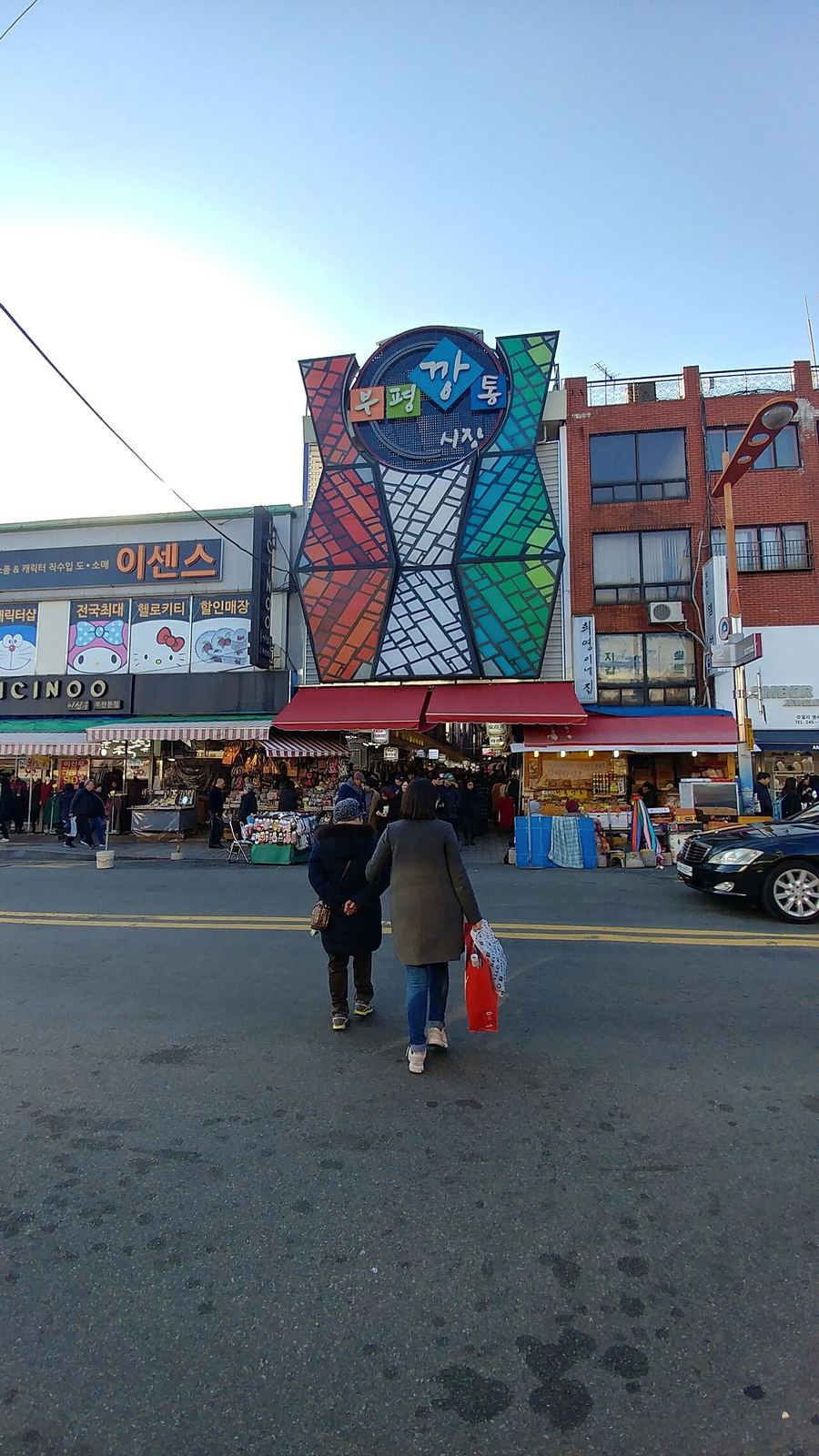
Nampo-dong — Historic port hub packed with traditional markets, street food stalls, and ocean pier walkways.
Ken Eckert · CC BY-SA 4.0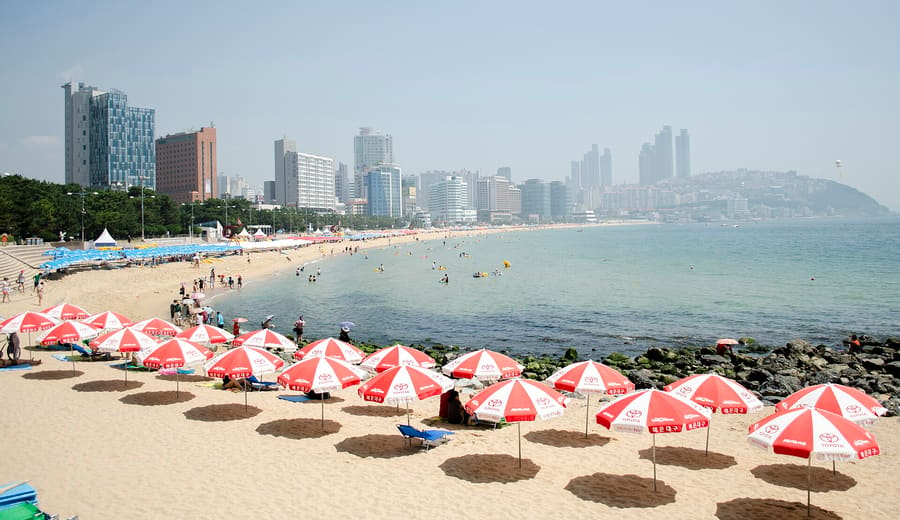
Haeundae — Polished beachfront district featuring luxury towers, sea walks, and high-end dining options.
StephNurnberg · CC BY 2.0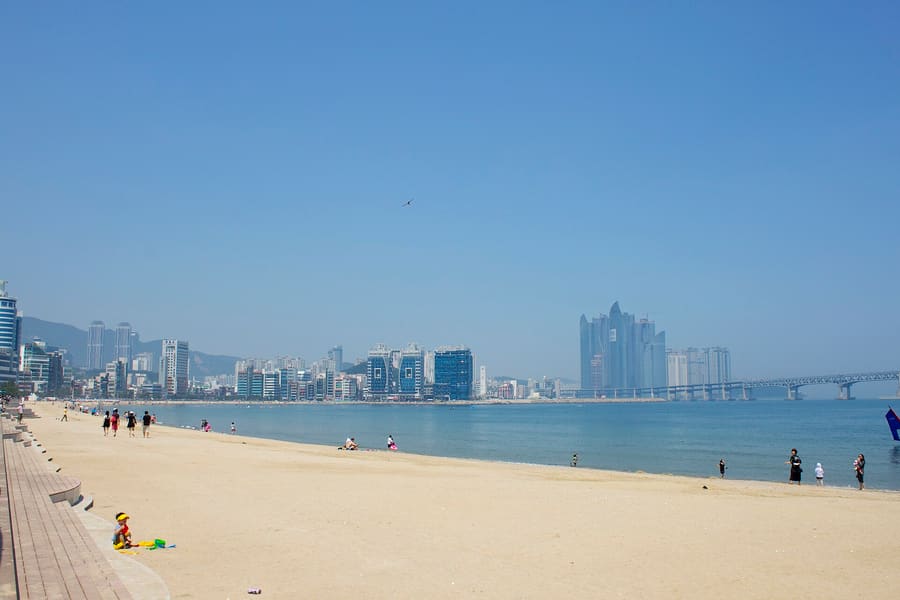
Gwangalli — Relaxed coastal strip known for craft beer bars, coffee shops, and direct bridge light views.
Chelsea Hicks · CC BY 2.0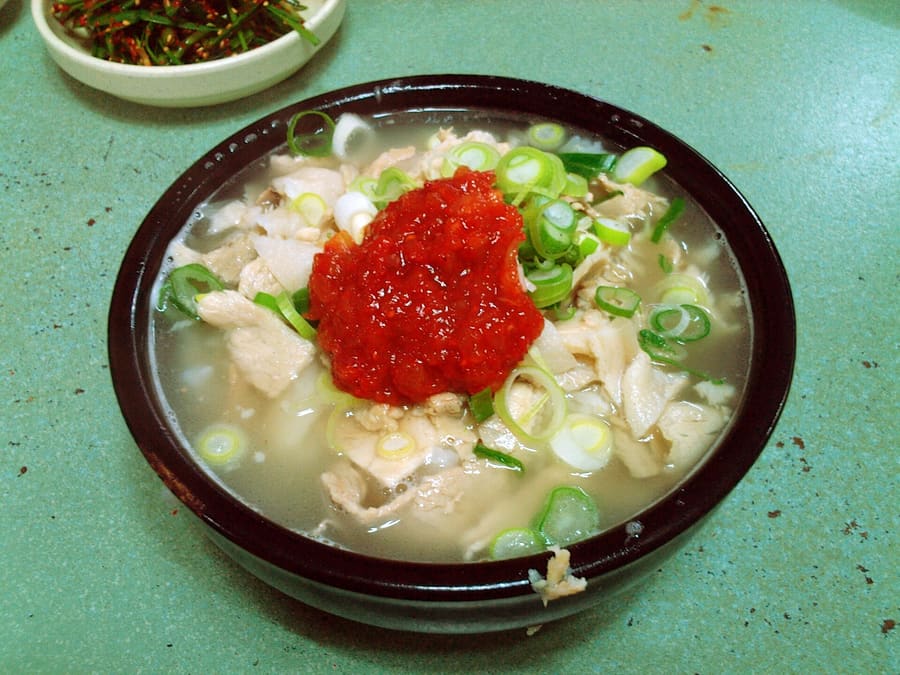
Dwaeji gukbap served with salted shrimp, chives, and steamed pork slices.
Leefect · CC BY-SA 3.0highlights
landmark
A rare 14th-century seaside Buddhist temple built into granite cliffs. Arrive at 08:00 to visit before tour buses crowd the narrow rock paths.
Chiedi a Parley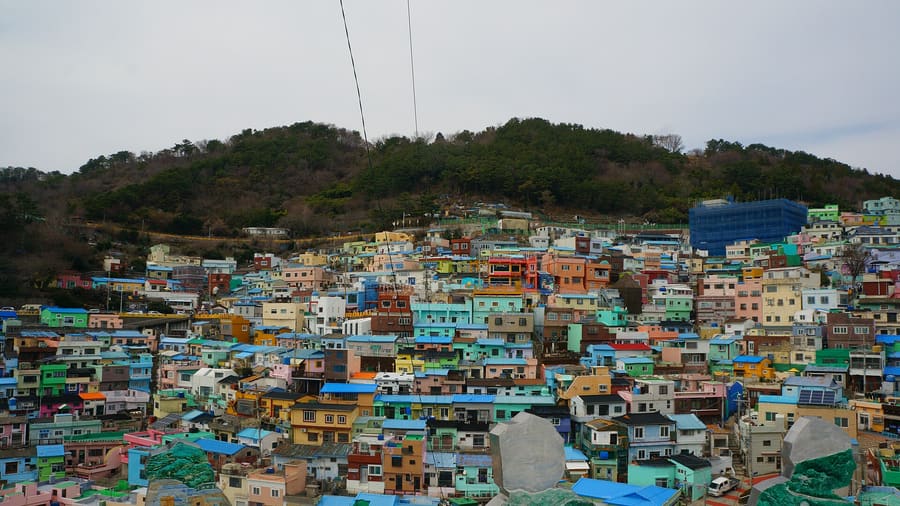
neighborhood
A hillside refuge built by Korean War refugees now painted in pastel shades. Wear shoes with good traction for the steep stairways.
Chiedi a Parley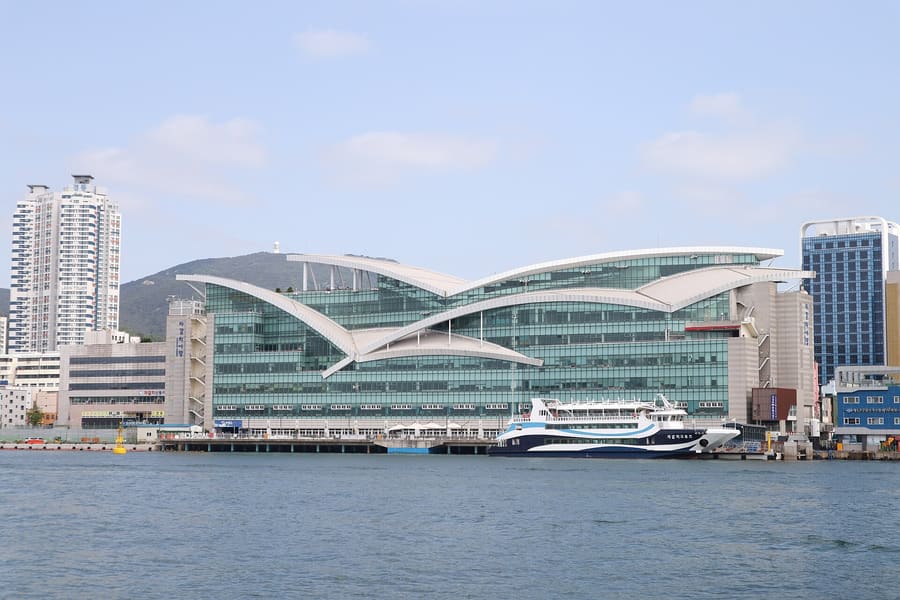
landmark
Korea's largest seafood market staffed by seasoned women vendors. Select live fish on the first floor and pay a small preparation fee upstairs.
Chiedi a Parley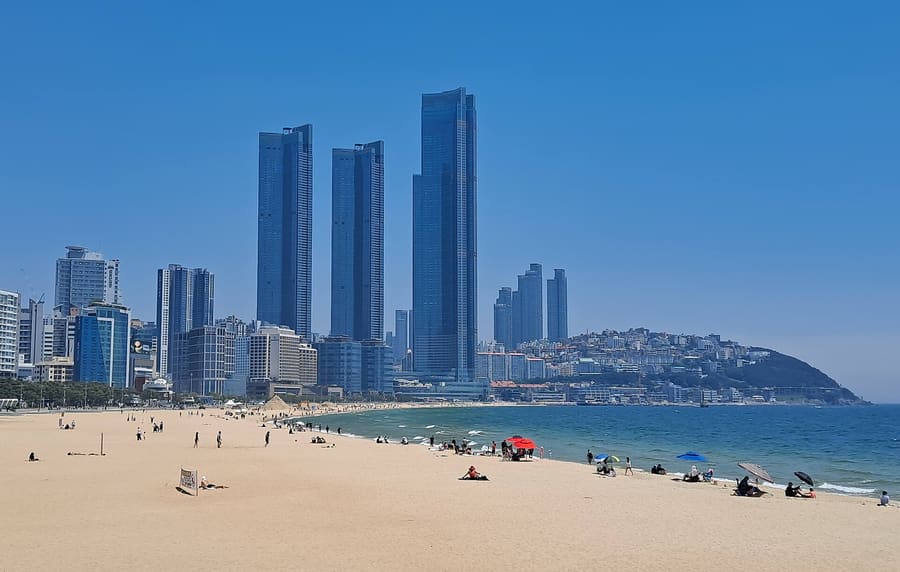
beach
A two-kilometer sand shoreline lined with skyscrapers and high-end hotels. Summer swimming zones close strictly at 18:00 every evening.
Chiedi a Parley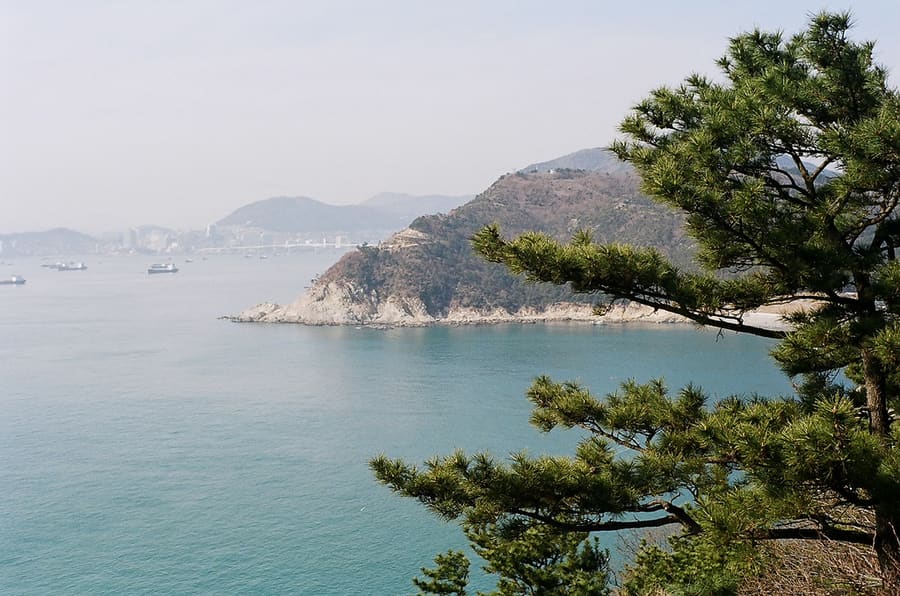
landmark
A wooded coastal park featuring dramatic white cliffs and a functioning lighthouse. Walk the outer loop on foot instead of waiting for the train.
Chiedi a Parley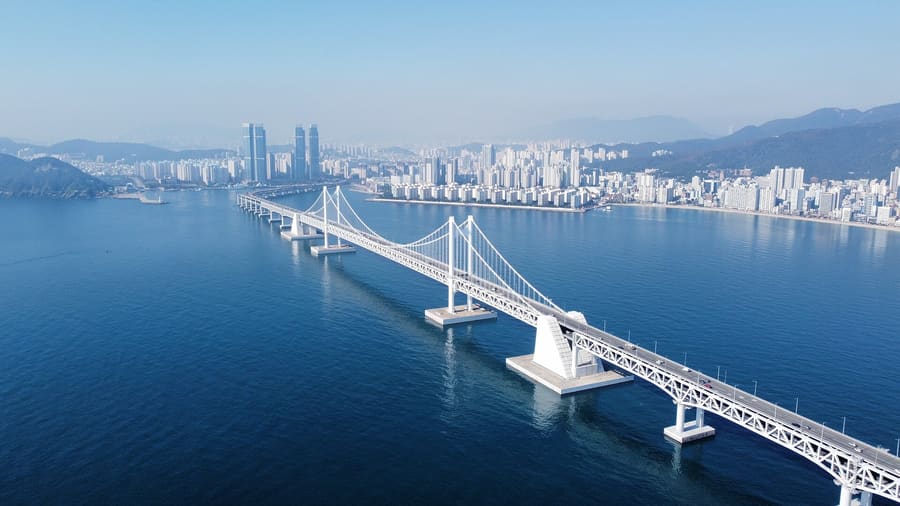
landmark
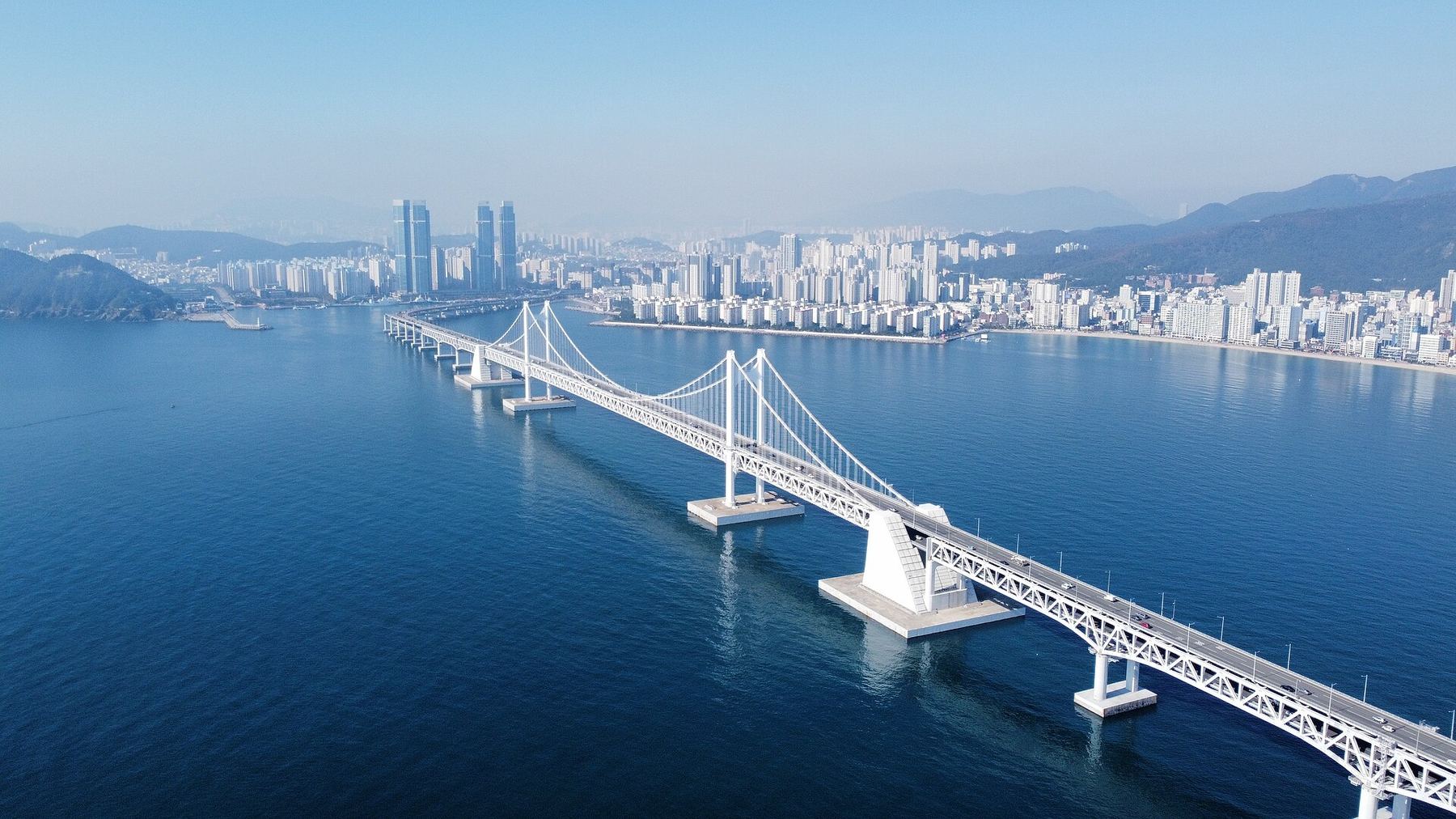
A double-decker suspension bridge spanning 7.4 kilometers across the bay. Watch the nightly LED light show from Gwangalli Beach sand.
Chiedi a Parleyattractions
areas
Central transit node filled with neon alleys, underground shopping malls, and late-night pork soup joints.
Nei dintorniSubway lines 1 and 2 exchange
Chiedi a ParleyHistoric port hub packed with traditional markets, street food stalls, and ocean pier walkways.
Nei dintorniJagalchi Market and Yongdusan Park
Chiedi a ParleyPolished beachfront district featuring luxury towers, sea walks, and high-end dining options.
Nei dintorniHaeundae Beach and Dongbaek Island
Chiedi a ParleyRelaxed coastal strip known for craft beer bars, coffee shops, and direct bridge light views.
Nei dintorniGwangan Beach and Millak Waterfront Park
Chiedi a Parleyfood
Busan's food scene reflects its wartime history and ocean geography. Korean War refugees created dishes using imported wheat rations and available pork bones. Today, broth houses and raw fish stalls form the core of local dining.
Dwaeji gukbap served with salted shrimp, chives, and steamed pork slices.
Leefect · CC BY-SA 3.0Simmered pork bone soup served with rice, fresh chives, and salted shrimp paste. Add the shrimp paste to season the broth at your table.
Cold wheat noodles served in icy broth or spicy red sauce. Born during the Korean War when buckwheat was scarce, it remains a summer staple.
Select live flounder or seabream from ground floor tanks. Upstairs dining halls slice your fish and serve it with side dishes for a fixed cover fee.
Tasting stalls open at 19:30 serving seed hotteok, spicy glass noodles, and fishcakes. Carry small cash notes or Korean bank transfer apps.
history
Busan developed as a key gateway port facing Japan before transforming into South Korea's wartime sanctuary. During the Korean War, it served as the temporary capital while millions of refugees settled on its hillsides. That rapid growth defined the city's modern layout and food culture.
Port opening
Busan Port opened to foreign trade, accelerating infrastructure growth and maritime connection with Japan.
Wartime capital
Busan became the provisional capital during the Korean War, sheltering hundreds of thousands of fleeing citizens.
Direct control city
Busan separated from Gyeongsangnam-do to become a direct-controlled municipality, expanding its port infrastructure.
where to stay
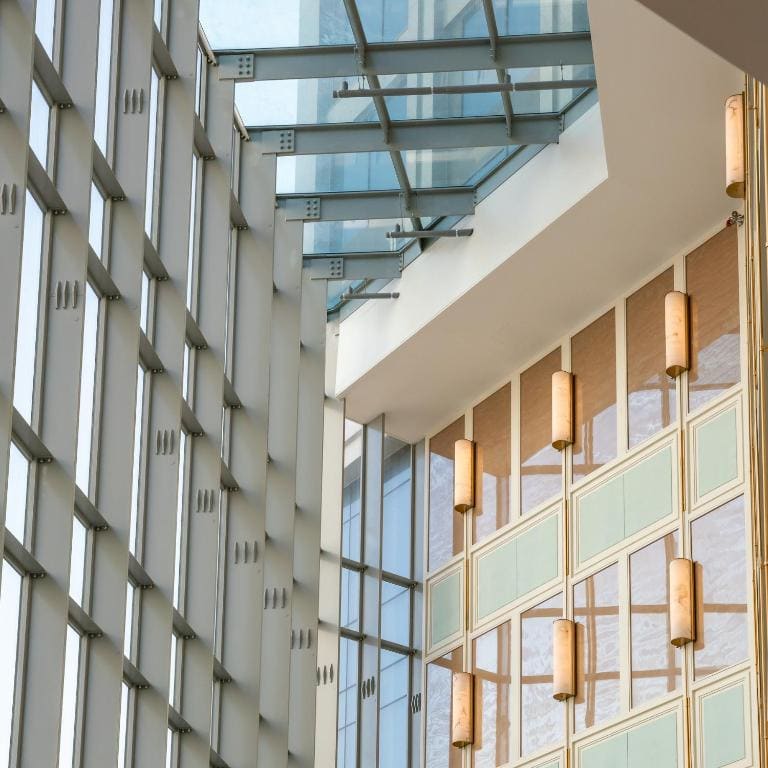
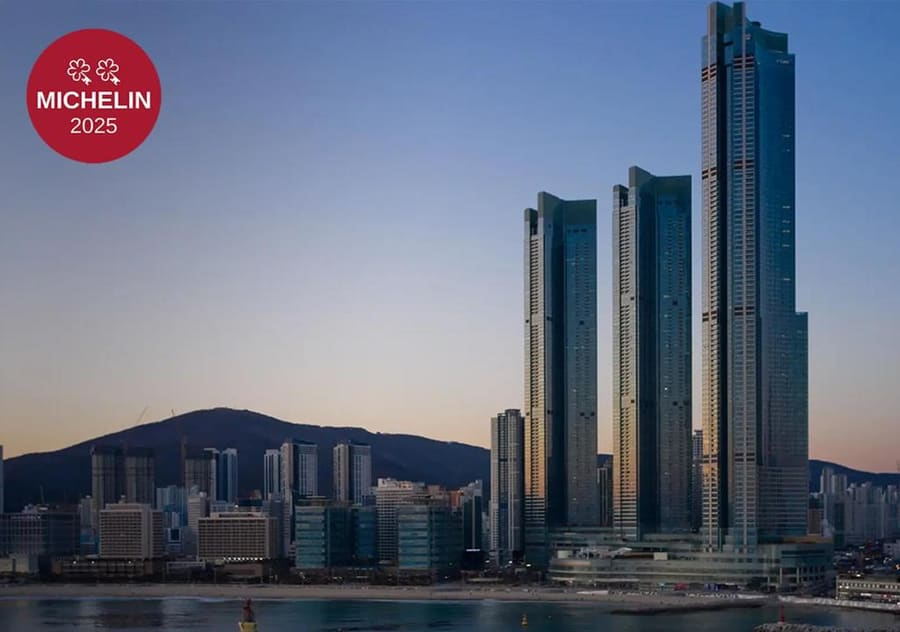
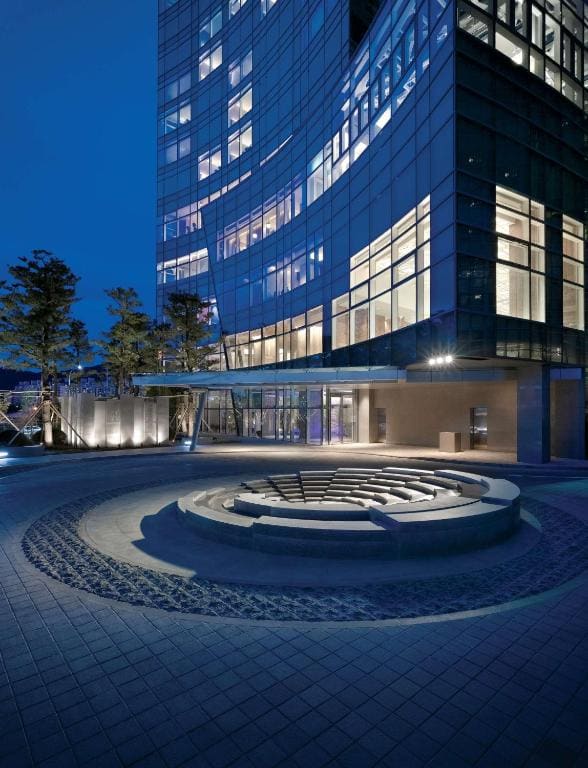
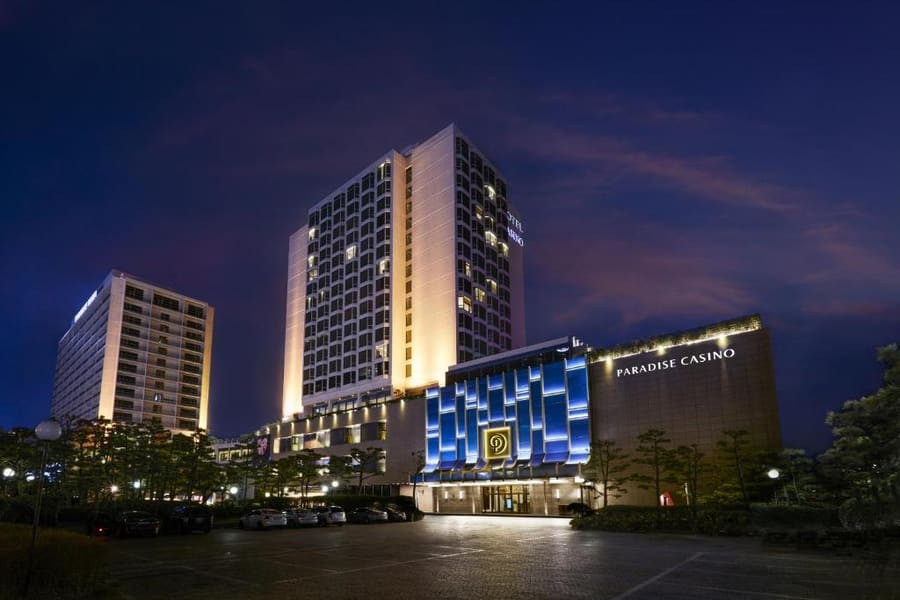
Choose your neighbourhood by your transit plans and preferred wake-up view. Seomyeon offers central subway access for aggressive sightseeing itineraries. Haeundae provides resort luxury and ocean air at the cost of longer travel times to historic sites.
Live rates, matched to the areas above.
transport
Busan stretches over 30 kilometers east to west. Metro lines 1 and 2 carry most visitors efficiently. Buses cover hill settlements, while the Donghae suburban rail line connects eastern coastal spots.
Da Gimhae International Airport (PUS)
Light Rail to Sasang Station, then Metro Line 2 to Haeundae or Seomyeon.
Standard sedan taxi to Seomyeon. Late-night surcharge applies after 23:00.
City bus 307 connects directly to Haeundae Beach.
Rechargeable transit cards work across all subways, city buses, and taxis. Purchase them at any convenience store.
Line 1 connects Busan Station, Nampo, and Jagalchi. Line 2 serves Seomyeon, Gwangalli, and Haeundae.
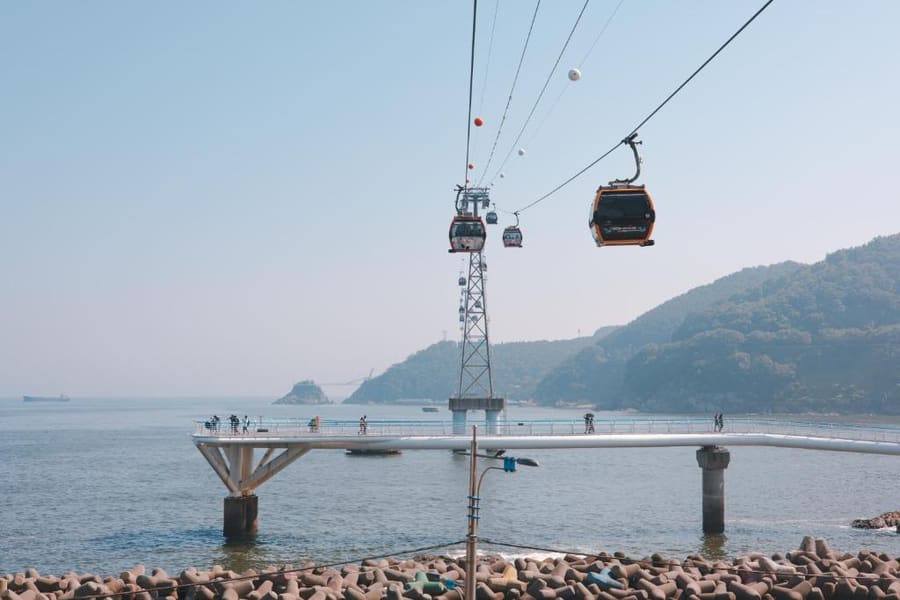
A scenic tourist coastal train running along abandoned tracks between Mipo and Songjeong.
Silver and white taxis are standard meter cabs. Black deluxe cabs charge roughly double for premium vehicles.
cost
Busan is generally slightly cheaper than Seoul for dining and local transport. Hotel pricing fluctuates heavily between summer beach weekends and weekday winter off-seasons.
A hearty bowl of pork broth served with rice and side dishes.
Single-zone metro journey using a rechargeable transit card.
One-way ticket on the Haeundae Blueline Park train.
Fresh sliced fish set at Jagalchi Market including side dishes and soup.
seasonality
MAR – MAY
Mild temperatures and cherry blossoms along coastal roads. Great for walking without peak summer humidity.
JUN – AUG
Peak beach season with heavy crowds and high hotel rates. Typhoons can bring heavy rainfall in late July.
SEP – NOV
Clear skies and comfortable sea temperatures. Autumn foliage appears in surrounding mountain trails.
DEC – FEB
Cold winds from the sea, but clear dry days. Hotel prices hit low season baseline rates.
practicalities
Google Maps lacks walking directions in South Korea. Download Naver Map or KakaoMap for reliable transit routes.
Public garbage bins are uncommon in streets. Carry trash in a plastic bag until returning to your hotel or metro station.
Traditional markets like Jagalchi close on the first and third Tuesday of each month.
Swimming at public beaches is monitored by lifeguards and only allowed between June and August.