landmark
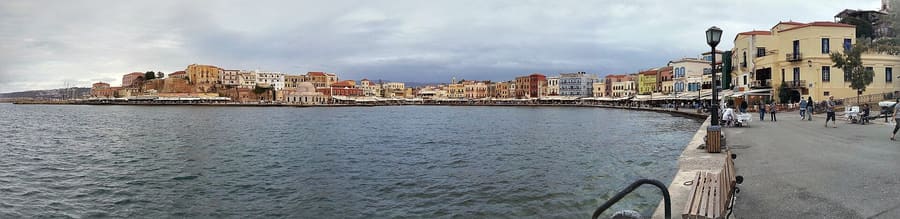
Venetian Harbour
Four centuries of Venetian naval engineering frame the port. Eat away from the water edge where quality improves and prices drop.
Chiedi a ParleyGrecia
Venetian harbor walls, Cretan tavernas, and Ottoman layers.
introduction
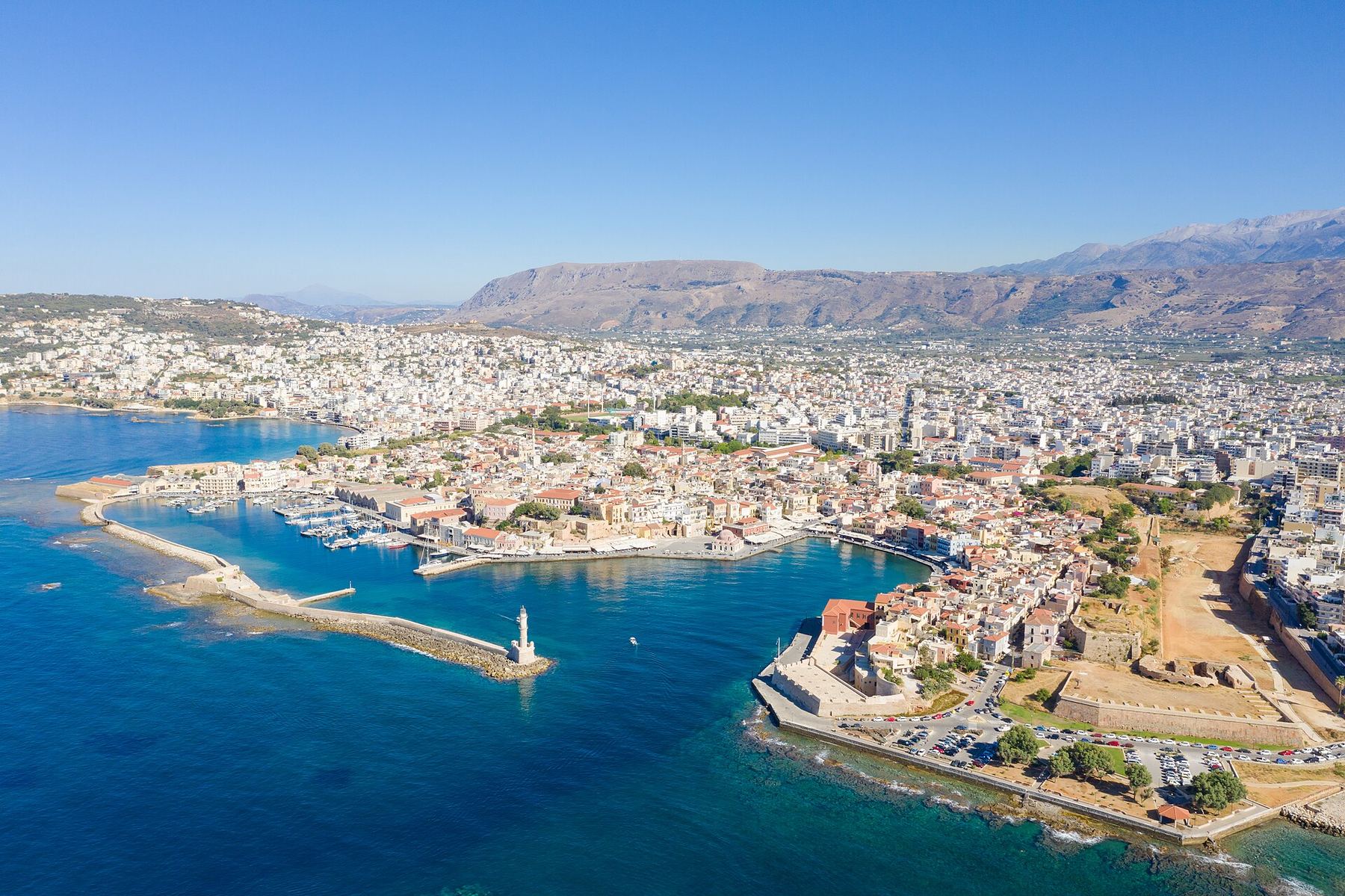
Chania Town sits on Crete's northwest coast, built around a curved Venetian harbor. Walk ten minutes inland and the stone alleys of the Old Town give way to modern Greek neighborhood life. The city rewards pedestrians who ignore rigid itineraries and follow the defensive sea walls. Expect heavy foot traffic along the waterfront at sunset and quiet residential streets three blocks back.
Old Town preservation
The Old Town is a protected historic settlement where motorized traffic is restricted inside the Venetian walls. You must walk your luggage over cobblestones.
Dining schedule
Restaurants along the harbor front charge higher prices for location. Walk two streets back into Splantzia for traditional Cretan tavernas serving local families.
highlights
landmark
Four centuries of Venetian naval engineering frame the port. Eat away from the water edge where quality improves and prices drop.
Chiedi a Parley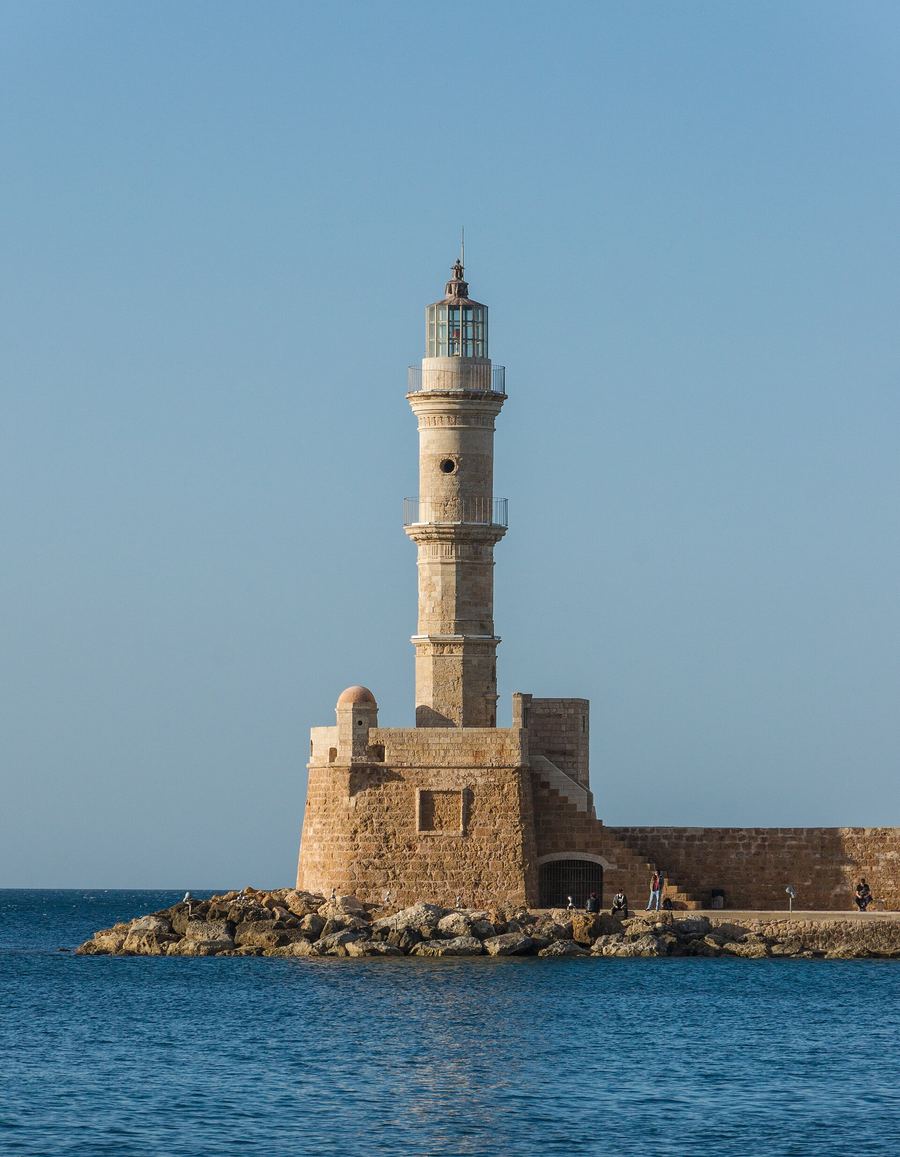
landmark
Egyptian forces restored this Venetian stone beacon in the 1830s. Walk the narrow breakwater at dawn to avoid afternoon heat.
Chiedi a Parley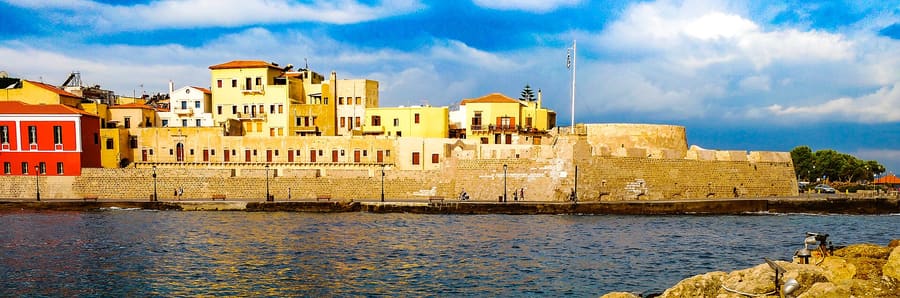
landmark
This 1615 Venetian stronghold guarded the port entrance. Visit the Maritime Museum inside for Cretan naval history and ship models.
Chiedi a Parley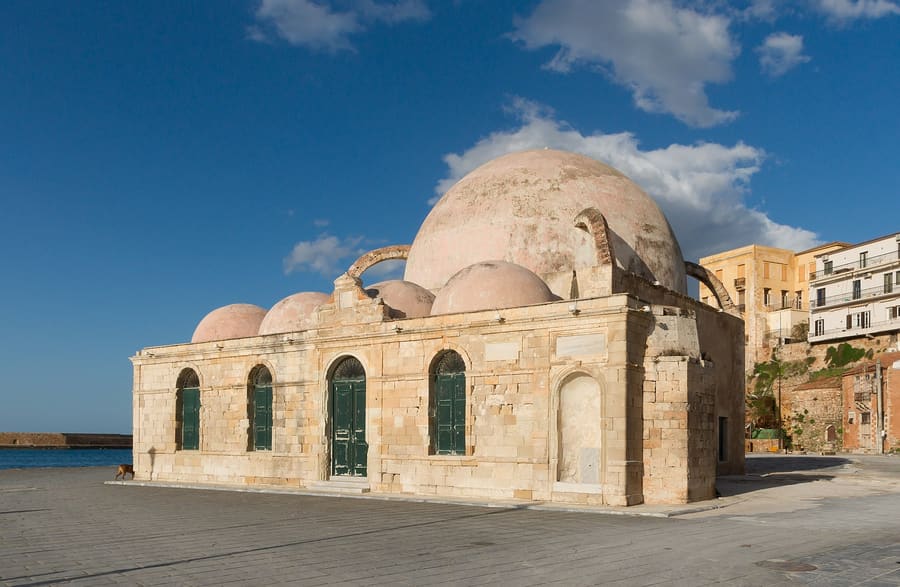
landmark
Built by Ottoman rulers in 1645, this domed landmark now hosts art exhibitions. Step inside when the iron doors stand open.
Chiedi a Parley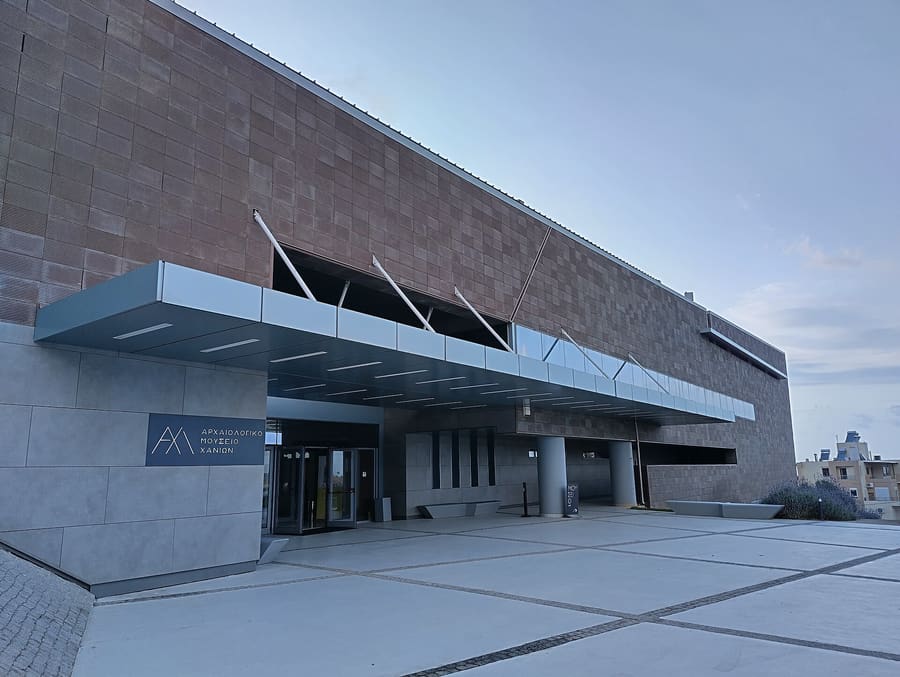
landmark
Housed in a modern building in Halepa, this collection spans Minoan artifacts to Roman mosaics. Take city bus 11 from 1866 Square.
Chiedi a Parleyattractions
areas
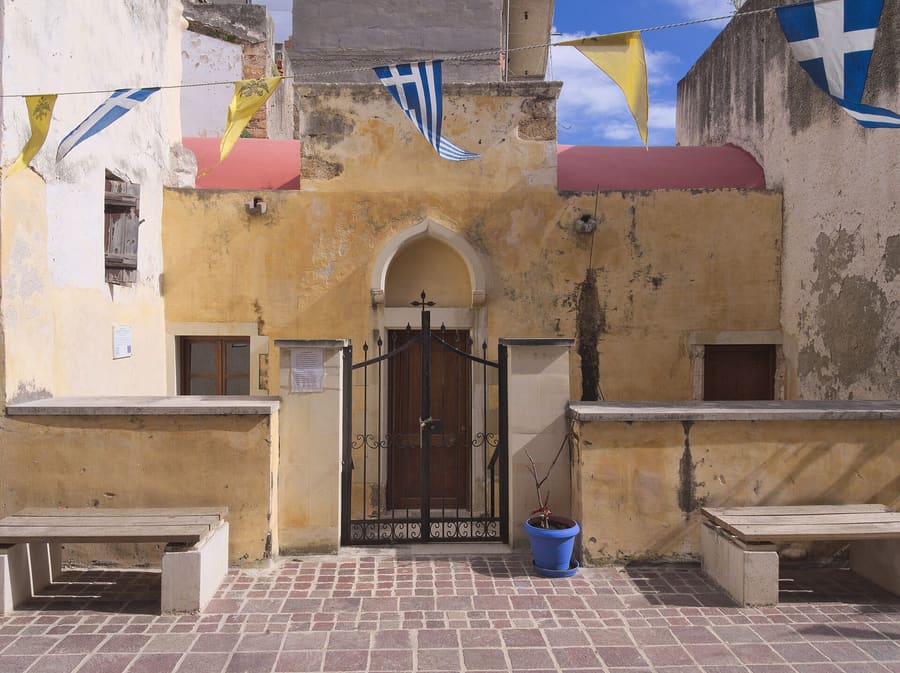
Former Ottoman quarter with shady squares, local tavernas, and quiet leafy alleys.
Nei dintorniAgios Nikolaos Church and central market area
Chiedi a Parley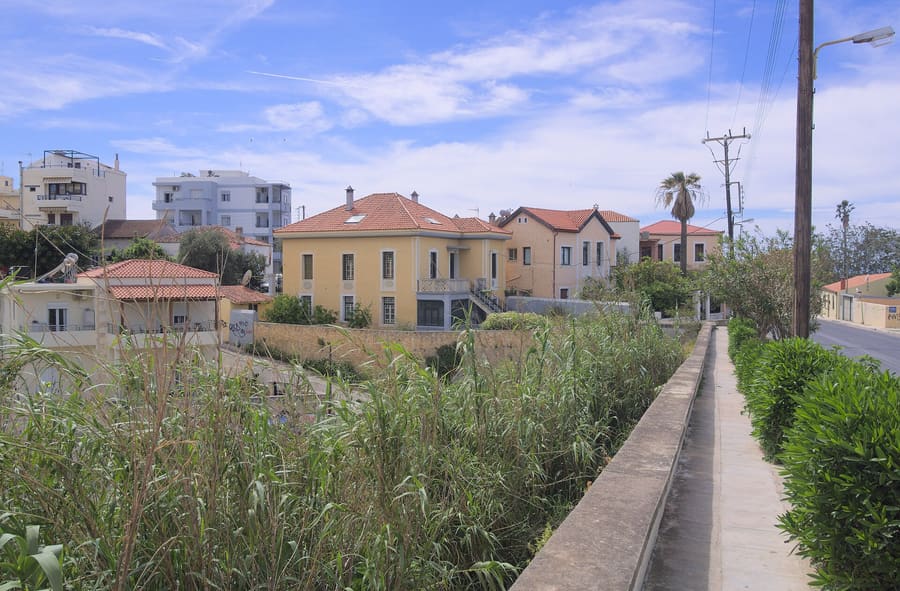
Nineteenth-century diplomatic quarter with neoclassical mansions and former tanneries.
Nei dintorniArchaeological Museum and Tabakaria
Chiedi a ParleyNarrow cobblestone lanes, restored Venetian townhouses, and quiet boutique courtyards.
Nei dintorniFirka Fortress and western harbor wall
Chiedi a ParleyCoastal promenade outside eastern walls, frequented by students and local residents.
Nei dintorniVenetian walls and Koum Kapi beach
Chiedi a Parleyfood
Cretan cuisine relies on wild greens, sheep cheese, olive oil, and slow cooking. Chania Town preserves specific dishes you rarely find in mainland Greece. Order dakos — dried barley rusks topped with crushed tomato, myzithra cheese, and local extra virgin olive oil.Try kalitsounia, small hand pies filled with wild herbs or fresh cheese, baked or light-fried daily. For dinner, ask for boureki, a baked casserole of sliced zucchini, potatoes, soft myzithra cheese, and mint.
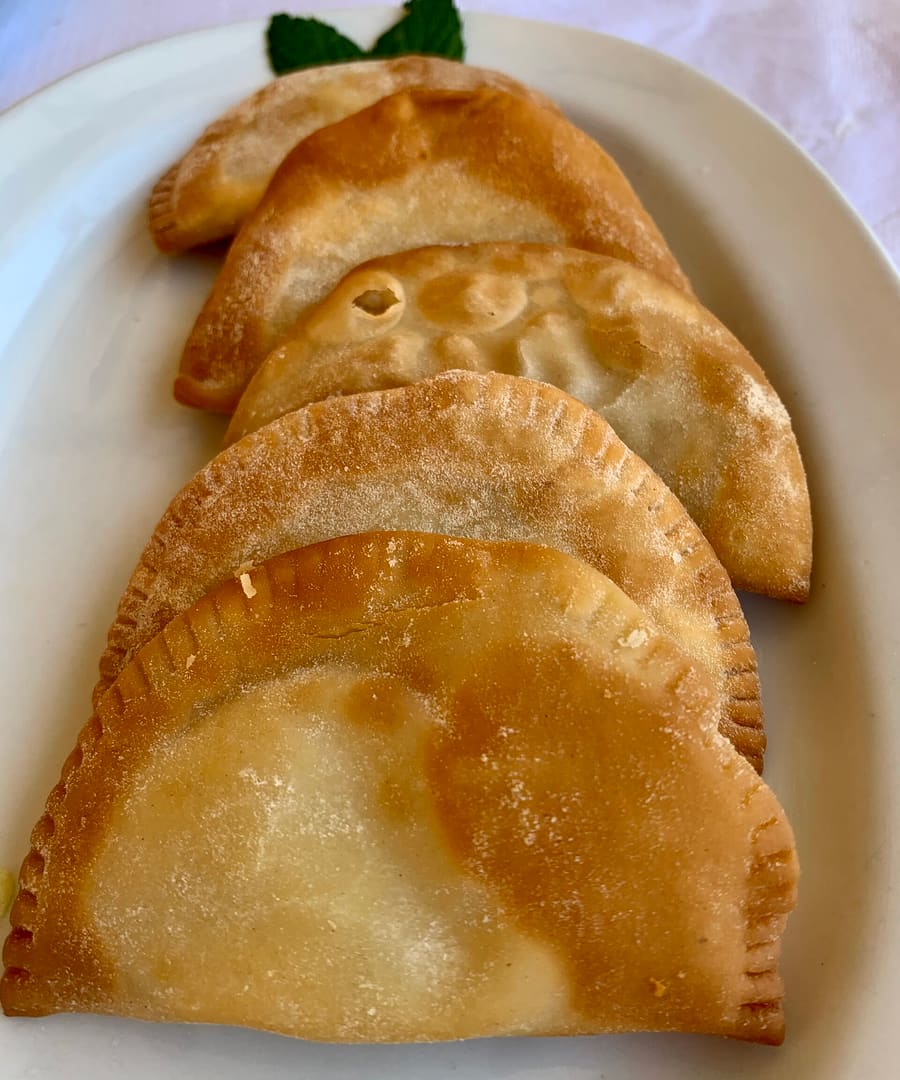
Freshly baked kalitsounia pastries served at a local baker.
Benoît Prieur · CC0Tavernas present a complimentary carafe of tsikoudia (raki) with fruit or dessert at the end of every meal. Do not refuse it.
Local bakeries produce hot kalitsounia by 08:00. Buy them early before afternoon batches cool down.
Tavernas tucked two streets back in Splantzia offer honest Cretan dishes like slow-roasted goat at fair local prices.
history
Chania occupies the site of ancient Cydonia, an important Minoan settlement. The city took its modern layout under Venetian rule, which constructed defensive walls and naval dockyards. Ottoman rule reshaped the skyline, adding minarets and domed baths to the Venetian fabric.
Venetian rule begins
Venice purchases Crete and fortifies Chania, building the harbor basin and stone dockyards.
Ottoman conquest
Ottoman forces capture the city after a two-month siege, converting Venetian churches into mosques.
Cretan State capital
Chania becomes the capital of semi-independent Crete before formal unification with Greece in 1913.
Battle of Crete
World War II bombings damage parts of the historic port, leading to post-war preservation rules.
where to stay
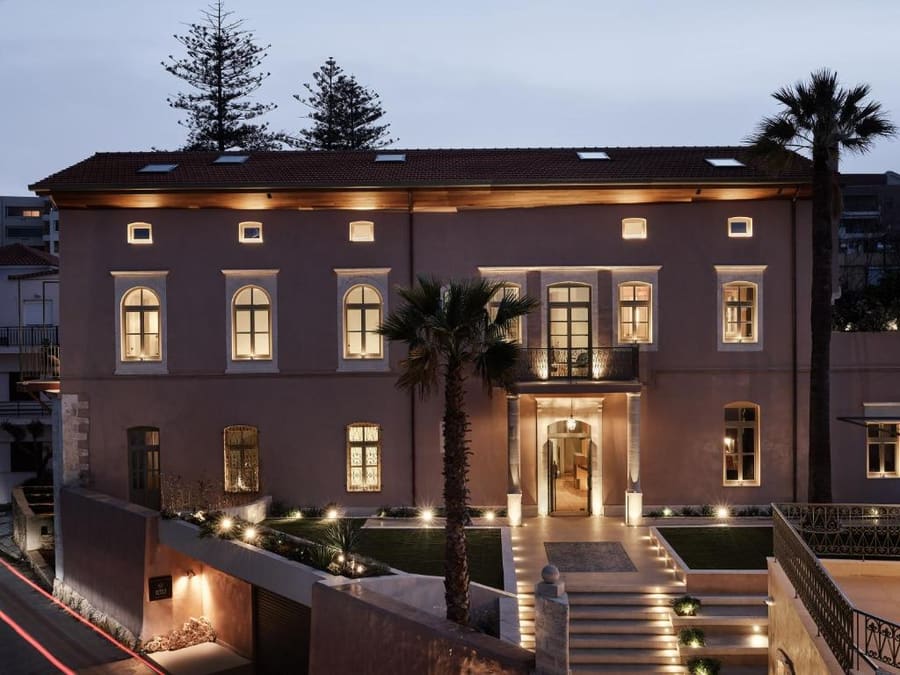
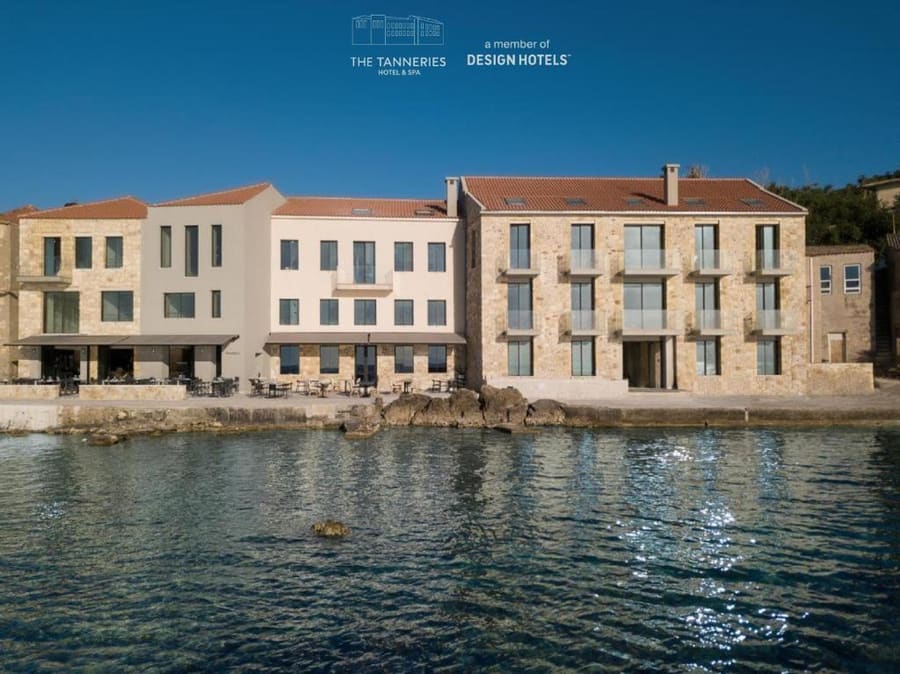
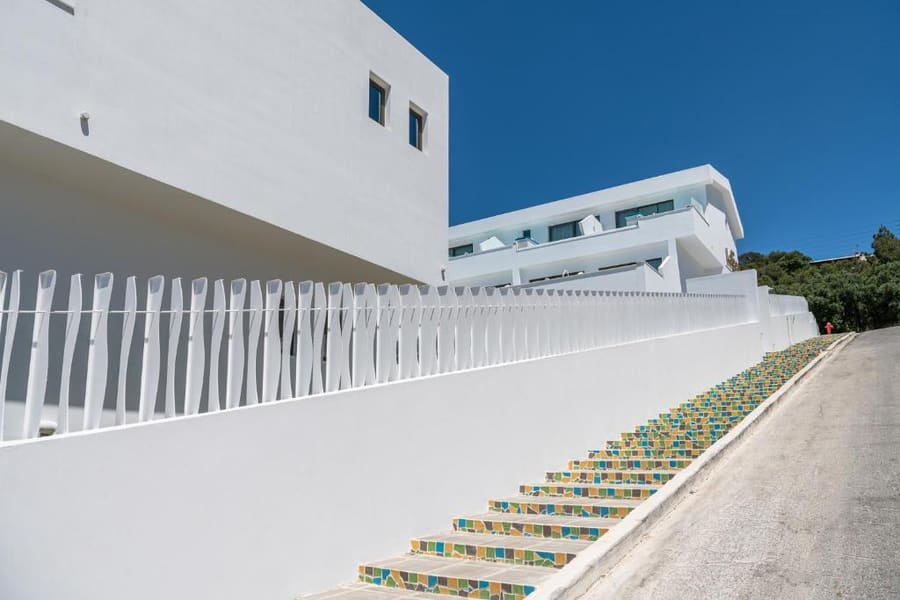
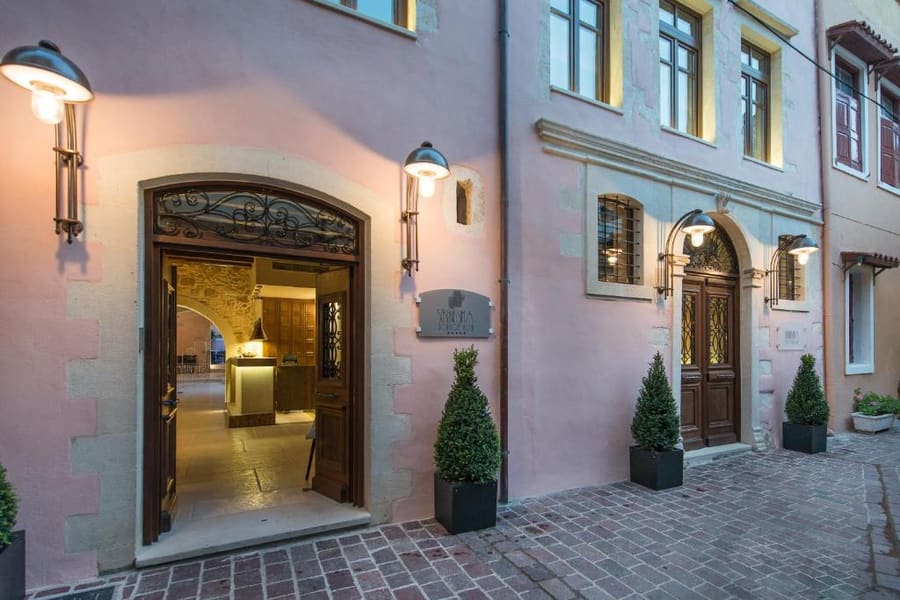
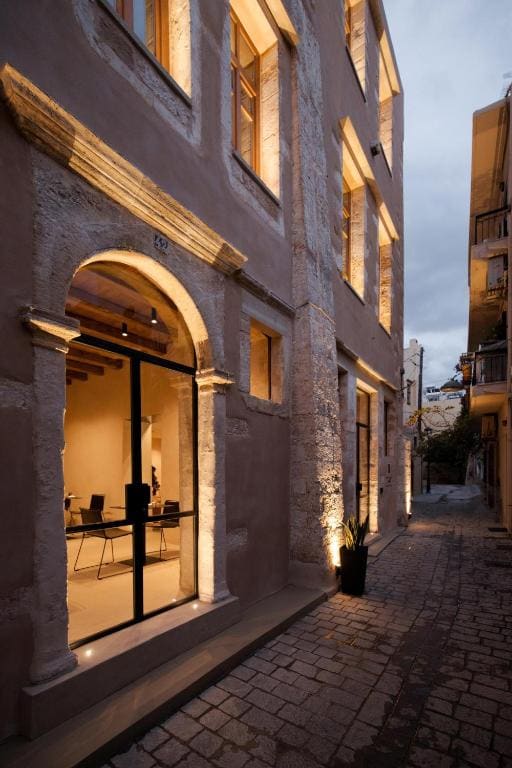
Choose your district by your tolerance for noise and steps. Topanas places you inside restored Venetian stone mansions, but luggage must be carried over narrow cobblestones. Splantzia offers shade and quiet residential streets close to neighborhood eating spots. Halepa provides spacious neoclassical hotels at the cost of a 25-minute walk to the water.
Live rates, matched to the areas above.
transport
Chania Town is compact and best explored on foot. Cars are banned inside the Old Town walls, so parking outside the perimeter is mandatory if you drive. Green KTEL buses link the central station on Kydonias Street to regional towns and beaches across Crete. Local blue buses serve inner suburbs like Halepa and Agii Apostoli.
Da CHQ (Chania International Airport)
KTEL buses run direct to central station. Buy tickets from driver or terminal kiosk.
Official rank outside arrivals. Fixed rates apply for drops at the Old Town perimeter.
Book ahead if arriving late or carrying heavy luggage into car-free zones.
The main intercity bus terminal sits on Kydonias Street, a seven-minute walk south of the harbor.
Buy blue city bus tickets at street kiosks before boarding. Drivers charge higher fares on board.
Delivery vehicles access Old Town pedestrian paths until 11:00. After that, streets belong entirely to pedestrians.
Park in free public lots near Firka Fortress or the East Gate. Driving inside Venetian walls risks fines.
cost
Chania Town is less expensive than Santorini or Mykonos, but waterfront dining spots charge premium prices. Eating two streets inland reduces food bills significantly. Regional bus travel offers clear value.
Covers a main meat or vegetable dish, salad, bread, and wine at a local taverna.
Standard iced coffee price. Waterfront tables charge near the upper limit.
Covers one-way KTEL regional bus travel to nearby western beaches like Agia Marina.
Standard admission ticket for municipal historic sites and the Archaeological Museum.
seasonality
MAR – MAY
Spring flowers bloom and rainfall decreases. Sea temperatures are cool but walking Old Town streets is ideal.
JUN – AUG
Hot days reach 35°C and harbor crowds peak. Book hotels months ahead and visit sights early in the day.
SEP – OCT
Sea temperatures remain warm while summer crowds thin out. Excellent conditions for hiking and outdoor dining.
NOV – FEB
Mild Mediterranean winter with frequent rain. Tourist-focused spots close, leaving a quiet local town.
practicalities
Summer sun reflects off white stone streets between 13:00 and 17:00. Plan indoor museum visits or rest during these hours.
Use bank-affiliated ATMs like Eurobank or Piraeus Bank. Standalone tourist ATMs charge steep foreign exchange fees.
Strong summer meltemi winds generate high sea waves on northern beaches. Travel to southern beaches on windy days.
Independent shops close from 14:30 to 17:30 on Tuesdays, Thursdays, and Fridays, reopening late in the evening.
Old Town cobblestones are smooth and slippery from centuries of foot traffic. Wear flat shoes with good rubber soles.