landmark
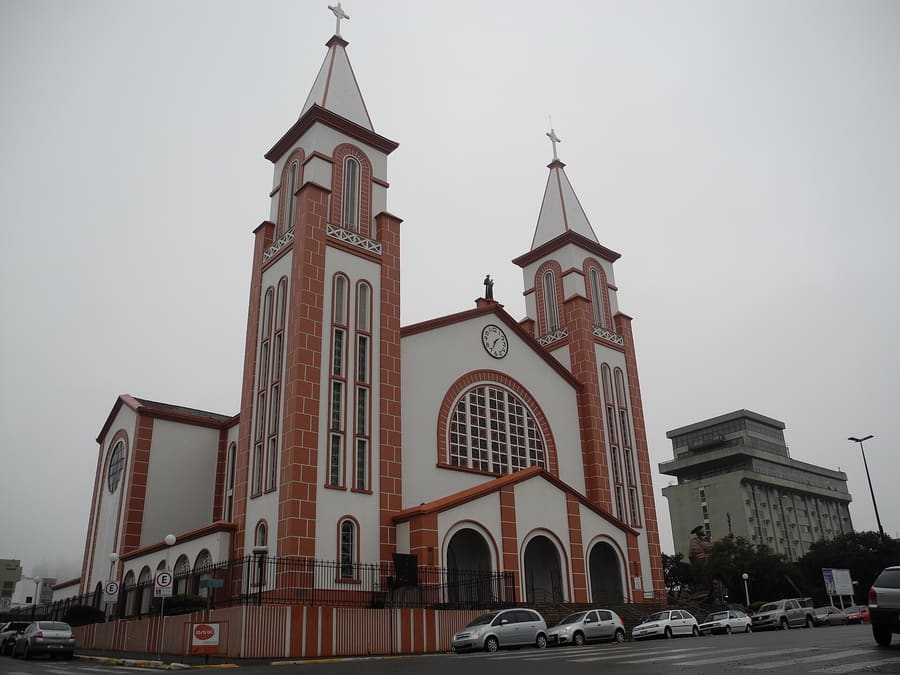
Catedral Santo Antônio
Distinctive triangular modern cathedral sitting right on Avenida Getúlio Vargas. Free entry during daylight hours.
Chiedi a ParleyBrasile
Agribusiness engine, football pride, and southern gridiron.
introduction
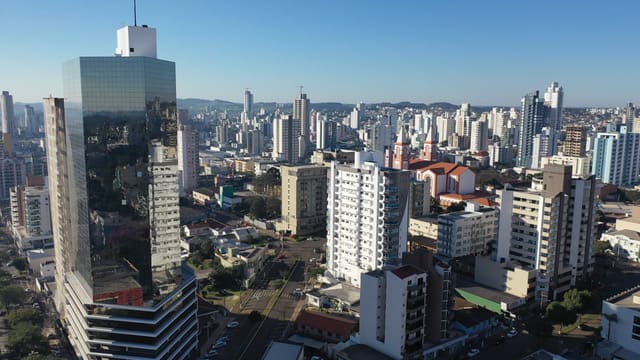
Chapecó is the pragmatic economic hub of western Santa Catarina, built on meatpacking empires and planned on a strict urban grid. Wide avenues designed for industrial traffic make navigation straightforward, though the city yields few classic tourist postcard views. You come here for football pilgrimage, serious southern Brazilian beef, or corporate business. Life centres on Avenida Getúlio Vargas, where grain traders, locals, and visitors share the same steakhouse tables.
Airport transport reality
Serafin Enoss Bertaso Airport sits 10 km west of Centro. Rideshare drivers often decline airport pick-ups, so prepare to use metered taxis at the terminal.
Football significance
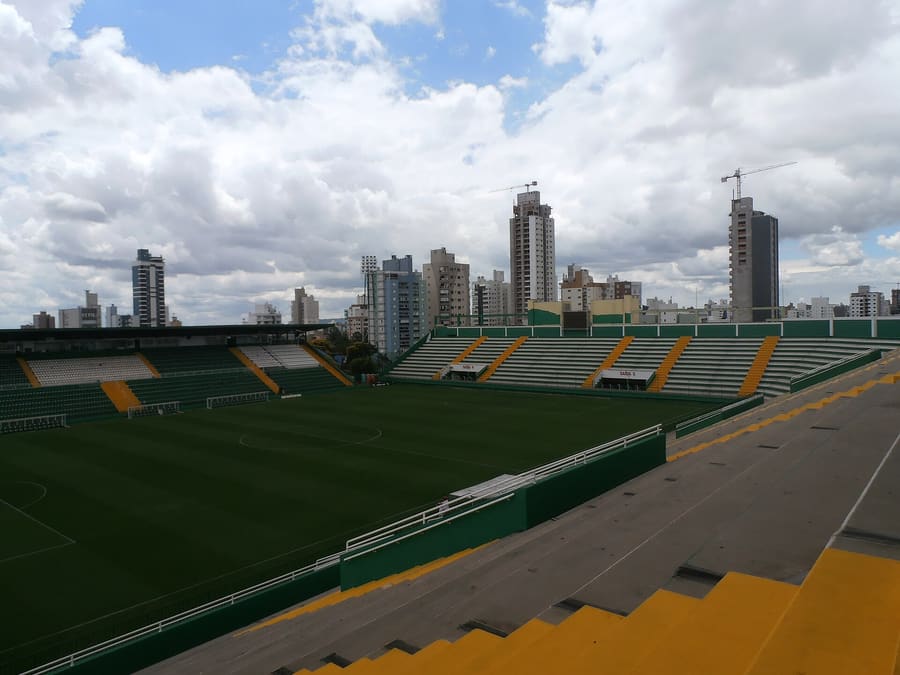
Chapecó earned international acclaim through Associação Chapecoense de Futebol, its top-tier football club based at Arena Condá.
Trade fair surge
Hotel rates double and rooms sell out months ahead during major agricultural expos like EFAPI. Check event schedules before booking.
Chapecó
Rafinha C. · CC BY-SA 4.0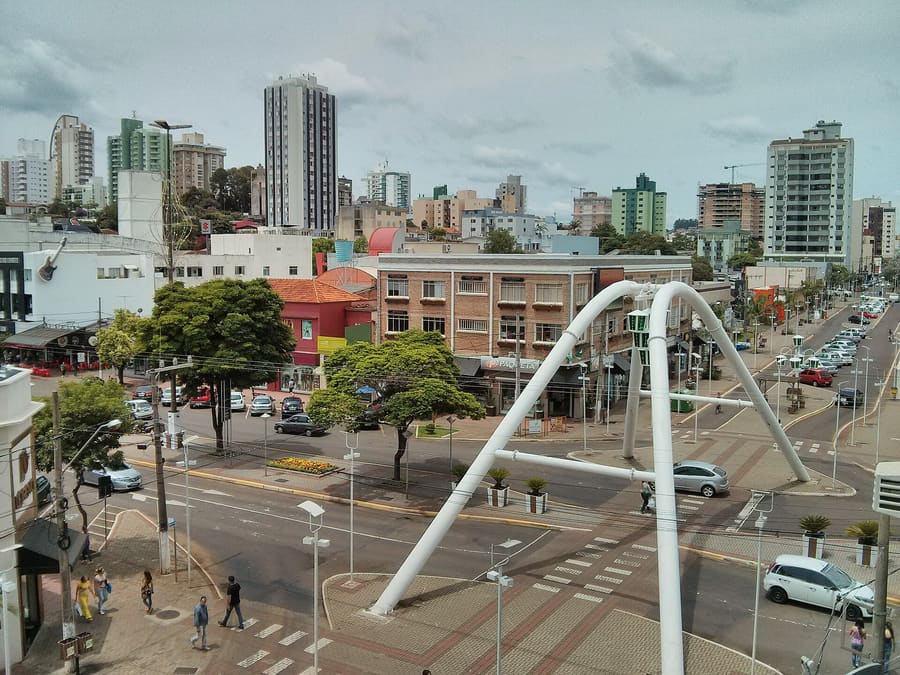
Centro — Grid-pattern downtown built around wide boulevards, banks, and major hotels.
Dalton Scavassa · CC BY-SA 4.0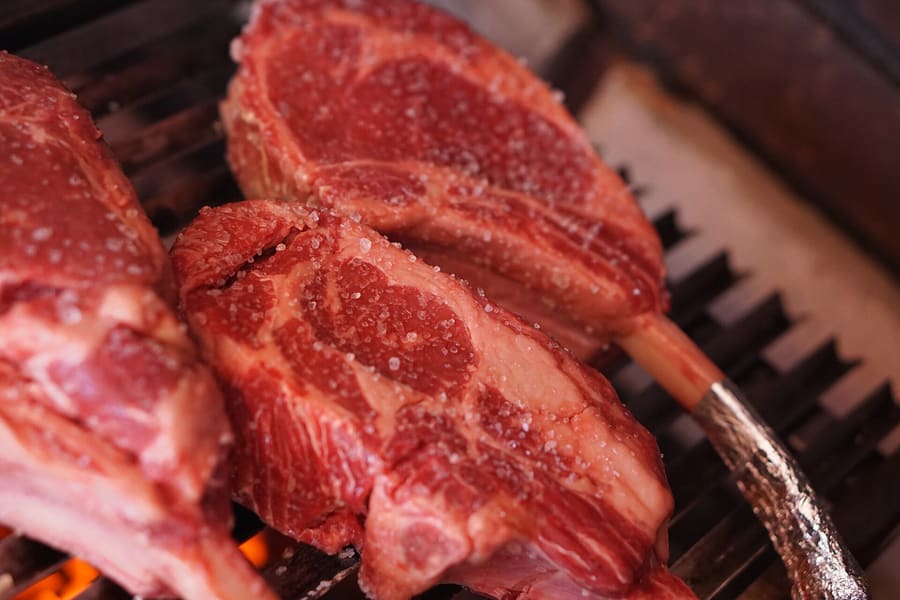
Skewered cuts of beef prepared over charcoal embers in classic southern Catarinense style.
Leonardo Sakaki · CC BY-SA 4.0highlights
landmark
Distinctive triangular modern cathedral sitting right on Avenida Getúlio Vargas. Free entry during daylight hours.
Chiedi a Parley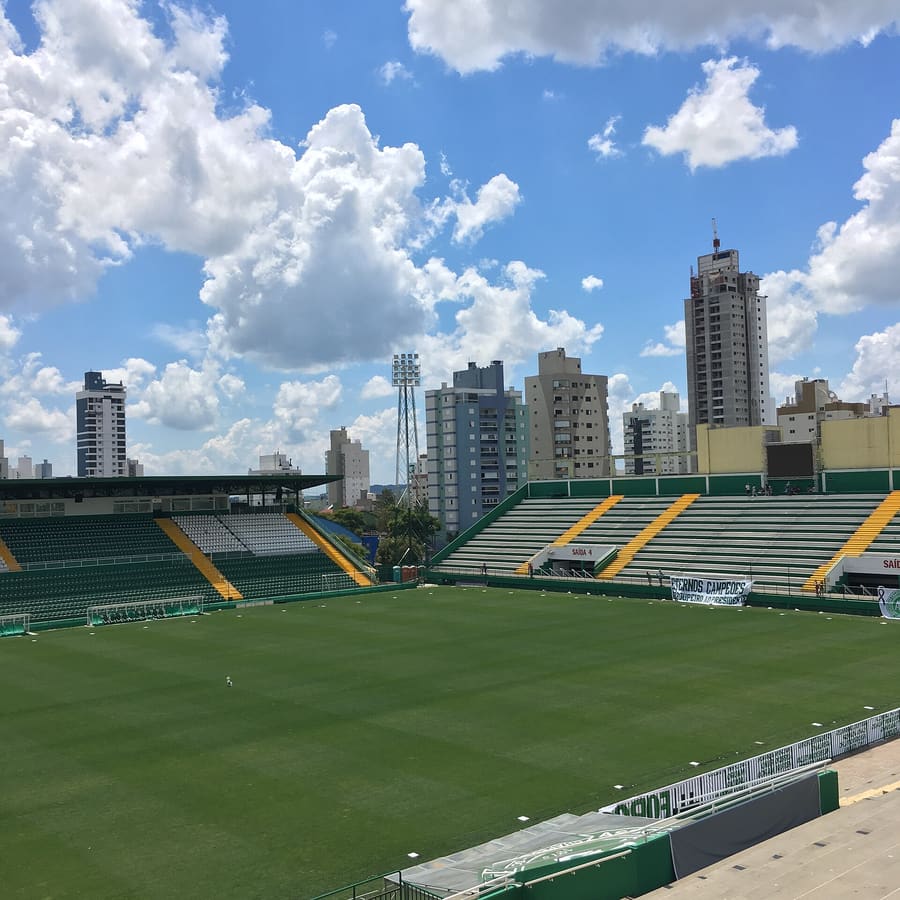
landmark
Home ground of Chapecoense. Visit the memorial wall outside to pay respects to the 2016 flight tragedy victims.
Chiedi a Parley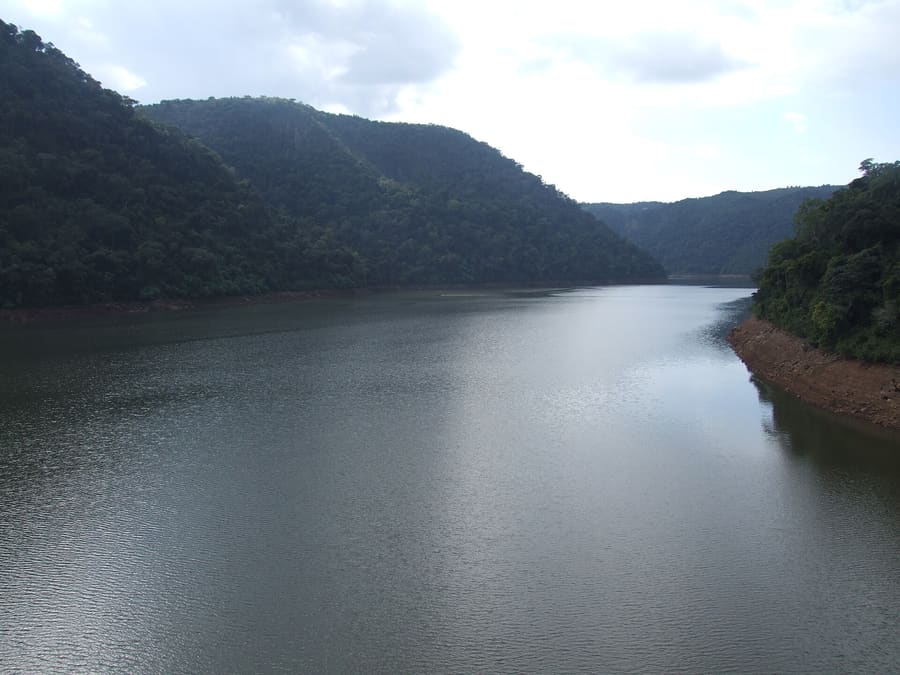
landmark
River valley 25 km south on the Rio Uruguai border. Popular on hot weekends for watersports and fish restaurants.
Chiedi a Parleyattractions
areas
Grid-pattern downtown built around wide boulevards, banks, and major hotels.
Nei dintorniCatedral Santo Antônio, O Desbravador, Arena Condá
Chiedi a ParleyLeafy residential zone with upscale housing and modern apartment towers.
Nei dintorniEcoparque Chapecó, Centro
Chiedi a ParleySprawling western suburb dominated by university campuses and exhibition halls.
Nei dintorniEFAPI fairgrounds, Unochapecó
Chiedi a ParleyRiverbank resort strip on the border line with Rio Grande do Sul.
Nei dintorniRio Uruguai, Nonoai bridge
Chiedi a Parleyfood
Dining in Chapecó revolves around serious meat consumption, reflecting its position as Brazil's processing capital. Churrascarias serve rodízio cuts (all-you-can-eat table service) with local prime beef and pork sausages. Italian heritage heavily influences secondary options: galeto (roast spring chicken) served alongside polenta frita is a staple Sunday lunch.
Skewered cuts of beef prepared over charcoal embers in classic southern Catarinense style.
Leonardo Sakaki · CC BY-SA 4.0At traditional steakhouses like Churrascaria Tropeiro, waiters carry meat skewers continuously until you flip your table card to red.
Italian-style galeterias fill completely by 12:30 on Sundays. Arrive right at 11:45 to avoid long waiting lists.
Afternoon buffets featuring dozens of cakes, breads, and cured meats are common on weekend afternoons in surrounding rural farms.
history
Chapecó developed during the 1910s land colonization drives in interior Santa Catarina, settled primarily by Italian and German descendants moving inland from Rio Grande do Sul. The municipality grew rapidly after mid-century industrialization turned small-scale farming into giant protein processing cooperatives.
Municipality created
Chapecó officially separates from Lages as logging and cattle ranching take hold in the west.
Meatpacking boom
Industrial cooperatives establish headquarters here, creating the foundation for Brazil's meat exports.
Chapecoense founded
Associação Chapecoense de Futebol is established, uniting regional amateur teams.
Tragedy and unity
A devastating air crash in Colombia claims most of the football team; worldwide solidarity follows as the club rebuilds.
where to stay
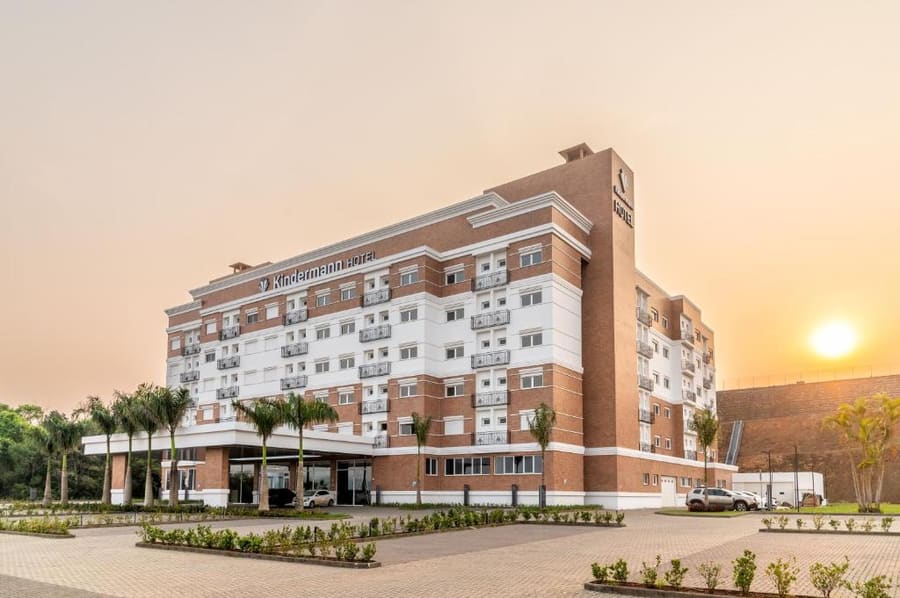
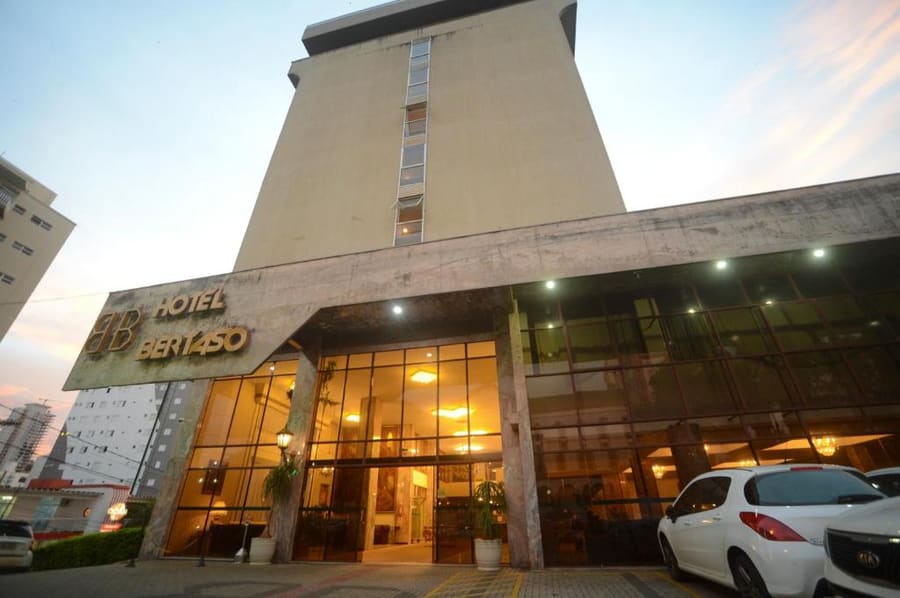
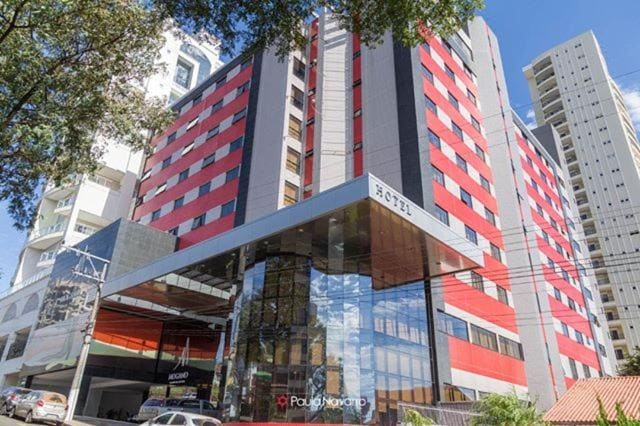
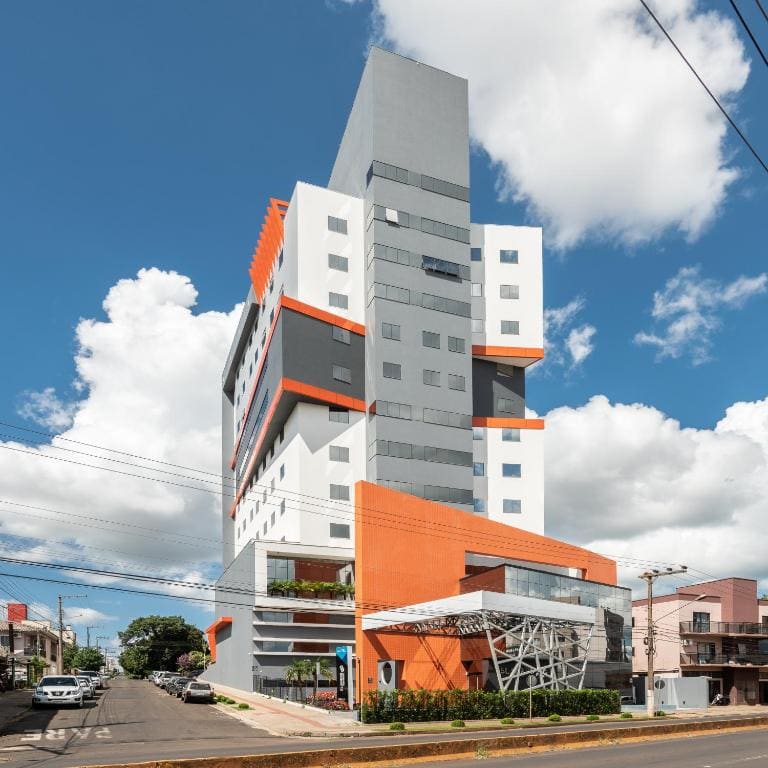
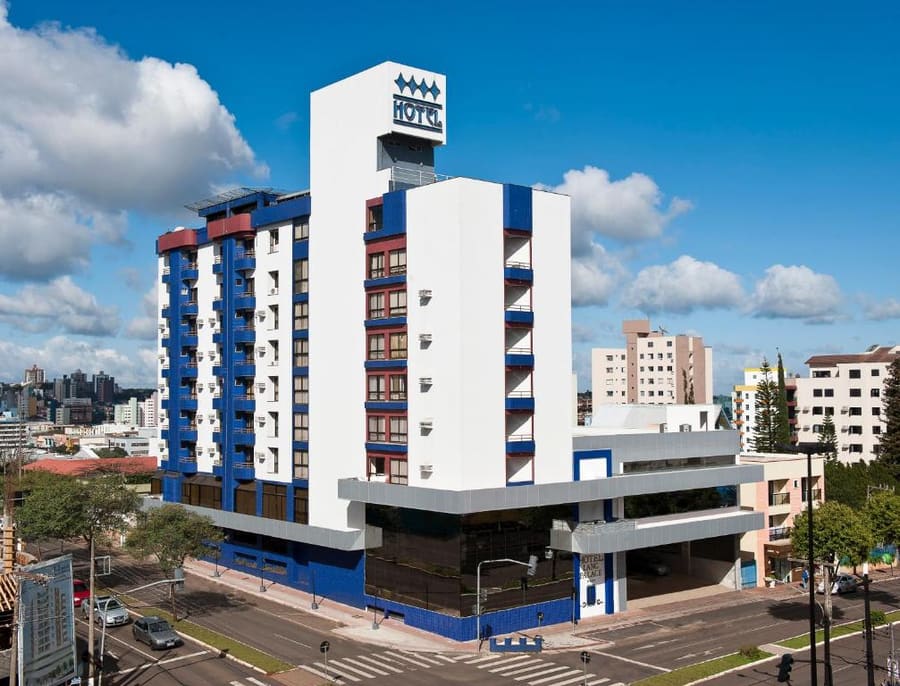
Choose your location by your primary itinerary. Business travelers staying short-term should pick Centro along Avenida Getúlio Vargas for easy access to restaurants and offices. If attending an event at the trade fair, staying near Efapi cuts out heavy grid traffic.
Live rates, matched to the areas above.
transport
Chapecó is planned on a wide grid, making driving straight forward. Public buses serve all main corridors, but visitors generally rely on taxis or rideshares for speed.
Da Serafin Enoss Bertaso Airport (XAP)
Official airport taxis operate outside the arrivals door on meters.
Availability varies at night; confirm driver location before waiting outside.
Line 24 connects airport to Terminal Urbano downtown every hour.
Urban buses accept contactless debit/credit cards at the turnstile, avoiding cash requirement.
All city bus lines cross through the central terminal on Rua Clevelândia downtown.
Avenida Getúlio Vargas backs up from 17:30 to 19:00 on weekdays near industrial exits.
cost
Chapecó offers moderate regional Brazilian pricing. Executive business travel dominates hotel pricing, while food and transport are affordable compared to Florianópolis or São Paulo.
All-you-can-eat dinner per person at a top downtown steakhouse.
Standard midday meal with beef, rice, beans, and salad.
Single fare across the urban transit network.
Typical fare between Centro and surrounding residential areas.
seasonality
DEC – FEB
Hot and humid summers. Local traffic eases as universities close, but river spots fill up.
MAR – MAY
Mild autumn weather. Ideal conditions for walking downtown and attending corporate events.
JUN – AUG
Cold southern winter spell. Temperatures drop below 10°C; perfect for heavy steakhouses.
SEP – NOV
Spring convention season. Hotels fill quickly around major agribusiness expos.
practicalities
Shops downtown typically close between 12:00 and 13:30 for lunch, except major supermarket chains.
Portuguese is universally spoken; English proficiency is rare outside major hotel front desks.
Credit and debit cards are accepted virtually everywhere, including street food stalls.
Locals carry yerba mate gourds and thermal flasks in public parks; hot water dispensers sit in gas stations.
Standard electricity voltage in Chapecó is 220V. Check devices before plugging in.