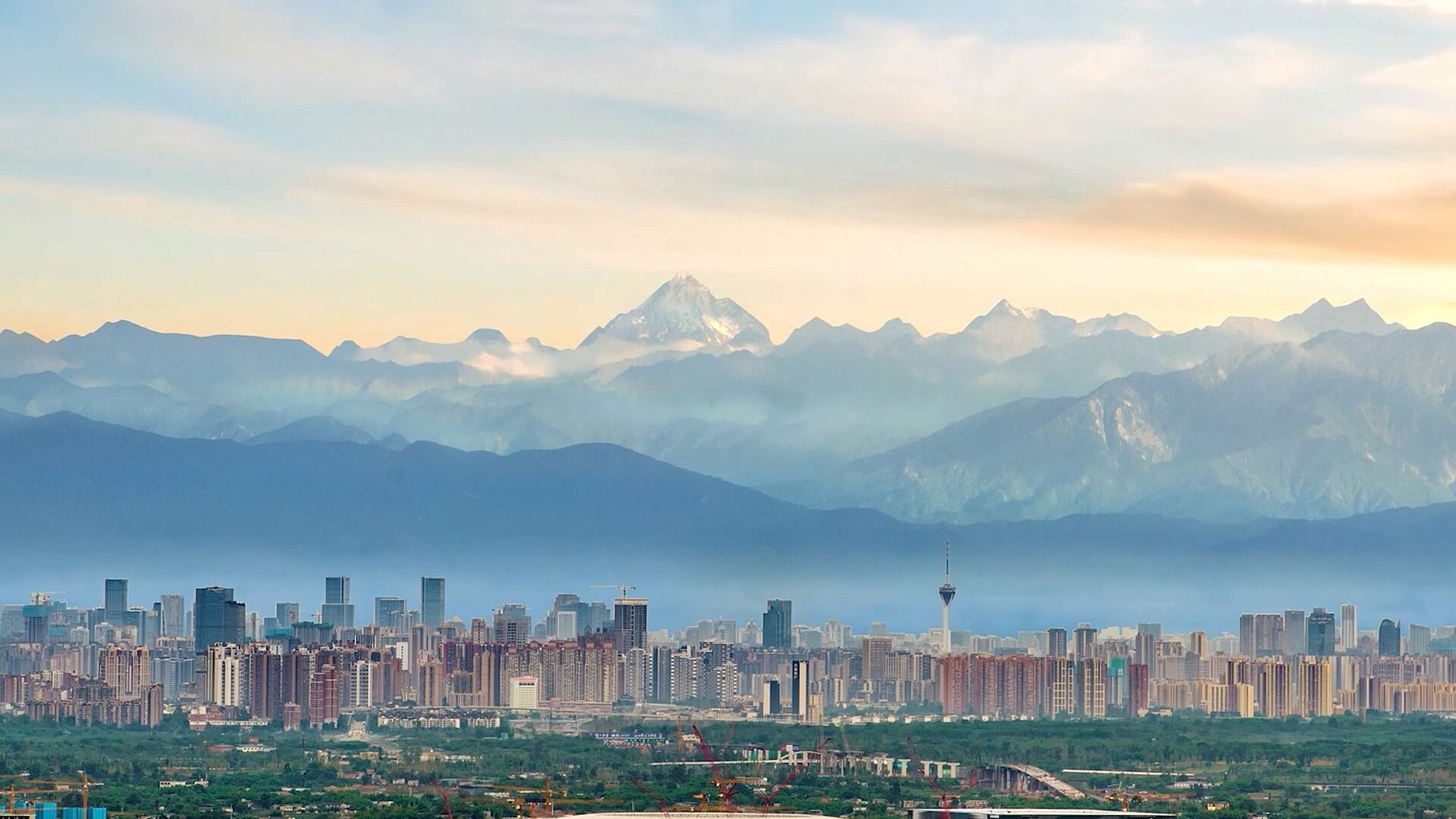
landmark
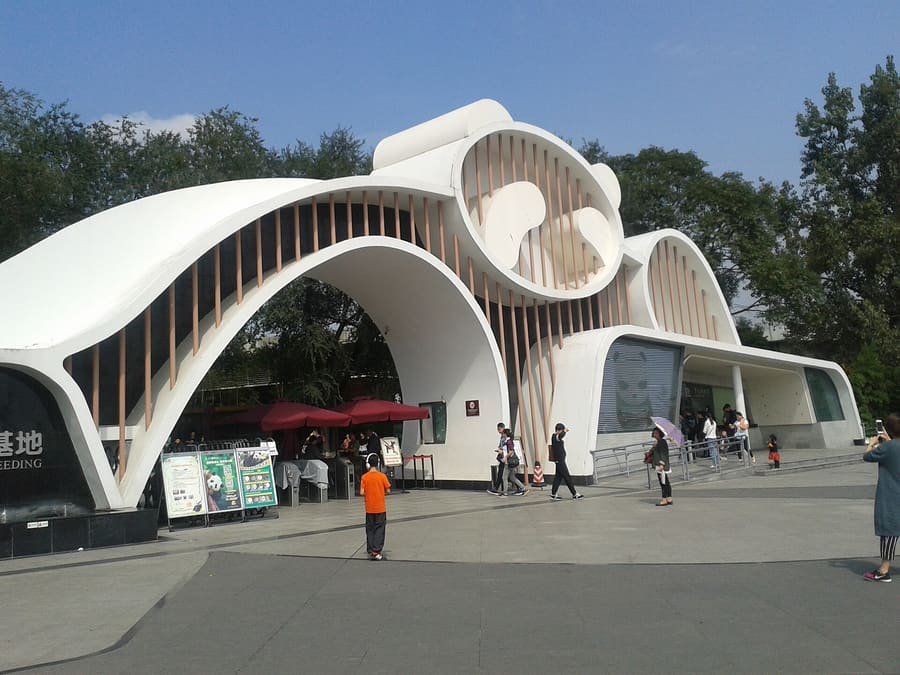
Giant Panda Breeding Base
Home to over 200 giant pandas. Arrive at 07:30 opening to see them eating bamboo outdoors before heat sets in.
Chiedi a ParleyCina
Teahouses, Sichuan pepper, and a distinctly slow pace.
introduction
Chengdu sits in the humid Sichuan Basin, anchored by a relaxed teahouse culture and intense local spices. A circular metro network maps out a flat grid that is easy to navigate by train or shared bike. You come here to eat chili oil, sit in bamboo chairs, and slow down to the local rhythm.
Tianfu Airport transit
Tianfu Airport sits 50 km away. Metro Line 18 connects directly to the urban core in 40 minutes.
City of Gastronomy
UNESCO recognized Chengdu as a City of Gastronomy in 2010. Its cuisine centers on Sichuan pepper and complex chili pastes.
Panda Reserve Timing
Arrive at the Giant Panda Base by 07:30 opening time. Pandas move indoors once mid-day temperatures rise.
Chengdu
Daderot · CC0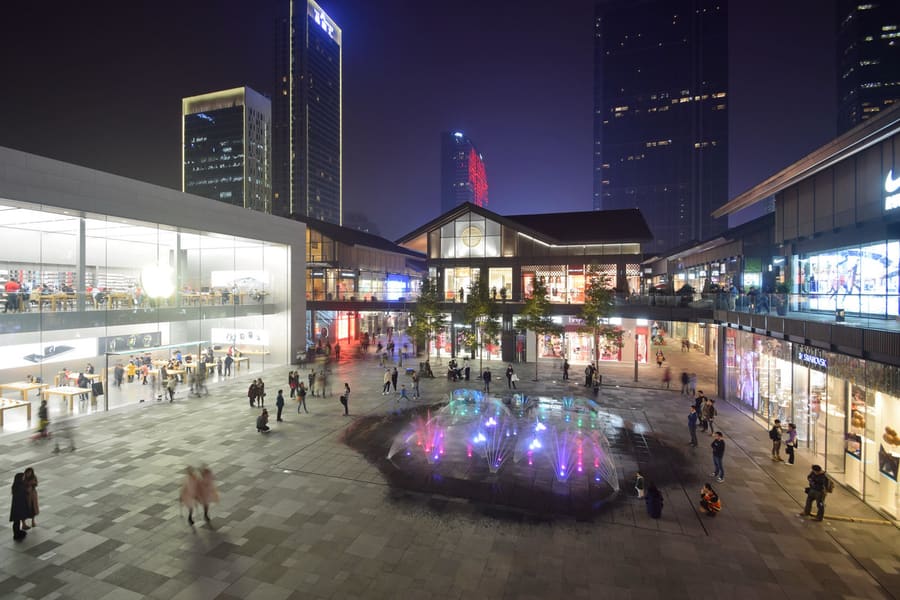
Chunxi Road & Taikoo Li — Sleek high-rises surround historic courtyard temples and pedestrian luxury retail lanes.
Baycrest · CC BY-SA 2.5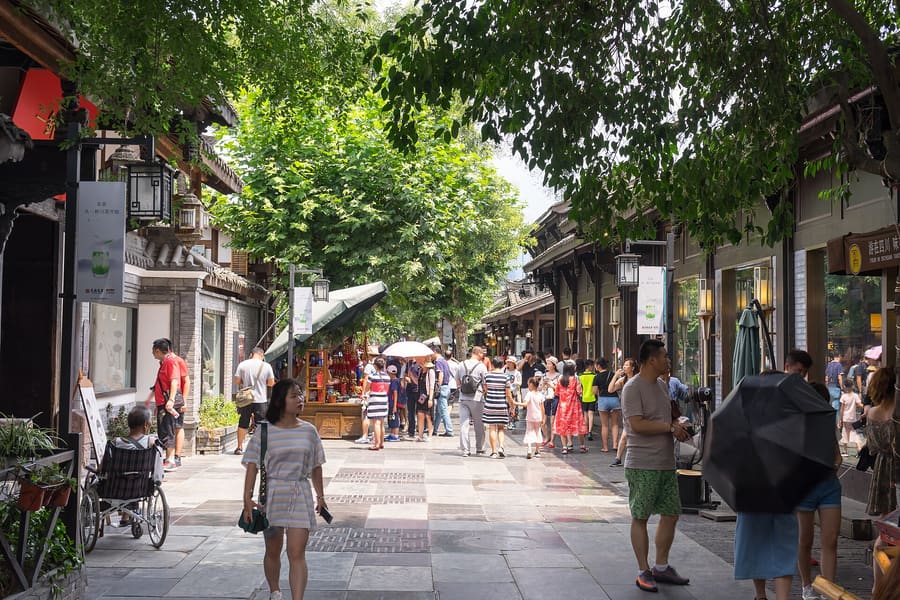
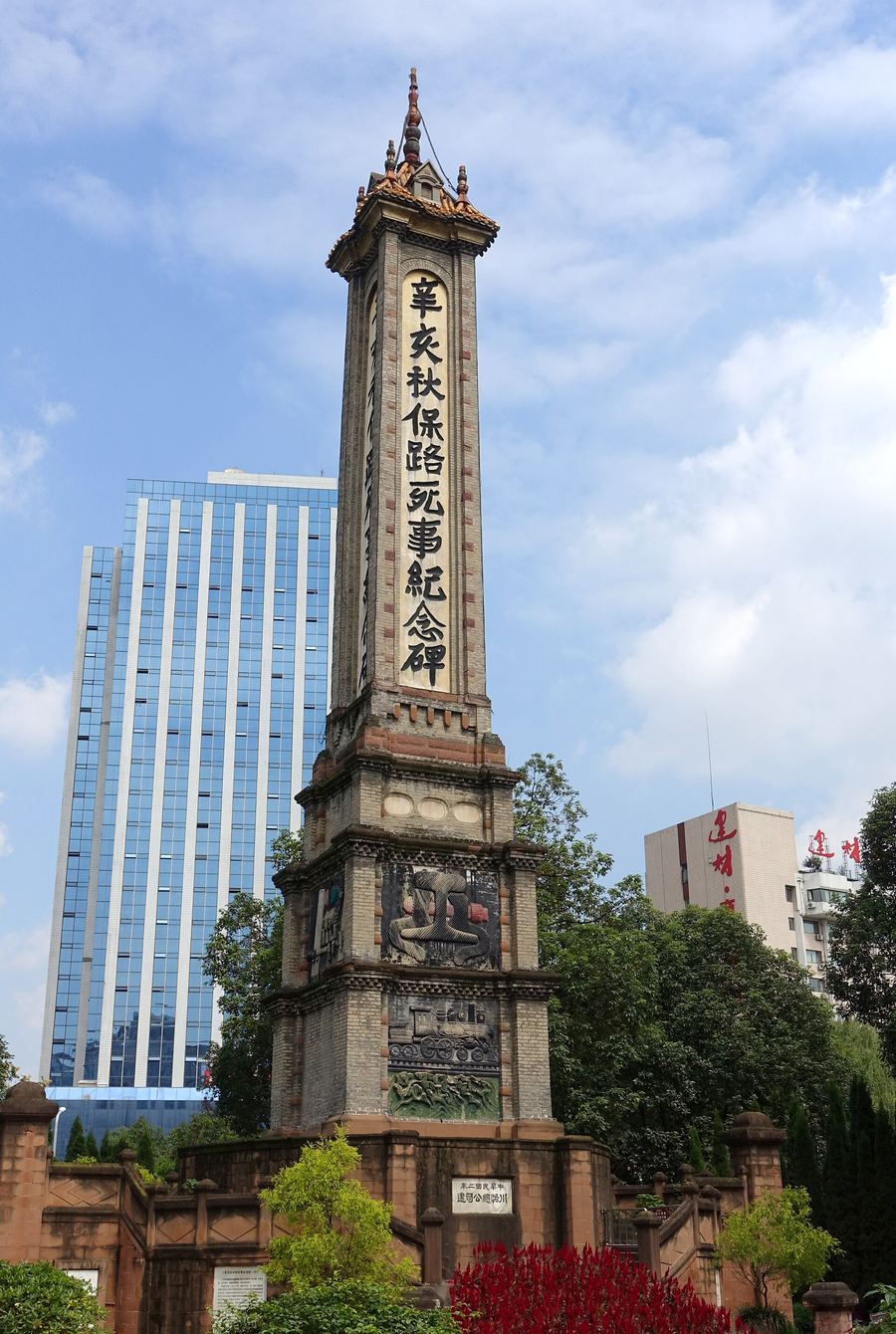
Kuanzhai Alley — Restored Qing Dynasty alleyways lined with tea shops, handicraft stalls, and street snacks.
JianEn Yu · CC BY 2.0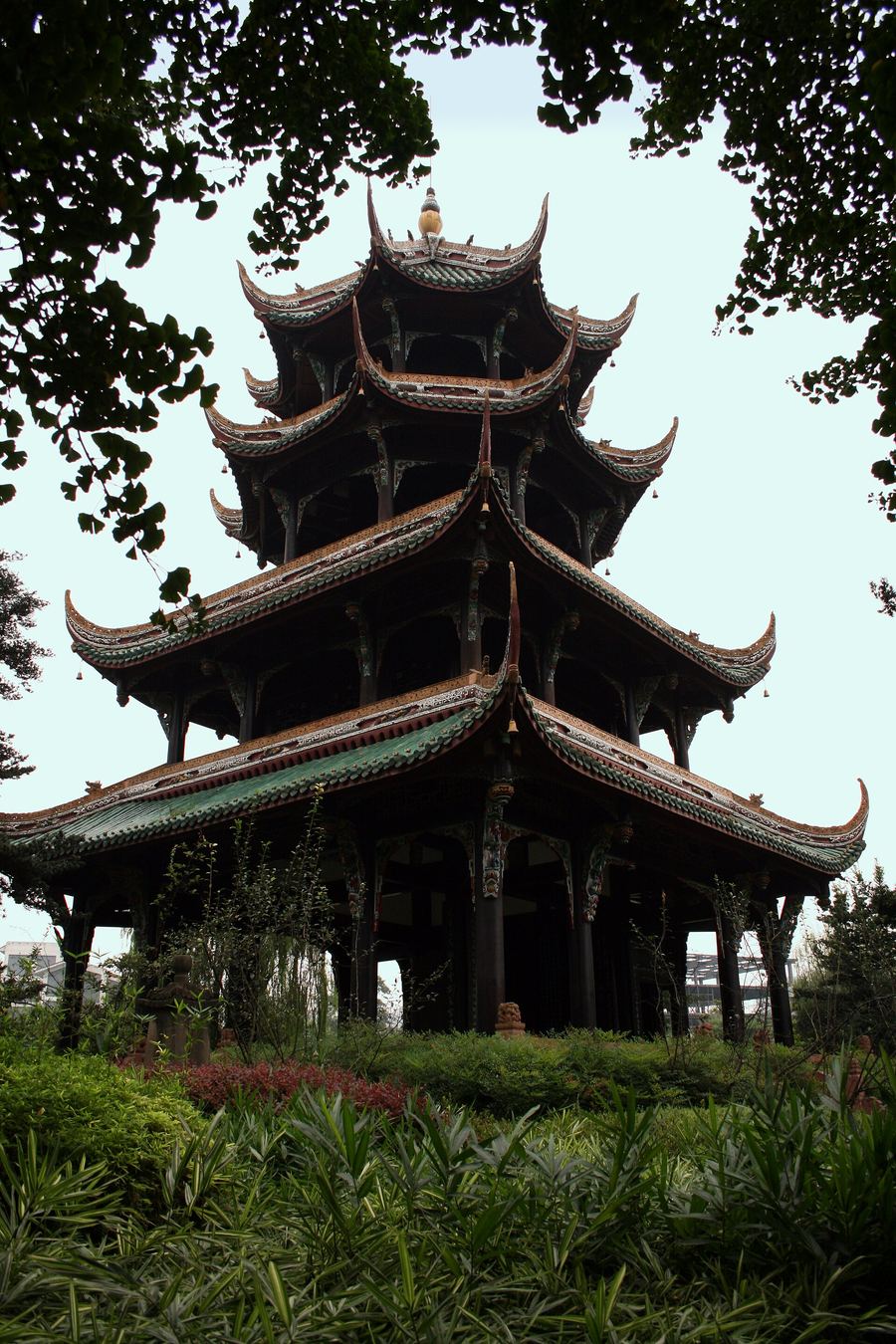
Wangjianglou Park Area — Riverside park district anchored by bamboo groves, historic towers, and quiet walking paths.
AlexHe34 · CC BY-SA 3.0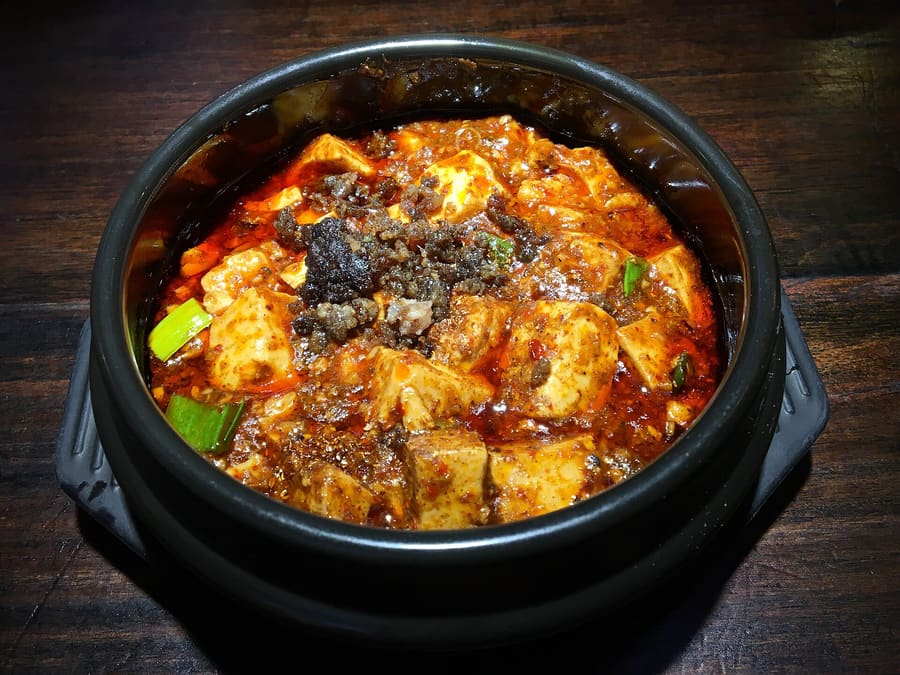
Mapo Tofu served with ground Sichuan pepper and chili oil in a central restaurant.
ZhengZhou · CC BY-SA 4.0highlights
landmark
Home to over 200 giant pandas. Arrive at 07:30 opening to see them eating bamboo outdoors before heat sets in.
Chiedi a Parley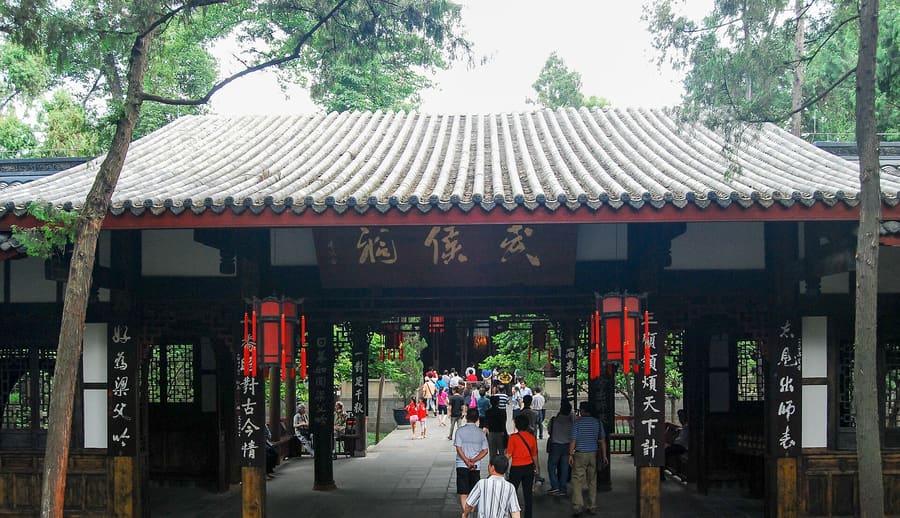
landmark
Dedicated to Zhuge Liang and Liu Bei. Walk the red-walled bamboo path early to avoid large tour groups.
Chiedi a Parley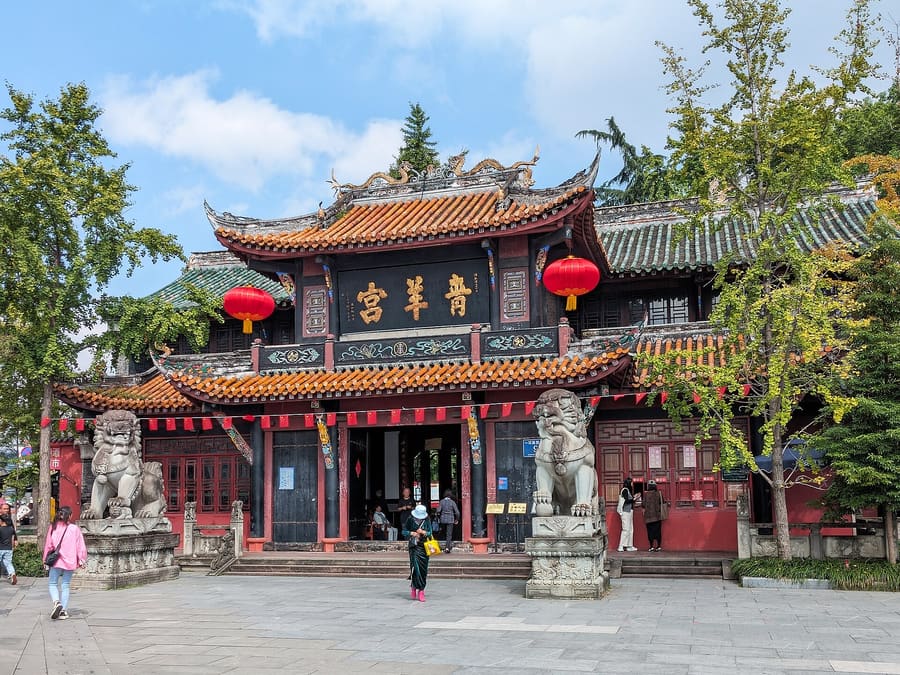
landmark
Active Taoist temple with teahouse courtyards. Buy tea inside to sit among local elders playing mahjong.
Chiedi a Parley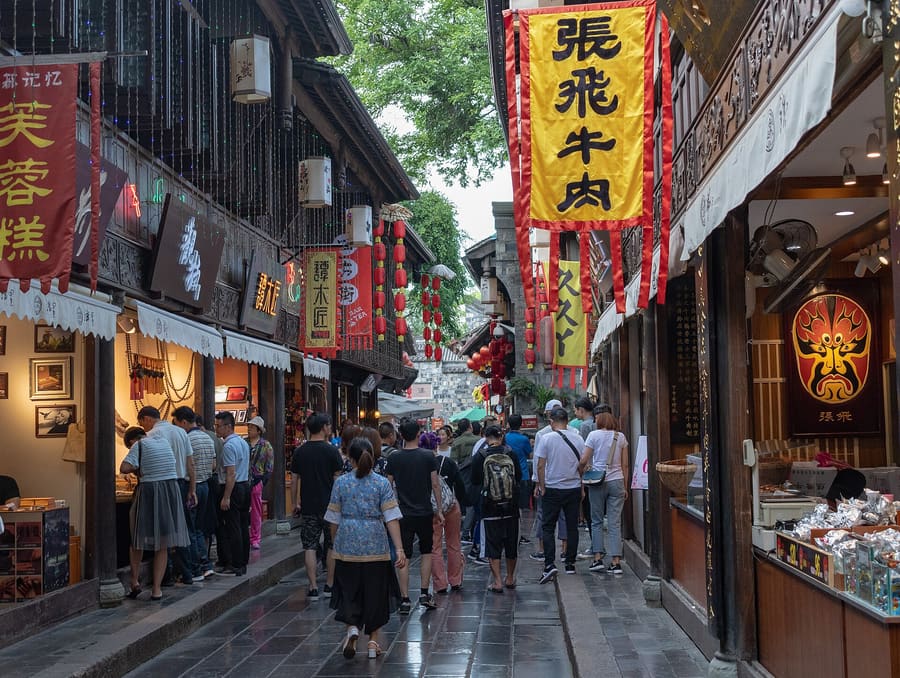
shopping
Restored Qing Dynasty commercial street. Visit after dusk when red lanterns light the narrow alleys.
Chiedi a Parley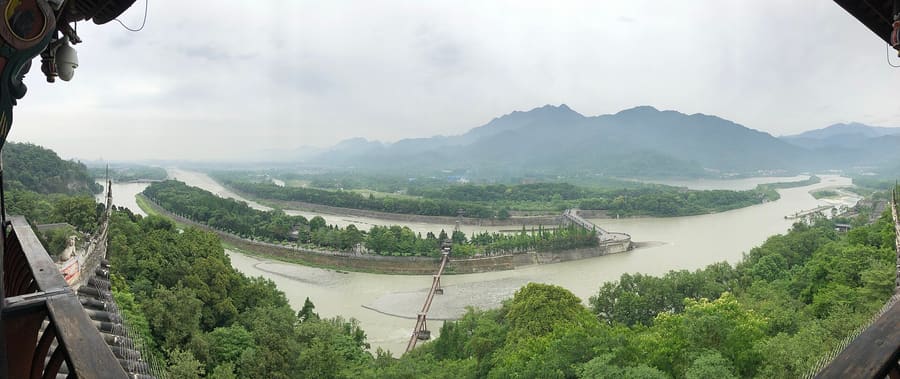
landmark
2,200-year-old water conservation system. Take the high-speed train from Chengdu West for a 30-minute trip.
Chiedi a Parley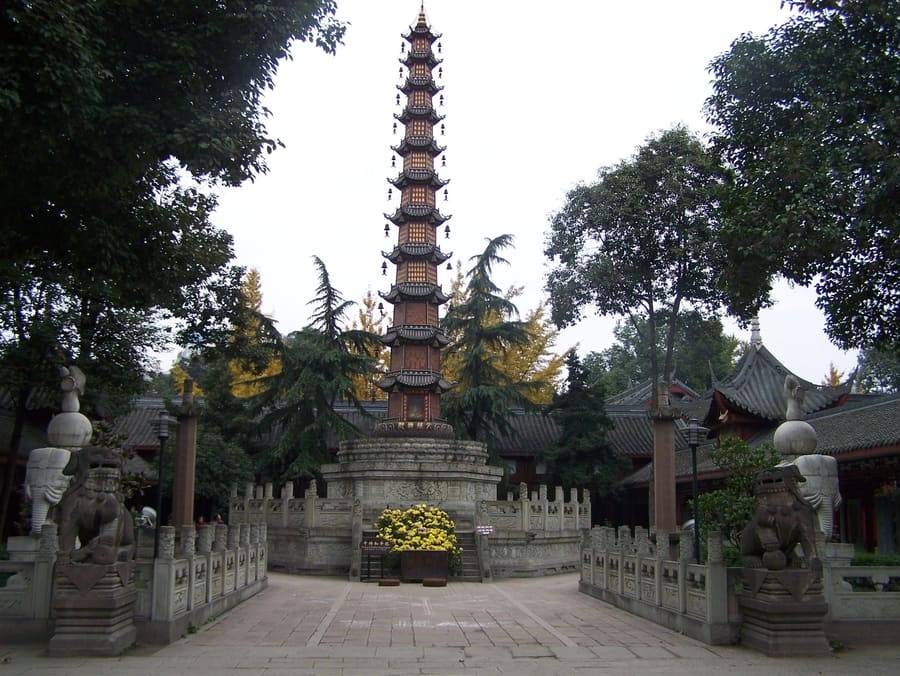
landmark
Operational Buddhist monastery with an iconic vegetarian restaurant. Try the sesame noodles in the side lane.
Chiedi a Parleyattractions
areas
Sleek high-rises surround historic courtyard temples and pedestrian luxury retail lanes.
Nei dintorniDaci Temple and Line 2 Metro Interchange
Chiedi a ParleyRestored Qing Dynasty alleyways lined with tea shops, handicraft stalls, and street snacks.
Nei dintorniPeople's Park and Line 4 Metro
Chiedi a ParleyRiverside park district anchored by bamboo groves, historic towers, and quiet walking paths.
Nei dintorniJin River and Sichuan University East Campus
Chiedi a ParleyResidential, low-rise district filled with neighborhood eateries, teahouses, and casual bars.
Nei dintorniSichuan University and Line 8 Metro
Chiedi a Parleyfood
Sichuan cuisine relies on *ma* (numbing Sichuan pepper) and *la* (chili heat). Local dining happens in fly restaurants (*cangying guanzi*)—small, unpretentious joints that prioritize flavor over decor. Tea drinking in bamboo-chaired parks is as integral to the food routine as the meals themselves.
Mapo Tofu served with ground Sichuan pepper and chili oil in a central restaurant.
ZhengZhou · CC BY-SA 4.0Seek out crowded neighborhood spots with handwritten menus for authentic mapo tofu and dan dan noodles.
Order a bowl of jasmine tea at Heming Teahouse in People's Park to sit for hours without pressure.
Choose a dual-pot (*yuanyang*) with mild broth if you cannot handle full-strength Sichuan tallow broth.
history
Chengdu has maintained its name and geographic location for over two millennia. Protected by the surrounding mountains, it developed a self-sustaining agricultural economy that fostered a distinct, unhurried urban life.
Dujiangyan constructed
Li Bing engineers the irrigation system on the Min River, eliminating annual flooding and transforming the plain.
Shu Han capital
Emperor Liu Bei establishes Chengdu as the capital of the Shu Han kingdom during the Three Kingdoms era.
World's first paper money
Merchants in Chengdu issue *jiaozi*, the earliest official paper currency in recorded history.
Railway Protection Movement
Local protests in Chengdu trigger the broader revolution that leads to the collapse of the Qing Dynasty.
where to stay
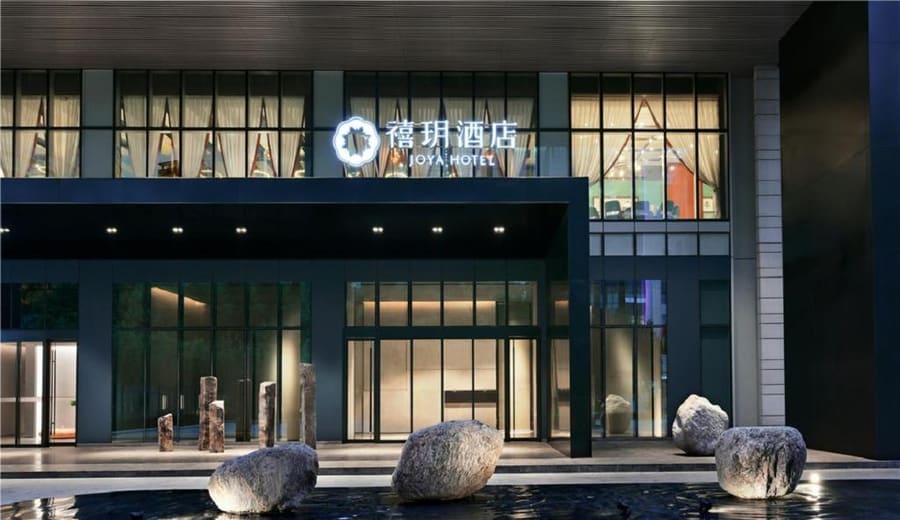
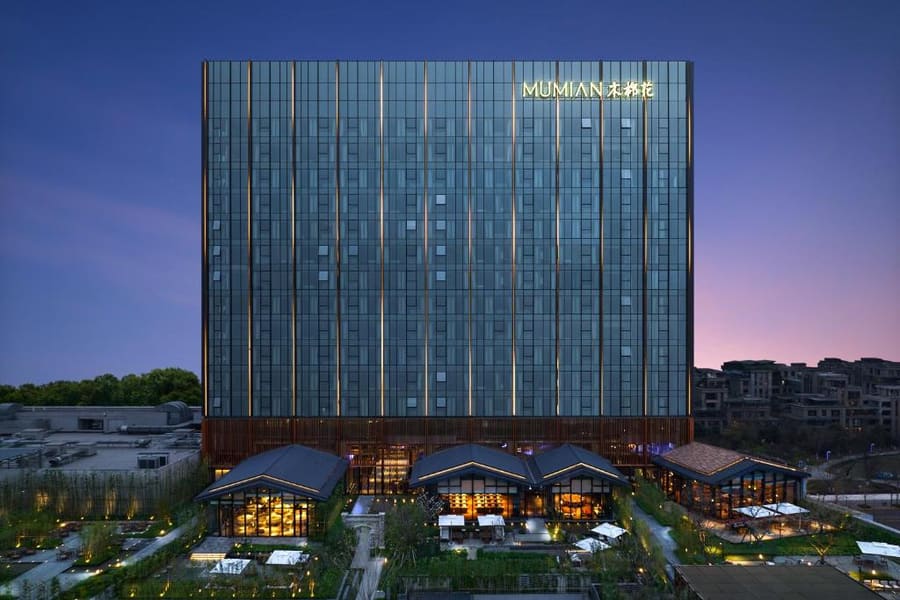
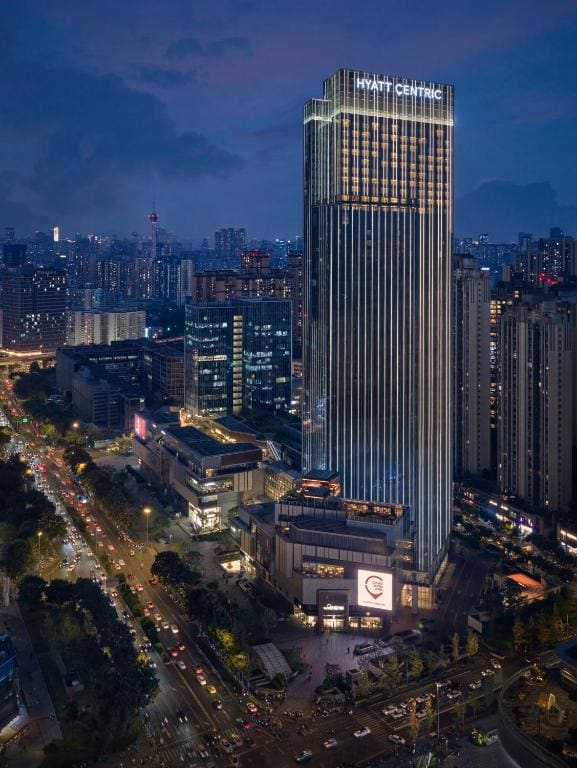
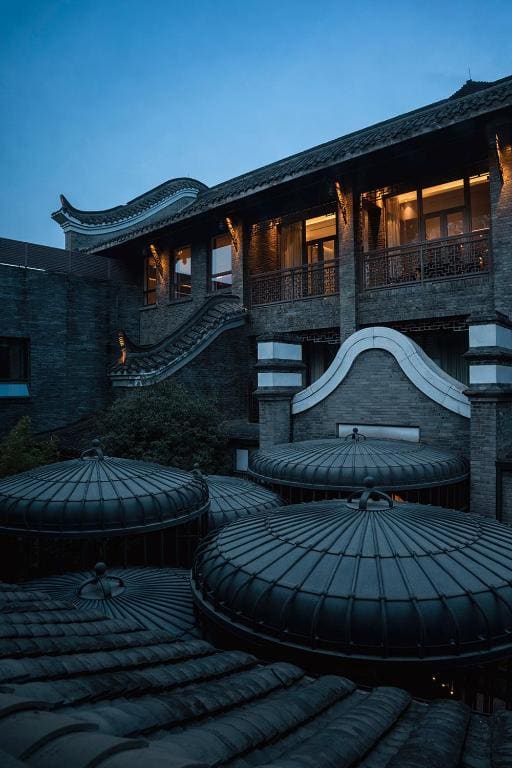
Choose your base by pace and transit access. Taikoo Li places you in the commercial core next to major metro intersections. Yulin offers residential quiet and late-night food stalls, while Kuanzhai sits closer to historic sites.
Live rates, matched to the areas above.
transport
Chengdu features a comprehensive subway system with bilingual signs. Flat topography makes walking and public bike rentals ideal for short trips between metro stations.
Da Tianfu International Airport (TFU)
Metro Line 18 runs directly to South Railway Station.
Use official queues; highway toll fees are added to the meter.
Buses connect to major central hubs like Chunxi Road.
Scan mobile app QR codes at turnstiles or purchase single-ride tokens at station kiosks.
Alipay and WeChat Pay are standard for all city transit, including buses.
Yellow and green bicycles line streets; unlock them via app scans for short urban hops.
CTU handles mostly domestic flights and connects to the center via Metro Line 10.
cost
Daily expenses in Chengdu remain lower than in Shanghai or Beijing. Local dining and transit are inexpensive, while Western amenities command international prices.
Standard price at neighborhood noodle joints.
Includes hot water refills all afternoon.
Price varies depending on meats and oil broth base.
Fare scales directly based on distance traveled.
seasonality
MAR – MAY
Mild temperatures make spring optimal for city walking and park teahouses.
JUN – AUG
Hot and humid weather; pandas spend most of the day in air-conditioned indoor pens.
SEP – NOV
Crisp autumn weather; ginkgo trees throughout the city turns gold.
DEC – FEB
Damp and overcast, but hotpot seasonal demand reaches its peak.
practicalities
Pandas feed early morning. Plan visits for opening time to see active animals.
Link a payment card to WeChat Pay or Alipay before arrival, as cash usage is minimal.
Request *wei la* (mild spice) when ordering if you prefer low chili heat.
Street practitioners in public parks offer traditional ear cleaning (*caier*) using metal tools.
Every metro entrance requires a brief bag X-ray scan before entering platforms.