landmark
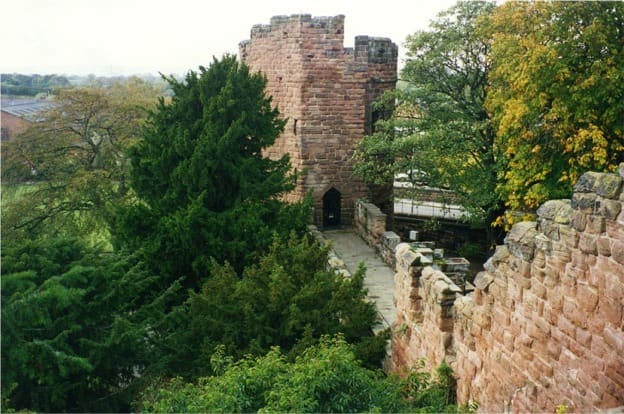
Chester City Walls
A continuous two-mile stone loop around the core city. Access points sit at every ancient gate with zero entry fees.
Chiedi a Parley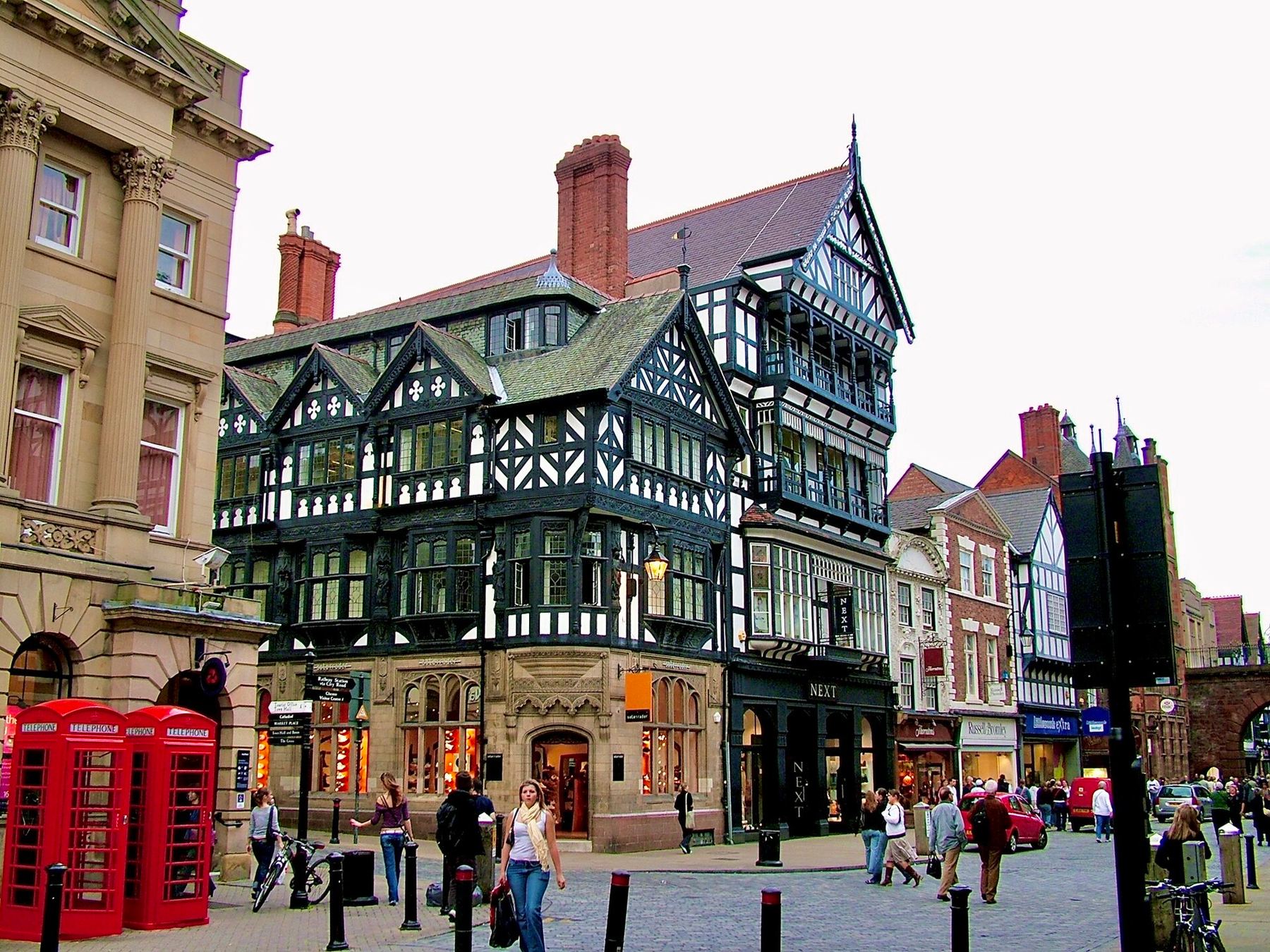
Regno Unito
A Roman wall circuit wrapping medieval timber galleries.
introduction
Chester compresses two millennia of British fortification into a two-mile walking loop. You navigate the city on two distinct tiers, stepping from modern pavement into continuous medieval timber galleries called the Rows. The compact Roman street grid makes motor vehicles redundant once you arrive. Expect dense historic architecture, steep stone staircases, and rapid transitions from busy shopping streets to quiet riverbank paths.
Station walk strategy
Walk fifteen minutes from Chester station along City Road instead of taking taxis. You enter straight through the city wall network.
Complete Roman perimeter
Chester possesses the only complete two-mile circuit of Roman and medieval city walls in Britain. Walking the full loop takes one hour.
Row level navigation
Street-level shop entrances hide upper walkways. Step up the exterior stone stairs to reach the covered timber galleries overhead.
Chester
Rept0n1x · CC BY-SA 3.0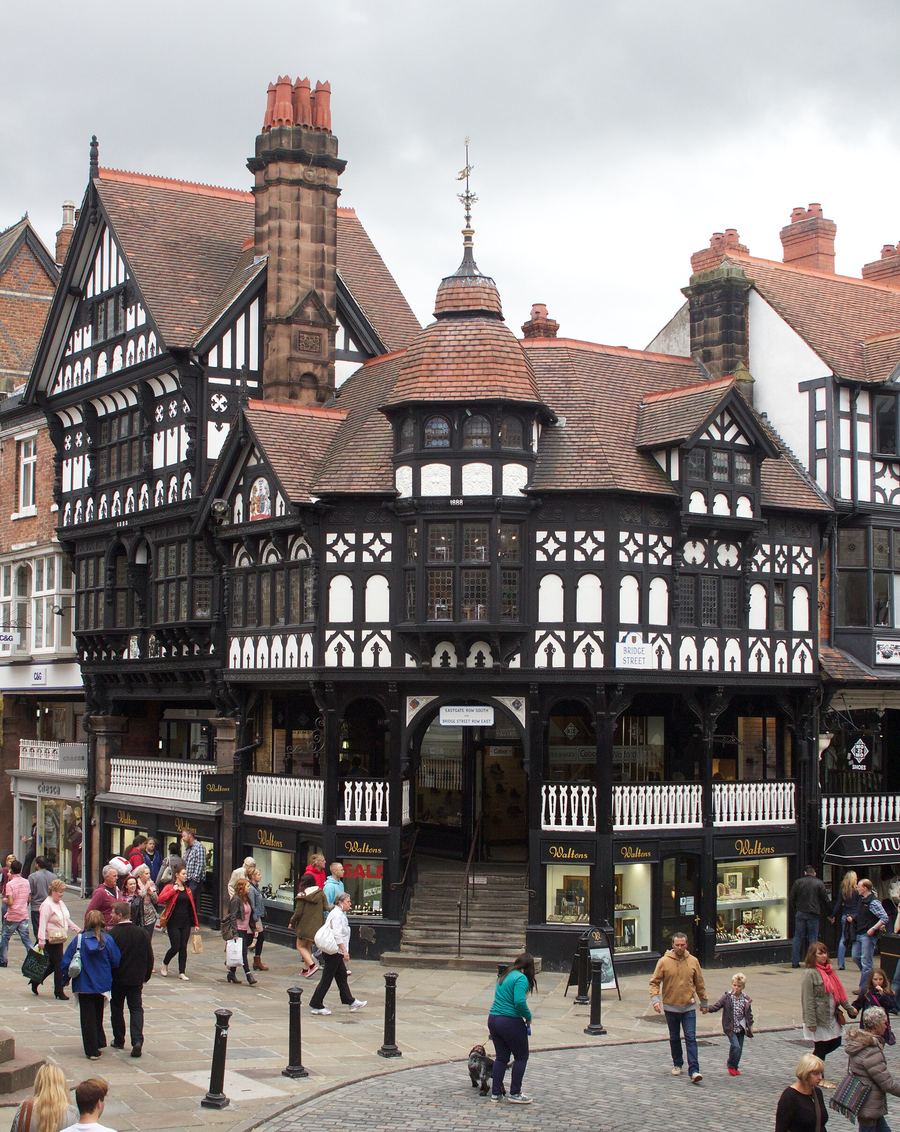
City Centre — High-density heritage with pedestrian streets, black-and-white facades, and busy market halls.
Stepped · CC BY-SA 3.0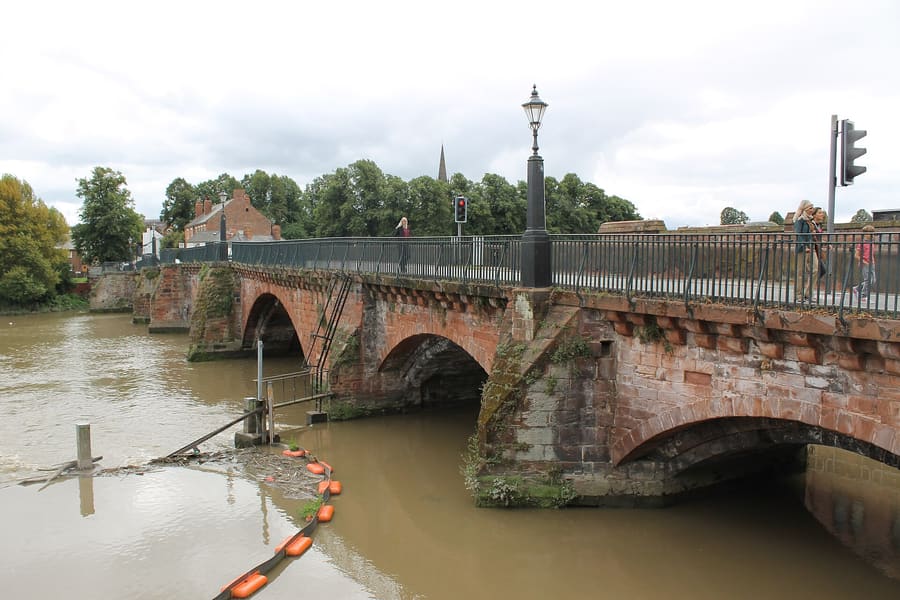
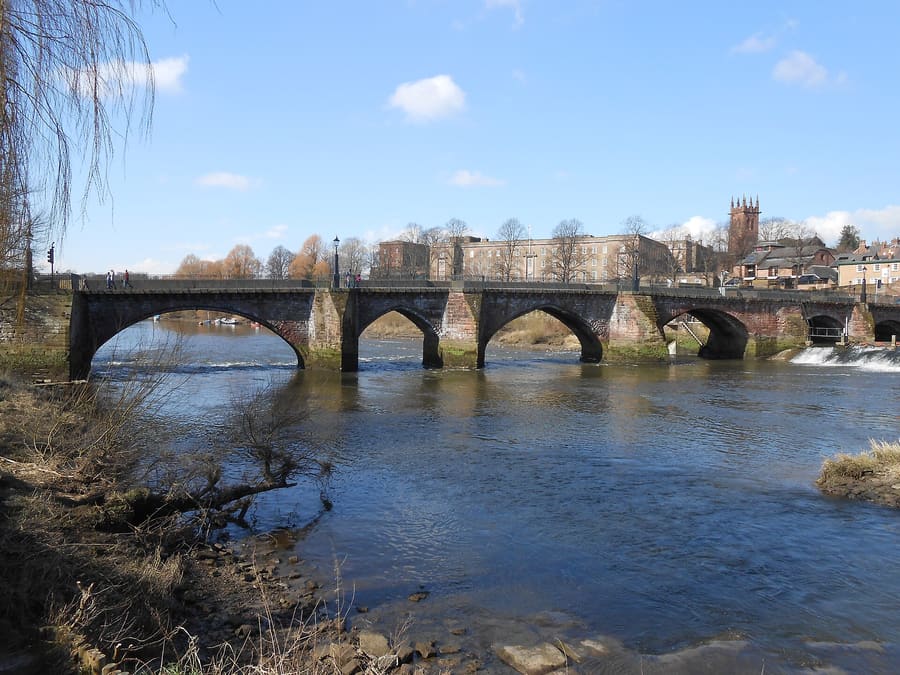
Handbridge — Quiet village vibe across the Old Dee Bridge with local pubs and green meadows.
Mum's taxi · CC BY-SA 3.0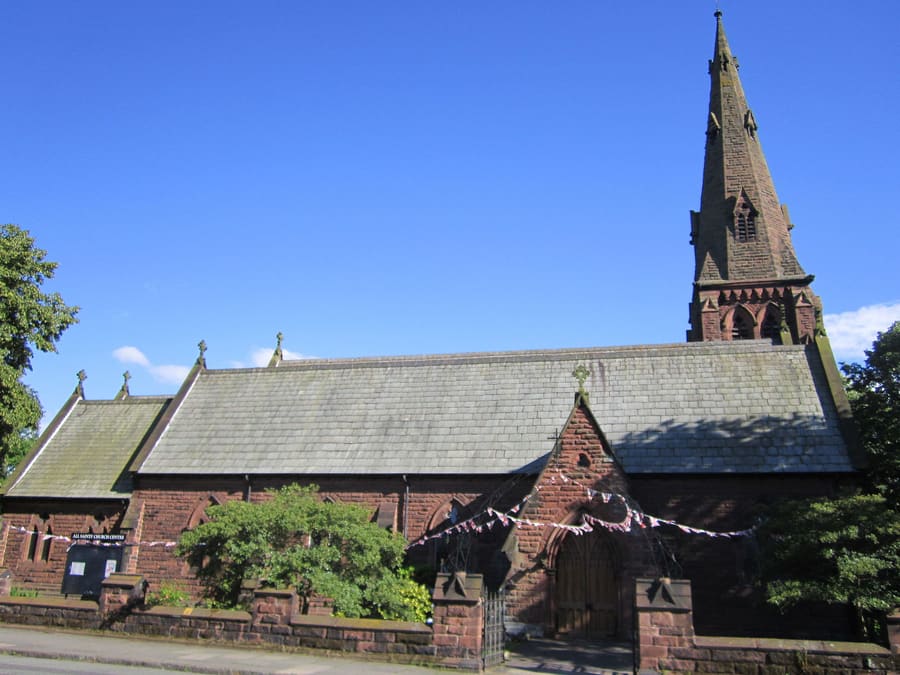
Hoole — Victorian brick neighborhood filled with independent bistros, delicatessens, and wine bars.
Rept0n1x · CC BY-SA 3.0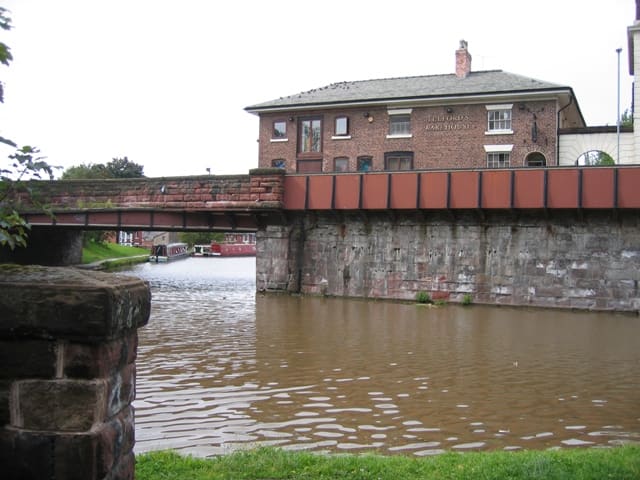
Garden Quarter — Bohemian residential streets running along the Shropshire Union Canal path.
John S Turner · CC BY-SA 2.0highlights
landmark
A continuous two-mile stone loop around the core city. Access points sit at every ancient gate with zero entry fees.
Chiedi a Parley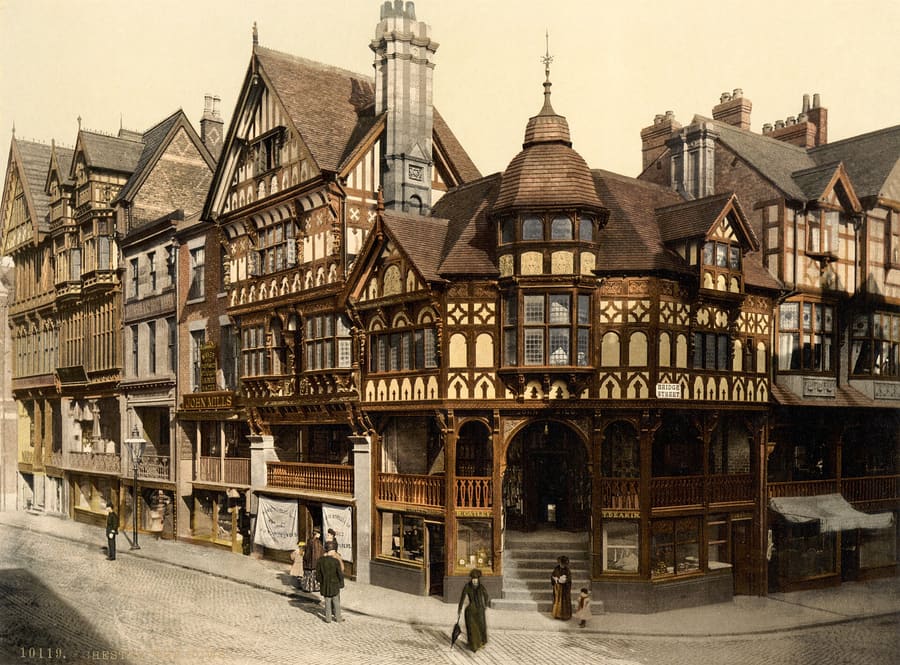
landmark
Continuous double-tier timber shopping galleries dating to the 13th century. Rain protection built into the architecture.
Chiedi a Parley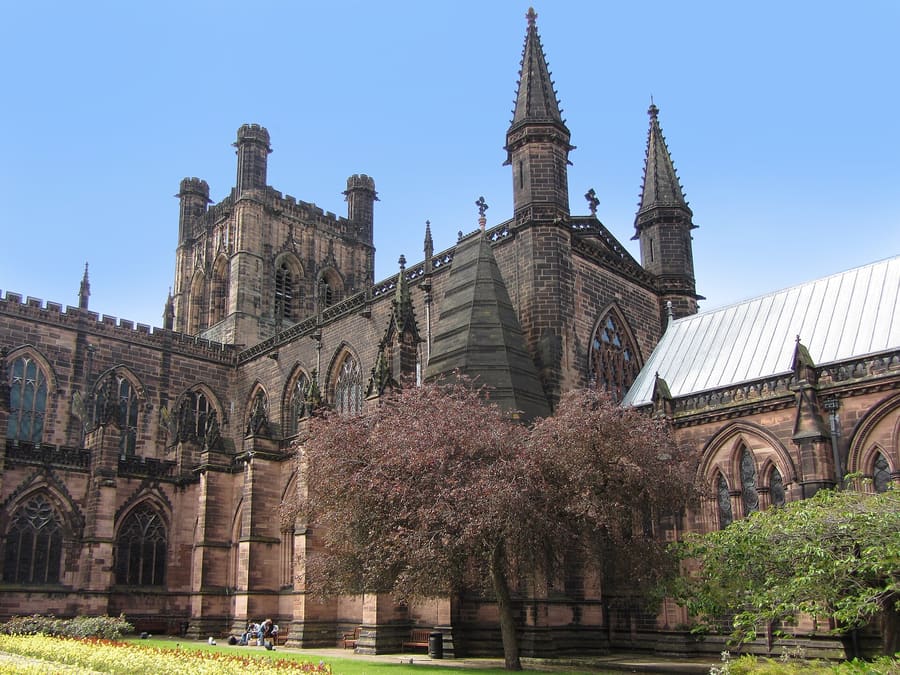
landmark
A red sandstone monastic complex with medieval choir stalls. Entry is free; tower climbs require a timed ticket.
Chiedi a Parley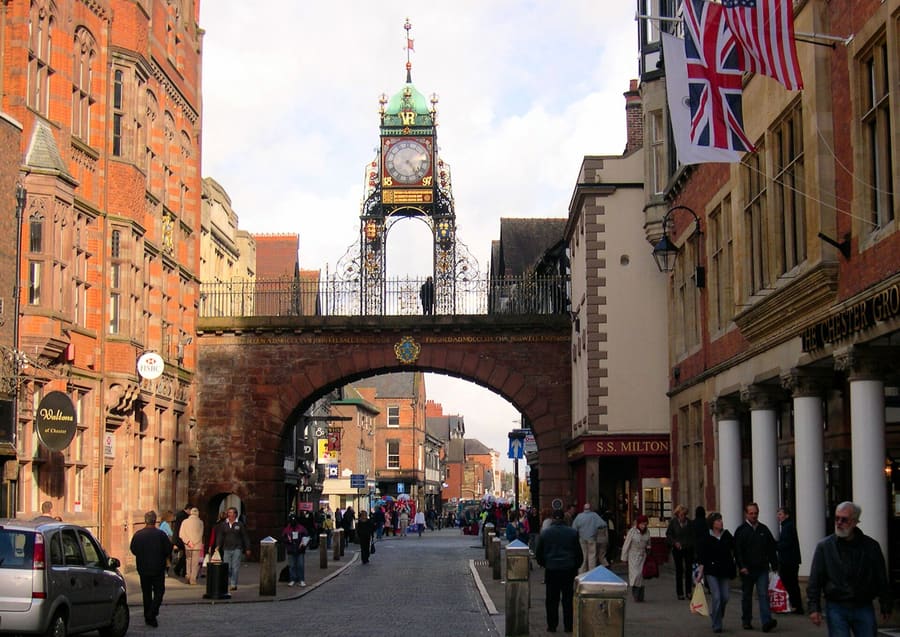
landmark
An ornate 1899 Victorian wrought-iron clock set on the ancient Eastgate. Stand on the wall pathway for direct level views.
Chiedi a Parley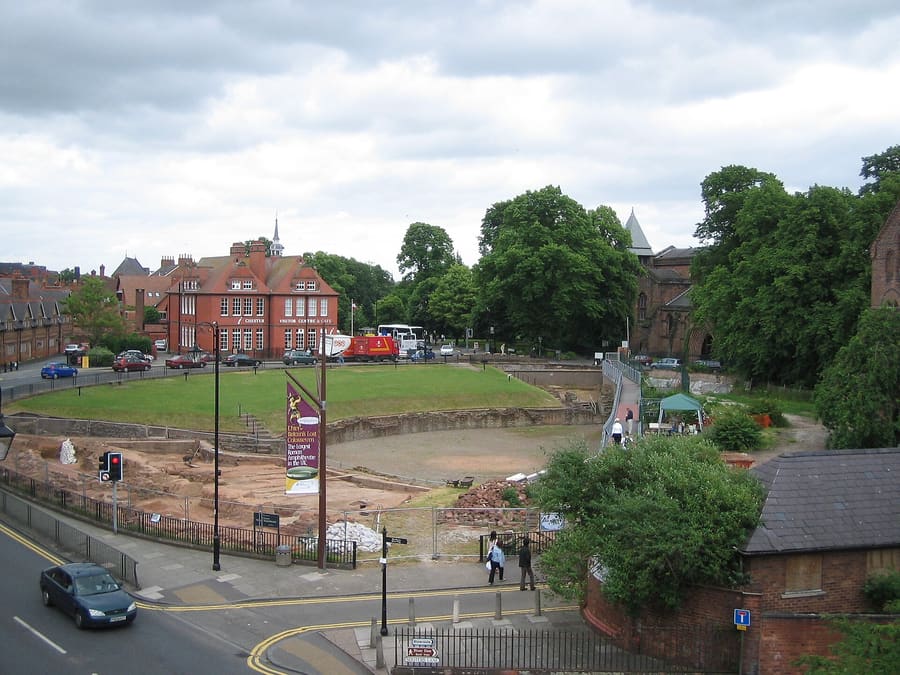
landmark
Britain's largest excavated Roman military amphitheatre. Free access daily right beside the Roman Gardens.
Chiedi a Parley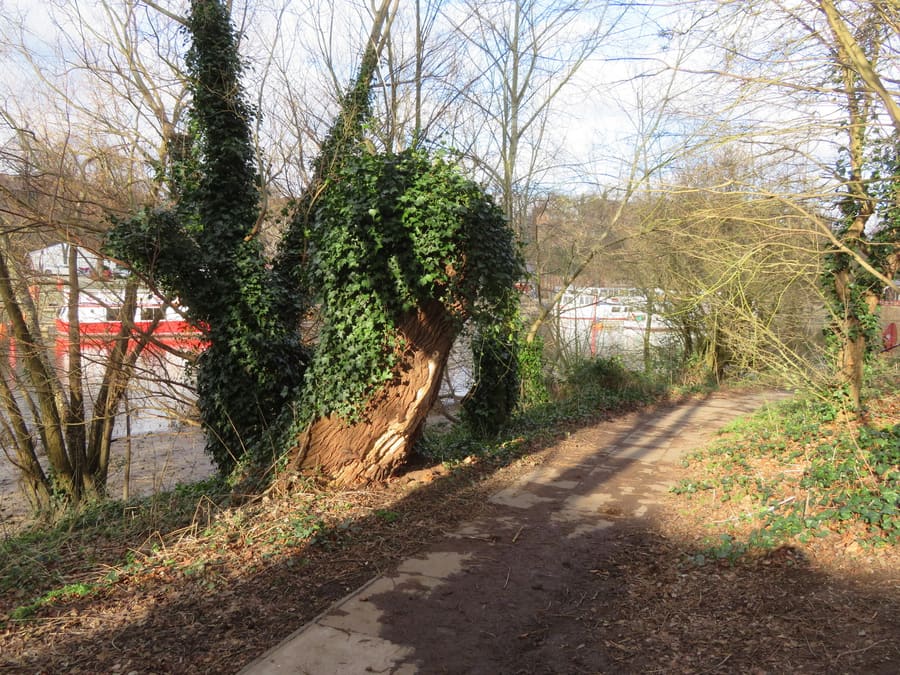
landmark
A paved riverside promenade lined with bandstands and boat hires. Cross the suspension bridge for quiet parkland.
Chiedi a Parleyattractions
areas
High-density heritage with pedestrian streets, black-and-white facades, and busy market halls.
Nei dintorniCity Walls, Cathedral, Eastgate Clock
Chiedi a ParleyQuiet village vibe across the Old Dee Bridge with local pubs and green meadows.
Nei dintorniEdgar's Field, River Dee, Old Dee Bridge
Chiedi a ParleyVictorian brick neighborhood filled with independent bistros, delicatessens, and wine bars.
Nei dintorniChester Railway Station
Chiedi a ParleyBohemian residential streets running along the Shropshire Union Canal path.
Nei dintorniCanal corridor, Watergate Street
Chiedi a Parleyfood
Dining in Chester splits sharply between modern indoor market traders and independent restaurants built into upper-level medieval galleries. Cheshire cheese remains a staple across local menus, but the city's food culture centers on craft kitchens operating in historic spaces.The Chester Market inside the Northgate development serves as the primary food hall, grouping regional produce stalls next to street food vendors. On Bridge Street and Watergate Street, dining rooms sit inside timber timber-framed chambers original to the 16th century.
Communal tables in Chester Market fill by 12:15 on weekdays. Arrive at 11:45 to avoid waiting for a table.
Several top restaurants sit on the second tier of the Rows on Watergate Street. Walk up the outer stone stairs rather than searching for ground-floor doors.
Traders inside Chester Market operate entirely cashless. Card and phone payments are accepted at every counter.
history
Chester began as Deva Victrix, a major Roman legionary fortress founded under Emperor Vespasian in AD 79. The settlement guarded the crossing of the River Dee and served as the primary military base for operations against western tribes.In the Middle Ages, Anglo-Saxon fortifiers expanded the Roman walls. The city developed its distinctive double-decker Row architecture during the 13th century, building timber shops on stone cellars over Roman debris. During the English Civil War, Chester endured a devastating two-year Parliamentary siege that damaged large sections of the medieval walls.
Deva Victrix founded
Legio II Adiutrix establishes a massive timber and sandstone fortress on the River Dee.
Saxon refortification
Æthelflæd, Lady of the Mercians, rebuilds and extends the Roman walls against Viking raids.
Construction of The Rows
Merchants begin building unique elevated timber galleries over ground-floor stone vaults.
Civil War Siege
Royalist Chester surrenders after a prolonged siege that batters the stone defenses.
Eastgate Clock erected
The public installs an ornate wrought-iron clock to commemorate Queen Victoria's Jubilee.
where to stay
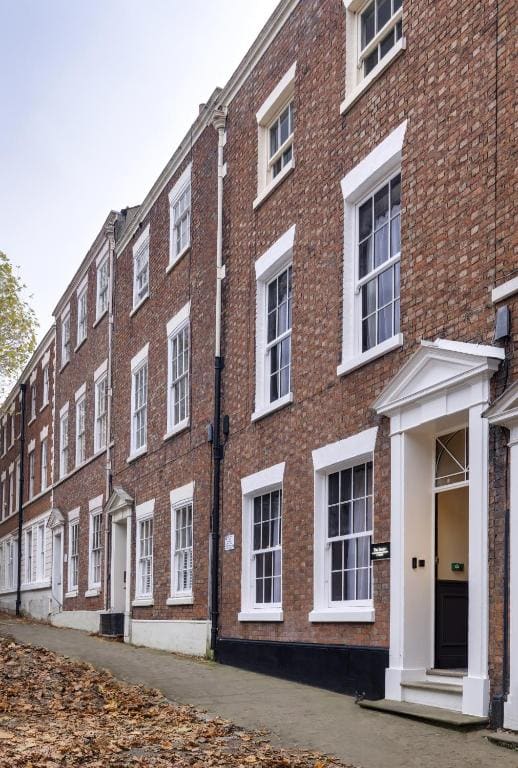
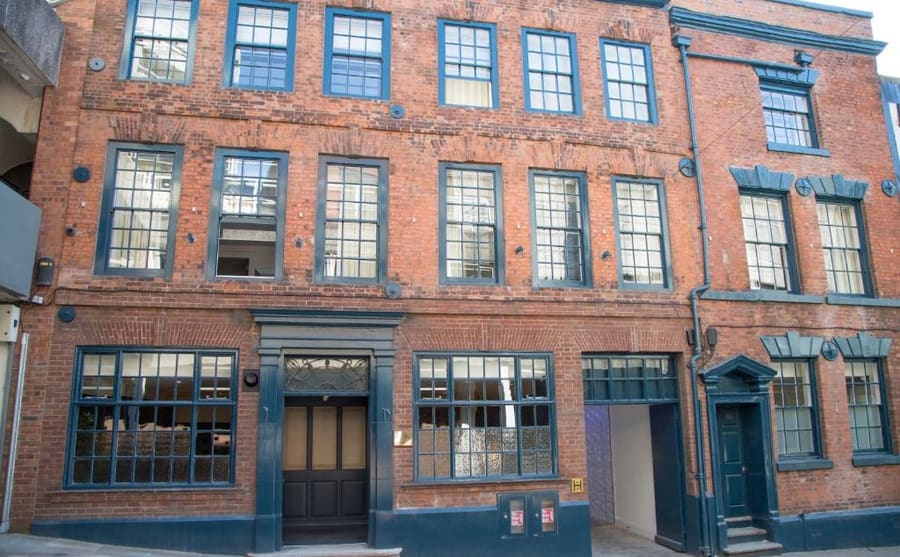
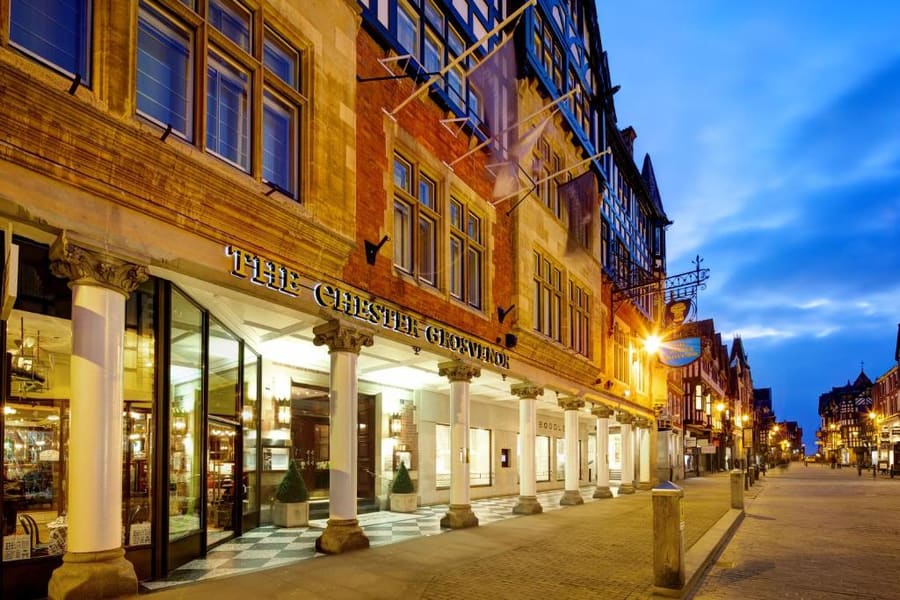
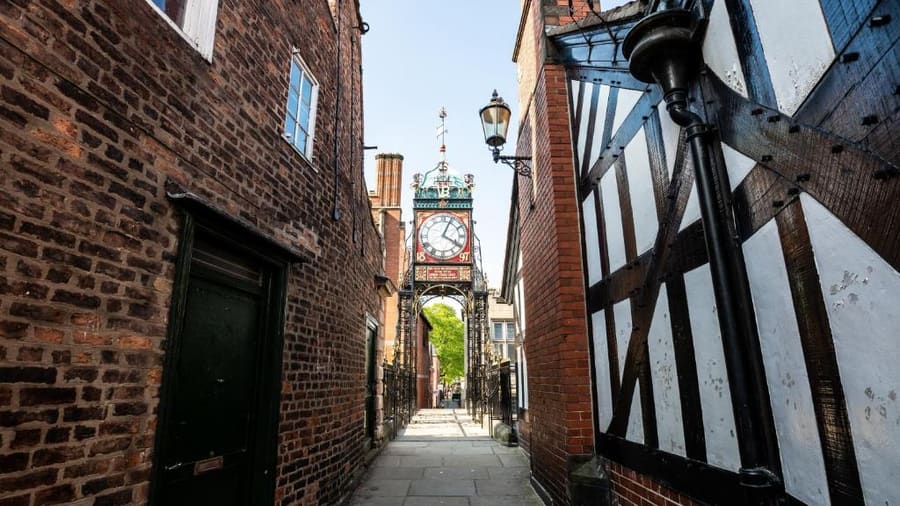
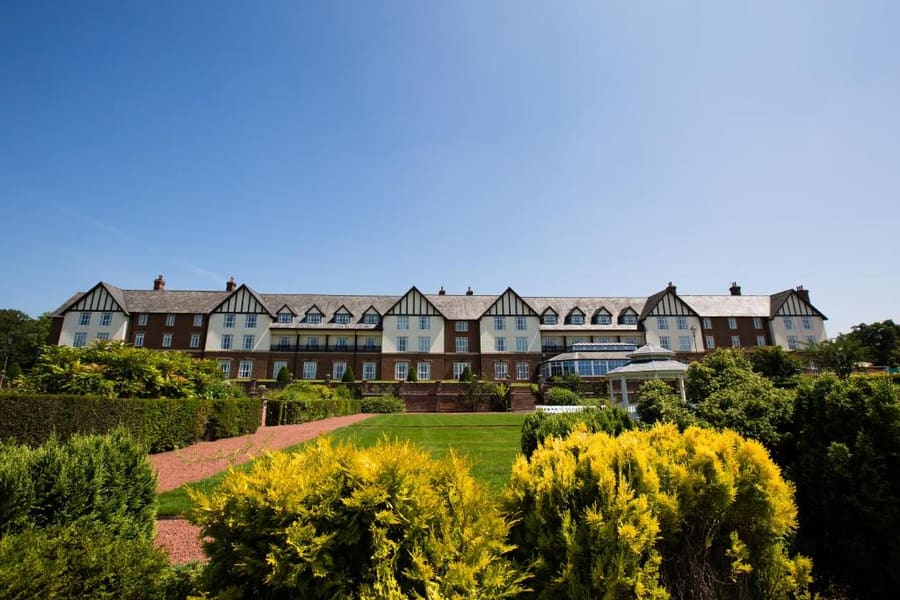
Choose your location based on arrival transport and noise tolerance. Staying inside the walls places you steps from main sights, but historic buildings mean tight access and limited parking. Hoole offers quieter Victorian townhouses five minutes from the train platforms, while Handbridge provides river views across medieval bridges.
Live rates, matched to the areas above.
transport
Chester is fundamentally a pedestrian city. The entire historic core inside the walls is car-free during main shopping hours. Local buses run from the Chester Bus Interchange near the railway station, but you will complete almost every urban journey on foot.
Vehicles are barred from the city center core between 10:30 and 16:30 daily.
Buy a Merseyrail Day Saver ticket for unlimited regional travel if visiting Liverpool on the same day.
The wall path requires navigating narrow steps and stone drop-offs. It is not fully wheelchair accessible throughout.
cost
Chester is priced moderately compared to nearby Manchester and London. Sightseeing costs remain low because primary attractions—including the wall loop, cathedral floor, and Roman ruins—are completely free to enter.
Pints of local cask ale in historic pubs like The Bear and Billet.
Fresh cooked meals from independent vendors in Chester Market.
Guided ascent to the top of Chester Cathedral tower.
Off-peak return rail fare via Merseyrail.
seasonality
MAR – MAY
Spring brings mild walking weather and modest tourist volume. Ideal for full city wall circuits.
JUN – AUG
Peak season with Chester Racecourse events in full swing. Book hotels months ahead on race weekends.
SEP – NOV
Autumn brings cooler damp weather, but the covered Rows provide sheltered walking routes.
DEC – FEB
Coldest months with early darkness. Quietest period for historic site exploration and lower room rates.
practicalities
Chester Races draw thousands of visitors on fixture days between May and September. Hotel rates double and pubs crowd early.
The city walls remain open 24 hours daily without gates or closure times.
Most central venues prefer contactless payments; carry minimal cash.
Cobblestones and medieval stone stairs require sturdy flat shoes; avoid narrow heels.
Cathedral sightseeing pauses during services, including daily Choral Evensong.