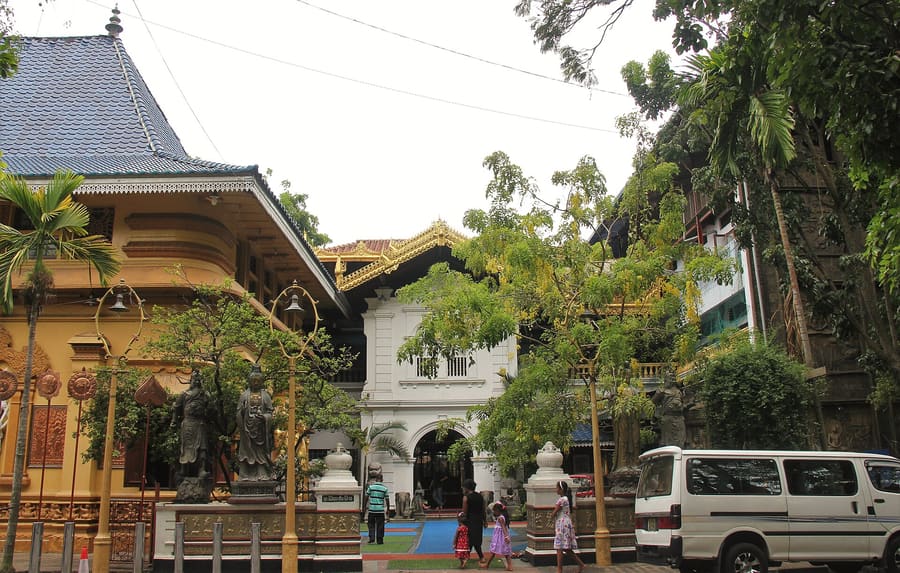
landmark
Gangaramaya Temple
Eclectic Buddhist complex holding thousands of brass statues and gifts. Remove your shoes and cover shoulders before stepping onto the tile grounds.
Chiedi a ParleySri Lanka
A coastal grid of port trade, street markets, and high-rises.
introduction
Colombo operates as Sri Lanka's high-speed commercial core, stretched along the Indian Ocean shoreline. You navigate the city by numbered postal districts, moving from the dense wholesale lanes of Pettah to the quiet residential avenues of Cinnamon Gardens. Expect heavy traffic, high humidity, and rapid urban growth along the waterfront. Rideshare applications solve local transport, bypassing aggressive street-hailing pricing.
Express airport transfer
Bus line 187 takes the Katunayake Expressway straight to Pettah station. It costs under 500 LKR and skips suburban traffic.
Dutch colonial layout
The Fort district preserves the grid plan laid out during Dutch rule in the 17th century. The central hospital building remains intact.
Postal code navigation
Colombo uses fifteen numbered postal districts from Colombo 01 to 15. Drivers identify neighborhoods by these numbers rather than street names.
Colombo
Azeez Abubakr · CC BY-SA 4.0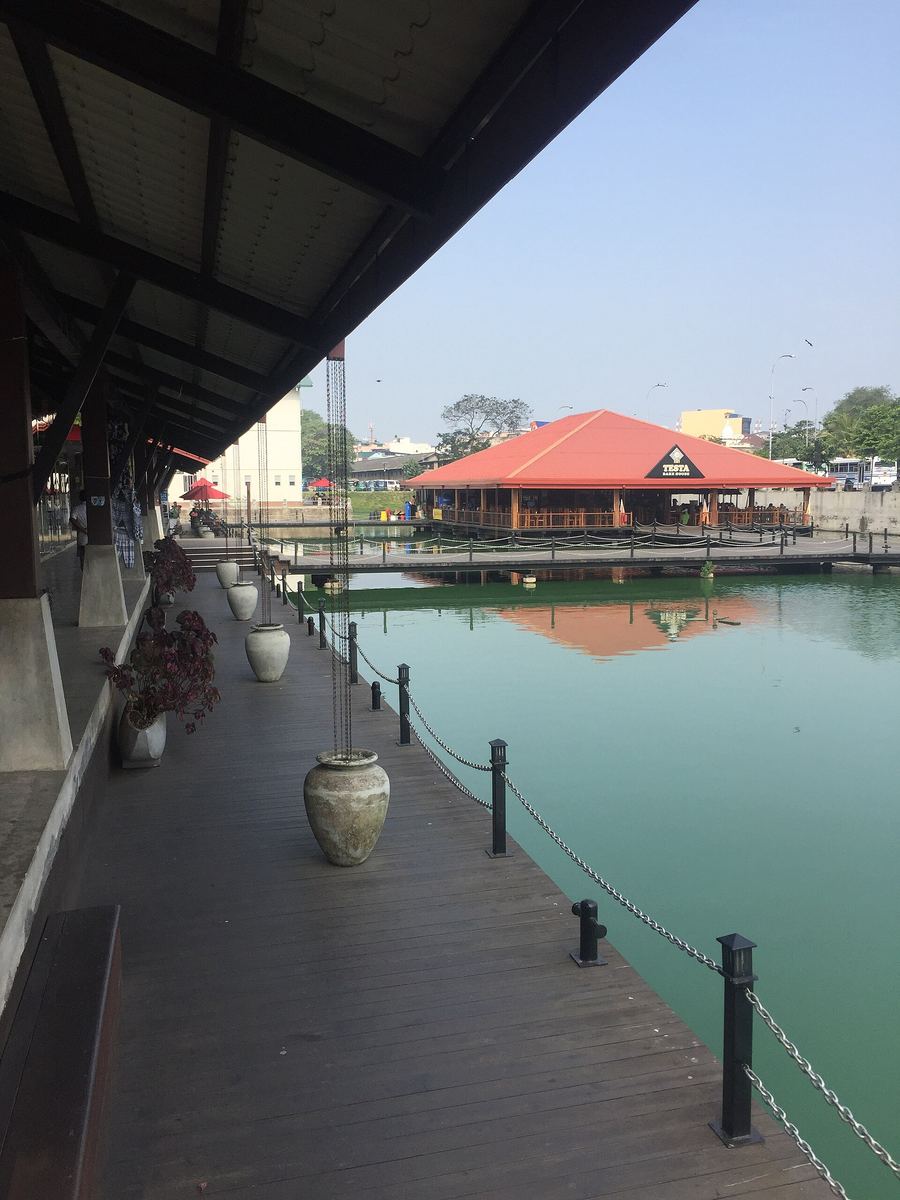
Pettah — Sensory overload, packed wholesale markets, narrow lanes, and loud trading traffic.
Dan arndt · CC BY-SA 4.0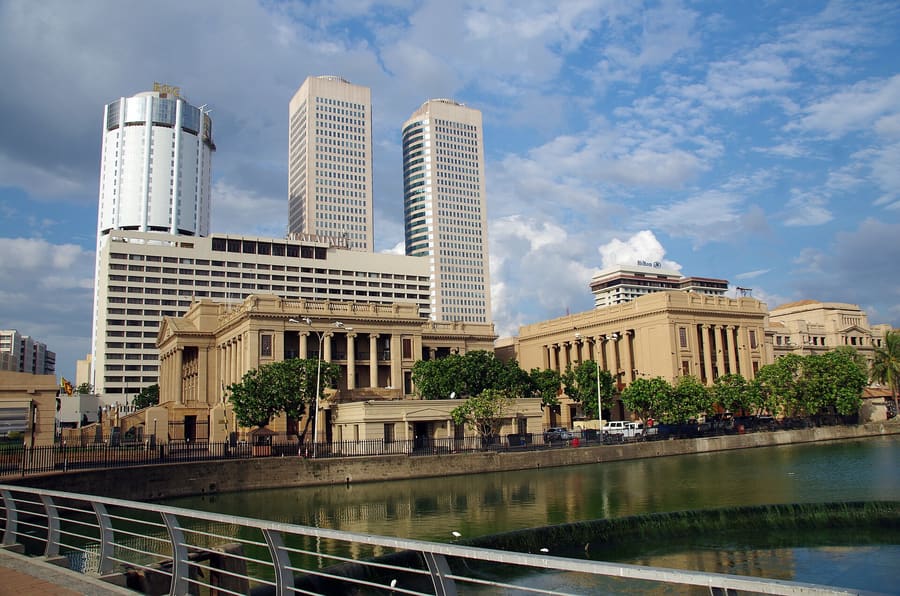
Fort — Colonial government buildings, high-end hotel towers, and quiet banking streets.
Balou46 · CC BY-SA 4.0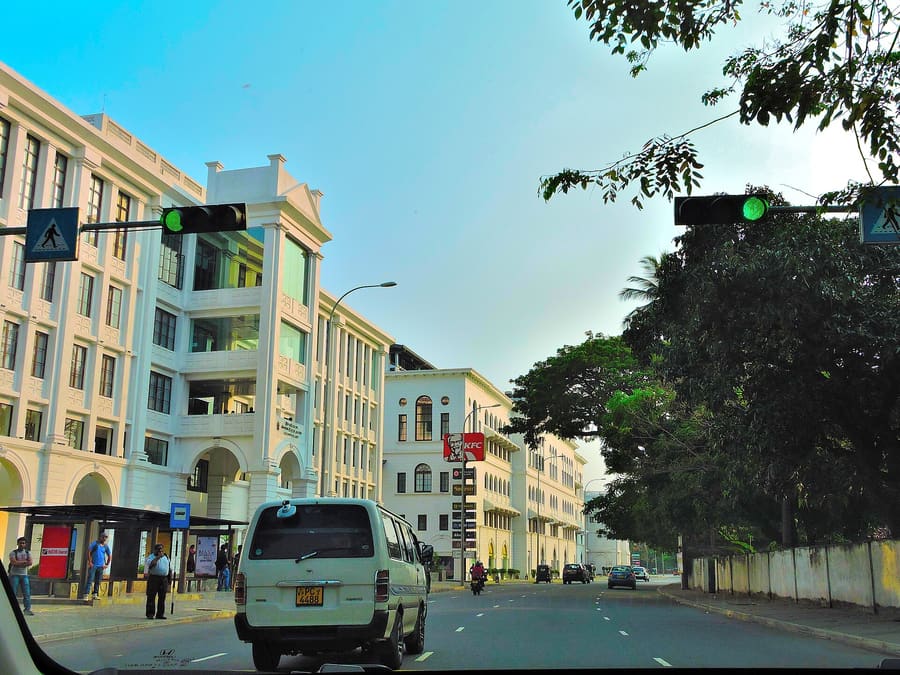
Cinnamon Gardens — Shady residential boulevards, art galleries, embassies, and open green parks.
Dinil Samarasinha · CC BY-SA 4.0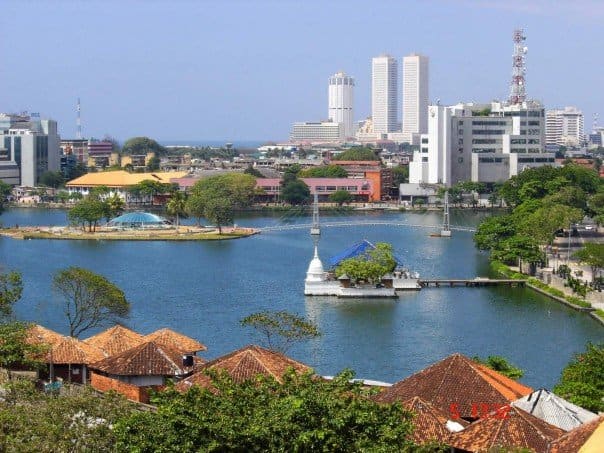
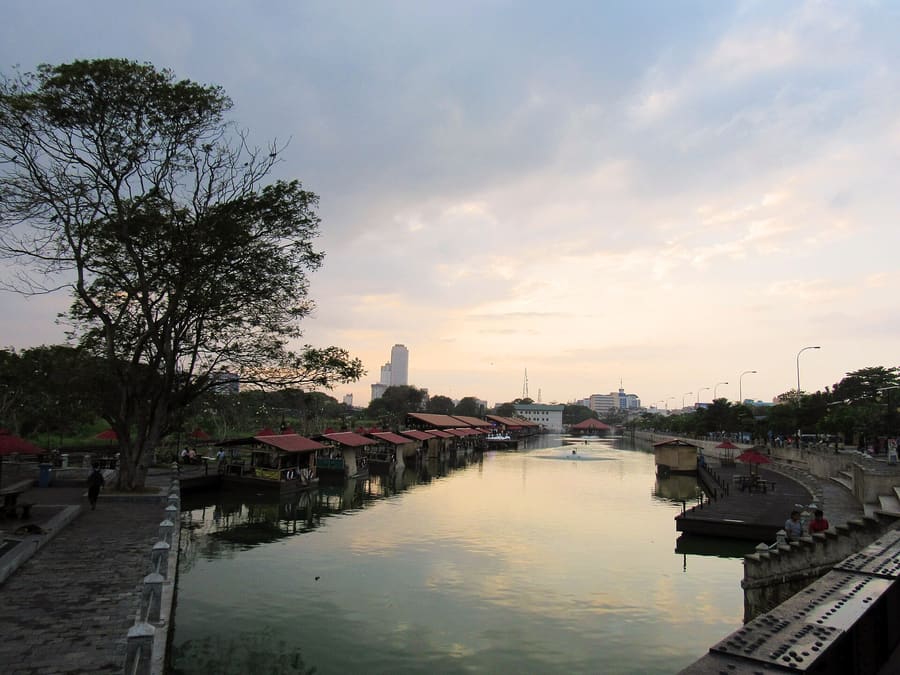
Slave Island — Fast-changing neighborhood of luxury condo towers and historic lakeside shrines.
Mayakaru at English Wikipedia · CC BY 3.0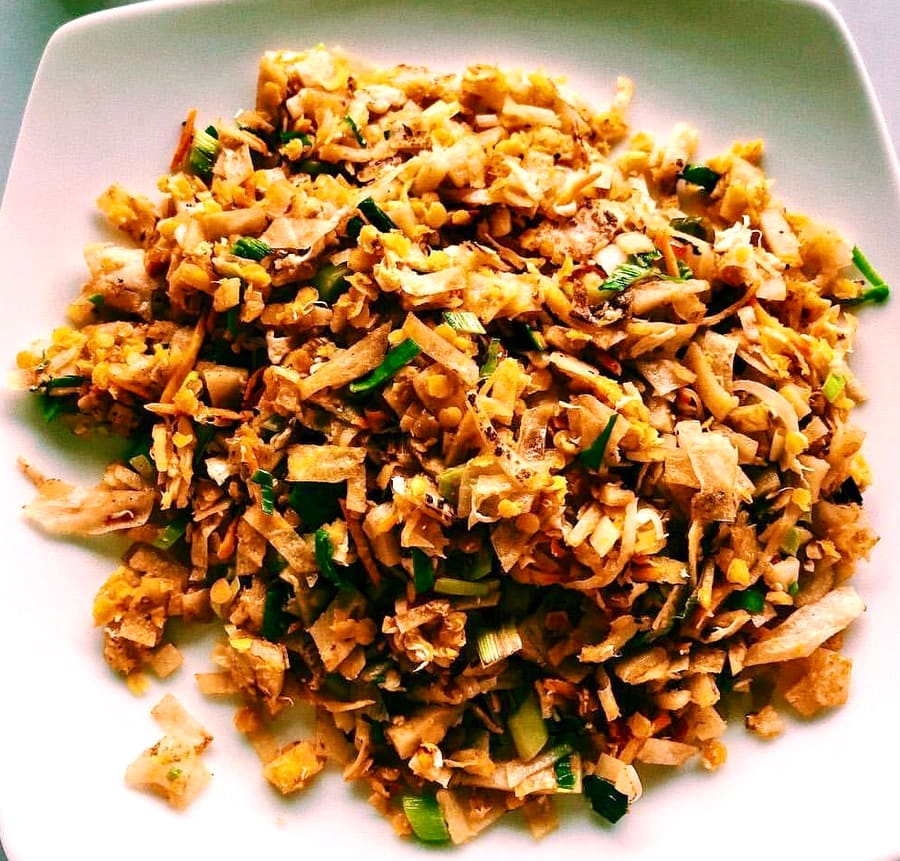
A cook chops flatbread and curry vegetables on a flat top grill to make kottu roti.
Dan arndt · CC BY-SA 4.0highlights
landmark
Eclectic Buddhist complex holding thousands of brass statues and gifts. Remove your shoes and cover shoulders before stepping onto the tile grounds.
Chiedi a Parley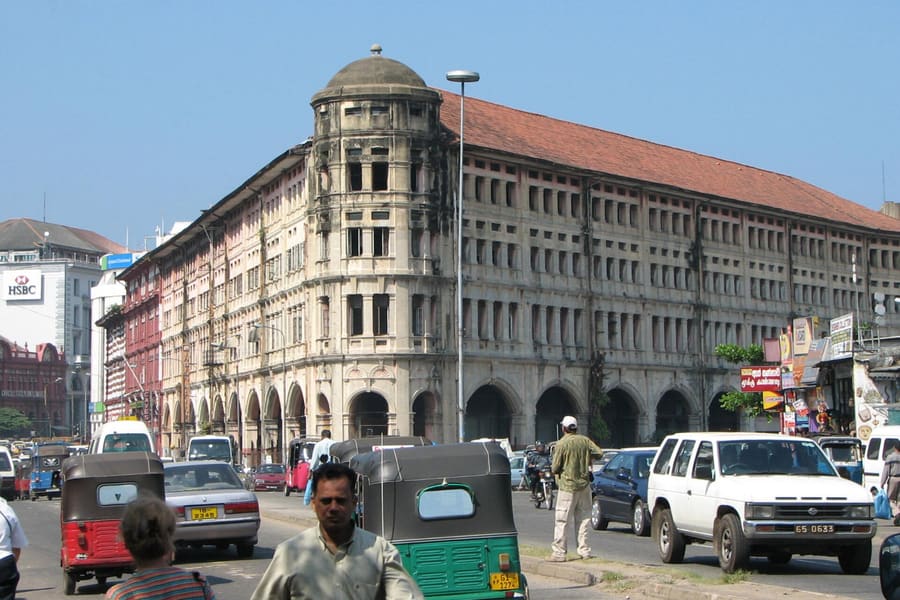
landmark
Dense wholesale district where each street specializes in one commodity. Keep your phone secured and prepare to squeeze past handcarts.
Chiedi a Parley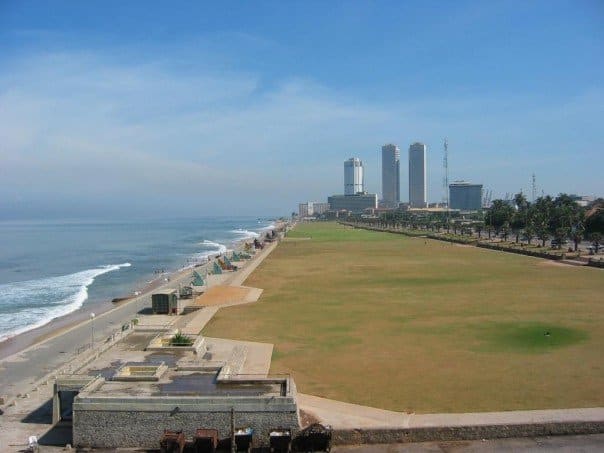
landmark
Oceanfront promenade where locals gather at sunset to fly kites. Street food stalls cook fresh prawn vadai along the seawall.
Chiedi a Parley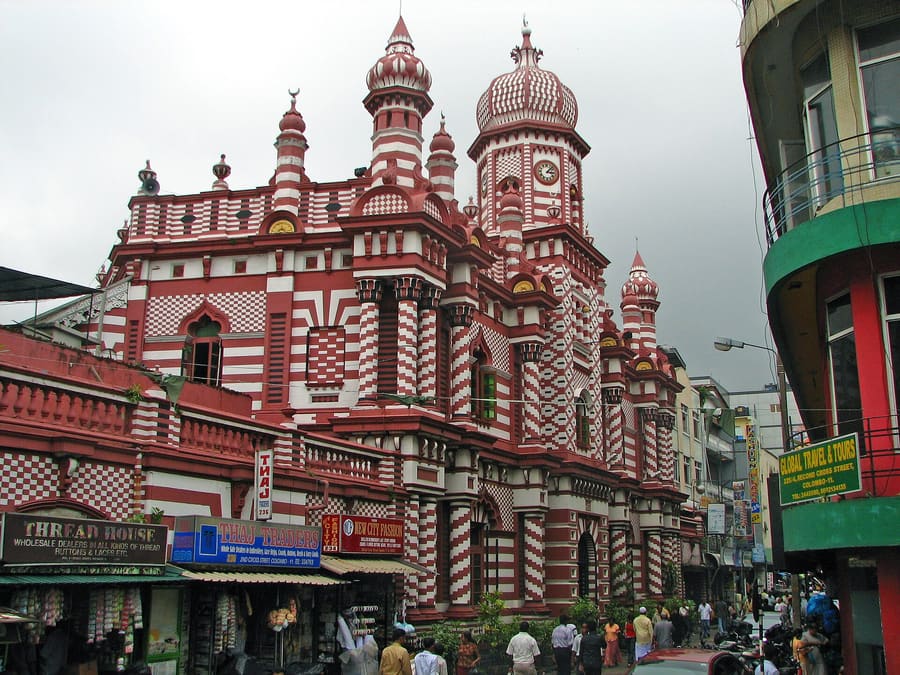
landmark
Striking candy-striped brick mosque built in 1908 inside Pettah. Non-Muslim visitors may enter outside active prayer hours.
Chiedi a Parley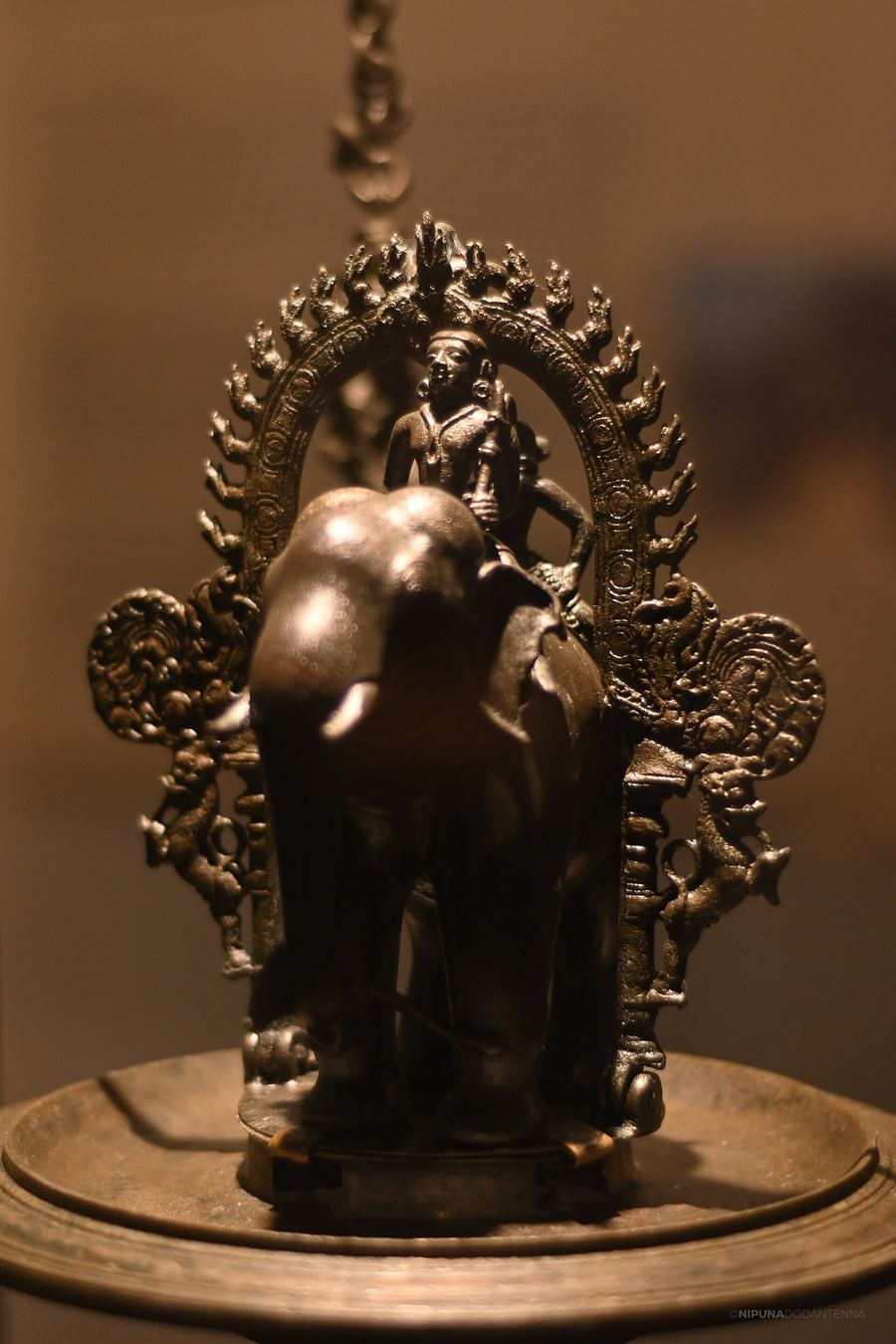
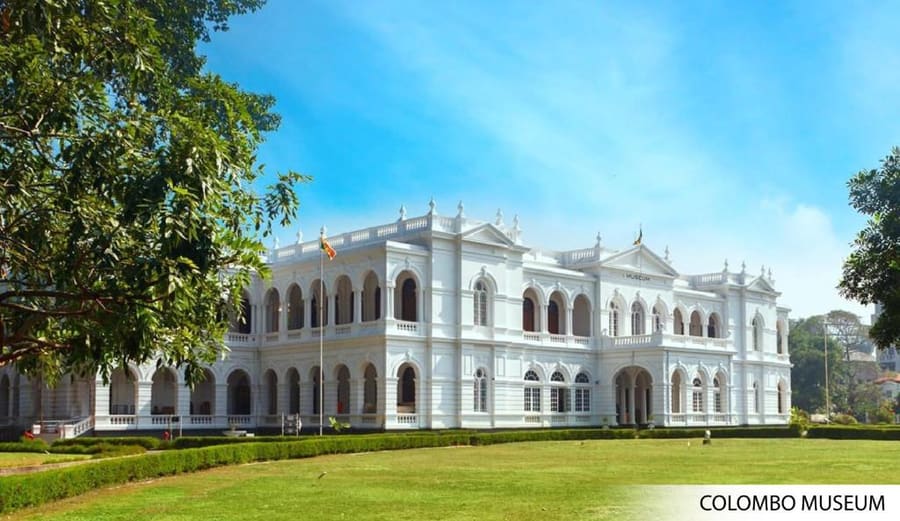
landmark
Houses the regalia of the Kandyan monarchs inside a 1877 colonial mansion. Quiet galleries offer relief from the afternoon heat.
Chiedi a Parley
landmark
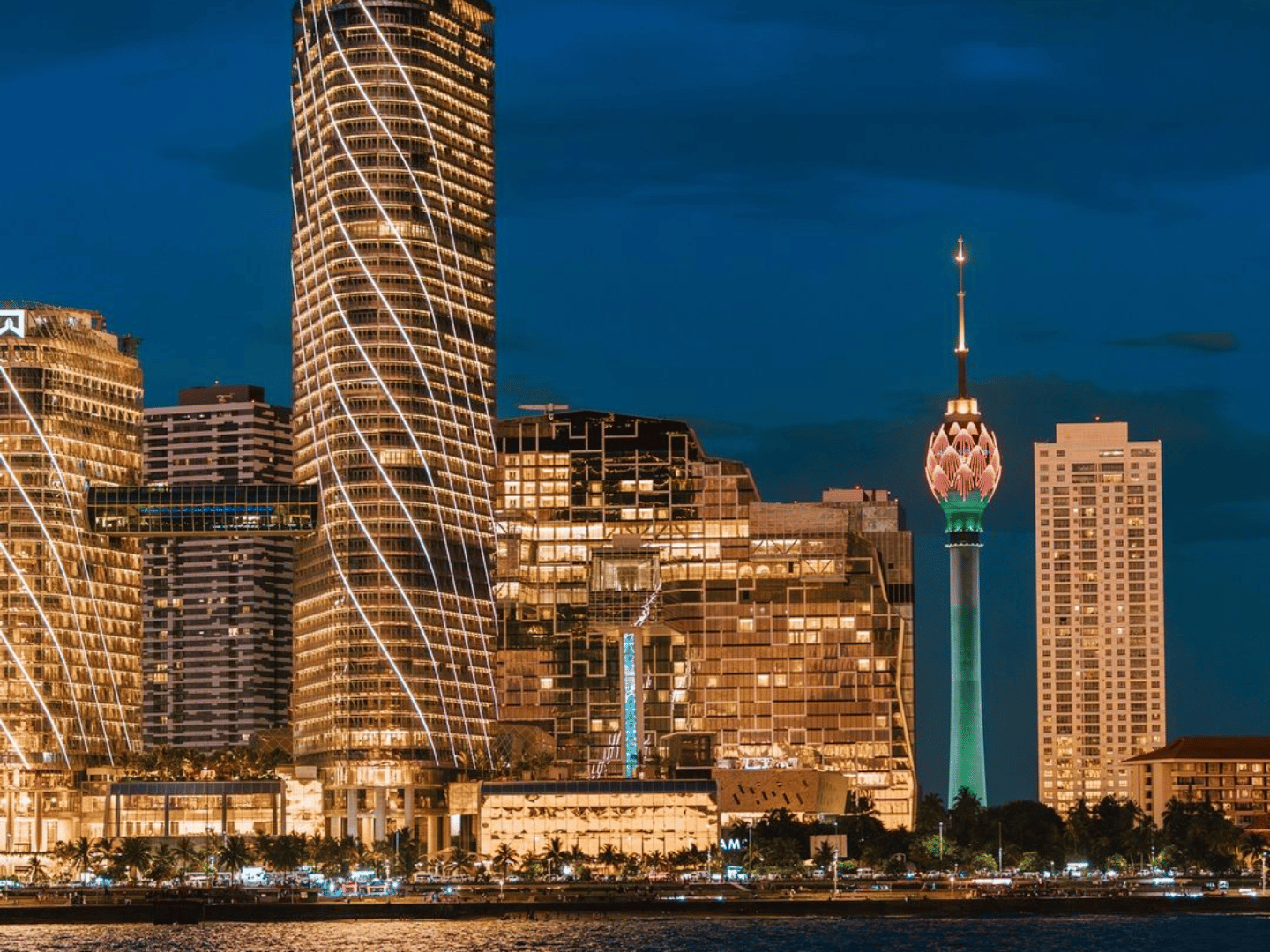
350-meter spire dominating the city skyline. Pay for the observation deck ticket right before sunset for clear coastal views.
Chiedi a Parleyattractions
areas
Sensory overload, packed wholesale markets, narrow lanes, and loud trading traffic.
Nei dintorniFort Railway Station and the Red Mosque.
Chiedi a ParleyColonial government buildings, high-end hotel towers, and quiet banking streets.
Nei dintorniDutch Hospital complex and Galle Face Green.
Chiedi a ParleyShady residential boulevards, art galleries, embassies, and open green parks.
Nei dintorniNational Museum and Viharamahadevi Park.
Chiedi a ParleyFast-changing neighborhood of luxury condo towers and historic lakeside shrines.
Nei dintorniGangaramaya Temple and modern shopping centers.
Chiedi a Parleyfood
Colombo food centers on hot pan stir-fries and coastal spices. Street vendors chop flatbread into kottu roti using rhythmic metal blades on iron grills every evening. Dutch Burgher heritage lives on in lamprais, a parcel of meat curries and sambal cooked inside a scorched banana leaf. Galle Face Green vendors serve crisp isso vadai, small lentil cakes topped with whole sea prawns.
A cook chops flatbread and curry vegetables on a flat top grill to make kottu roti.
Dan arndt · CC BY-SA 4.0Historic spots like the Dutch Burgher Union serve authentic lamprais only for lunch. They prepare a fixed batch that sells out before 14:00.
Kottu roti grills fire up around 17:00 across Sri Lanka. Order yours hot from street stands with high turnover rather than hotel buffets.
Upscale seafood places inside Fort require advance dinner bookings. Walk-in seats sell out days ahead during dry season peak.
history
Colombo grew from a natural port handling Arab spice traders into a heavily fortified colonial stronghold. Portuguese forces first arrived in Colombo in 1505 and later gained control, constructing a fort in 1518, followed by the Dutch in 1656 and the British in 1796. British administrators expanded the port to export tea, turning the town into the primary capital of Ceylon. Independence in 1948 established the city as the nation's financial and trade engine.
Portuguese arrival
Explorers sign a trading treaty with the King of Kotte and build a fort around Colombo harbor.
Dutch conquest
Dutch forces capture the city after a long siege, constructing the grid system seen in Fort today.
National Museum opens
Governor William Gregory opens the museum to showcase Sinhalese art and regal history.
Capital shift
Parliament moves to Sri Jayawardenepura Kotte, leaving Colombo as the commercial capital.
where to stay
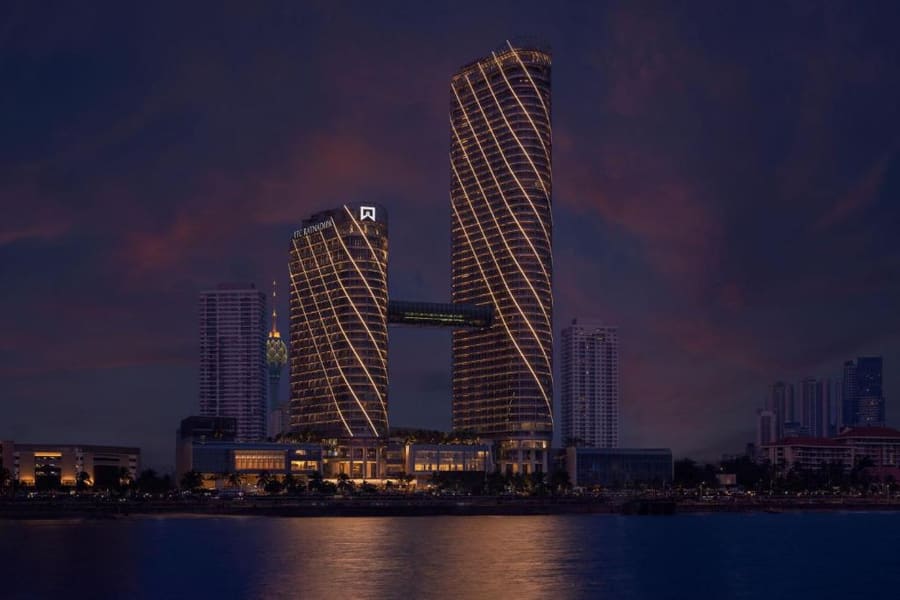
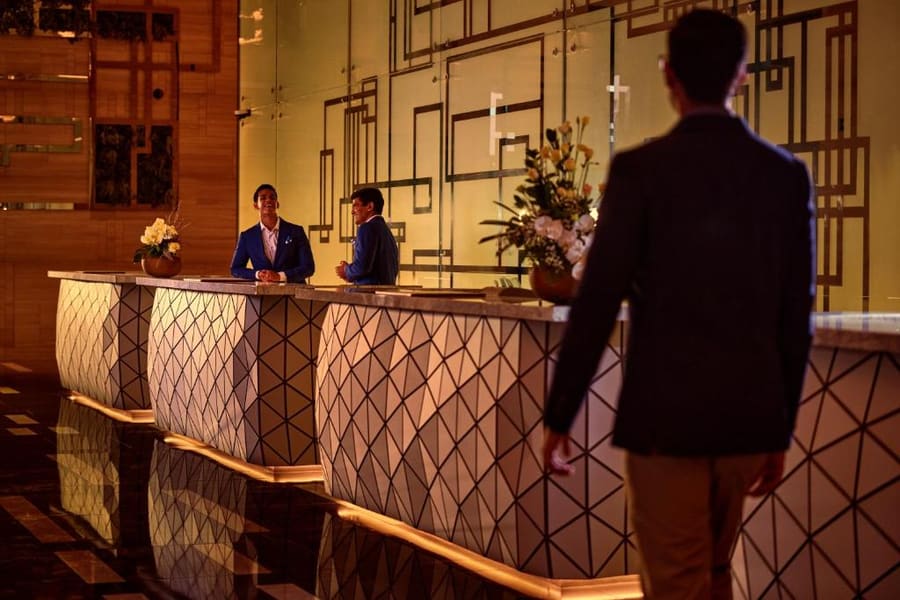
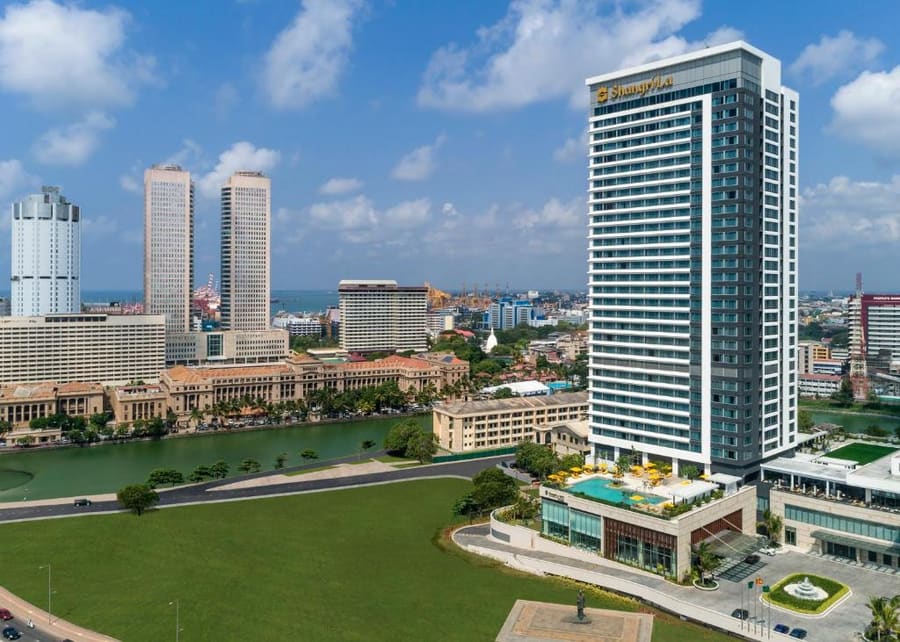
Choose your base by your noise tolerance and daily routine. Fort and Galle Face put you on the oceanfront close to top dining. Cinnamon Gardens trades ocean views for quiet leafy streets and art galleries.
Live rates, matched to the areas above.

transport
Colombo stretches over twelve kilometers along the coast. Walking works within individual districts like Fort or Pettah, but crossing between districts requires wheels under the humid sun.
Da Bandaranaike International Airport (CMB)
Book via PickMe or Uber. Highway toll fee is included in the final fare.
Line 187 runs via the expressway directly to Pettah Central Bus Stand.
Pay at the official counter inside the arrivals hall before exiting.
Download the PickMe app upon arrival. App rates run up to fifty percent cheaper than street-flagged tuk-tuks outside Fort station.
If hailing a street tuk-tuk, confirm the digital meter is running before getting in. Reject flat-rate offers from tourist stands.
Coastal line trains run south from Secretarial Station through Colombo 03 along the beach. Buy third-class tickets at the counter for LKR 50.
Avoid road transit between 07:30–09:00 and 17:00–18:30 along Galle Road. Distances that take ten minutes can take an hour.
cost
Colombo offers stark price splits between local street counters and hotel developments. Cash rules small markets, while digital payment works in modern stores.
Fresh plate of chicken or vegetarian kottu at a local night stall.
Metered or app-booked transit across two postal districts.
Seafood meal per person in the Dutch Hospital precinct.
Standard foreign visitor ticket for the top observation deck.
seasonality
DEC – MAR
Driest months with moderate coastal breeze. Prime season for exploring Pettah and walking Galle Face.
APR – MAY
Temperatures spike before the monsoon. High heat index makes outdoor sightseeing exhausting by midday.
JUN – SEP
Southwest monsoon brings heavy afternoon downpours. Hotel rates drop and city traffic slows during storms.
OCT – NOV
Inter-monsoon period with unpredictable evening thunderstorms. Pack an umbrella if walking between sites.
practicalities
Cover knees and shoulders when entering temples. Take off shoes and hats at the outer entrance of Buddhist compounds.
Commercial Bank and Hatton National Bank ATMs take foreign cards reliably. Keep smaller notes for local tuk-tuks.
Schedule walking tours in Pettah before 10:30 or after 16:00. High humidity makes open streets intense at midday.
Full moon days (Poya) are official public holidays. Bars and supermarkets stop selling alcohol for twenty-four hours.
Rough undertows make swimming off Galle Face Green unsafe. Use hotel pools instead of open beach waters.