landmark
Kilmainham Gaol
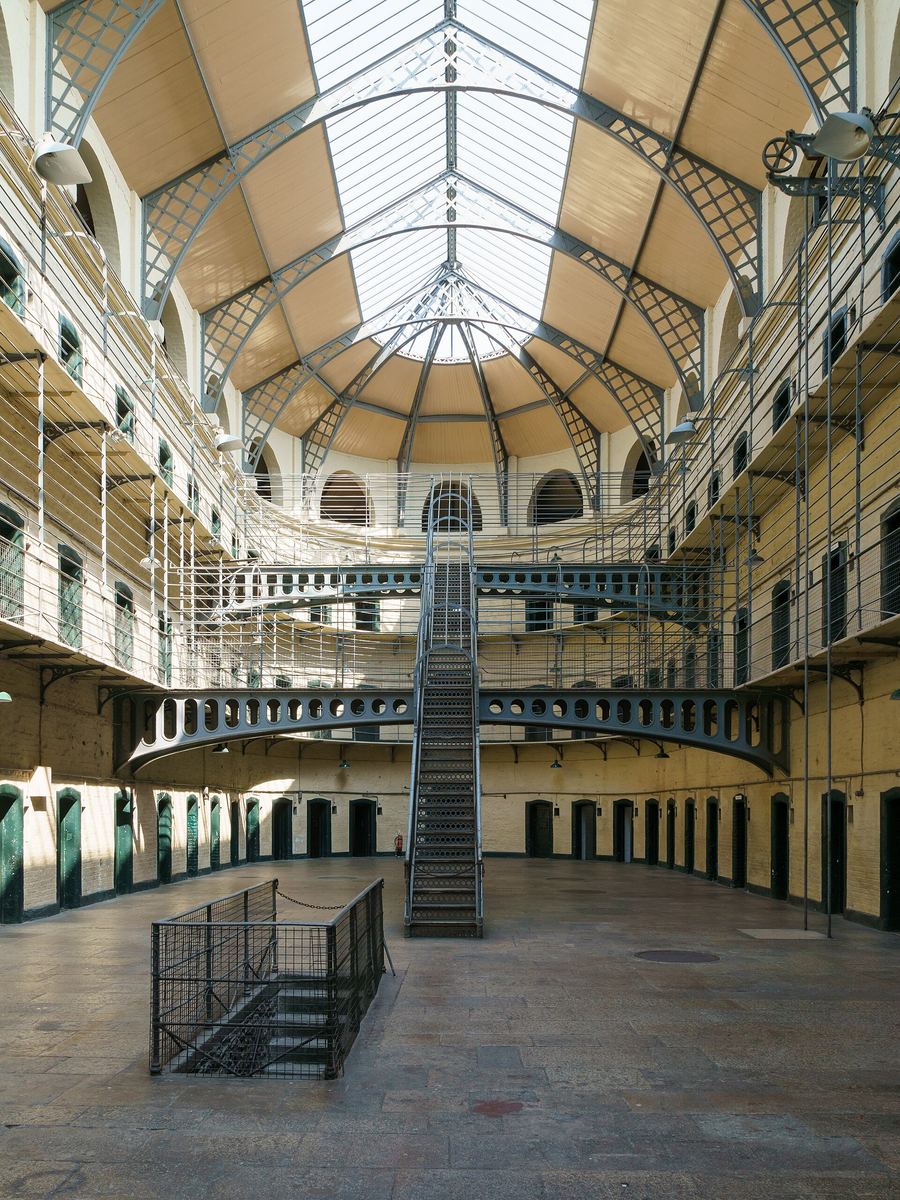
Unfiltered political history inside a 1796 panopticon prison. Tickets release online 28 days in advance and sell out in minutes.
Chiedi a ParleyIrlanda
A compact capital built on pub culture and literary history.
introduction
Dublin splits cleanly along the River Liffey, with commercial streets to the north and Georgian squares to the south. Most major sights sit within a twenty-minute walk of Dublin Castle. The city moves at a relaxed pace, but pub tables and museum slots fill days in advance. Public transport relies on buses and two tram lines, though your feet will do most of the work.
Airport Express Bus
The Dublin Express bus 782 runs directly from Airport Terminal 1 and 2 to Custom House Quay in 25 minutes. Buying online saves €1 over driver fares.
UNESCO City of Literature
Dublin earned UNESCO status in 2010 for its literary output. The Marsh's Library and James Joyce Centre preserve original manuscripts.
TFI Leap Card
Buy a TFI Visitor Leap Card at Dublin Airport. It grants unlimited travel on Luas trams, DART trains, and Dublin Bus for a fixed daily rate.
Dublin
Public domain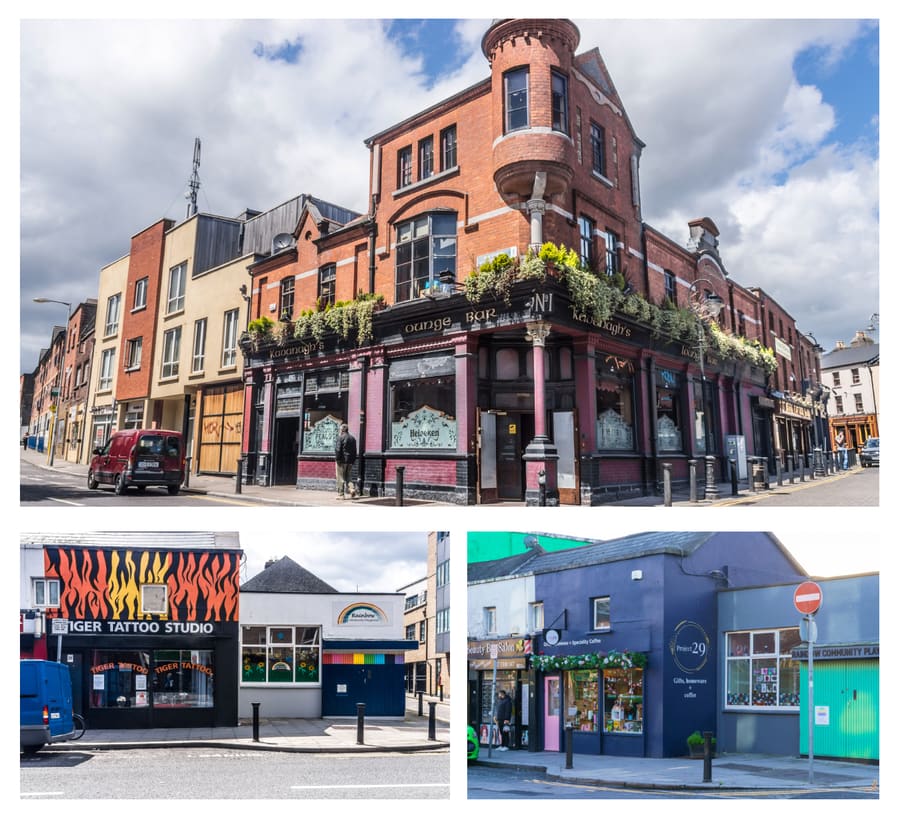
Stoneybatter — Red-brick artisan dwellings filled with specialty coffee shops, pubs, and neighborhood bistros.
William Murphy · CC BY-SA 3.0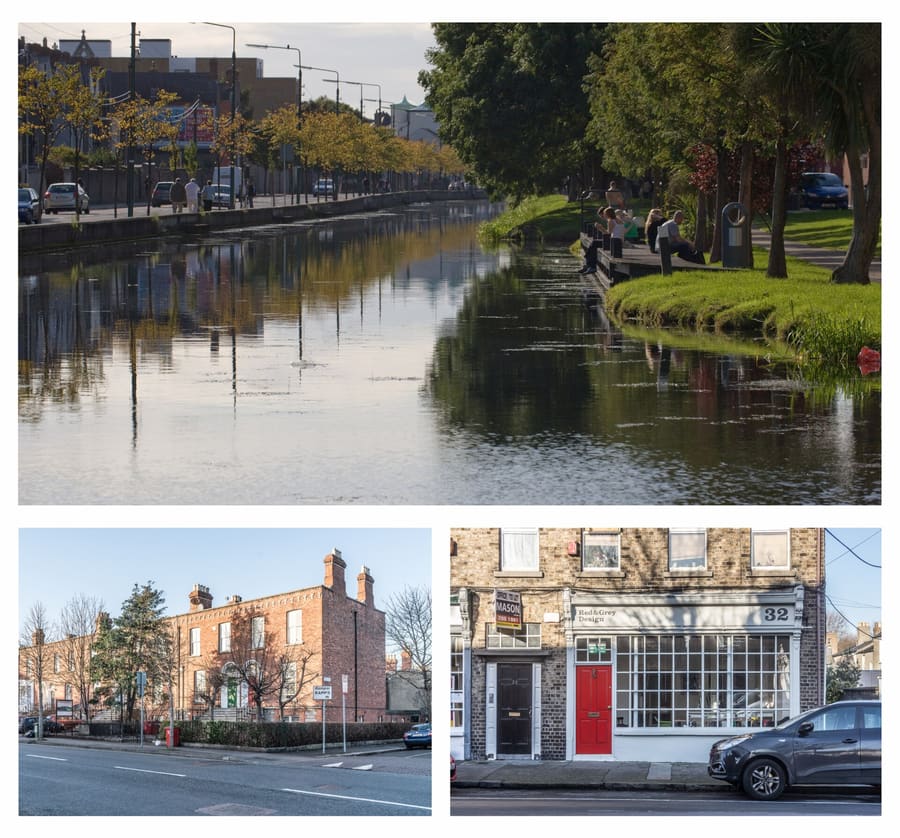
Portobello — Canal-side Victorian neighbourhood popular for brunch spots, independent bakeries, and craft beer.
William Murphy · CC BY-SA 2.0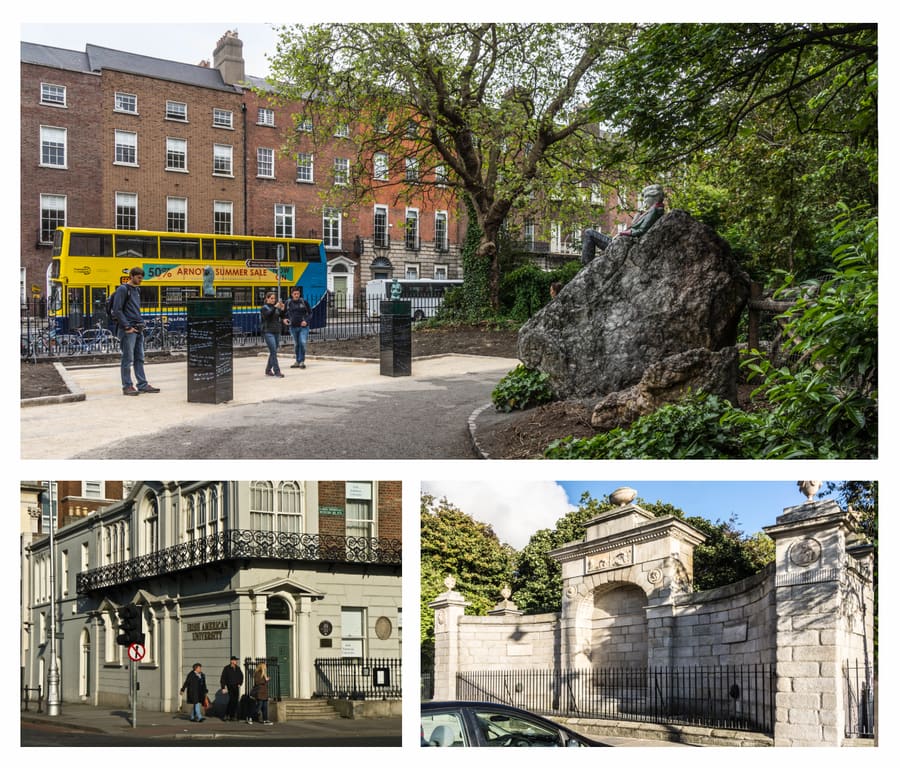
Georgian Quarter — Elegant 18th-century squares, museum rows, intact doorframes, and refined dining rooms.
William Murphy · CC BY-SA 2.0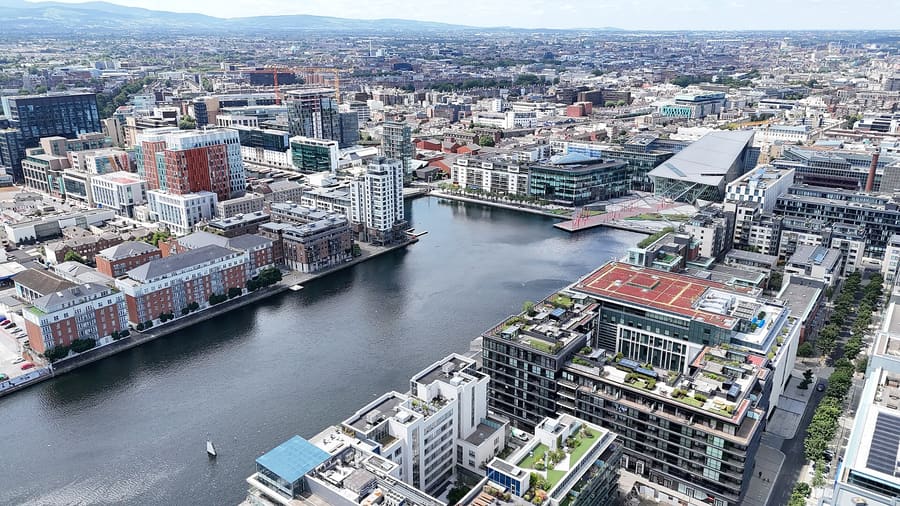
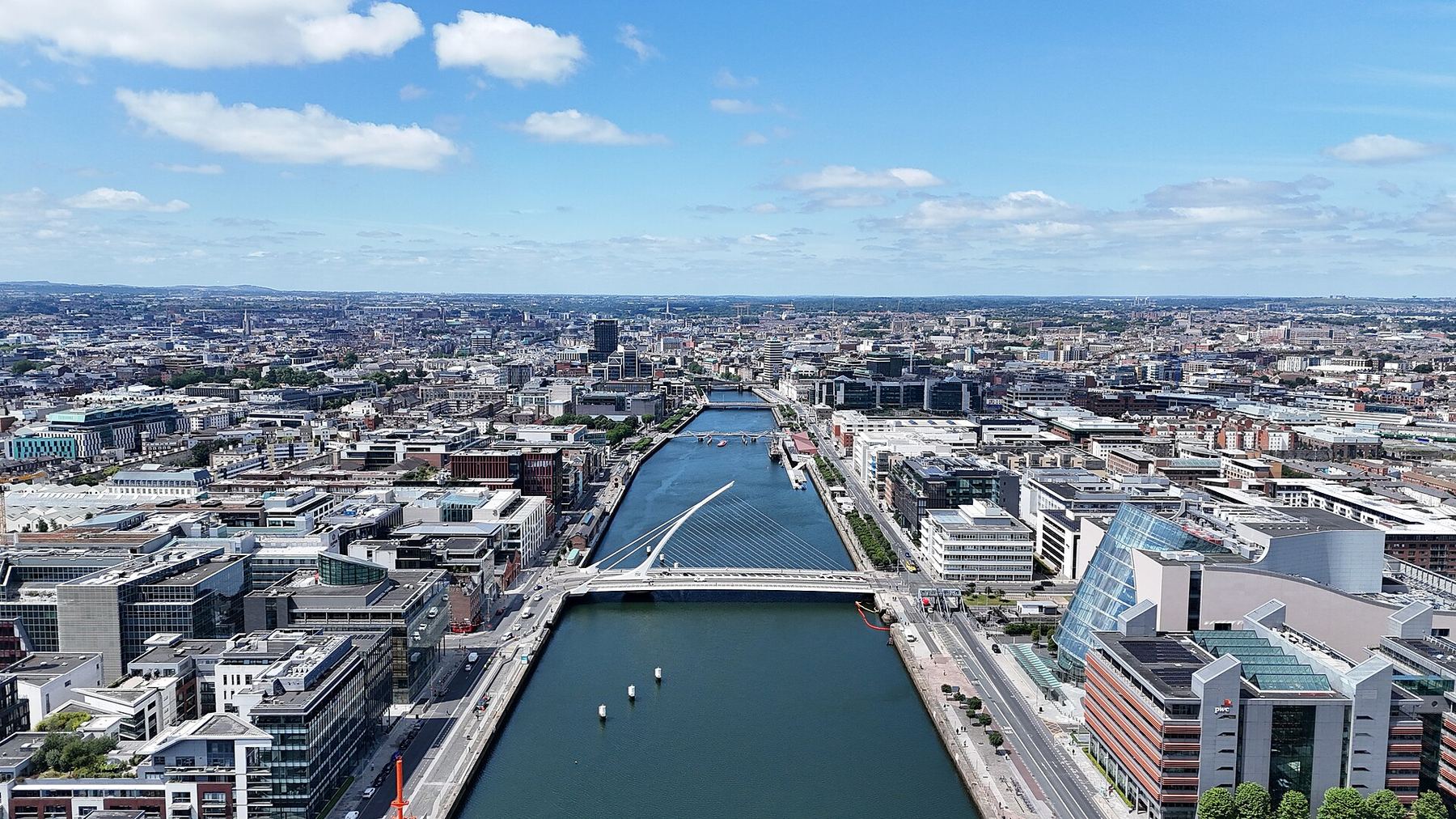
Grand Canal Dock — Glass tech headquarters, dockside basins, modern apartments, and theater venues.
瑞丽江的河水 · CC BY-SA 4.0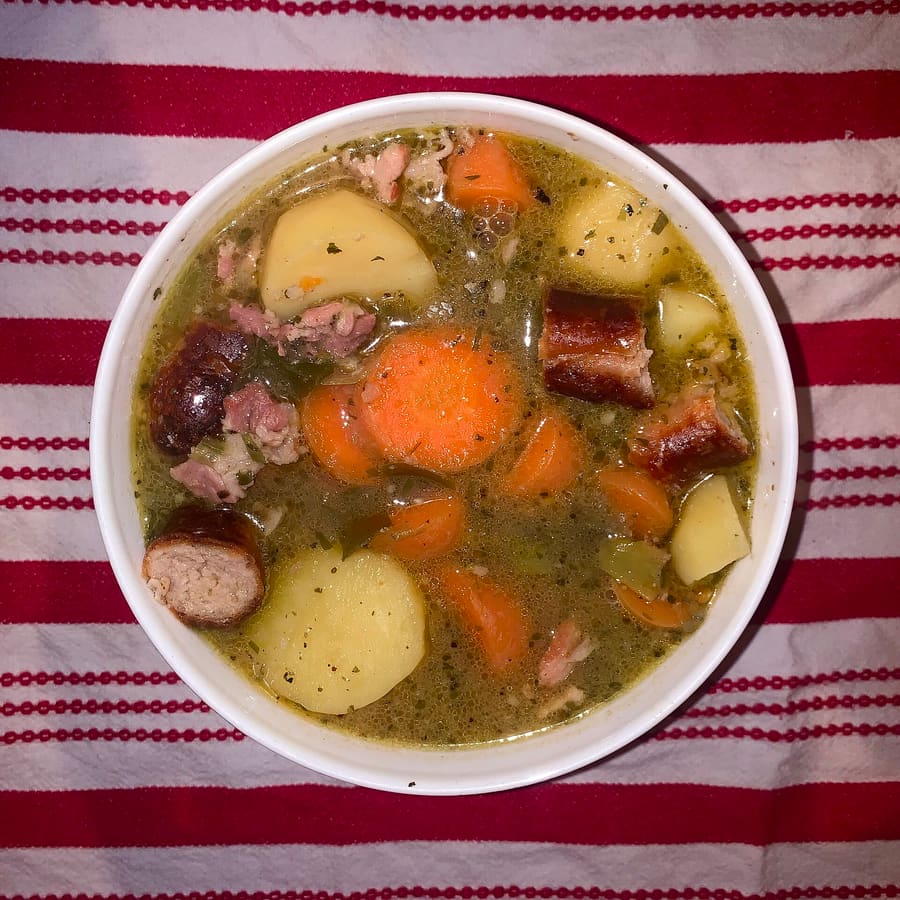
Traditional Dublin coddle served with crusty soda bread.
Shushshello · CC0highlights
landmark
Unfiltered political history inside a 1796 panopticon prison. Tickets release online 28 days in advance and sell out in minutes.
Chiedi a Parley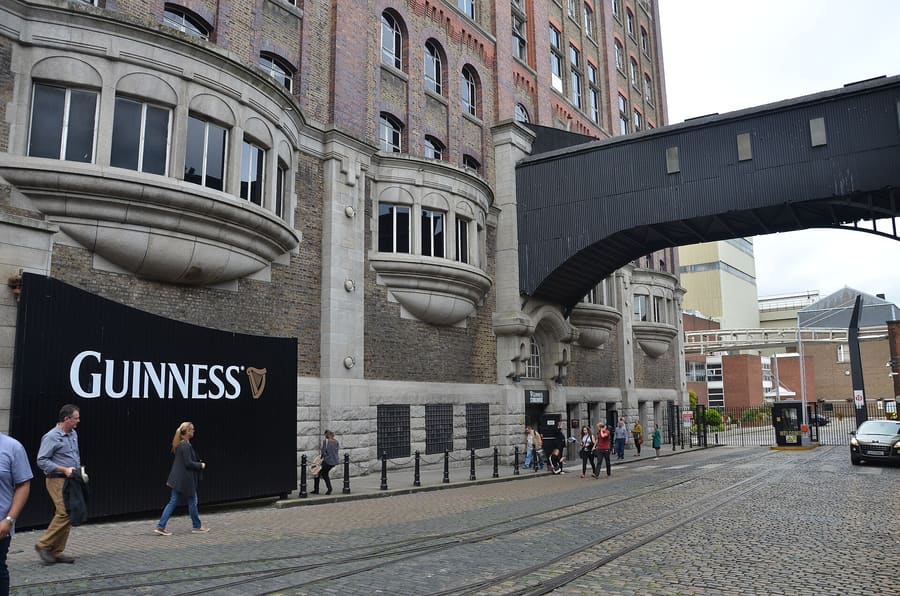
landmark
Seven floors of brewing heritage ending with a panoramic pint at Gravity Bar. Visit early on weekdays to beat corporate tour groups.
Chiedi a Parley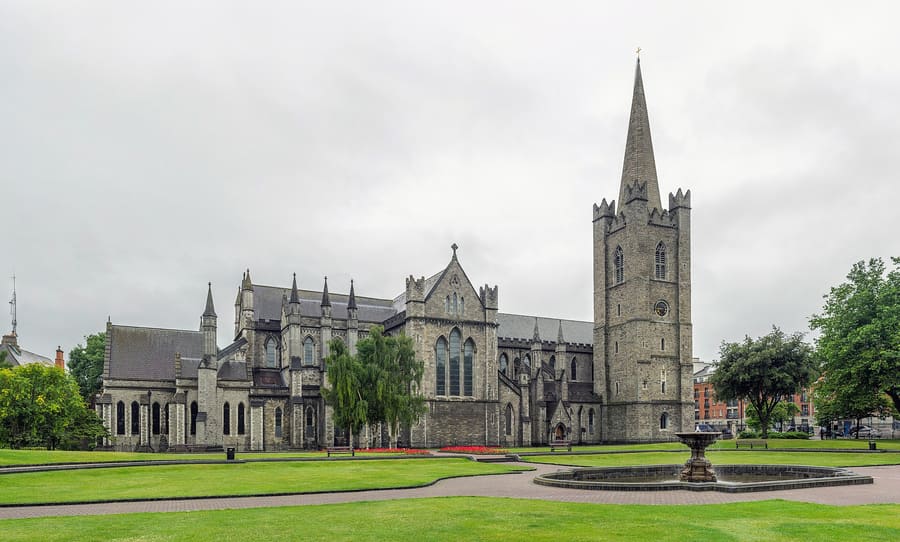
landmark
Ireland's largest church, dating from 1220 with Jonathan Swift's grave inside. Evensong services offer free entry and stunning acoustics.
Chiedi a Parley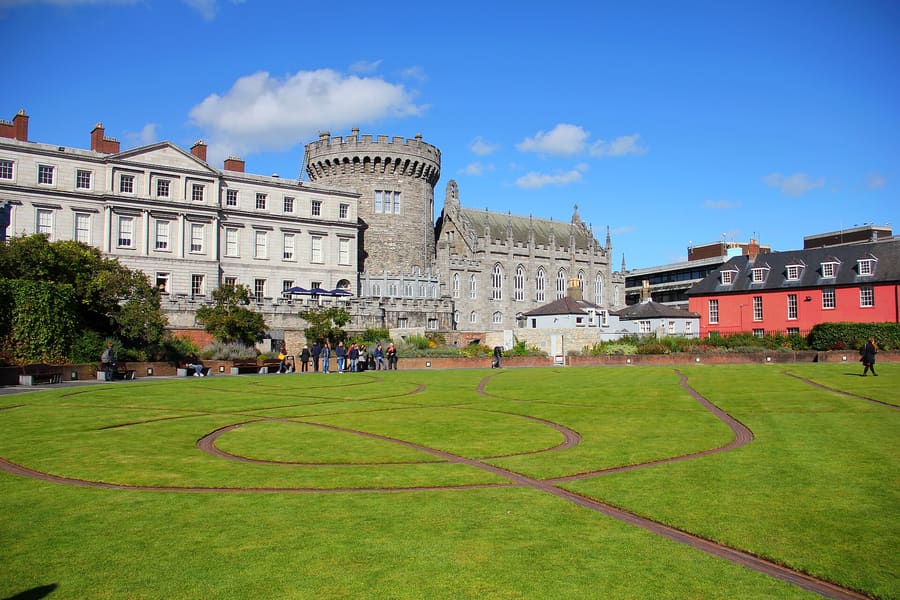
landmark
Rare manuscripts, prints, and papyrus collections inside Dublin Castle grounds. Entry is free year-round.
Chiedi a Parleyattractions
areas
Red-brick artisan dwellings filled with specialty coffee shops, pubs, and neighborhood bistros.
Nei dintorniPhoenix Park and Smithfield
Chiedi a ParleyCanal-side Victorian neighbourhood popular for brunch spots, independent bakeries, and craft beer.
Nei dintorniSt Stephen's Green and Camden Street
Chiedi a ParleyElegant 18th-century squares, museum rows, intact doorframes, and refined dining rooms.
Nei dintorniMerrion Square and Trinity College
Chiedi a ParleyGlass tech headquarters, dockside basins, modern apartments, and theater venues.
Nei dintorniBord Gáis Energy Theatre and Aviva Stadium
Chiedi a Parleyfood
Dublin dining has shifted from heavy traditional pub food to seasonal Irish produce and specialty bakeries. Traditional coddle remains a staple in older neighborhood pubs. Seafood comes directly from Dublin Bay fishing ports like Howth. Expect high-quality dairy, sourdough bakeries along Manor Street, and modern Irish bistros across south Dublin.
Traditional Dublin coddle served with crusty soda bread.
Shushshello · CC0Try traditional coddle at The Gravediggers (John Kavanagh) in Glasnevin. It is a slow-simmered stew of pork sausage, bacon, and potato.
Pub roasts run strictly from 12:30 to 16:00 on Sundays. Popular spots like The Old Spot book out weeks ahead.
history
Dublin began as a 9th-century Viking trading post where the River Poddle met the Liffey. Anglo-Norman forces captured Dublin in 1170, establishing centuries of English administrative control. The 18th century brought Georgian architectural expansion, before the 1916 Easter Rising sparked independence. Today the city balances historic preservation with European tech headquarters.
Viking Settlement
Norse raiders establish Dubh Linn ('black pool') near the River Poddle confluence as a trading post.
Guinness Founded
Arthur Guinness leases St. James's Gate Brewery for 9,000 years, establishing Dublin's stout industry.
Easter Rising
Irish republicans seize the General Post Office on O'Connell Street, initiating the push for independence.
where to stay
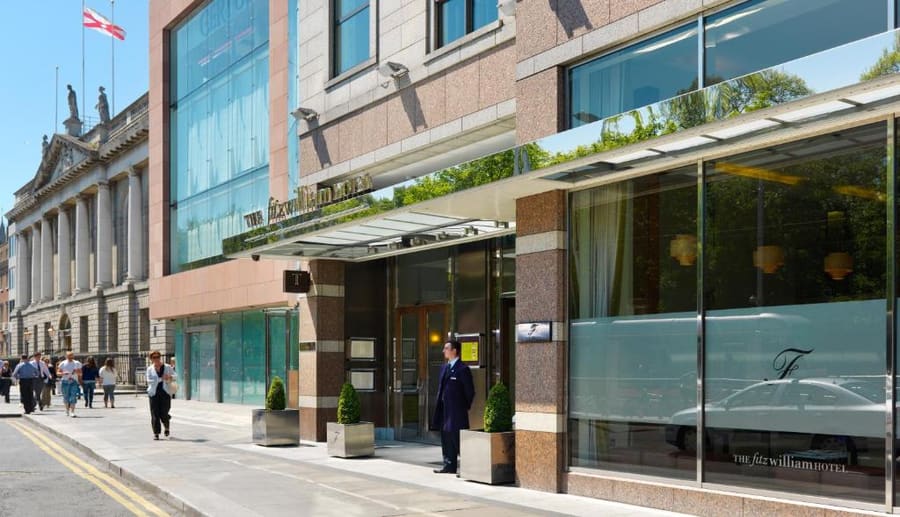
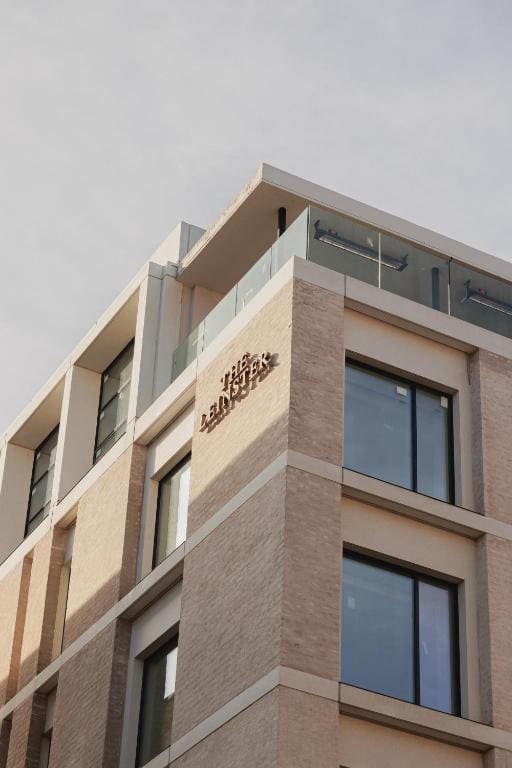
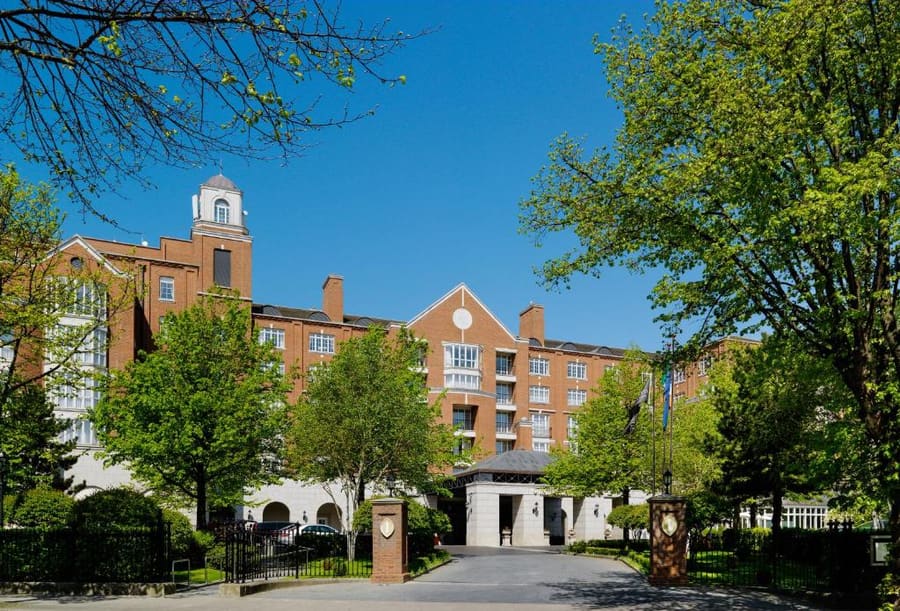
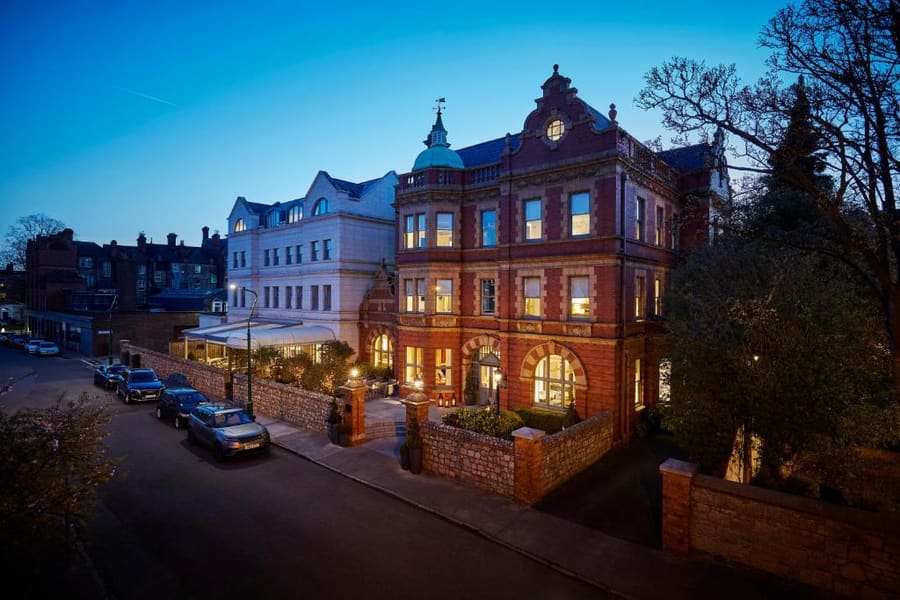
Choose your neighbourhood based on how late you plan to stay out and whether you prefer historic streets or quiet residential canals. South Dublin is generally quieter than the north side near O'Connell Street.
Live rates, matched to the areas above.
transport
Dublin's city center is compact and best explored on foot. The Luas tram network runs two main lines (Green and Red) that cross near O'Connell Street. The DART train serves coastal towns north and south.
Da Dublin Airport (DUB)
Dublin Express routes 782 and 784 use the Dublin Port Tunnel to bypass city traffic.
Metered taxi ranks sit directly outside Terminals 1 and 2. Fares rise slightly after 20:00.
Tap on and off with a Leap Card to save up to 30% compared to cash bus tickets. Taps must be validated at tram platform poles.
The Green Line runs north-south; the Red Line runs east-west. Transfer between them on foot at O'Connell Street or Marlborough stop.
TFI transport applies a flat €2 fare for all trips taken within a 90-minute window across buses, Luas, and DART.
If paying cash on Dublin Bus, you must present exact change in coins to the driver. Drivers do not issue paper change.
cost
Dublin is expensive relative to Southern European capitals. Alcohol taxes and high accommodation demand drive costs up, though public parks and national museums remain free.
Traditional pubs outside Temple Bar charge under €6.50; tourist bars push beyond €8.
Two-course meal per person without wine at a neighborhood bistro in Stoneybatter.
Daily spending cap on adult TFI Leap Cards across Luas trams and Dublin Bus.
Specialty coffee shops along George's Street charge around €3.80 for a flat white.
seasonality
MAR – MAY
Cool days and lower rainfall. Long daylight hours make coastal walks along Howth Head ideal.
JUN – AUG
Warmest weather with 17 hours of light. Hotel rates peak and main museum slots sell out fast.
SEP – NOV
Crisp autumn weather and cultural festivals. Theatre tickets and pub fires make October attractive.
DEC – FEB
Short daylight with sunset before 17:00. Cold weather keeps activity inside traditional pubs.
practicalities
Standard pubs close at 23:30 on weekdays and 00:30 on Fridays and Saturdays. Late venues require cover charges after midnight.
Card payments are accepted nearly everywhere. A small amount of euro cash is useful only for market stalls or splitting bills.
Atlantic rain showers arrive without warning. Pack a windproof waterproof coat rather than an umbrella.
Pedestrians cross when clear regardless of signal lights. Be mindful of bicycle lanes on one-way streets.