
landmark
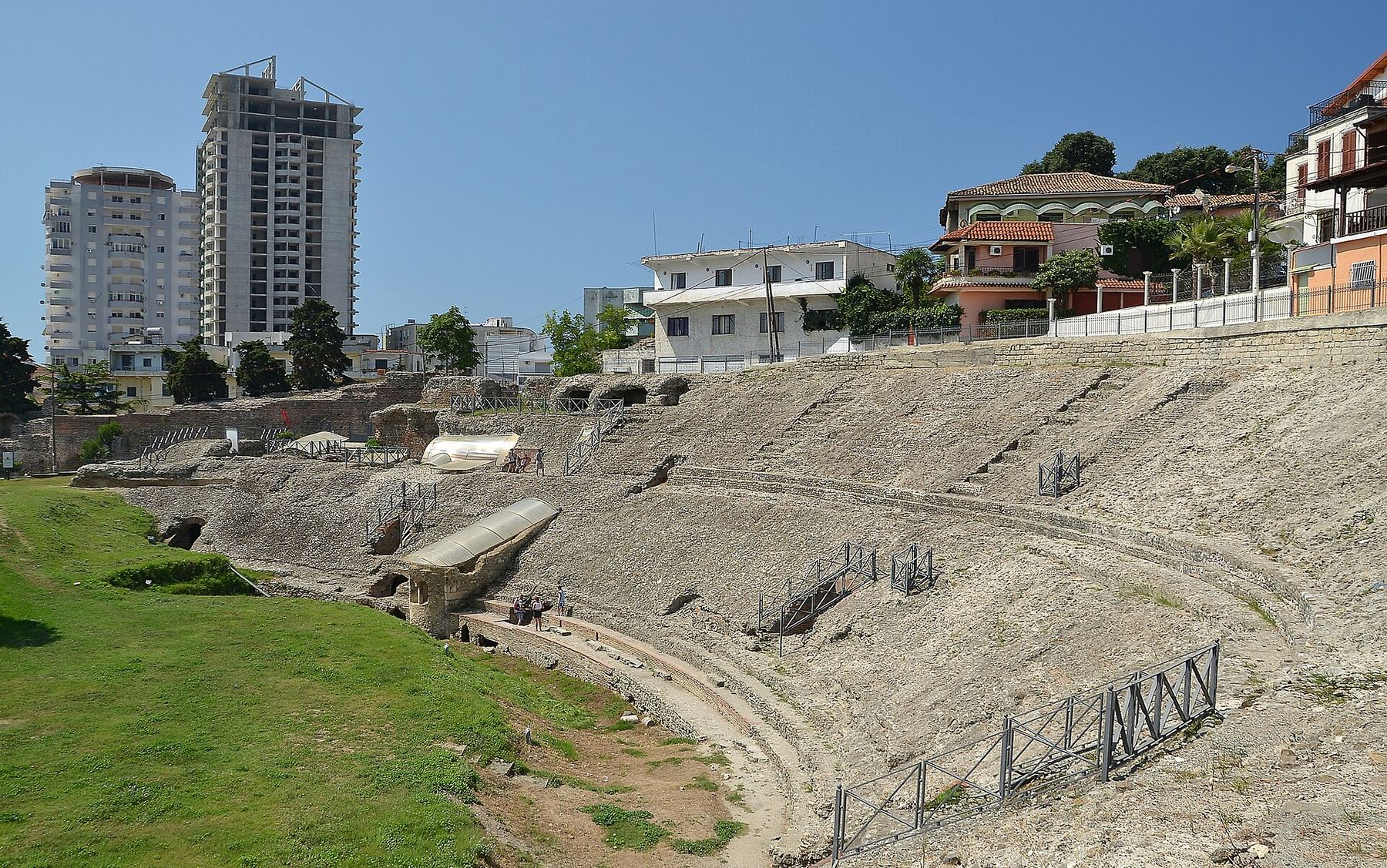
Amphitheatre of Durrës
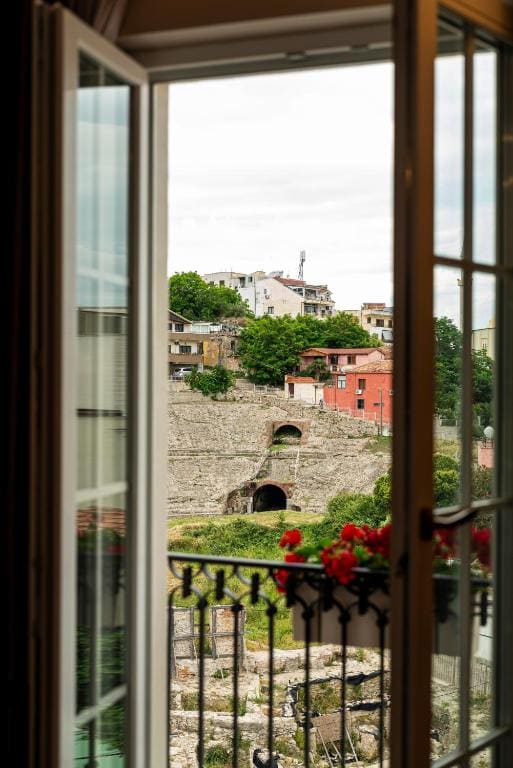
A 2nd-century Roman arena hidden among modern apartments. Pay 500 ALL at the gate to access the underground vaults.
Chiedi a ParleyAlbania
Albania's port city where Roman ruins meet beach breaks.
introduction
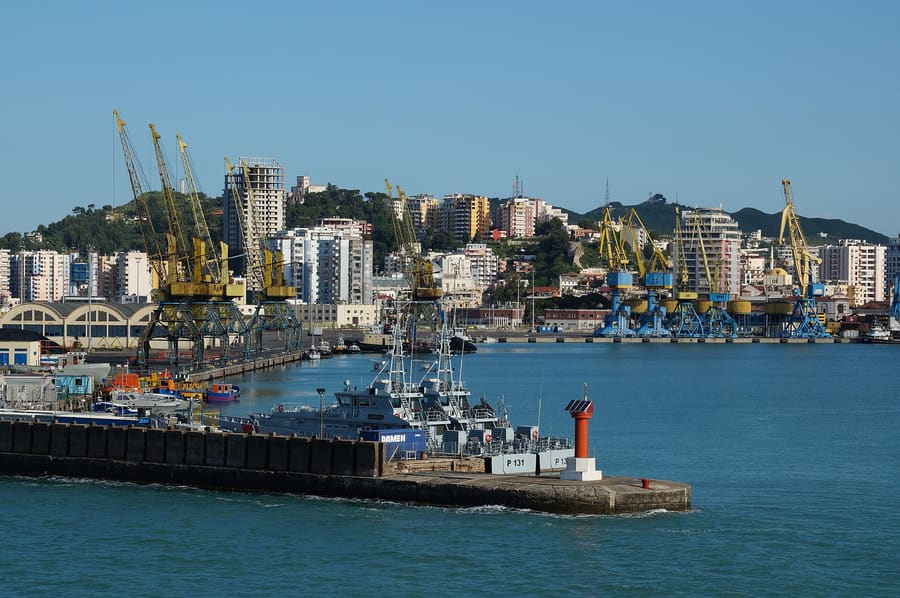
Durrës sits thirty kilometres west of Tirana as Albania's main port and seaside escape. You navigate two parallel cities here: an ancient Roman trading hub buried under modern apartments, and a sprawling coastal resort lined with seafood taverns. Heavy port infrastructure sits right next to broad sandy beaches, giving the coast an industrial backdrop. You come for 2,000-year-old stone, cheap Adriatic fish, and straightforward sea access.
Unesco status
The 2nd-century Durrës Amphitheatre sits on Albania's UNESCO tentative list. It once held 20,000 spectators.
Cash on Rruga Taulantia
Most beachfront cafes along Rruga Taulantia reject foreign credit cards. Keep Albanian Lek on hand.
Durrës
Albinfo · CC BY-SA 4.0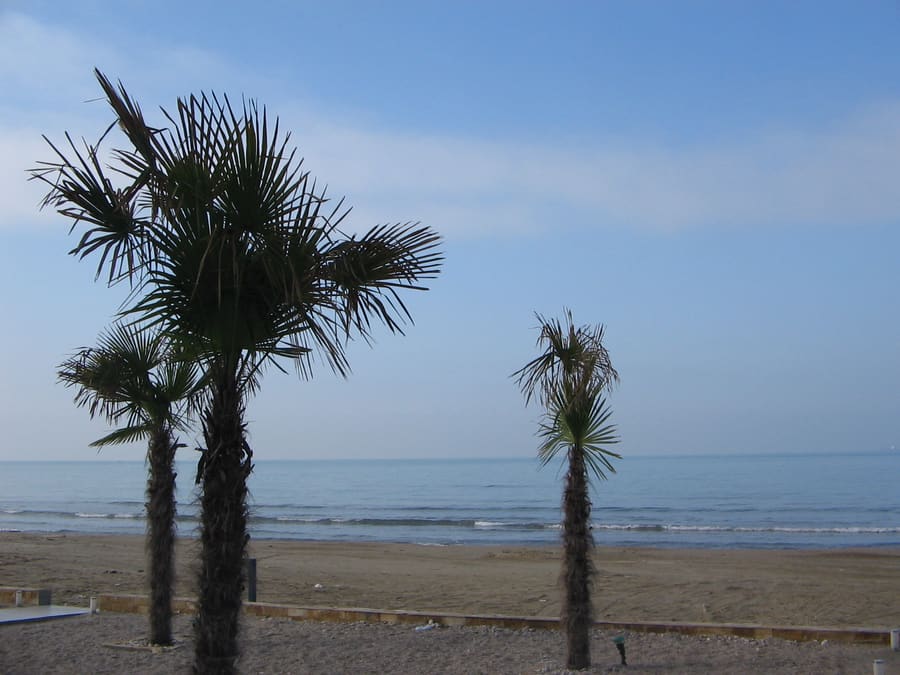
Plazhi — Ten kilometres of continuous sand backed by modern apartment hotels and beach clubs.
Gerd 72 (talk) · Public domain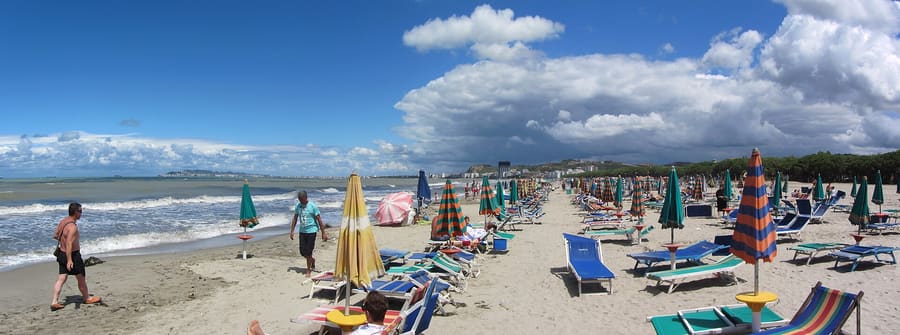
Golem — Pine-backed resort corridor south of the city built for summer package holidays.
Tomasz Lewicki - @Flickr: https://www.flickr.com/photos/stalkerpl/ · CC BY-SA 2.0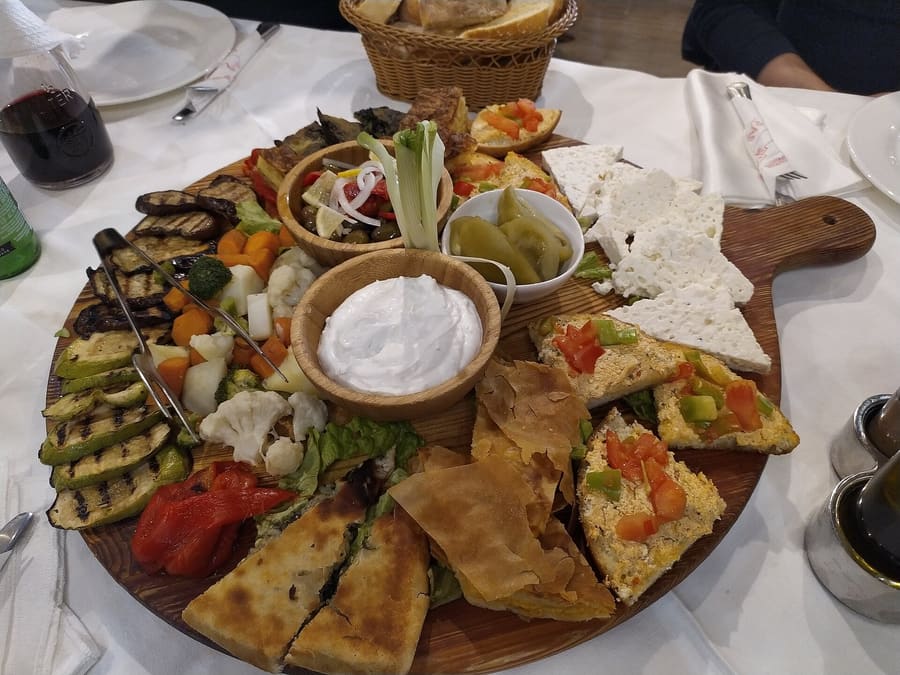
Fresh Adriatic seafood served on Rruga Taulantia waterfront.
Leeturtle · CC BY-SA 4.0highlights
landmark
A 2nd-century Roman arena hidden among modern apartments. Pay 500 ALL at the gate to access the underground vaults.
Chiedi a Parley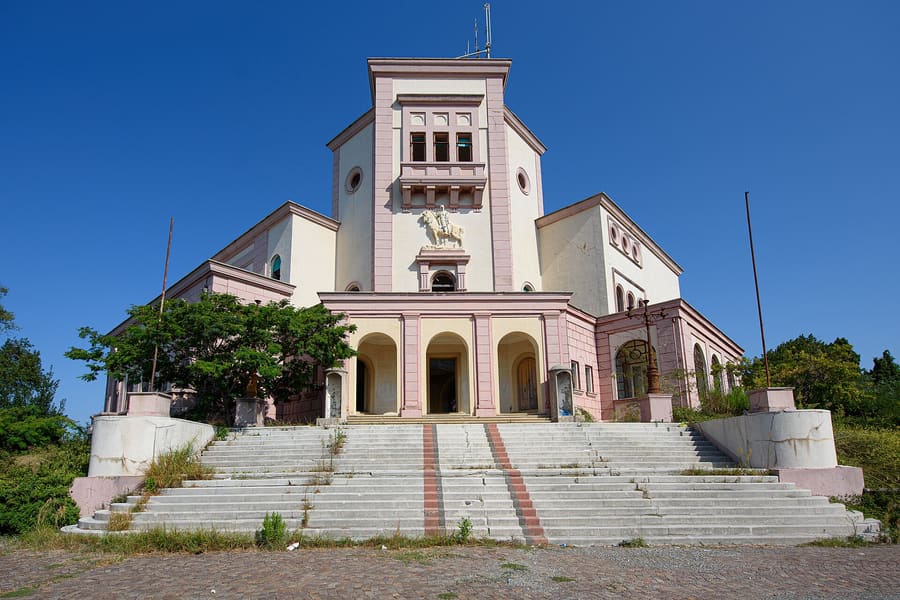
landmark
King Zog's 1930s residence sits atop the hill overlooking the bay. The interior remains closed, but the hill view is free.
Chiedi a Parleyattractions
areas
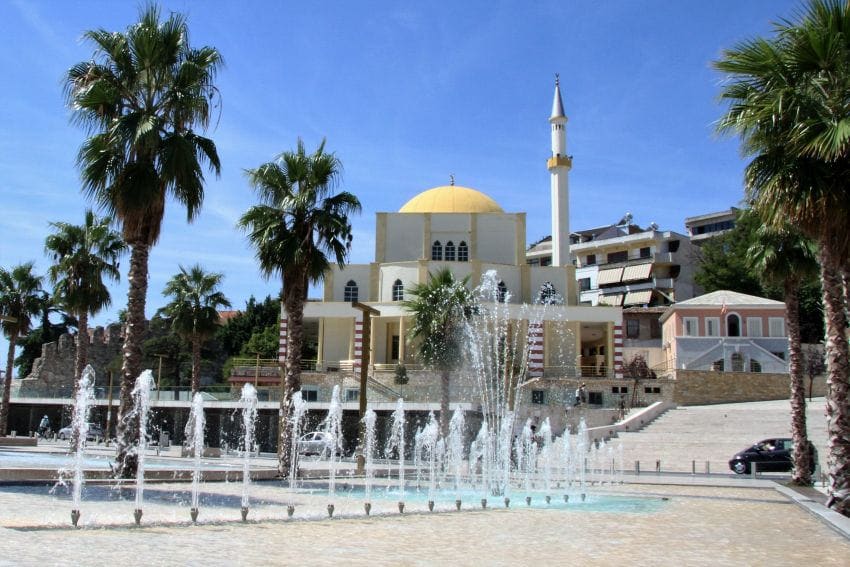
Walkable urban core around Sheshi Liria square, packed with Roman brickwork and espresso bars.
Nei dintorniAmphitheatre, Venetian Tower, and the port terminal.
Chiedi a ParleyTen kilometres of continuous sand backed by modern apartment hotels and beach clubs.
Nei dintorniDurrës Port and southern coastal highway.
Chiedi a ParleyPine-backed resort corridor south of the city built for summer package holidays.
Nei dintorniKavaja municipality and southern beaches.
Chiedi a ParleyRocky northern coastline offering clearer water and cliffside seafood restaurants.
Nei dintorniVollga Promenade and Archaeological Museum.
Chiedi a Parleyfood
Durrës relies on its fishing fleet. Waterfront taverns along Rruga Taulantia and Currila serve daily Adriatic catches grill-fired with olive oil and lemon. Local menus feature seafood casserole and grilled sea bass alongside central Albanian staples like fërgesë.
Fresh Adriatic seafood served on Rruga Taulantia waterfront.
Leeturtle · CC BY-SA 4.0Restaurants display fresh fish on ice. You pay per kilogram, usually 3,000–4,500 ALL for wild sea bass.
Locals drink espresso until 20:00 before switching to wine. Rruga Taulantia cafes fill completely around 19:00.
Small fish restaurants in Currila require cash. ATMs line Sheshi Liria and main port avenues.
history
Founded by Greek colonists in 627 BC as Epidamnos, the city became Roman Dyrrhachium—the western starting point of the Via Egnatia trade route to Constantinople. Roman emperors built its massive amphitheatre and stone walls. Ottoman rule transformed its skyline, while 20th-century history added King Zog's palace and Enver Hoxha's concrete bunkers.
Greek Foundation
Corinthian and Corcyrean settlers establish Epidamnos on the Adriatic coast.
Italian Invasion
Italian troops land at the port, annexing Albania prior to World War II.
where to stay
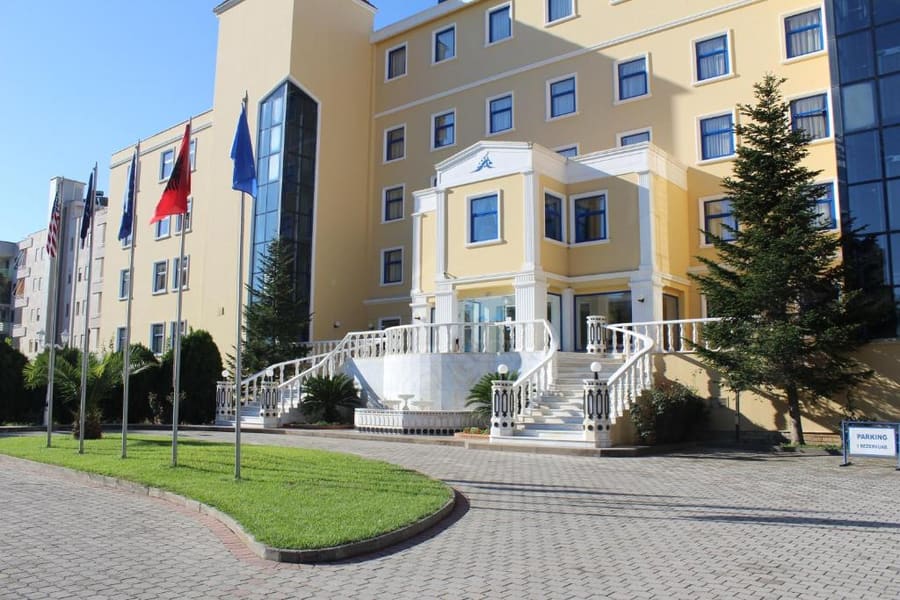
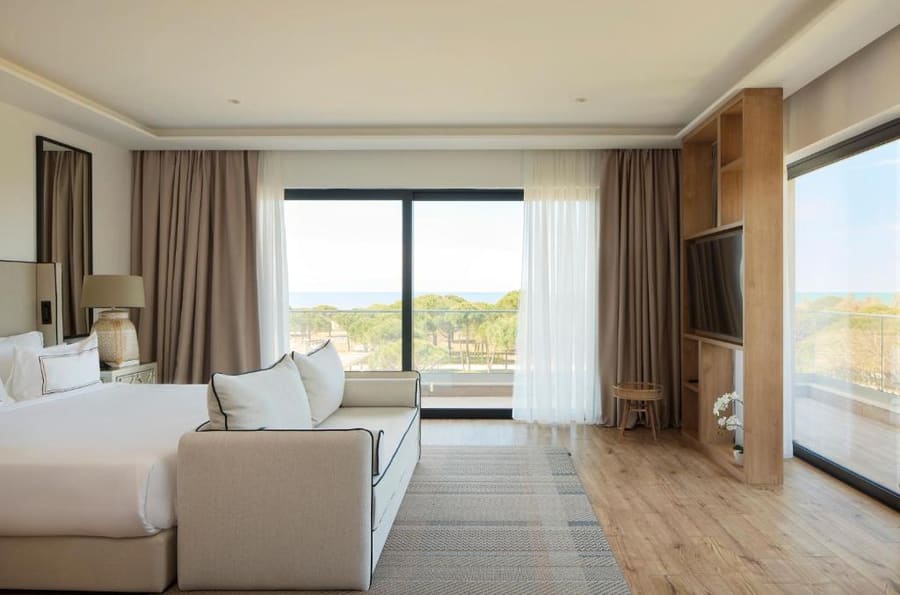
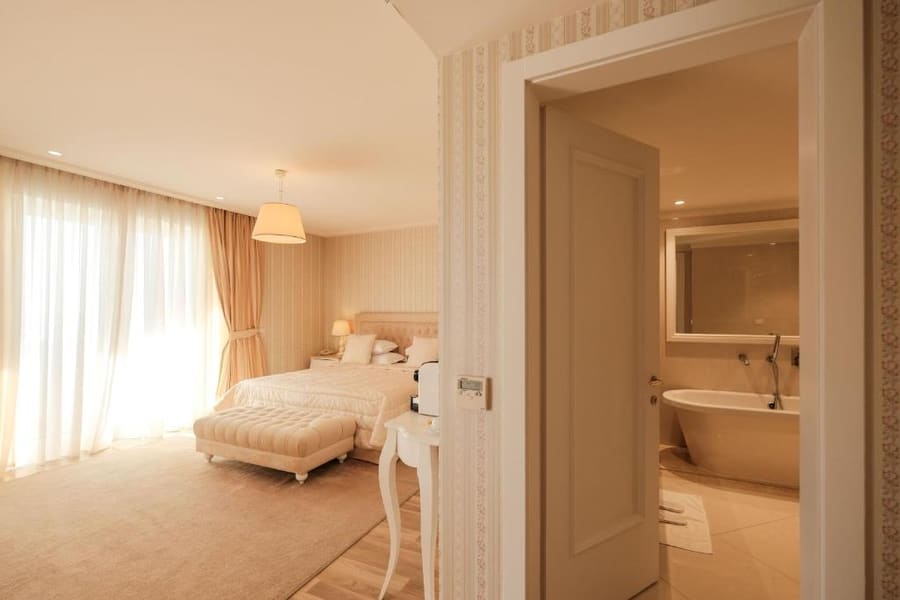
Choose your base by season and intention. Stay in Qendra for historical sites and year-round urban life. Pick Plazhi or Golem for sand access and beach loungers, accepting the distance from ancient monuments.
Live rates, matched to the areas above.
transport
Durrës is compact enough to cross on foot within the centre. Local orange buses link the city centre to Plazhi and Golem every fifteen minutes along the main coastal boulevard.
Da Tirana Airport (TIA) / Port of Durrës
Standard official airport taxi fare. Agree on the rate before loading luggage.
Overnight passenger ferries connect Durrës directly with Bari and Ancona in Italy.
The 'Stacioni – Plazhi – Plepa' bus runs every 10–15 minutes along the beach road. Fare is 100 ALL cash.
No transit cards exist. A ticket collector moves down the aisle to collect cash and hand you a paper slip.
Durrës city taxis lack meters. Negotiate standard urban rides (400–600 ALL within centre) before entering.
If arriving by ferry from Italy, customs processing at the port terminal can take over an hour in July.
cost
Durrës offers lower prices than Tirana and southern Riviera towns like Saranda. Local Lek cash is required for small transactions, while high-end hotels accept credit cards.
Daily rental on Plazhi sand. Prices double in peak August weekends.
Standard price along Rruga Taulantia and Sheshi Liria.
Includes daily catch fish, salad, and local white wine in Currila.
seasonality
MAR – MAY
Warm enough for walking. Promenade cafes open seasonal terraces without peak crowds.
JUN – AUG
Hot (32°C+) and crowded. Plazhi fills with regional tourists and traffic jams build on coastal roads.
SEP – OCT
Sea remains warm in September. Beach crowds clear out and room rates fall by 40%.
NOV – FEB
Mild winter (10–15°C) with rain. Beach resort hotels close, but historic Qendra functions normally.
practicalities
Credins and OTP bank ATMs charge zero or low domestic access fees compared to foreign network ATMs.
Water quality improves as you move north toward Currila or south toward Golem, away from the port channel.
Cold War concrete pillboxes line portions of the coastline, remnants of Hoxha's defense network.
The sand is dark grey and fine. The sea stays shallow for 50 metres out, making it easy for non-swimmers.