landmark
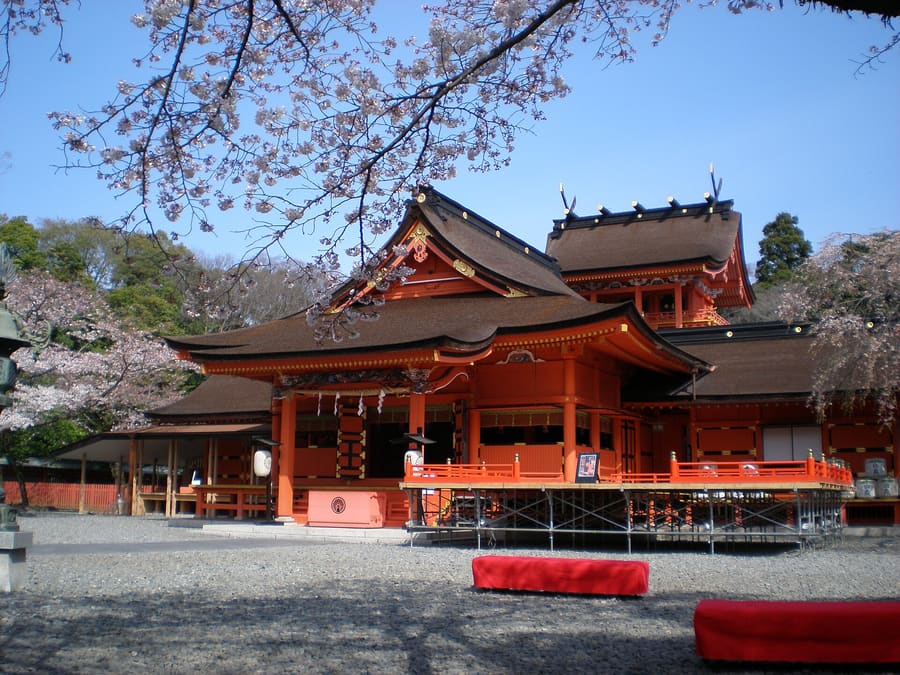
Fujisan Hongu Sengen Taisha
The traditional starting point for Fuji ascents since the 12th century. The Wakatama Pond spring outputs 200,000 tonnes of meltwater daily.
Chiedi a ParleyGiappone
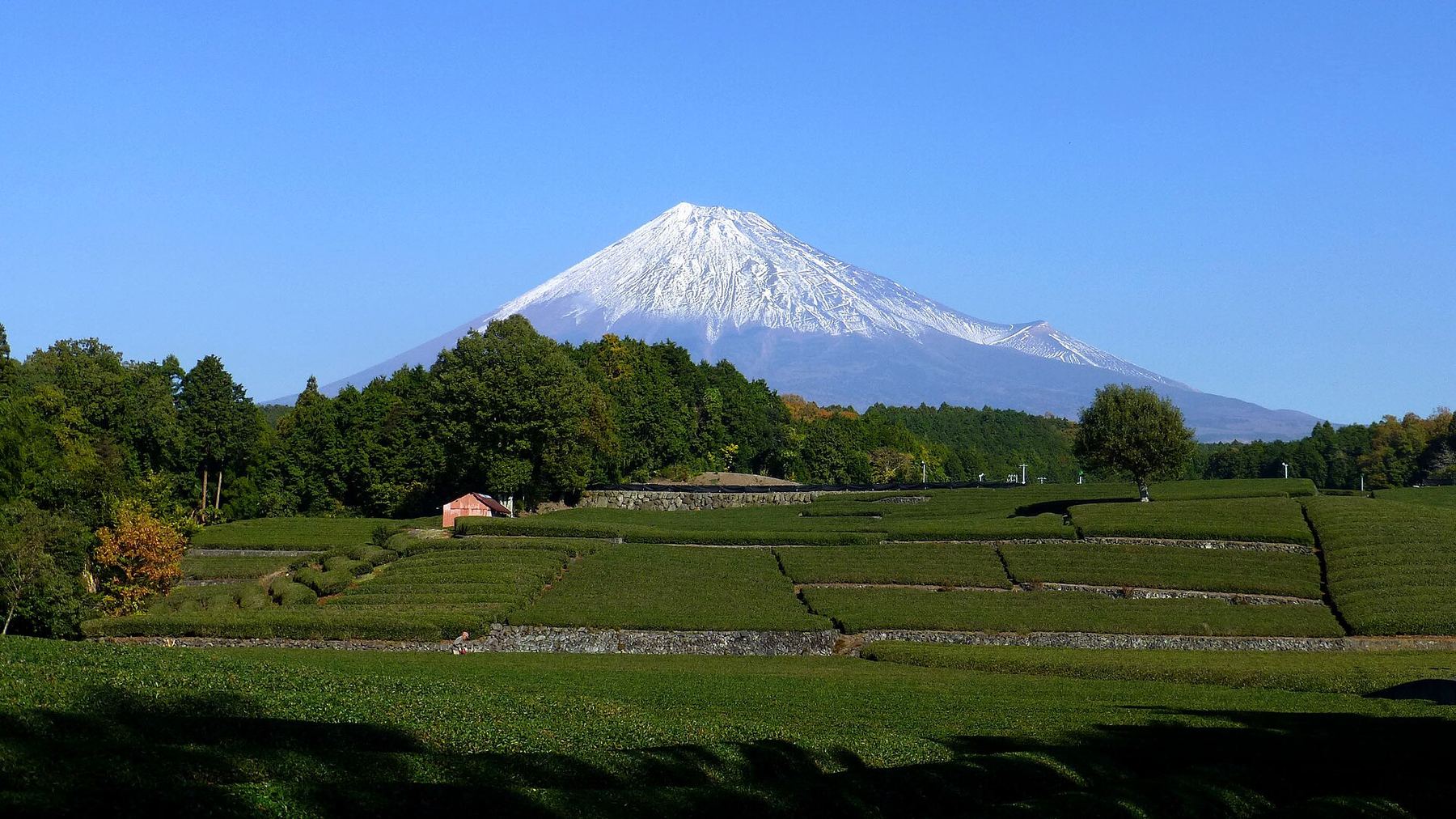
Tea fields, paper mills, and the southern flank of Mt. Fuji.
introduction
Fuji City sits on the southern slopes of Mount Fuji facing Suruga Bay. The cityscape pairs industrial paper mills and tea plantations directly against the mountain's volcanic rise. Navigating the region requires understanding the divide between Shinkansen bullet train arrivals at Shin-Fuji and local rail networks at Fuji Station.
Connecting Tokaido lines
Shin-Fuji Station serves Shinkansen trains, but local JR lines stop 2 km away at Fuji Station. A shuttle bus links them every 15 minutes.
UNESCO Mt. Fuji cultural site
Fujisan Hongu Sengen Taisha and Shiraito Falls belong to the Mt. Fuji UNESCO site. They mark historical pilgrim routes up the mountain.
Shirasu fishing seasons
Tagonoura Port landed whitebait is sold raw only from April through November. Boats stay docked on stormy days, leaving menus cooked-only.
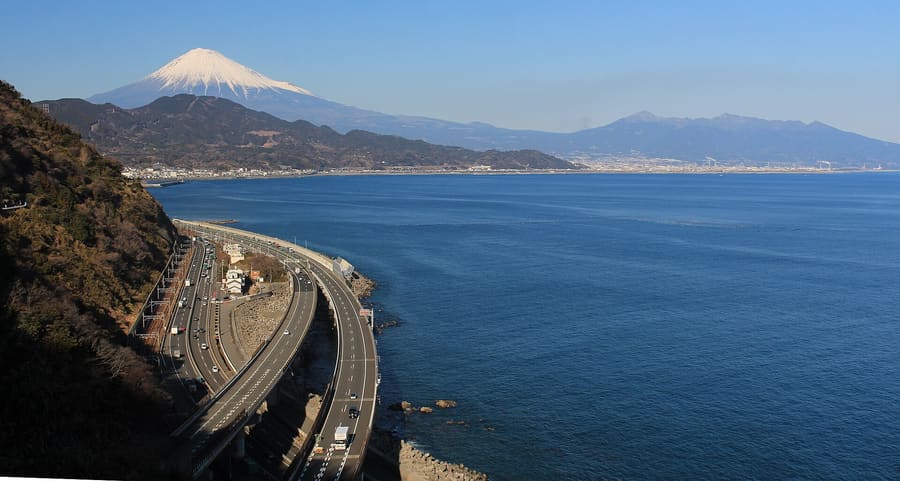
Fuji
Alpsdake · CC BY-SA 4.0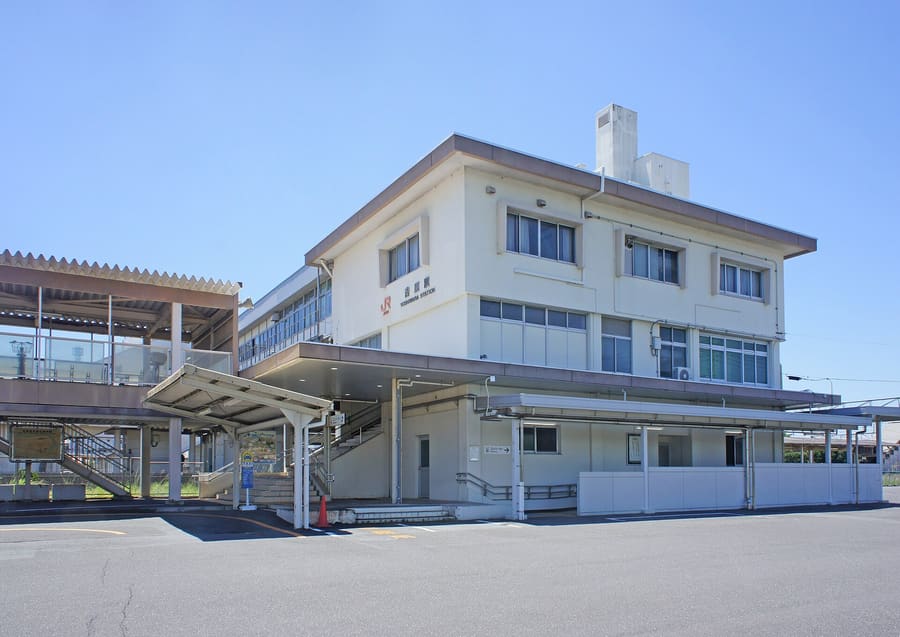
Yoshiwara — Former Tokaido post town filled with paper mill workers, izakayas, and local butcher shops.
Mister0124 · CC BY-SA 4.0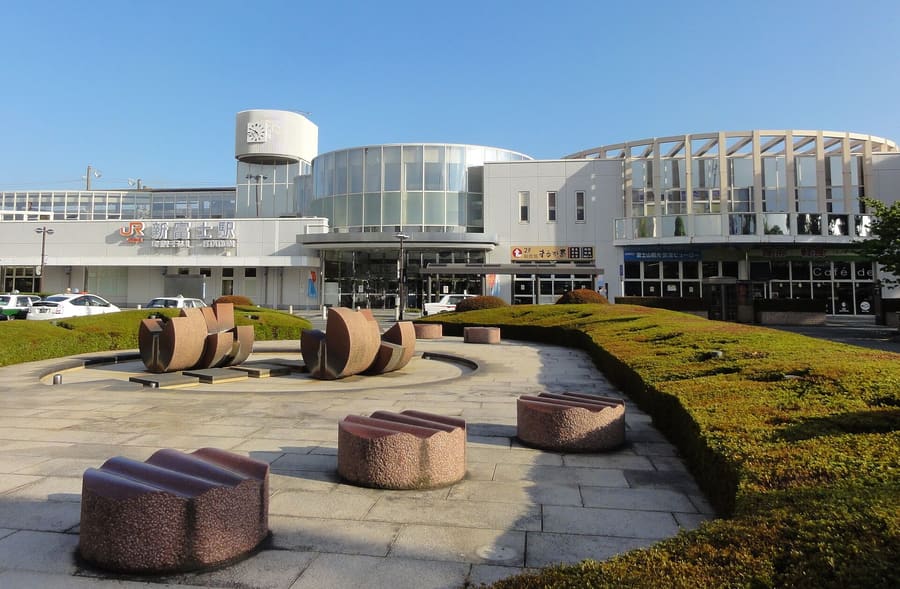
Shin-Fuji — Modern Shinkansen node built around corporate business hotels and commuter car parks.
Rsa · CC BY-SA 3.0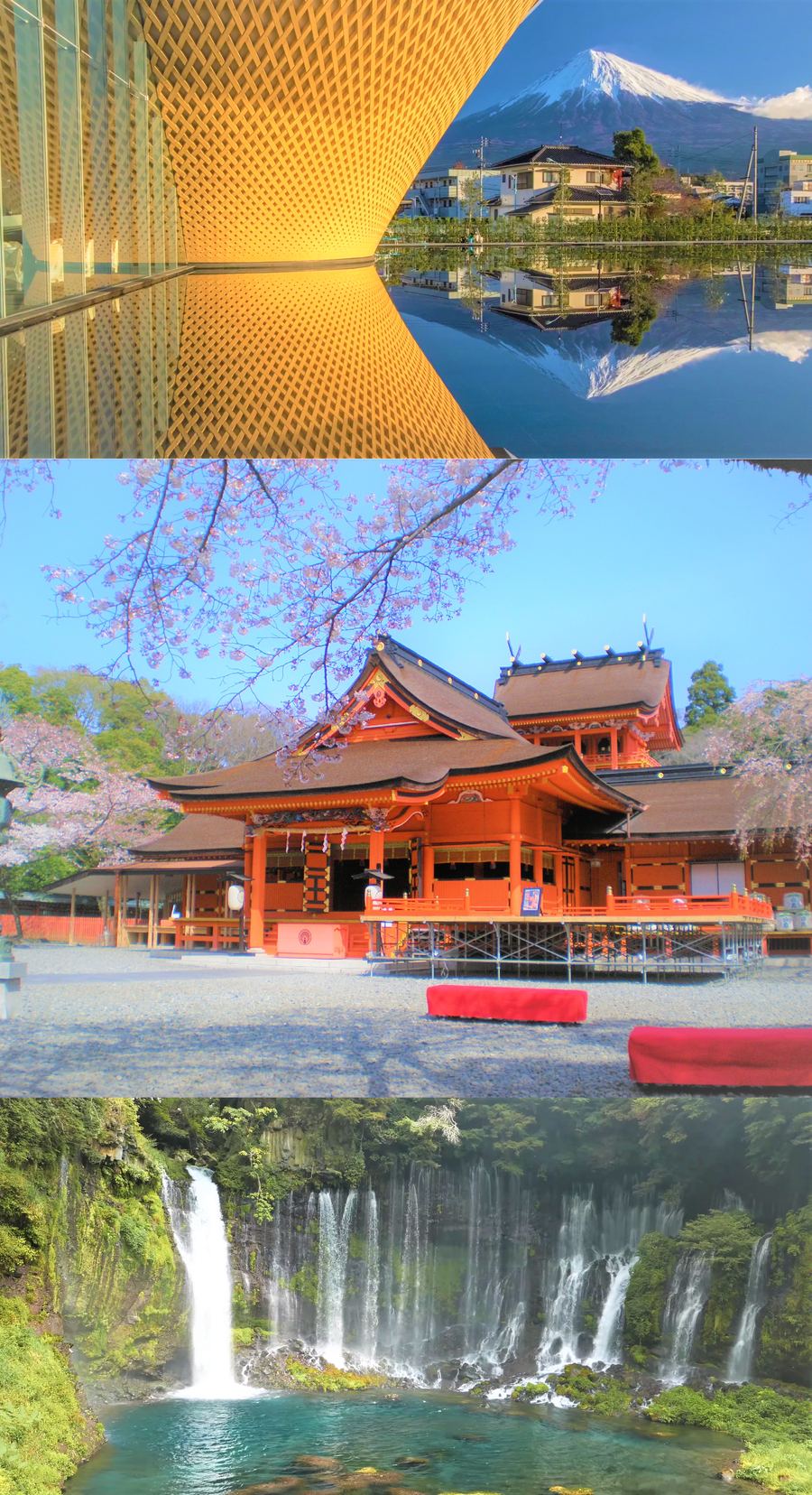
Fujinomiya — Market town at the mountain foot, packed with noodle stalls, sake breweries, and shrine grounds.
user:わたり鳥 user:SHIZUOKACITYperson · CC BY-SA 4.0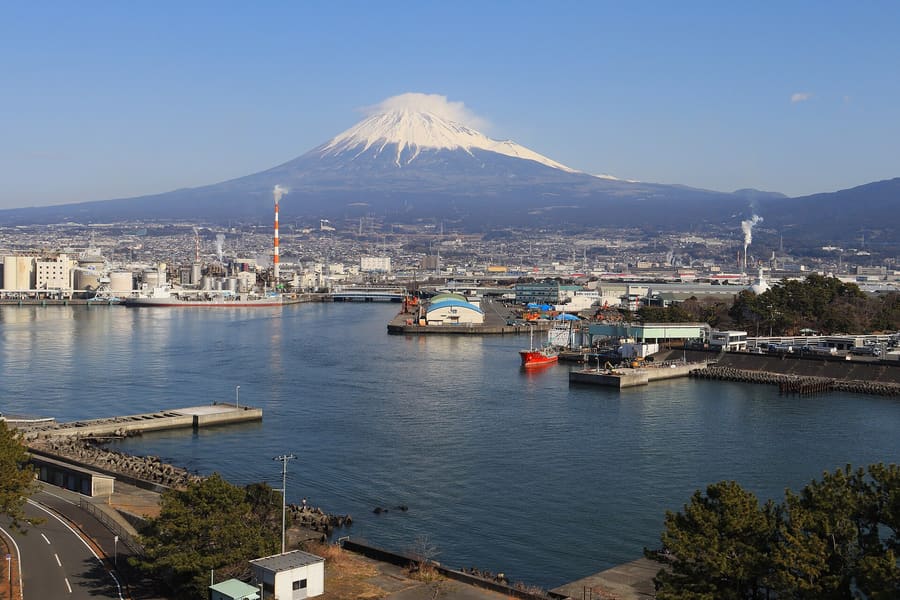
Tagonoura Port — Working harbor facing Suruga Bay where whitebait boats unload daily landings.
Alpsdake · CC BY-SA 4.0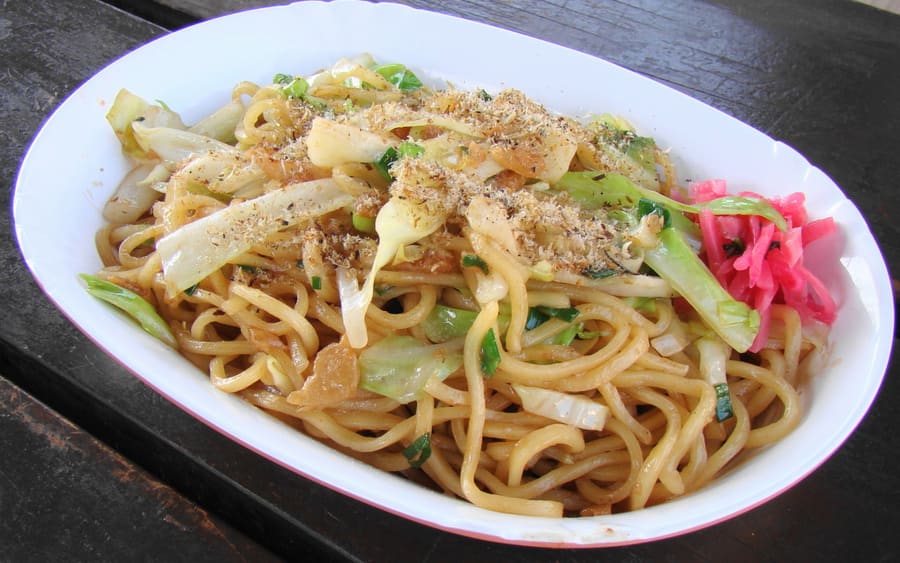
Fujinomiya yakisoba cooked on a steel griddle and dusted with ground sardine powder.
しんかわな · CC BY 3.0highlights
landmark
The traditional starting point for Fuji ascents since the 12th century. The Wakatama Pond spring outputs 200,000 tonnes of meltwater daily.
Chiedi a Parley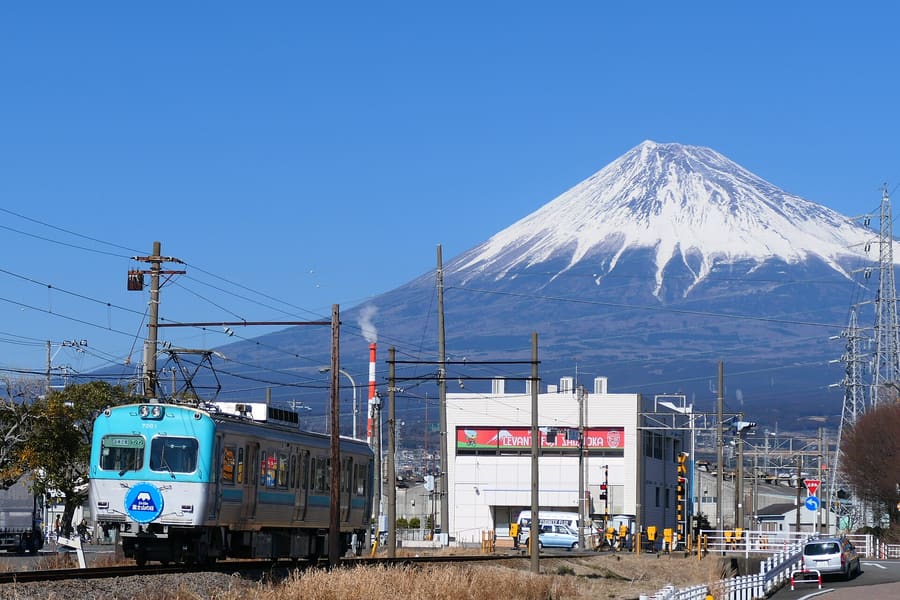
landmark
Ride 9.2 kilometres past paper mills and backyards. Buy the day pass at Yoshiwara Station to hop off at any of the ten stops.
Chiedi a Parley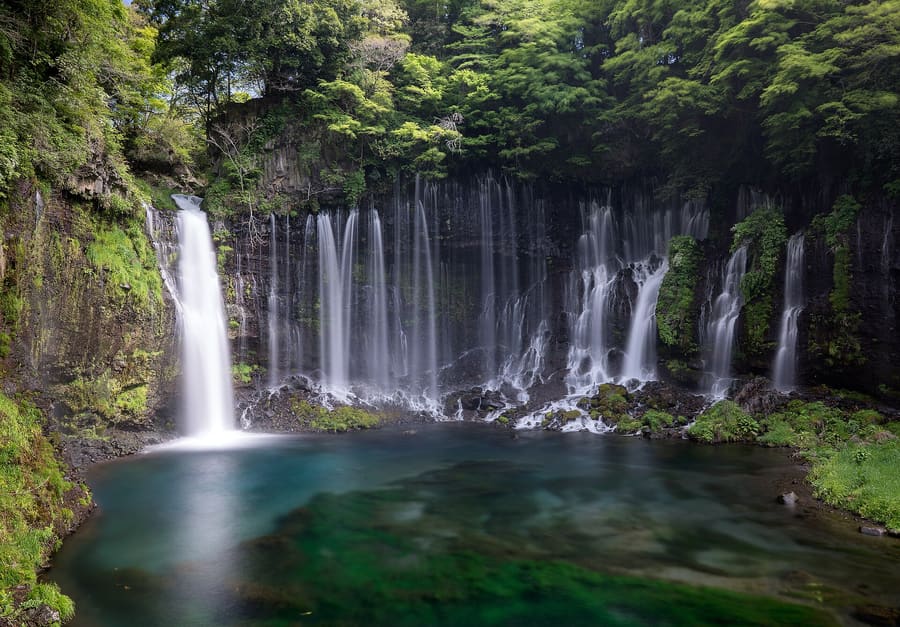
landmark
Fuji spring water filters through lava beds to drop 20 metres across a 150-metre curve. Arrive before 09:00 to avoid tour coaches.
Chiedi a Parleyattractions
areas
Former Tokaido post town filled with paper mill workers, izakayas, and local butcher shops.
Nei dintorniYoshiwara Station and Gakunan train line
Chiedi a ParleyModern Shinkansen node built around corporate business hotels and commuter car parks.
Nei dintorniShin-Fuji Shinkansen Station
Chiedi a ParleyMarket town at the mountain foot, packed with noodle stalls, sake breweries, and shrine grounds.
Nei dintorniFujisan Hongu Sengen Taisha
Chiedi a ParleyWorking harbor facing Suruga Bay where whitebait boats unload daily landings.
Nei dintorniTagonoura Port Shirasu Diner
Chiedi a Parleyfood
Fuji City and neighbouring Fujinomiya have distinct culinary identities shaped by clean spring runoff and Suruga Bay. Fujinomiya yakisoba uses local steamed noodles cooked on flat griddles with lard scraps, dashi powder, and local cabbage. Down at Tagonoura Port, fishermen harvest raw whitebait that must be eaten within hours of landing.
Fujinomiya yakisoba cooked on a steel griddle and dusted with ground sardine powder.
しんかわな · CC BY 3.0Tagonoura Port Shirasu Diner serves fresh raw whitebait only on harvest mornings. Check their daily status board online before making the trip.
Certified stalls use specific thick noodles from one of four local noodle mills and finish dishes with ground sardine flake.
Fujinomiya breweries like Fuji Takasago tap deep spring water filtered through Fuji lava beds. Tasting rooms accept drop-in visitors.
history
Fuji developed along the ancient Tokaido highway connecting Edo and Kyoto. The presence of pure meltwater streams running down Mt. Fuji encouraged paper manufacturing in the late 19th century, turning Yoshiwara into an industrial powerhouse. Tourism grew around pilgrimage routes leading up the southern ridge of Mount Fuji.
Tokaido Station
Yoshiwara becomes official post station 14 on the Tokaido road. Floods force the town center to relocate inland twice.
Tokaido Rail Line
Fuji Station opens on the main rail line, turning the town into a timber and transport terminal.
Gakunan Railway Opens
Freight rail lines open to move paper products directly from local mills to national shipping lines.
Shin-Fuji Station
Tokaido Shinkansen opens Shin-Fuji Station, allowing direct high-speed connections from Tokyo and Nagoya.
where to stay
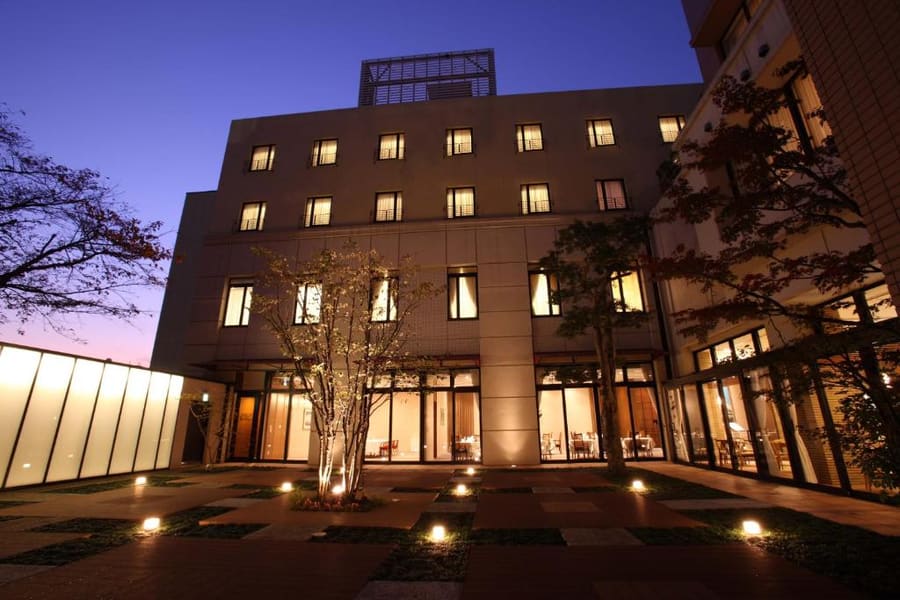
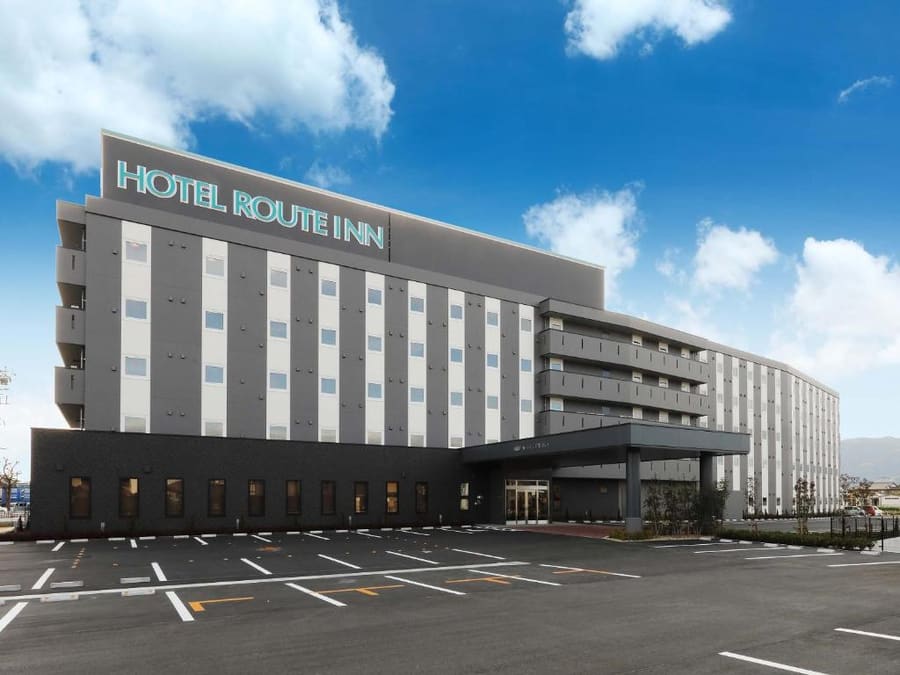
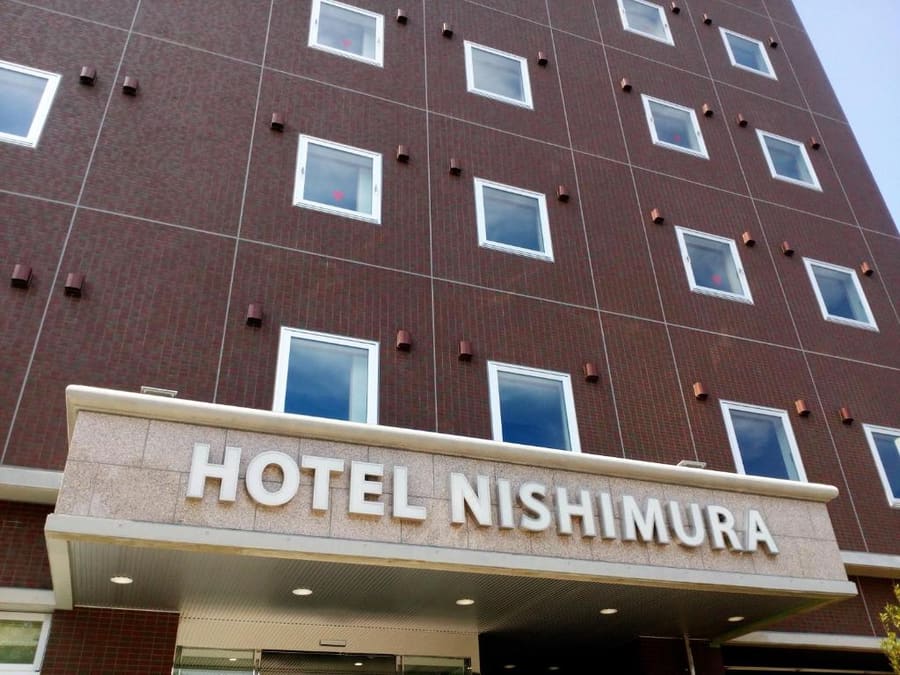
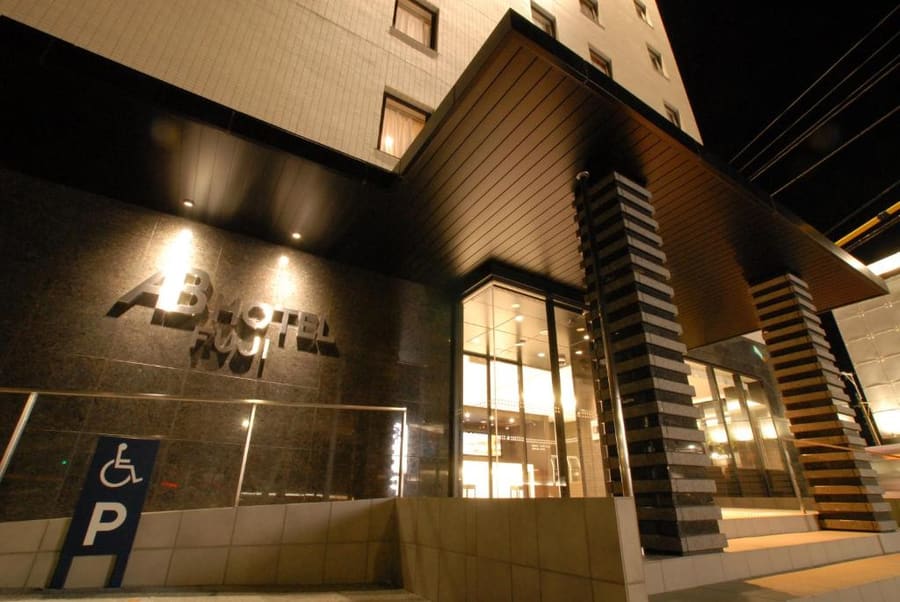
Choose your base by transit needs. Shin-Fuji puts you on the Shinkansen line with plain business hotels. Yoshiwara offers retro local nightlife near the Gakunan Railway. Fujinomiya places you closest to the shrine and mountain climbing buses.
Live rates, matched to the areas above.

transport
Fuji City splits its transit between two main train hubs: Shin-Fuji for Shinkansen bullet trains and Fuji Station for JR local lines. Connecting buses run between the two every 15 minutes. The privately operated Gakunan Electric Railway connects eastern Fuji factories, while Fujikyuko buses run north toward Fujinomiya and Mt. Fuji trailheads.
Da Shin-Fuji Station (Shinkansen)
Kodama Shinkansen from Tokyo Station. JR Pass valid on Kodama trains.
Fujikyu local bus links Shin-Fuji Shinkansen Station to JR Fuji Station.
Rank outside Shin-Fuji North Exit. Accepts major credit cards.
A ¥720 pass permits unlimited rides on the Gakunan train line between Yoshiwara and Gakunan-Enoo.
Do not miss your transfer bus between Shin-Fuji and Fuji Station; walking between them takes 30 minutes through industrial zones.
Climbing shuttle buses to Fujinomiya 5th Station operate only during official climbing season from July to early September.
Suica and Pasmo work on JR lines and Fujikyu buses. Gakunan Railway conductors require cash at smaller unstaffed stops.
cost
Fuji is an affordable regional hub compared to Tokyo or Hakone. Food costs remain low, driven by local worker lunch spots and counter dining.
A standard plate with pork lard scrapings and cabbage cooked fresh on the griddle.
Freshly landed whitebait served on rice with ginger and local soy sauce.
Unlimited travel on the retro 10-station line past paper factories.
Return shuttle ticket from Fujinomiya Station up to 5th Station during summer.
seasonality
NOV – FEB
Coldest months offer the highest probability of clear snow-capped Mt. Fuji views. Morning light is best for tea field shots.
MAR – MAY
Plum blossoms at Iwamotoyama in February give way to cherry blossoms and fresh green tea harvests in May.
JUN – AUG
Humidity creates clouds around Fuji's peak. July to early September opens the official mountain climbing season.
SEP – OCT
Typhoon risks clear by late October. Cool autumn days bring crisp visibility back to Suruga Bay.
practicalities
Clouds typically form around Mount Fuji by 11:00. Plan outdoor photo stops like Obuchi Sasaba before 09:30.
Smaller yakisoba stands and rural tea producers do not process credit cards or digital payments.
Do not step into tea bushes at Obuchi Sasaba. Stay on marked asphalt footpaths to protect crops.
Gakunan Railway runs illuminated night trains on select weekends past lit paper mill complexes.
Fujinomiya 5th Station sits at 2,400 metres where temperatures run 12–15°C cooler than Fuji City.