landmark
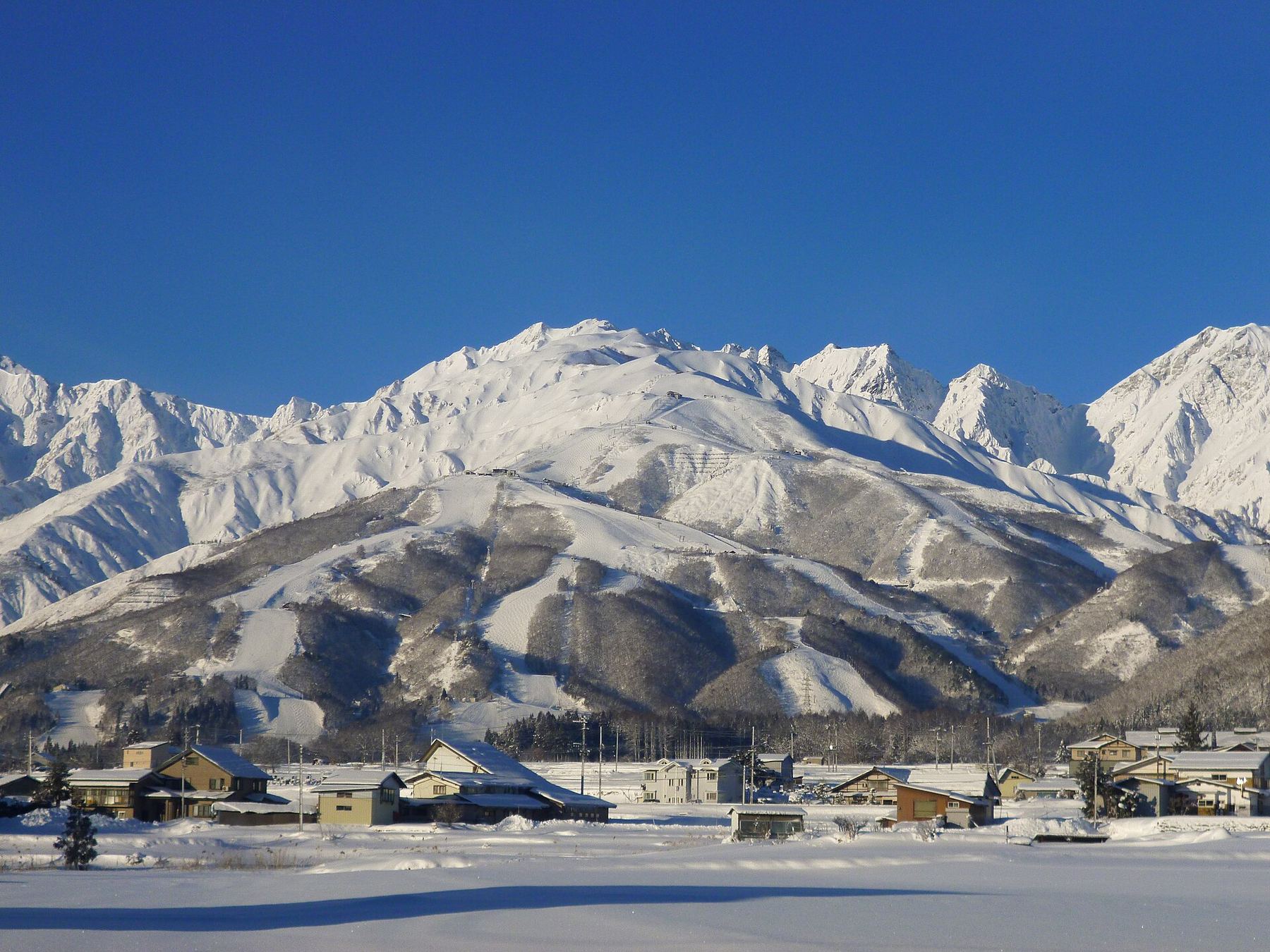
Happo-One Snow Resort
The largest resort in the valley with 1,071 meters of vertical drop. Ride the Adam Gondola early to beat local ski school queues.
Chiedi a ParleyGiappone
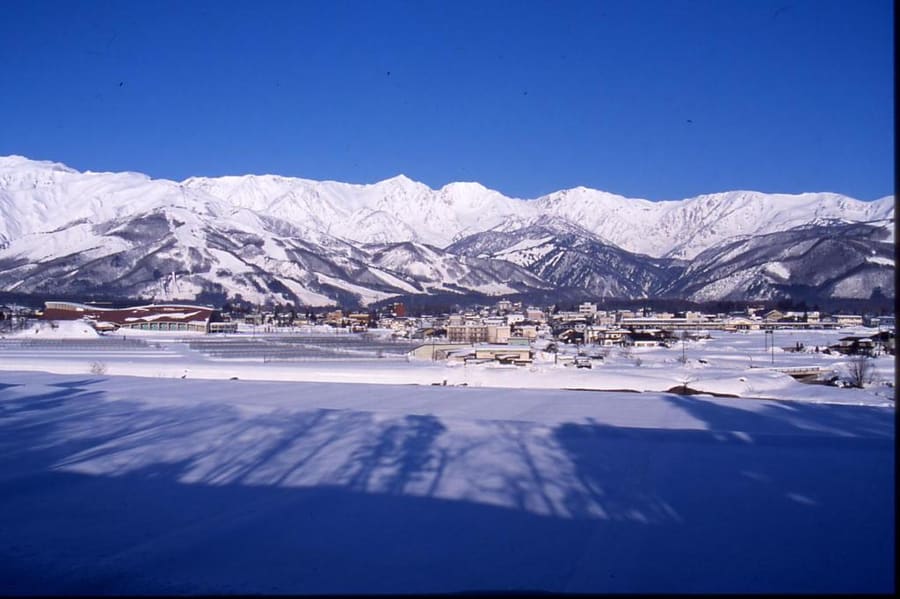
Ten winter resorts lined up along the Northern Japan Alps.
introduction
Hakuba stretches ten miles along a valley at the base of the Northern Japan Alps. Ten ski resorts operate under a single valley pass, connected by shuttle buses rather than direct chairlifts. Winter brings heavy snowfall brought by cold winter winds across the Sea of Japan and intense ski crowds, while summer offers cool mountain air and ridge hiking.
Arrival shortcut
Take the Hokuriku Shinkansen from Tokyo to Nagano Station, then switch to the Alpico Express Bus directly to Hakuba.
1998 Olympic legacy
Hakuba hosted the alpine skiing and ski jumping events during the 1998 Nagano Winter Olympic Games.
Transit planning
The Hakuba Valley Shuttle links all resorts, but winter buses run late when road traffic peaks at 16:00.
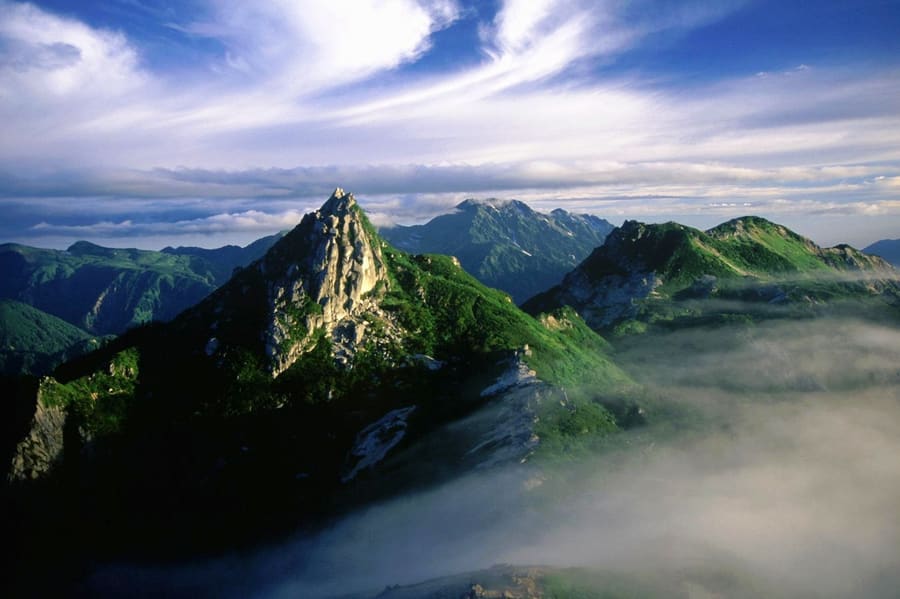
Hakuba
Alpsdake · Public domain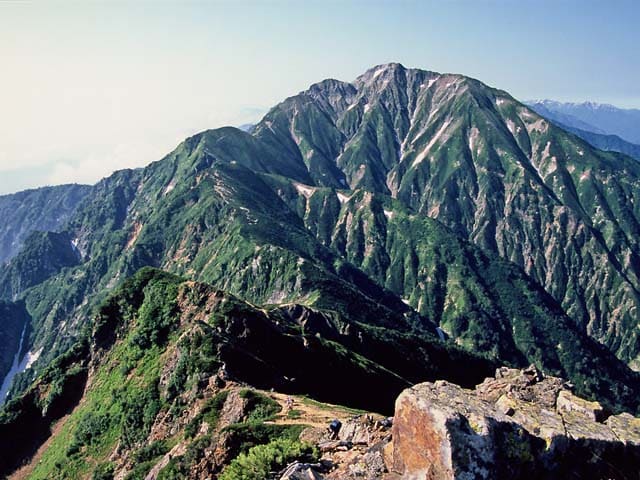
Goryu & Kamishiro — A relaxed southern base area surrounding Kamishiro Station with direct access to Goryu and Hakuba 47.
Inti-sol · CC BY-SA 3.0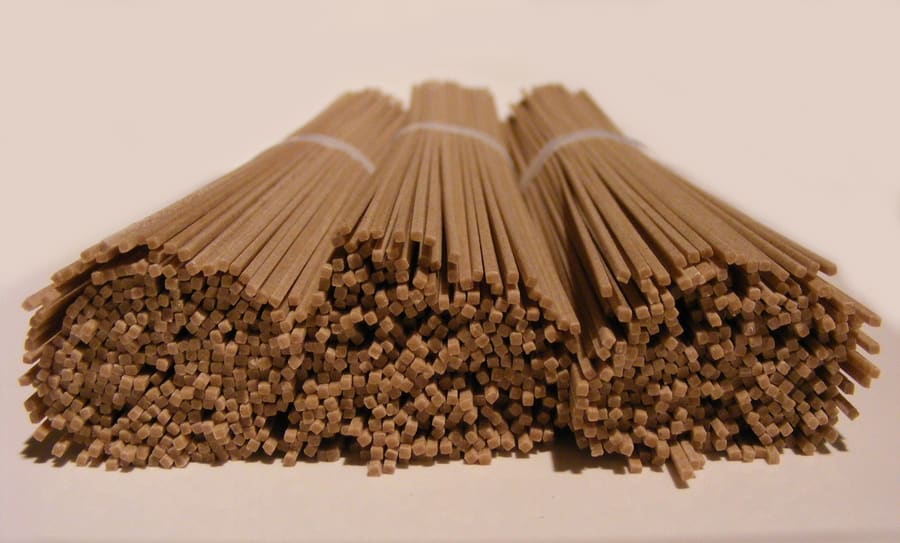
Handmilled buckwheat soba noodles served cold with dipping sauce.
FotoosVanRobin · CC BY-SA 2.0highlights
landmark
The largest resort in the valley with 1,071 meters of vertical drop. Ride the Adam Gondola early to beat local ski school queues.
Chiedi a Parley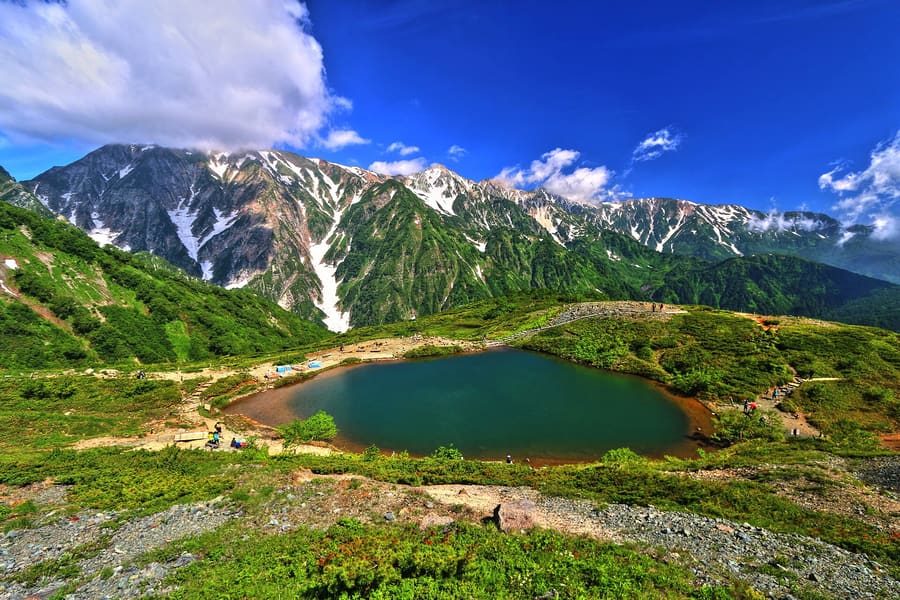
landmark
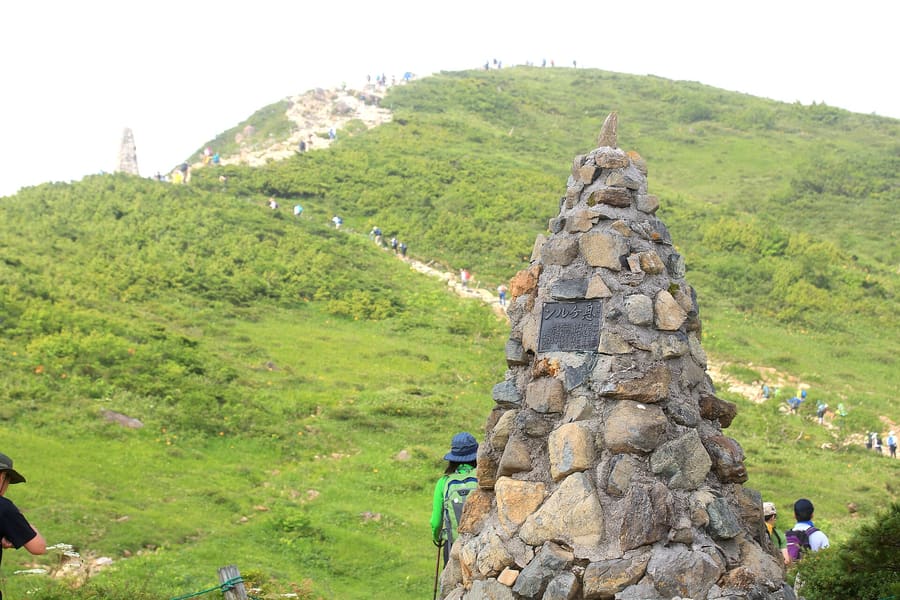
Reflective mountain lake reached via a 90-minute hike from the top lift. Open summer and autumn only; wear proper trail shoes.
Chiedi a Parley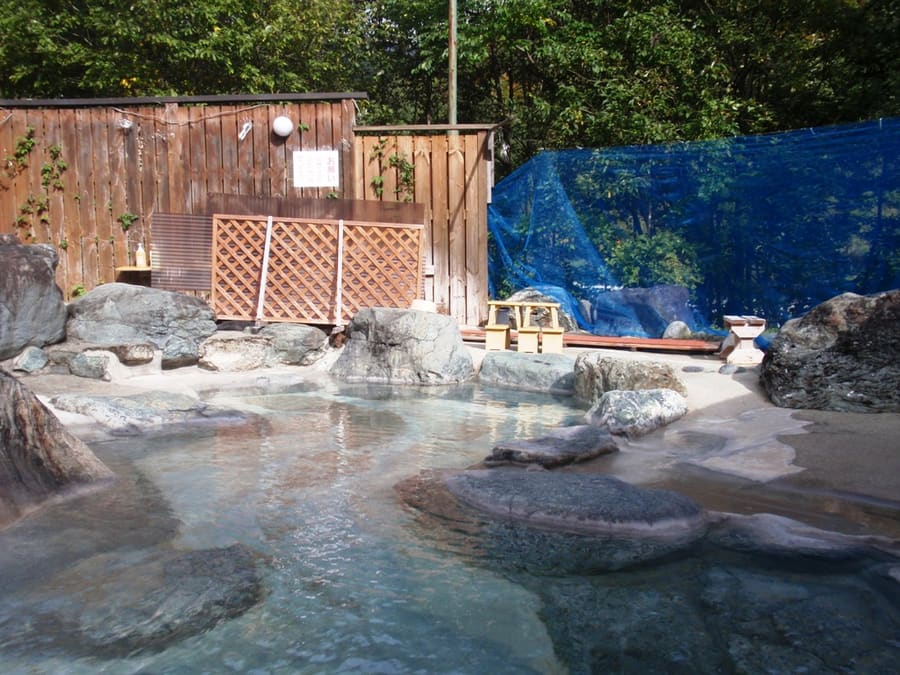
landmark
High-alkaline thermal baths sourced from deep alpine spring water. Mimizuku-no-yu offers outdoor mountain views for ¥750.
Chiedi a Parley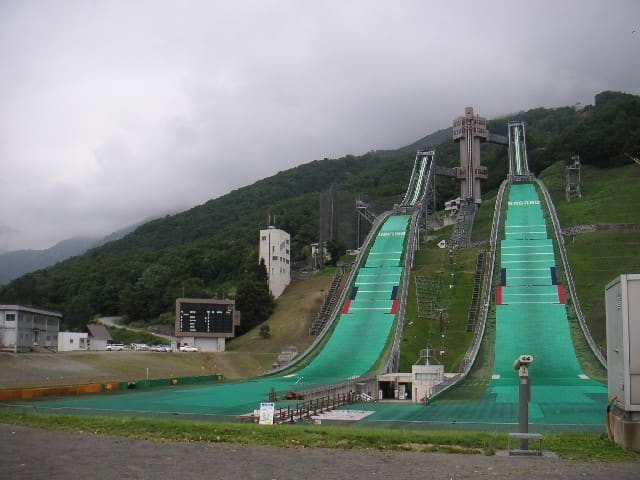
landmark
1998 Olympic ski jumps where you can take an elevator to the starting deck. Entrance costs ¥460 for access to the tower.
Chiedi a Parleyattractions
areas
A relaxed southern base area surrounding Kamishiro Station with direct access to Goryu and Hakuba 47.
Nei dintorniJR Kamishiro Station and Goryu Gondola
Chiedi a ParleyThe central village hub with direct slopeside access, major bus terminals, and traditional bathhouses.
Nei dintorniHappo-One ski lifts and Alpico Bus Terminal
Chiedi a ParleyA flat village strip packed with izakayas, craft beer bars, and Western dining options.
Nei dintorniEcholand dining street and resort shuttles
Chiedi a ParleyA quiet forested quarter featuring modern chalets, high-end hotels, and quiet roads.
Nei dintorniSakitai lift base and forested trails
Chiedi a Parleyfood
Shinshu soba dominates Nagano prefecture. Buckwheat crops thrive in the cold mountain soil around Hakuba. Cold zaru soba served alongside local wild mountain vegetable tempura is the regional lunch staple. Winter dining requires aggressive planning: Echoland izakayas fill up months before snow falls.
Handmilled buckwheat soba noodles served cold with dipping sauce.
FotoosVanRobin · CC BY-SA 2.0Echoland restaurants fill up long before winter arrives. Walk-ins routinely encounter hours of waiting or full turnaways.
Try handmade buckwheat noodles near Hakuba Station, where chefs roll fresh batches every morning.
Resorts process credit cards easily, but local noodle houses and family izakayas in Hakuba accept cash only.
history
Hakuba originated as a quiet transit stop on the Chikuni Kaido, a historic trade route used to carry salt from the Sea of Japan inland. Austrian officers introduced alpine skiing to Nagano in the early twentieth century. The 1998 Winter Olympics transformed the valley into a global winter destination.
Salt Road Trade
Hakuba operated as a key mountain rest stop along the Chikuni Kaido salt road.
First Alpine Skiing
Austrian officers introduced modern skiing techniques to the local mountain slopes.
Winter Olympics
Hakuba hosted Olympic alpine speed events and ski jumping competition, building global transport access.
Valley Pass Unified
Ten separate mountain resorts joined under one single valley ski pass network.
where to stay
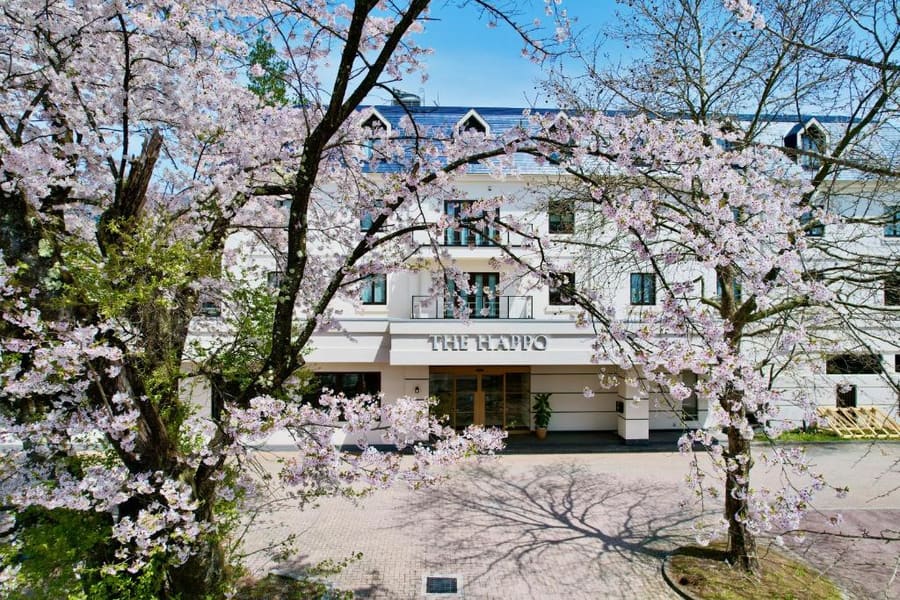
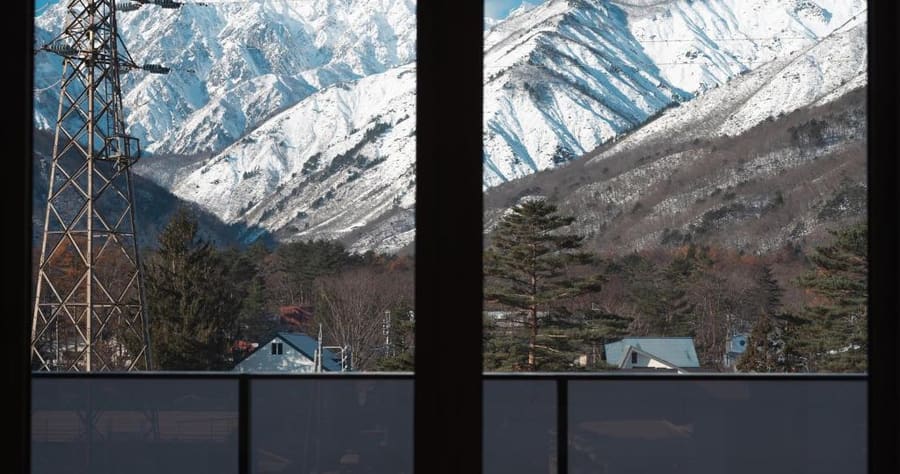
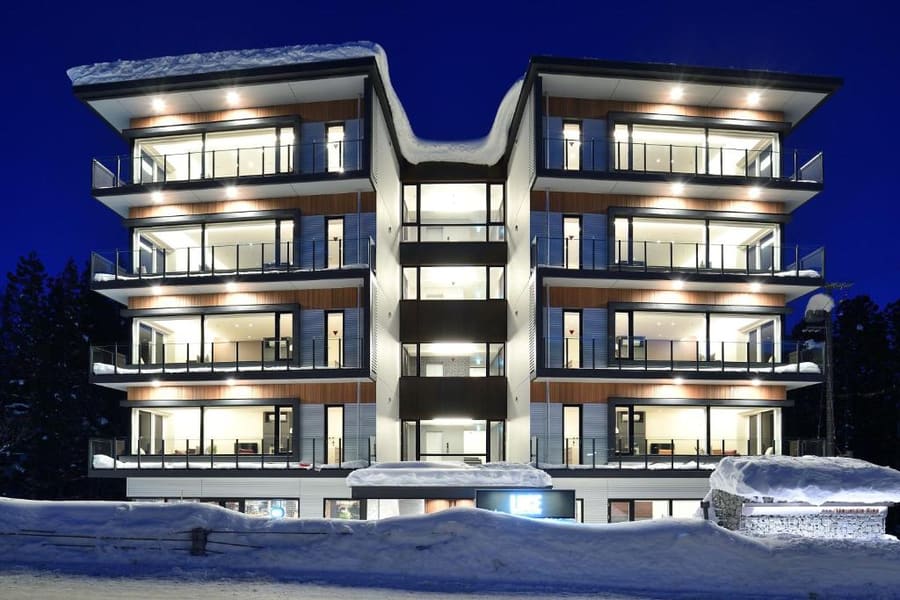
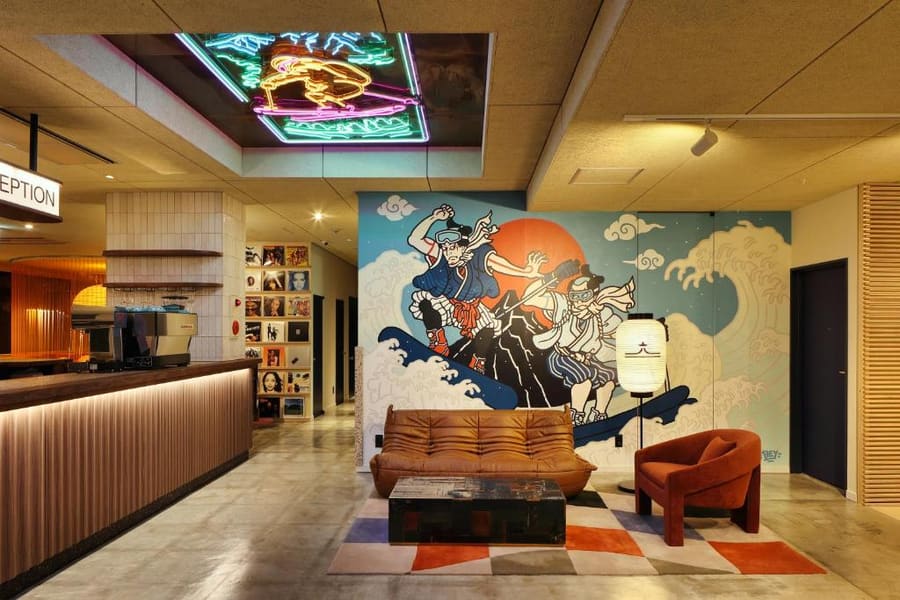
Choose your stay based on transit needs. Happo puts you on the slopes and at the central bus hub. Echoland places you steps from restaurants, but requires morning buses. Wadano offers luxury chalets in quiet woods.
Live rates, matched to the areas above.
transport
Most international visitors arrive via Shinkansen to Nagano Station, then transfer to an express highway bus. Within the valley, free or discounted shuttle buses run between all ten resorts during ski season.
Da Nagano Station (36.6431, 138.1886)
Alpico Express runs from Nagano Station East Exit direct to Hakuba Bus Terminal.
Pre-booked door-to-door passenger van direct from Nagano Station.
Valley shuttle buses connect all resorts. Holders of an active Valley Pass ride discounted or free.
Valley roads experience congestion between 16:00 and 17:30 as all ten ski resorts close simultaneously.
Local trains connect Hakuba, Kamishiro, and Minami-Hakuba stations, operating once every 1–2 hours.
Hakuba has a severe shortages of evening taxis in winter. Arrange night trips through your hotel desk.
cost
Lift tickets and gear rentals drive the majority of winter expenses. Local food and thermal baths remain reasonably priced compared to Western ski towns.
Valid at all ten resorts and covers local shuttle bus usage.
Public hot springs charge flat entry fees. Towel rentals cost an additional ¥200.
A fresh bowl of hand-cut buckwheat noodles served with mountain tempura.
One-way express highway bus ticket between Nagano Shinkansen and Hakuba.
seasonality
DEC – FEB
Peak winter conditions with massive snow accumulation. Lift lines are long and dinner reservations are mandatory.
MAR – APR
Spring skiing with warmer days and clear mountain views. Lower slopes thaw while upper lifts stay open.
MAY – JUN
Ski lifts close and mountain green season begins. Lower hiking trails open as snow melts.
JUL – SEP
Cool alpine escape from Tokyo summer heat. Alpine ridge trails and Happo Pond are fully accessible.
OCT – NOV
Autumn foliage colors the valley red and gold. Lifts shut down temporarily for pre-winter maintenance.
practicalities
Off-piste terrain requires a beacon, probe, and shovel. Patrols strictly monitor open mountain gates.
International bank cards work reliably at 7-Eleven and Lawson ATM terminals throughout the valley.
Traditional public bathhouses often restrict visible tattoos. Rent a private family bath if you have ink.
Delicia supermarket in central Hakuba closes at 21:00. Stock empties quickly on winter afternoons.
Sunlight reflects intensely off alpine snow. Apply sunscreen even on cold overcast ski days.