
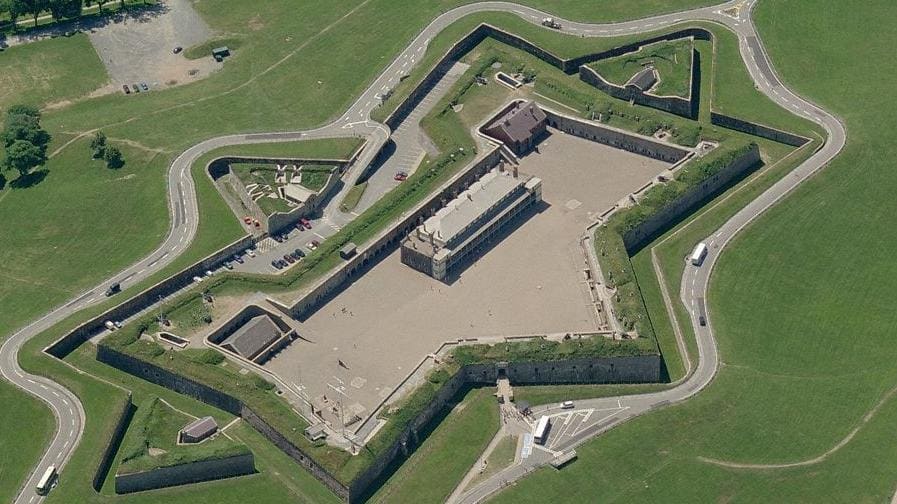
landmark
Halifax Citadel
A 19th-century star fort overlooking the city. Hear the 12:00 gun cannon daily.
Chiedi a ParleyCanada
Harbourfront history, steep hills, and Atlantic tides.
introduction
Halifax steps sharply up from its working harbour to a hilltop 19th-century fortress built between 1828 and 1856. You navigate the core on foot, balancing steep uphill walks with a flat four-kilometre boardwalk along the water. Summer brings long daylight and ocean breezes, while winter chills the waterfront fast.
Airport transit deal
The MetroX bus 320 runs from YHZ directly downtown for 4.25 CAD cash. Taxis charge a flat rate of 68 CAD.
Historic naval fortress
The Citadel is Canada's most visited national historic site. A ceremonial cannon fires daily at noon.
Ferry transfer bonus
A single 2.75 CAD Halifax Ferry ticket includes a 90-minute transfer to any Halifax Transit bus.
Halifax
Balou46 · CC BY-SA 4.0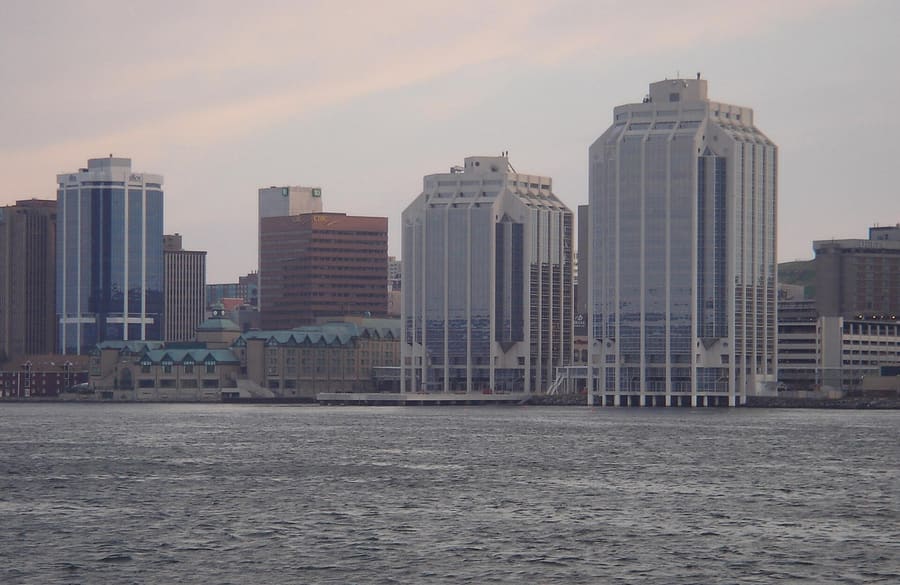
Downtown Halifax — High-density commercial core running down steep hills directly into harbour boardwalks.
The original uploader was Theyab 07 at English Wikipedia. · Public domain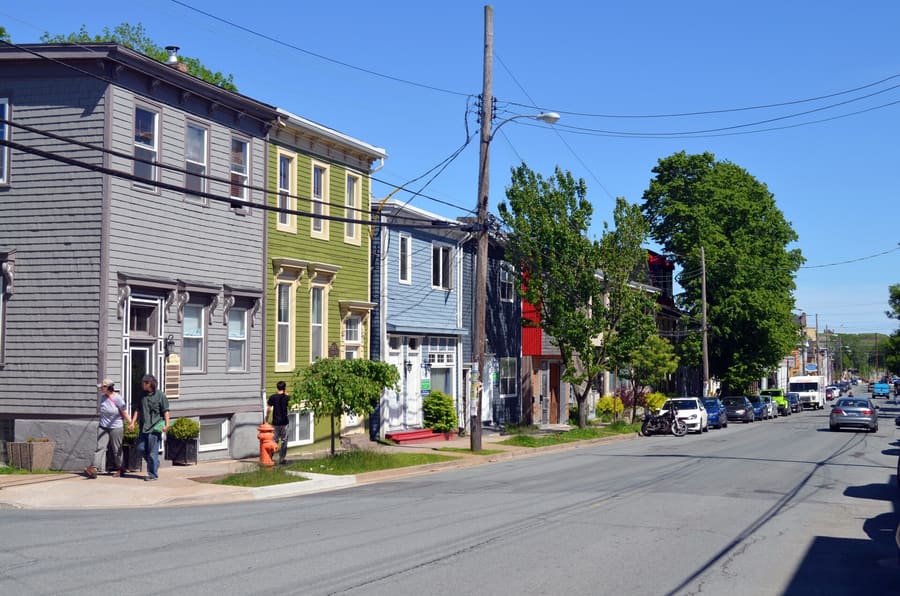
North End — Industrial roots mixed with microbreweries, bakeries, and vibrant street murals.
Citobun · CC BY-SA 4.0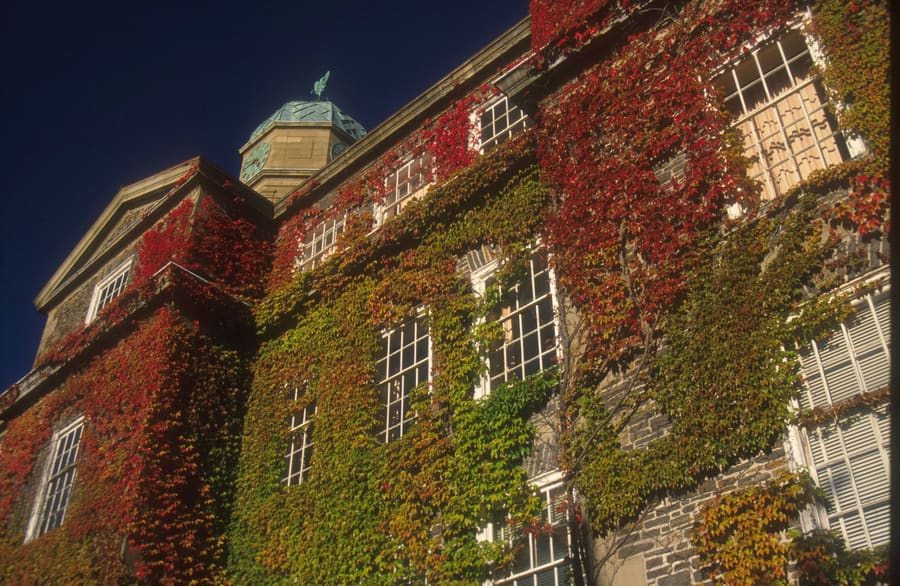
South End — Leafy university district anchored by Victorian homes and coastal trails.
Thorfinn Stainforth · CC BY-SA 3.0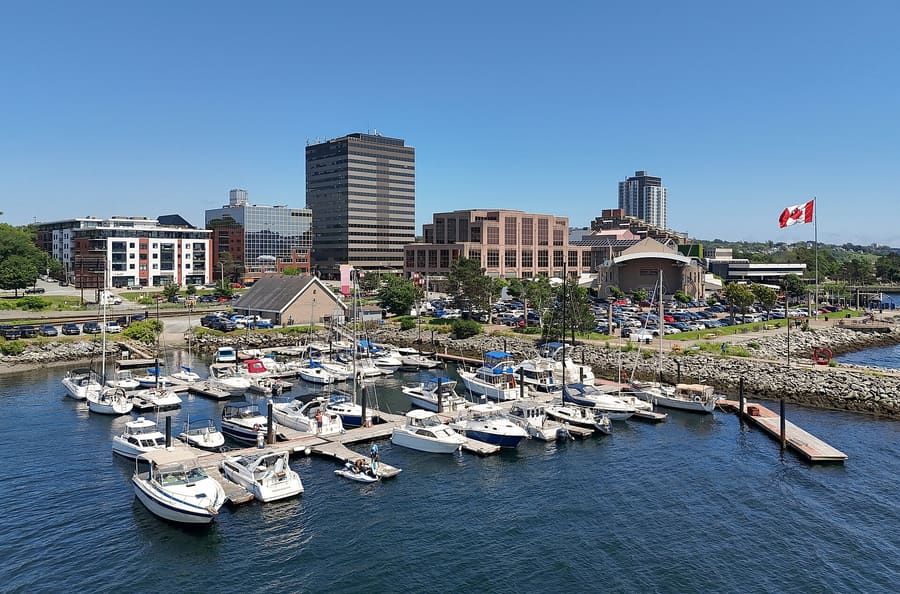
Downtown Dartmouth — Relaxed district across the harbour with independent coffee shops and cider houses.
Quintin Soloviev · CC BY 4.0
A classic Halifax donair with sweet garlic sauce.
Paulo O from Halifax, Canada · CC BY 2.0highlights
landmark
A 19th-century star fort overlooking the city. Hear the 12:00 gun cannon daily.
Chiedi a Parley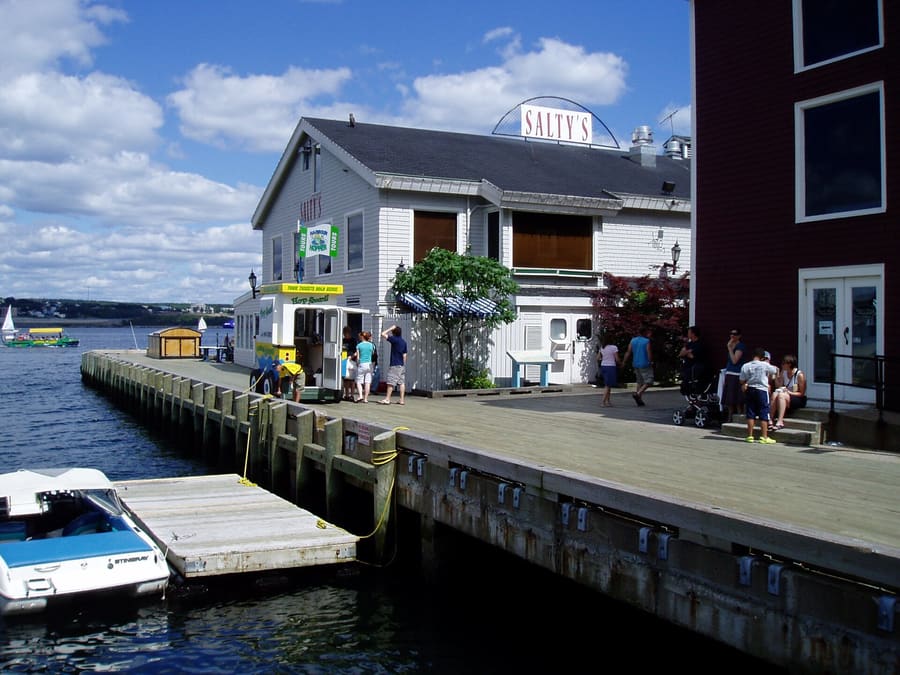
landmark
Four continuous kilometres of wooden deck lined with piers, hammocks, and food huts.
Chiedi a Parley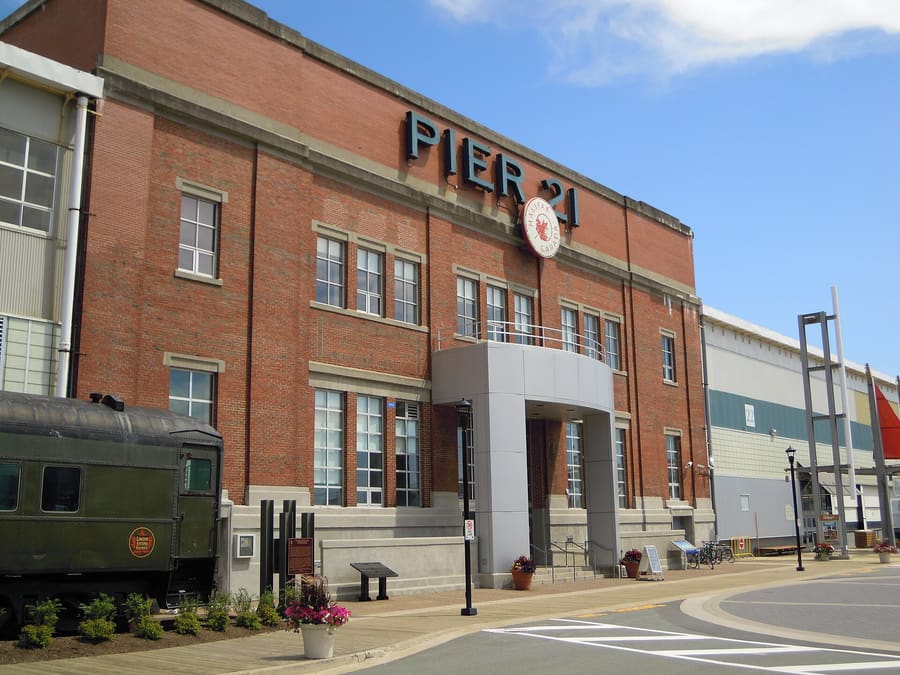
landmark
Canada's historic ocean immigration terminal. Search ship manifests at interactive kiosks.
Chiedi a Parley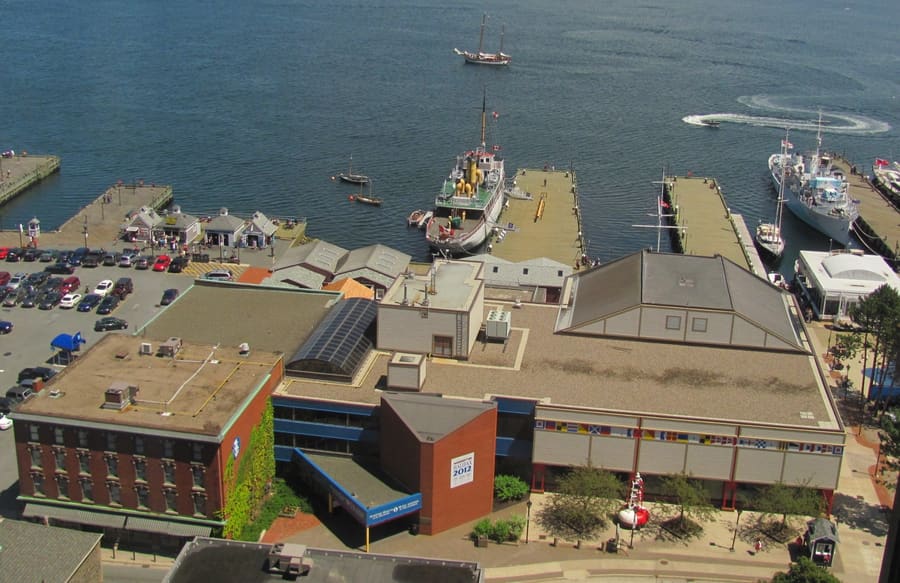
landmark
Houses recovered artifacts from the Titanic and details the 1917 Halifax Explosion.
Chiedi a Parleyattractions
areas
High-density commercial core running down steep hills directly into harbour boardwalks.
Nei dintorniHalifax Citadel and Maritime Museum
Chiedi a ParleyIndustrial roots mixed with microbreweries, bakeries, and vibrant street murals.
Nei dintorniGottingen and Agricola street corridors
Chiedi a ParleyLeafy university district anchored by Victorian homes and coastal trails.
Nei dintorniPoint Pleasant Park and Saint Mary's University
Chiedi a ParleyRelaxed district across the harbour with independent coffee shops and cider houses.
Nei dintorniAlderney Landing Ferry Terminal
Chiedi a Parleyfood
Halifax food revolves around cold ocean catches and one specific late-night street food. The official dish of the city is the Halifax donair. Spit-roasted spiced beef is shaved into a warm pita, topped with diced tomatoes, onions, and a distinctively sweet sauce made from condensed milk, sugar, garlic, and vinegar.
A classic Halifax donair with sweet garlic sauce.
Paulo O from Halifax, Canada · CC BY 2.0Order donairs at King of Donair on Quinpool Road or Mezza. Never ask for tzatziki; condensed milk sauce is non-negotiable here.
Downtown seafood spots offer 2 CAD oysters between 16:00 and 18:00 on weekdays.
Waterfront shacks charge market price for lobster rolls made with cold mayonnaise dressing.
history
Founded as a British military outpost in 1749 to counter French Louisbourg, Halifax owes its existence to its deep ice-free harbour. The city served as a primary North American naval station for centuries.
British Military Foundation
Edward Cornwallis establishes Halifax town settlement as a naval fortress.
Titanic Recovery Port
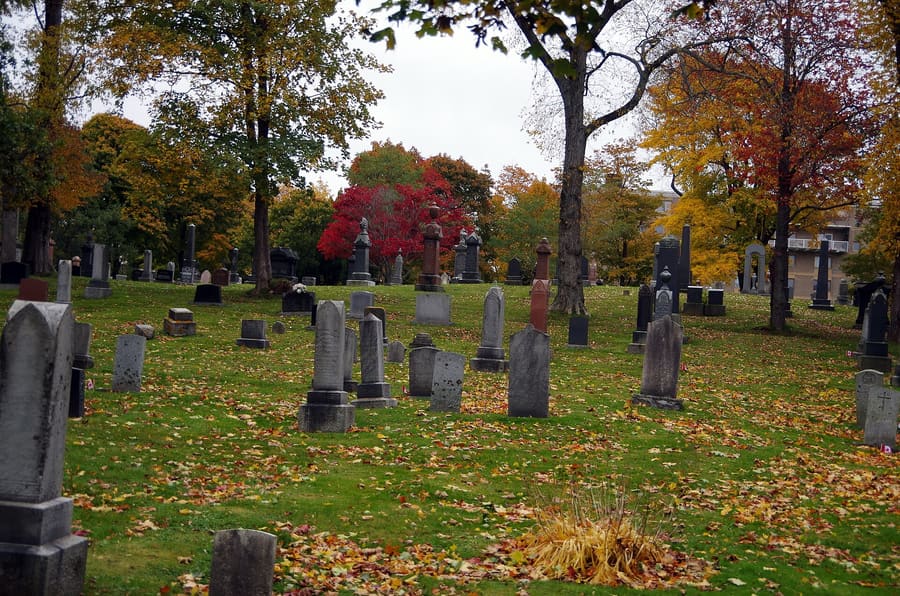
Ships depart Halifax to collect Titanic victims; 150 are buried in local cemeteries.
The Halifax Explosion
Two ships collide in the Narrows, causing the world's largest pre-nuclear explosion.
Pier 21 Opens
The ocean terminal welcomes over one million immigrants over forty years.
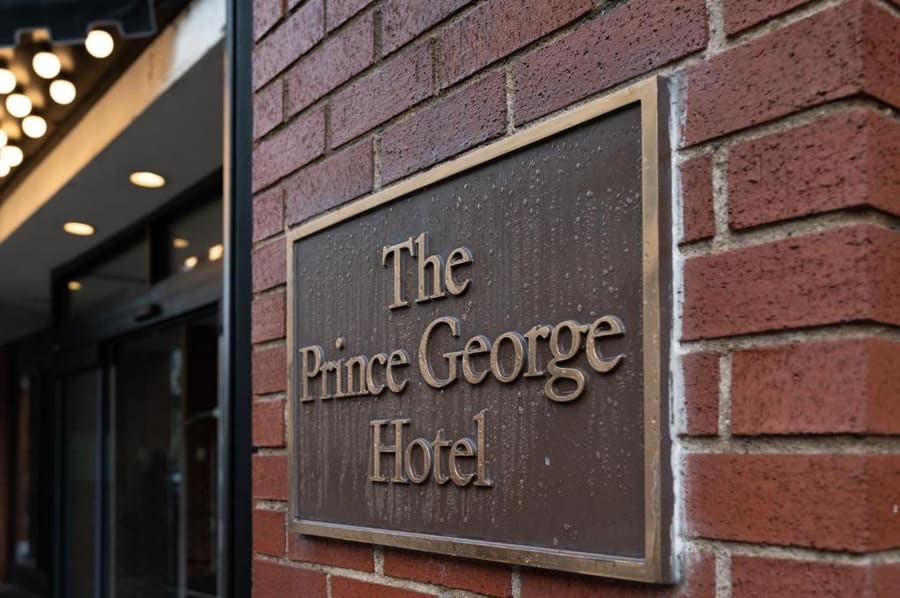
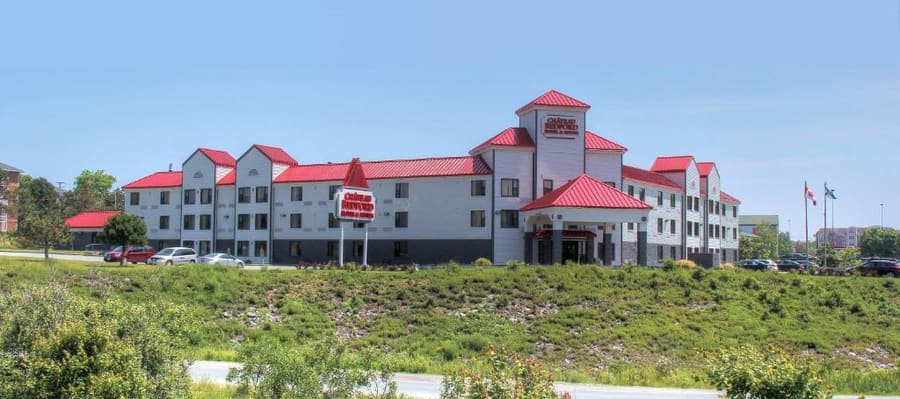
where to stay
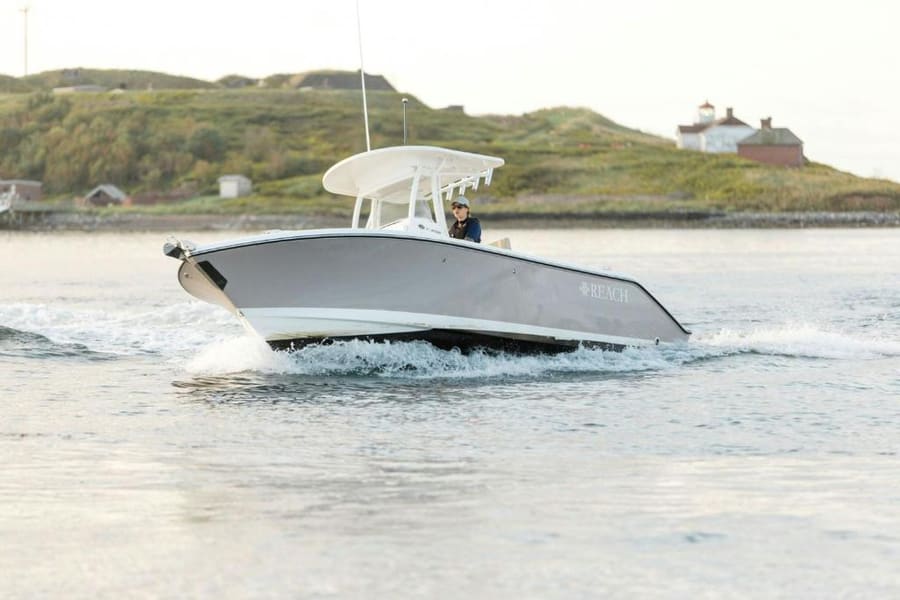
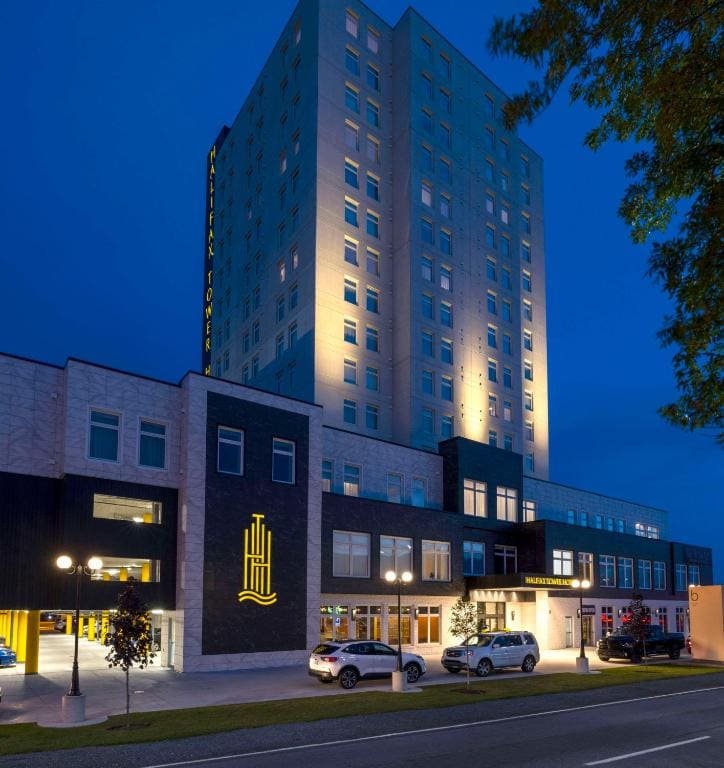
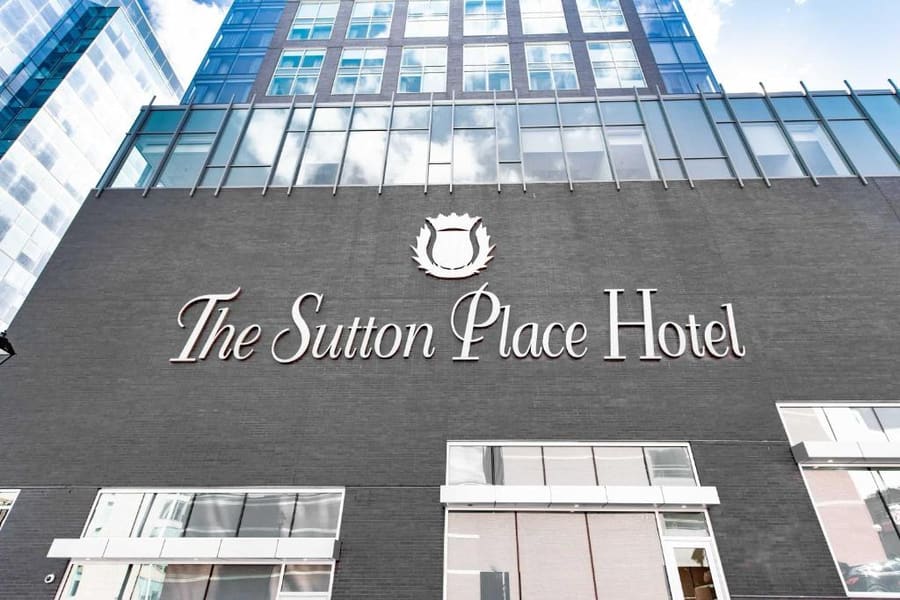
Choose your stay based on hill geography. Waterfront hotels keep you close to ferries and flat walks. Hilltop and North End stays offer quiet residential streets at the price of steep climbs back from dinner.
Live rates, matched to the areas above.
transport
Halifax is compact. You can cross downtown on foot in twenty minutes, but steep grades run perpendicular to the water. Halifax Transit operates buses and harbour ferries using identical tickets.
Da YHZ (Halifax Stanfield International Airport)
MetroX Route 320 runs hourly. Drivers do not give change; exact cash required.
Flat-rate fee set by regional regulation to downtown destinations.
Uber and Lyft pick up outside domestic arrivals level.
Ferries run every 15 to 30 minutes from Halifax Terminal to Woodside and Alderney.
Halifax Transit accepts cash or the HFXGO mobile ticketing app. Tap-to-pay credit cards are not supported on buses.
George Street has a 12 percent incline between Water Street and the Citadel.
cost
Halifax prices align with regional Canadian hubs. High summer demand drives hotel rates up along the waterfront.
A regular spiced beef donair wrap from a corner shop.
Single transit fare includes 90 minutes of transfers.
Standard adult entry at Pier 21 or Maritime Museum.
Draft pint at local North End microbreweries.
seasonality
MAR – MAY
Chilly fog and rain. Museum crowds remain low, but ocean boardwalk stalls stay closed.
JUN – AUG
Warmest weather and full patio operations. Cruise ships dock daily; book stays months ahead.
SEP – NOV
Crisp autumn weather and clear harbour visibility. Summer crowds leave by late September.
DEC – FEB
Freezing winds along the water. Outdoor boardwalks freeze over, shifting life indoors.
practicalities
Harbour fog rolls in within minutes. Carry a light windbreaker even on sunny afternoons.
The Citadel fires a blank artillery shell every day at 12:00 sharp, audible across downtown.
Vehicles yield aggressively to pedestrians at marked crosswalks by law.
Public ferry boats visit Georges Island National Historic Site exclusively from June to October.