landmark
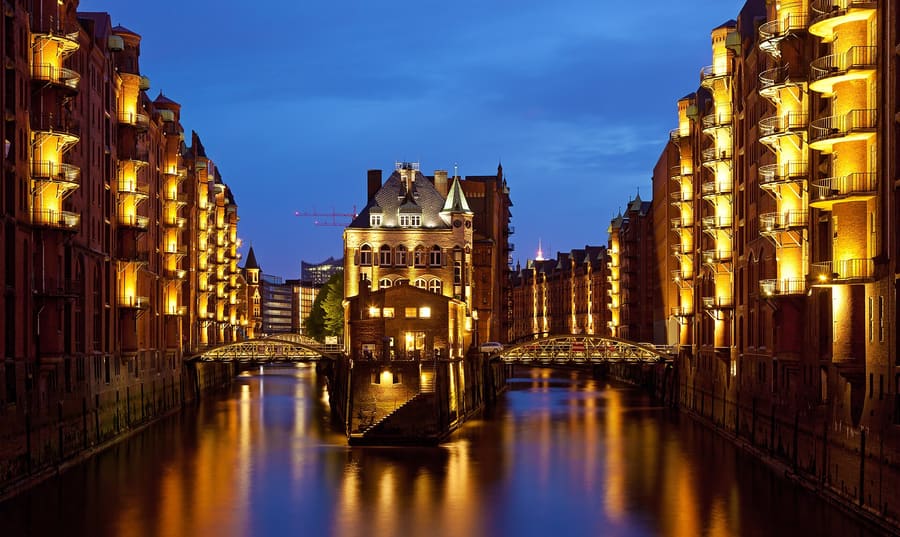
Speicherstadt
The world's largest warehouse complex built on oak logs. Visit at high tide or dusk for lit reflections in the canals.
Chiedi a ParleyGermania
A working port city built on water, trade, and brick.
introduction
Hamburg is defined by water and commerce. Over 2,500 bridges span its canals, ranking it ahead of Venice and Amsterdam combined. You move through the city on S-Bahn trains, red ferries, and footpaths that follow the Elbe riverbank. Expect damp maritime winds, precise transport schedules, and high dinner prices.
S-Bahn line S1 from HAM
Line S1 runs directly from Hamburg Airport to Hauptbahnhof in 25 minutes. Buy a single ticket at the platform machine before boarding.
UNESCO Speicherstadt
The 19th-century warehouse district forms a UNESCO World Heritage site. Walk across the Poggenmühlenbrücke at dusk for the clearest view of illuminated canals.
Hamburg
Thomas Ulrich from Hamburg, Deutschland · CC BY-SA 2.0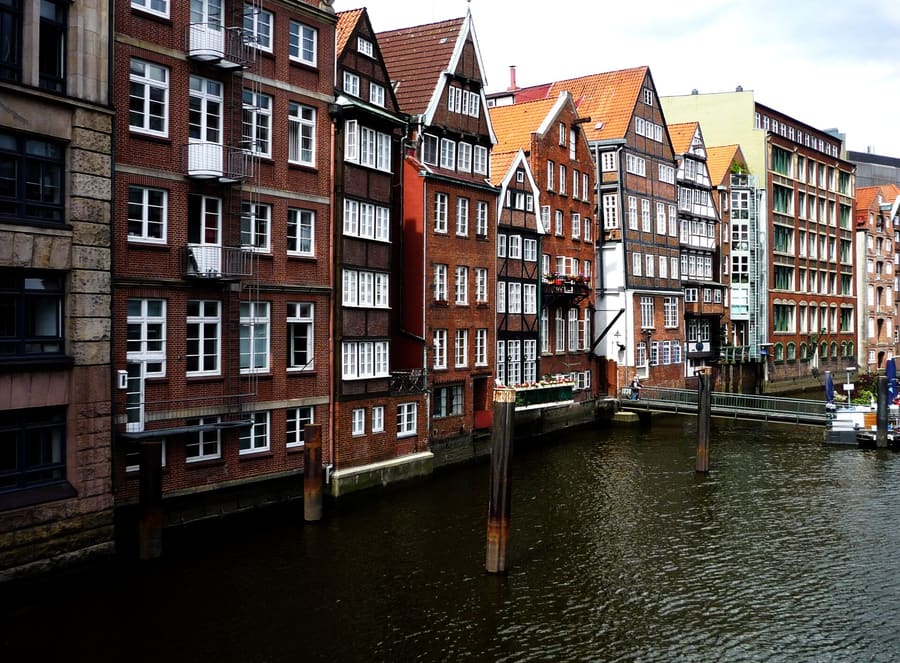
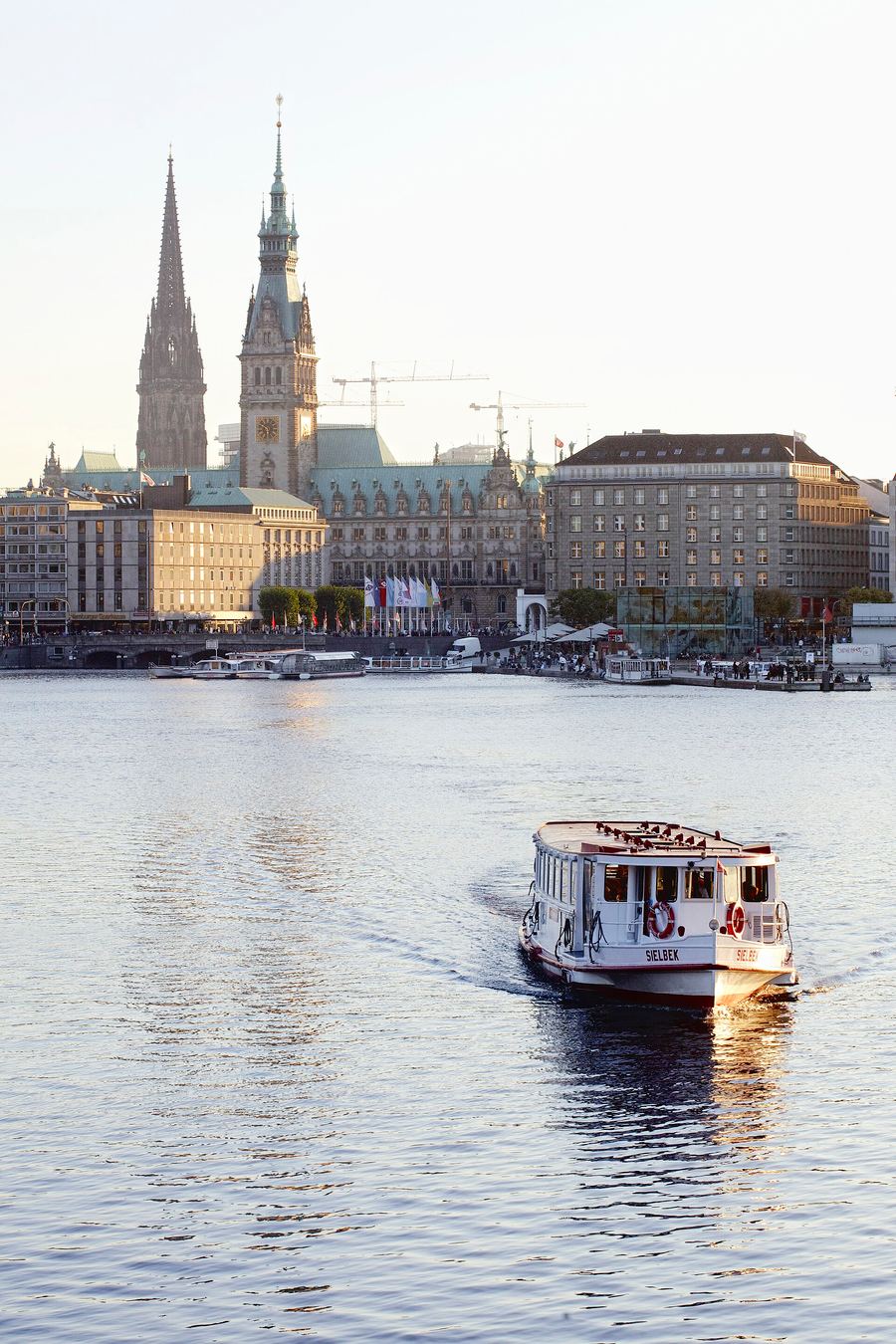
Altstadt — Grand 19th-century trade houses, canal basins, and high-end shopping arcades.
Oxfordian Kissuth · CC BY-SA 3.0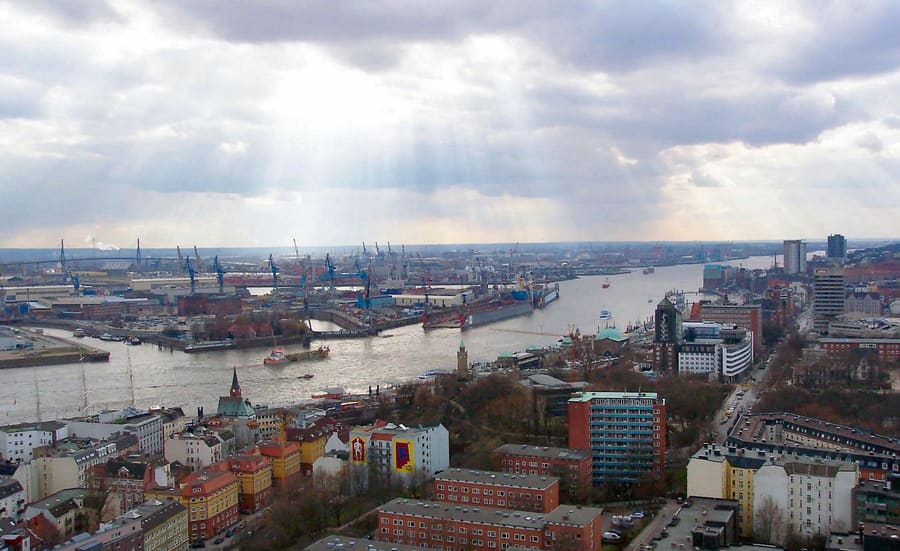
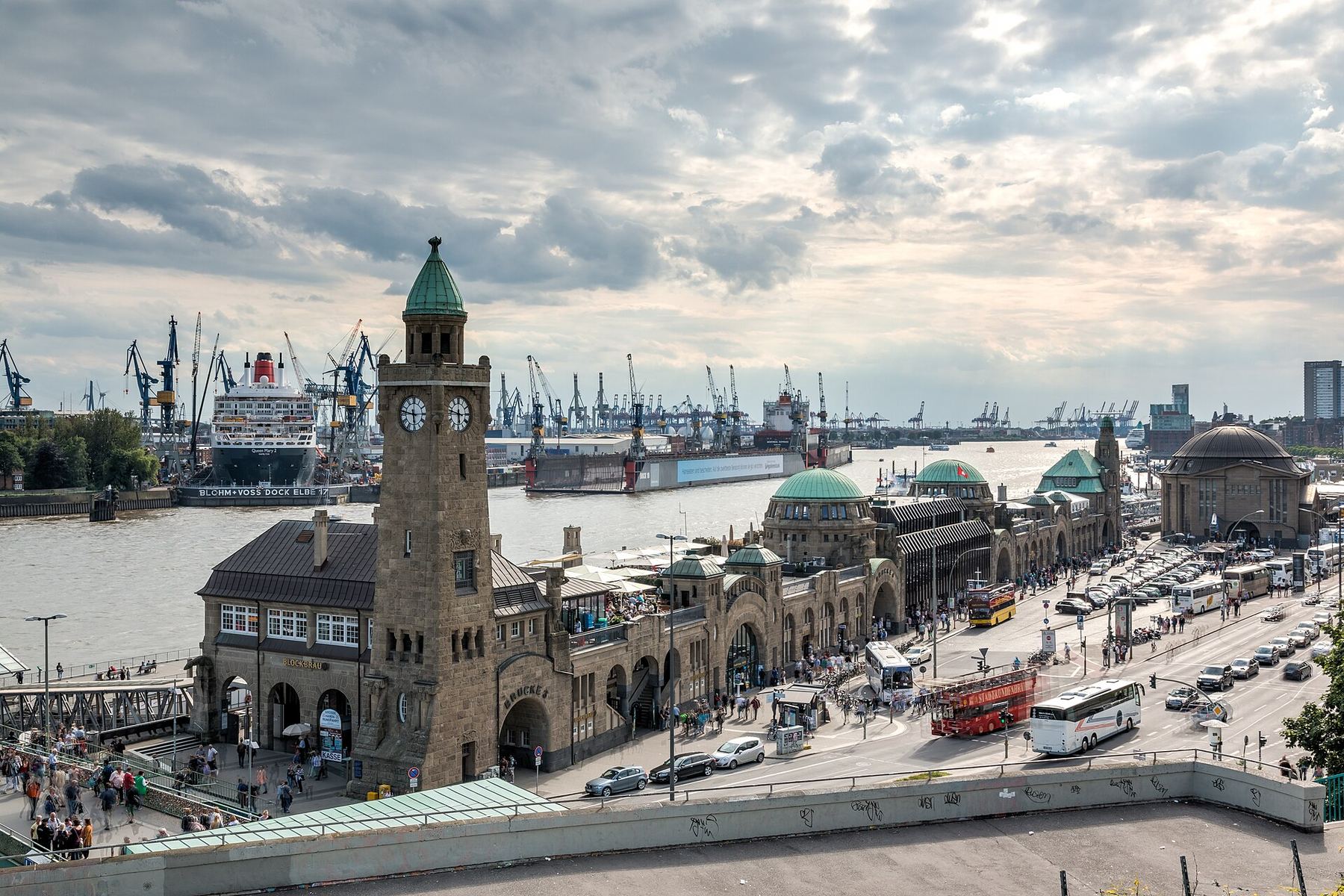
St. Pauli — Raw waterfront nightlife around the Reeperbahn, mixing dive bars and music clubs.
Olaf1541, Slader · CC BY-SA 3.0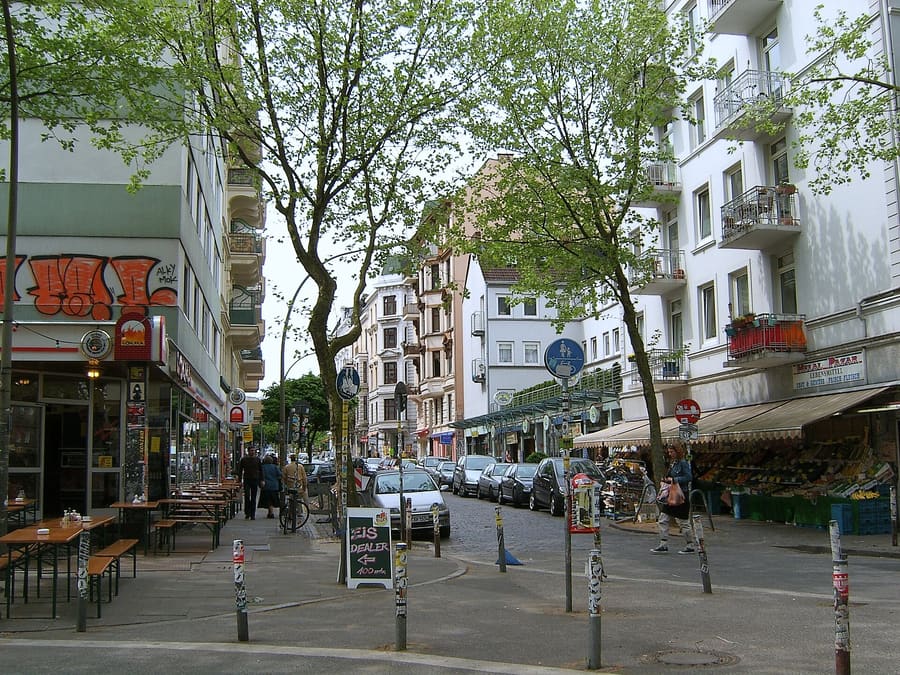
Schanzenviertel — Former working-class enclave filled with independent cafes, boutiques, and street art.
Staro1 · CC BY-SA 3.0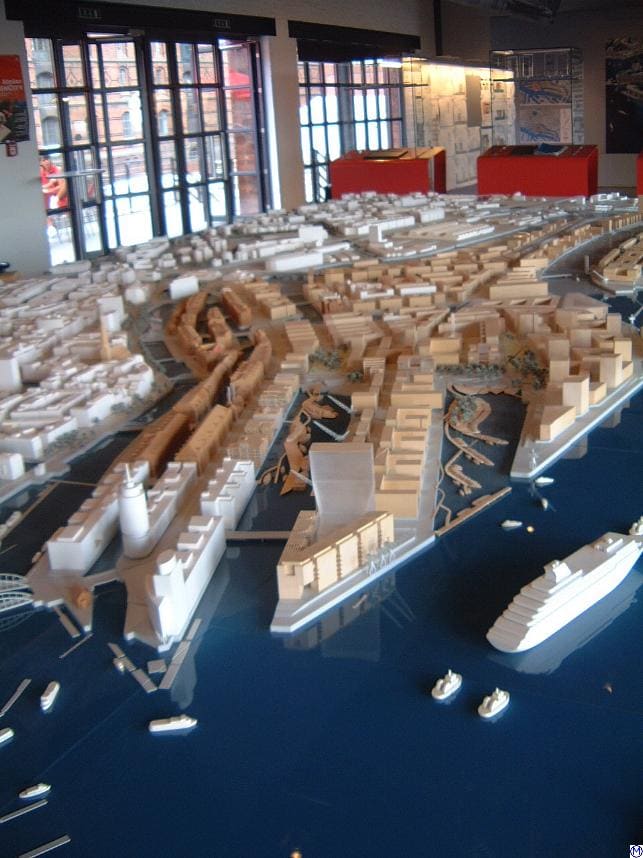
HafenCity — New urban dockland development featuring modern steel architecture along wide boardwalks.
Wolfgang Meinhart, Hamburg · CC BY-SA 3.0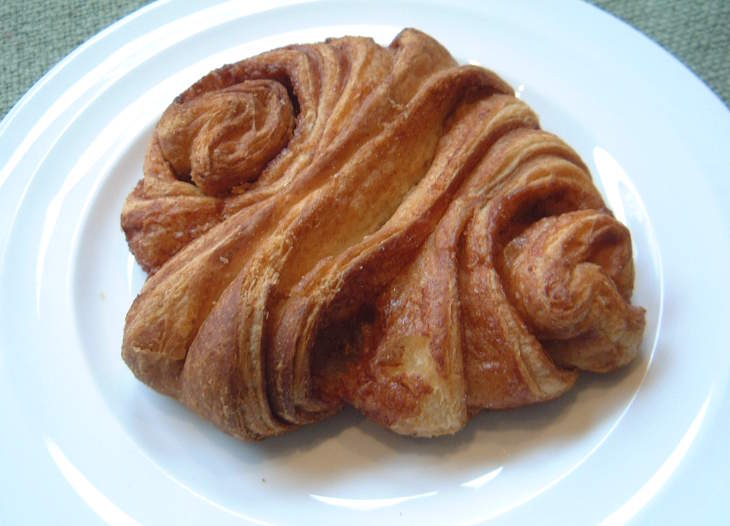
A fresh Franzbrötchen, Hamburg's signature caramelized cinnamon pastry.
Wmeinhart · CC BY-SA 3.0highlights
landmark
The world's largest warehouse complex built on oak logs. Visit at high tide or dusk for lit reflections in the canals.
Chiedi a Parley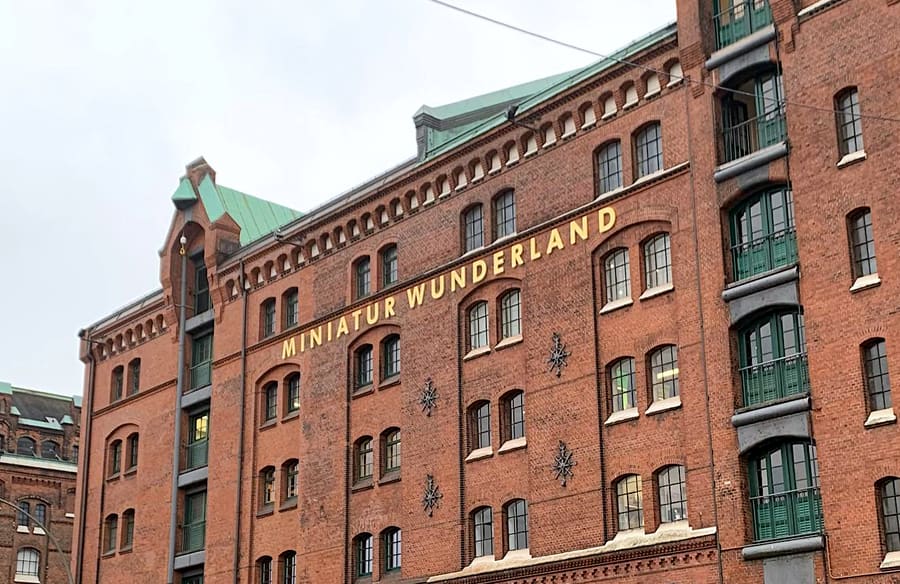
landmark
An immense layout of functional miniature rail networks. Reserve tickets weeks ahead online to skip multi-hour queues.
Chiedi a Parley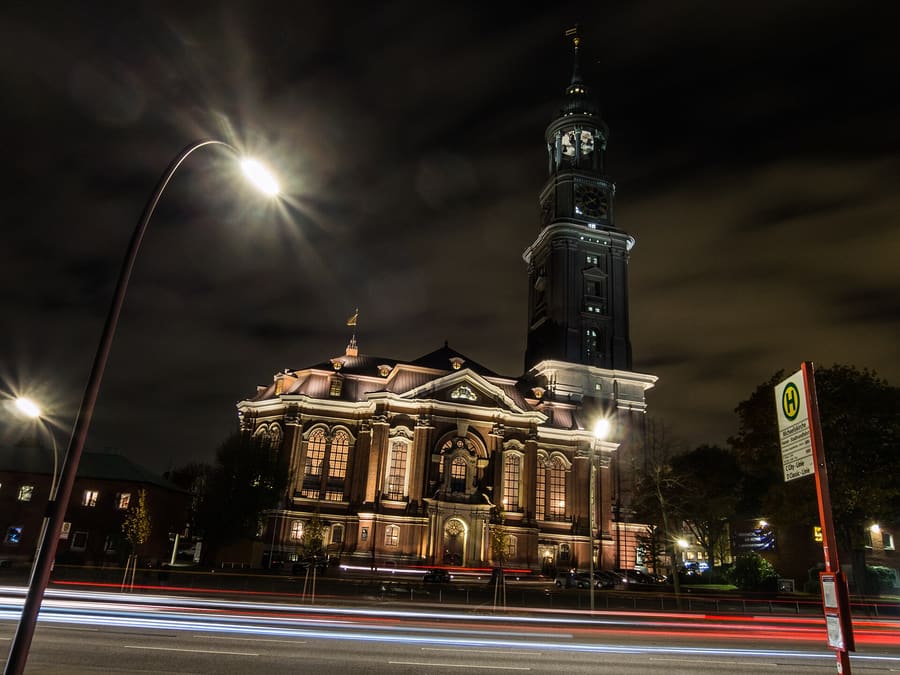
landmark
Hamburg's principal 18th-century Baroque church. Climb the 453 steps or take the lift up the spire for port vistas.
Chiedi a Parley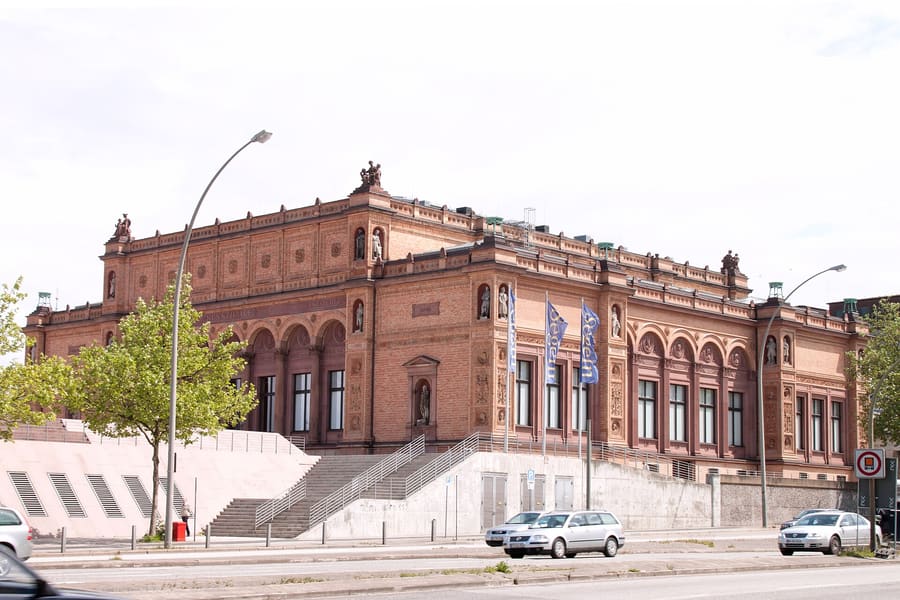
landmark
Seven centuries of art across three connected buildings. Houses Caspar David Friedrich's 'Wanderer above the Sea of Fog'.
Chiedi a Parley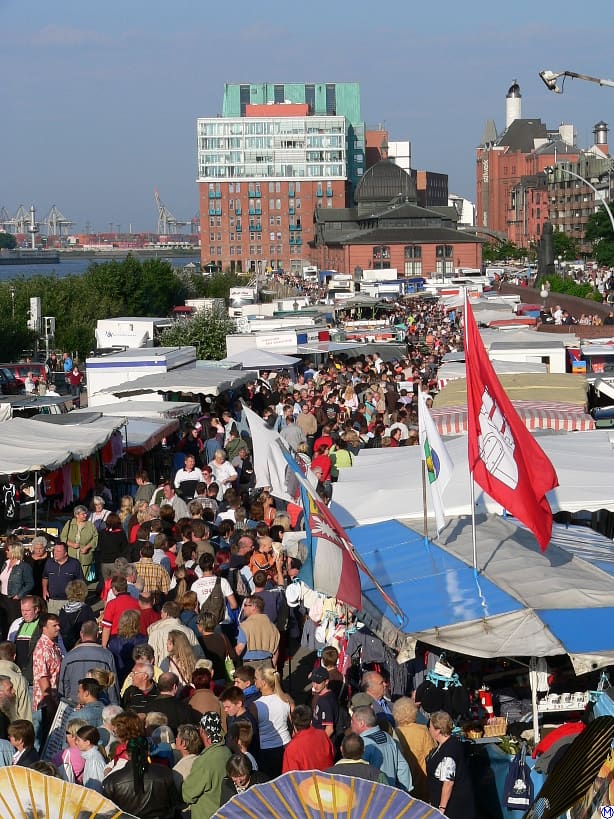
landmark
Sunday morning open-air trading since 1703. Arrive by 06:00 to see fish vendors shout sales pitches from timber trucks.
Chiedi a Parleyattractions
areas
Grand 19th-century trade houses, canal basins, and high-end shopping arcades.
Nei dintorniHauptbahnhof, Binnenalster lake, and Rathaus
Chiedi a ParleyRaw waterfront nightlife around the Reeperbahn, mixing dive bars and music clubs.
Nei dintorniLandungsbrücken piers and Elbe riverbank
Chiedi a ParleyFormer working-class enclave filled with independent cafes, boutiques, and street art.
Nei dintorniKarolinenviertel and Sternschanze S-Bahn
Chiedi a ParleyNew urban dockland development featuring modern steel architecture along wide boardwalks.
Nei dintorniElbphilharmonie and Speicherstadt
Chiedi a Parleyfood
Hamburg's cuisine reflects its trade connections and northern coastal geography. Seafood dominates the riverfront kiosks, while traditional sailor fare remains present on regional tavern menus. Quick bakery stops dictate local breakfast routines across every borough.
A fresh Franzbrötchen, Hamburg's signature caramelized cinnamon pastry.
Wmeinhart · CC BY-SA 3.0Buy this buttery pastry infused with cinnamon and caramelized sugar at local bakeries like Kleine Konditorei or Dat Backhus.
Order a matjes (cured herring) or Bismarck herring roll directly from kiosks at Landungsbrücken Pier 3.
Try this historic maritime dish of salted beef, potatoes, pickled beetroot, and a fried egg near St. Michaelis.
history
Hamburg operated as an independent city-state within the Hanseatic League, controlling trade routes across the North Sea. The port expanded continuously through fire, war, and structural redevelopment, maintaining autonomous trading privileges for centuries.
Hammaburg foundation
Charlemagne builds a wooden castle between the Alster and Elbe rivers, establishing the settlement core.
Hanseatic trade charter
Emperor Frederick Barbarossa grants customs-free navigation on the Elbe, sparking commercial expansion.
The Great Fire
A three-day blaze destroys a third of the inner city, prompting modern brick reconstruction.
Speicherstadt construction
Hamburg joins the German Customs Union and constructs a vast duty-free warehouse complex on oak piles.
Elbphilharmonie opens
The glass concert hall opens atop a brick warehouse, anchoring the modern HafenCity redevelopment.
where to stay
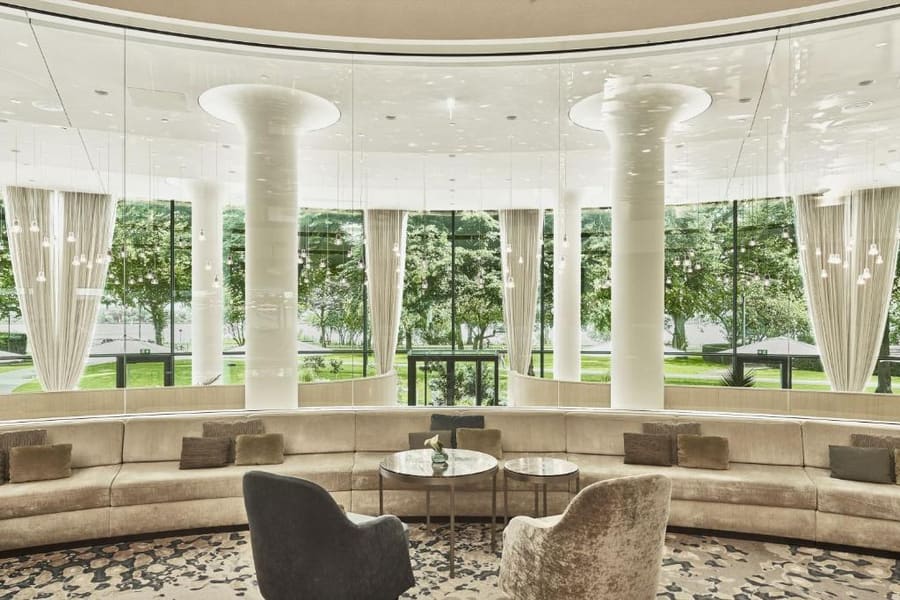
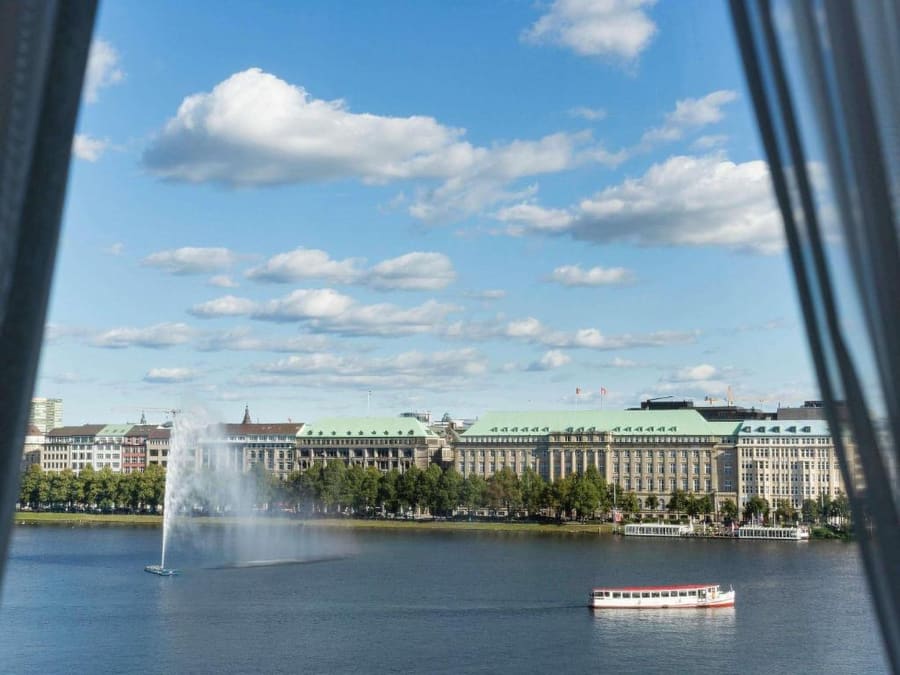
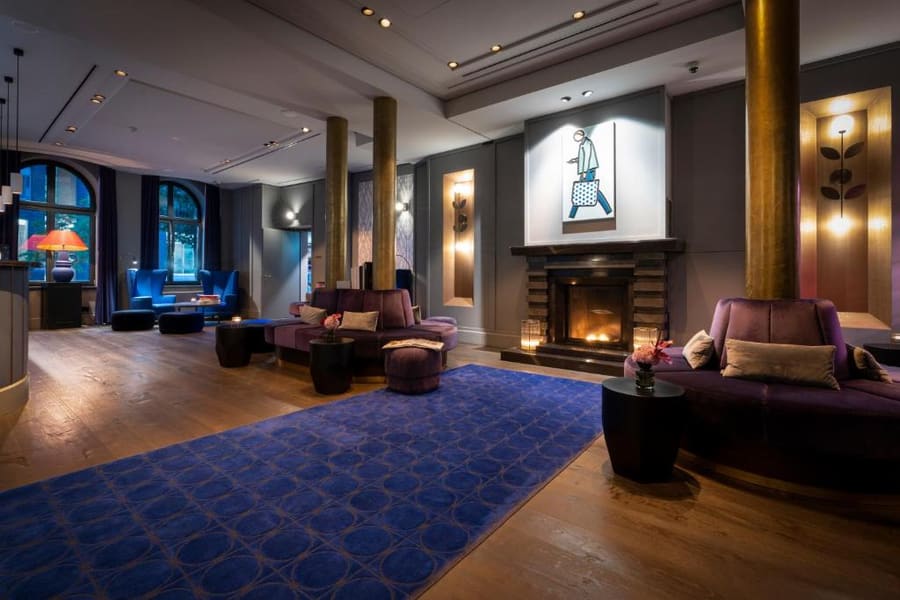
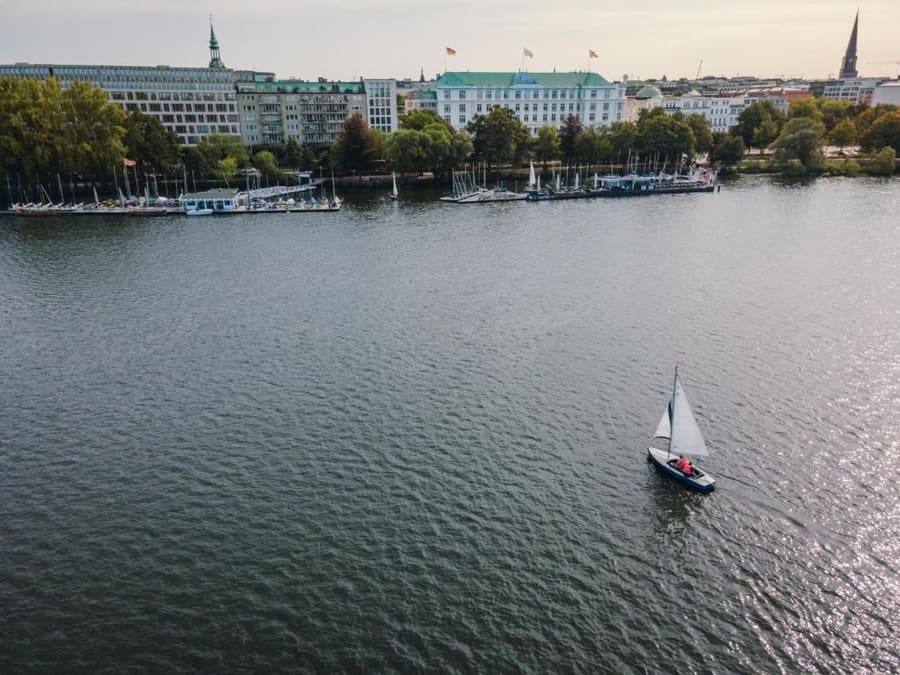
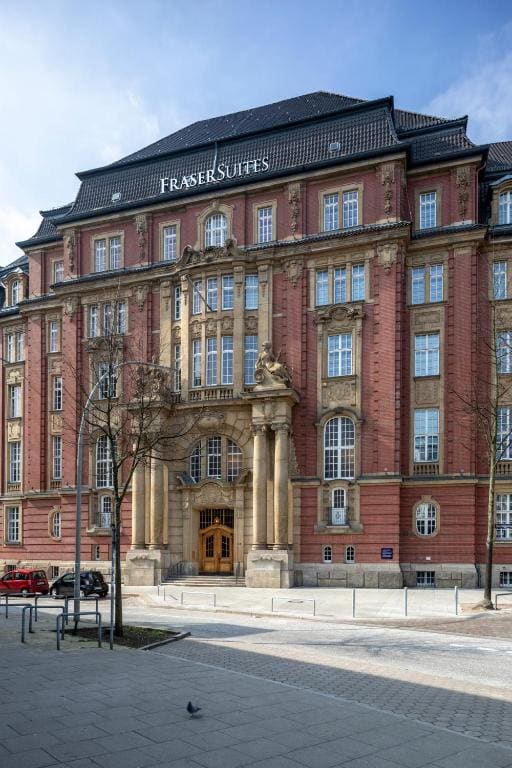
Choose your base by transport links and night atmosphere. Altstadt offers central sightseeing access, St. Pauli puts you next to nightlife, and Schanzenviertel delivers local neighborhood dining.
Live rates, matched to the areas above.
transport
Hamburg's public transit network (HVV) integrates U-Bahn subways, S-Bahn suburban trains, buses, and harbor ferries under one ticket system. Single tickets or day passes work seamlessly across all modes.
Da Hamburg Airport (HAM)
S-Bahn line S1 runs every 10 minutes directly to Hauptbahnhof.
Ranks higher in cost during weekday morning traffic peaks.
Pickup designated at airport terminal departure levels.
Use Ferry 62 from Landungsbrücken Pier 3 to Finkenwerder. It operates on standard HVV transit tickets.
Download the official app to purchase tickets digitally and avoid ticket machine queues at main stations.
U-Bahn and S-Bahn trains run continuously through the night on Friday and Saturday evenings.
cost
Hamburg is one of Germany's wealthier cities. Transport is efficient and fairly priced, but dining out and hotel rooms command high rates, especially during trade fairs.
Standard price at local neighborhood bakeries.
Varies by fish selection at harbor kiosks.
Valid for one directional trip across the central zone.
Excludes drinks in popular dining districts like Schanze.
seasonality
MAR – MAY
Crisp spring weather with moderate rainfall. Outdoor cafe seating begins appearing along the canals.
JUN – AUG
Long daylight hours and warm temperatures. Hotel rates peak around major harbor festivals.
SEP – NOV
Brisk autumn winds and increased rainfall. Bring a windproof waterproof jacket.
DEC – FEB
Cold temperatures with brief daylight. Christmas markets fill historic squares in December.
practicalities
Cards are accepted almost everywhere, but smaller market stalls still prefer cash.
Maritime weather changes quickly. Carry an umbrella or waterproof shell even on clear mornings.
Retail shops close on Sundays by law. Central station grocery stores remain open.
Avoid walking in red-paved cycle lanes. Cyclists travel quickly and expect clear pathways.
Walk or cycle through the historic 1911 St. Pauli Elbe Tunnel for free from Landungsbrücken.