landmark
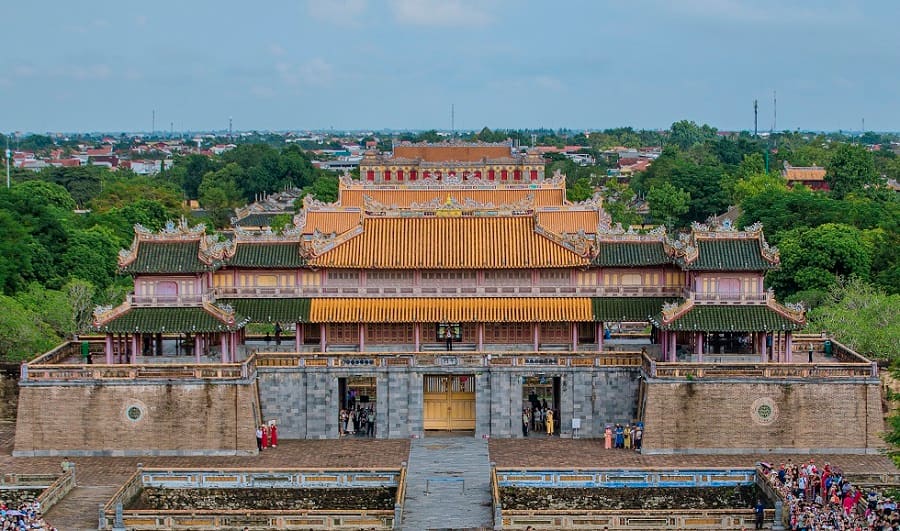
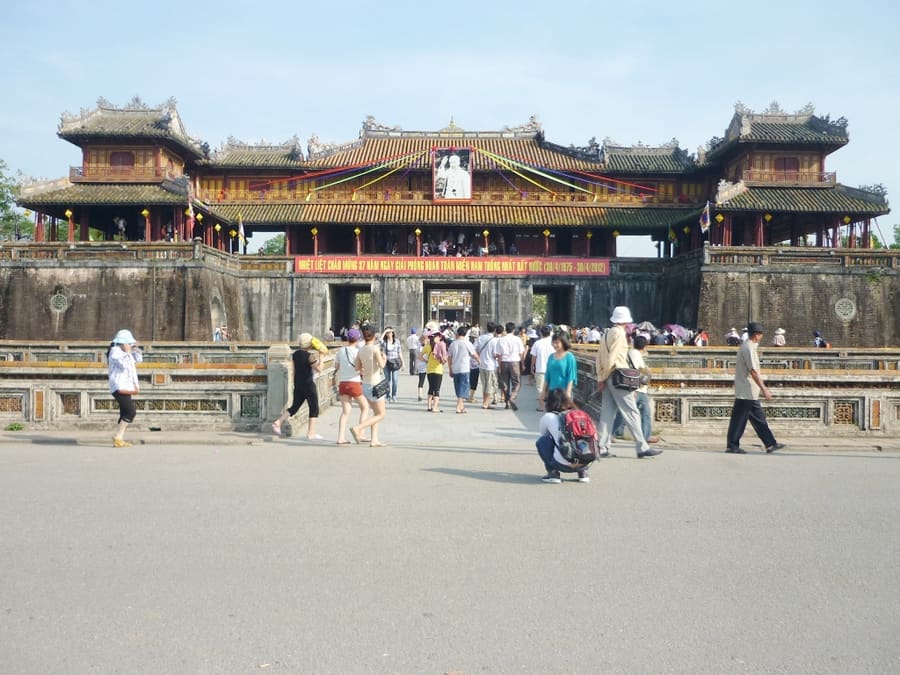
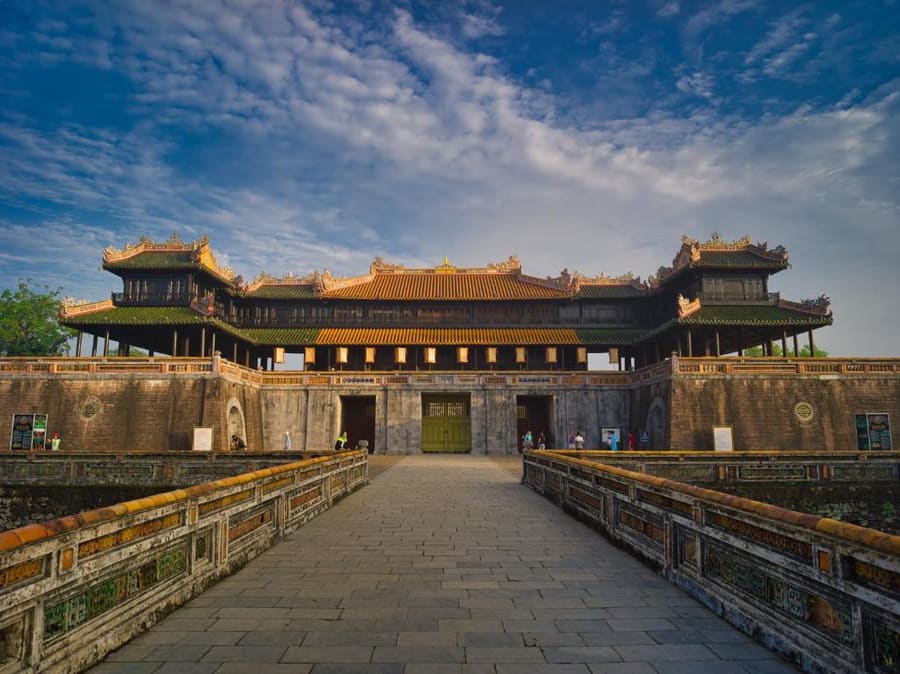
Imperial City
Walk the sprawling palace complex of the Nguyen Dynasty. Arrive at 08:00 to beat tour groups and afternoon heat.
Chiedi a ParleyVietnam
Imperial ruins, slow river life, and chili-spiced cuisine.
introduction
Hue is divided by the Perfume River. The north bank houses the massive 19th-century Citadel, while the south bank holds modern hotels and dining. Most royal tombs lie scattered along the river to the south, best reached by hired scooter or taxi. Expect heavy rain from October to December and intense heat from May to August.
Airport transit
Buses into the city center from Phú Bài Airport run after domestic flight arrivals. A taxi costs roughly 250,000 VND.
UNESCO recognition
The Complex of Huê Monuments gained UNESCO World Heritage status in 1993. It protects imperial palaces, temples, and royal tombs.
Monuments ticket bundle
Buy a combo ticket at the Citadel to save money on entrance fees. It covers the Imperial City and major royal tombs over three days.
Hue
calflier001 · CC BY-SA 2.0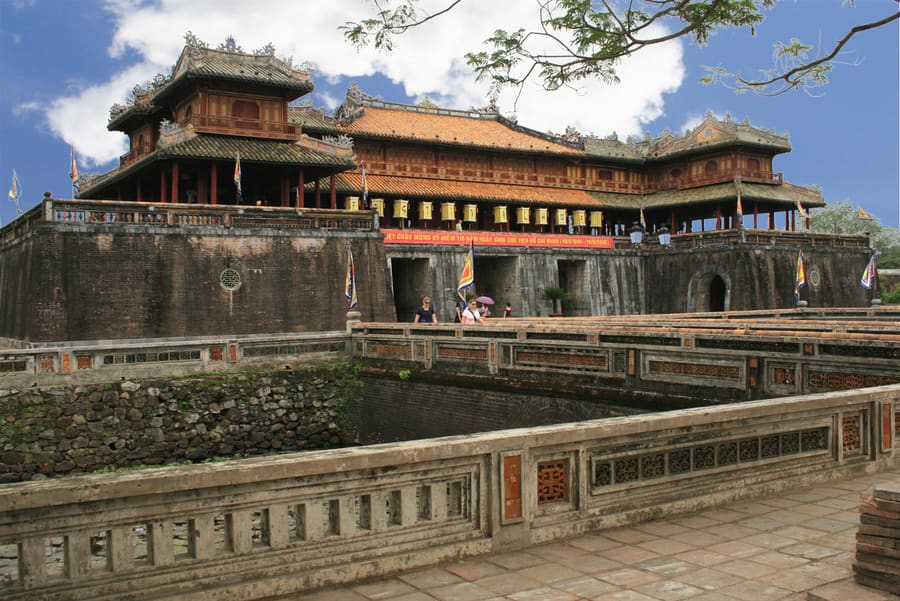
Thuận Hòa — Quiet residential streets surrounding the Citadel walls with traditional eateries.
Public domain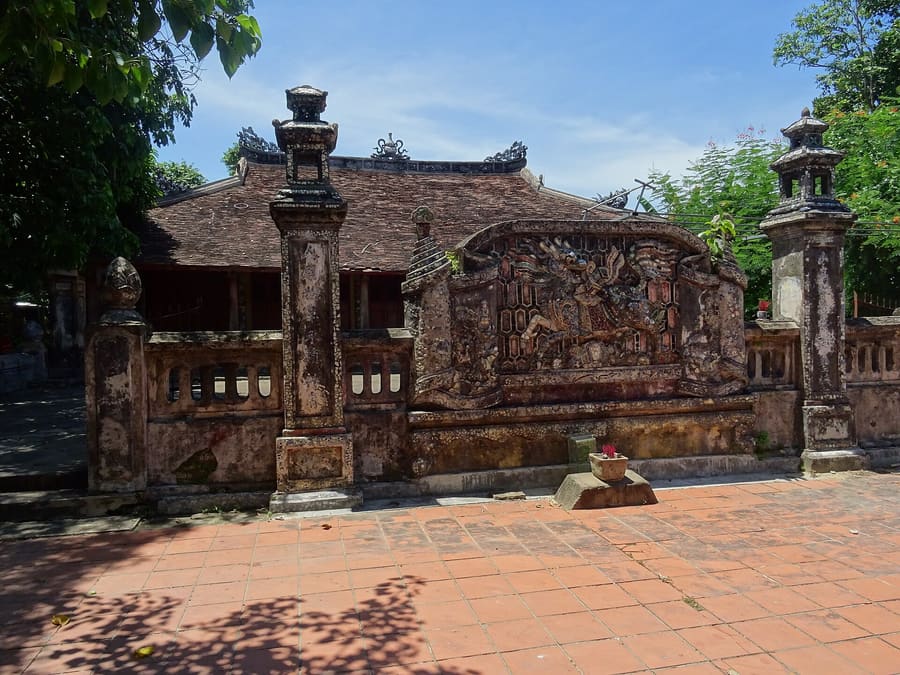
Kim Long — Leafy riverside neighborhood famous for traditional garden houses and street food.
Christophe95 · CC BY-SA 4.0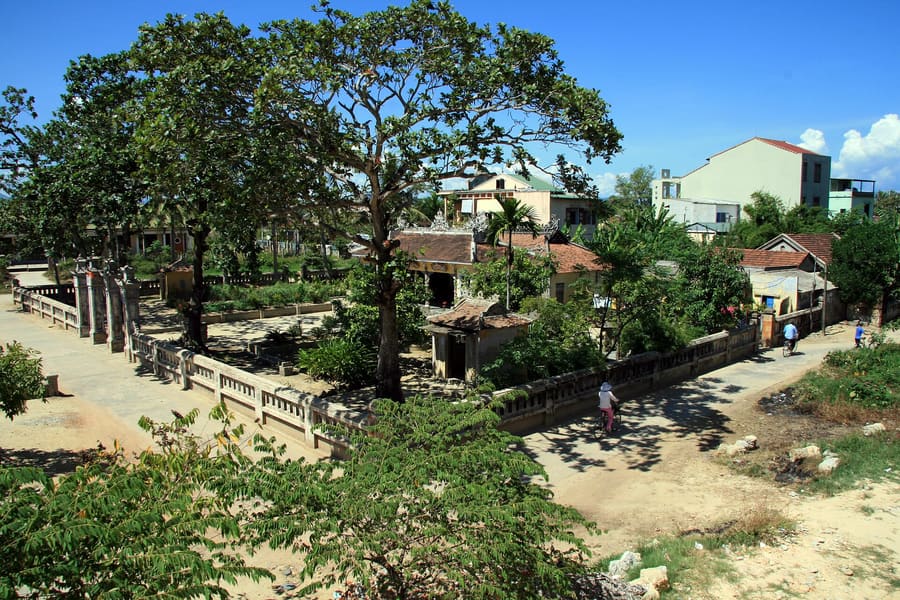
Vỹ Dạ — Suburban riverside district known for clam rice spots and quiet river views.
Lưu Ly · CC BY-SA 3.0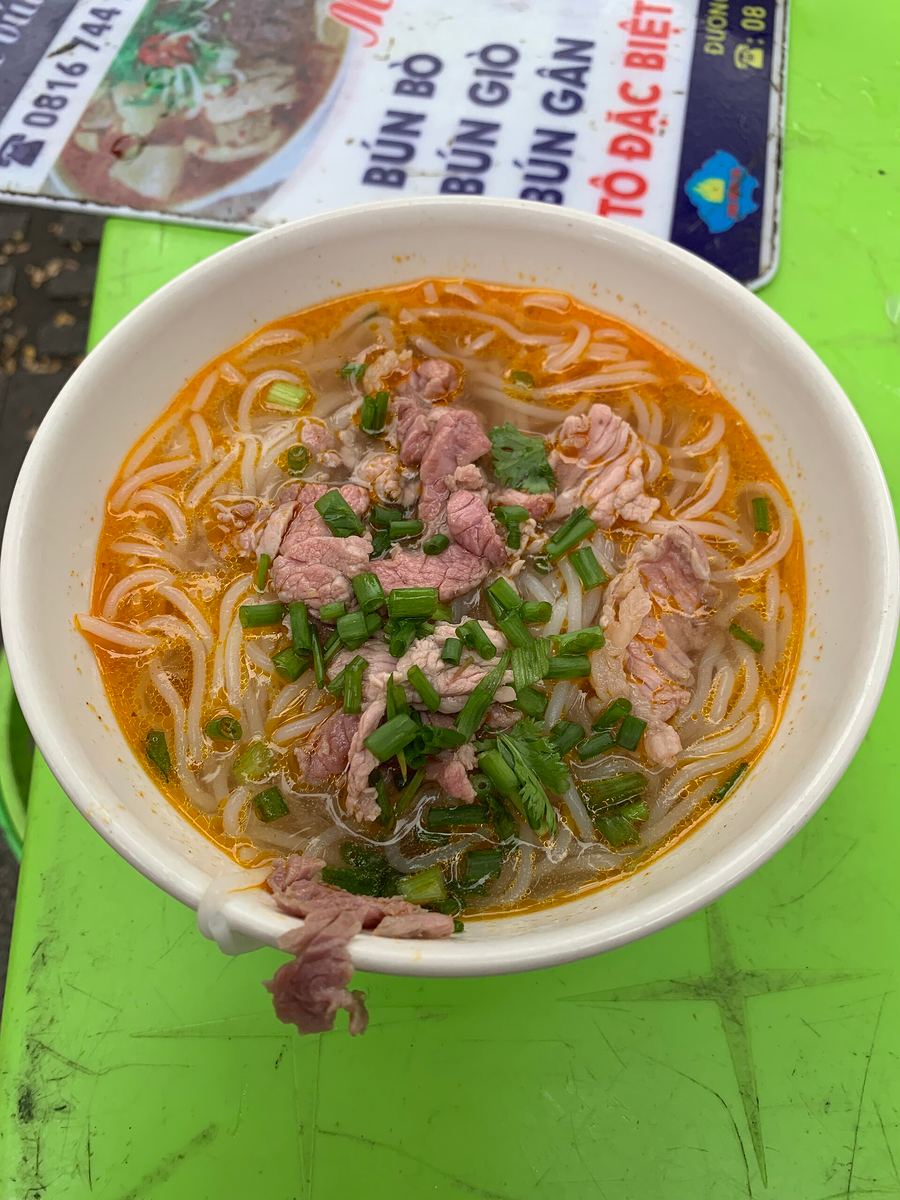
A bowl of bún bò Huế served with fresh herbs and chili paste.
Chainwit. · CC BY 4.0highlights
landmark
Walk the sprawling palace complex of the Nguyen Dynasty. Arrive at 08:00 to beat tour groups and afternoon heat.
Chiedi a Parley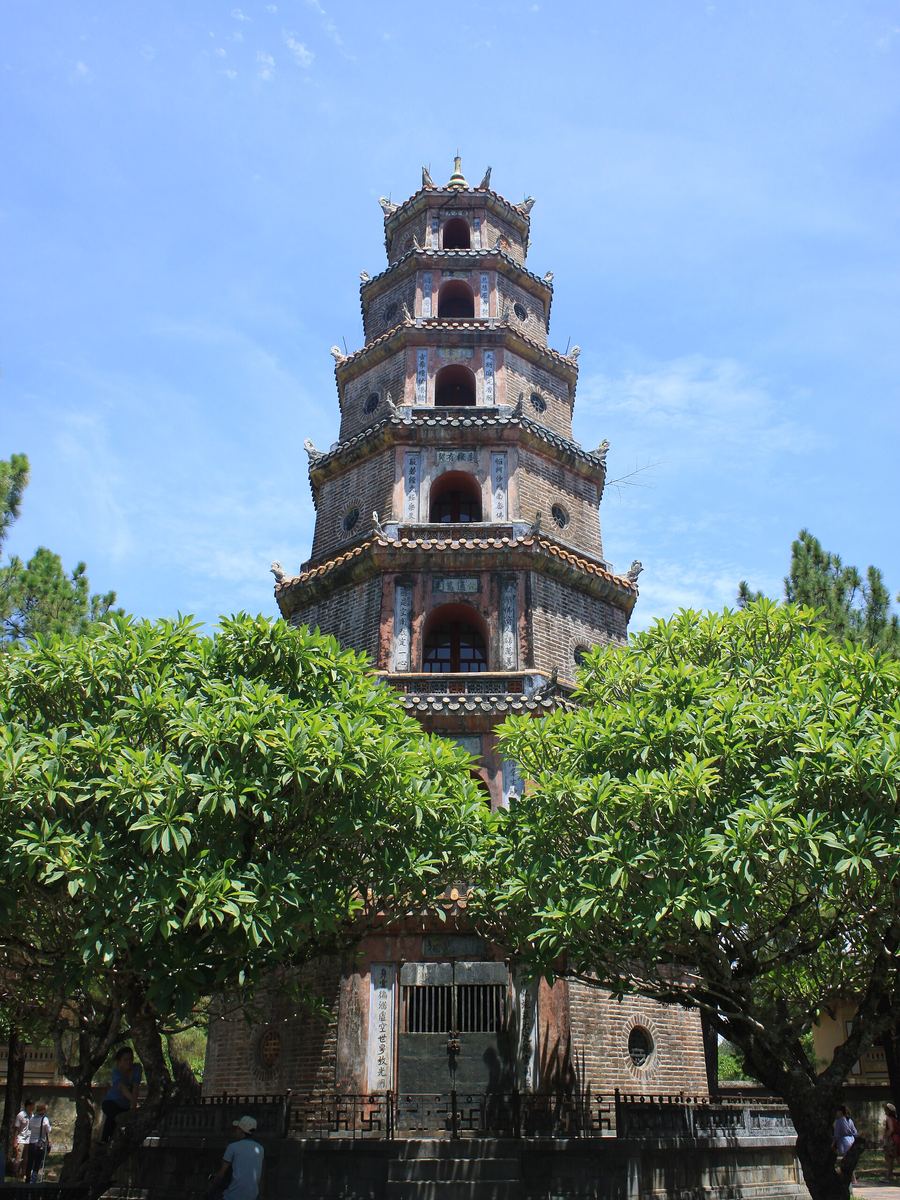
landmark
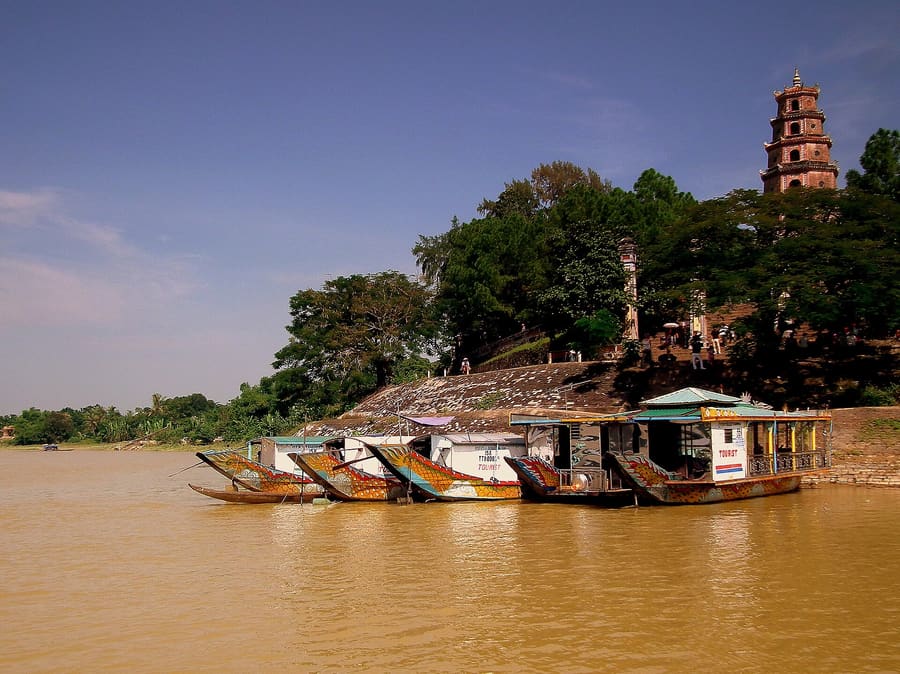
An active monastery featuring an iconic seven-story octagonal tower. Visit by dragon boat along the Perfume River at sunset.
Chiedi a Parley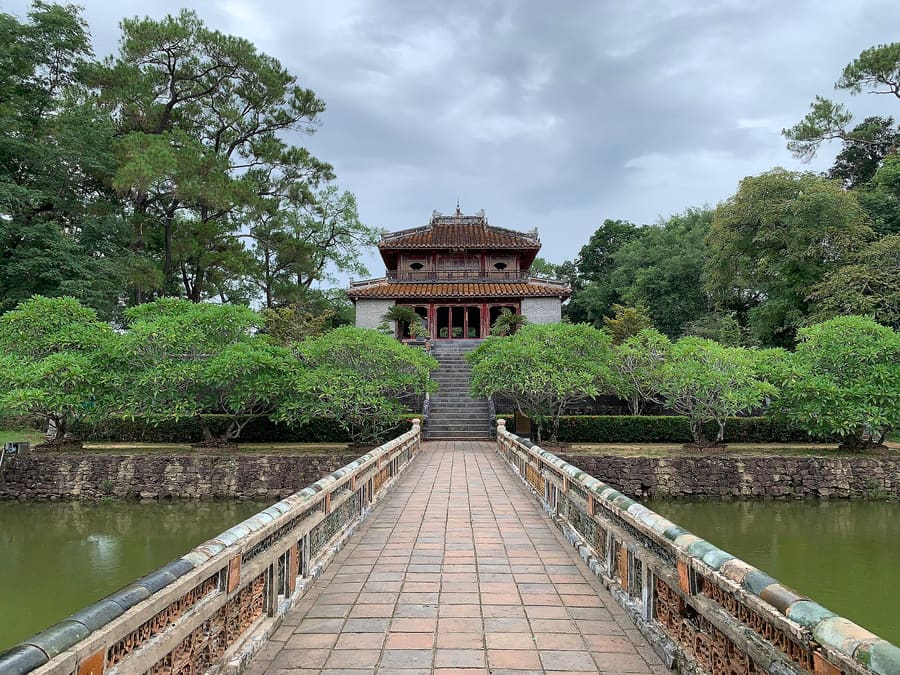
landmark
Symmetrical imperial tomb set among forested gardens and lotus ponds. Located 12 km south of the city center.
Chiedi a Parley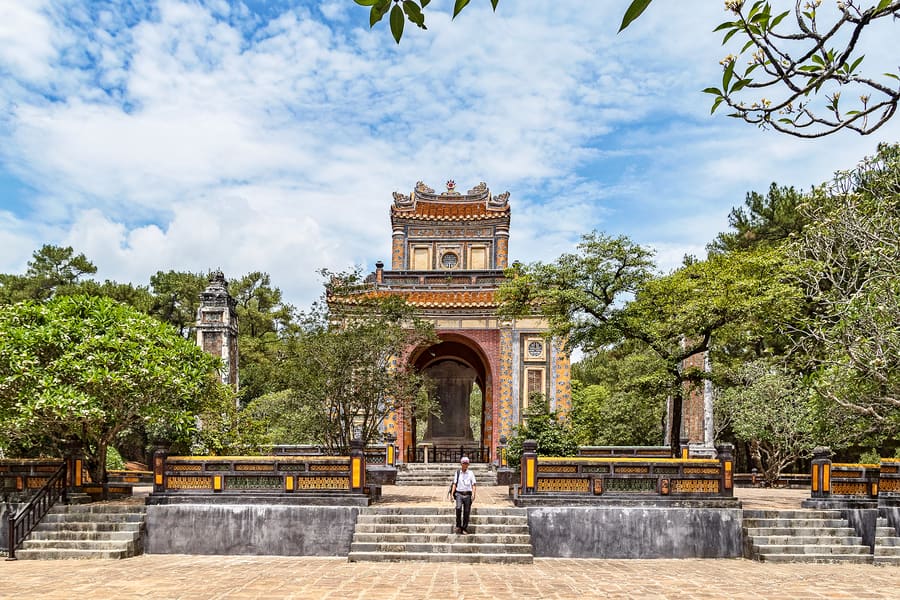
landmark
Pine groves and lakes surround this tranquil imperial retreat. Wear good walking shoes for uneven stone steps.
Chiedi a Parley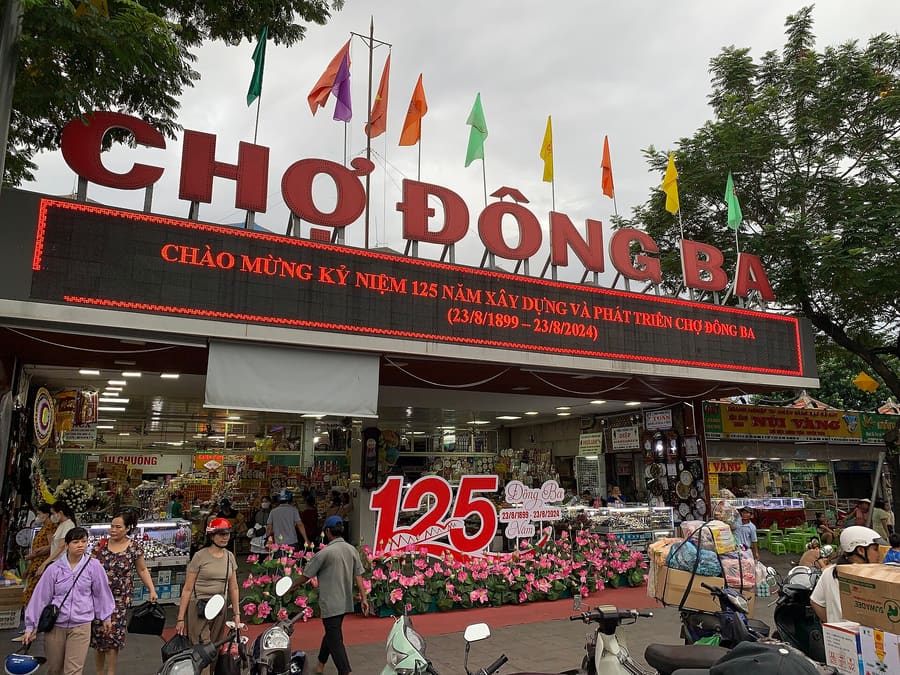
landmark
The city's main market selling local produce, textiles, and street food. Bargain politely for goods; prices drop after morning rush.
Chiedi a Parley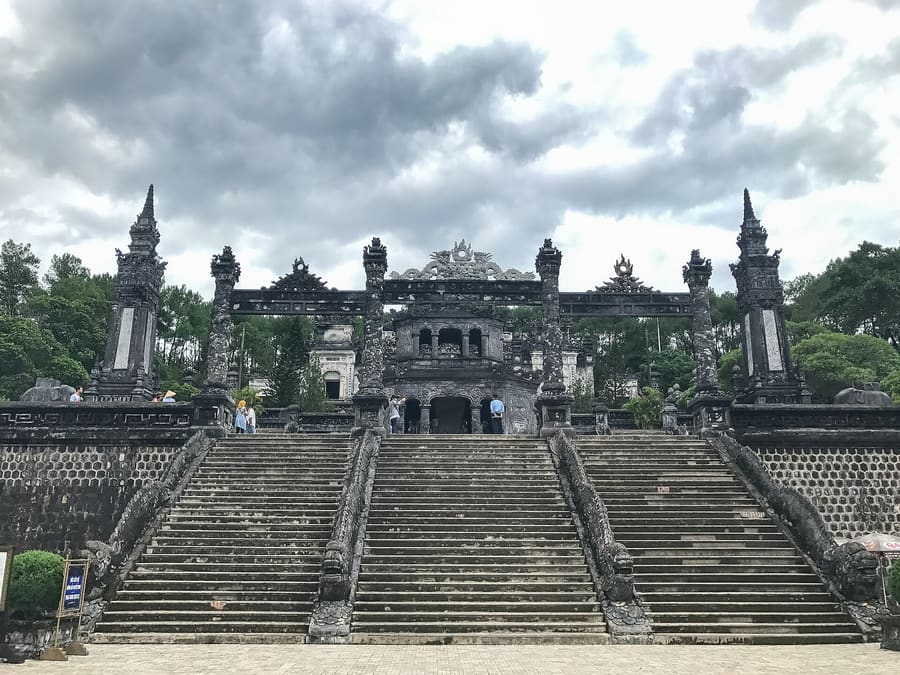
landmark
A hillside tomb blending European gothic and traditional Vietnamese ceramics. Climb 127 concrete steps to reach the main hall.
Chiedi a Parleyattractions
areas
Quiet residential streets surrounding the Citadel walls with traditional eateries.
Nei dintorniImperial City and Dong Ba Market.
Chiedi a ParleyLeafy riverside neighborhood famous for traditional garden houses and street food.
Nei dintorniThiên Mụ Pagoda.
Chiedi a ParleySuburban riverside district known for clam rice spots and quiet river views.
Nei dintorniHen Islet and riverside cafés.
Chiedi a ParleyThe commercial and tourist hub south of the river packed with restaurants and bars.
Nei dintorniTràng Tiền Bridge and Perfume River.
Chiedi a Parleyfood
Hue food stands apart from northern and southern Vietnamese cuisine. Imperial court history left a legacy of small, intricate dishes, while local soil produced fiery small chilis. Dishes here rely heavily on fermented shrimp paste, chili oil, and lemongrass.
A bowl of bún bò Huế served with fresh herbs and chili paste.
Chainwit. · CC BY 4.0Unlike Saigon's sweeter beef noodles, Hue's signature soup features thick rice noodles, lemongrass broth, tender beef shank, and shrimp paste. Try it at Bún Bò Mụ Rớt on Lê Lợi.
Small savory rice cakes cooked in small dishes, topped with dried shrimp and pork crackling. Order a platter at Quán Hạnh on Phó Đức Chính street.
Cold rice served with baby clams, pork rinds, peanuts, and chili broth. Cross the bridge to Cồn Hến island in the morning for the freshest bowls.
history
Hue served as the imperial capital of the Nguyen Dynasty from 1802 until 1945. The city sat on the frontline during the Vietnam War, suffering heavy bombardment in 1968. Careful restoration since the 1990s has rebuilt much of the damaged citadel and surrounding royal mausoleums.
Capital of Vietnam
Emperor Gia Long establishes the Nguyen Dynasty and designates Hue as the national capital, initiating construction of the Citadel.
End of monarchy
Emperor Bảo Đại abdicates the throne at the Citadel gates, ending thousands of years of imperial rule in Vietnam.
Battle of Hue
The Tet Offensive leads to intense urban fighting, leaving heavy destruction across the Citadel and historical monuments.
UNESCO listing
The Complex of Huê Monuments receives World Heritage designation, launching major international restoration efforts.
where to stay
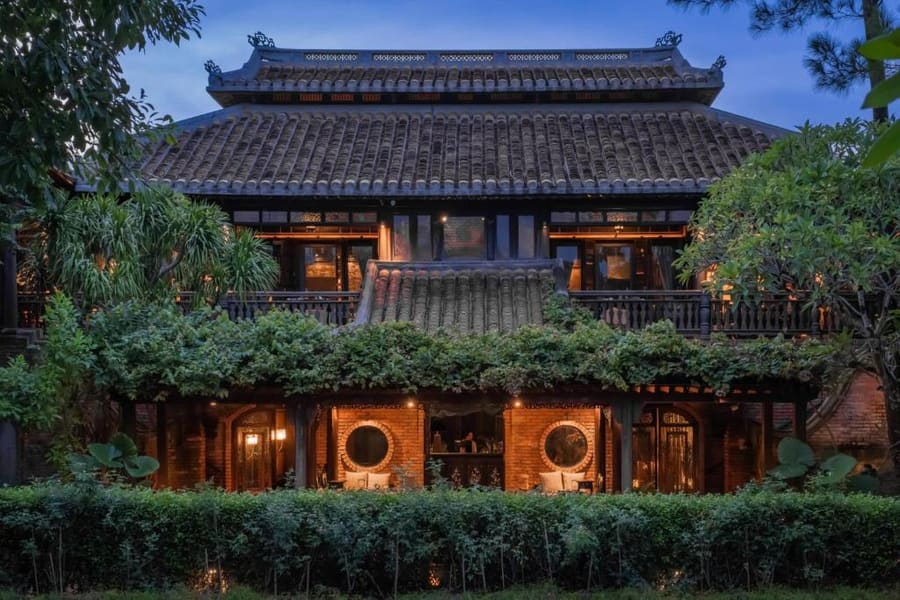
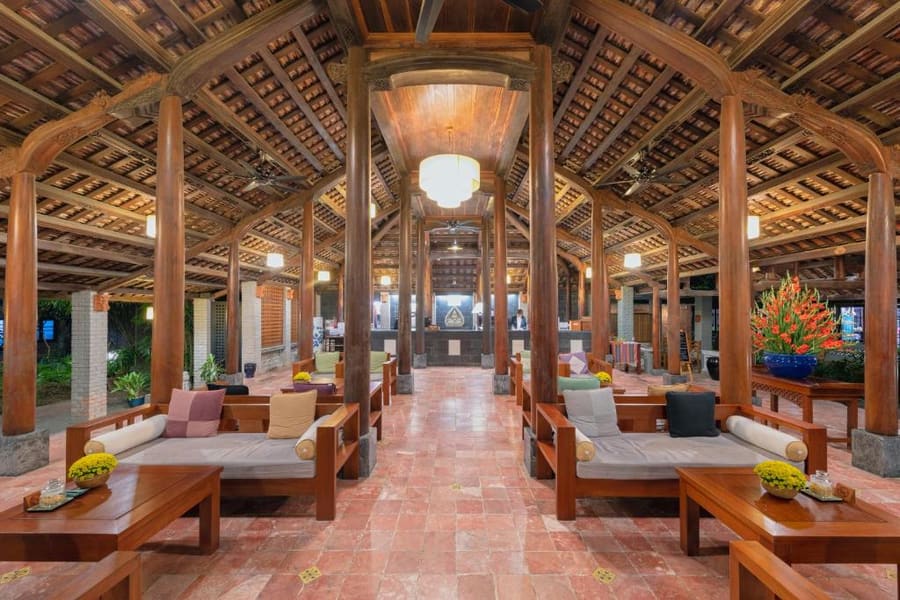
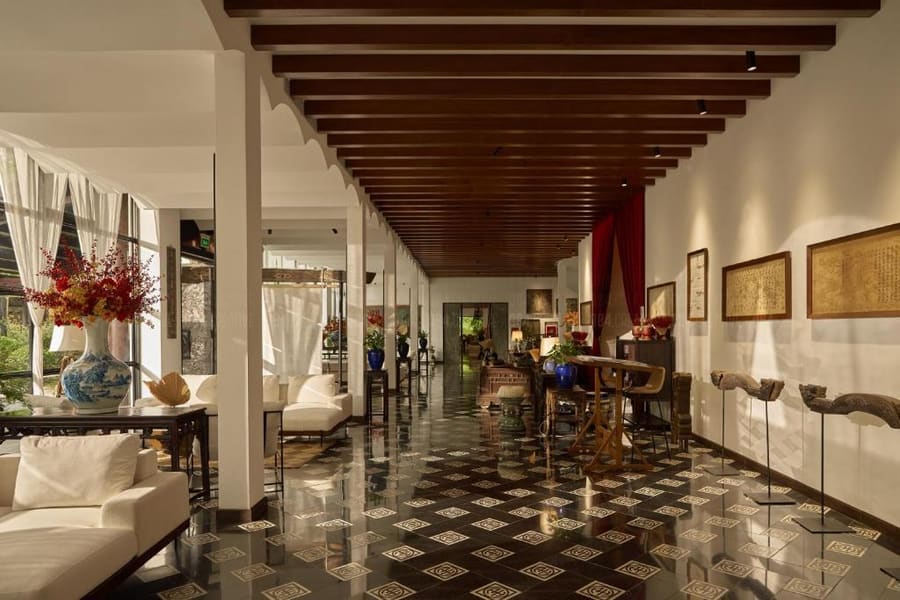
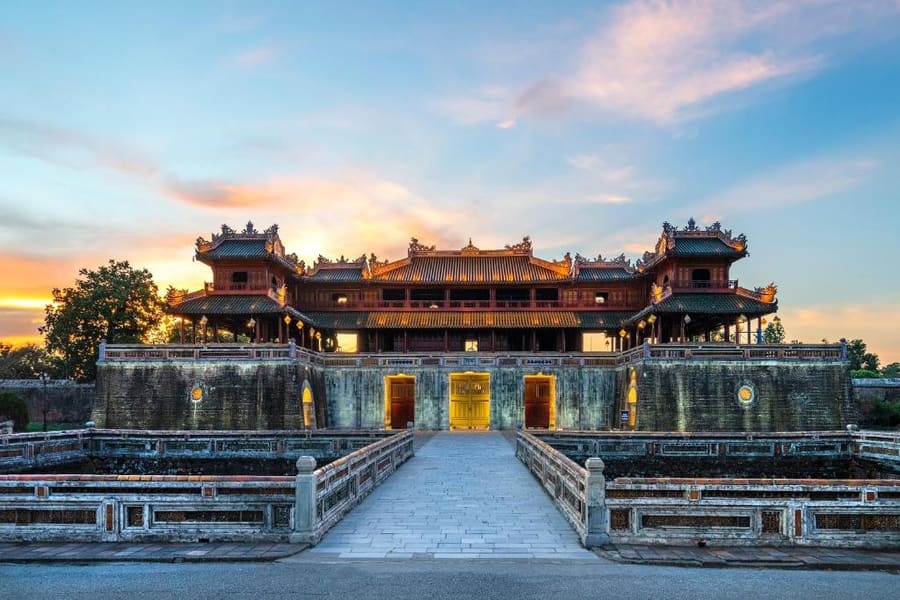
Decide where to sleep based on your preference for quiet history or modern convenience. The north bank around the Citadel offers residential calm and local markets. The south bank holds international hotels, walking streets, and late-night dining.
Live rates, matched to the areas above.
transport
Hue is compact enough to navigate by scooter, bicycle, or taxi app. Most major sights line the Perfume River, making water taxis and riverside roads easy navigation routes.
Da Phú Bài International Airport (HUI)
Agree on a fixed price or ensure the meter is running before departing.
Minibuses park outside the terminal and drop passengers on Hà Nội street.
Grab operates reliably at HUI airport via the mobile app.
Negotiate the fare before hopping on. A short ride inside the central city costs around 20,000 to 30,000 VND.
Located at the south end of Lê Lợi street. Trains connect directly north to Hanoi and south to Da Nang over the Hai Van Pass.
Pedal tricycles cater mostly to tourists. Expect to pay about 100,000 VND per hour; settle the rate firmly in advance.
Scooters rent for 120,000 to 150,000 VND per day. Hue traffic is calmer than Hanoi or Saigon, but exercise caution on bridges.
cost
Hue remains more affordable than Hanoi or Ho Chi Minh City. Entrance fees to major historical sites account for the largest share of a sightseer's budget.
A bowl of bún bò or cơm hến at a neighborhood stall costs under 60,000 VND.
Standard adult admission ticket for the Imperial City complex.
Short inner-city rides booked via app cost less than a dollar.
seasonality
JAN – APR
Mild temperatures and dry weather. Ideal conditions for walking around imperial ruins and cycling along the river.
MAY – AUG
Hot and humid weather with temperatures topping 35°C. Sightsee early in the morning and retreat during mid-day heat.
SEP – NOV
Heavy monsoon rains and occasional flooding near the river. Bring waterproof gear and check weather warnings.
DEC
Cool and overcast with lingering drizzle. Temperatures drop to 18°C; pack a sweater or light jacket.
practicalities
Monuments open at 07:00 or 07:30. Arrive early to avoid crowd buses arriving from Da Nang.
Cover shoulders and knees when entering temple sanctuaries and royal tomb shrines. Keep shoes off where indicated.
Small food stalls, market vendors, and cyclos do not take credit cards. Carry small bills in dong.
Negotiate fixed rates before boarding at Toa Kham boat station. Standard hourly rates run around 150,000 VND.
Tràng Tiền Bridge gets crowded at dusk. Use Phú Xuân Bridge for a faster bike or scooter crossing.