landmark
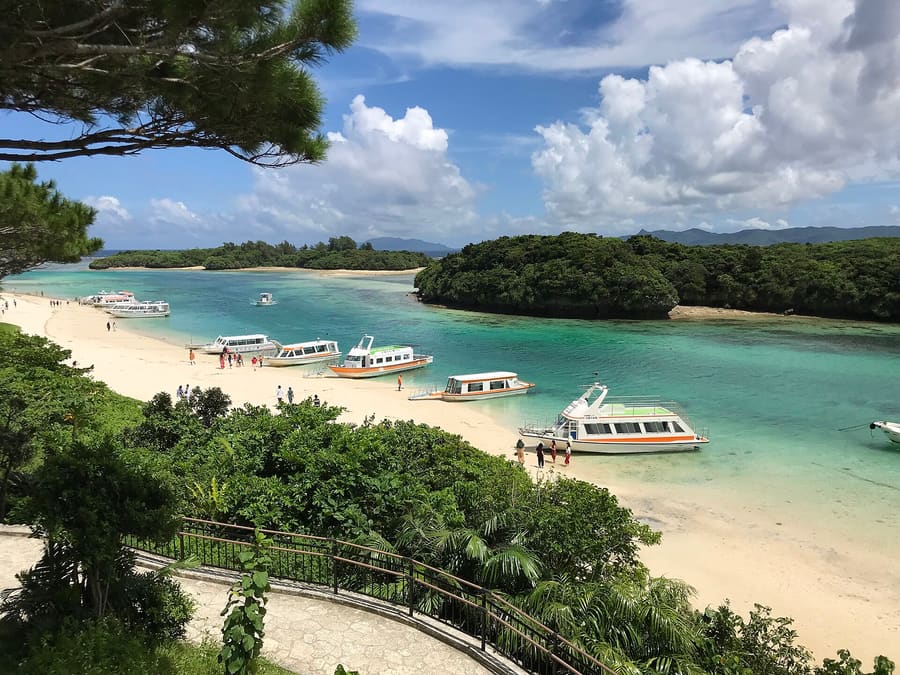
Kabira Bay
Strong currents forbid swimming here. Take a glass-bottom boat tour to view the coral beds and giant clams without wetting a foot.
Chiedi a ParleyGiappone
Coral reefs, Yaeyama beef, and island ferry routes.
introduction
Ishigaki functions as both the commercial core and transit hub of the Yaeyama archipelago. You use the central port town to eat local beef and board ferries to satellite islands like Taketomi and Iriomote. Renting a car allows you to explore northern coastal lookouts and quiet coral beaches at your own pace. Public buses run reliably between key spots, but they follow infrequent schedules outside the urban center.
Airport transit strategy
Take bus line 10 or 4 directly from Ishigaki Airport to the downtown ferry terminal in 30 to 45 minutes. Taxis cost around ¥3,000 for the same route.
National park designation
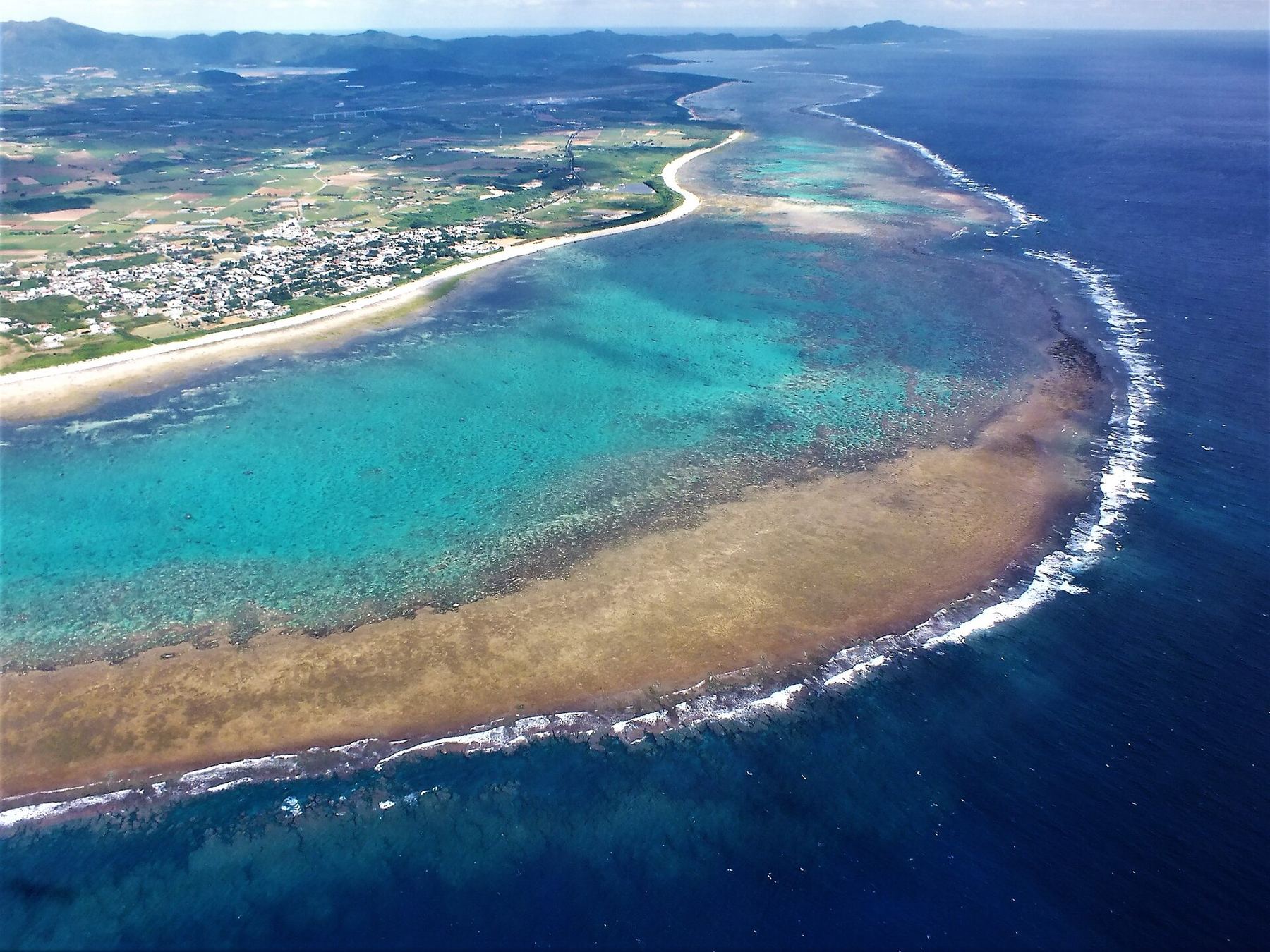
Ishigaki sits inside Iriomote-Ishigaki National Park. Its offshore Shiraho Reef harbors one of the Northern Hemisphere's largest blue coral communities.
Rental vehicle shortage
Reserve rental cars at least two months in advance for summer travel. Vehicle stock on the island is limited and sells out during peak domestic holidays.
Ishigaki Island
Shiyam ElkCloner · CC BY-SA 3.0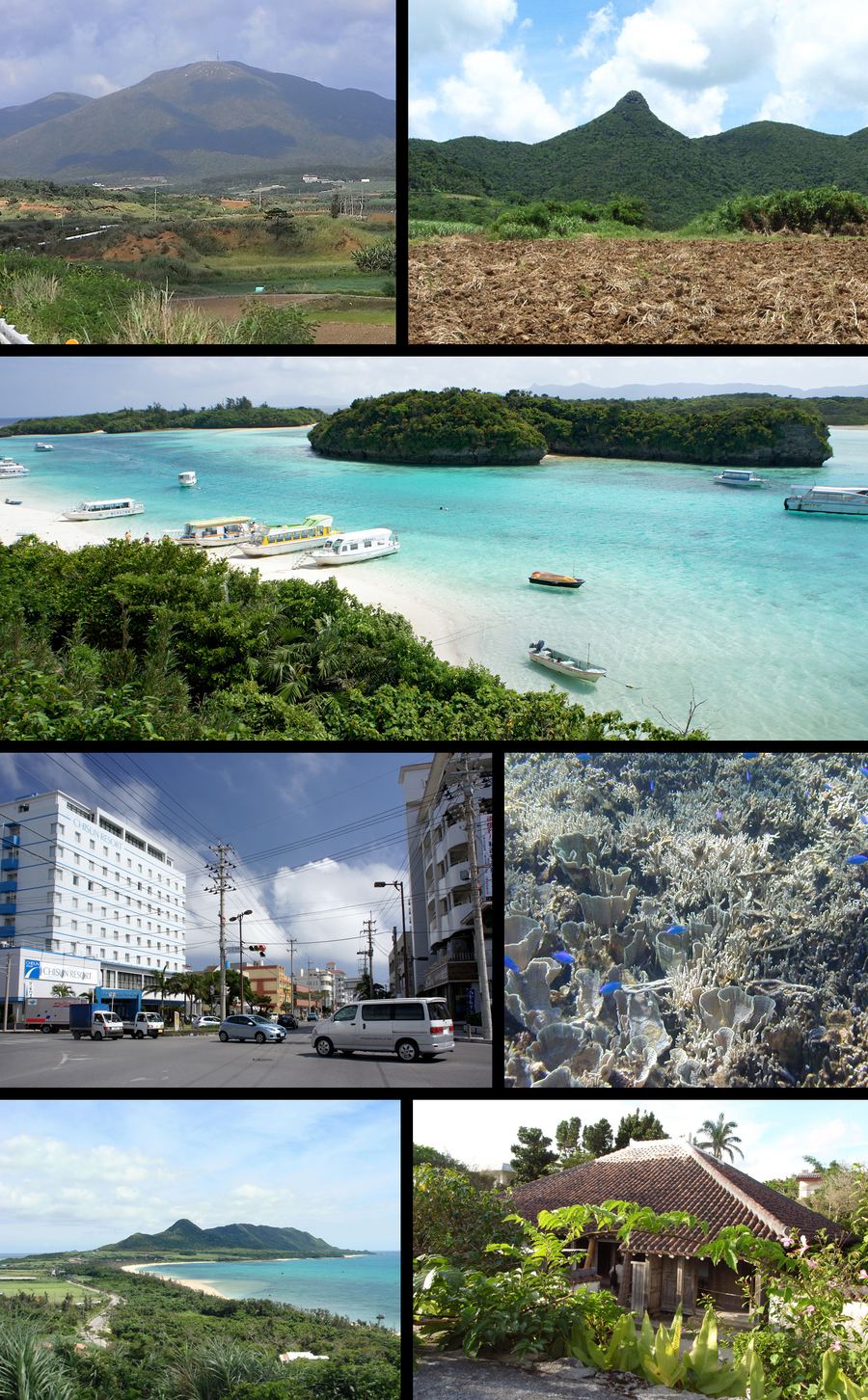
Misaki-cho & Port — Walkable dining and transit district crammed with izakayas, ferry docks, and souvenir arcades.
mti · CC BY-SA 3.0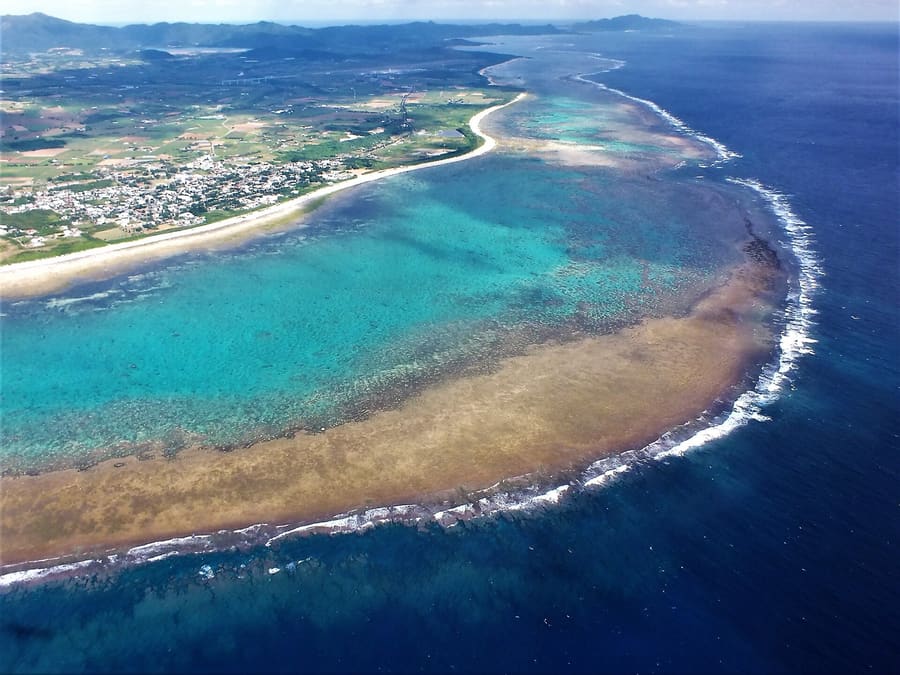
Shiraho Village — Traditional Ryukyuan village of coral walls, red-tiled roofs, and quiet lanes near the airport.
松岡明芳 · CC BY-SA 4.0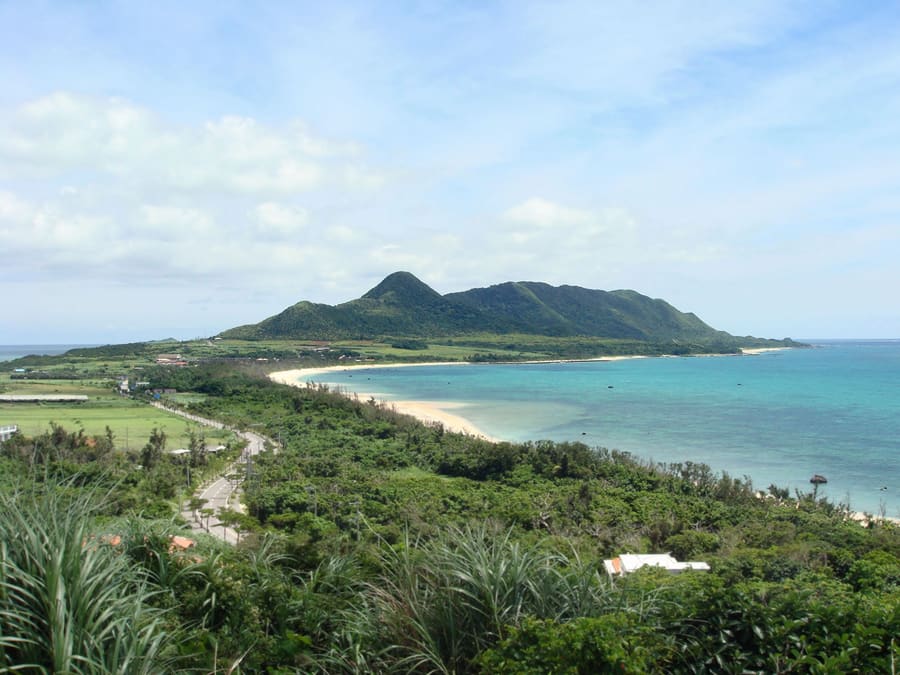
Northern Coast — Sparsely populated rural strip dominated by cattle pastures, jungle hills, and open ocean views.
Paipateroma · CC BY-SA 3.0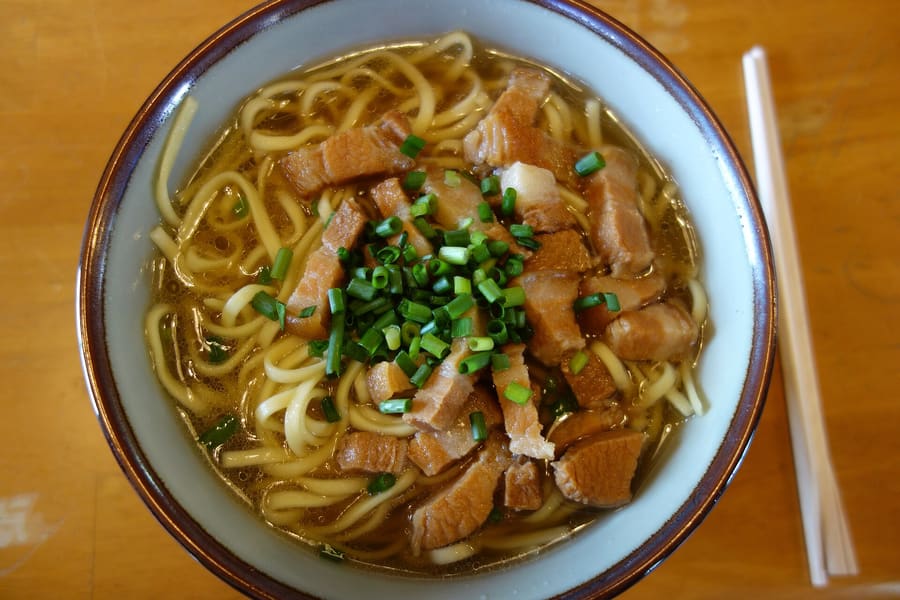
Yaeyama soba topped with shredded pork belly and island fishcake.
pelican from Tokyo, Japan · CC BY-SA 2.0highlights
landmark
Strong currents forbid swimming here. Take a glass-bottom boat tour to view the coral beds and giant clams without wetting a foot.
Chiedi a Parley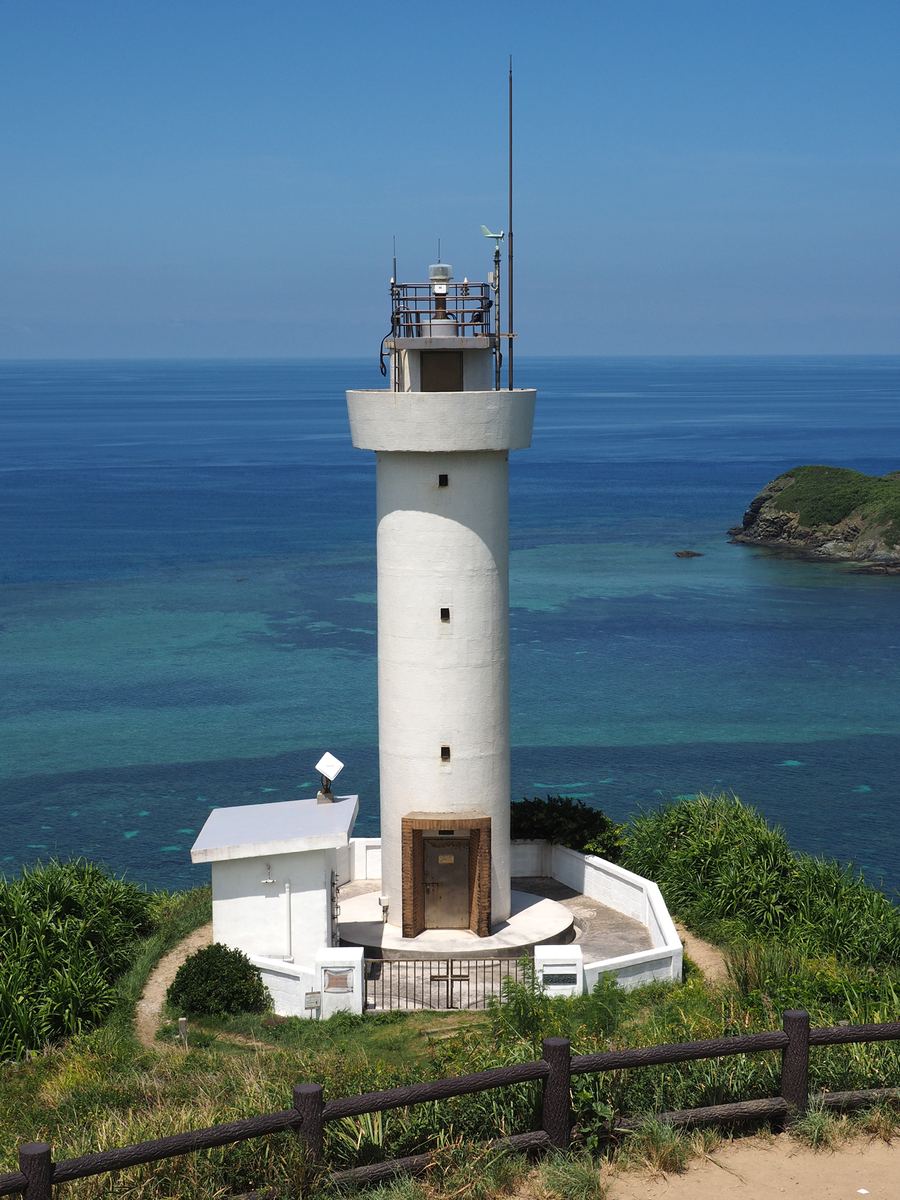
landmark
The white beacon marks the northernmost tip of Ishigaki. Pastureland with grazing cattle surrounds the ocean cliff trail.
Chiedi a Parley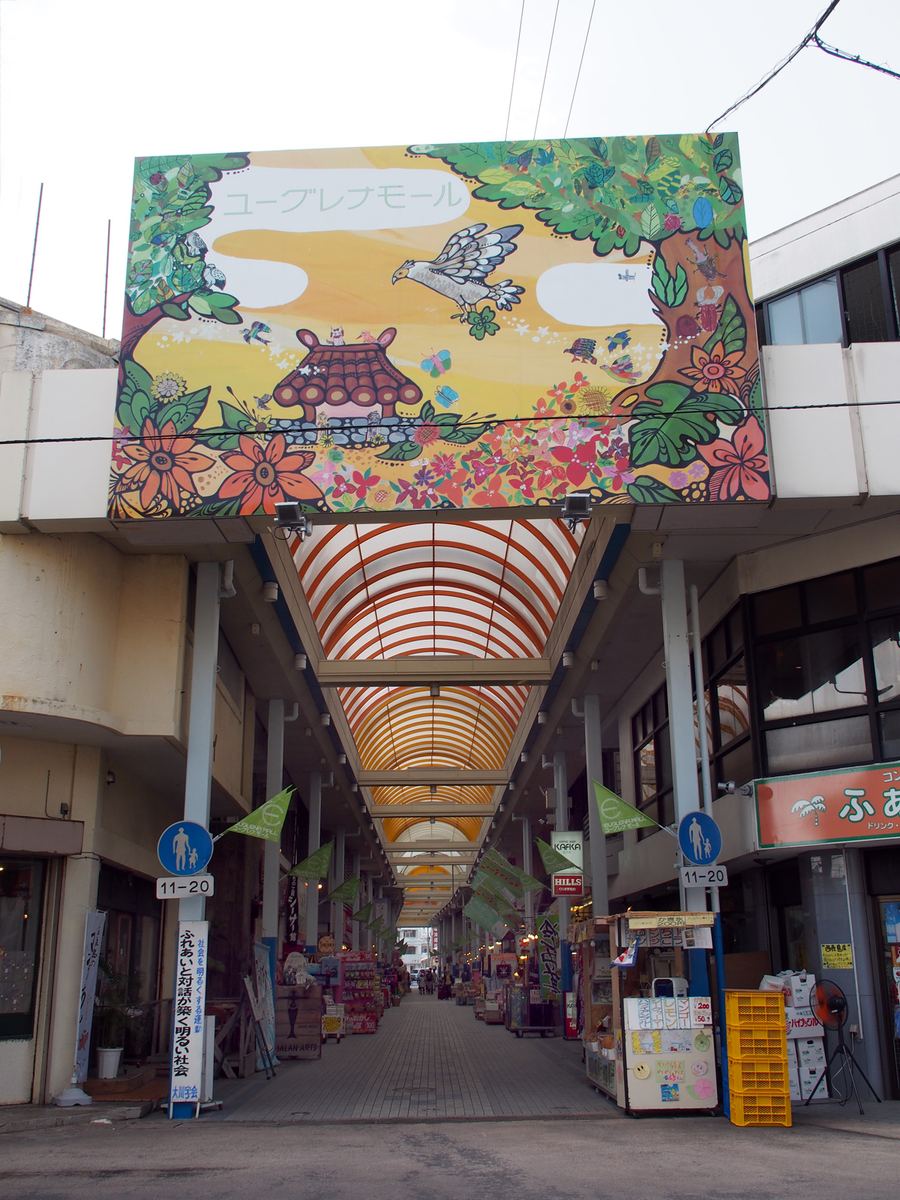
landmark
Two covered arcade streets selling local salt, awamori liquor, and crafts. Rain cover makes it ideal for late afternoon errands.
Chiedi a Parleyattractions
areas
Walkable dining and transit district crammed with izakayas, ferry docks, and souvenir arcades.
Nei dintorniFerry Terminal and Euglena Mall
Chiedi a ParleyTraditional Ryukyuan village of coral walls, red-tiled roofs, and quiet lanes near the airport.
Nei dintorniShiraho Reef and Airport
Chiedi a ParleySparsely populated rural strip dominated by cattle pastures, jungle hills, and open ocean views.
Nei dintorniTamatorizaki and Hirakubozaki
Chiedi a ParleyQuiet resort pocket surrounding emerald waters, tropical greenery, and craft pottery studios.
Nei dintorniKabira Bay and Sukuji Beach
Chiedi a Parleyfood
Ishigaki beef comes from black-haired cattle raised on mineral-rich island pastures. You grill fine cuts at specialized yakiniku restaurants or eat it as seared nigiri sushi. Local eateries serve Yaeyama soba with flat flour noodles in a pork-and-dashi broth topped with sliced pork belly and fishcake. You season your bowl with pipats, a peppery island spice ground from local long pepper vines.
Yaeyama soba topped with shredded pork belly and island fishcake.
pelican from Tokyo, Japan · CC BY-SA 2.0Book table reservations days ahead at premier yakiniku spots like Sumibi Yakiniku Yamamoto in downtown Ishigaki.
Sprinkle ground island long pepper onto your noodle soup at traditional noodle shops across the island.
Order awamori distilled locally at Seifuku or Yaeyasen distilleries, served over ice with water.
history
Ishigaki developed as a sea trading post of the Ryukyu Kingdom. Its islanders cultivated distinct weaving, musical, and architectural traditions adapted to coastal typhoons.
Ryukyu Kingdom trade
Ishigaki grows as an outer trading post of the Ryukyu Kingdom, developing distinct textile weaving traditions.
Japanese annexation
The Ryukyu Kingdom becomes Okinawa Prefecture, integrating Ishigaki into the Japanese state apparatus.
US administration
Following World War II, the United States governs the Yaeyama Islands before reverting sovereignty to Japan in 1972.
New airport opens
New Ishigaki Airport opens with a longer runway, allowing direct jet flights from main island Japan.
where to stay
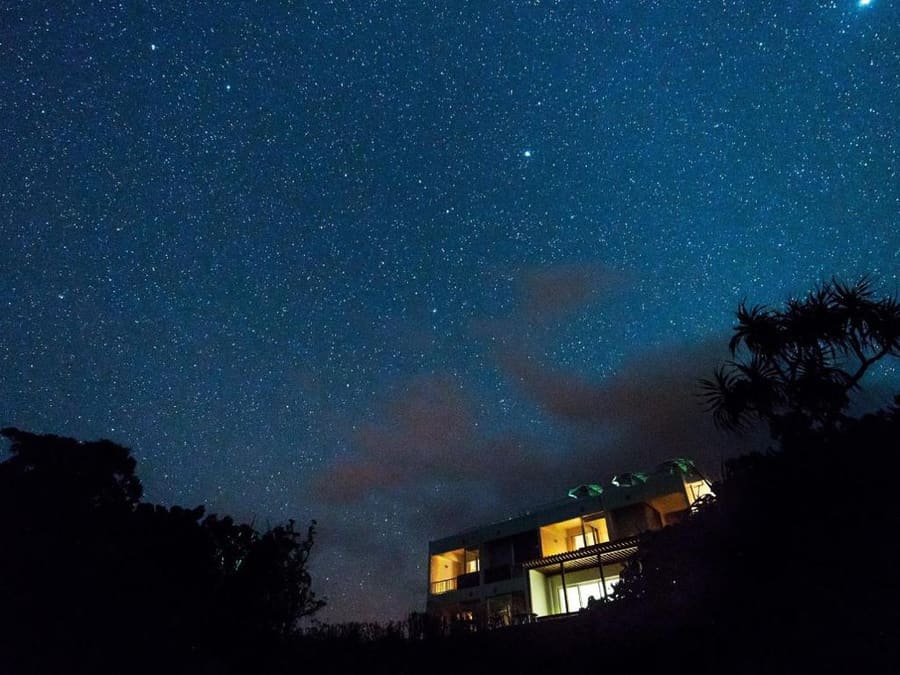
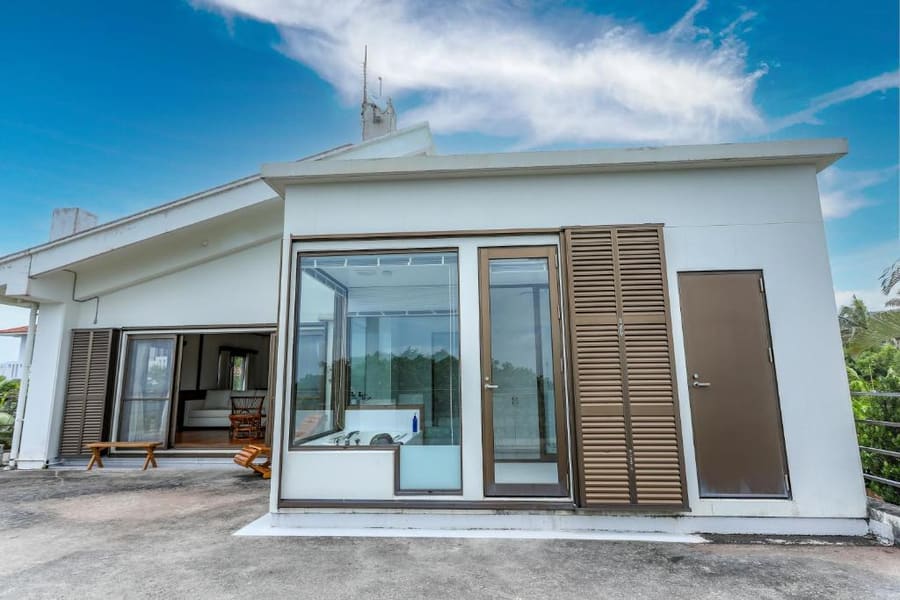
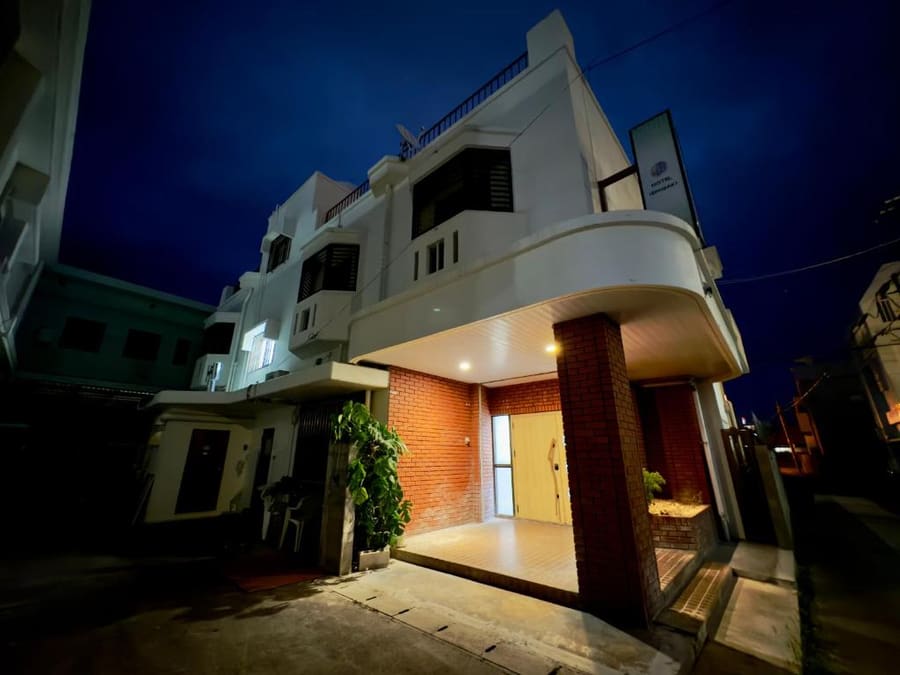
Choose your base based on whether you want instant ferry access or quiet coastal seclusion. Staying near the downtown port simplifies island-hopping excursions, while resorts in Kabira or the north offer immediate beach access.
Live rates, matched to the areas above.
transport
Renting a car provides complete freedom to reach remote beaches and northern lookouts. Route buses run on fixed schedules between the airport, downtown, and key sights, but service drops off significantly in rural areas.
Da Painushima Ishigaki Airport (ISG)
Azuma Bus line 10 express runs directly to the downtown ferry terminal.
Taxis wait directly at the terminal exit.
Pre-arranged van pickup for large groups with heavy diving gear.
Purchase a 1-day (¥1,000) or 5-day (¥2,000) Azuma Bus pass directly from drivers or at the airport terminal counter.
Pick up rental cars near the airport. Driving is straightforward, with a 40 km/h speed limit on most rural roads.
High winds can cause ferry cancellations to outer islands like Hateruma or Iriomote with short notice.
Downtown hotels often charge ¥500 to ¥1,000 per night for vehicle parking, while rural sites park free.
cost
Prices reflect Ishigaki's isolated geography. Fresh local noodles remain affordable, while high-grade Ishigaki beef commands premium prices.
A standard bowl of pork noodle soup at a local lunch diner.
A full yakiniku set dinner per person featuring premium local marbled beef cuts.
A 30-minute coral reef viewing tour inside Kabira Bay.
Standard compact car rental rate per day including basic insurance.
seasonality
MAR – MAY
Warm days with low humidity. Sea swimming begins in late March, making this an ideal window for outdoor exploration.
JUN – AUG
Peak summer heat and clear water. Typhoon risks increase in July and August, causing ferry disruptions.
SEP – NOV
Water remains warm enough for snorkeling. Typhoon season tapers off by November while summer crowds thin out.
DEC – FEB
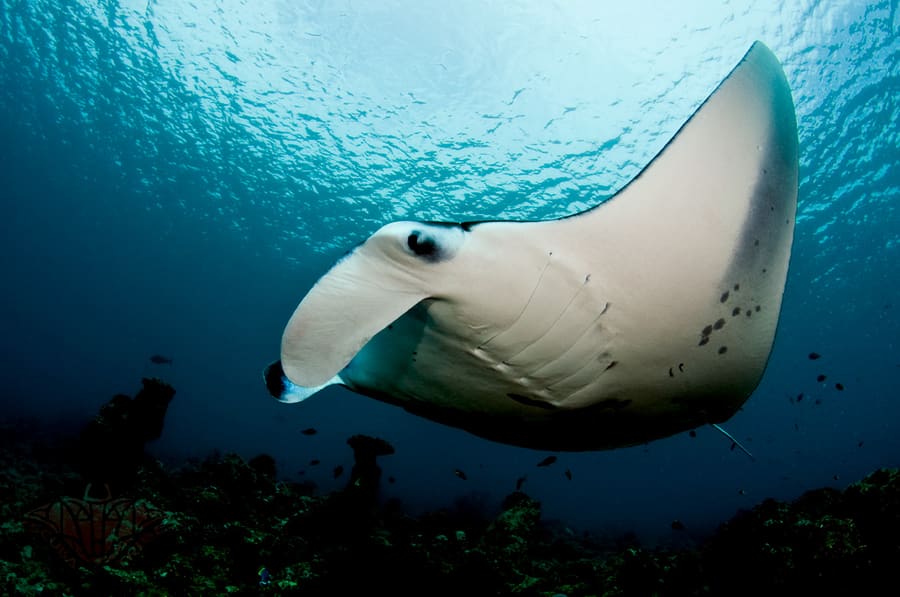
Cooler northern winds lower water temperatures to around 21°C. Scuba divers target manta rays off Kabira.
practicalities
Wear reef-safe sunscreen or long-sleeve rash guards to protect vulnerable coral reefs from chemical damage.
Swim inside designated netted areas at public beaches between July and October to avoid painful stings.
Small rural diners and local ferry ticket counters in Yaeyama often refuse credit cards.
Shops outside downtown close early, around 18:00. Plan evening grocery or dining runs accordingly.
Do not enter sacred Ryukyuan sacred sites (utaki) marked with stone markers or torii gates without permission.