landmark
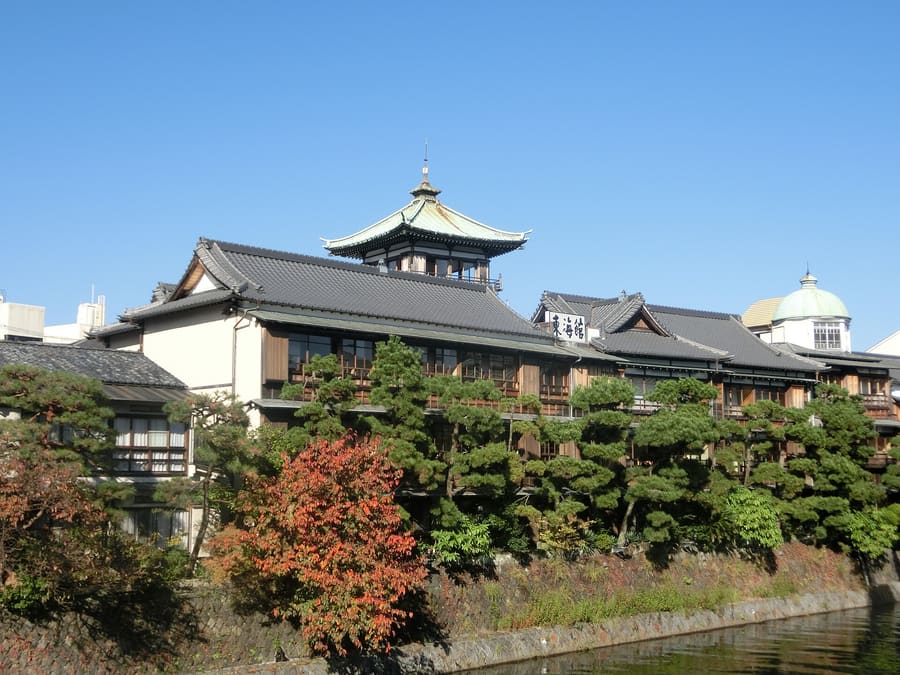
Tokaikan
A 1928 wooden inn on the river. Tour the carpentry indoors, or take a hot spring bath on weekend afternoons.
Chiedi a ParleyGiappone
Volcanic slopes, hot spring baths, and coastal basalt cliffs.
introduction
Ito sits on the eastern shoulder of the Izu Peninsula where active volcanoes of the Izu-Tobu Volcanic Group meet the Sagami Nada Sea. You navigate the city along two distinct axes: the coastal railway line and mountain bus routes climbing into the hills. Onsen bathhouses feed directly from thermal springs into riverside wooden inns. Expect steep terrain outside the central flats and distinct travel speeds between train and bus transit.
Direct express train access
The Limited Express Odoriko runs straight from Tokyo Station to Ito Station in 100 minutes. You do not need to switch trains at Atami.
Preserved 1928 wood architecture
Tokaikan is a designated municipal cultural property. It represents a rare surviving three-story Showa-era wooden ryokan.
Izu Kyuko pass boundary
Standard JR passes cover rail only as far as Ito Station. Southbound trains onto the Izu Kyuko Line require an additional fare.
highlights
landmark
A 1928 wooden inn on the river. Tour the carpentry indoors, or take a hot spring bath on weekend afternoons.
Chiedi a Parley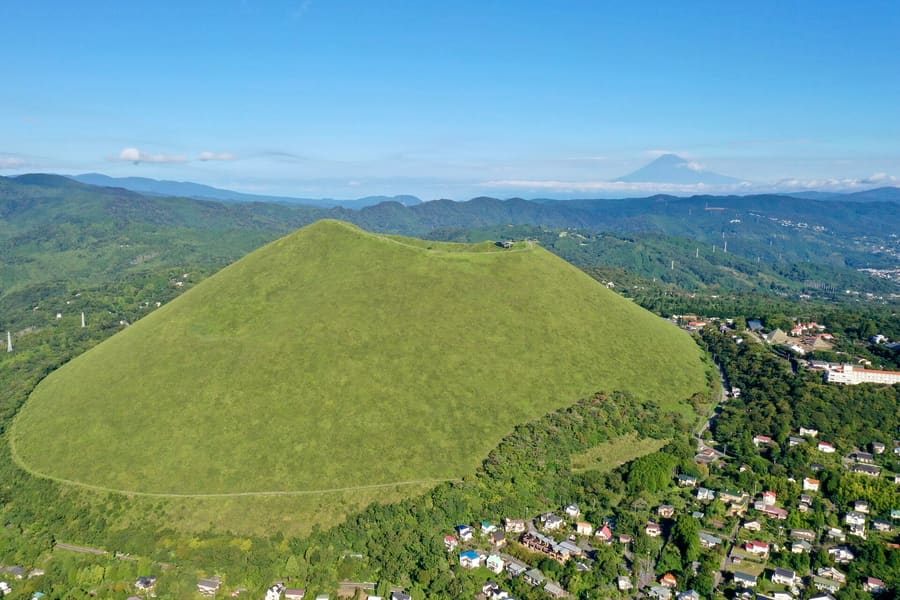
landmark
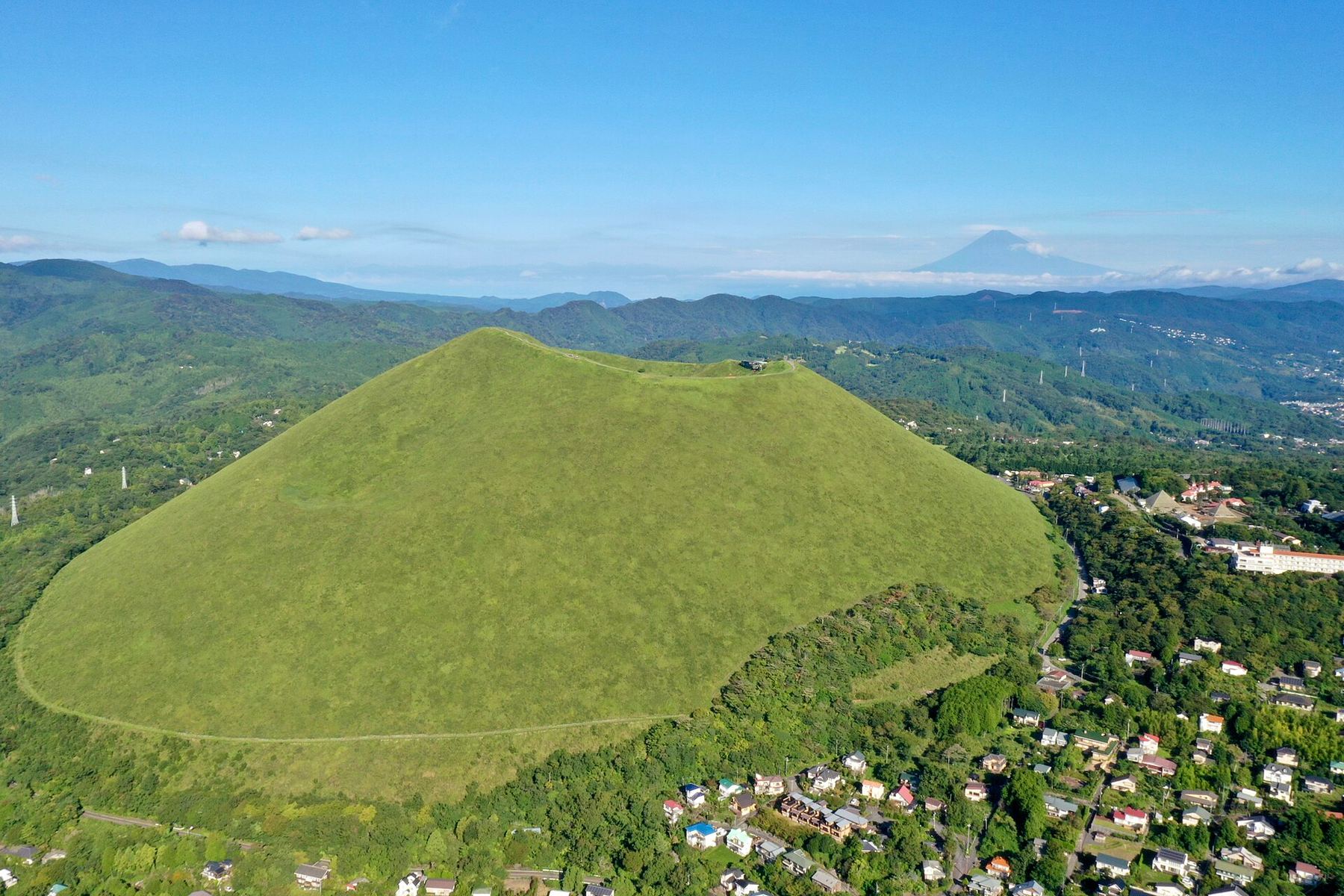
An extinct grassy cinder cone. Take the chairlift to the top and walk the full rim crater in twenty minutes.
Chiedi a Parley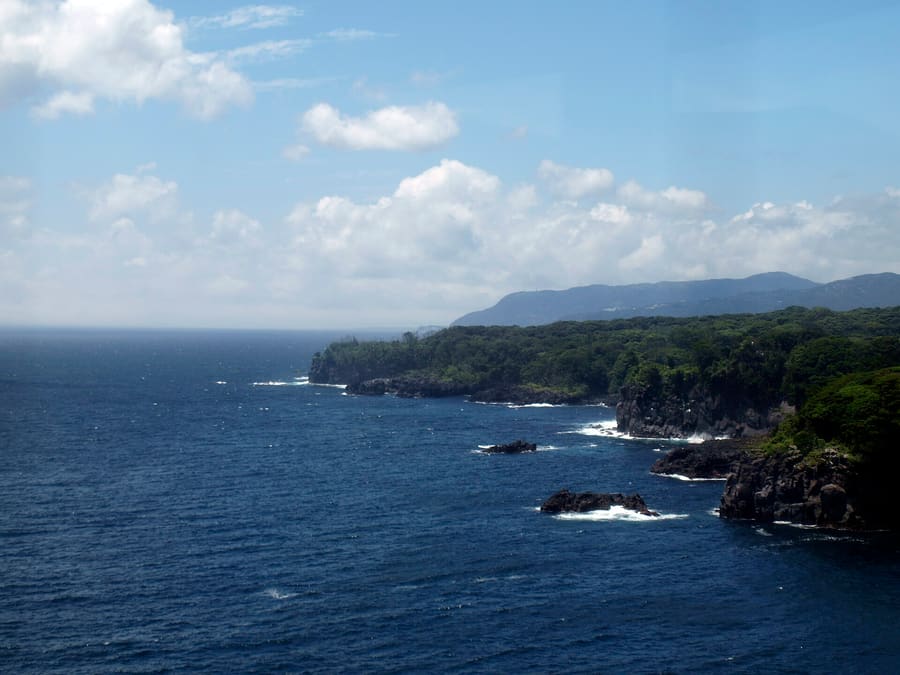
landmark
A jagged basalt coast formed by lava. Walk the cliffside trail past pine woods and turbulent ocean gaps.
Chiedi a Parley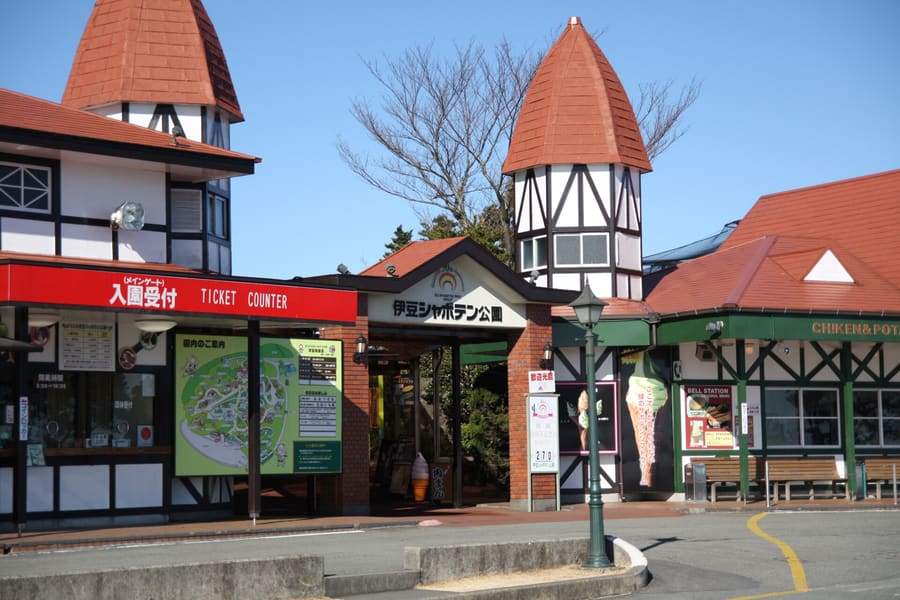
landmark
A park holding cacti and free-roaming animals. Winter brings capybaras bathing in open-air hot springs.
Chiedi a Parley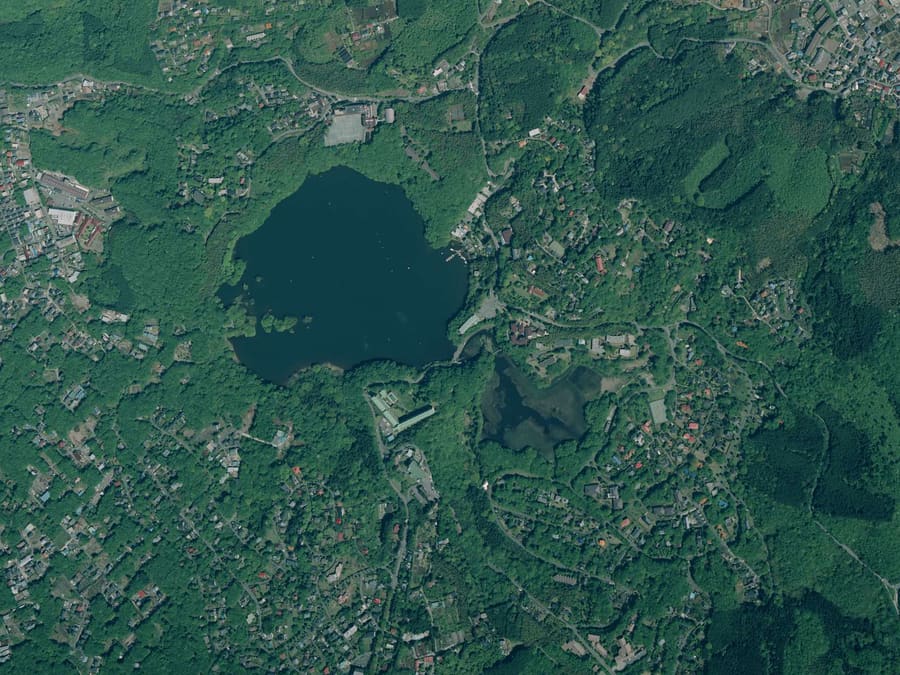
landmark
A calm volcanic crater lake. Walk the four-kilometer perimeter path or rent a rowboat from the east shore.
Chiedi a Parleyattractions
areas
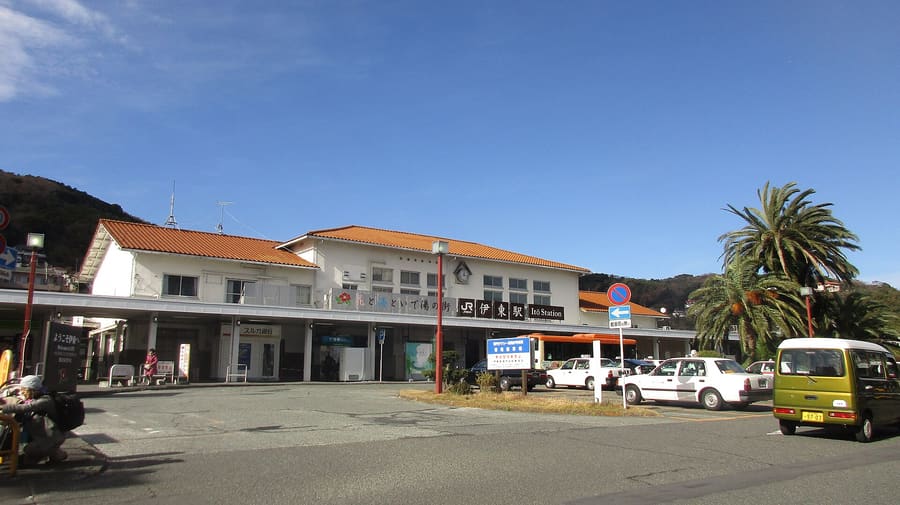
Riverfront streets filled with retro hot spring inns, public baths, and seafood izakayas.
Nei dintorniTokaikan and Ito Station
Chiedi a Parley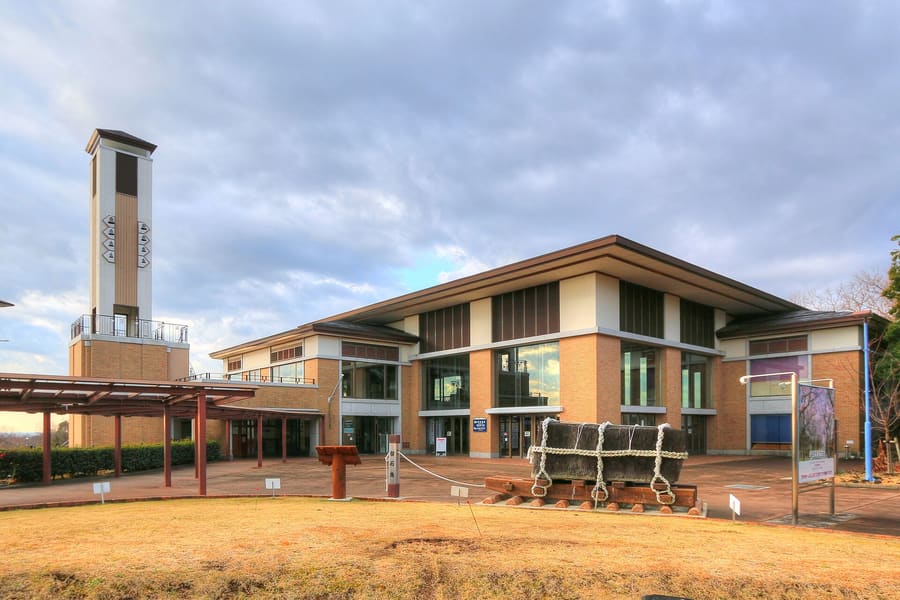
Wooded hills, villa colonies, small art galleries, and crater slopes.
Nei dintorniMount Omuro and Shaboten Zoo
Chiedi a Parley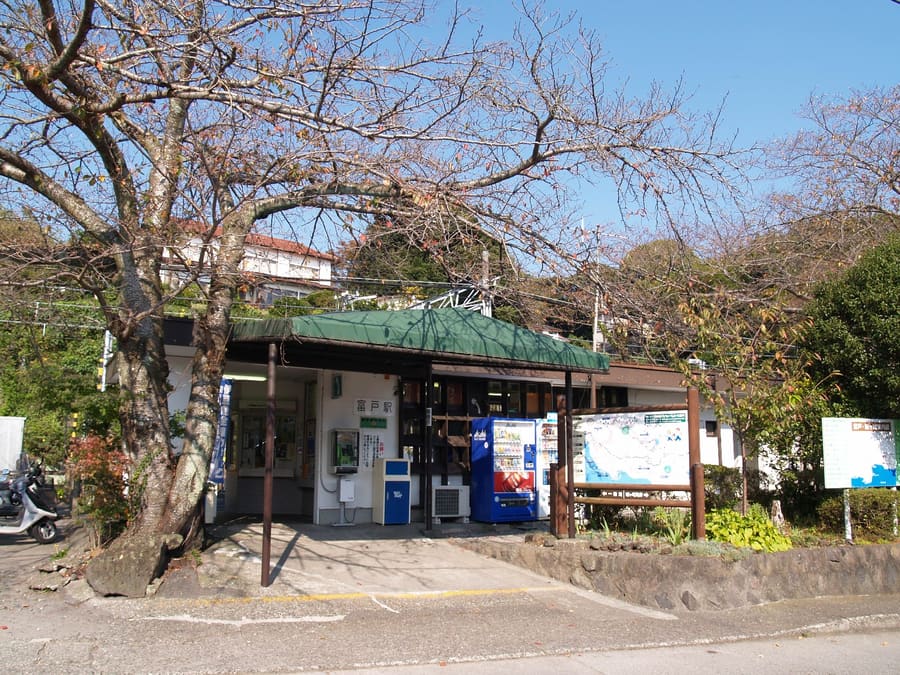
Coastal fishing villages anchored by dramatic volcanic lava cliffs.
Nei dintorniKadowaki Bridge and ocean trails
Chiedi a Parley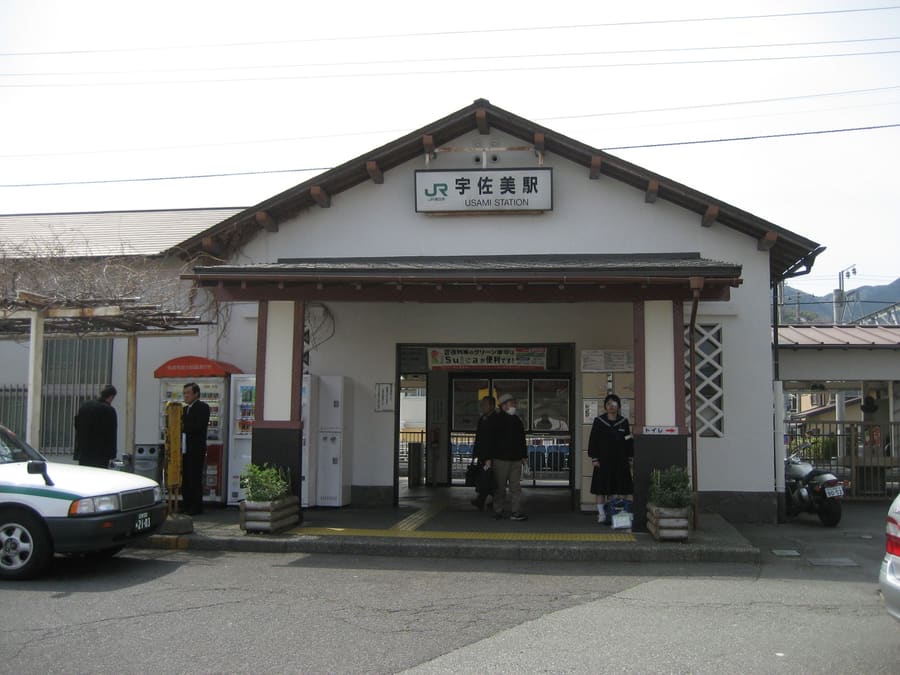
A quiet northern beach bay bordered by orange orchards and calm surf.
Nei dintorniUsami Beach and citrus farms
Chiedi a Parleyfood
Ito's food scene depends directly on the Sagami Nada bay. Fisherman dishes prioritize raw and simmered deep-sea catches over complex sauces. Mago-chazuke mixes raw horse mackerel with green onion and ginger before hot dashi broth cures the fish at your table.
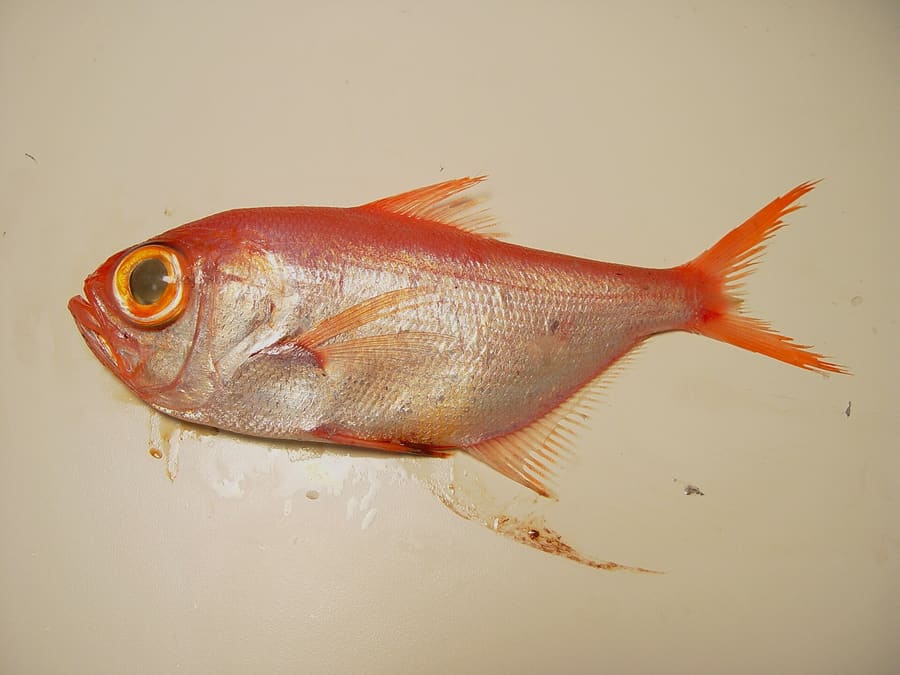
Kinmedai simmered in sweet soy sauce is a local specialty served across coastal diners.
NOAA's Fisheries Collection , SEFSC Pascagoula Laboratory; Collection of Brandi Noble, NOAA/NMFS/SEFSC · Public domainRed bream is the primary local catch. Diners simmer the head and fillets in a dark, sweet soy reduction.
Port-side eateries near Ito Harbor serve this quick horse-mackerel tea-rice dish straight from morning landings.
Izu produces deep-steamed guri-cha tea with rounded leaves. Its low astringency suits traditional bean-paste sweets.
history
Ito developed from an isolated fishing bay into an onsen retreat during the Edo period. Shogun Tokugawa Iemitsu ordered thermal water shipped to Edo Castle in sealed wooden barrels. In 1604, English navigator William Adams built Japan's first Western ocean-going ships along the Matsukawa River estuary.
William Adams Shipyard
English navigator William Adams constructs two European-style sailing vessels for Shogun Tokugawa Ieyasu along the Matsukawa River.
Tokaikan Built
Master carpenters construct the Tokaikan ryokan, establishing the town's classic wooden architectural style.
Ito Line Rail Link
The JR Ito Line reaches the town, connecting local hot springs directly to Tokyo's rail network.
where to stay
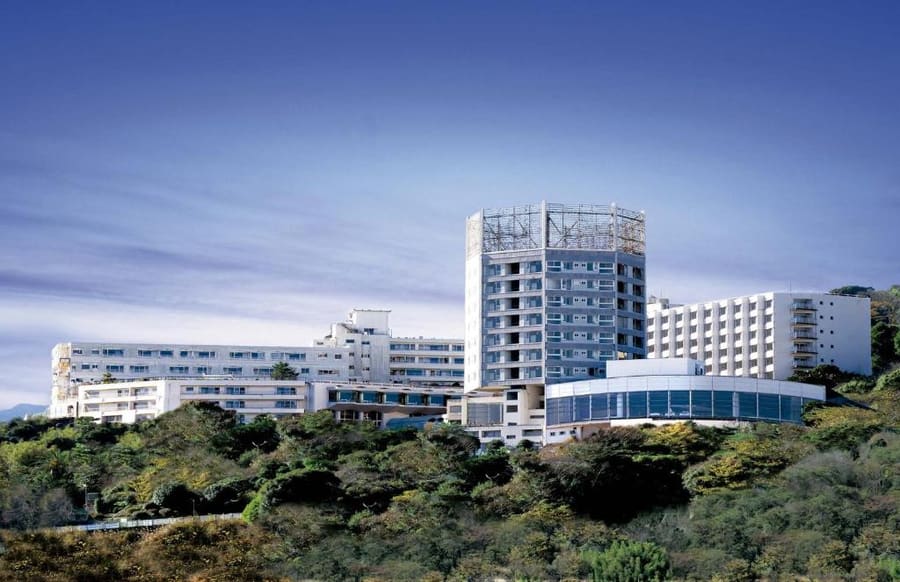
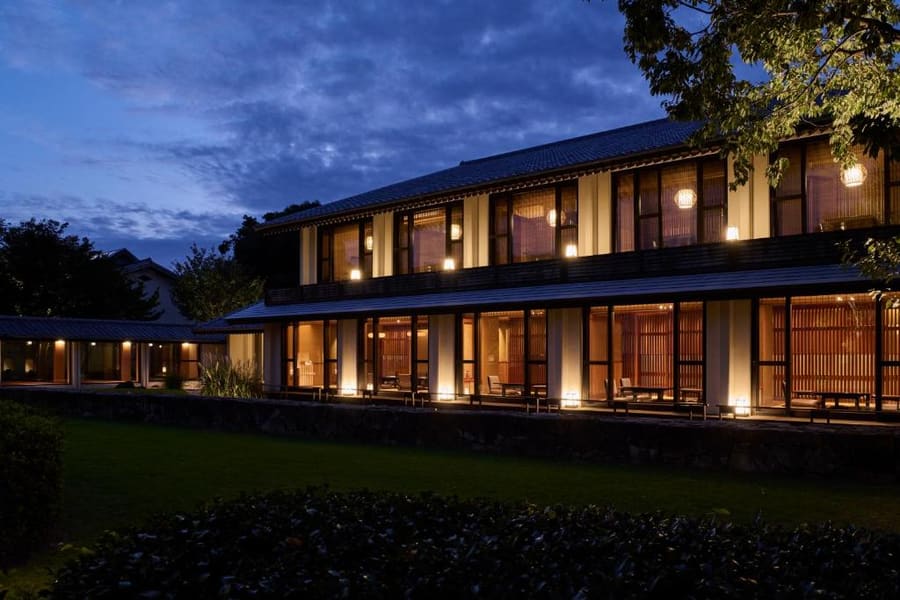
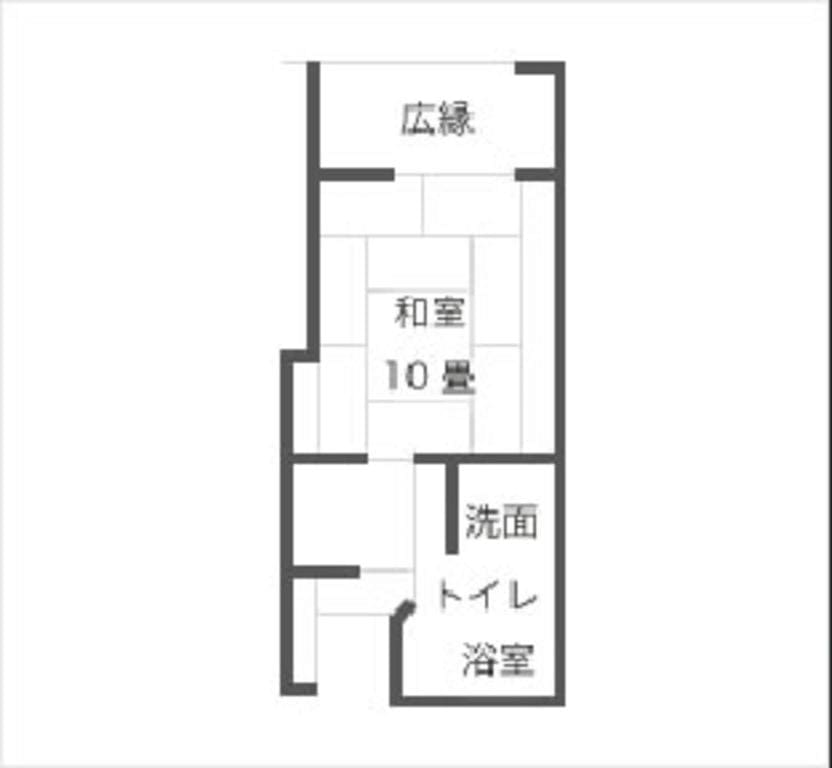
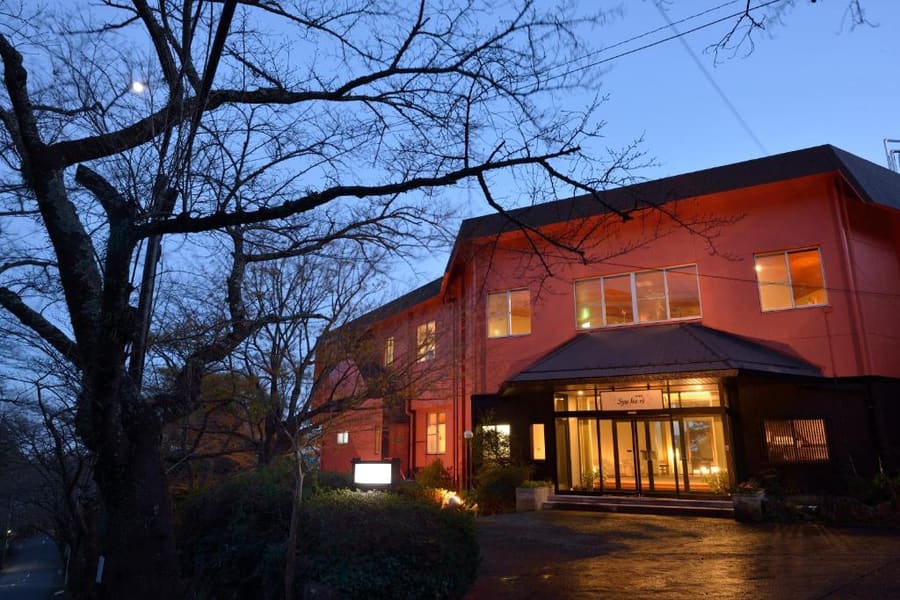
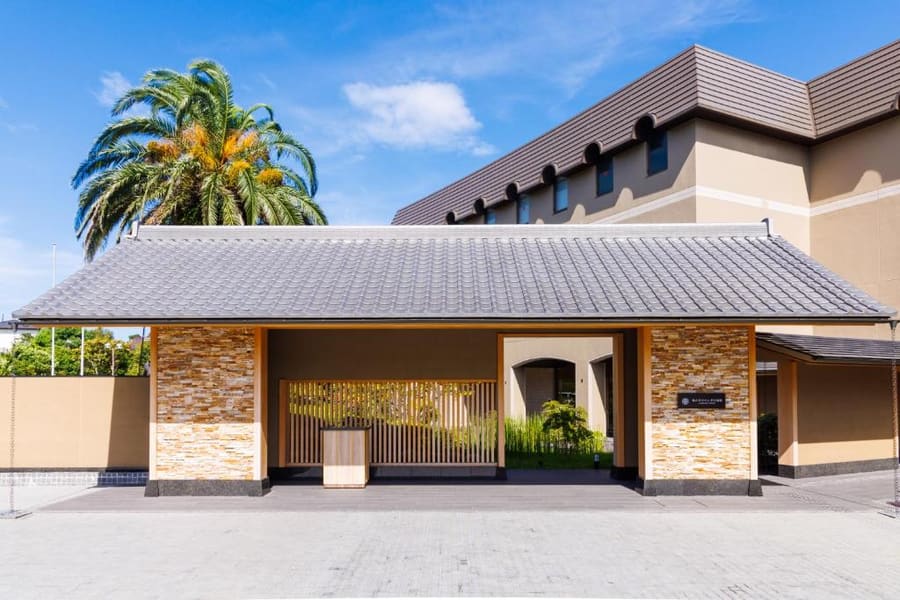
Choose your base by transit convenience. Ito Central puts you steps from public bathhouses, seafood restaurants, and rail connections. Izu Kogen offers quiet wooded retreats and crater trail access but requires bus connections or rental cars after dark.
Live rates, matched to the areas above.
transport
Ito Station serves as the primary transit hub. JR lines terminate here from the north, while Izu Kyuko tracks run south toward Shimoda. Tokai Bus routes connect the stations to inland points like Mt Omuro and Shaboten Zoo.
Da JR Ito Station (ITO)
JR Limited Express Odoriko runs directly from Tokyo Station without train changes.
Tokaido Main Line local trains require a quick cross-platform transfer at Atami Station.
Highway buses run from Shinjuku but sit in heavy weekend highway congestion.
Inland buses to Mt Omuro add up quickly. A local 1-day pass saves money after three rides.
Suica and Pasmo work on local Tokai buses. Tap when entering the rear door and exiting at the front.
Southbound trains to Izu Kogen run every 20 to 30 minutes. Express trains skip smaller coastal stops.
Taxis rank outside Ito Station. Take one if your lodging sits on the steep residential hills.
cost
Lodging costs drive most travel budgets in Ito. Historic ryokan meals add value to night rates, while public bathhouses keep daytime expenses low.
Communal neighborhood bathhouses offer thermal soaking at local entry prices.
Self-guided entry to inspect Showa-era carpentry costs under two dollars.
Round-trip tickets include the open-air chairlift up and down the volcanic cone.
Fresh red bream set dinners at harbor izakayas include fish, rice, and miso soup.
seasonality
MAR – MAY
Mild spring weather and cherry blossoms along Matsukawa River. Book weekend ryokan weeks in advance.
JUN – AUG
Warm ocean swimming and summer fireworks over the bay. Coastal road traffic reaches peak levels.
SEP – NOV
Clear skies and ideal hiking conditions around Mt Omuro. Coastal trails stay comfortable.
DEC – FEB
Crisp air with clear views of Mount Fuji across the bay. Capybaras soak in hot springs at Shaboten Zoo.
practicalities
Wash thoroughly at side taps before stepping into natural thermal pools. Keep small hand towels out of the water.
Public municipal baths accept tattoos, but traditional ryokan may require waterproof cover patches.
Basalt rock along Jogasaki Coast is uneven and sharp. Wear sturdy closed-toe shoes.
Small mountain bus routes and seaside eateries do not accept credit cards or digital passes.
Late summer storms can temporarily halt rail service along the coastal Izu Kyuko Line.