landmark
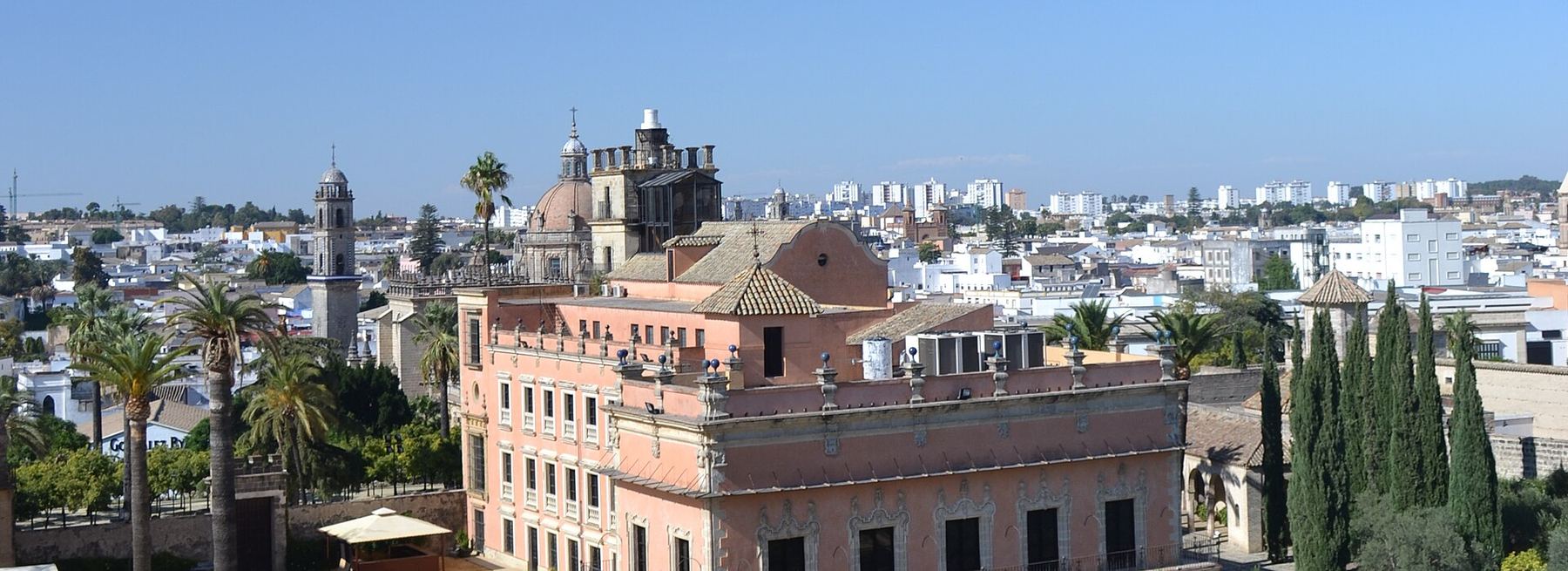
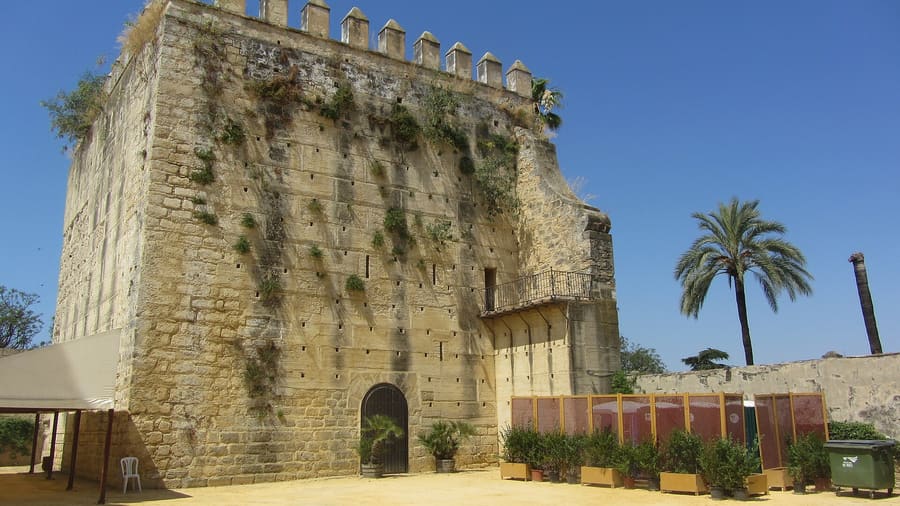
Alcázar de Jerez
An 11th-century Moorish fortress with an intact mosque and gardens. Visit early in the morning to beat tour groups.
Chiedi a ParleySpagna
Sherry cellars, equestrian arts, and authentic flamenco.
introduction
Jerez de la Frontera is the inland engine of Andalusian wine and equestrian culture. You explore its historic core entirely on foot, moving between high-walled fortified bodegas and low-key neighborhood plazas. Expect a unhurried pace centered on tabanco sherry bars, early evening tapas, and unvarnished flamenco singing.
Rail connection from Seville
Media Distancia trains connect Seville Santa Justa to Jerez in one hour, arriving directly at the edge of the old town.
Bodega reservations
Tastings at working cellars require advance online booking, as walking entry is rarely permitted.
Jerez de la Frontera
https://www.flickr.com/people/31044991@N04 · CC BY-SA 3.0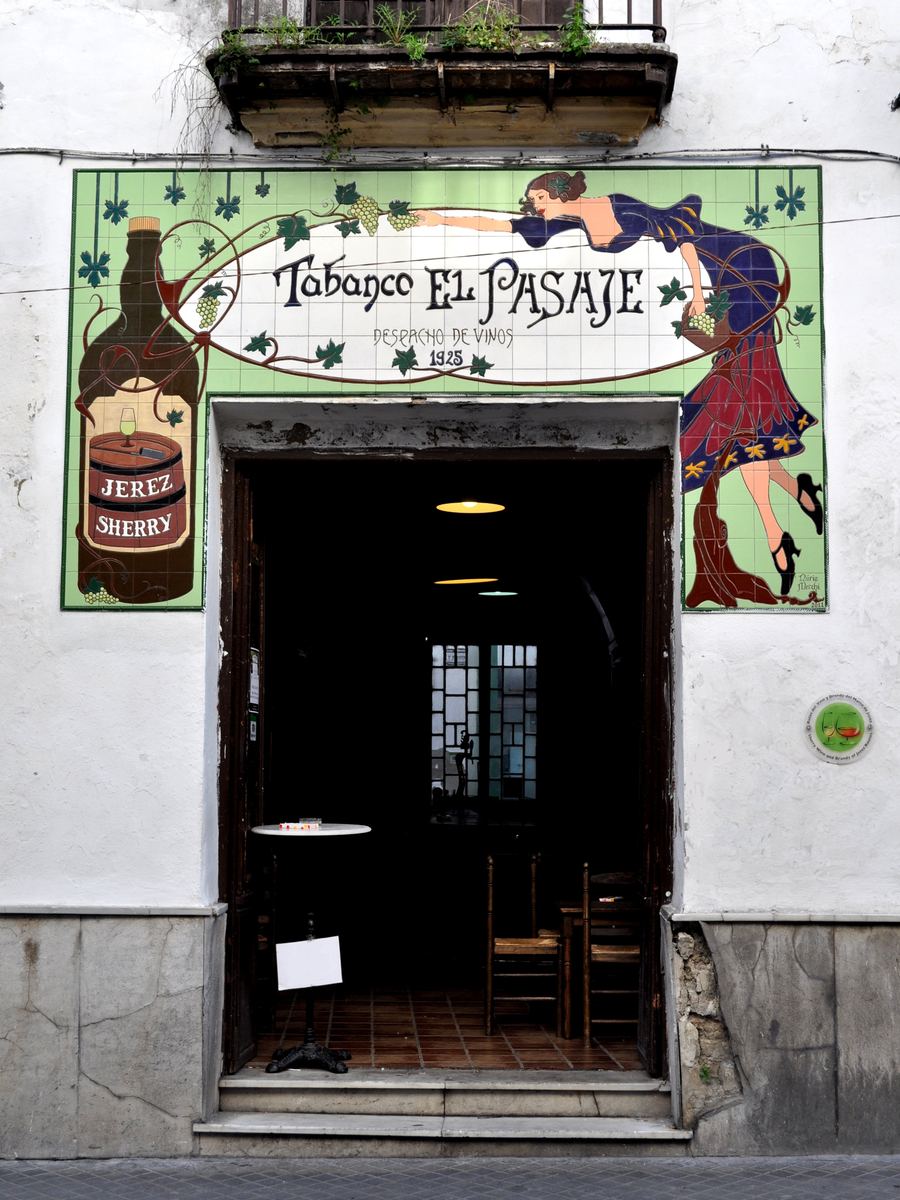
A tabanco counter in Jerez, where dry sherry is drawn directly from barrels into short glasses.
Jerezplataforma · CC BY-SA 3.0highlights
landmark
An 11th-century Moorish fortress with an intact mosque and gardens. Visit early in the morning to beat tour groups.
Chiedi a Parley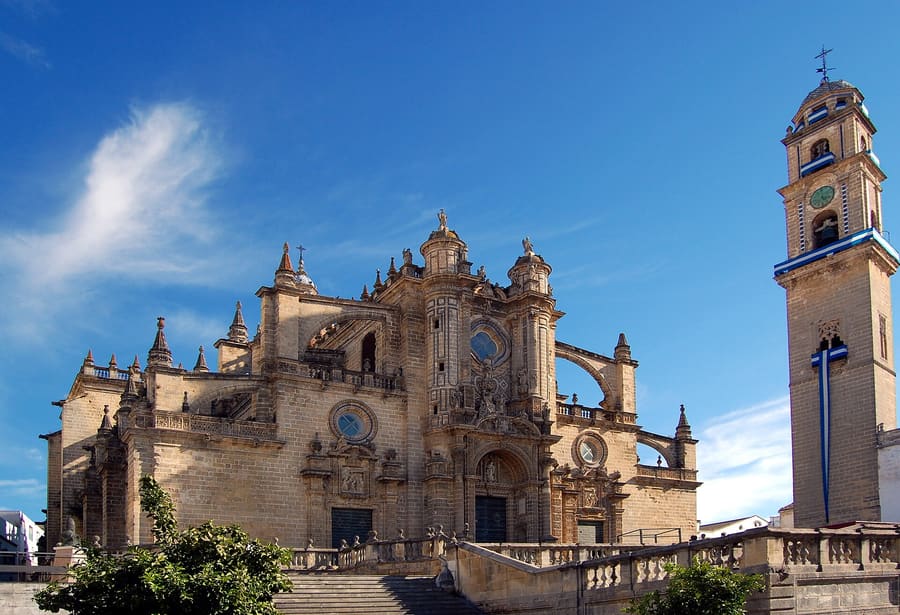
landmark
An 18th-century structure combining Gothic and Baroque design. Climb the detached bell tower for panoramic city views.
Chiedi a Parley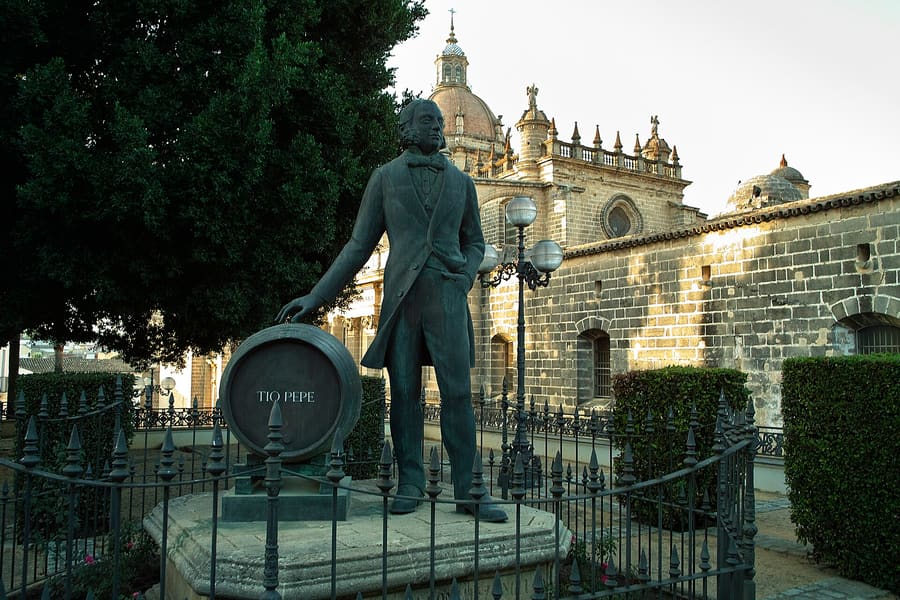
landmark
The largest bodega complex in the city center. Book a late morning tour to sample Fino direct from the cask.
Chiedi a Parley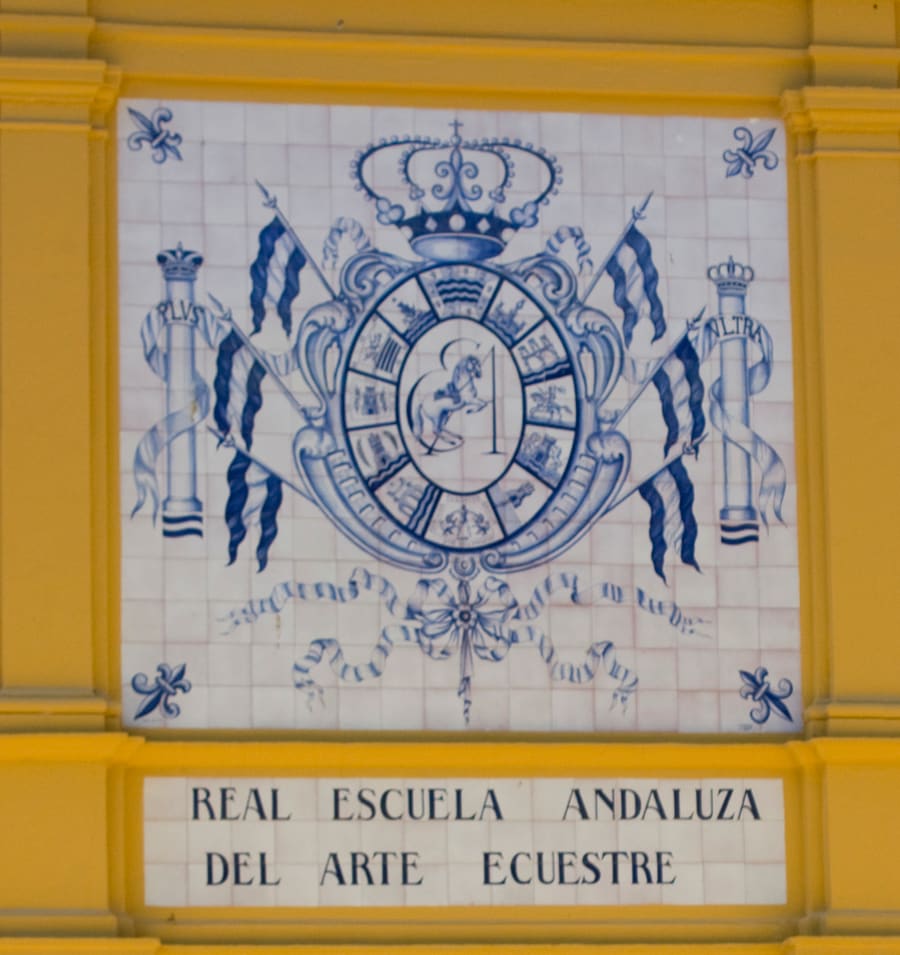
landmark
Watch Andalusian horses train to classical dressage. Book tickets online for the 'How the Andalusian Horses Dance' show.
Chiedi a Parley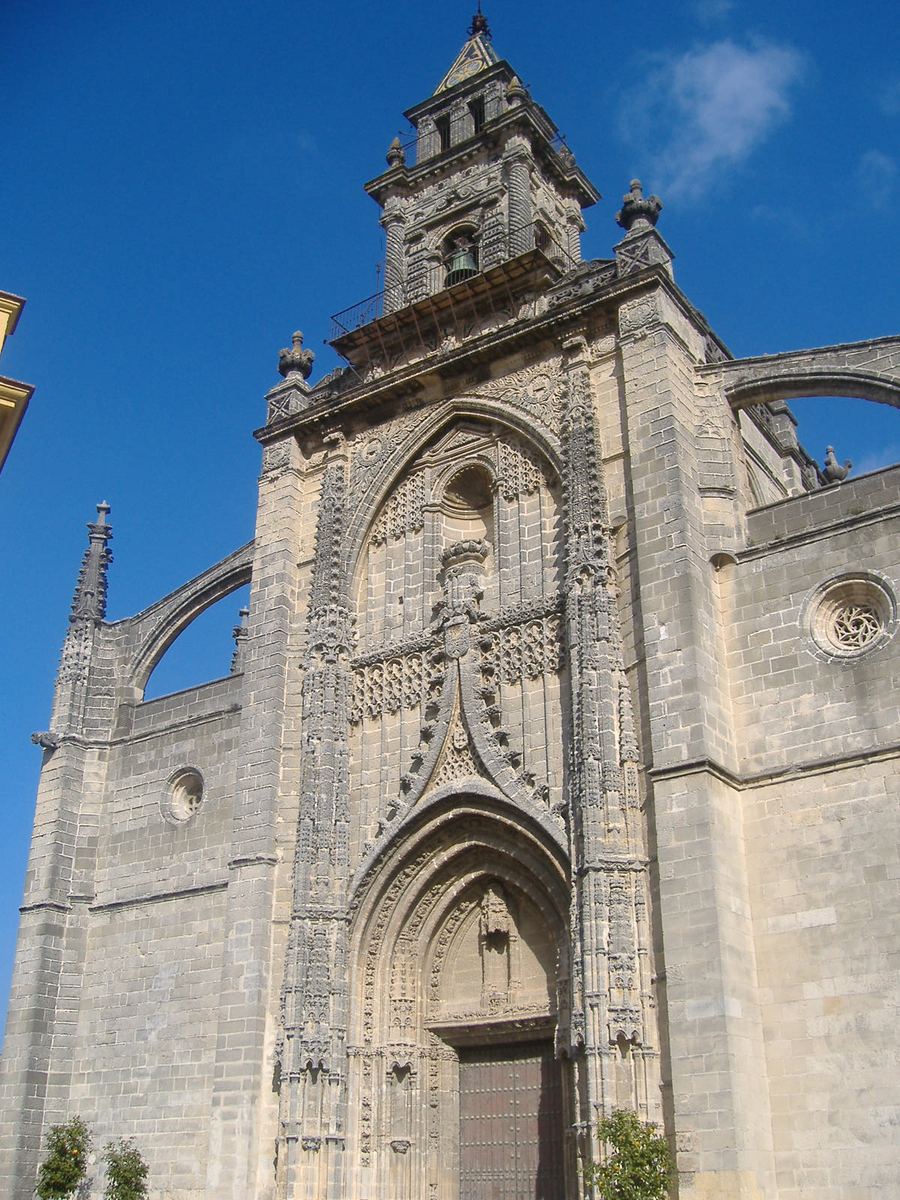
landmark
The architectural centerpiece of the Santiago flamenco quarter. Note the Gothic facade and quiet surrounding square.
Chiedi a Parley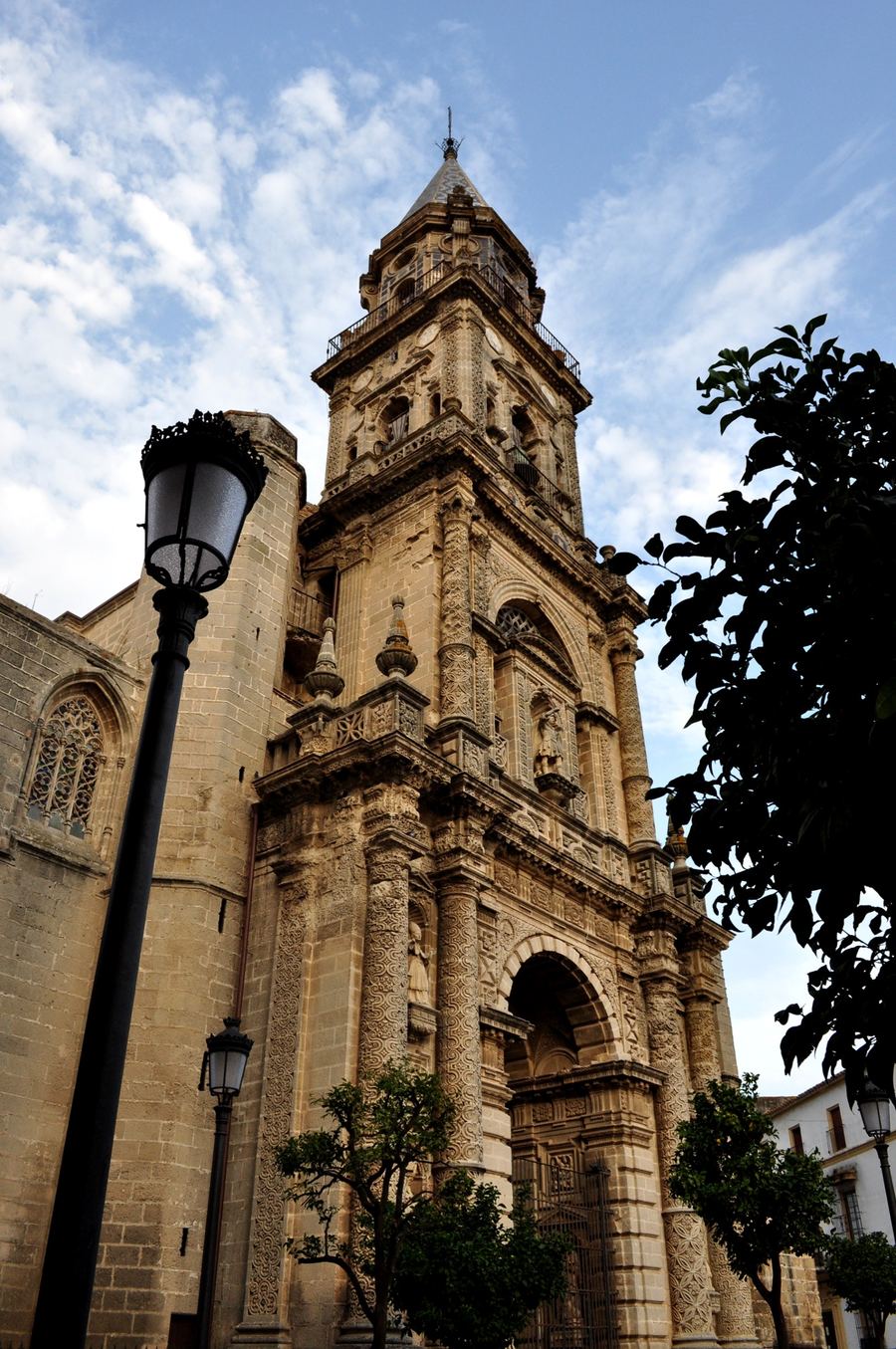
landmark
Located in the historic gypsy district of San Miguel. Step inside to see the elaborate Renaissance retable by Juan Martínez Montañés.
Chiedi a Parleyattractions
areas
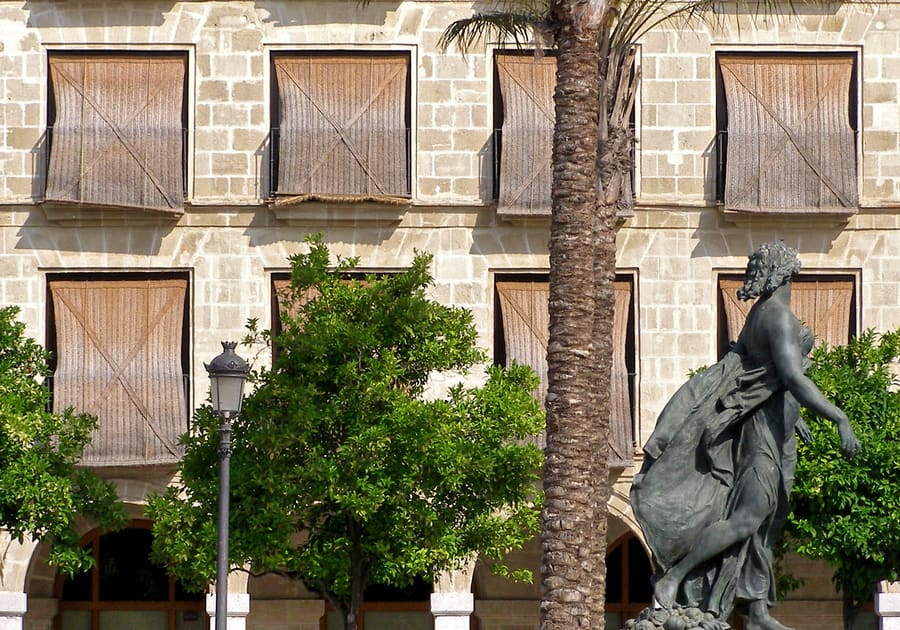
Grand plazas, pedestrian lanes, and historic bodegas within walking distance.
Nei dintorniPlaza del Arenal, Alcázar, Bodegas Tío Pepe
Chiedi a Parley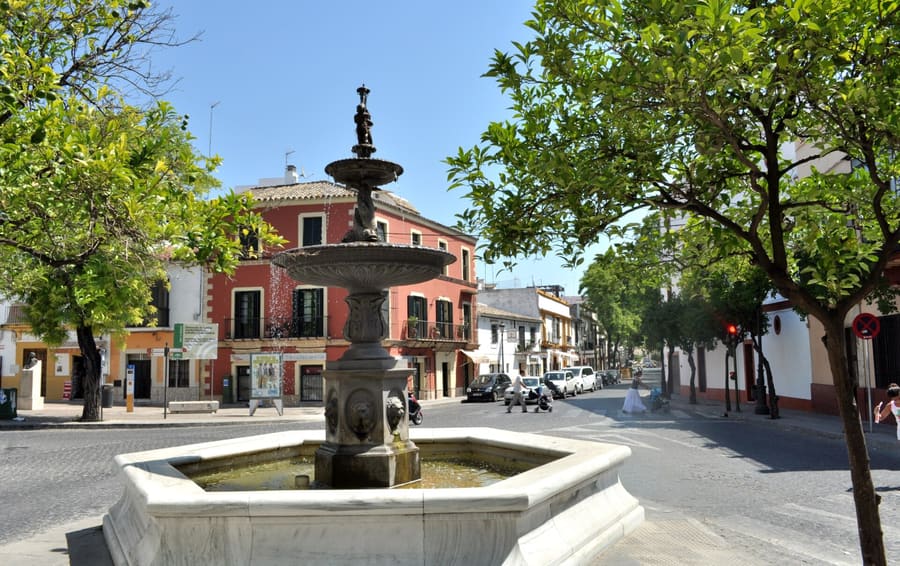
A historic flamenco quarter with gitano heritage, quiet day lanes, and late-night tabancos.
Nei dintorniChurch of Santiago, Centro Andaluz de Flamenco
Chiedi a Parley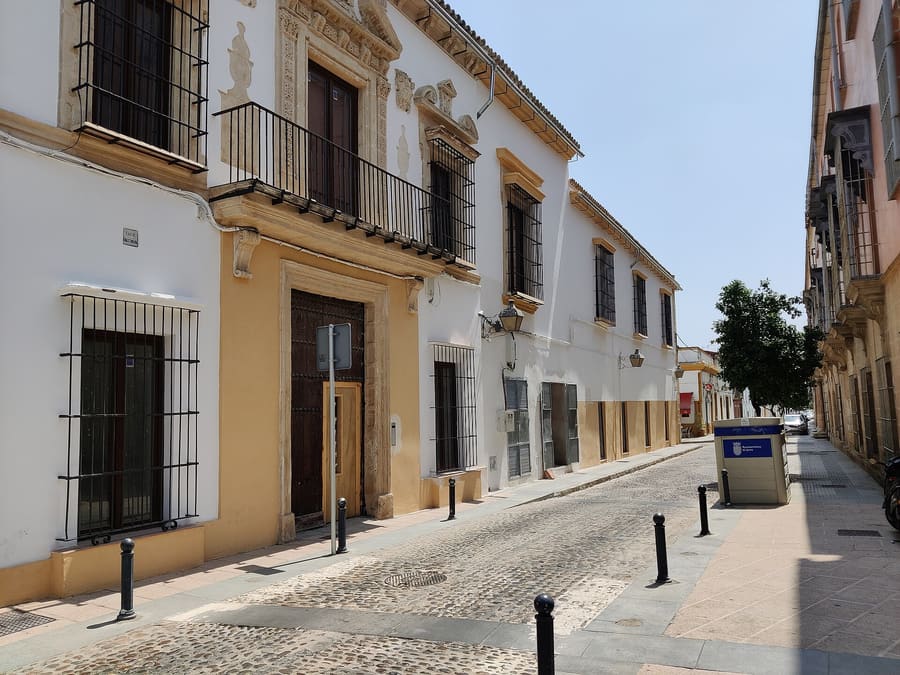
Narrow cobbled streets, historic tabancos, and deep roots in flamenco song and dance.
Nei dintorniChurch of San Miguel, Plaza de la Cruz Vieja
Chiedi a Parley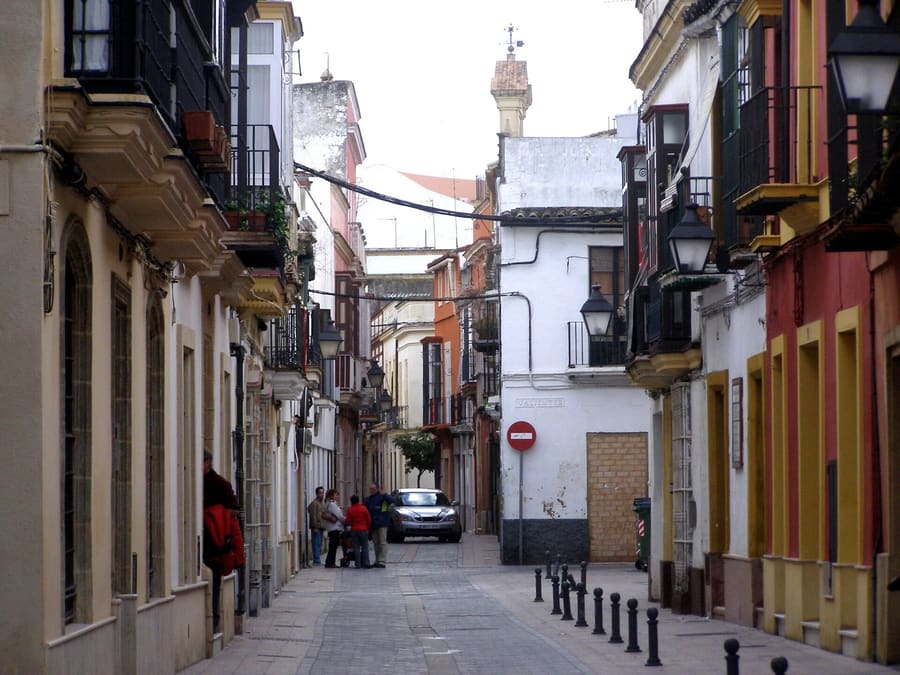
A quiet residential district north of the center with neighborhood bars and lower room rates.
Nei dintorniChurch of San Pedro, Plaza de San Andrés
Chiedi a Parleyfood
Dining in Jerez revolves around tabancos—traditional wine taverns that serve sherry directly from wooden casks alongside cured meats and tapas. Unlike typical Spanish bars, a tabanco functions as both a neighborhood social club and an informal music venue. You stand at high wooden tables or zinc counters, ordering glass by glass from the cask.Local cooking relies heavily on sherry reductions and pork products. Berza jerezana is a thick stew of chickpeas, white beans, pork shoulder, and blood sausage cooked with lard and cabbage. You will also find chicharrones de Jerez, seasoned pork belly slow-fried in pork fat until tender and finished with garlic and oregano.Sherry is categorized strictly by dry to sweet spectrums, not by grape harvest years. A glass of dry, pale Fino or Manzanilla is always served chilled as an aperitif, while darker Oloroso and Amontillado accompany meat dishes. Pay at tabancos is often chalked directly onto the wooden bar top before payment at the end.
A tabanco counter in Jerez, where dry sherry is drawn directly from barrels into short glasses.
Jerezplataforma · CC BY-SA 3.0Order a glass of Fino or Oloroso before requesting food; the wine selection dictates the tavern's identity.
Tabanco El Pasaje hosts live flamenco performances most afternoons around 14:00 and evenings at 21:30.
Berza jerezana is a heavy winter specialty; order light cold soups like salmorejo during summer months.
history
Jerez de la Frontera owes its distinct identity to its frontier location and unique chalk soil, known as albariza. Settled by Phoenicians as Xera, the city grew into a major fortified stronghold under Moorish rule, when it was known as Sherish. The Moorish walls and fortress remain standing in the city center today.After its capture by King Alfonso X of Castile in 1264, Jerez served as a border outpost between Christian and Muslim territories, giving the town its suffix 'de la Frontera'. In the 18th century, English and Scottish merchants built massive aging cellars to export fortified wine back to Britain, creating the sherry trade dynasties that still define local commerce.
Castilian Conquest
Alfonso X captures the city for the Crown of Castile, converting its mosque into a chapel.
Sherry Export Boom
British merchants establish trading houses, standardizing the solera aging system and exporting sherry worldwide.
Equestrian School Founded
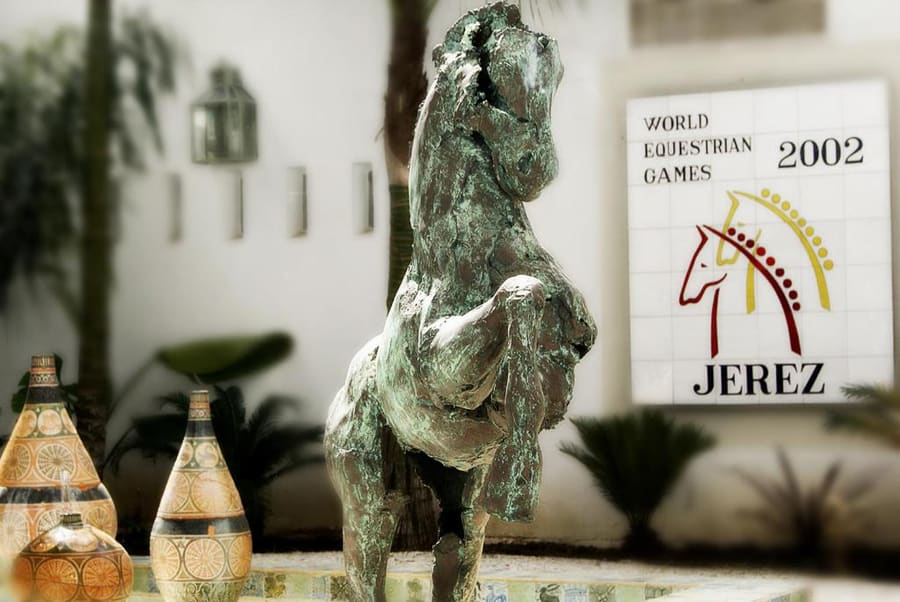
The Royal Andalusian School of Equestrian Art opens, formalizing the region's horse breeding tradition.
where to stay
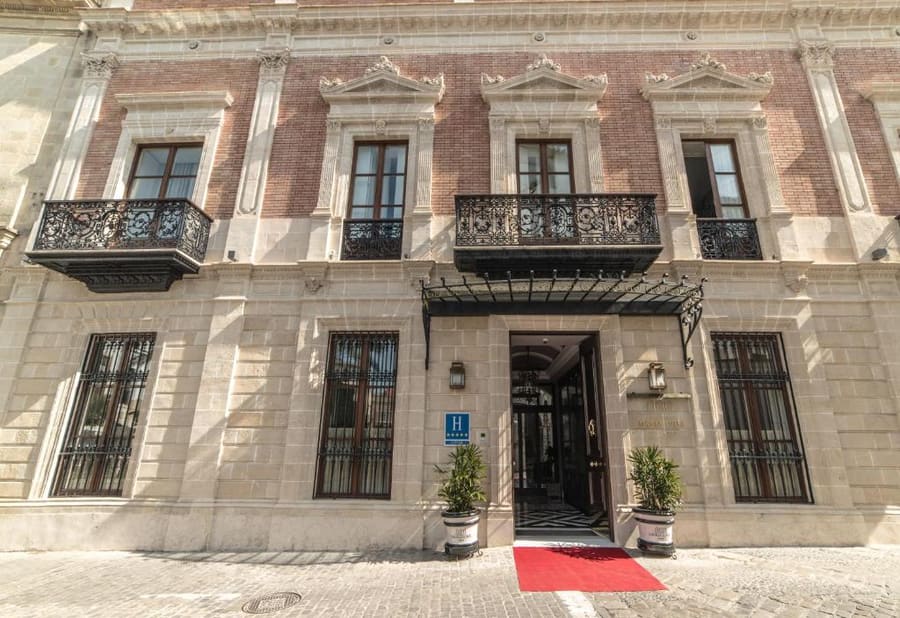
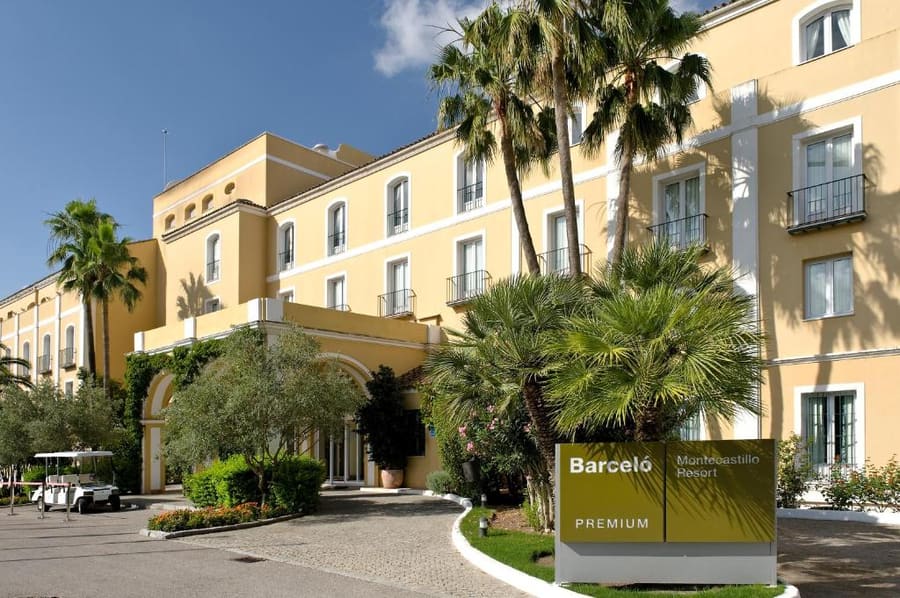
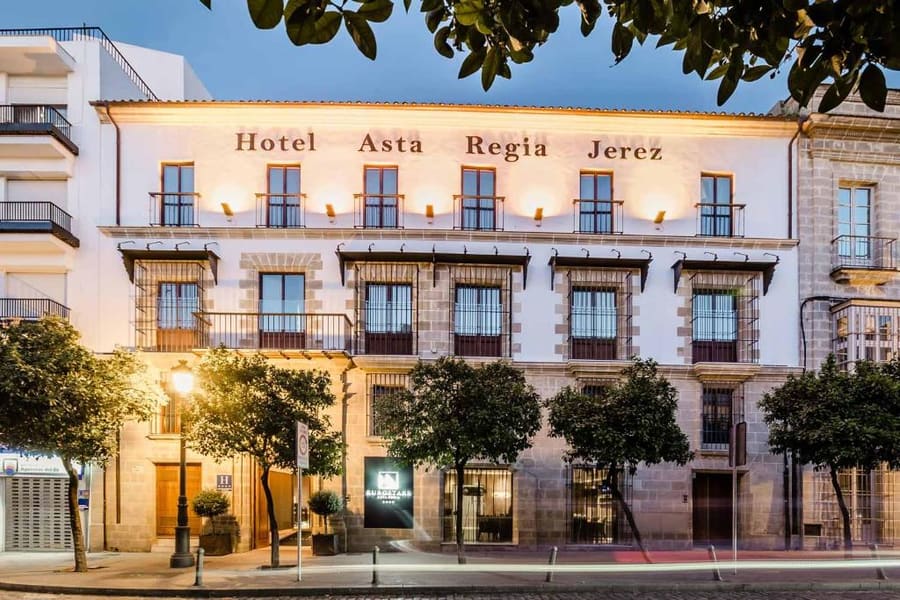
Choose your location in Jerez based on walkability and street access. The old town is compact, but narrow lanes restrict vehicle access to many boutique hotels. Staying in Centro Histórico keeps you within a five-minute walk of major bodegas and central plazas, though parking is difficult. Santiago and San Miguel offer authentic, quiet surroundings centered around flamenco culture, while the northern district around San Pedro provides easier road access and larger, modern hotels with swimming pools.
Live rates, matched to the areas above.
transport
Jerez is easily navigated on foot. The historic center spans less than two kilometers across, making public transit unnecessary for sightseeing within the city core. Local urban buses (Consorcio de Transportes) run from Plaza de Esteve to outer residential districts and suburban industrial zones. Driving inside the central core is frustrating due to one-way streets, bollards, and restricted pedestrian zones.
Da Jerez Airport (XRY)
Line M-050 runs hourly from outside arrivals to Plaza de la Angustias.
Cercanías C-1 connects airport station to central rail terminal; limited daily departures.
Fixed city rate applies to central hotel drops; surcharge applies after 22:00.
Jerez de la Frontera train station sits on Calle Ferrocarril, a 10-minute walk east of Plaza del Arenal.
Urban bus drivers accept cash for single tickets; exact change under €5 is expected.
Park under Plaza del Arenal or Plaza Mamelón if driving; street parking in the core is almost non-existent.
Official taxis gather at ranks on Plaza del Arenal and the train station; calling ahead is needed late at night.
cost
Jerez offers significantly lower prices for food and drinks than nearby coastal resorts or major hubs like Seville. Tabancos and local bars maintain low prices for sherry and traditional pork-based tapas, making a night of drinking and light eating affordable.
Poured direct from solera casks at local tabancos.
Standard portion of seasoned pork belly at neighborhood bars.
Includes guided cellar visit and four to six sherry pours.
Entry to the weekly dressage show at the Royal School.
seasonality
MAR – MAY
Spring brings mild temperatures and the Feria del Caballo in May. Reserve hotels months ahead.
JUN – AUG
Summer heat routinely exceeds 35°C. Afternoon streets empty out completely until late evening.
SEP – NOV
Grape harvest season begins in September. Excellent weather for cellar visits and city walking.
DEC – FEB
Cool, dry winter days with small tourist crowds. Tabancos host cozy holiday zambombas in December.
practicalities
Shops and smaller bodegas close between 14:00 and 17:30 daily. Plan sightseeing around morning hours.
The Royal School dressage performance generally runs Tuesdays and Thursdays at 12:00; confirm weekly calendars.
While hotels accept cards, smaller tabancos require cash payments for orders under €5.
Most bodegas and local markets are closed on Sundays; plan day trips to Cádiz or nearby coast.
Order 'Fino' for bone-dry white sherry, 'Oloroso' for full-bodied nutty sherry, or 'Pedro Ximénez' for sweet dessert wine.