landmark
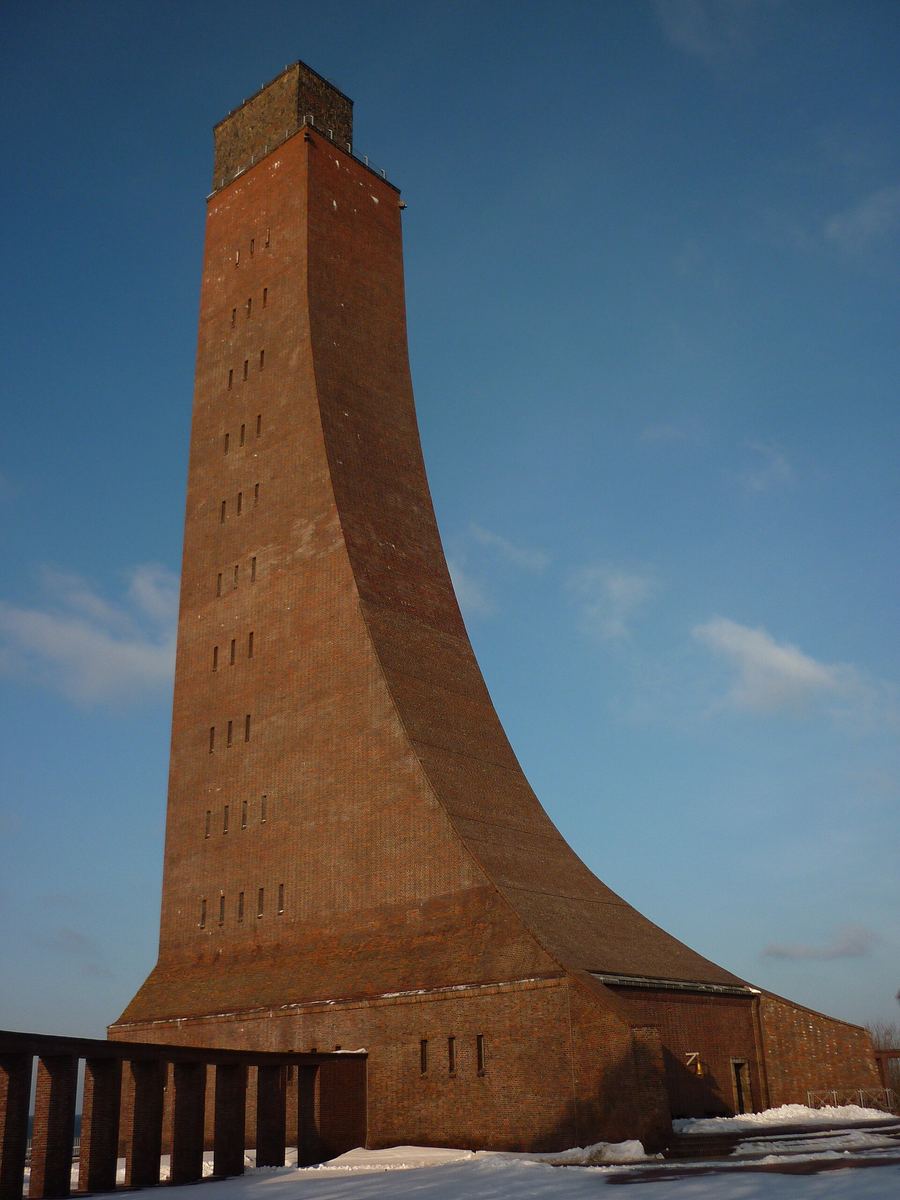
Laboe Naval Memorial
An 85-metre red-brick tower marking naval loss. Climb 341 steps or take the elevator for views to Denmark.
Chiedi a ParleyGermania
Germany's Baltic naval gateway where the canal meets the fjord.
introduction
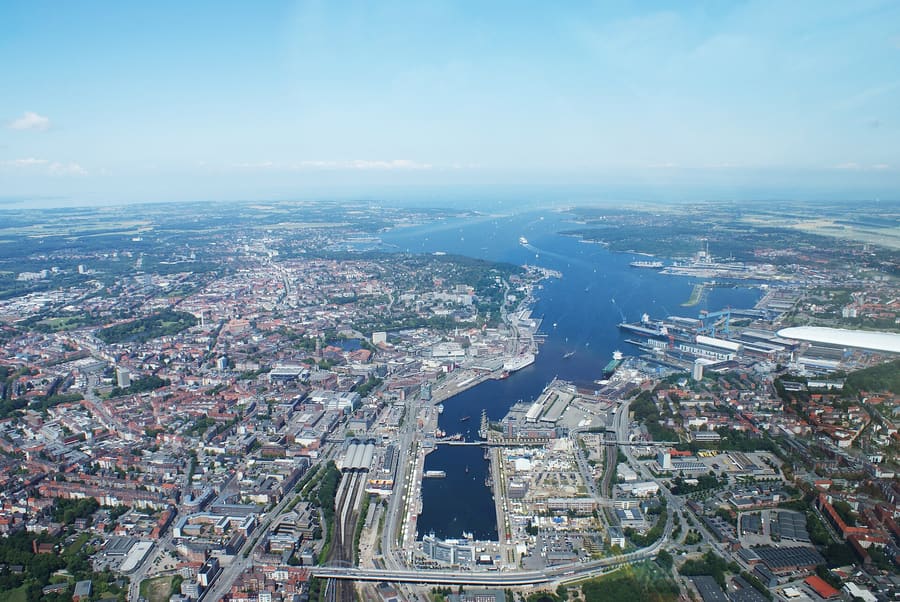
Kiel is a working port city built around a twelve-kilometre fjord. World War II bombing erased most of its medieval core, replacing historic alleyways with functional post-war urbanism. You do not come here for postcard architecture. You come to ride public ferries alongside container ships, watch lock gates cycle at the Kiel Canal, and walk the water's edge.
Fjord transit trick
Take the SFK line F1 ferry from the Hauptbahnhof pier to Laboe. You get a full fjord cruise for the price of a local transit ticket.
Canal volume
The Kiel Canal is the world's busiest artificial waterway by vessel transit count. Over 30,000 ships pass through its Holtenau locks every year.
Group transit value
A VRK Kleingruppen-Tageskarte covers up to five people on local buses and SFK ferries across zone 400 for an entire day.
Kiel
Ronny Zang · CC BY-SA 3.0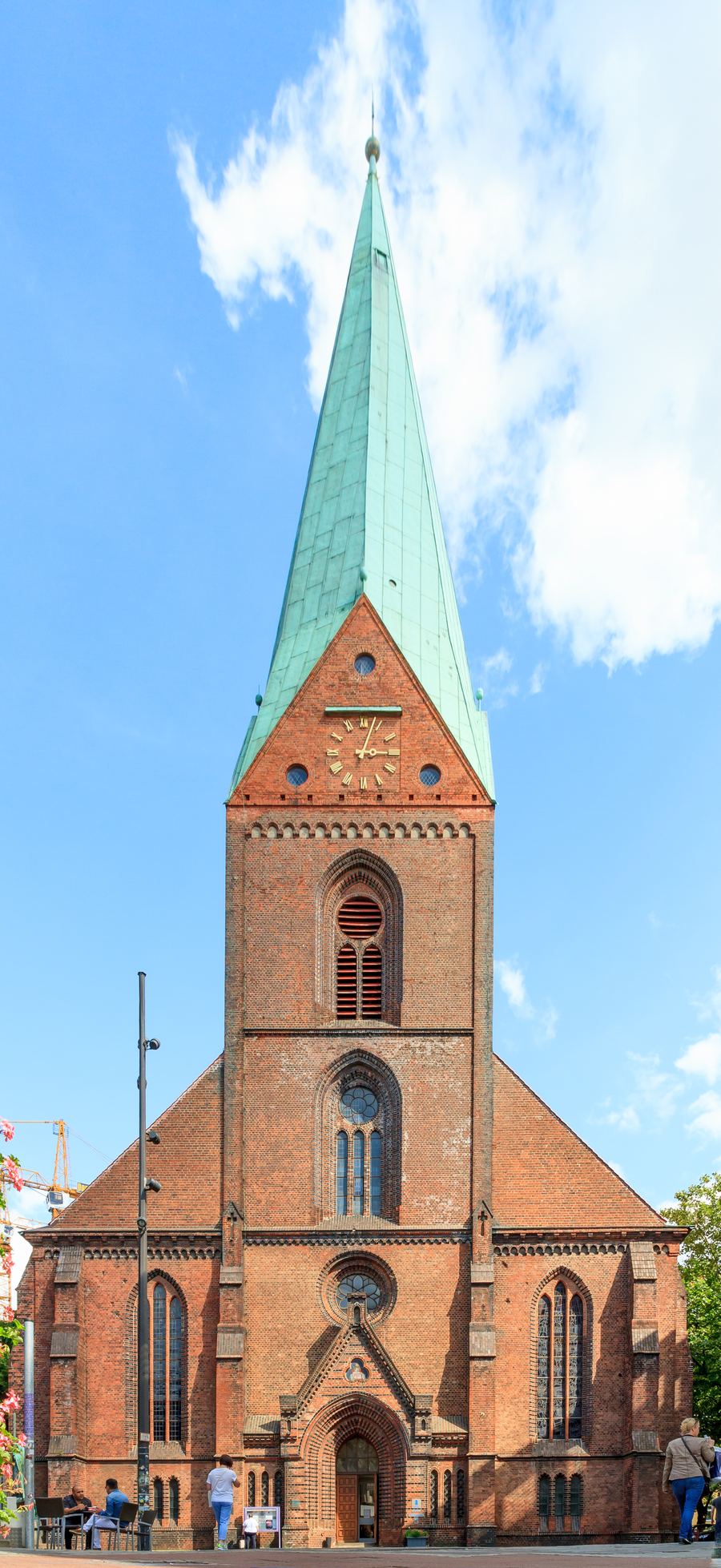
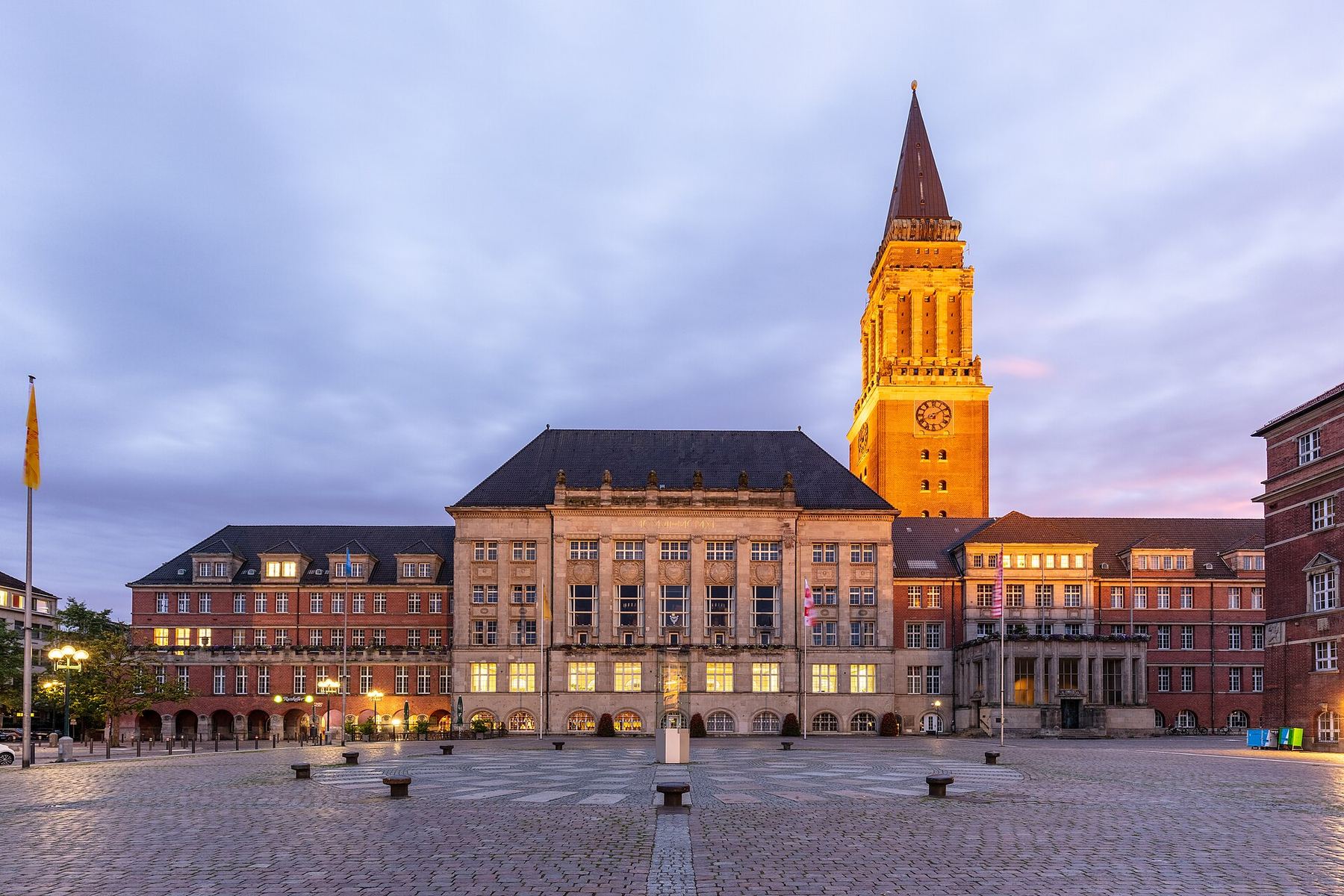
Altstadt — Post-war shopping streets around the historic St. Nikolai church and the central harbor basin.
User:Matthias Süßen · CC BY-SA 4.0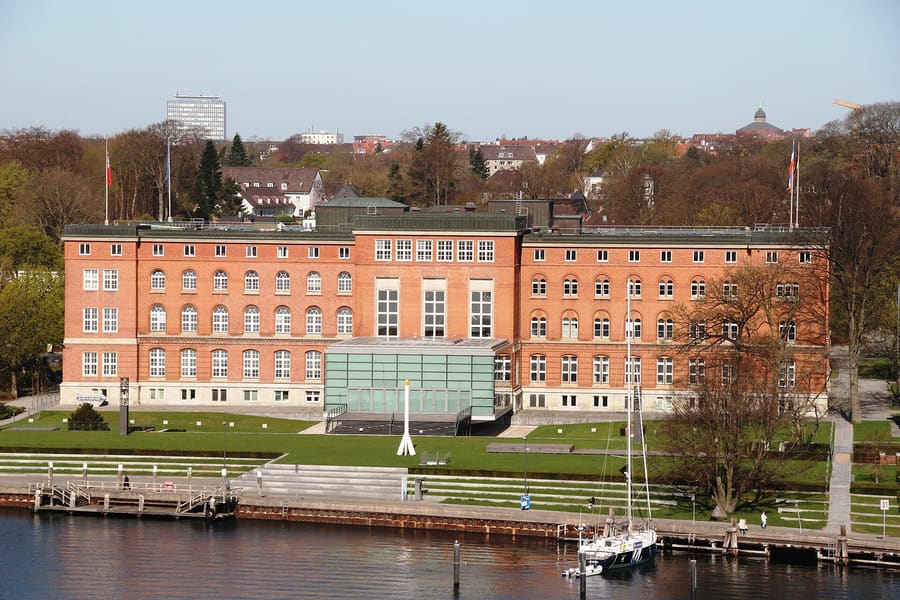
Düsternbrook — Leafy upscale residential quarter lined with historic villas, diplomatic residences, and boat clubs.
Bjoertvedt · CC BY-SA 3.0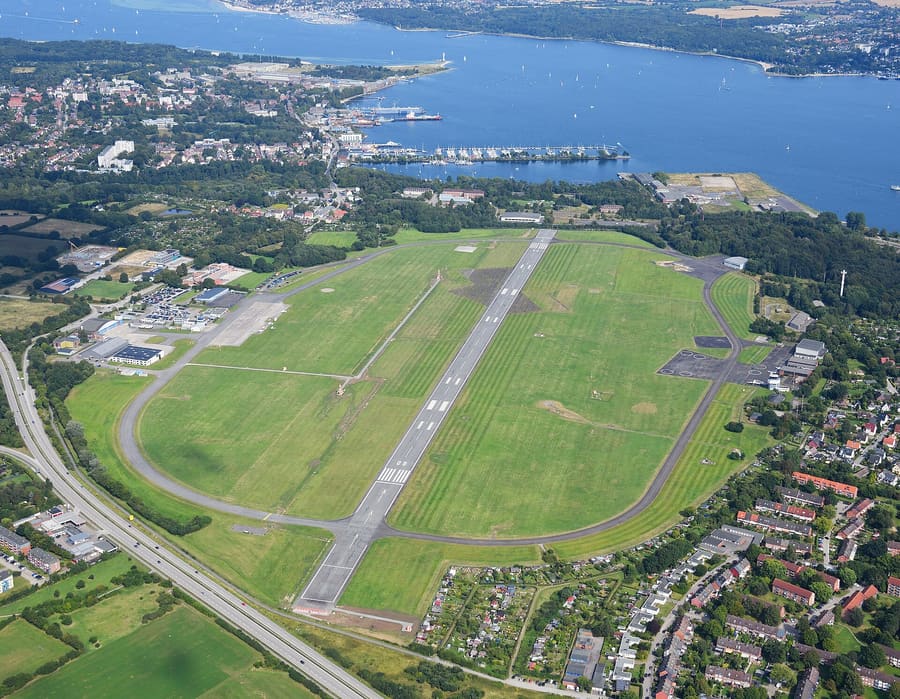
Holtenau — Maritime village atmosphere clustered around the entrance to the Kiel Canal and its red-brick lighthouse.
Carsten Steger · CC BY-SA 4.0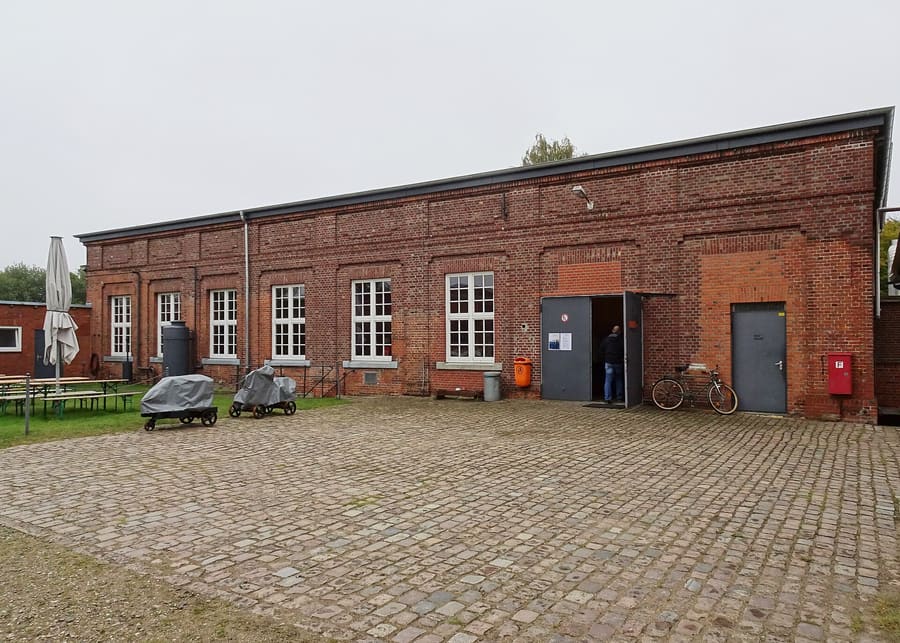
Wik — Former naval quarter converted into a quiet district of parks, marine institutes, and canal views.
Holger.Ellgaard · CC BY-SA 4.0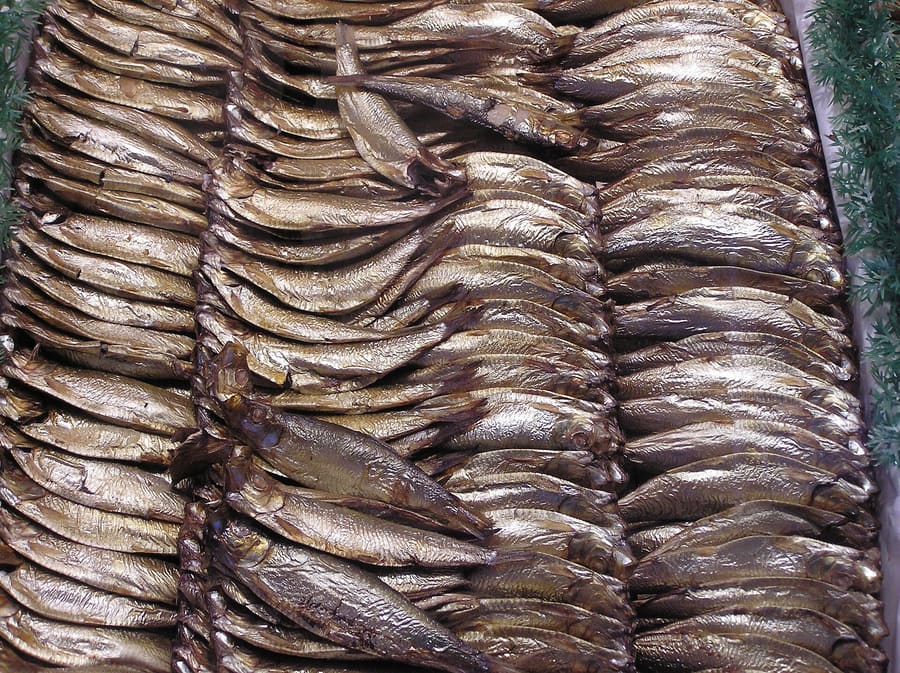
Traditional wooden box of Kieler Sprotte smoked sprats.
Joachim Müllerchen · CC BY 2.5highlights
landmark
An 85-metre red-brick tower marking naval loss. Climb 341 steps or take the elevator for views to Denmark.
Chiedi a Parley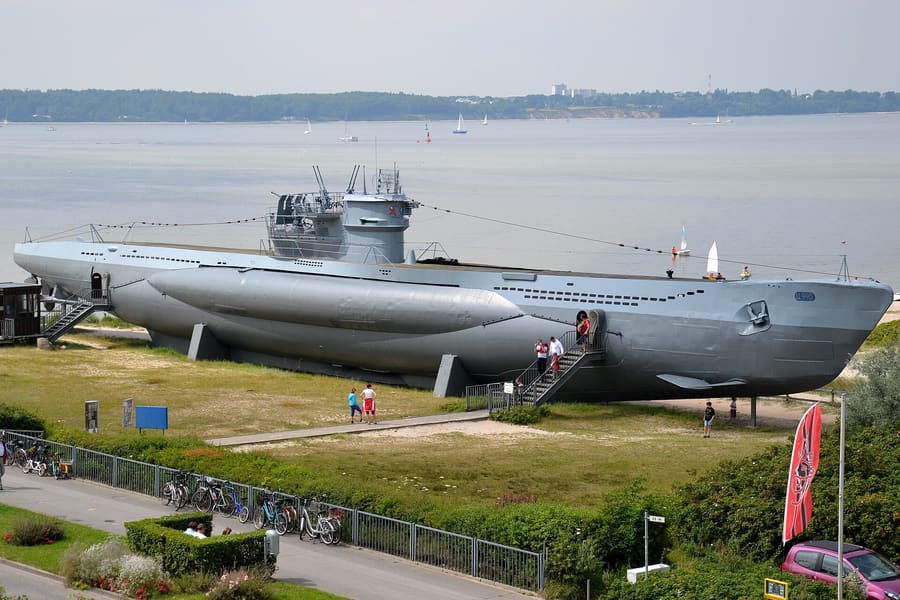
landmark
A 1943 Type VII-C U-boat on the sand at Laboe. You squeeze through actual living quarters and engine rooms.
Chiedi a Parley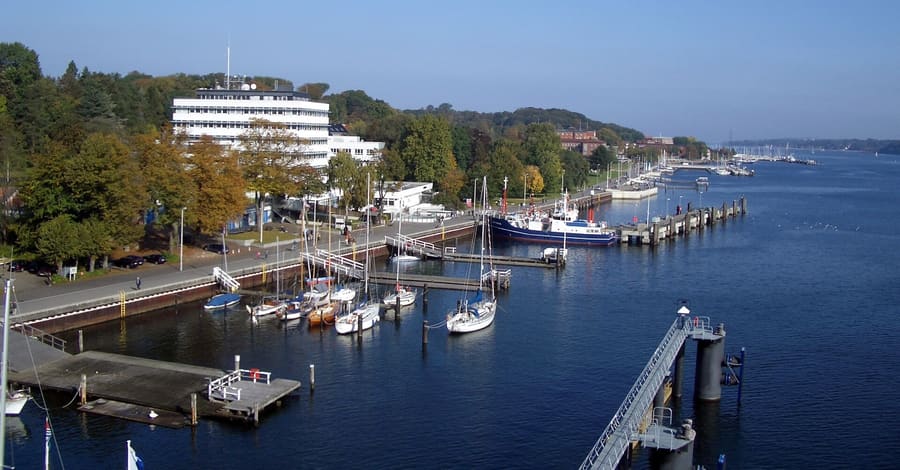
landmark
A 3.5-kilometre pedestrian path along the west shore. Rowers, boathouses, and seals at the GEOMAR aquarium outdoor pool line the route.
Chiedi a Parley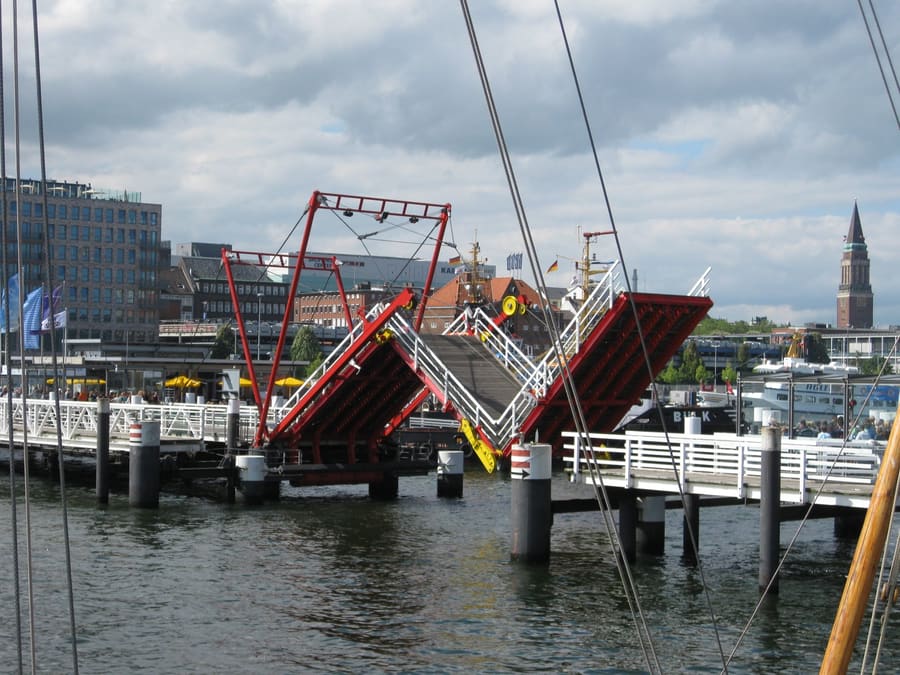
landmark
A three-segment folding bridge over the inner harbor. It folds into an 'N' shape hourly to let watercraft pass.
Chiedi a Parleyattractions
areas
Post-war shopping streets around the historic St. Nikolai church and the central harbor basin.
Nei dintorniHauptbahnhof, SFK Ferry Pier, Kieler Schloss
Chiedi a ParleyLeafy upscale residential quarter lined with historic villas, diplomatic residences, and boat clubs.
Nei dintorniKiellinie Promenade, Kunsthalle, Dänischer Hagen
Chiedi a ParleyMaritime village atmosphere clustered around the entrance to the Kiel Canal and its red-brick lighthouse.
Nei dintorniKiel Canal Locks, Tiessenkai, Schilksee bus lines
Chiedi a ParleyFormer naval quarter converted into a quiet district of parks, marine institutes, and canal views.
Nei dintorniAnscharpark, Nord-Ostsee-Kanal south bank, Kiellinie north end
Chiedi a Parleyfood
Kiel dining centers on Baltic catches and hearty Schleswig-Holstein staples. Kieler Sprotte, tiny smoked sprats eaten whole including bone and head, historically originated in neighboring Eckernförde and became associated with Kiel because they were shipped via Kiel's main freight depot. Along the waterfront kiosks, a Fischbrötchen packed with pickled herring (Bismarck) or matjes is the standard midday meal.
Traditional wooden box of Kieler Sprotte smoked sprats.
Joachim Müllerchen · CC BY 2.5Order your fish bun at harbour stalls like Goldfisch on the Kiellinie. Eat it standing up while watching gulls carefully.
Matjes season begins in June. Look for fresh Matjesbrötchen with raw onions and apples along the harbour docks.
Visit the Kieler Brauerei at the Alter Markt for house-brewed dark lager and regional labskaus served with fried egg.
history
Founded in the 13th century as a Holstein market town, Kiel's trajectory changed when Prussia chose it as its main Baltic naval base in 1865. Shipbuilding replaced regional trade, turning the fjord into an industrial shipyard cluster. This strategic importance made the city a primary target during World War II, leading to complete destruction of its historic core.
City Charter
Count Adolf IV of Schauenburg establishes Holstenstadt Kiel on a peninsula in the fjord.
Kiel Canal Opens
Kaiser Wilhelm II inaugurates the Kaiser-Wilhelm-Kanal, connecting the North Sea directly to the Baltic.
Kiel Mutiny
Sailors revolt at the Kiel naval base, sparking the German Revolution and ending the German Empire.
Olympic Sailing
Kiel-Schilksee hosts the sailing events for the Munich Summer Olympics, establishing modern sailing marina infrastructure.
where to stay
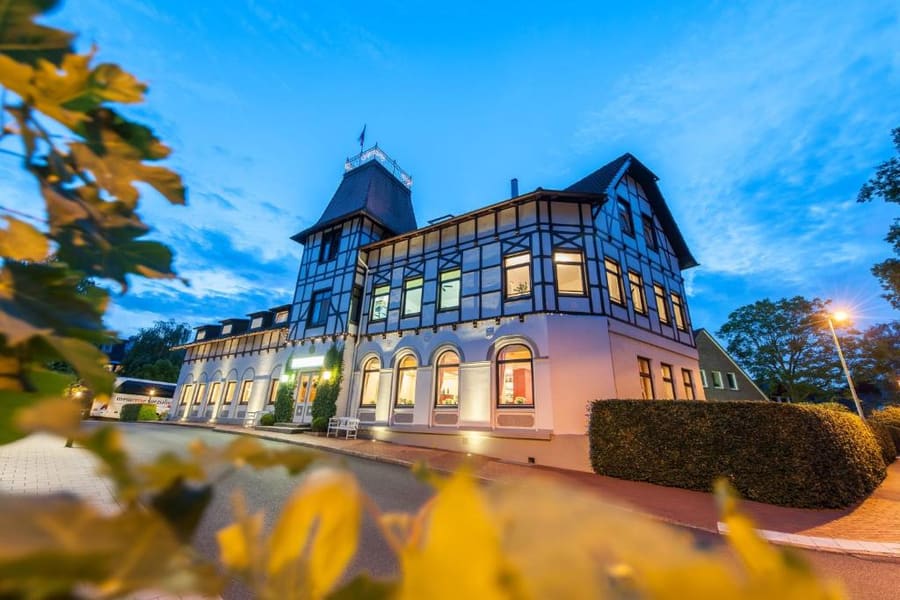
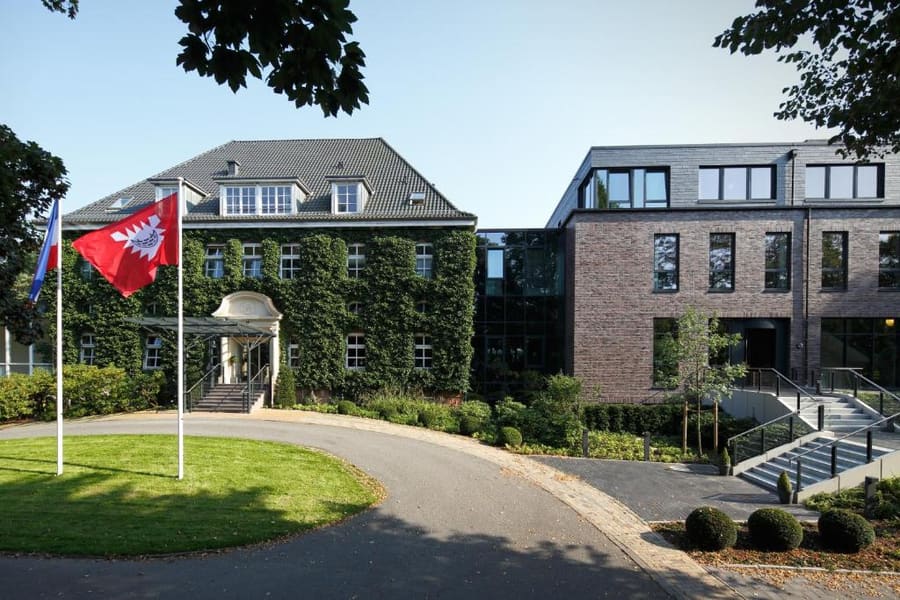
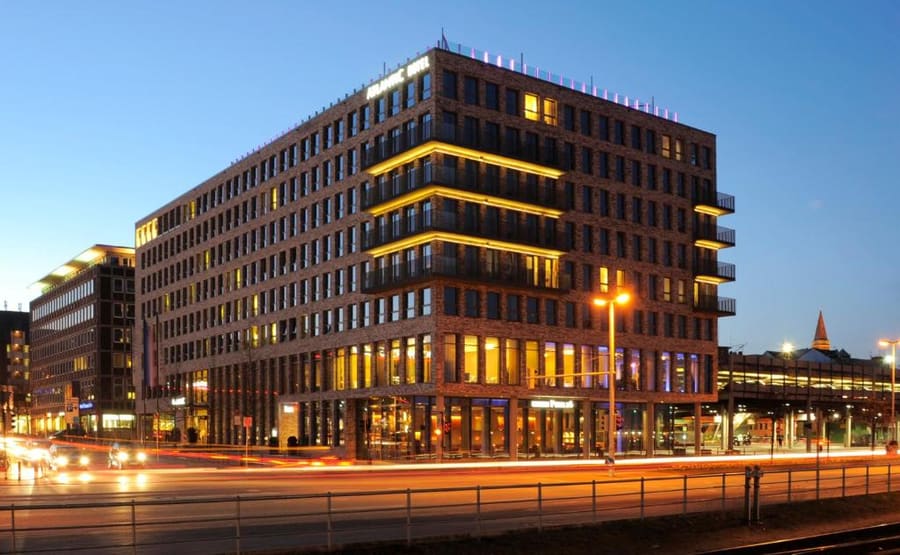
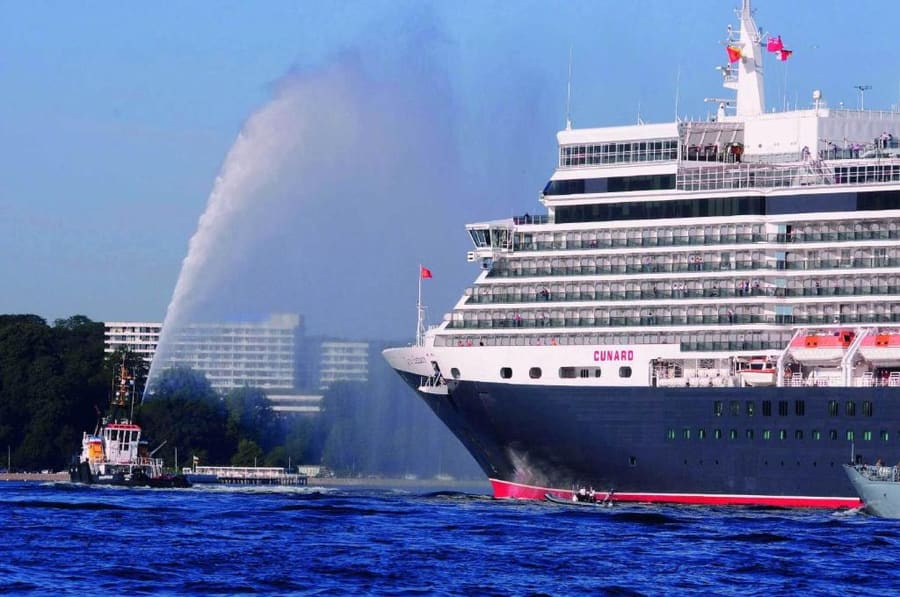
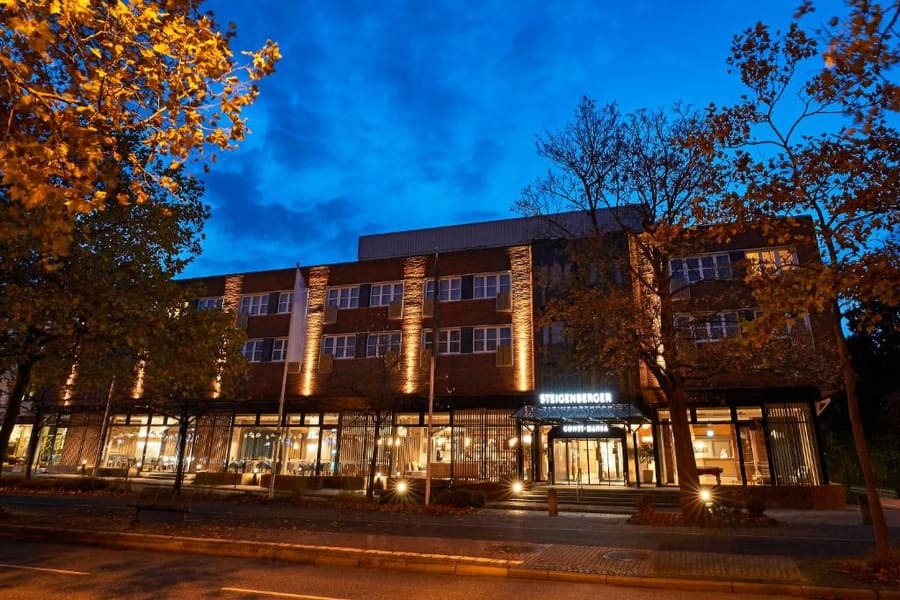
Choose your stay based on transit access or water views. Altstadt hotels place you within five minutes of the Hauptbahnhof and ferry quays. Düsternbrook offers quiet parks and immediate access to the Kiellinie promenade at higher prices.
Live rates, matched to the areas above.
transport
Kiel has no tram network. Local transit relies on KVG buses and SFK passenger ferries. Ferries function as regular public transit, connecting both sides of the fjord year-round.
Da Hamburg Airport (HAM)
Kielius coach runs hourly directly from HAM terminals to Kiel Hauptbahnhof.
Pre-booked airport transfers save roughly 15% over meter fares.
The SFK ferry runs between Hauptbahnhof, Reventlou, Friedrichsort, and Laboe. Valid with VRK bus tickets plus a small water supplement.
Buy single or day tickets directly on KVG buses via contactless card or the NAH.SH mobile app.
Bike-share network available across Kiel. The first 30 minutes on standard bikes are free after app registration.
cost
Kiel prices reflect its regional university status. Dining and transit cost significantly less than in Munich or Hamburg.
Fresh matjes or salmon roll at harbour kiosks along Kiellinie.
Price varies depending on how many zones you cross down the fjord to Laboe.
Combined entry ticket with the Laboe Memorial tower costs €11.00.
Kieler Brauerei or Zwickel lagers at downtown taverns.
seasonality
JUN – AUG
Warmest weather and full ferry timetables. Kiel Week in late June brings 3 million visitors and spikes room rates.
SEP – OCT
Crisp autumn weather, lower hotel tariffs, and active shipping lanes with fewer pleasure boats.
NOV – FEB
Short, windy days and cold Baltic gusts. Waterfront kiosks close, but dark beer halls operate normally.
MAR – MAY
Spring daylight returns and ferry frequencies increase. Windy, requiring solid waterproof layers.
practicalities
Wind is constant along the fjord. Pack a windproof jacket even during midsummer sunny days.
Retail shops in Holstenstraße close on Sundays. Train station bakeries and harbour kiosks remain open.
Credit cards are widely accepted, but small fish stalls on the quayside still require cash.
Residents call themselves 'Kieler'. The city's mascot is the Kieler Sprotte fish.