landmark
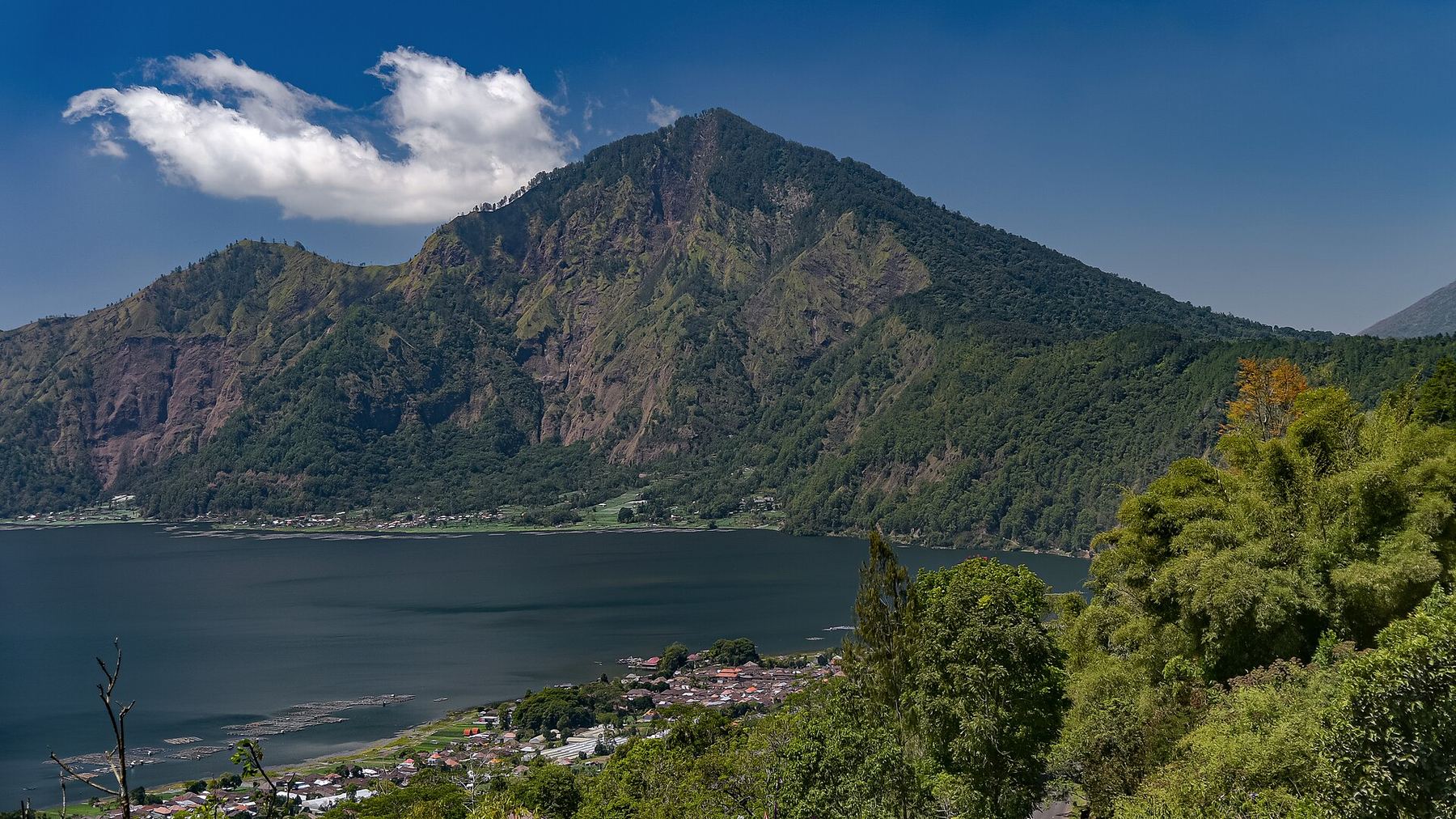
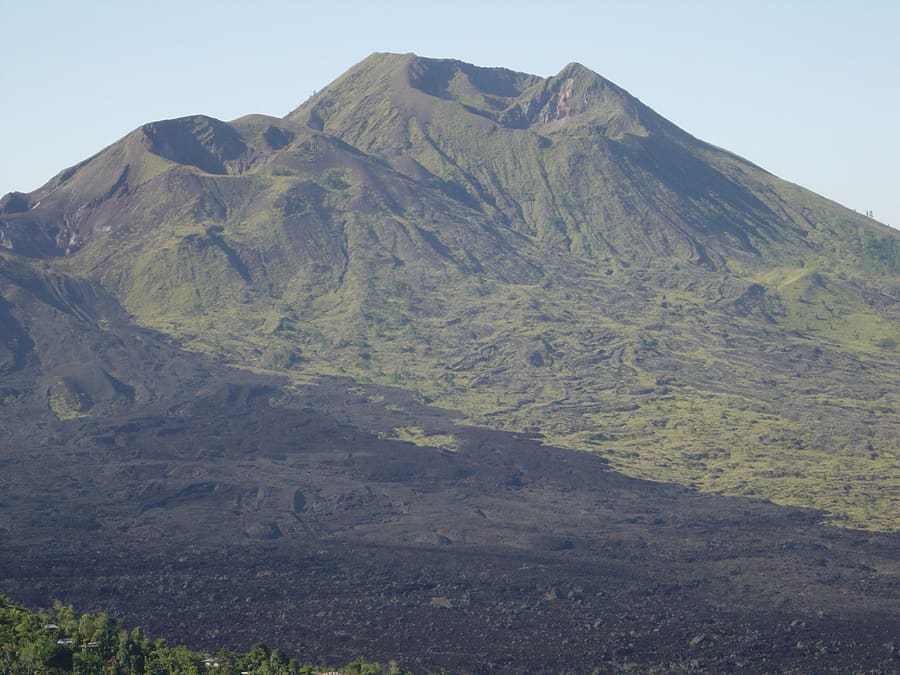
Mount Batur Summit
Climb 1,717 metres for dawn crater views. Start by 04:00 to reach the rim before solar glare hits.
Chiedi a ParleyIndonesia
A high-altitude volcanic caldera above the humid coast.
introduction
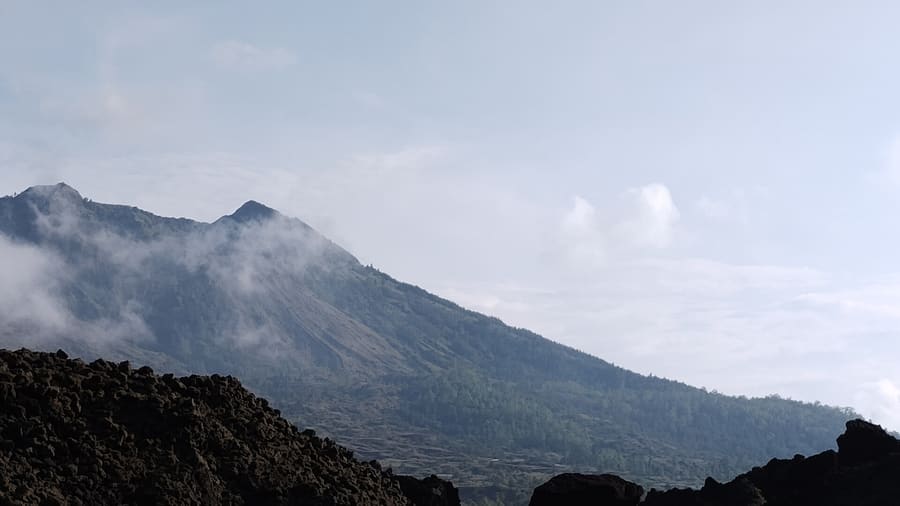
Kintamani sits on the rim of an ancient volcanic crater in northern central Bali. The climate is cool, misty, and sharply different from the southern beach towns. Most visitors come for sunrise treks up Mount Batur or coffee tastings along the Penelokan ridge. You come here for stark volcanic geography, geothermal water, and quieter rural roads.
Arrival trick
Drive up early from Ubud to avoid morning peak traffic. The steep climb from Payangan slows heavily behind loaded trucks after 08:00.
Planning trick
Temperatures drop to 15°C at dawn on the ridge. Bring a real windbreaker and layers for early morning summit treks.
Kintamani
WikiSantaClaus · CC BY 4.0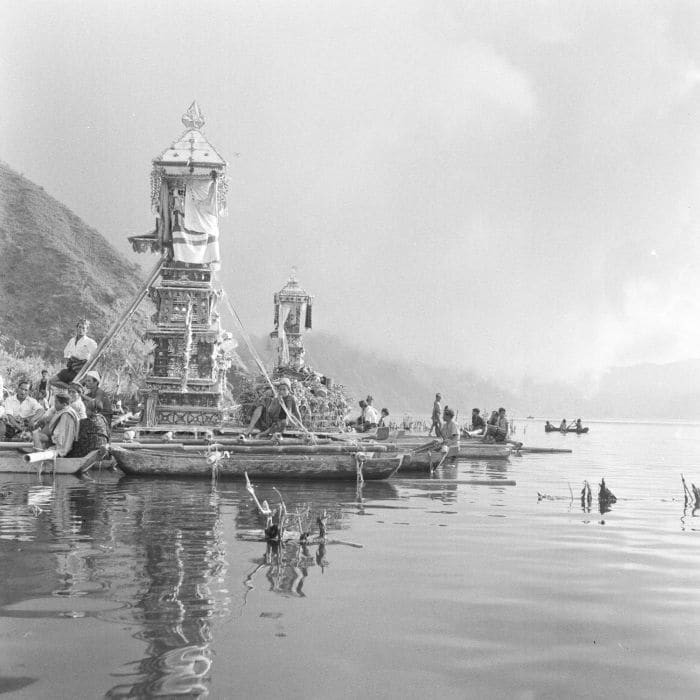
Trunyan — Isolated eastern village preserving pre-Hindu Bali Aga traditions.
P. (Paul) Spies (Fotograaf/photographer). · CC BY-SA 3.0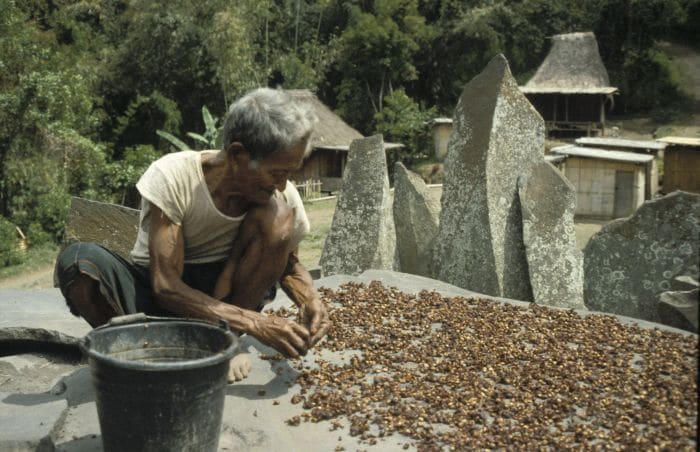
Kintamani Arabica coffee served at a cliffside cafe on the Penelokan ridge.
M. (Michael) Barak (Fotograaf/photographer). · CC BY-SA 3.0highlights
landmark
Climb 1,717 metres for dawn crater views. Start by 04:00 to reach the rim before solar glare hits.
Chiedi a Parley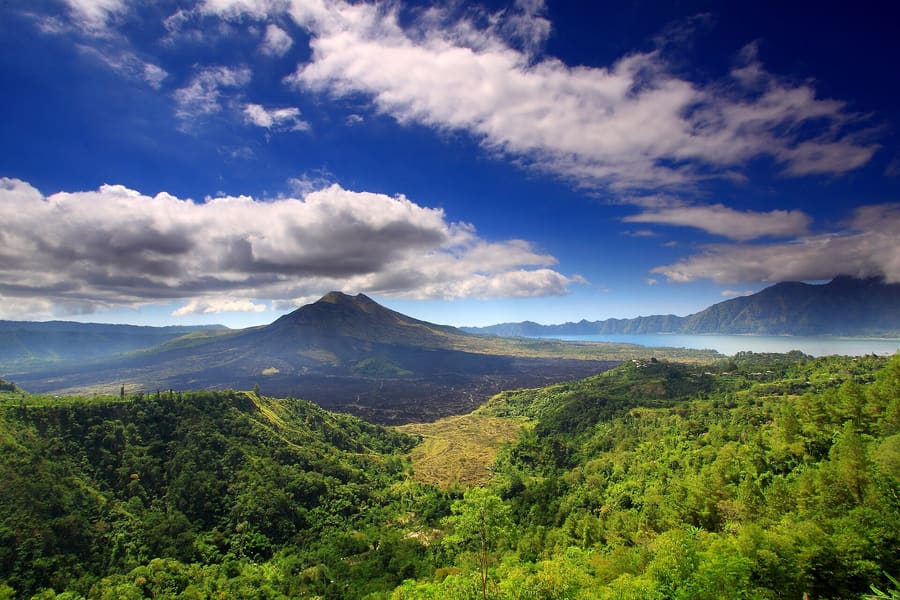
landmark
A wide crater lake filling the southeastern caldera. Rent a small motorboat from Kedisan pier to cross it.
Chiedi a Parley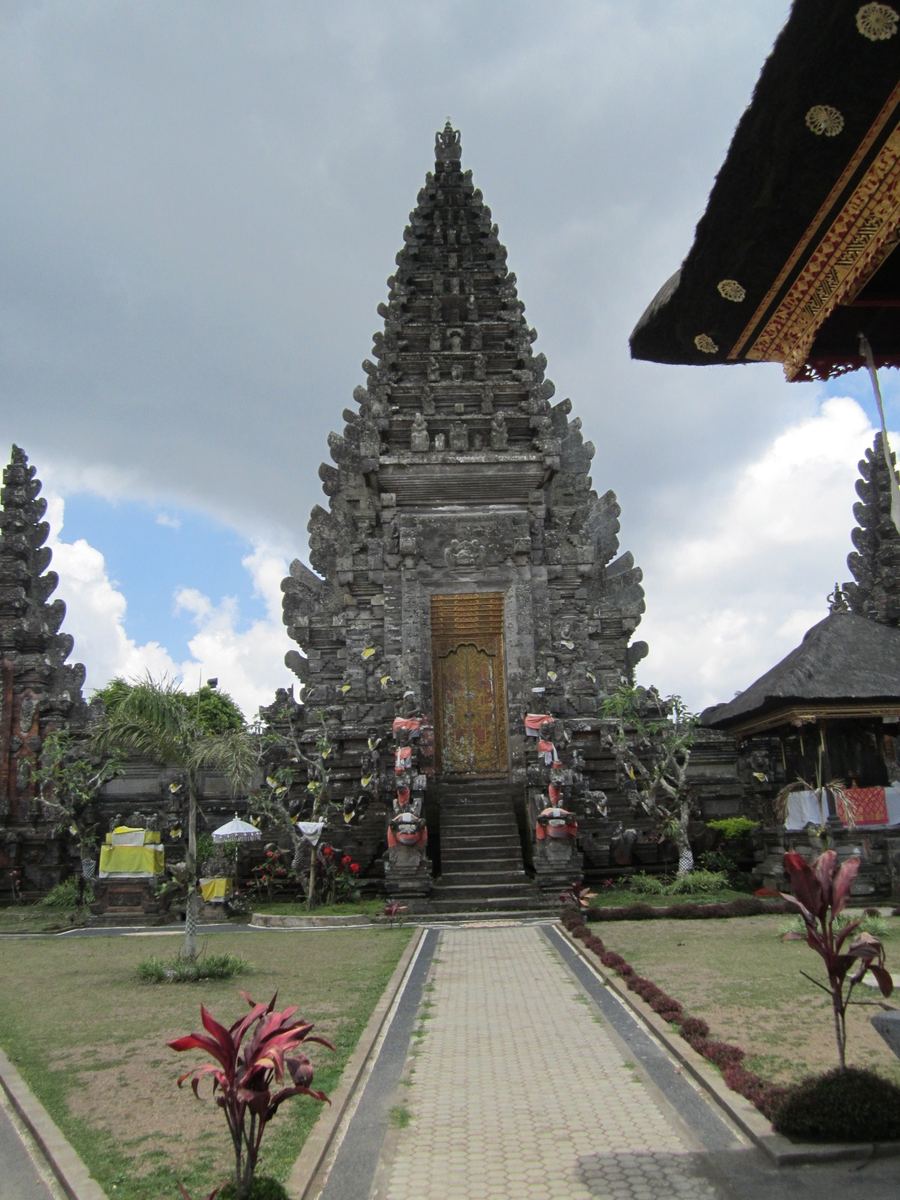
landmark
The island's second most crucial temple complex. Relocated to the high rim after the 1926 lava flows destroyed the old site.
Chiedi a Parley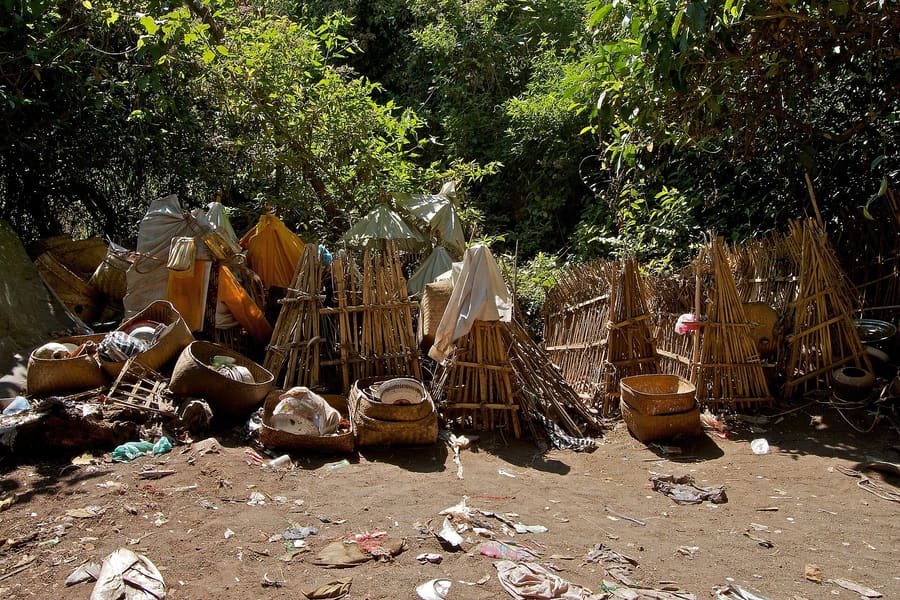
landmark
An ancient Bali Aga open cemetery. Bodies lie under bamboo cages without burial beneath a fragrant banyan tree.
Chiedi a Parleyattractions
areas
Isolated eastern village preserving pre-Hindu Bali Aga traditions.
Nei dintorniLake Batur eastern shore and Taru Menyan open burial site
Chiedi a ParleyHigh cliff edge perched over the crater floor, packed with glass-front coffee shops.
Nei dintorniPura Ulun Danu Batur and main access roads to Ubud
Chiedi a ParleyLakeside basecamp village at the immediate foot of Mount Batur.
Nei dintorniMount Batur trailheads and geothermal swimming pools
Chiedi a ParleyAgricultural heartland of the northern lake shore surrounded by steep green cliffs.
Nei dintorniBlack lava rock fields and northern crater drives
Chiedi a Parleyfood
Kintamani produces high-altitude Arabica coffee grown in volcanic soil alongside citrus trees. Local cafes line the Penelokan ridge, serving single-origin pours with direct views across the caldera. Down at lake level, menus feature fresh Mujair fish caught directly from Lake Batur.
Kintamani Arabica coffee served at a cliffside cafe on the Penelokan ridge.
M. (Michael) Barak (Fotograaf/photographer). · CC BY-SA 3.0Order fresh tilapia or carp cooked in heavy spice paste (nyatnyat) at lakeside warungs in Toya Bungkah.
Kintamani Arabica holds registered geographic protection. It carries mild citrus notes due to intercropping with local orange groves.
Most modern coffee shops on Jalan Raya Penelokan open by 06:00 to catch post-trek breakfast traffic and close by 19:00.
history
The present landscape is shaped by the collapse of a massive prehistoric volcano that created a double caldera. Modern settlements moved continually up and down the mountain depending on volcanic activity. Violent eruptions in 1917 and 1926 wiped out ancient villages on the lake floor, forcing survivors to rebuild along the higher rim.
Great Eruption of 1917
A major eruption killed over a thousand people and destroyed thousands of homes in the crater.
Destruction of Batur Village
Lava flows buried the original Pura Ulun Danu temple. Villagers relocated the shrine up to Penelokan.
UNESCO Geopark Status
The Batur caldera joined the UNESCO Global Geoparks Network for its geological significance.
where to stay
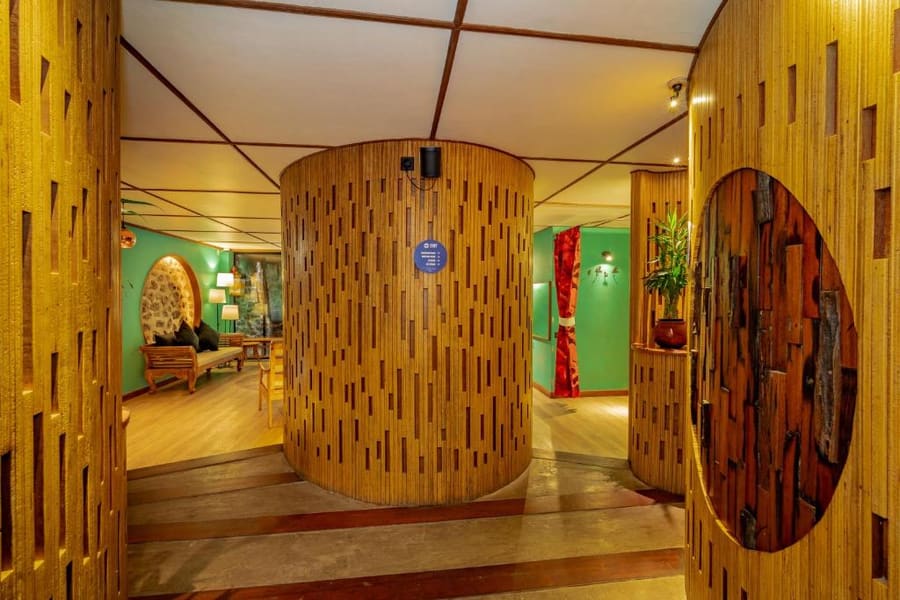
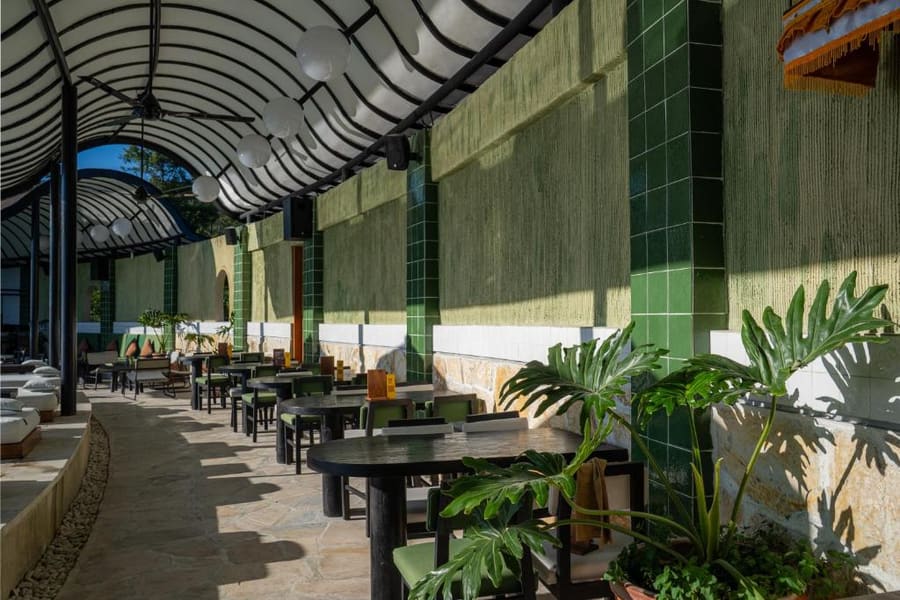
Choose your stay based on your morning plans. Stay on the Penelokan ridge for design-forward boutique hotels and sunrise crater views. Stay down in Toya Bungkah or Songan if you want to walk to summit trekking trails without a 03:30 AM drive.
Live rates, matched to the areas above.


transport
Public transit to Kintamani is almost nonexistent for visitors. Private drivers or rented scooters are the standard ways to reach and move around the caldera. Once inside the crater, roads down to the lake are steep and winding.
Da Ngurah Rai International Airport (DPS)
Book an official airport taxi desk or pre-arranged private driver before exiting terminal.
Best option if departing from Ubud or Seminyak early in the day.
The descent from Penelokan to Toya Bungkah features steep 15-degree switchbacks. Test your brakes before descending.
Bangli Regency charges a ticket fee of IDR 50,000 per person at official checkposts along incoming roads.
Local guide associations expect hikers to hire a licensed guide at trailhead posts for summit routes.
Boats to Trunyan operate from Kedisan or Toya Bungkah piers. Agree on total round-trip price before boarding.
cost
Prices in Kintamani are lower than southern Bali beach resort areas. Expect higher prices only at modern cliffside cafes along the Penelokan strip.
Standard rate for a private local trekking guide for up to two hikers.
Includes towel and locker access at major thermal pool facilities in Toya Bungkah.
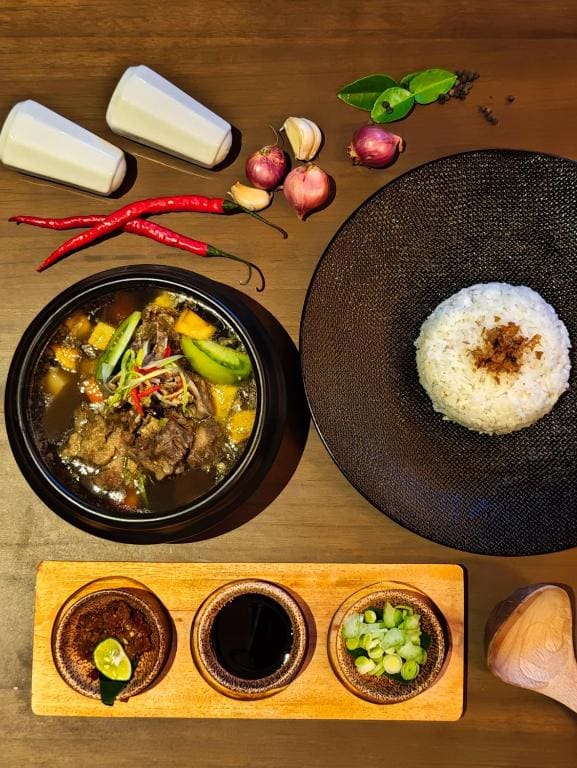
Price for fresh fried Mujair fish set meal with rice and sambal at local warungs.
Cost of a pour-over or latte at high-end Penelokan ridge cafes.
seasonality
MAY – SEP
Dry season with clearer early mornings. Peak window for Mount Batur summit hikes.
OCT – NOV
Transition months. Morning skies stay clear but afternoon clouds gather quickly.
DEC – APR
Wet season. Trail paths turn muddy and heavy mountain fog frequently blocks crater views.
practicalities
The rim sits at 1,500 metres altitude. Expect temperatures 5°C to 8°C cooler than coastal Denpasar.
ATMs are scarce inside the crater floor. Small warungs and boat drivers do not accept credit cards.
Summit trailheads get crowded by 05:00 AM during peak dry season months.
Wear a sarong and sash when entering Pura Ulun Danu Batur on the main rim.
Lakeside agricultural areas experience heavy fly seasons during crop harvest times around July and August.