landmark
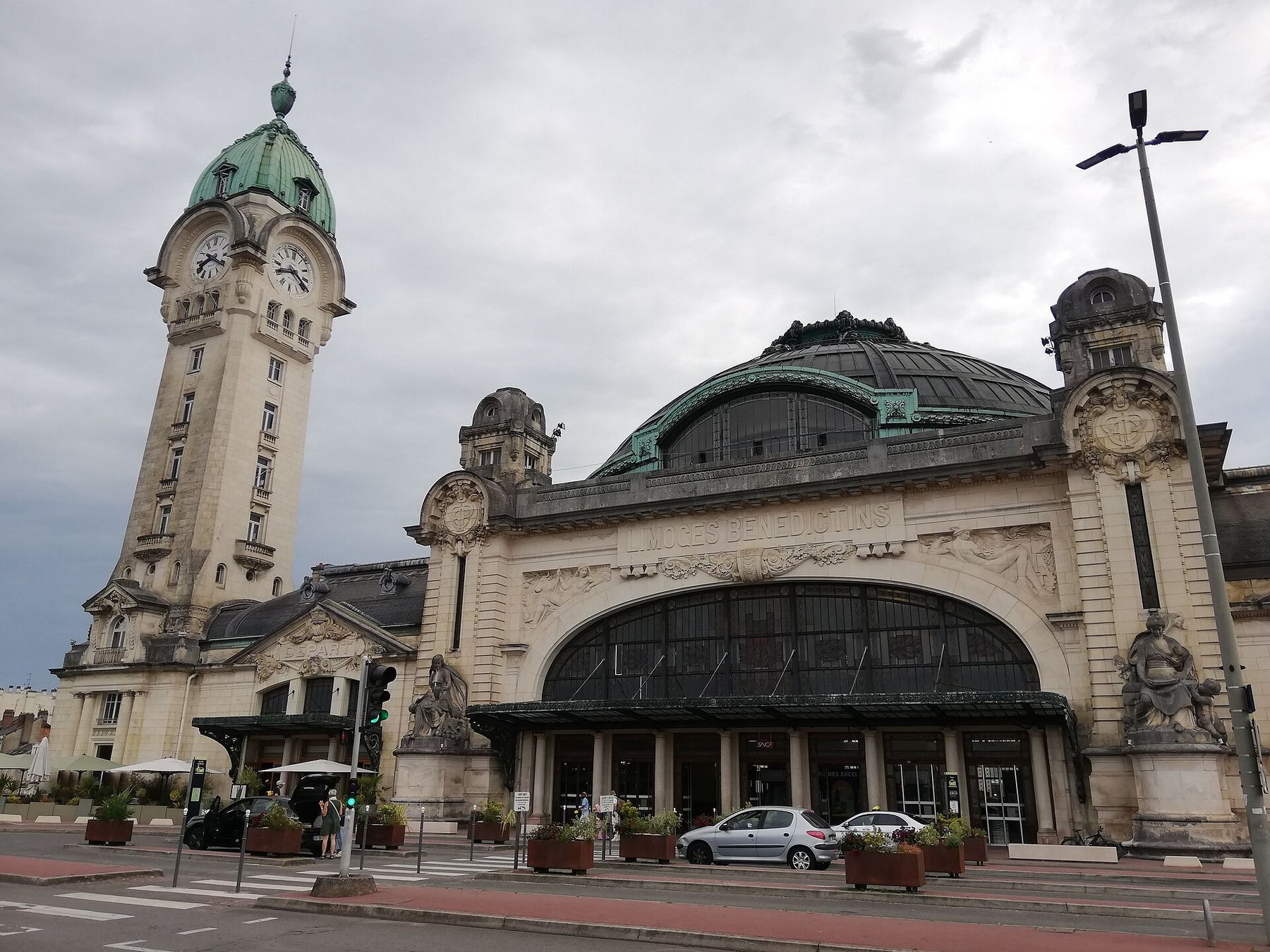
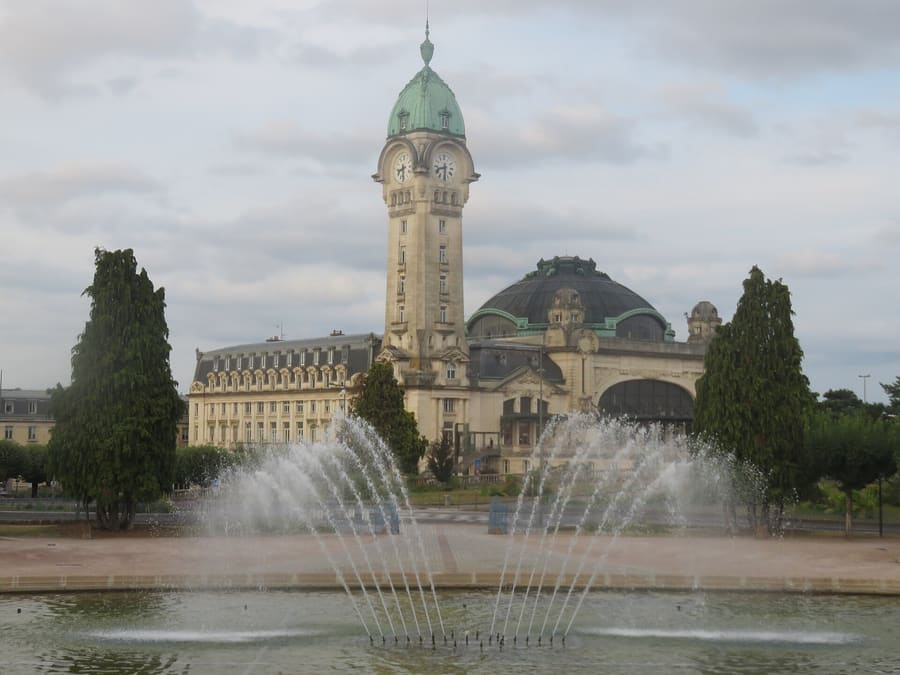
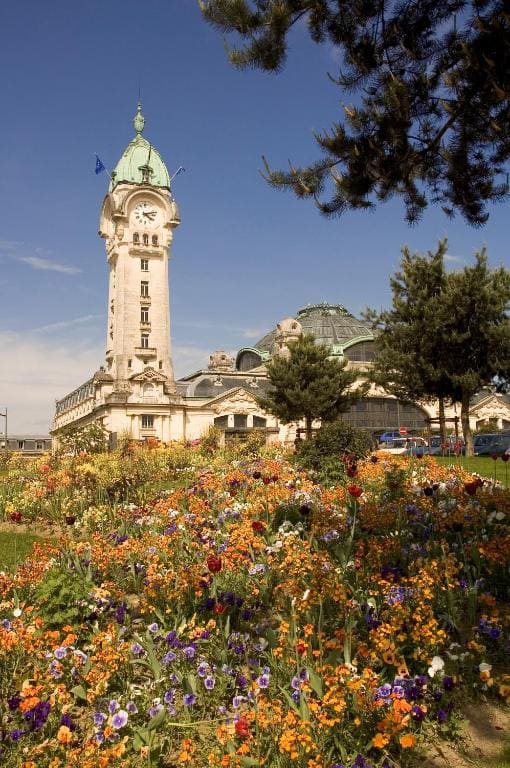
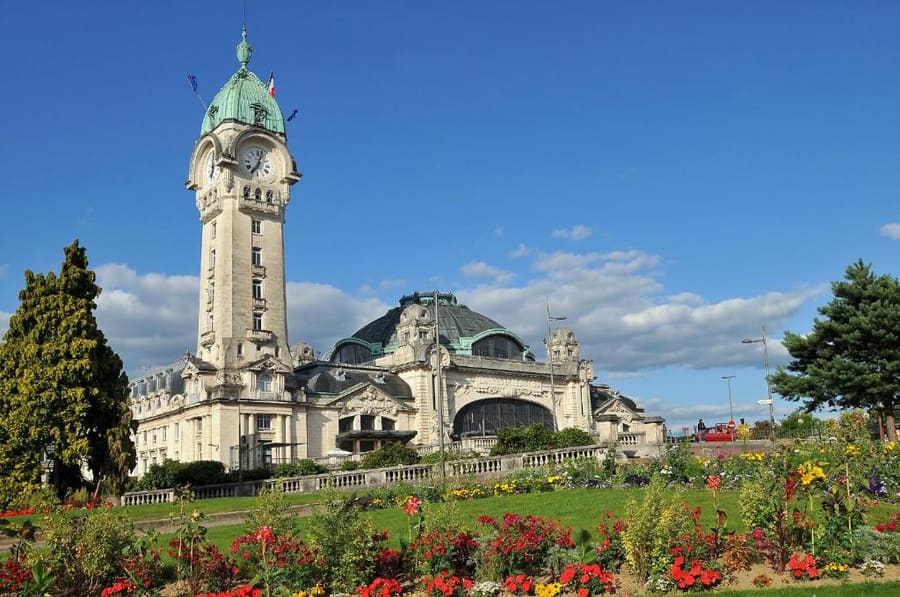
Gare de Limoges-Bénédictins
An Art Deco transit hub topped with a copper dome and clock tower. Walk through the hall even if you travel by car.
Chiedi a ParleyFrancia
Porcelain capital built above medieval riverbanks.
introduction
Limoges divides naturally into two historic centers: the elevated commercial quarter of Le Château and the quiet religious precinct of La Cité sloping toward the Vienne river. Electric trolleybuses run along the main corridors, but walking is the best way to navigate the narrow timber-framed lanes. Expect world-class porcelain heritage, rich Limousin cuisine, and direct rail links to Paris.
Rail arrival directly in the centre
Trains from Paris Austerlitz drop you under the landmark dome. The city centre sits a ten-minute walk west.
UNESCO Creative City for Crafts
UNESCO recognized Limoges in 2017 for its porcelain and enamel heritage. Look for porcelain street plaques along old quarters.
Tuesday museum closures
Municipal museums close on Tuesdays throughout the year. Plan your gallery visits for Wednesday through Sunday.
Limoges
This Photo was taken by croucrou / Sylvain Crouzillat Cette Photo a été prise par croucrou / Sylvain Crouzillat More pic · CC BY-SA 3.0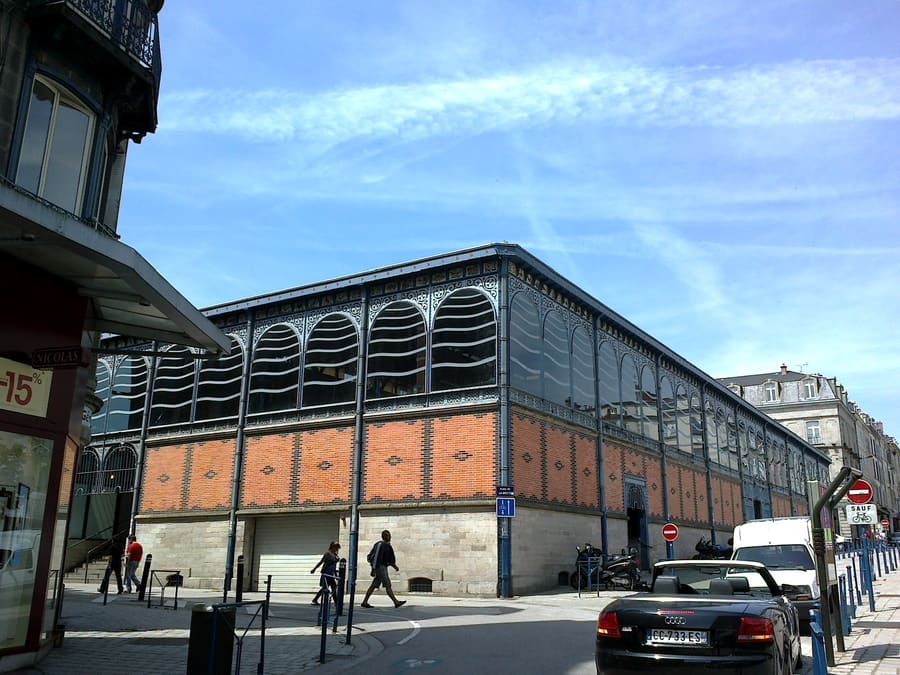
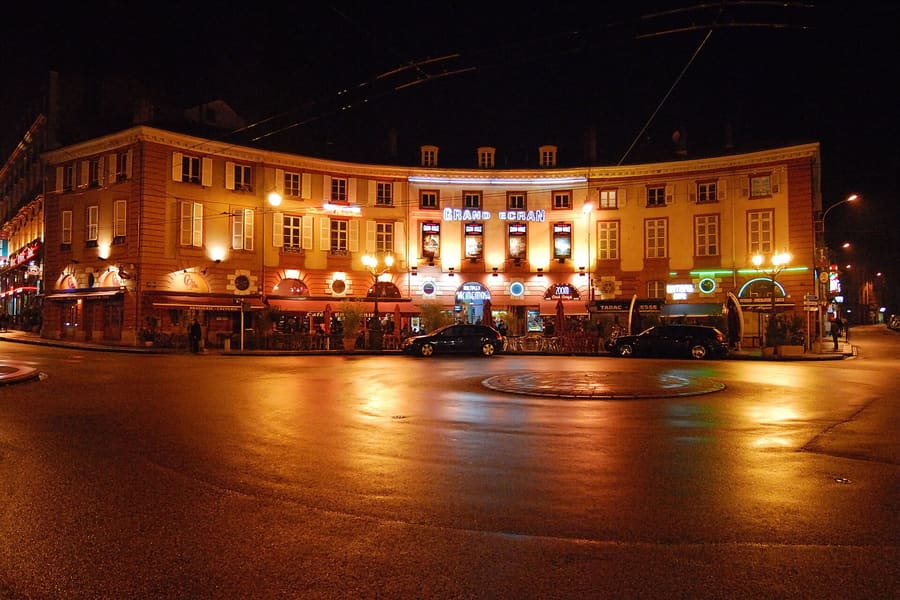
Le Château — Lively commercial heart built around old medieval guilds and covered markets.
rene boulay · CC BY-SA 3.0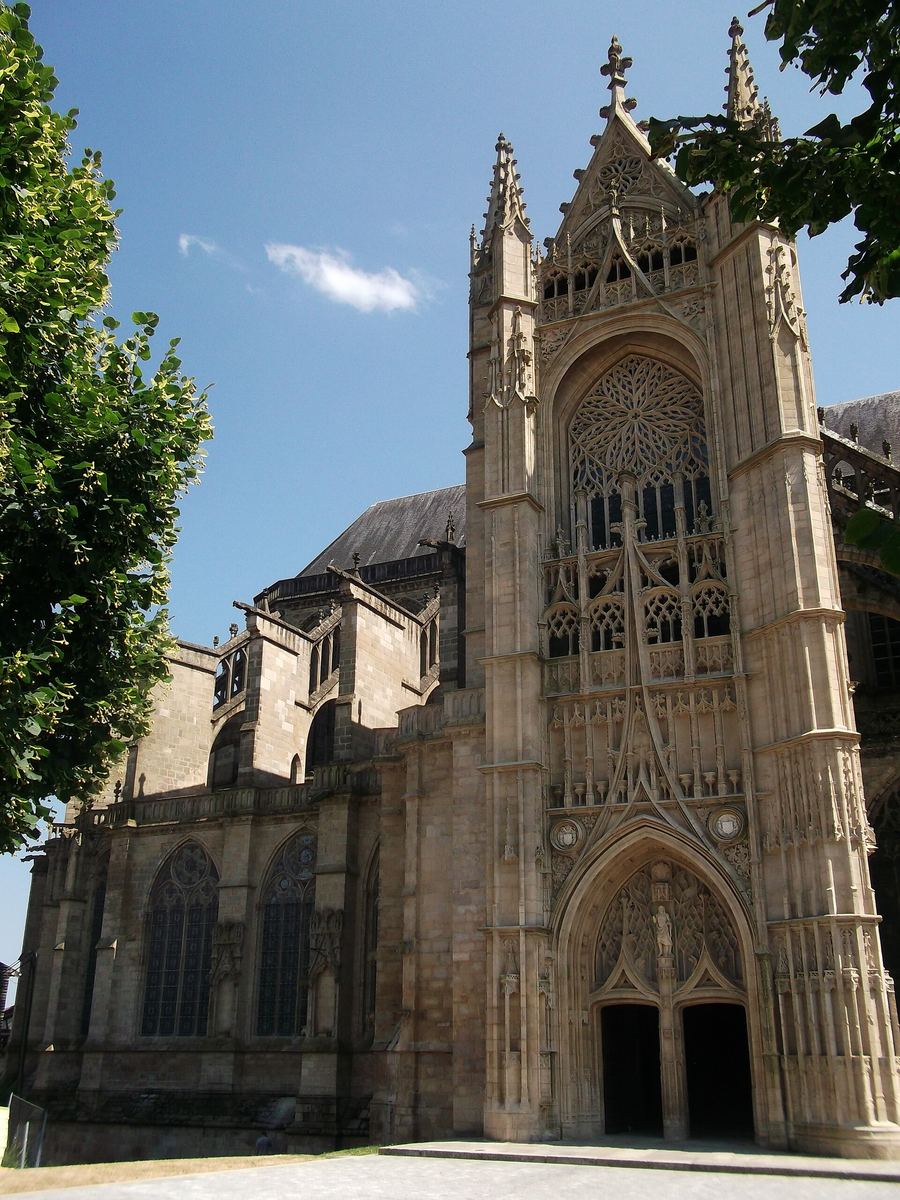
La Cité — Quiet, historic cathedral district with cobblestone alleys and garden terraces.
Elliesram13 · CC BY-SA 3.0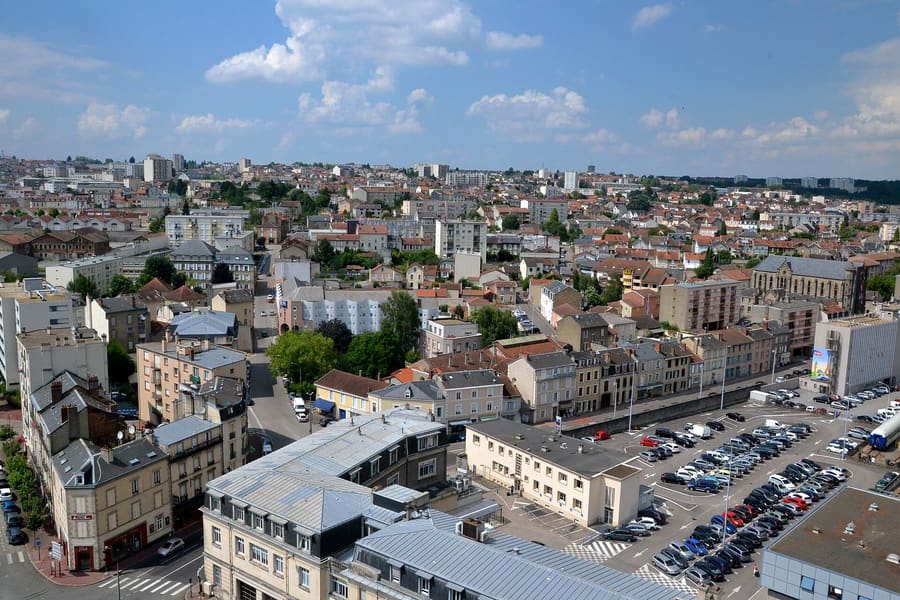
Gare - Bénédictins — Transit corridor centered on the railway station, practical for late arrivals.
Babsy · CC BY-SA 3.0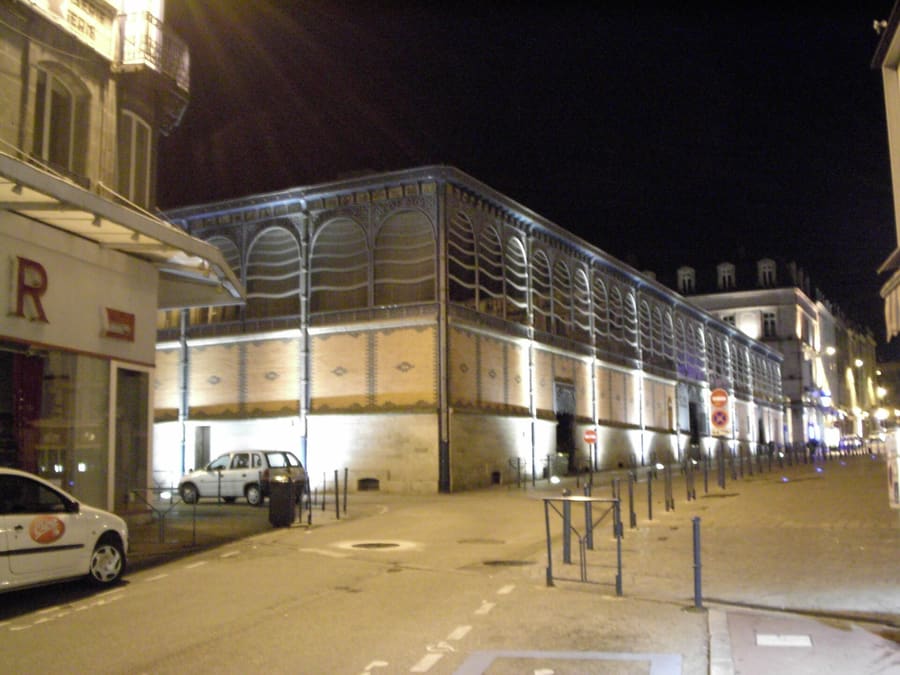
The cast-iron Halles Centrales on Place de la Motte.
The original uploader was Geolim at French Wikipedia. · CC BY 1.0highlights
landmark
An Art Deco transit hub topped with a copper dome and clock tower. Walk through the hall even if you travel by car.
Chiedi a Parley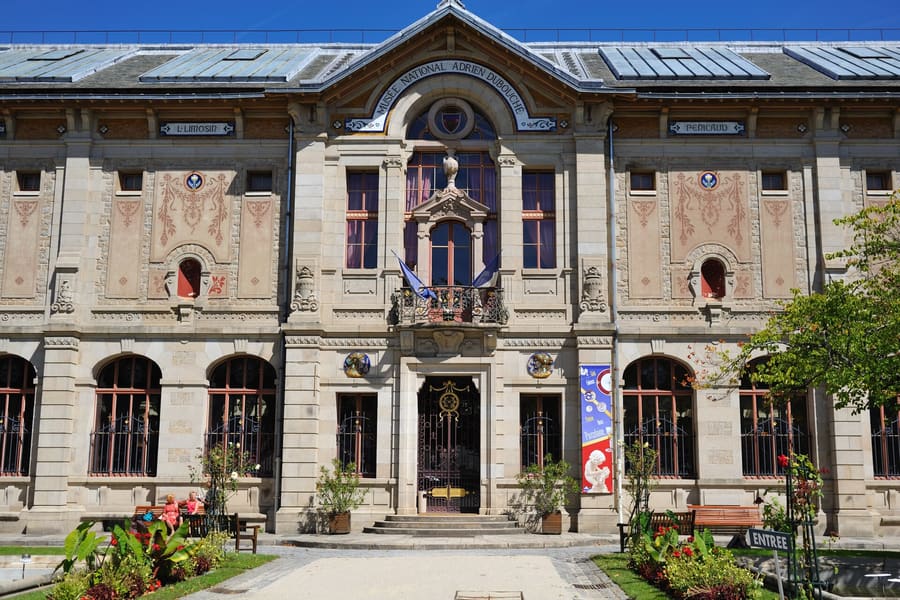
landmark
Holds over 18,000 ceramic and porcelain pieces. Ticket includes a guided overview of local manufacturing techniques.
Chiedi a Parley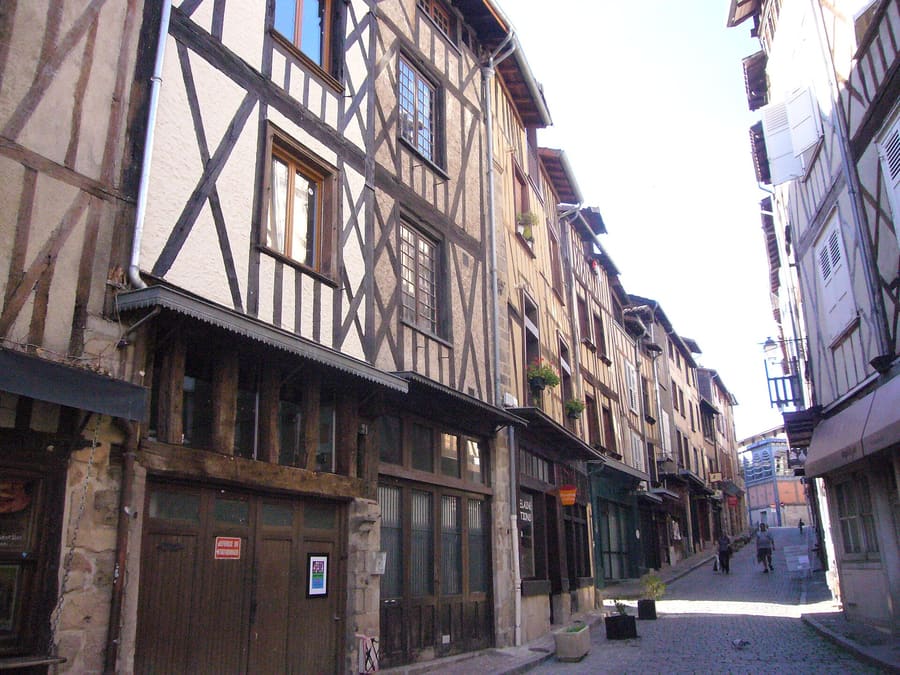
landmark
Timber-framed medieval street formerly run by the city's butcher guild. Visit the tiny St. Aurelian chapel at the end.
Chiedi a Parley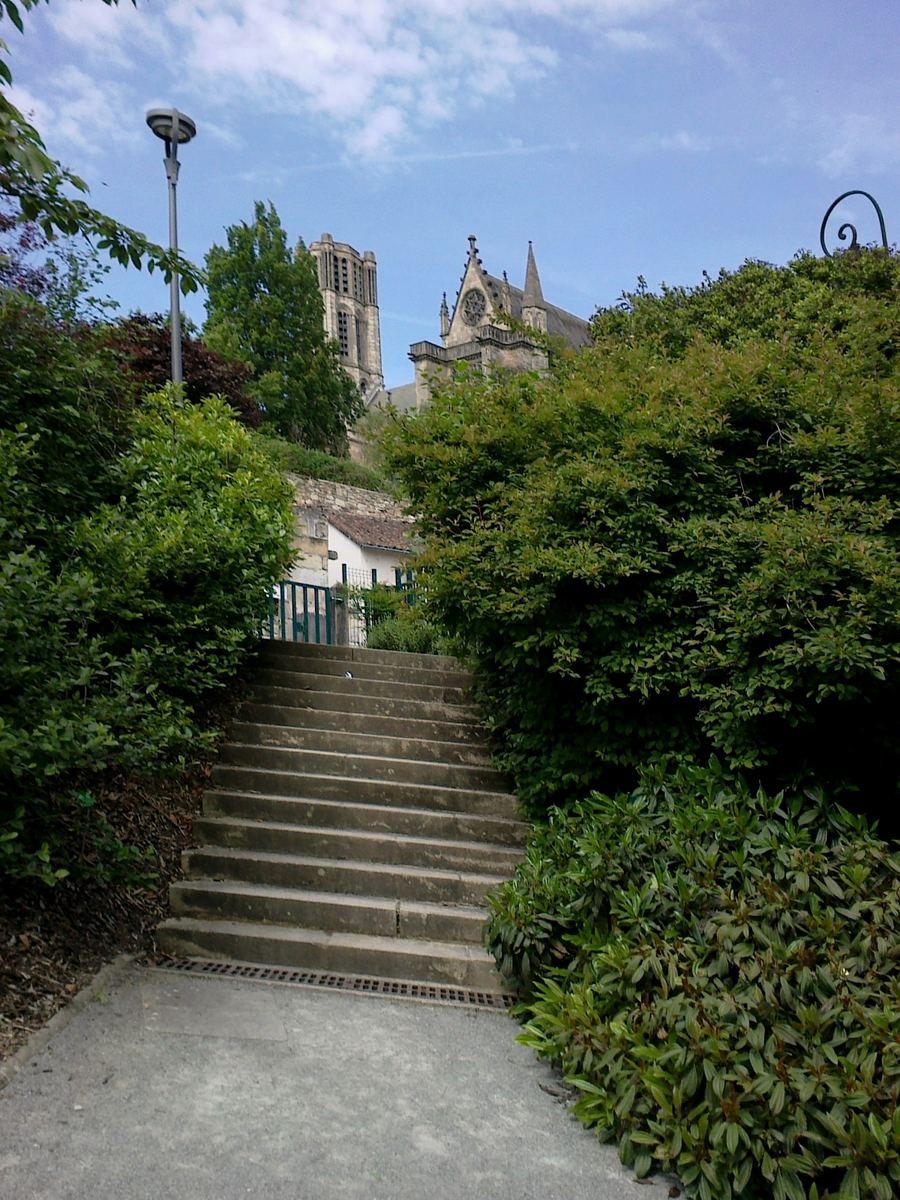
landmark
Terraced gardens cascading from the former episcopal palace to the Vienne river. Free entry daily until sunset.
Chiedi a Parley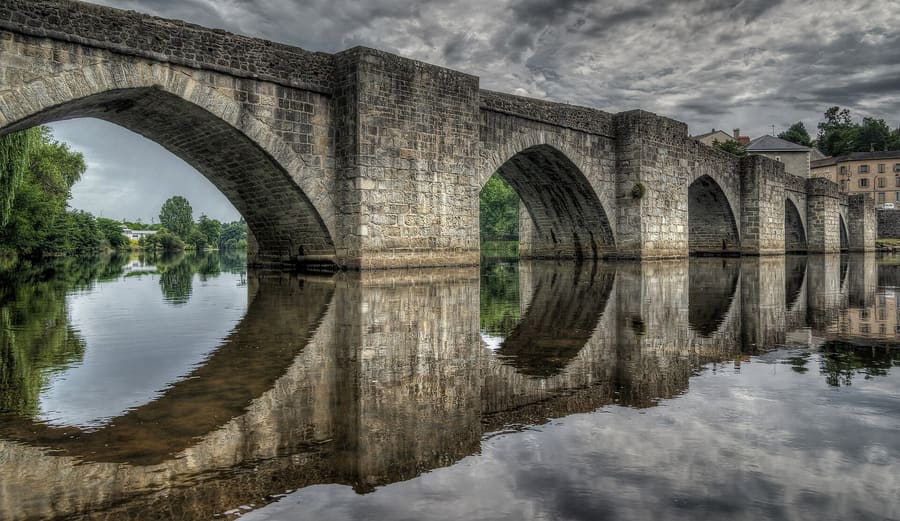
landmark
13th-century stone arch bridge along the Camino de Santiago route. Cross on foot for views back toward the cathedral.
Chiedi a Parleyattractions
areas
Lively commercial heart built around old medieval guilds and covered markets.
Nei dintorniHalles Centrales and Rue de la Boucherie
Chiedi a ParleyQuiet, historic cathedral district with cobblestone alleys and garden terraces.
Nei dintorniCathédrale Saint-Étienne and Musée des Beaux-Arts
Chiedi a ParleyTransit corridor centered on the railway station, practical for late arrivals.
Nei dintorniGare de Limoges-Bénédictins and Champ de Juillet
Chiedi a ParleyRelaxed riverside stretch with stone bridges and walking paths along the water.
Nei dintorniPont Saint-Étienne and Pont Saint-Martial
Chiedi a Parleyfood
Limoges food culture turns on Limousin beef, chestnut pastries, and galetous. Galetous are thin, porous buckwheat pancakes cooked on an iron griddle and served with salted butter or rillettes. The city's covered market, Halles Centrales on Place de la Motte, acts as the primary pantry for local butchers and cheese producers.
The cast-iron Halles Centrales on Place de la Motte.
The original uploader was Geolim at French Wikipedia. · CC BY 1.0Buy freshly rolled buckwheat galetous at Halles Centrales for around €2 each.
Market food stalls stop serving warm lunch plates by 13:30.
Traditional brasseries charge around €18–24 for a steak cooked over charcoal.
history
Founded by Emperor Augustus around 10 BCE as Augustoritum, Limoges grew along crucial Roman trade routes. Medieval rivalry created two distinct walled communities: the bishop's Cité near the river and the count's Château trade district. The 18th-century discovery of kaolin clay transformed the city into an industrial porcelain hub.
Augustoritum founded
The Romans establish Augustoritum on the Vienne river, building an amphitheatre, baths, and grid layout.
Two twin cities emerge
Limoges splits into two distinct medieval authorities: the Bishop's Cité near the river and the merchant Château district above.
Kaolin discovery
Discovery of high-grade kaolin clay nearby transforms Limoges into Europe's premier porcelain manufacturing hub.
Resisted occupation
Limoges serves as a regional stronghold for the French Resistance before liberation in August 1944.
where to stay
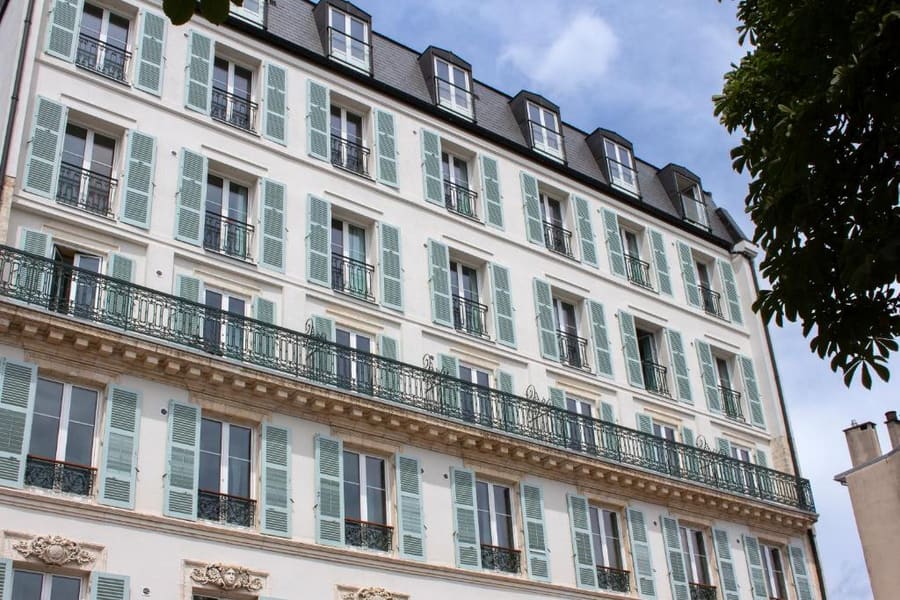
Choose by access priority. Le Château puts you inside the walkable dining quarter. La Cité suits those seeking quiet evenings near garden terraces. Staying near Gare Bénédictins helps early rail departures without requiring long taxi trips.
Live rates, matched to the areas above.
transport
Da Limoges Bellegarde Airport (LIG)
Flat-rate taxis operate from the terminal rank to central hotels.
Line 26 connects airport terminal directly to Place Winston Churchill.
Single bus or trolleybus tickets cost €1.60 when bought on board or via app.
Limoges runs one of France's few trolleybus networks, serving major arterial routes.
City bus lines run at 40-minute intervals on Sundays compared to 10-minute weekday frequency.
The distance between Le Château and La Cité takes under 15 minutes on foot.
cost
Limoges is more affordable than major western French cities. Prices remain reasonable for high-grade beef dining and entry to regional museums.
National Porcelain Museum ticket costs €8 for adults.
A three-course midday lunch menu in city center brasseries averages €18.
Unlimited bus and trolleybus access for 24 hours costs €4.50.
Drinking coffee standing at the bar is cheaper than table service outside.
seasonality
MAR – MAY
Mild spring temperatures around 12–18°C. Parks bloom and crowds remain light.
JUN – AUG
Warm summer days around 25–30°C. Outdoor terrace dining peak; book hotel rooms early.
SEP – NOV
Crisp autumn weather with fall foliage along the Vienne river. Lower accommodation rates.
DEC – FEB
Cold winter conditions near 2–7°C. Indoor museums stay open while tourist activity drops.
practicalities
Most local boutiques and grocery stores in the centre close completely on Sunday.
Credit and debit cards are accepted virtually everywhere, even for small €1 transactions.
Say 'Bonjour' when entering any shop; omitting it is viewed as rude.
The Limoges City Pass offers discounted entry to top museums and free public transport.
Walking up from Pont Saint-Étienne to the Cathedral involves a steep stone stair climb.